Log in to contact the seller
 Continue with Facebook
 Continue with Email
Continue with Facebook
Continue with Email
Sign up with Facebook
Continue with Email
Continue with Facebook
Continue with Email
Sign up with Facebook
 Change filters
 Requests


 8,563 m²


 302,000 m²
5,000 m²
2,000 m²
302,000 m²
5,000 m²
2,000 m²
 11,100 m²
17,233 m²
4,047 m²
9,660 m²
2,252 m²
11,100 m²
17,233 m²
4,047 m²
9,660 m²
2,252 m²
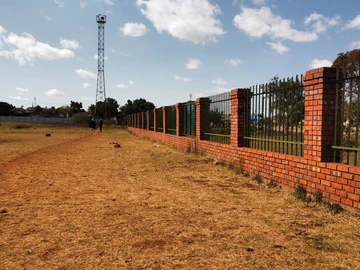
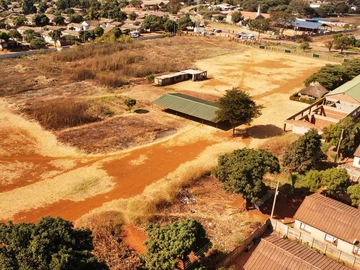
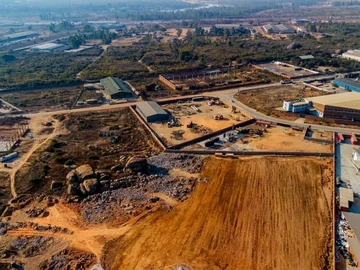
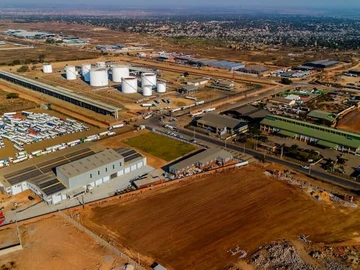
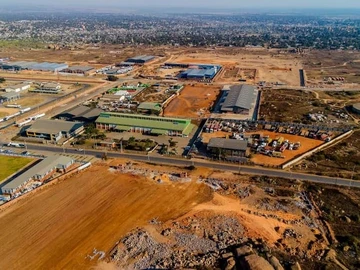
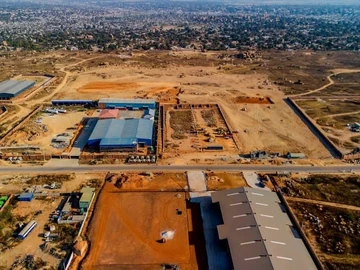
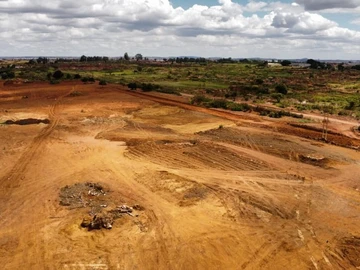
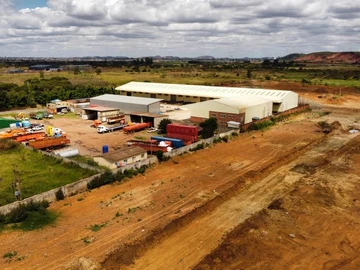
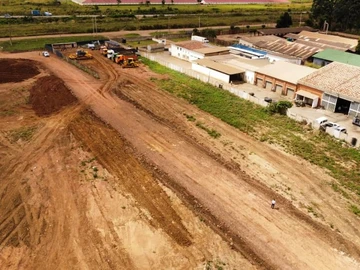
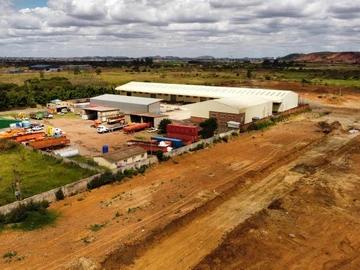
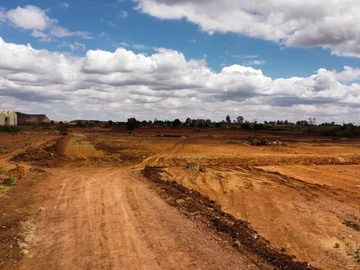
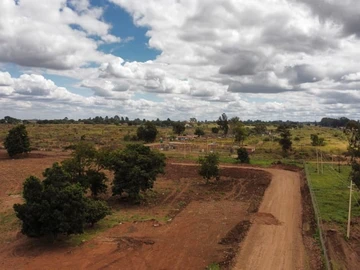
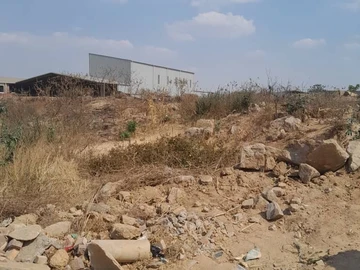
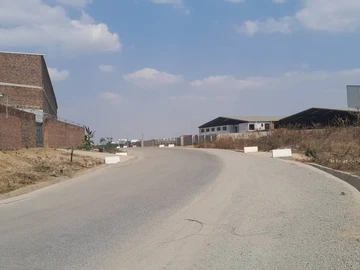
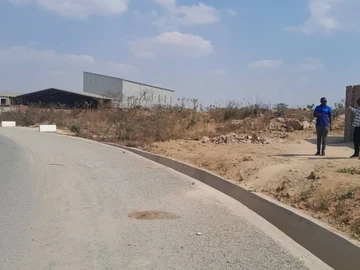
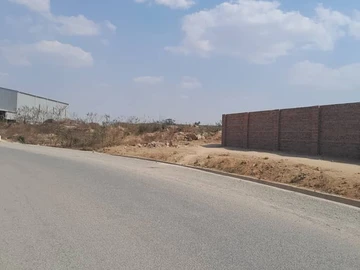
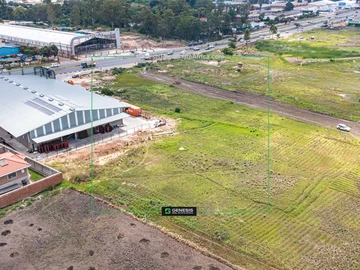
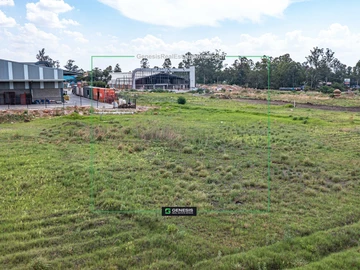
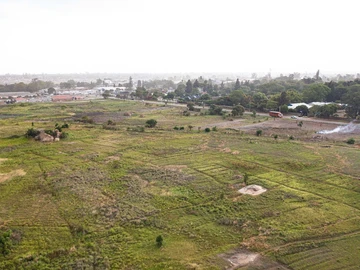
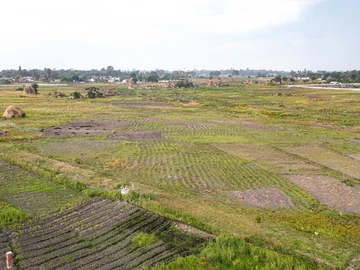
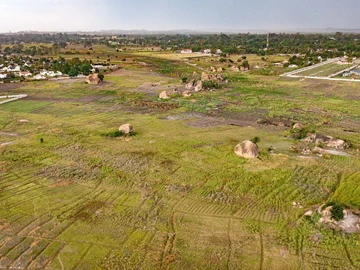
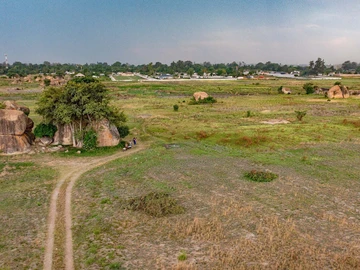
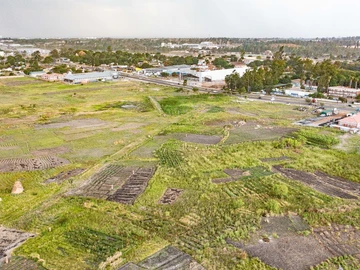
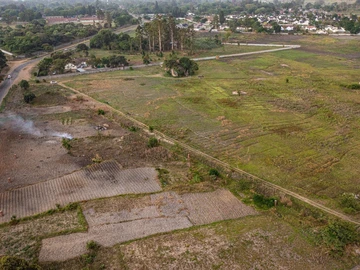
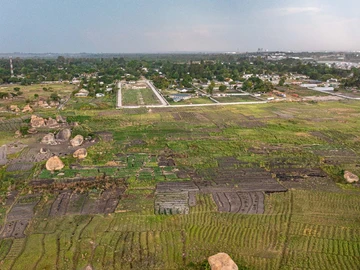
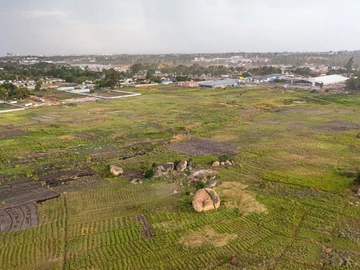
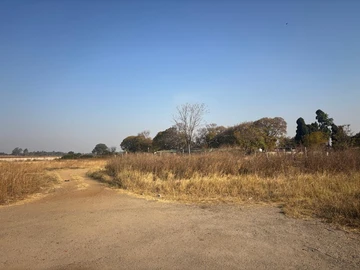
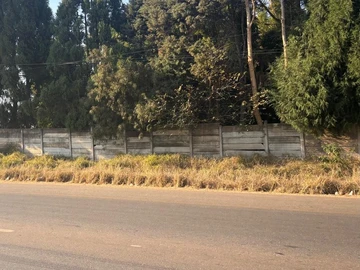
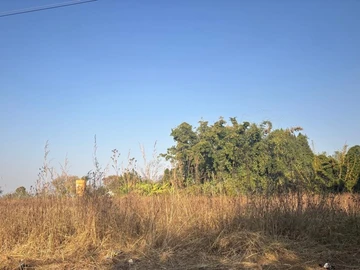
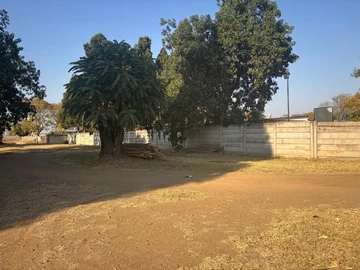
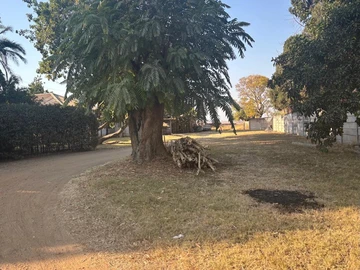
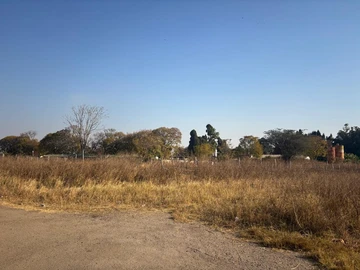
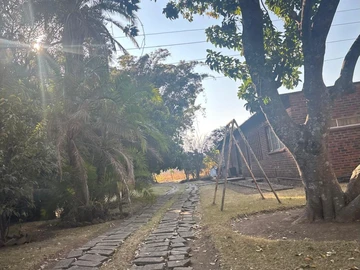
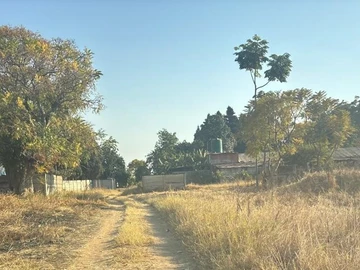
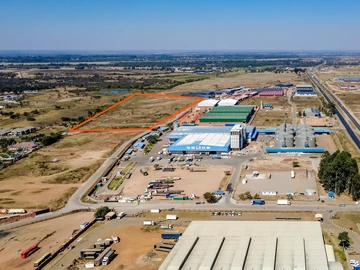
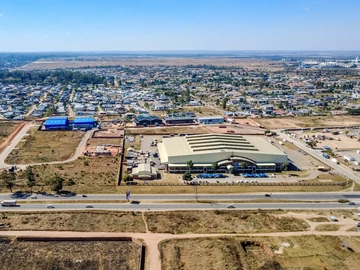
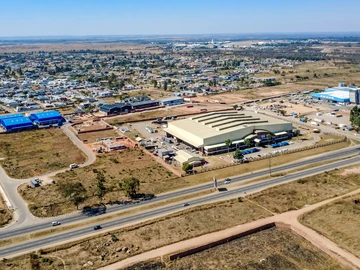
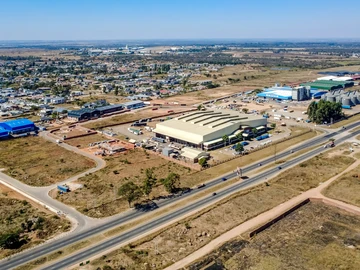
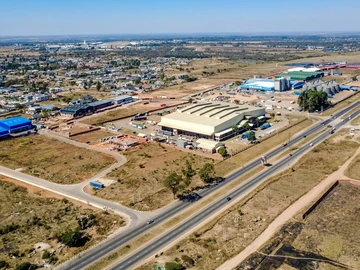
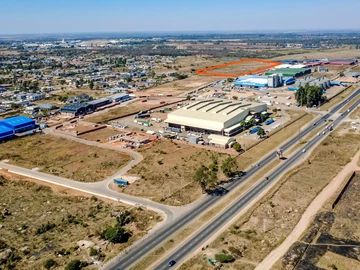
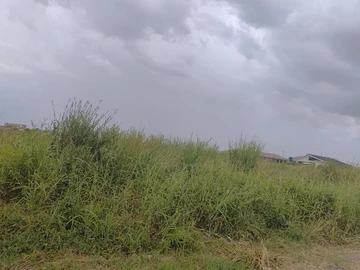
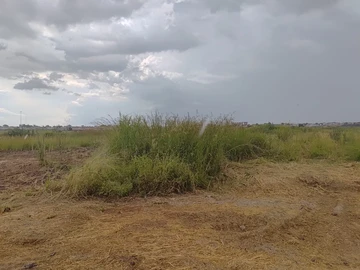
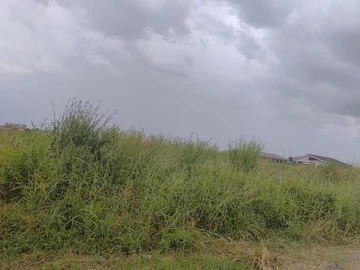
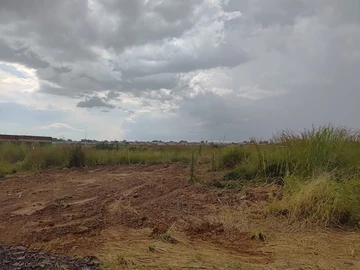
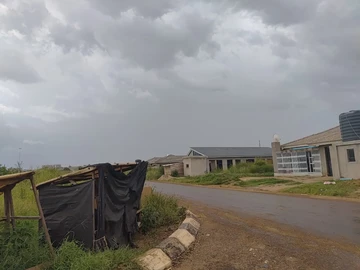
Commercial and industrial land for sale in Harare is available at an average price of $105,000, reflecting a high-end market. The median land size for these properties is about 5,755 ㎡, with plots ranging from as small as 200 ㎡ to very large parcels up to 329,220,000 ㎡. These land parcels typically do not include built property sizes, focusing mainly on the land itself.
These commercial and industrial lands are suited for businesses and investors looking for space to develop warehouses, factories, or commercial complexes. The properties offer flexibility in size and location, catering to different industrial and commercial needs. The high-end pricing indicates well-positioned land parcels in strategic or developing areas of Harare.
Harare, as Zimbabwe’s capital and largest city, provides a strong economic and infrastructural base for commercial activities. The city features major transport links including highways and Harare International Airport, facilitating logistics and business travel. Nearby amenities include shopping centers like Sam Levy’s Village and Avondale Shopping Centre, as well as access to a skilled workforce from institutions like the University of Zimbabwe. The city’s mix of urban lifestyle and green spaces supports a balanced environment for business operations.
4,123 m²
30,000 m²
21,000 m²
68,300 m²
2,841 m²
2,800 m²
350 m²
990 m²
10,767 m²

Be the first to see new properties for sale in Harare










| Type | Avg. price |
|---|---|
| Average price | $105,000 |
Buying property in Zimbabwe? Discover hidden costs like stamp duty, conveyancing fees, and taxes that can add 8%–12% or more to your purchase price.
Tenants not paying rent in Zimbabwe? Learn your legal rights as a landlord, the step by step eviction process, and illegal self-help actions to avoid.
Discover how blockchain, crypto, and tokenized real-world assets (RWAs) are transforming real estate ownership, liquidity, and financing over the next 5 years.
Buying a residential stand in Zimbabwe? Learn how to verify ownership, subdivision, planning approvals, servicing, title and the developer before paying.
Learn how servitudes affect property ownership, rights of way, and utility access in Zimbabwe. Protect your land title and avoid boundary disputes.