Log in to contact the seller
 Continue with Facebook
 Continue with Email
Continue with Facebook
Continue with Email
Sign up with Facebook
Continue with Email
Continue with Facebook
Continue with Email
Sign up with Facebook
 Change filters
 Requests


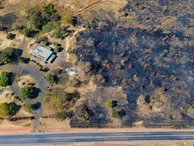
 60,000 m²


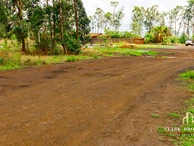
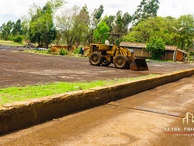 690,000 m²
5,000 m²
30,000 m²
25,549 m²
690,000 m²
5,000 m²
30,000 m²
25,549 m²
 2,000 m²
100,000 m²
4,000 m²
65,000 m²
2,000 m²
100,000 m²
4,000 m²
65,000 m²
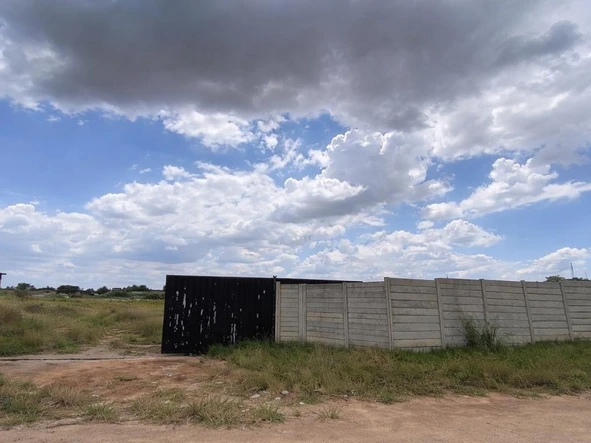
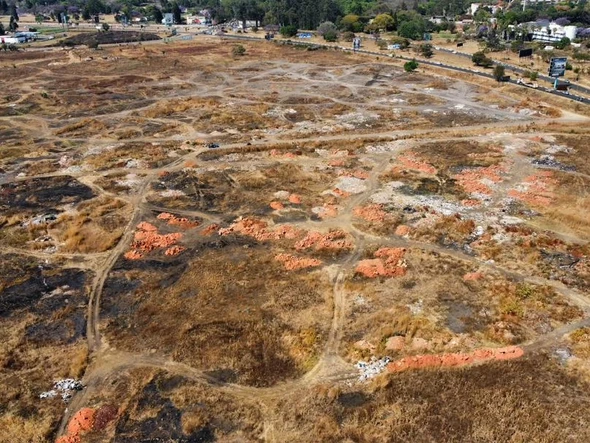
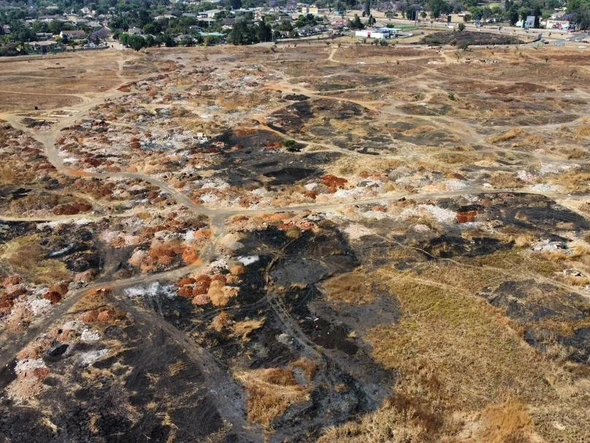
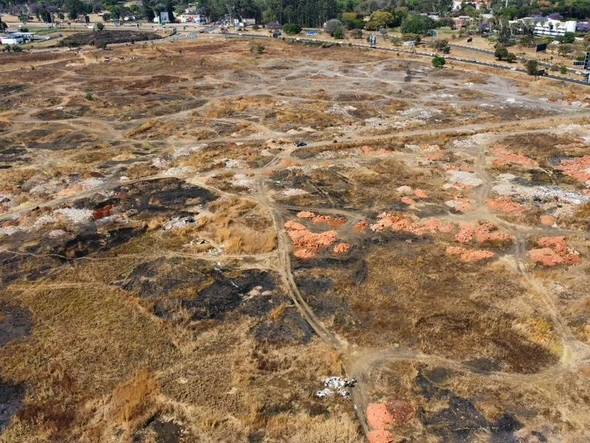
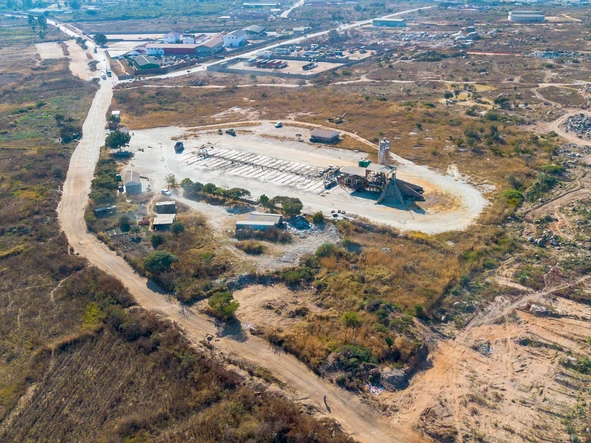
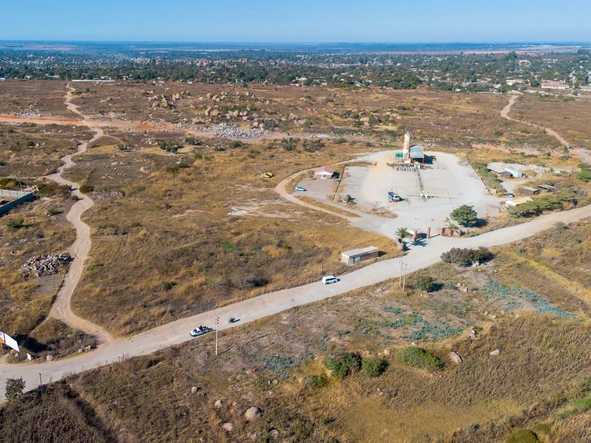
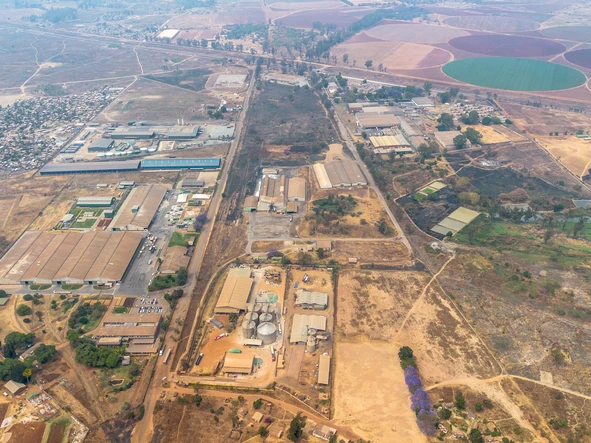
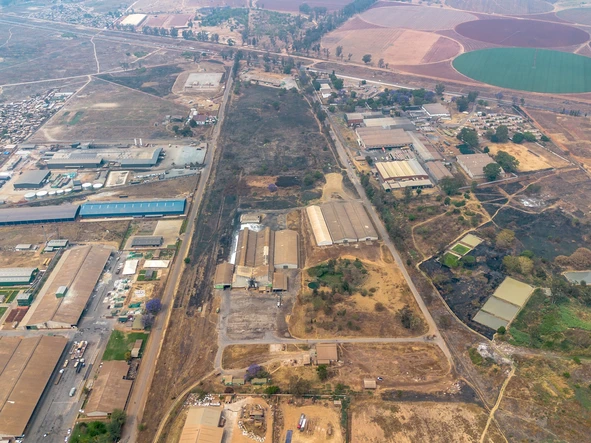
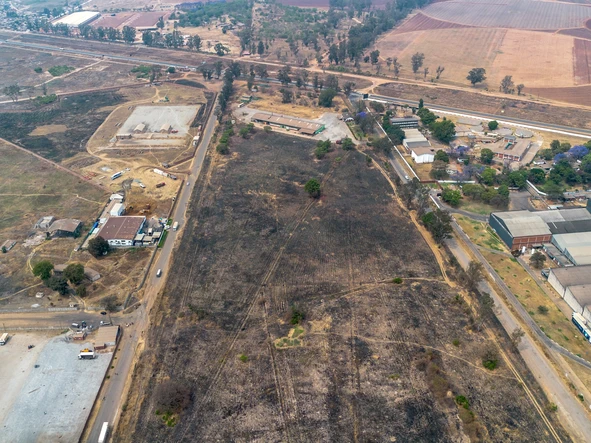
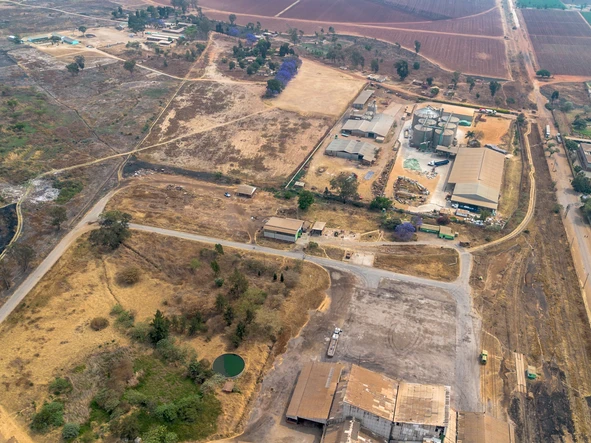
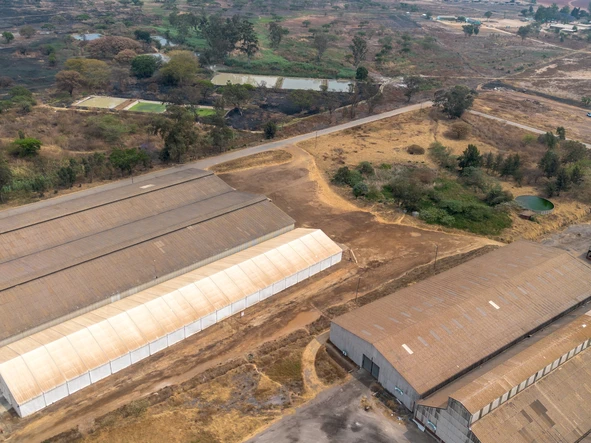
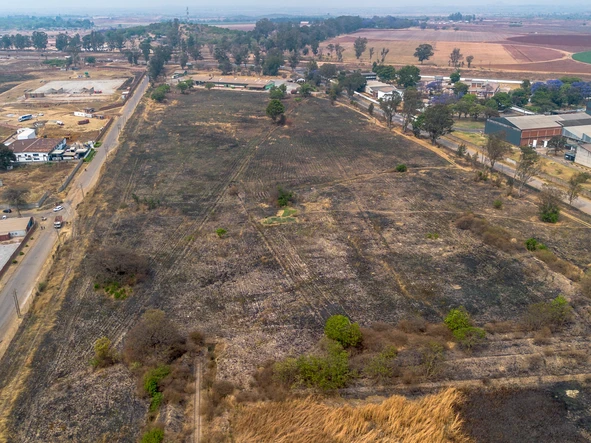
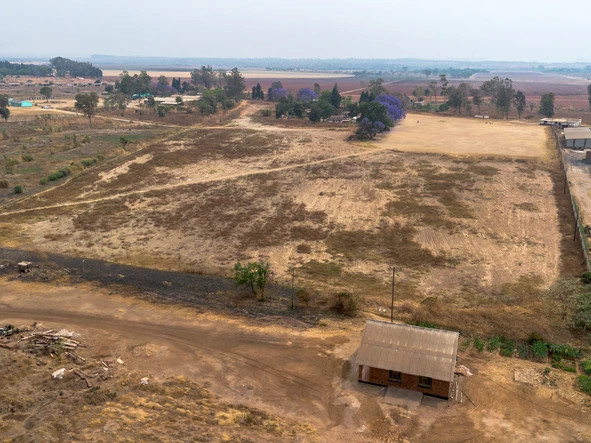
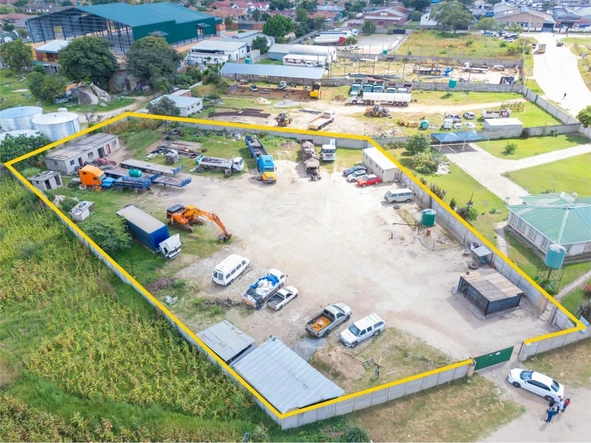
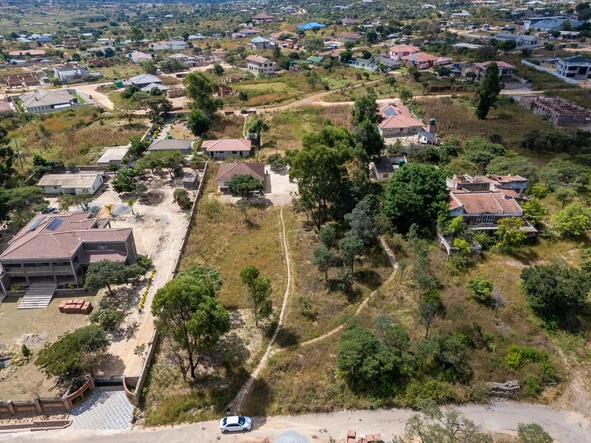
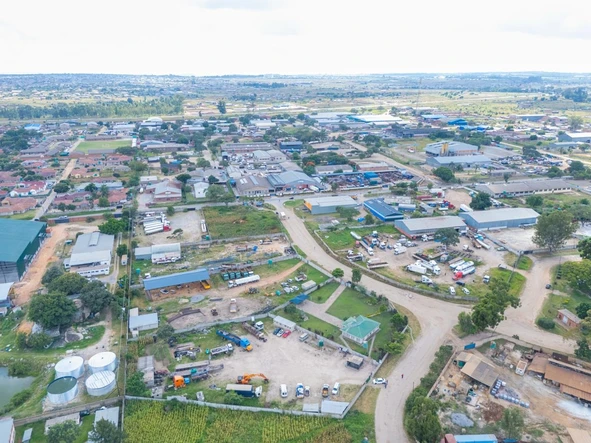
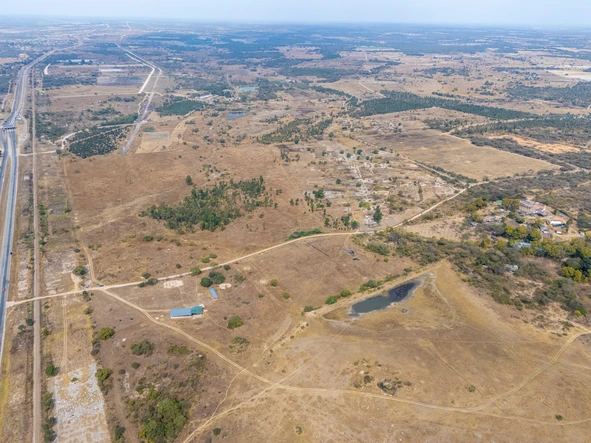
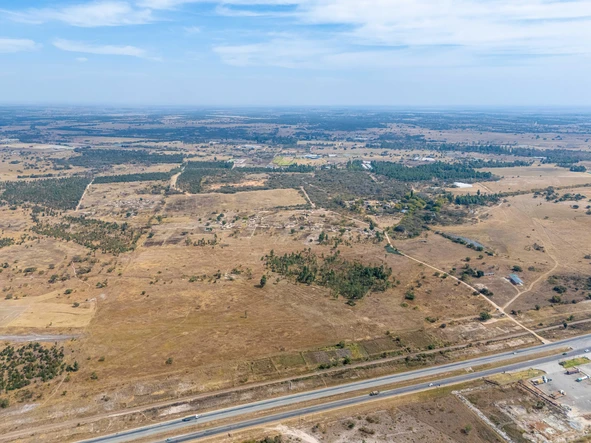
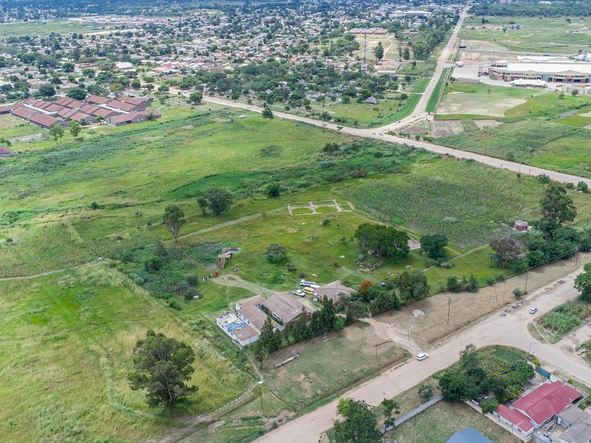
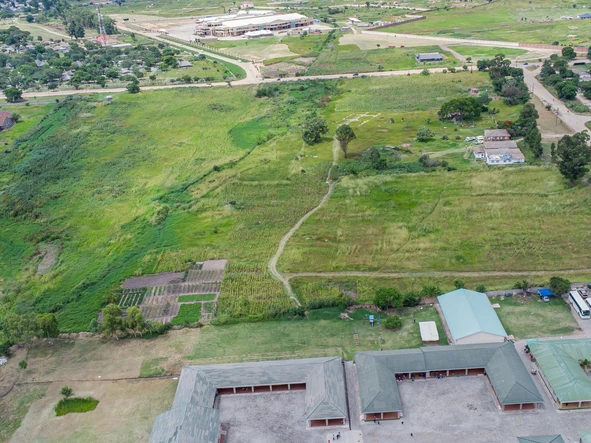
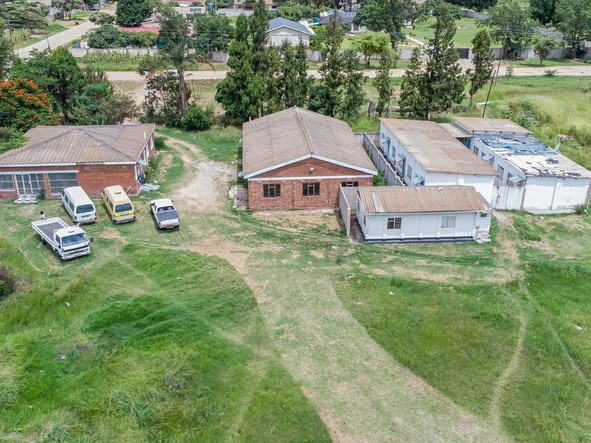
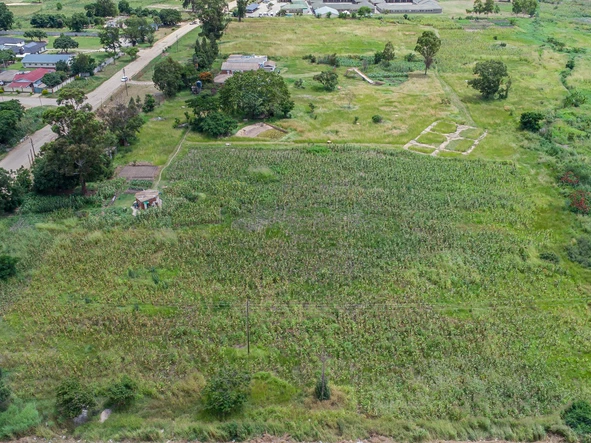
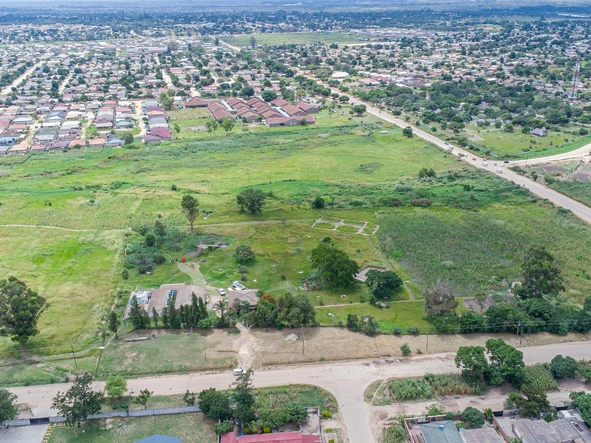
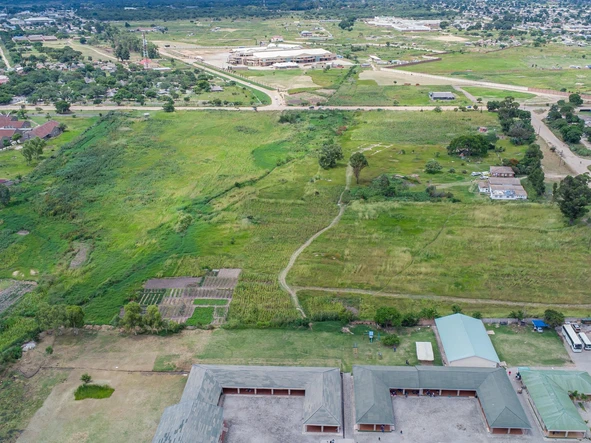
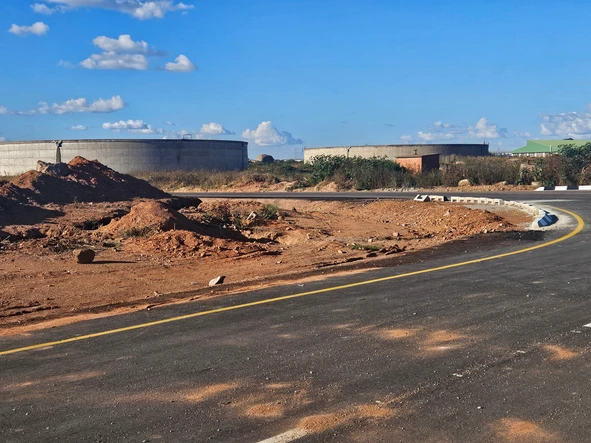
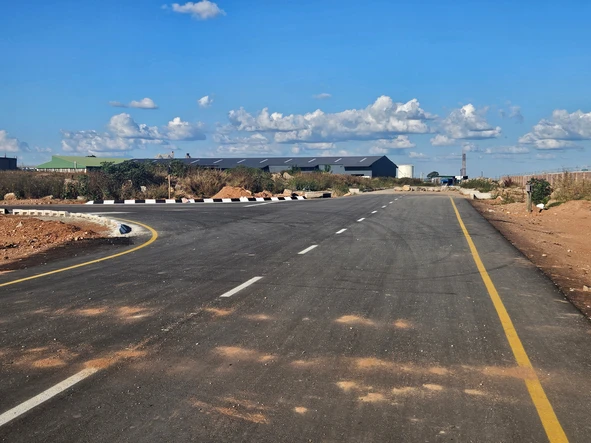
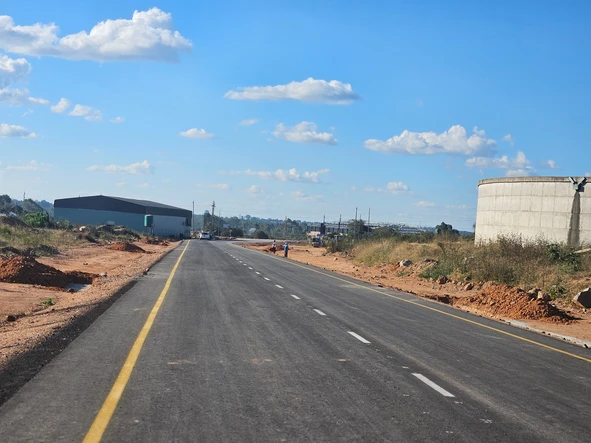
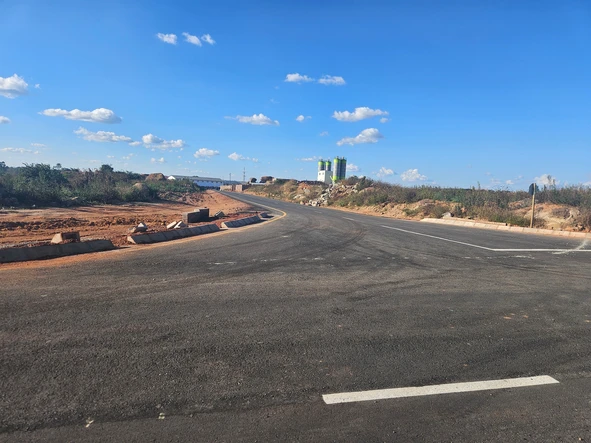
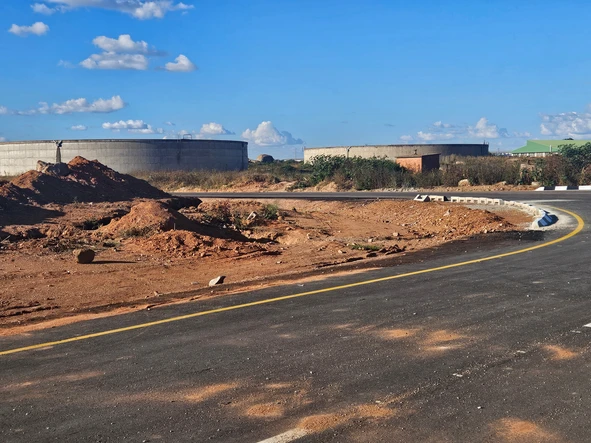
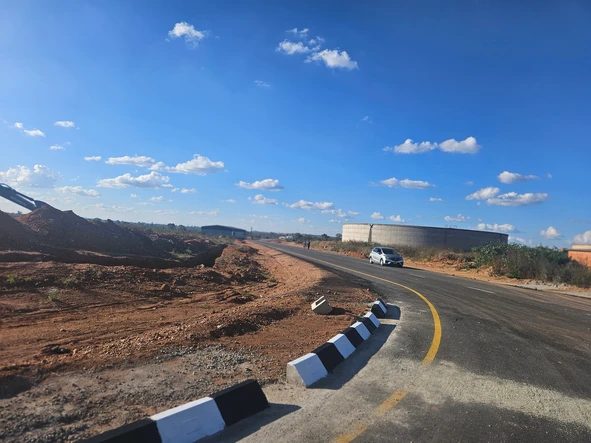
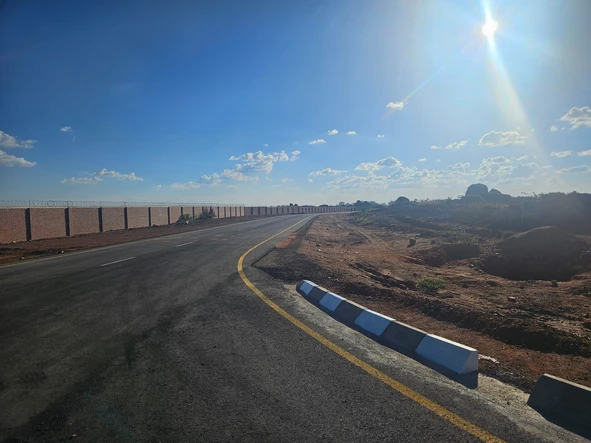
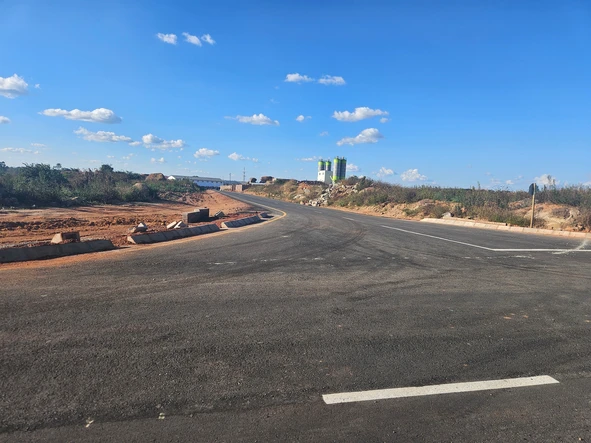
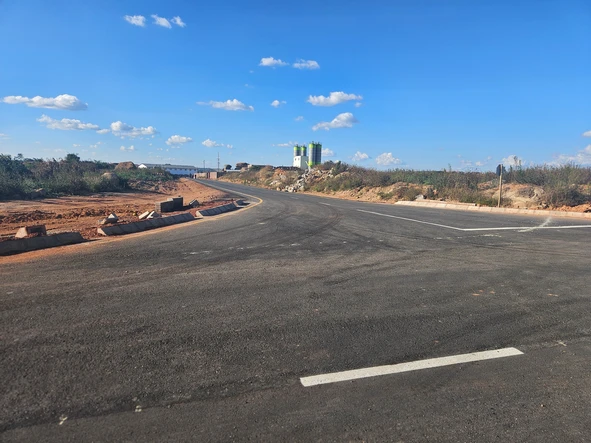
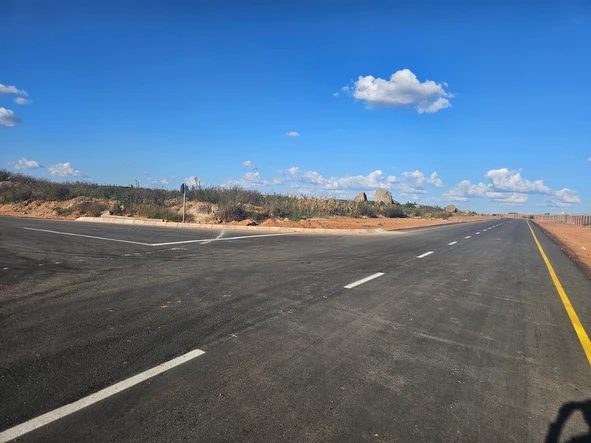
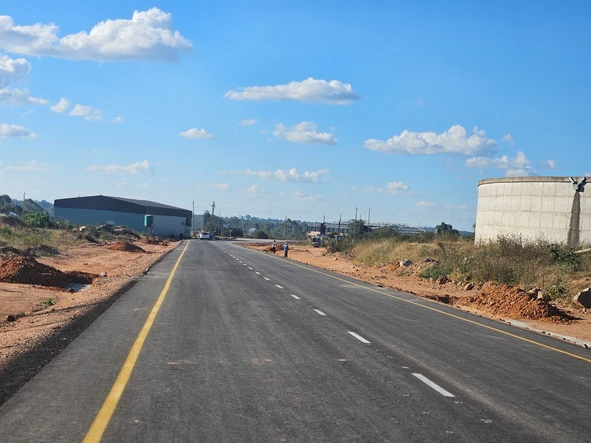
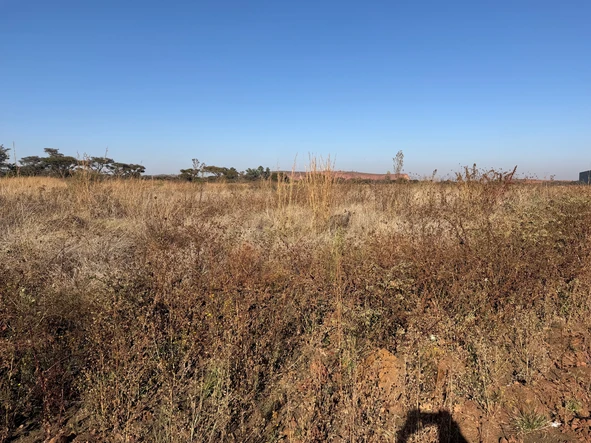
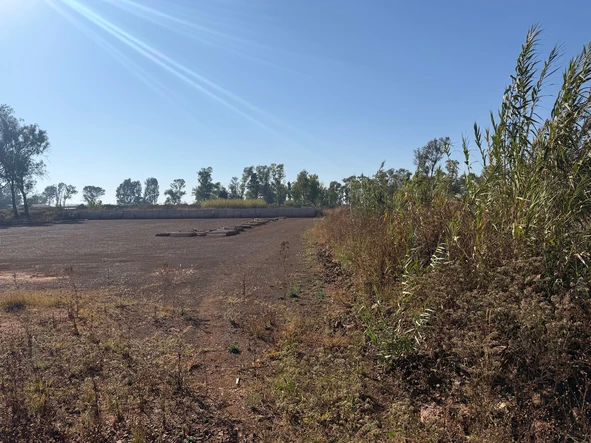
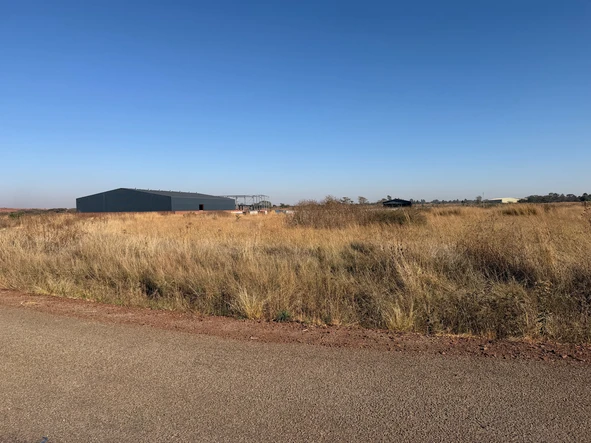
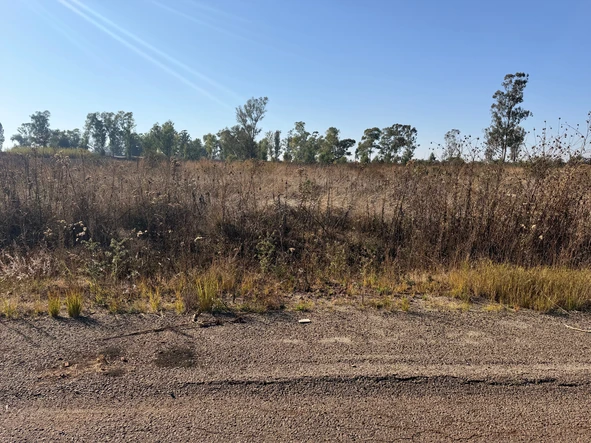
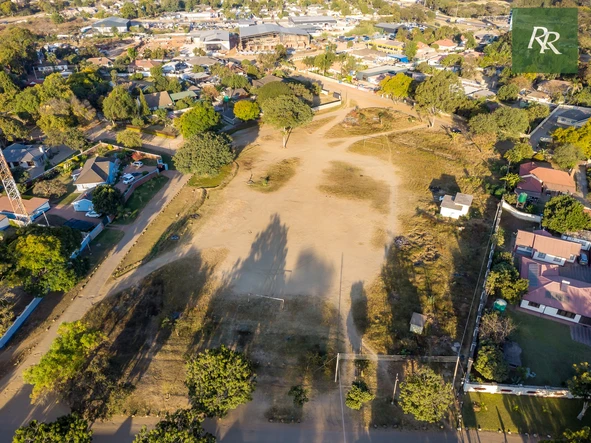
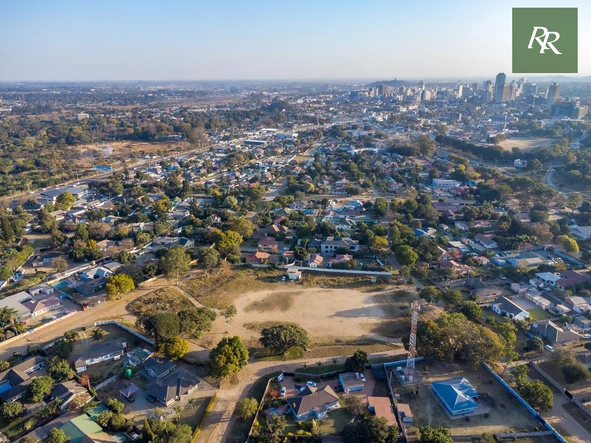
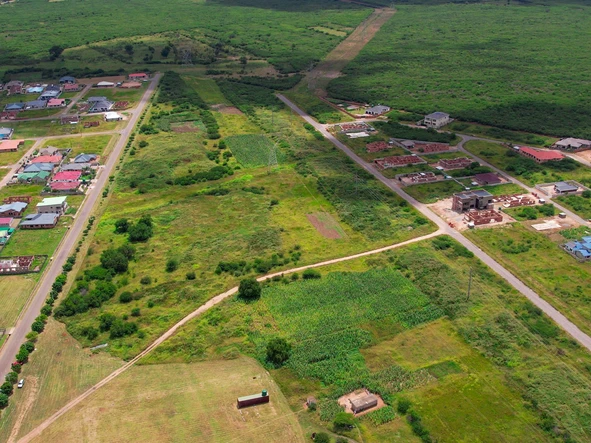
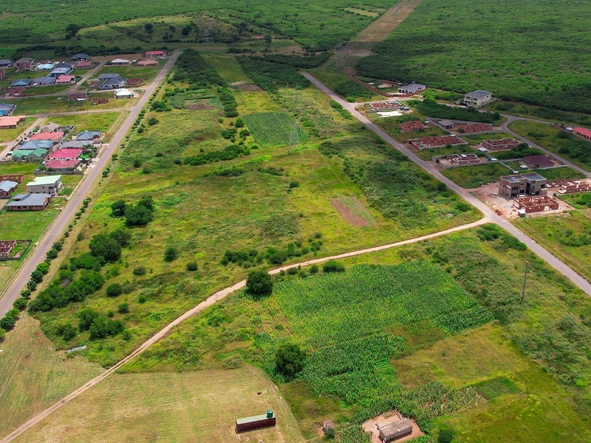
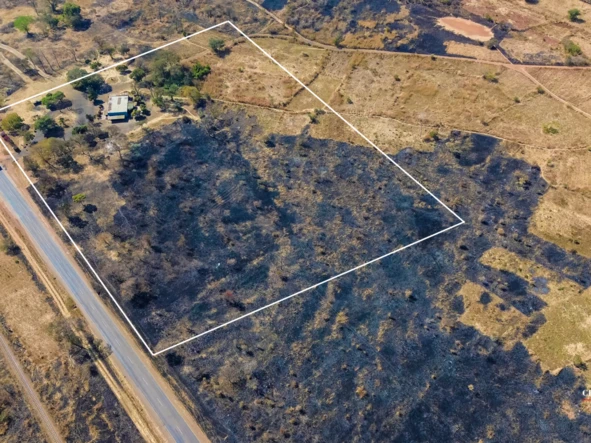
Commercial and industrial land for sale in Zimbabwe offers a range of options with an average price of $76,000. The median land area for these properties is about 6,620 ㎡, with parcels ranging from as small as 234 ㎡ up to a large 1,000,000 ㎡, providing opportunities for various business and industrial developments. These properties are positioned in the high-end market segment, reflecting their potential for significant commercial use.
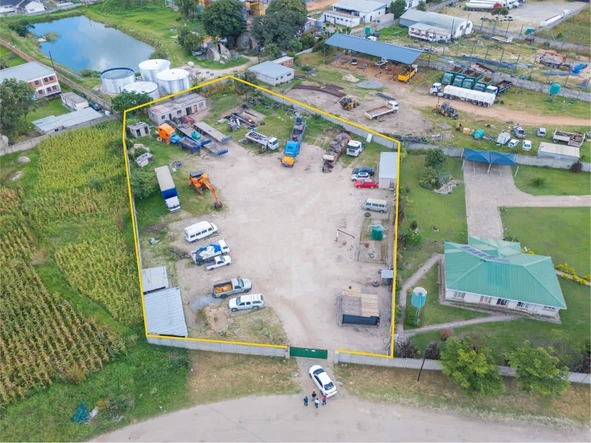
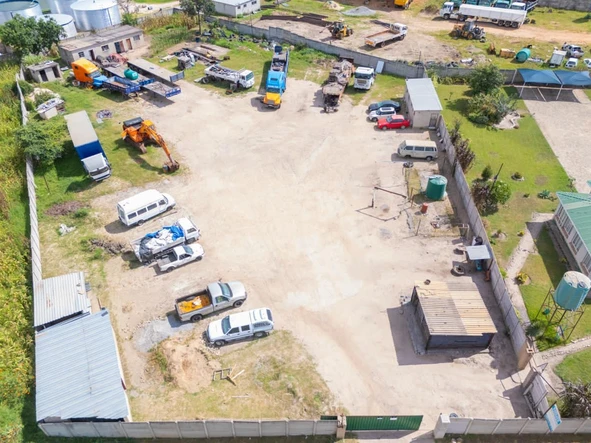
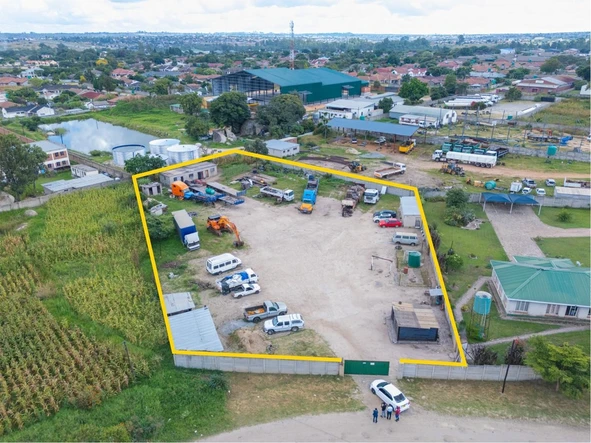
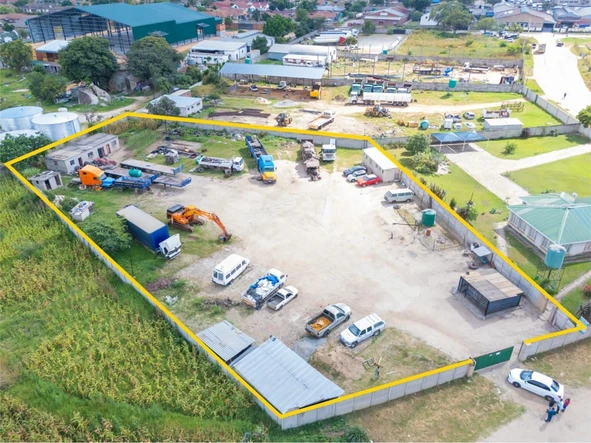
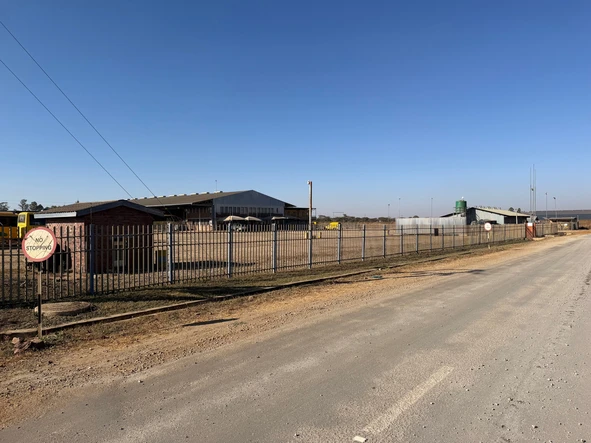
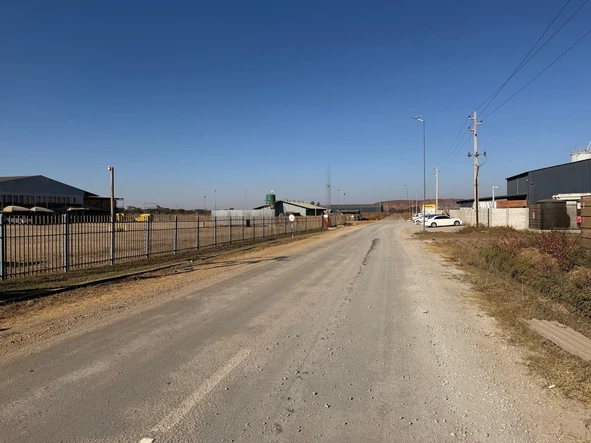
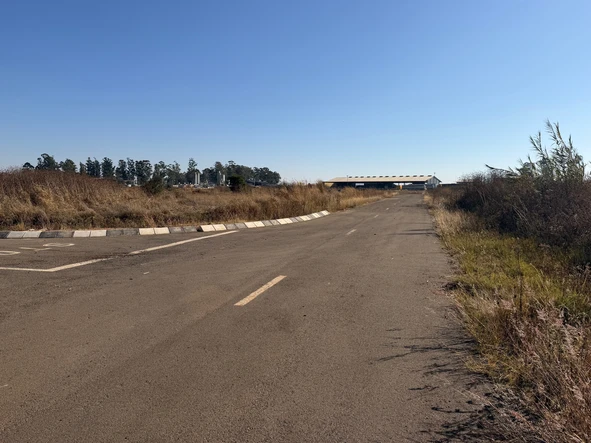
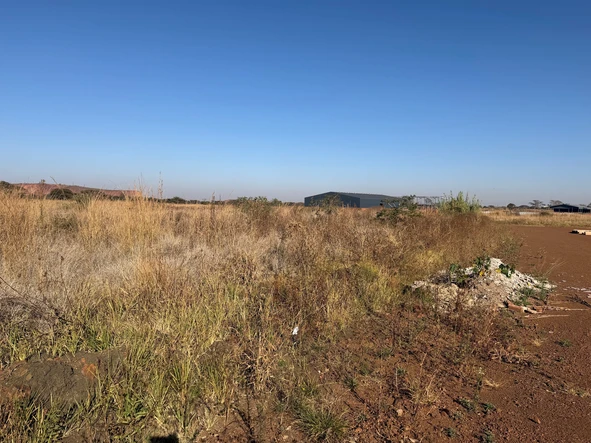
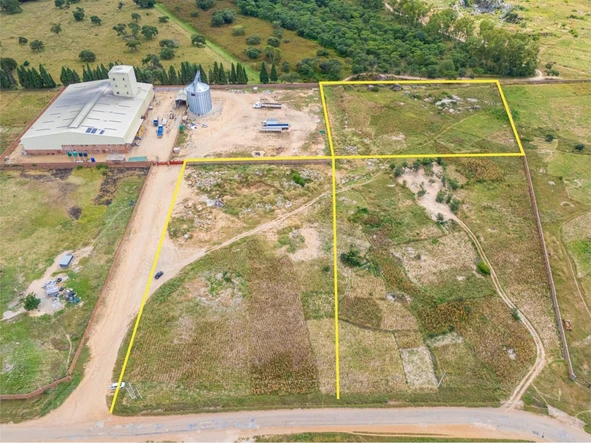
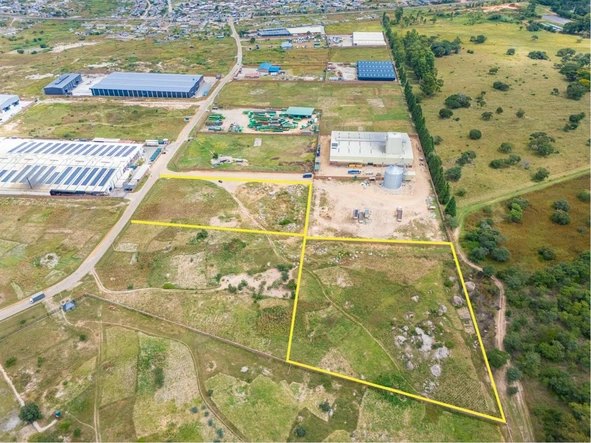
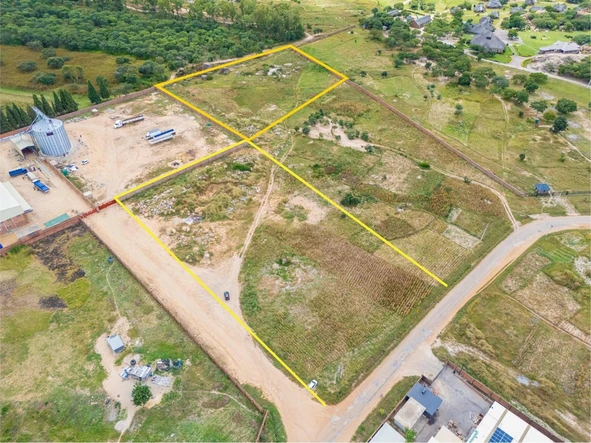
These land parcels typically suit industrial, manufacturing, or commercial projects, with no buildings included, allowing buyers to develop according to their specific needs. The large sizes available make them ideal for companies seeking space for warehouses, factories, or distribution centers. Buyers can expect land that supports diverse industrial activities in strategic locations.
Zimbabwe is a landlocked country known for its diverse landscapes and growing economy, with Harare as the commercial and political capital. The country offers access to major shopping centers like Sam Levy's Village in Harare and Ascot Shopping Centre in Bulawayo. Nearby transport links and urban infrastructure support commercial activities, making these land options attractive for investors looking to establish or expand industrial operations in Zimbabwe’s evolving market.
3,700 m²
6,600 m²
7,673 m²
4,000 m²
2,100 m²
112,160,000 m²
9,959 m²
35,000 m²
21,609 m²
3,200 m²
240 m²

Be the first to see new properties for sale








| Type | Avg. price |
|---|---|
| Average price | $76,000 |
Understand Zimbabwe’s 2026 rental tax rules, including the 15% commercial regime, residential tax treatment, monthly deadlines and disclosure window
Planning to drill or buy a property with a borehole in Zimbabwe? Check the authority, permit, siting, records and water quality before you commit.
Protect your rental property in Zimbabwe. Learn the 10 essential tenant screening checks landlords should make before signing a lease agreement.
Upgrade your home with the top bathroom trends of 2026 in Zimbabwe. Explore 8 stylish ideas covering luxury vanity finishes, lighting, and eco features.
Buying property in Zimbabwe? Discover hidden costs like stamp duty, conveyancing fees, and taxes that can add 8%–12% or more to your purchase price.