Log in to contact the seller
 Continue with Facebook
 Continue with Email
Continue with Facebook
Continue with Email
Sign up with Facebook
Continue with Email
Continue with Facebook
Continue with Email
Sign up with Facebook
 Change filters
 Requests

 2
2
 1
1


 3
2
250 m²
3
2
250 m²
Flats and apartments for rent in Zimbabwe offer affordable living options with an average monthly rent of $1,000 USD. These properties typically have a median size of about 120 ㎡ and sit on land parcels averaging 100 ㎡, with some larger units reaching up to 1,000 ㎡ and land areas as large as 8,000 ㎡. Starting rents are around 350 USD, making these apartments accessible to a wide range of renters.
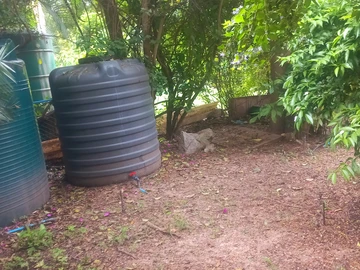
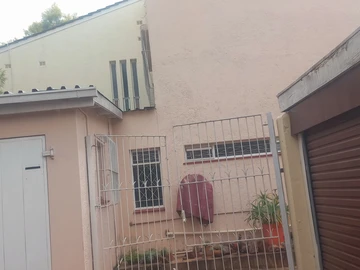
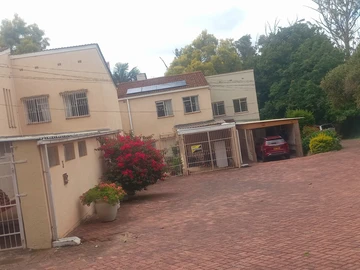
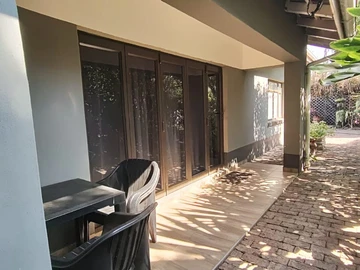
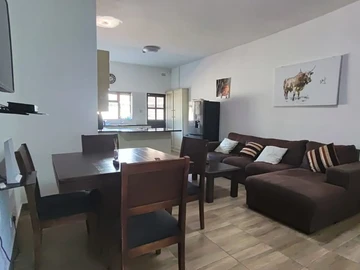
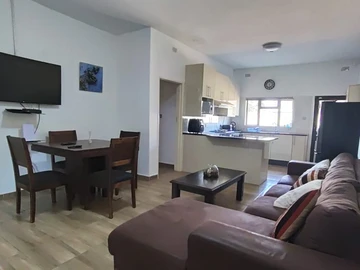
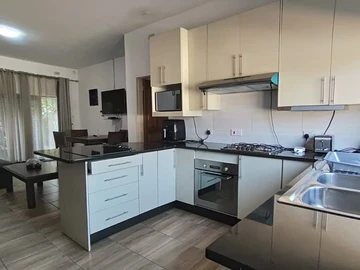
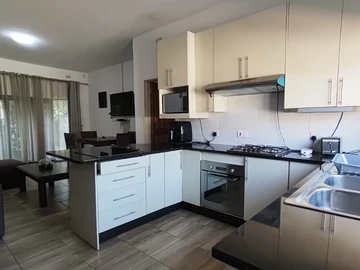
Many of these flats feature main en suite bedrooms and fitted kitchens, providing comfortable and practical living spaces. Security is often enhanced with electric gates and walled compounds, while good ZESA power supply ensures reliable electricity. Properties usually come with tiled floors, parking bays, paved areas, water tanks, boreholes, and gardens, supporting a convenient and pleasant lifestyle.
Zimbabwe’s urban areas, including Harare and Bulawayo, provide access to essential amenities such as universities like the University of Zimbabwe, major hospitals, and shopping centers including Sam Levy's Village and Eastgate Mall. The country’s rich cultural heritage and natural attractions, such as Victoria Falls and national parks, add to the appeal for residents seeking a balanced urban and outdoor lifestyle.
2
1
60 m²

Be the first to see new properties for rent










| Property Size | Avg. price |
|---|---|
| 1 bedroom (View 14 properties) | $500 |
| 2 bedroom (View 62 properties) | $750 |
| 3 bedroom (View 68 properties) | $1,300 |
| 4 bedroom (View 19 properties) | $2,000 |
Buying property in Zimbabwe? Discover hidden costs like stamp duty, conveyancing fees, and taxes that can add 8%–12% or more to your purchase price.
Tenants not paying rent in Zimbabwe? Learn your legal rights as a landlord, the step by step eviction process, and illegal self-help actions to avoid.
Discover how blockchain, crypto, and tokenized real-world assets (RWAs) are transforming real estate ownership, liquidity, and financing over the next 5 years.
Buying a residential stand in Zimbabwe? Learn how to verify ownership, subdivision, planning approvals, servicing, title and the developer before paying.
Learn how servitudes affect property ownership, rights of way, and utility access in Zimbabwe. Protect your land title and avoid boundary disputes.






 500 m²