Log in to contact the seller
 Continue with Facebook
 Continue with Email
Continue with Facebook
Continue with Email
Sign up with Facebook
Continue with Email
Continue with Facebook
Continue with Email
Sign up with Facebook
 Change filters
 Requests


 3
3
 1
500 m²
1
500 m²


 3
1
1 m²
3
2
550 m²
2
1
1 m²
3
1
1 m²
3
2
550 m²
2
1
1 m²
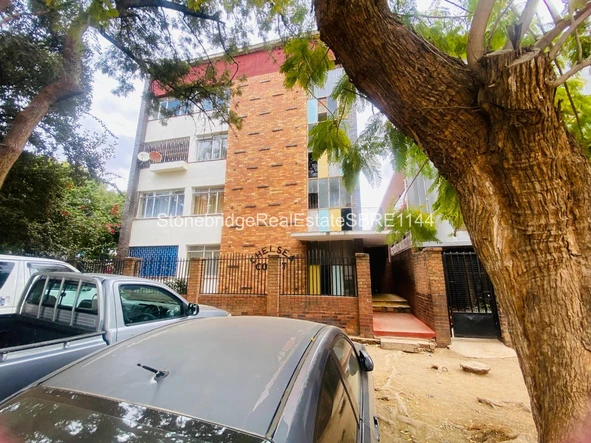
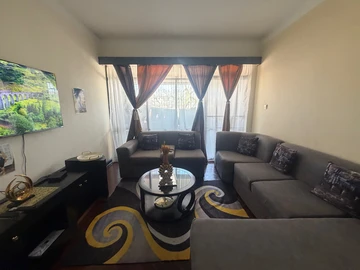
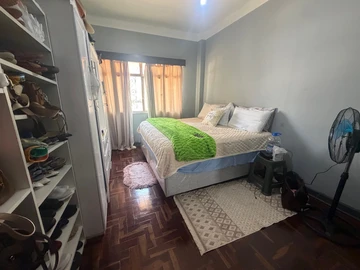
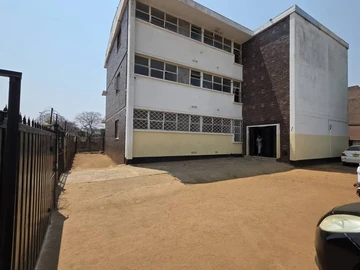
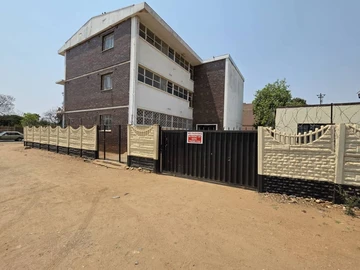
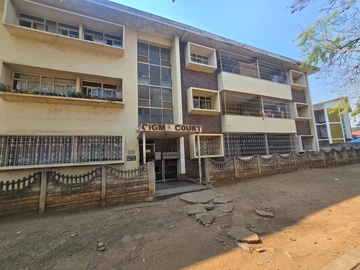
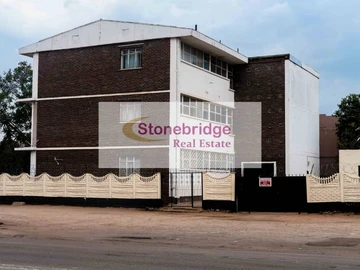
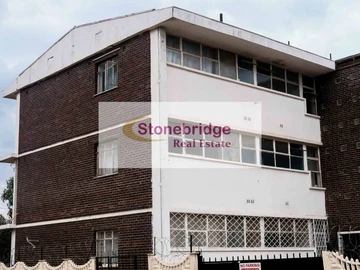
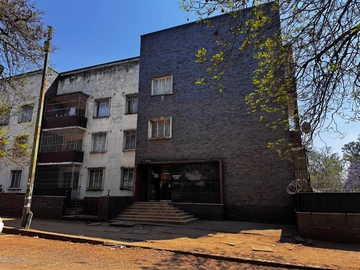
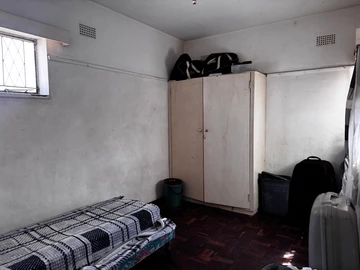
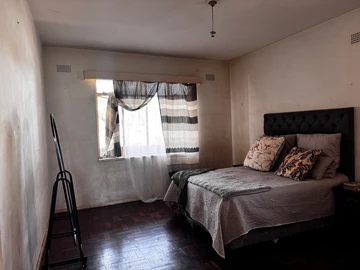
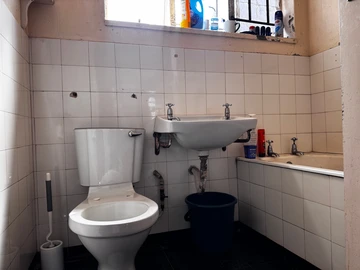
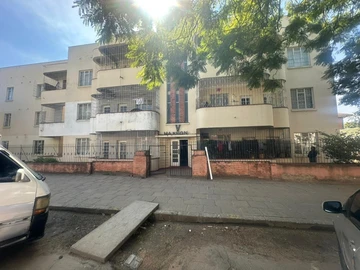
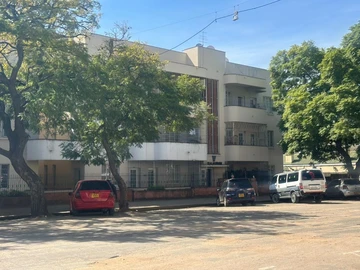
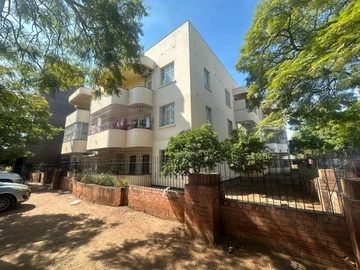
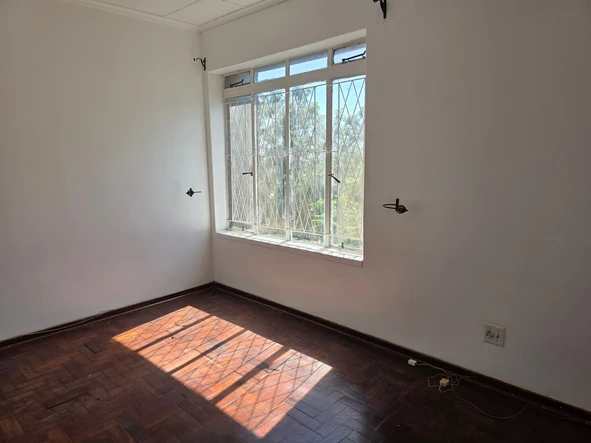
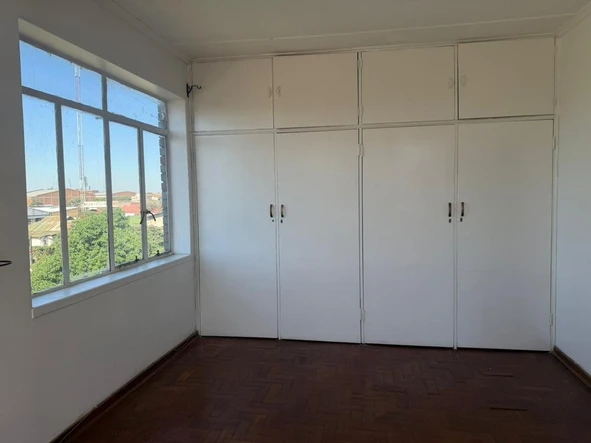
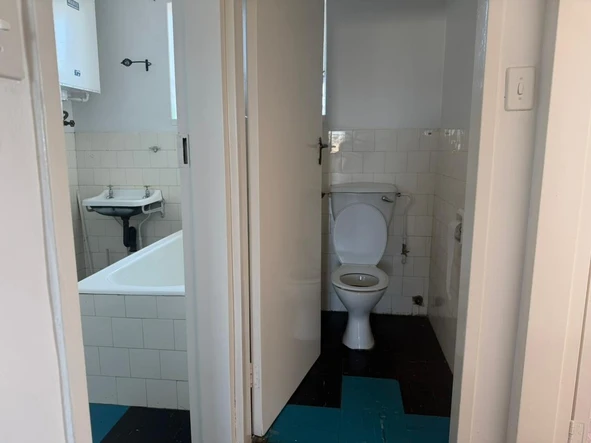
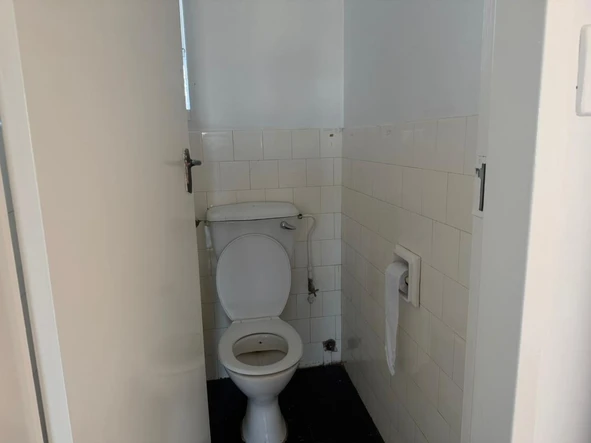
Flats and apartments for sale in Bulawayo City Centre, located in the Bulawayo CBD and Industrial area, are positioned in a prime urban setting with an average price of $85,000. These properties typically offer a median land area of 694 ㎡, with some larger plots reaching up to 5,948 ㎡. The average property size is generally around 1 ㎡, reflecting a range of unit sizes available in this bustling commercial heart of the city.
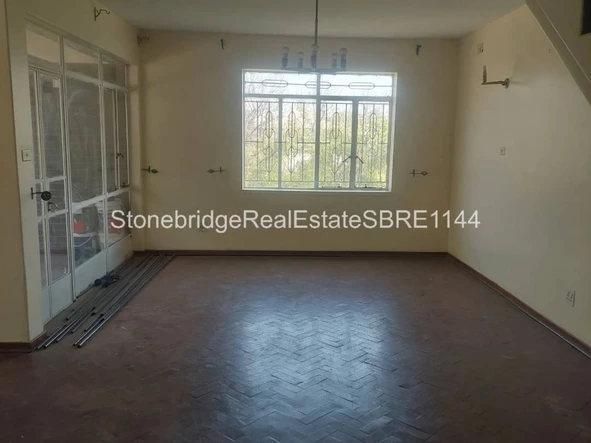
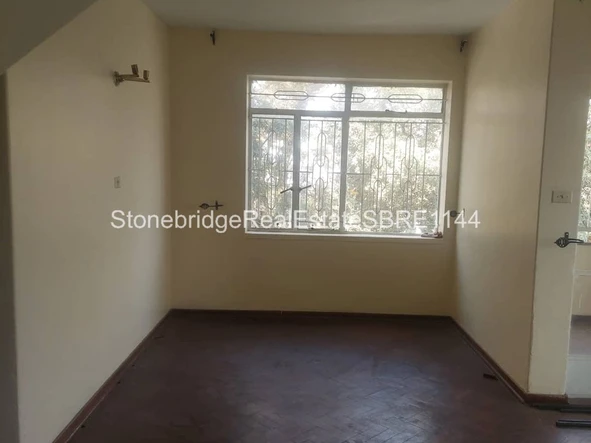
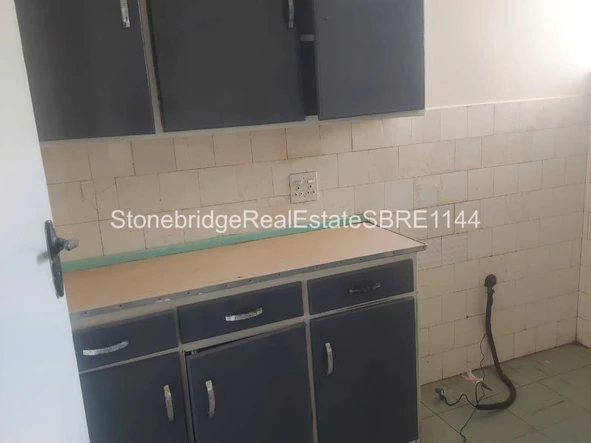
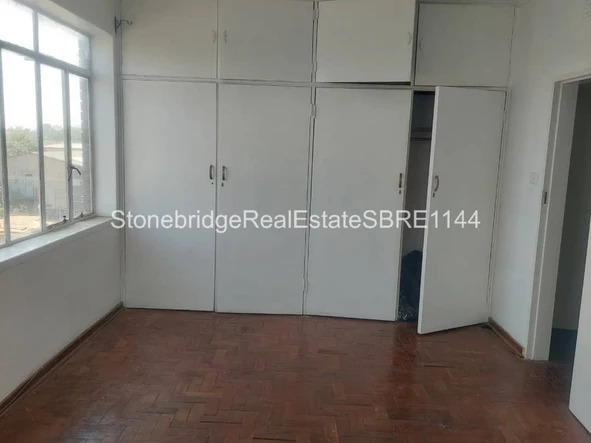
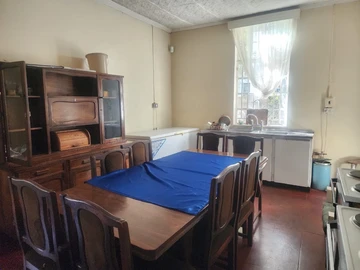
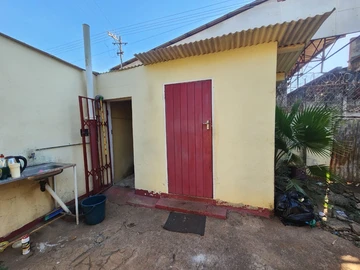
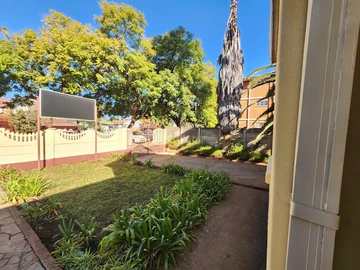
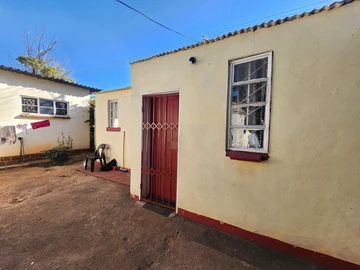
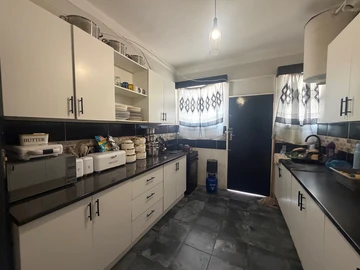
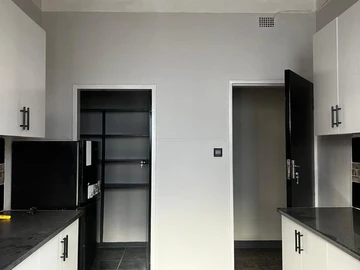
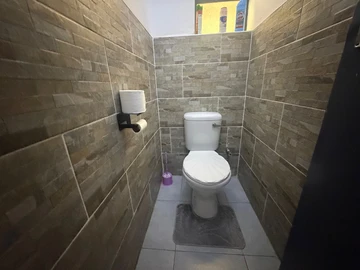
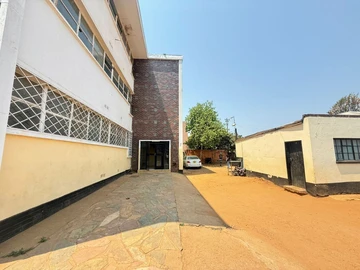
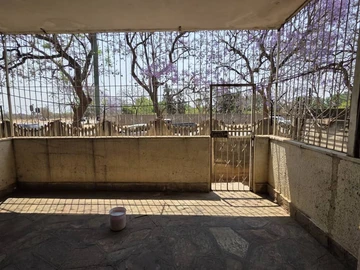
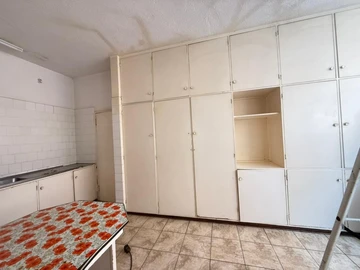
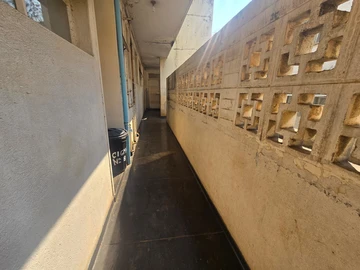
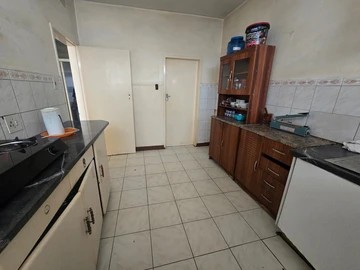
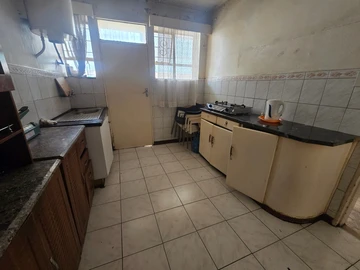
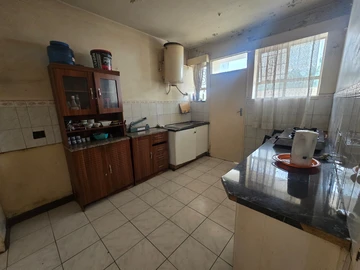
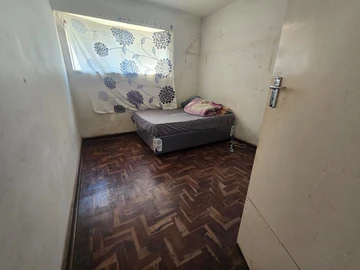
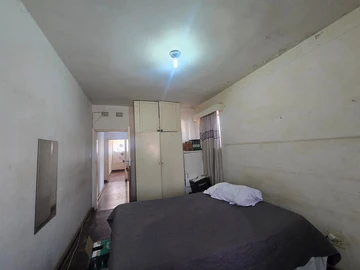
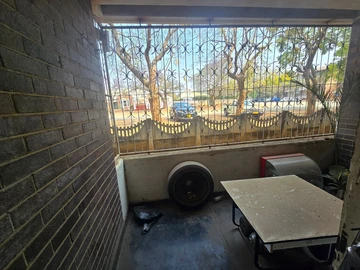
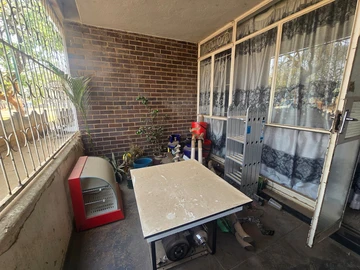
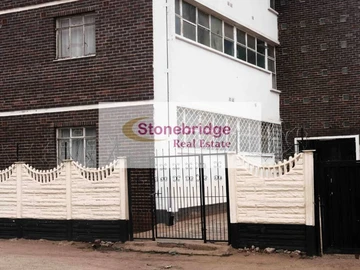
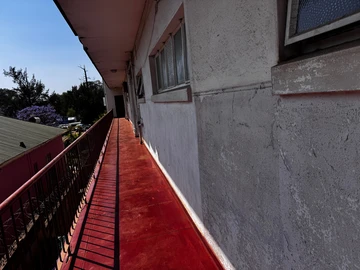
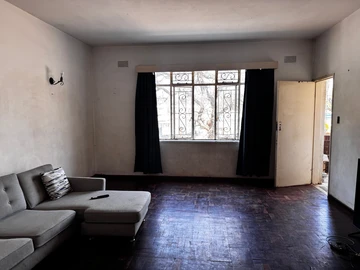
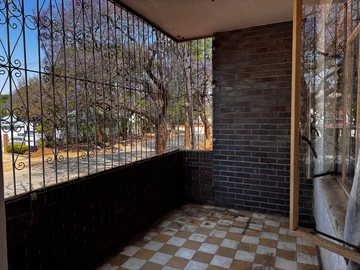
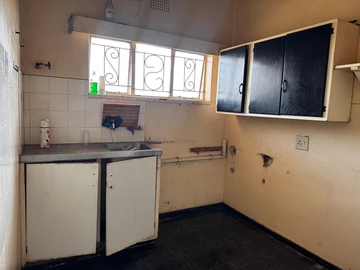
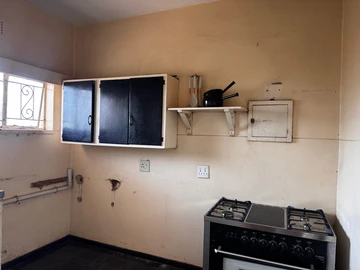
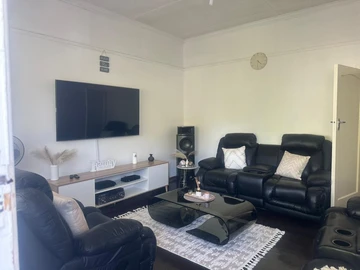
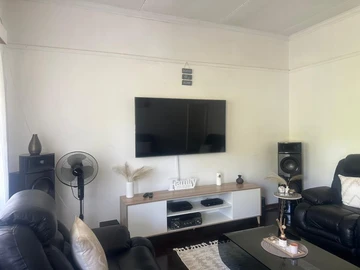
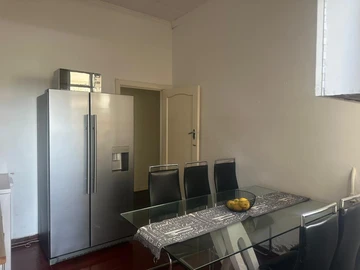
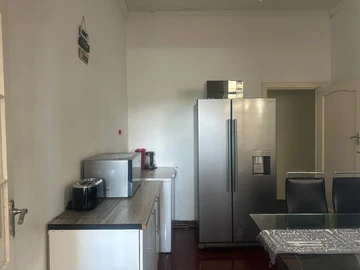
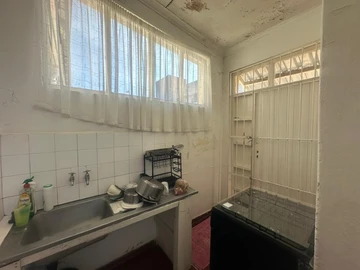
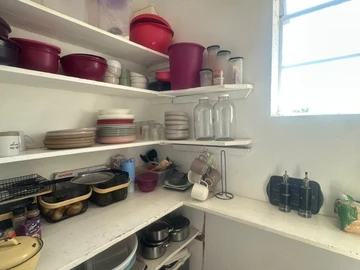
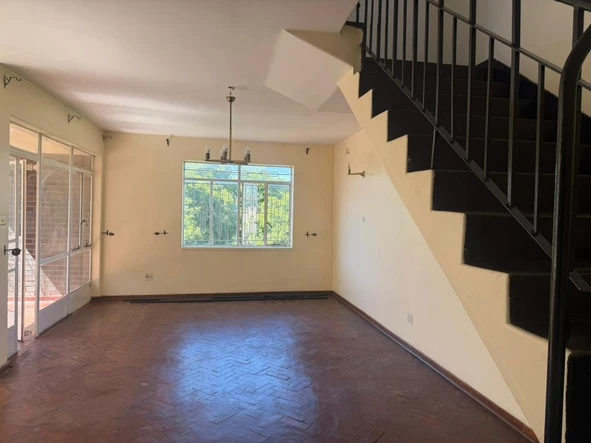
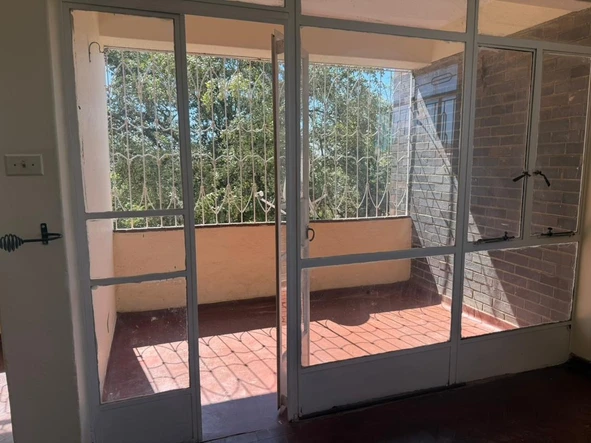
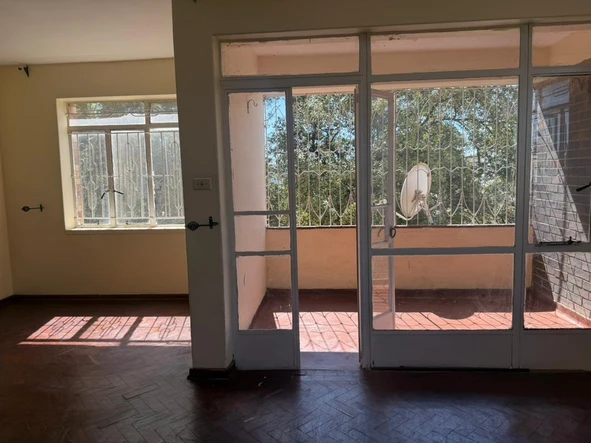
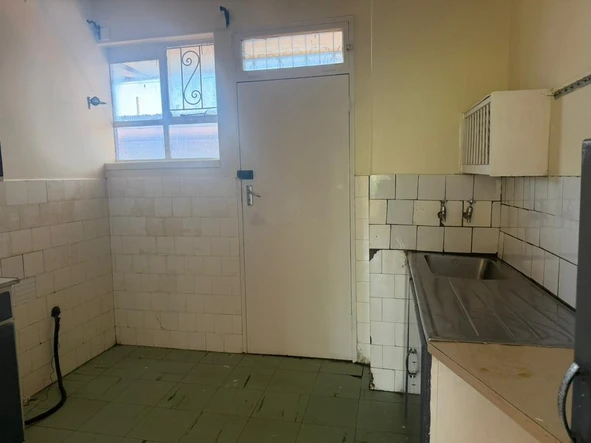
Many of these flats and apartments feature secure walled compounds, parking bays, and verandahs, providing practical outdoor space. Most have municipal water and reliable ZESA electricity supply, ensuring essential services are well covered. Fitted kitchens and tiled floors are common, adding to the convenience and comfort of these urban homes.
Bulawayo City Centre is the commercial and administrative hub of the city, offering residents easy access to a variety of amenities. Nearby attractions include the Natural History Museum of Zimbabwe and the Bulawayo Railway Museum, while healthcare needs are served by Mpilo Central Hospital. The area is also close to the National University of Science and Technology (NUST). Shopping options abound along Main Street and at Hillside Shopping Centre, complemented by a diverse selection of restaurants and cafes, making this an ideal location for professionals and residents seeking vibrant city living.
3
1
300 m²
 2
1
1 m²
3
1
1 m²
2
1
0 m²
2
1
1 m²
2
1
1 m²
3
1
1 m²
2
1
0 m²
2
1
1 m²

Be the first to see new properties for sale in Bulawayo City Centre, Bulawayo CBD, Industrial






| Property Size | Avg. price |
|---|---|
| 3 bedroom (View 5 properties) | $85,000 |
Understand Zimbabwe’s 2026 rental tax rules, including the 15% commercial regime, residential tax treatment, monthly deadlines and disclosure window
Planning to drill or buy a property with a borehole in Zimbabwe? Check the authority, permit, siting, records and water quality before you commit.
Protect your rental property in Zimbabwe. Learn the 10 essential tenant screening checks landlords should make before signing a lease agreement.
Upgrade your home with the top bathroom trends of 2026 in Zimbabwe. Explore 8 stylish ideas covering luxury vanity finishes, lighting, and eco features.
Buying property in Zimbabwe? Discover hidden costs like stamp duty, conveyancing fees, and taxes that can add 8%–12% or more to your purchase price.





 1,600 m²