Log in to contact the seller
 Continue with Facebook
 Continue with Email
Continue with Facebook
Continue with Email
Sign up with Facebook
Continue with Email
Continue with Facebook
Continue with Email
Sign up with Facebook
 Change filters
 Requests


 2,000 m²


 130,000 m²
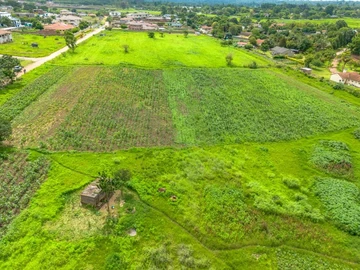
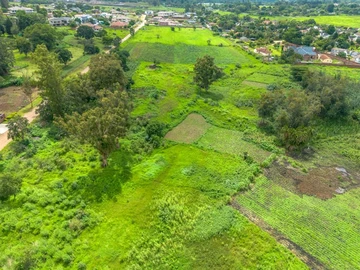
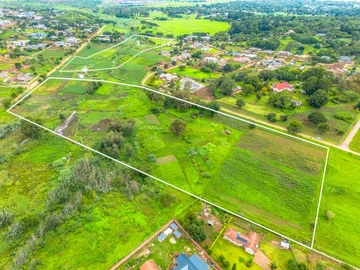
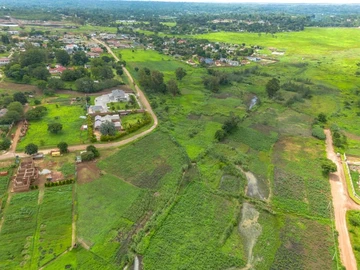
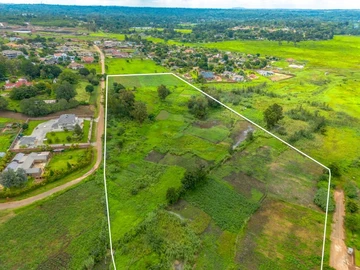
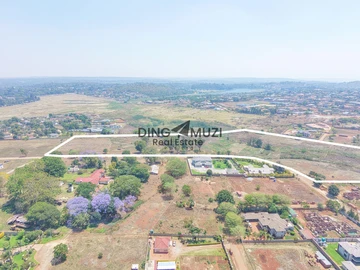
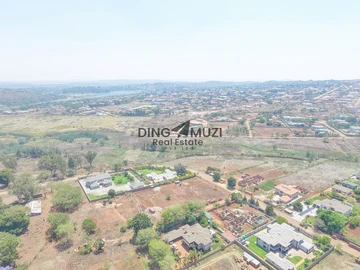
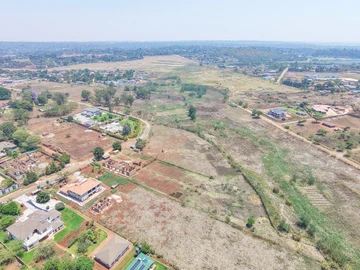
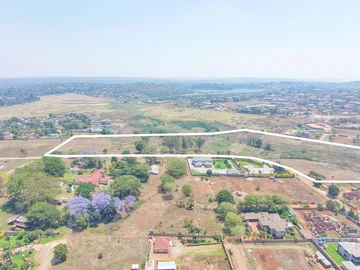
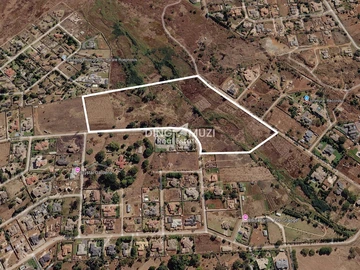
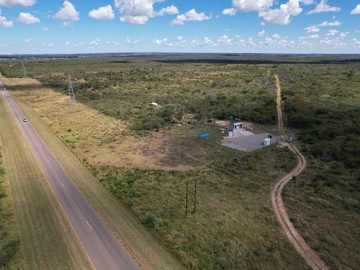
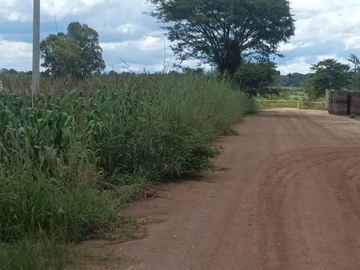
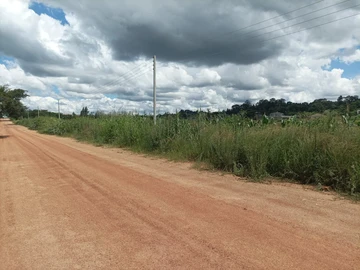
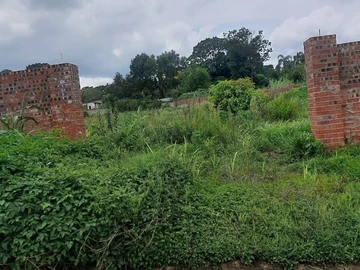
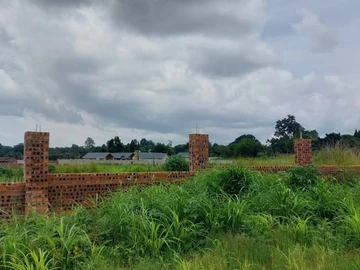
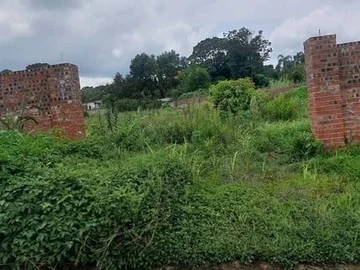
Land for sale in The Grange, Harare North, is positioned in a well-established, upper-middle-class suburb known for its quiet and leafy environment. The average price of the properties currently listed is $170,000, reflecting a high-end market. Land sizes vary widely, with the median plot around 3,000 ㎡ and the largest reaching up to 124,000 ㎡, offering options for different buyer needs.
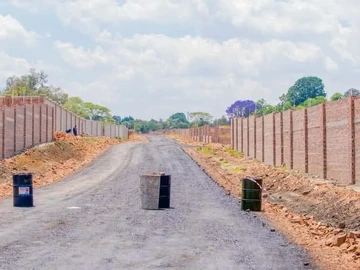
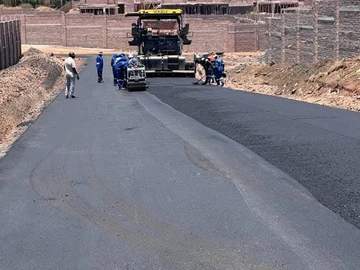
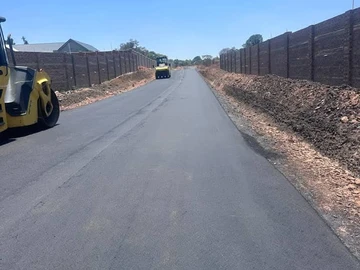
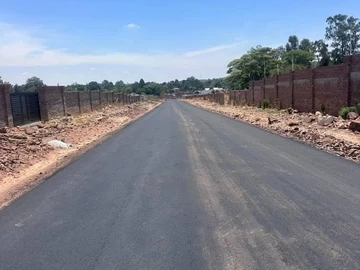
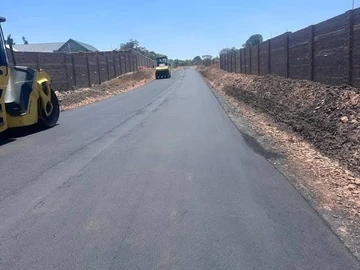
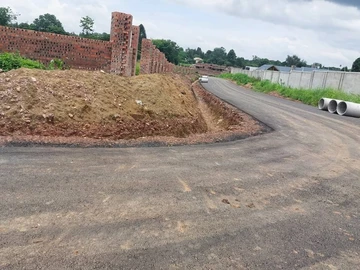
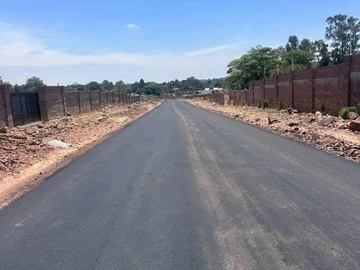
Many of the land parcels benefit from essential infrastructure such as sewer systems and tarred roads, enhancing their development potential. These features make the properties suitable for residential projects, particularly for those seeking spacious plots in a secure and tranquil setting.
The Grange is popular among professionals, families, and expatriates due to its family-friendly atmosphere and convenient access to Harare city center. The area is home to notable amenities including The Grange Golf Club and nearby green spaces like Harare Gardens and the National Botanic Gardens. Quality schools such as St. John's College and St. George's College are within reach, along with healthcare facilities like Parirenyatwa Group Hospital. Shopping needs are well served by The Grange Shopping Centre and larger hubs like Sam Levy’s Village. Good transport links and public transit options make commuting straightforward, supporting a balanced lifestyle in this desirable suburb.
2,000 m²
124,000 m²


Be the first to see new properties for sale in The Grange, Harare North










| Type | Avg. price |
|---|---|
| Average price | $170,000 |
Prices as of October 2026
Buying property in Zimbabwe? Learn how deeds, SG diagrams, beacons and surveys determine boundaries and complete seven checks before you pay.
Understanding municipal property rates in Zimbabwe: Learn how valuations are calculated, how to manage arrears, and how to access council discounts.
Manage your rental properties in Zimbabwe like a pro. Learn about tenant screening, lease agreements, maintenance, and rental tax rules in 2026.
Building or buying in Harare? Learn what plan approval requires, what changed in 2026, and how to manage unapproved structures.
Buying a housing stand in Zimbabwe? Inspect title deeds, subdivision permits, compliance certificates, and seller IDs before making any payment.