Log in to contact the seller
 Continue with Facebook
 Continue with Email
Continue with Facebook
Continue with Email
Sign up with Facebook
Continue with Email
Continue with Facebook
Continue with Email
Sign up with Facebook
 Change filters
 Requests


 3
3
 2
210 m²
2
210 m²


 2
1
100 m²
2
1
100 m²
 3
2
500 m²
4
2
350 m²
3
2
500 m²
4
2
350 m²
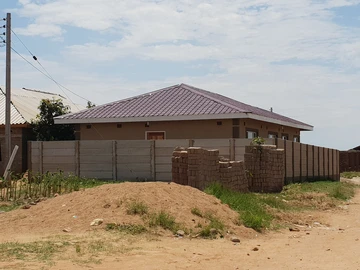
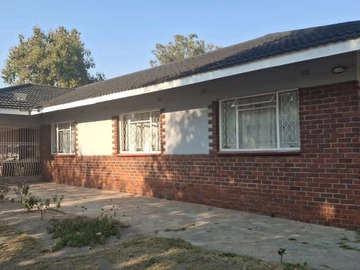
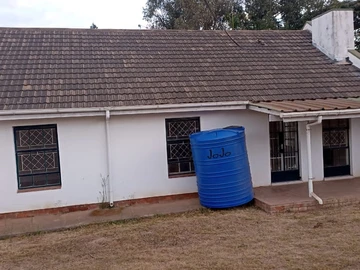
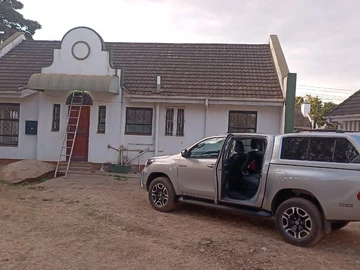
Houses for rent in Harare South, Harare, offer affordable options with an average monthly rental price of $775. These homes typically have a median property size of about 200 ㎡ and sit on land parcels averaging 500 ㎡, with some larger properties reaching up to 2,000 ㎡ in building size and land areas as big as 23,000 ㎡.
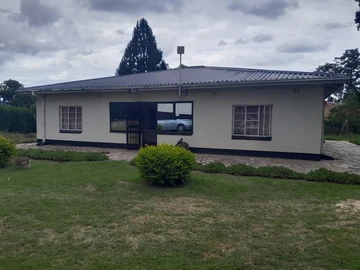
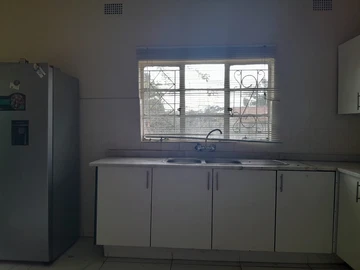
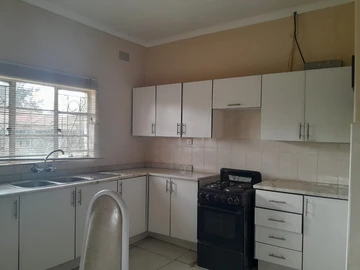
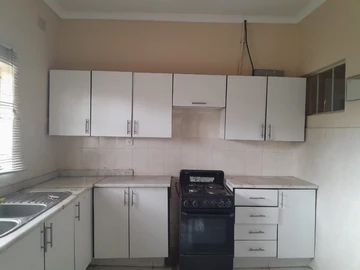
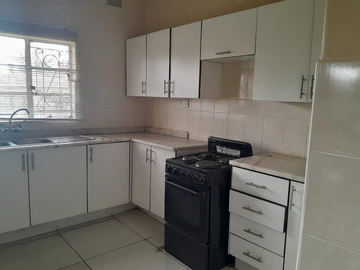
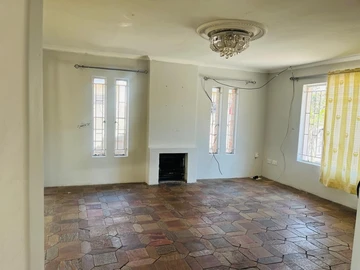
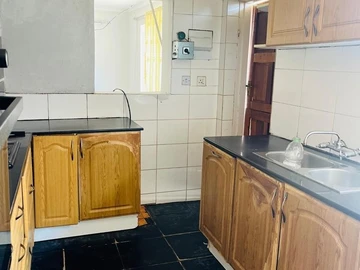
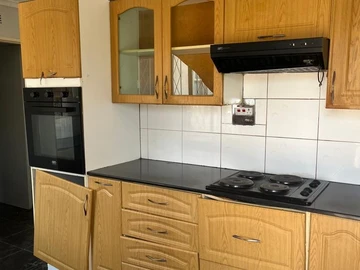
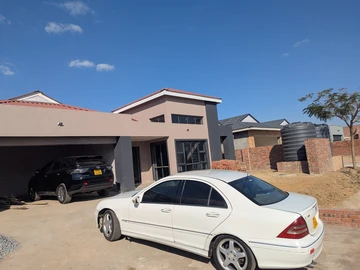
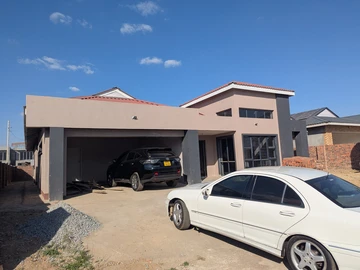
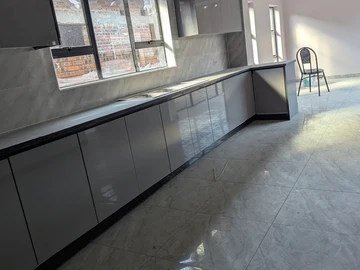
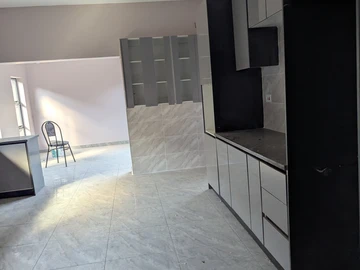
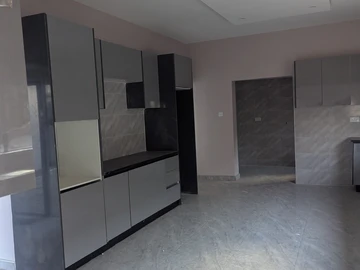
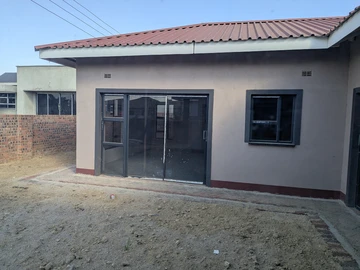
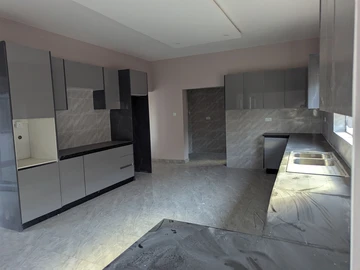
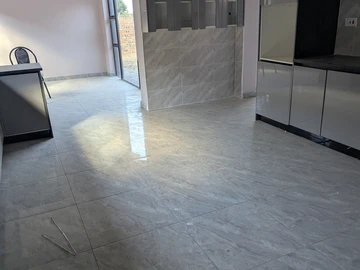
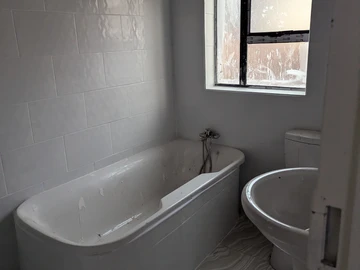
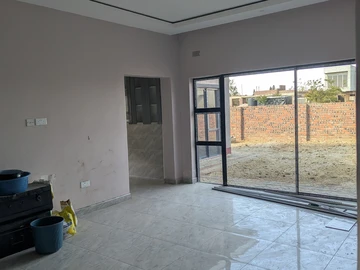
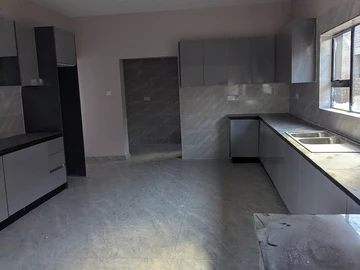
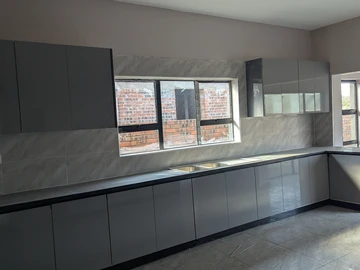
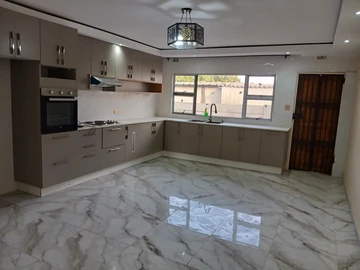
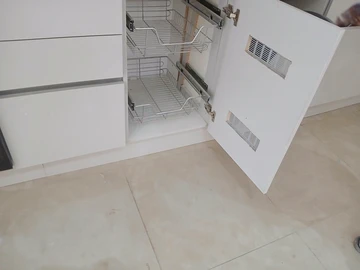
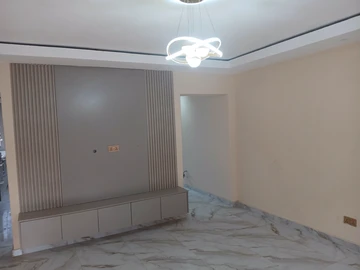
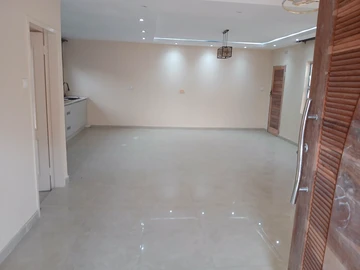
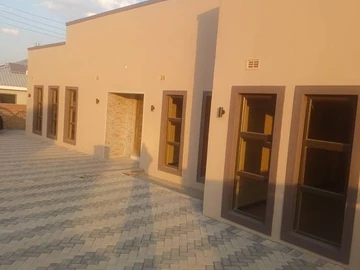
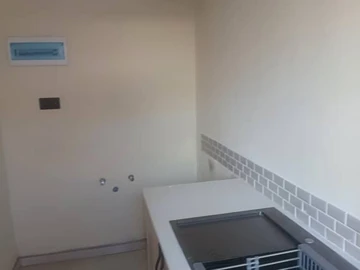
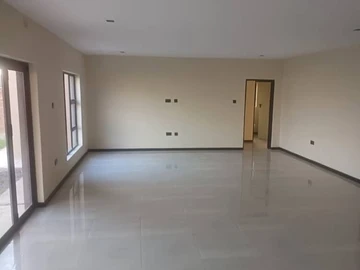
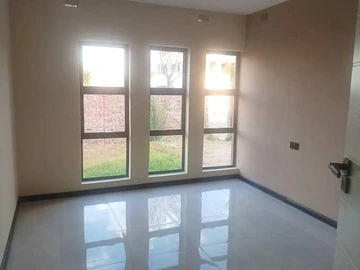
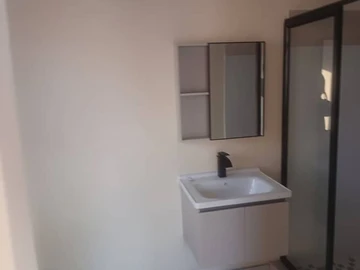
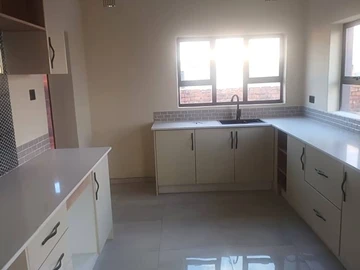
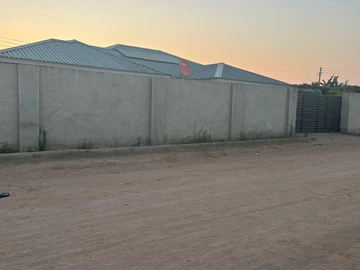
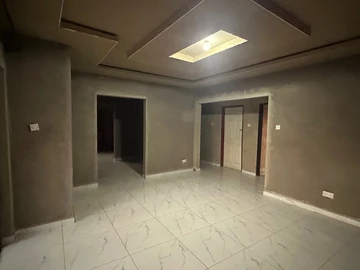
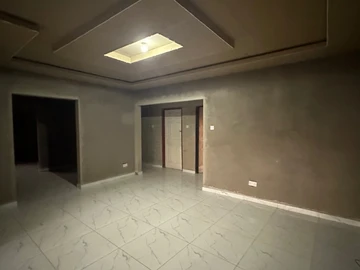
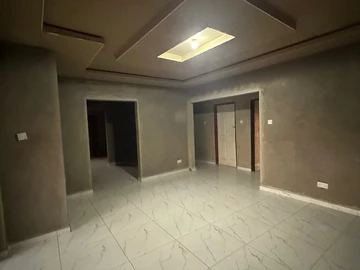
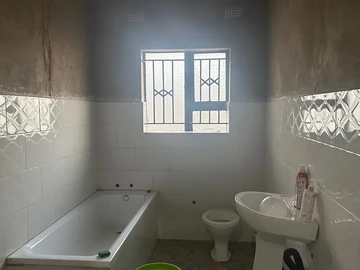
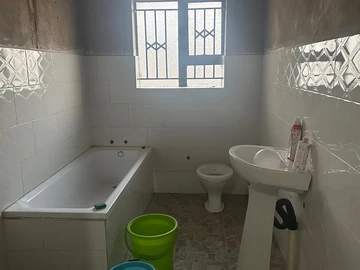
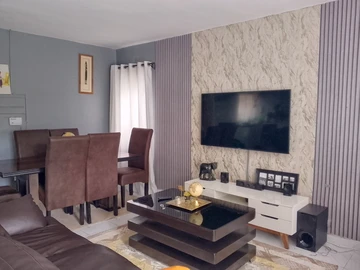
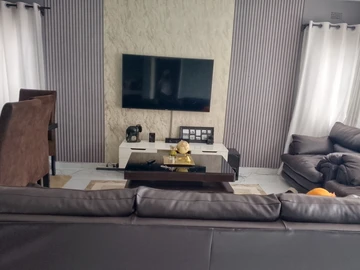
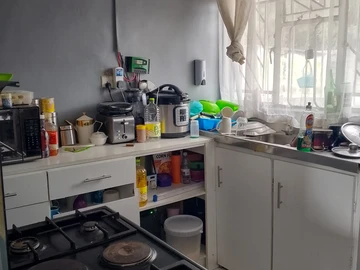
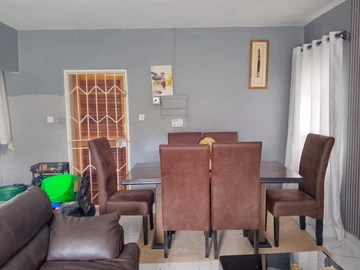
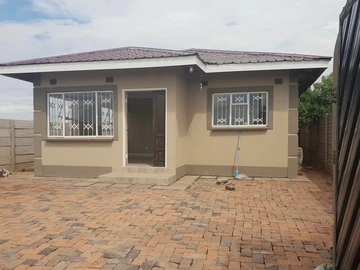
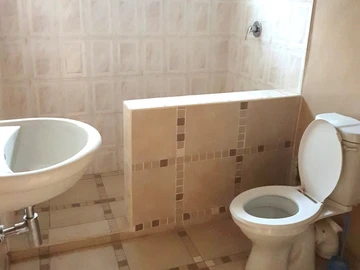
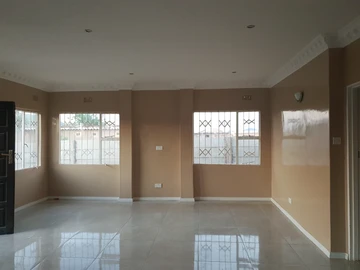
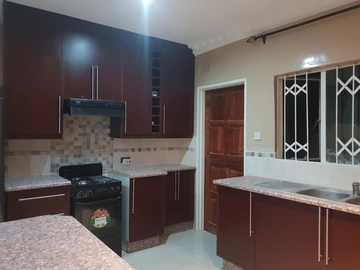
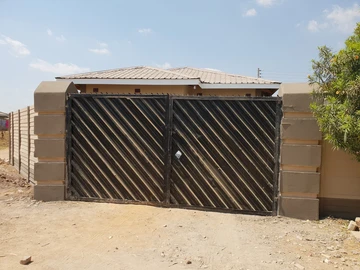
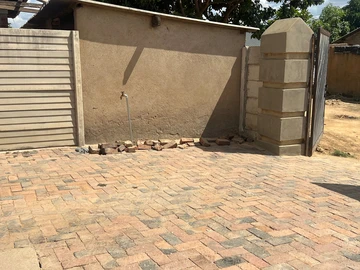
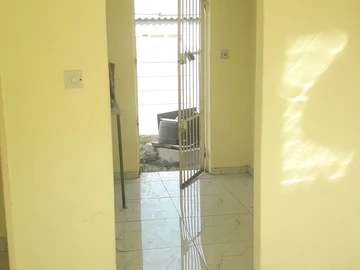
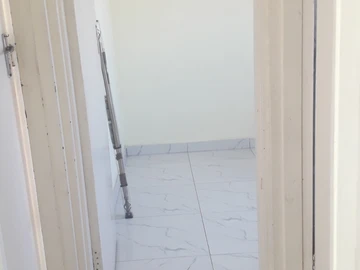
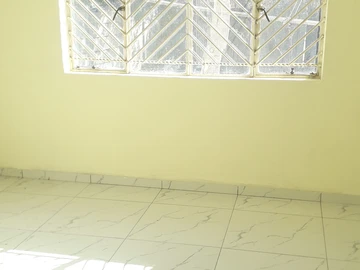
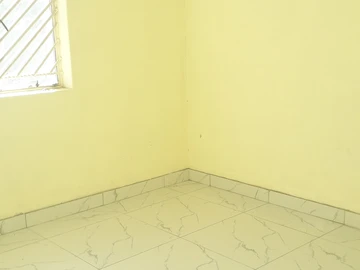
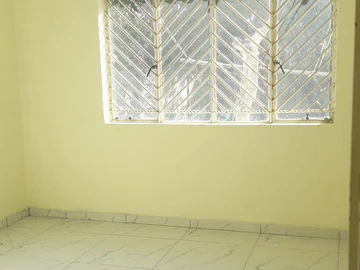
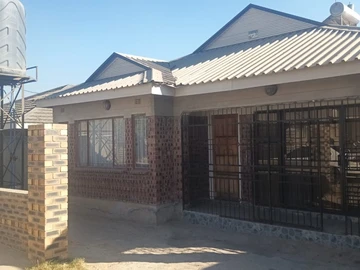
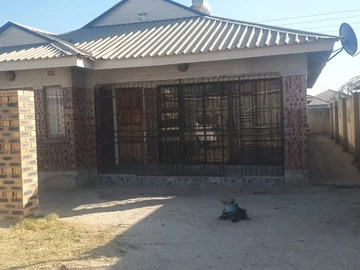
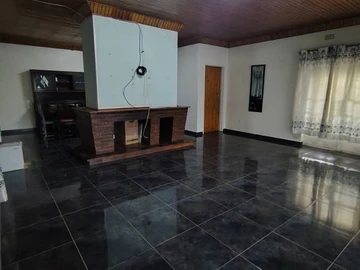
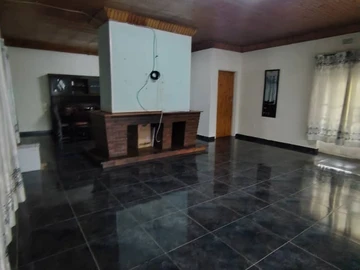
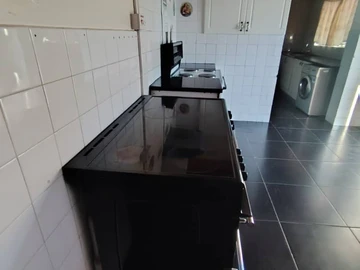
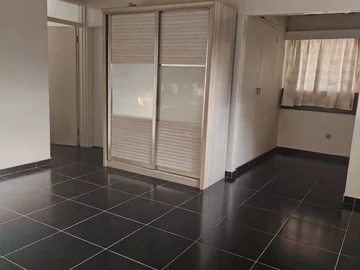
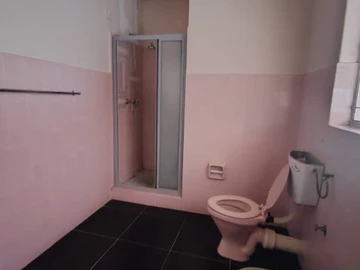
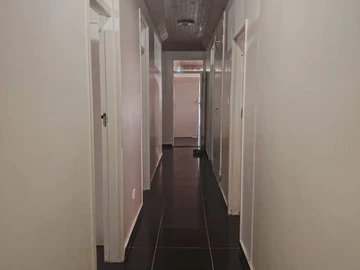
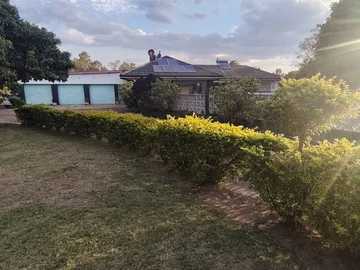
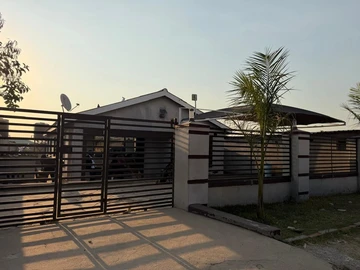
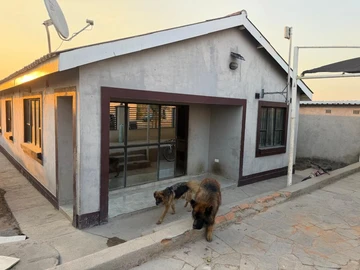
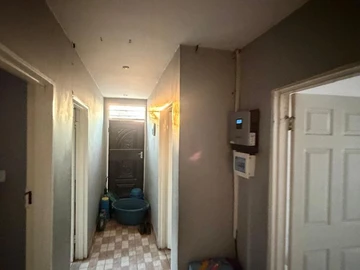
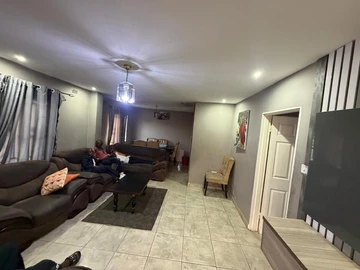
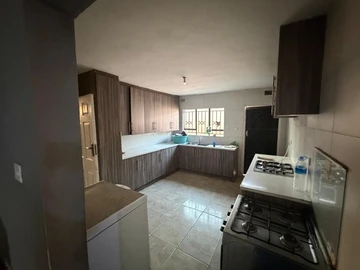
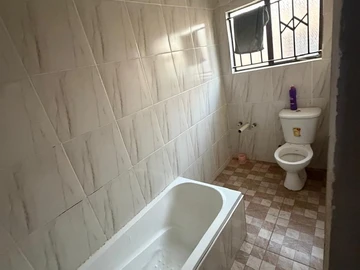
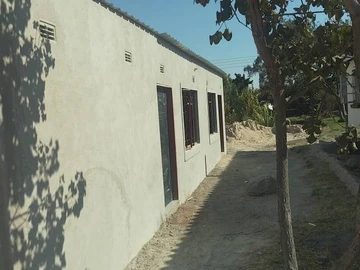
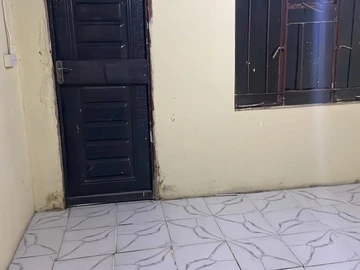
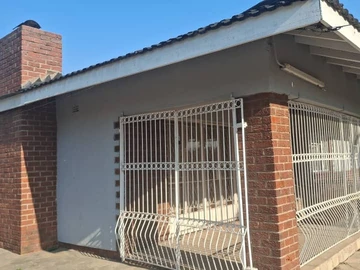
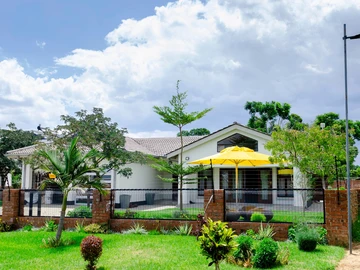
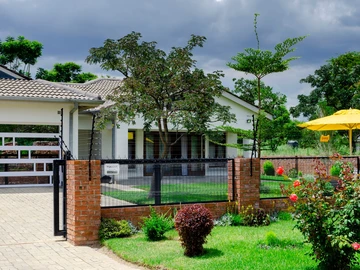
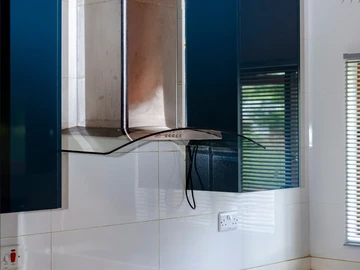
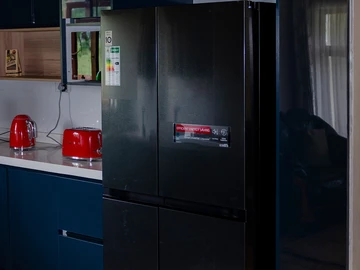
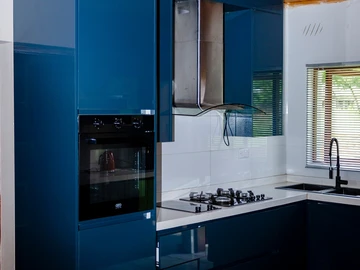
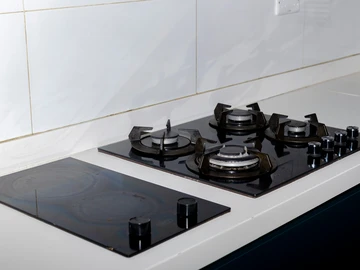
Many of the rental houses feature practical amenities such as verandahs, tiled floors, fitted kitchens, and boreholes, along with walled compounds that provide added security and privacy. These features make the properties suitable for families and professionals looking for comfortable and functional living spaces in a suburban setting.
Harare South is a diverse and developing area popular with middle-income residents due to its affordability and suburban lifestyle. It benefits from good road connections and public transport, making commuting easy. Residents enjoy access to green spaces like Mukuvisi Woodlands, shopping at Southgate Shopping Centre, and healthcare services at Parirenyatwa Hospital. The area also offers a variety of schools and dining options, making it a convenient and practical choice for renters.
2
1
70 m²
8
300 m²
3
2
200 m²
4
2
800 m²
3
2
150 m²
3
2
300 m²
2
1
85 m²

Be the first to see new properties for rent in Harare South










| Property Size | Avg. price |
|---|---|
| 2 bedroom (View 4 properties) | $500 |
| 3 bedroom (View 18 properties) | $650 |
| 4 bedroom (View 19 properties) | $1,600 |
Discover Patience Patongamwoyo’s vision for trust, leadership, and transforming the real estate industry to drive the future of property in Zimbabwe.
Explore Olga Maulana's perspective on mentorship, sustainable development, and rewriting real estate narratives to drive the future of property in Zimbabwe.
Unpacking recent changes at Zimbabwe's Deeds Registry: Learn how digitisation, mandatory validation, and securitisation protect your property ownership.
Create a stunning, functional bathroom lighting plan in Zimbabwe. Follow our 5-step guide covering light layering, solar backup tips, and IP safety.
Everything property owners in Zimbabwe need to know about writing a valid will. Protect your house, avoid family disputes, and ensure smooth transfer.




 2,011 m²