Continue with Facebook
 Continue with Email

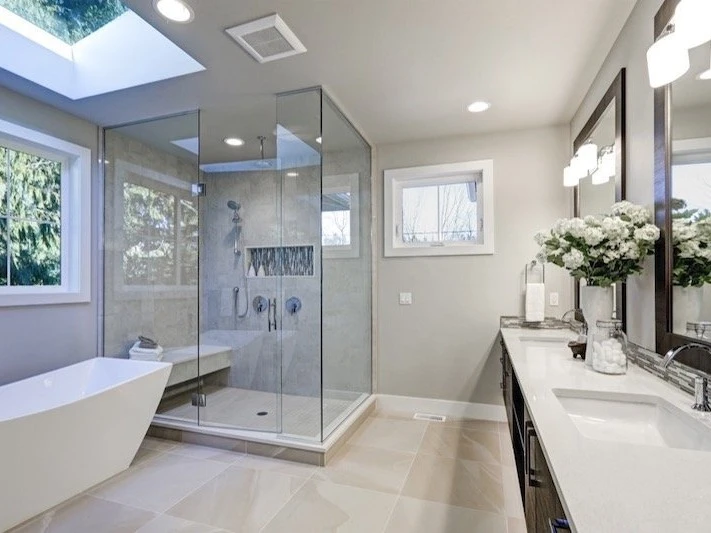
Table of Contents
- Step 1: Start with a Simple Bathroom Floor Plan
- Step 2: Divide Your Bathroom into Lighting Zones
- Step 3: Plan Lighting Around Water and Electrical Safety
- Step 4: Choose the Right Type and Colour of Light
- Step 5: Add the Finishing Layer with Smart Accent Lighting
- The Ideal Bathroom Lighting Formula
- How Many Lights Do You Need in a Bathroom?
- How to Make a Small Bathroom Feel Bigger with Lighting
- Should You Use LED Lighting in Your Bathroom?
- Don't Forget Natural Light
- When Should You Plan Bathroom Lighting During Construction?
- Smart Bathroom Lighting Ideas for Zimbabwean Homes
- Common Bathroom Lighting Mistakes to Avoid
- Does Better Bathroom Lighting Add Value to a Property?
- A Simple Bathroom Lighting Checklist
- Final Thoughts: Good Bathroom Lighting is Planned, Not Added at the End
The right bathroom lighting can make a small room feel bigger, a morning routine easier and an evening bath far more relaxing.
You can have beautiful tiles. A stylish vanity. A modern shower. A premium mirror. But if the lighting is poor, the entire bathroom can still feel dark, cramped and unfinished. That is because bathroom lighting has to do more than simply help you see.
It needs to work when you are:
- Shaving in the morning
- Applying makeup
- Getting ready for work
- Bathing children
- Cleaning the room
- Using the bathroom at night
- Relaxing after a long day
The challenge is that one light in the middle of the ceiling is rarely enough. A good bathroom needs layers of light.
And in Zimbabwe, where homeowners are increasingly renovating older properties, building new homes and investing in energy efficient upgrades, planning the lighting before the ceiling is closed or the tiles are installed can save significant time and money later.
Zimbabwe's official Building Materials Price Index is designed to track changes in the cost of construction materials, reinforcing the importance of planning renovation specifications and quotations carefully before work begins.
Here is how to create a bathroom lighting plan in five practical steps.
Step 1: Start with a simple bathroom floor plan
Before choosing light fittings, start with the room itself. You do not need sophisticated design software. A simple sketch can work.
Draw the bathroom and indicate:
- The door
- Windows
- Shower
- Bathtub
- Toilet
- Vanity
- Mirror
- Existing electrical points
- Switches
- Plug points, where appropriate and safely designed
- Ceiling height
Also indicate where natural light enters the room. This is important because a bathroom with a large window may need less daytime lighting than a bathroom in the middle of a house with no external wall.
Ask yourself:
Where do I actually need the most light?
For most bathrooms, the answer is usually:
- Around the mirror
- In the shower area
- Around the vanity
- Near storage areas
A lighting plan should follow how you use the room not simply where it is easiest to install a light.
Step 2: Divide your bathroom into lighting zones
The easiest way to think about bathroom lighting is to divide it into three functional layers.
1. Ambient lighting
This is the main lighting for the room. Its job is to provide general visibility.
Examples include:
- Ceiling mounted lights
- Recessed LED downlights
- Surfacemounted ceiling fittings
Ambient lighting should make it easy to move around the bathroom safely. But it should not be your only source of light.
2. Task lighting
Task lighting helps you perform specific activities. The most important task lighting area is usually the mirror.
You need clear, even light for:
- Shaving
- Applying makeup
- Skincare
- Grooming
- Styling hair
A common mistake is placing one strong light directly above the mirror. This can create shadows under the eyes, nose and chin.
A better option may be:
- An illuminated mirror
- Lighting on both sides of the mirror
- A combination of front facing and overhead light
The goal is to light your face evenly. If you cannot clearly see what you are doing in the mirror, the lighting plan is not yet complete.
3. Accent or mood lighting
This is where the bathroom starts to feel more like a retreat than simply a functional room.
Mood lighting can include:
- Dimmable lights
- Indirect LED strips
- Backlit mirrors
- Lighting under a floating vanity
- Recessed lighting in a niche
- Soft lighting around a bathtub
This layer is particularly useful at night. Instead of switching on bright ceiling lights, you can use softer illumination.
Step 3: Plan lighting around water and electrical safety
This is the most important part of the project. Bathrooms combine two things that require careful planning:
- Water and electricity.
Do not simply choose a light because it looks good. The fitting must be suitable for the location where it will be installed.
When planning, consider:
- How close the fitting is to a shower or bathtub
- Whether it could be exposed to splashing water
- The fitting's IP rating
- The electrical protection required
- The applicable installation standards
- Whether the circuit and installation are appropriate for a wet environment
The IP rating tells you how well an electrical enclosure is protected against intrusion, including water. Generally, fittings installed closer to wet areas require greater protection than fittings installed in dry parts of the bathroom.
Zimbabwe's energy regulator, ZERA, publishes electricity regulations and related technical guidance, and bathroom electrical work should be planned and installed in accordance with applicable requirements by a suitably qualified professional.
A critical rule:
Do not guess when it comes to bathroom electrical safety. Before buying fittings, confirm with your electrician:
- Which lights are suitable for each location
- The required protection level
- Where switches should be placed
- How the circuit will be protected
- Whether existing wiring needs upgrading
The best time to do this is before tiling and ceiling work begins. Moving an electrical point after the bathroom has been finished can mean opening walls or ceilings again.
Step 4: Choose the right type and colour of light
Not all light feels the same. The colour temperature of your lighting can dramatically change the appearance of the bathroom.
It can make the same tiles look:
- Warmer
- Cooler
- Softer
- Brighter
Warm light
Warm light generally creates a softer, more relaxing atmosphere.
It works particularly well for:
- Evening baths
- Accent lighting
- Spa style bathrooms
- Indirect lighting
Neutral or natural looking light
A more neutral light is often useful around the mirror.
It can help with:
- Grooming
- Makeup
- Shaving
- Everyday visibility
This is why many homeowners prefer a different lighting experience at the mirror than in the rest of the bathroom.
The smart solution: use both
You do not have to choose one lighting mood for the entire room.
For example:
- Use brighter, clearer light at the vanity
- Use softer, warmer light for the rest of the bathroom
- Add dimmers where appropriate
This gives you more flexibility.
Morning:
Bright and functional.
Evening:
Soft and relaxing.
Night:
Low level lighting that does not wake up the entire household.
Step 5: Add the finishing layer with smart accent lighting
Once you have planned the main and task lighting, look for opportunities to create visual interest. This is where small design decisions can have a big impact.
Consider adding lighting:
Behind the mirror
A backlit mirror can create a soft glow while making the vanity area feel more luxurious.
Under a floating vanity
This can make the vanity appear to float and create gentle night time illumination.
Inside recessed shelves or niches
This can highlight:
- Decorative accessories
- Towels
- Plants
- Bathroom products
Along a ceiling detail
Indirect lighting can add depth and make the room feel more sophisticated.
Near the bathtub
Soft accent lighting can create a more relaxing atmosphere. The key is restraint.
A bathroom does not need lighting everywhere.
It needs the right light in the right places.
The ideal bathroom lighting formula
If you are not sure where to start, use this simple formula:
Layer 1: General lighting
For the entire bathroom.
Layer 2: Mirror lighting
For grooming and everyday tasks.
Layer 3: Accent lighting
For atmosphere and visual interest. This three layer approach can work in almost any bathroom, from a compact en suite to a large luxury bathroom.
How many lights do you need in a bathroom?
There is no universal answer.
The number depends on:
- Bathroom size
- Ceiling height
- Natural light
- Tile colours
- Layout
- Light output of the fittings
A small bathroom may only need:
- A few well positioned ceiling lights
- Good mirror lighting
A larger bathroom may need separate lighting for:
- The vanity
- Shower
- Bath area
- Toilet area
- Storage or dressing space
Do not choose the number of lights before you understand the layout. A lighting plan should be based on the room.
How to make a small bathroom feel bigger with lighting
Lighting can have a powerful visual effect in a compact bathroom.
Try these ideas:
- Use a large illuminated mirror
- Add lighting under a floating vanity
- Avoid creating dark corners
- Use recessed lights to keep the ceiling visually clean
- Highlight one feature wall rather than over lighting everything
- Use reflective surfaces strategically
- Consider dimmable lighting for flexibility
A dark bathroom often feels smaller than it actually is. The right lighting can make the same room feel more open and comfortable.
Should you use LED lighting in your bathroom?
For most homeowners, LED lighting is worth considering.
Potential benefits include:
- Lower energy consumption
- Longer lifespan
- Reduced replacement frequency
- Availability in different colour temperatures
- Compatibility with many modern lighting designs
Energy efficiency is increasingly relevant to homeowners as electricity costs form part of the ongoing cost of running a property. ZERA publishes current energy price information and regulates Zimbabwe's energy sector, making efficient lighting a sensible consideration during any home renovation.
But energy efficiency should not mean compromising on light quality. A low energy bathroom that is too dark or poorly lit is still poorly designed.
Choose fittings based on:
- Light quality
- Suitability for the location
- Safety
- Energy consumption
- Durability
Don't forget natural light
Artificial lighting should complement not necessarily replace natural light.
If you are designing or renovating a bathroom, think carefully about:
- Window size
- Window placement
- Privacy
- Ventilation
- Morning and afternoon sunlight
Natural light can make a bathroom feel:
- Larger
- Fresher
- More welcoming
But direct sunlight can also affect glare and heat.
Consider using:
- Frosted glass
- High level windows
- Blinds designed for humid environments
- Skylights, where suitable
A well designed bathroom should work during the day without feeling unnecessarily dependent on artificial lighting.
When should you plan bathroom lighting during construction?
Earlier than most people think. The ideal time is during the design and electrical planning stage.
This is particularly important if you want:
- A backlit mirror
- Recessed ceiling lights
- Lighting under the vanity
- Wall lights beside the mirror
- Hidden LED strips
- Dimmers
- Smart controls
Once the following work has been completed, changes become more expensive:
- Plastering
- Ceiling installation
- Tiling
- Painting
Best practice:
Plan the bathroom lighting before the electrician completes the first fix wiring.
For a new home or major renovation, the lighting plan should be coordinated with:
- The architect or designer
- Electrician
- Plumber
- Ceiling contractor
- Tiler
- Bathroom installer
This avoids the frustrating situation where the vanity is installed before anyone realises there is no electrical point for the illuminated mirror.
Smart bathroom lighting ideas for Zimbabwean homes
1. Illuminated mirrors
A practical way to combine task lighting and style.
2. Dimmable LED downlights
Useful for changing the atmosphere of the room.
3. Motion-sensor night lights
Convenient for late night bathroom visits.
4. Under-vanity lighting
Creates a modern floating effect and provides subtle low level illumination.
5. Recessed niche lighting
Ideal for a modern shower niche.
6. Solar and backup power conscious planning
If your home uses solar power or an inverter system, discuss the bathroom lighting load with your installer so the design fits into the home's wider energy plan.
7. Separate lighting circuits or controls
This allows you to switch on only the lighting you need. For example, you may want mirror lighting without turning on every ceiling light.
Common bathroom lighting mistakes to avoid
1. Using only one ceiling light
This often creates shadows around the mirror.
2. Planning the lights after tiling
This can lead to expensive changes.
3. Choosing fittings based only on appearance
Bathroom lights must be suitable for their installation environment.
4. Forgetting task lighting
A beautiful bathroom is frustrating if you cannot see clearly in the mirror.
5. Making everything too bright
Bathrooms also need atmosphere.
6. Ignoring dark corners
Poorly lit areas can make the room feel smaller.
7. Installing electrical fittings too close to water without proper planning
This is a safety issue and should be addressed by a qualified professional.
8. Forgetting future maintenance
Ask:
- How long will the fitting last?
- Can the light source be replaced?
- Are replacement parts available locally?
Does better bathroom lighting add value to a property?
It can certainly improve buyer perception. A property viewing is an emotional experience.
Buyers do not only assess:
- The number of bedrooms
- The land size
- The location
They also notice how the home feels. A dark, outdated bathroom can make the property feel neglected. A bright, modern and well designed bathroom can make it feel more appealing.
The most effective upgrades are usually those that improve both:
- Functionality
- Presentation
You do not necessarily need an expensive designer lighting system. Sometimes a well positioned illuminated mirror, modern LED ceiling lights and thoughtful accent lighting can transform the entire room.
A simple bathroom lighting checklist
Before finalising your bathroom design, ask:
Layout
- Where is the shower?
- Where is the vanity?
- Where is the bathtub?
- Where are the windows?
General lighting
- Is the entire room adequately lit?
- Are there dark corners?
Mirror lighting
- Can I clearly see my face?
- Are there harsh shadows?
Mood lighting
- Can the room feel more relaxing at night?
- Should I add dimmers or indirect lighting?
Safety
- Are the fittings appropriate for their location?
- Has a qualified electrician reviewed the installation?
Energy
- Are the lights energy efficient?
- Does the design work with the home's wider solar, inverter or backup power system?
Final thoughts: Good bathroom lighting is planned, not added at the end
The best bathroom lighting is almost invisible when it is working well.
You simply notice that:
- The room feels bigger
- The mirror is easy to use
- The shower feels inviting
- The space is safer
- The bathroom looks more expensive
That is the power of a good lighting plan.
Before buying your tiles, mirror or fittings, take a few minutes to think about the light. Because once the walls are closed and the tiles are installed, changing your mind becomes much more expensive.
Plan the lighting early. Layer it intelligently. Put safety first. Then use light to give your bathroom personality.