Continue with Facebook
 Continue with Email

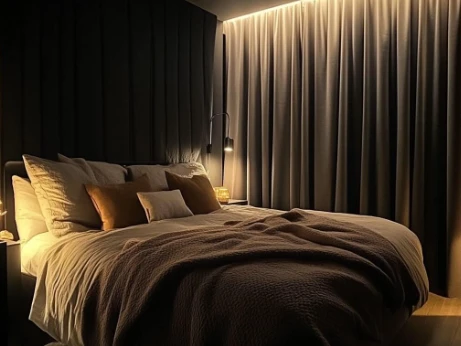
Table of Contents
- Why Your Bedroom Environment Affects Sleep
- 1. Create a “Bedroom Zen” Environment
- 2. Invest in Mattress Quality (Your Health Anchor)
- 3. “Dress” the Bed Like a Design Feature
- 4. Eliminate Clutter for Mental Clarity
- 5. Improve Lighting for Restful Sleep
- 6. Add Subtle Luxury Without Overspending
- Zimbabwe Context: Why This Matters Now
- Bedroom Sleep Optimization Checklist
- Final Thought
Quality sleep is no longer just a lifestyle preference it is a health and productivity necessity. Across Zimbabwe’s urban centres such as Harare, Bulawayo, and Mutare, more homeowners are rethinking bedroom design as a tool for improving rest, stress management, and overall wellbeing.
A peaceful bedroom is not about luxury spending. It is about intentional design, comfort optimisation, and reducing sensory overload.
Why Your Bedroom Environment Affects Sleep
Sleep quality is directly influenced by:
- Light exposure
- Room temperature
- Noise levels
- Mattress quality
- Emotional association with space
In many Zimbabwean homes, bedrooms double as:
- workspaces,
- entertainment zones,
- storage areas.
This reduces the brain’s ability to associate the room with rest, leading to poor sleep quality.
1. Create a “Bedroom Zen” Environment
Your bedroom should signal one thing: rest and recovery.
Key changes
- Remove TVs and work devices where possible.
- Eliminate bright LED distractions at night.
- Keep lighting soft and indirect.
- Use blackout curtains to control light.
A darker, quieter environment supports deeper sleep cycles and improved recovery.
2. Invest in Mattress Quality (Your Health Anchor)

Your mattress is one of the most important long-term health investments in your home.
What to prioritise
- Proper spinal support (orthopaedic or medium-firm mattresses)
- Breathable materials for warm Zimbabwean nights
- Mattress protectors to extend lifespan
Maintenance routine
- Vacuum mattress surfaces regularly
- Wash bedding weekly
- Rotate mattress periodically
- Avoid moisture accumulation
A poor mattress can undermine even the best bedroom design.
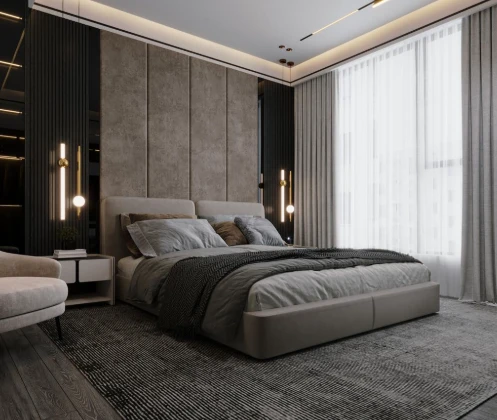
3. “Dress” the Bed Like a Design Feature

Your bed is the visual and emotional centre of the room.
Styling elements
- Layered bedding (duvets, throws, blankets)
- Coordinated cushions in soft textures
- Neutral or calming colour palettes
- Personal accents (art, lamps, small décor items)
A well-dressed bed improves both comfort perception and relaxation response.
4. Eliminate Clutter for Mental Clarity

Clutter directly affects stress levels and sleep quality.
Practical steps
- Keep surfaces clear (bedside tables, dressers)
- Store items under beds or in closed storage
- Clean behind and under furniture regularly
- Use baskets and organisers for visual order
A clutter-free bedroom improves mental decompression before sleep.
5. Improve Lighting for Restful Sleep
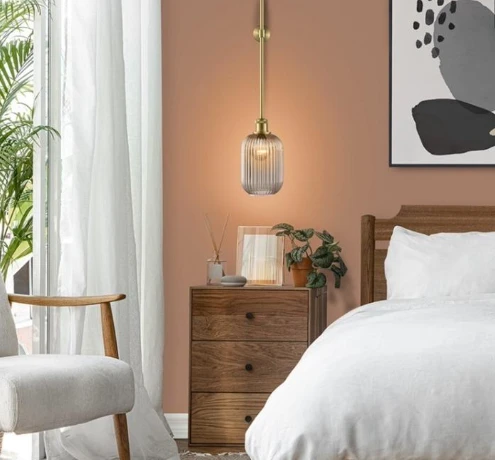
Lighting shapes your circadian rhythm and mood.
Best practices
- Use warm white lighting instead of cool white
- Add bedside lamps instead of overhead brightness
- Install dimmable lights if possible
- Avoid bright screens before sleep
Soft lighting signals the body that it is time to rest.
6. Add Subtle Luxury Without Overspending
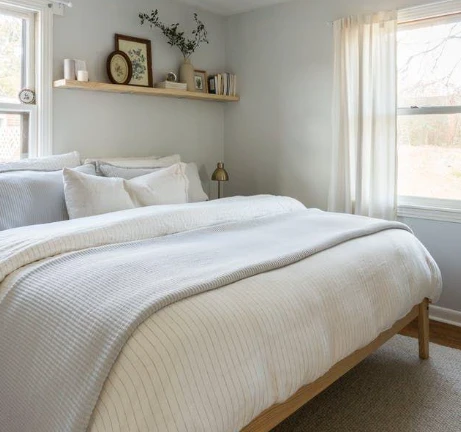
Luxury is perception not price.
Affordable upgrades
- Accent walls or wallpaper textures
- Fabric headboards (DIY or custom)
- Matching décor tones for cohesion
- Soft textiles like linen and velvet blends
Even small aesthetic upgrades elevate the entire room experience.
Zimbabwe Context: Why This Matters Now
In Zimbabwe’s urban housing market:
- More professionals are working remotely from bedrooms.
- Rental apartments often lack insulation and design optimisation.
- Energy costs make sleep environment efficiency important.
- Buyers increasingly value “livable comfort” in property decisions.
A well-designed bedroom now contributes to property desirability and lifestyle value.
Bedroom Sleep Optimization Checklist
Do
- Keep room dark and quiet at night
- Maintain a comfortable mattress
- Declutter regularly
- Use warm lighting and soft textures
Avoid
- Sleeping with bright screens or LEDs
- Overcrowding the bedroom with furniture
- Ignoring mattress hygiene
- Mixing workspace and sleep space
Final Thought
A peaceful bedroom is not just interior design it is a health investment, productivity tool, and lifestyle upgrade. By controlling light, reducing clutter, improving comfort, and designing intentionally, Zimbabwean homeowners can dramatically improve sleep quality without major renovation costs.
Explore homes designed for comfort, camp living, and modern lifestyles on Property.co.zw — where better living starts with better spaces.