Continue with Facebook
 Continue with Email

Real estate is one of the most reliable asset classes in Zimbabwe, attracting both local and diaspora investors. But a common dilemma is: should you invest in commercial property or residential property? Both offer profitable opportunities, but they differ in costs, risks, and returns.
This guide explores the pros and cons of commercial vs. residential property investment, backed by statistics, examples, and market insights to help you decide.
Understanding the Difference
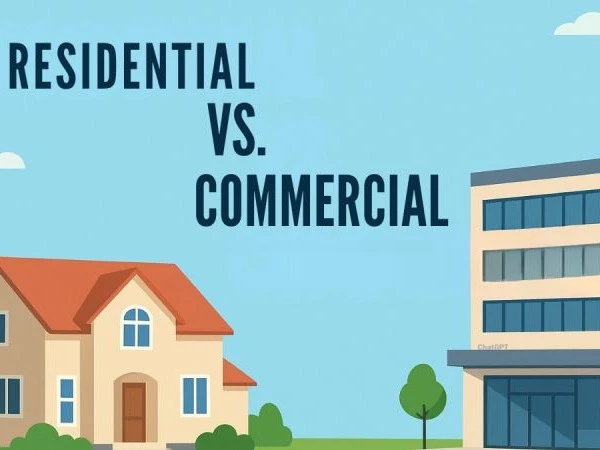
- Residential property: Homes, apartments, townhouses, and cluster houses rented or sold to individuals and families.
- Commercial property: Office buildings, retail shops, warehouses, and industrial parks rented to businesses.
Market Trends in Zimbabwe
Residential Property
- Accounts for more than 70% of all listings on property.co.zw (2025 data).
- Strong demand in urban centres like Harare, Bulawayo, and Mutare due to housing shortages.
- Average rental yields: 6–9% annually.
- Example: A 2-bedroom flat in Avondale rents for US$500–700/month, often securing tenants within weeks.
Commercial Property
- Increasing demand in prime CBDs and industrial zones.
- Rental yields: 8–12%, but higher risks due to economic fluctuations.
- Example: A warehouse in Msasa generating US$3,500/month in rent recently sold for US$400,000, yielding a solid 10% return.
- Office space demand is shifting, with some businesses preferring shared office hubs over traditional leases.
Comparing Profitability: Commercial vs. Residential
|
Factor |
Residential Property |
Commercial Property |
|
Rental Yield |
6–9% (steady) |
8–12% (higher, but riskier) |
|
Tenant Demand |
High and consistent |
Moderate, depends on business climate |
|
Capital Growth |
Strong in urban suburbs |
High in prime CBD & industrial zones |
|
Vacancy Risk |
Low–medium |
Medium–high (linked to economy) |
|
Entry Costs |
US$50,000–US$300,000 |
US$150,000–US$1M+ |
|
Management |
Moderate (families, individuals) |
More complex (businesses, leases) |
Pros and Cons
Residential Property
- Lower entry costs.
- Consistent demand (people always need housing).
- Easier to finance and manage.
Risks: Slower appreciation in peri-urban zones, occasional rent defaults.
Commercial Property
- Higher rental yields.
- Long-term leases (3–5 years or more) provide stability.
- Stronger appreciation in CBD and industrial zones.
Risks: Larger upfront costs, longer vacancies during downturns, sensitive to economic shifts.
Key Insights for Investors
- Residential property is ideal for first-time investors seeking stability and lower risk.
- Commercial property offers higher returns but requires bigger capital and tolerance for risk.
- A balanced portfolio owning both residential and commercial properties helps investors enjoy steady cash flow and strong long-term growth.
Conclusion
If your priority is affordable entry and consistent demand, residential property is the safer bet. But if you’re looking for higher yields and long-term appreciation, especially in Zimbabwe’s CBDs and industrial hubs, commercial property may be the smarter choice.
For many savvy investors, the best strategy is diversification holding both commercial and residential assets to balance risks and rewards.