Continue with Facebook
 Continue with Email

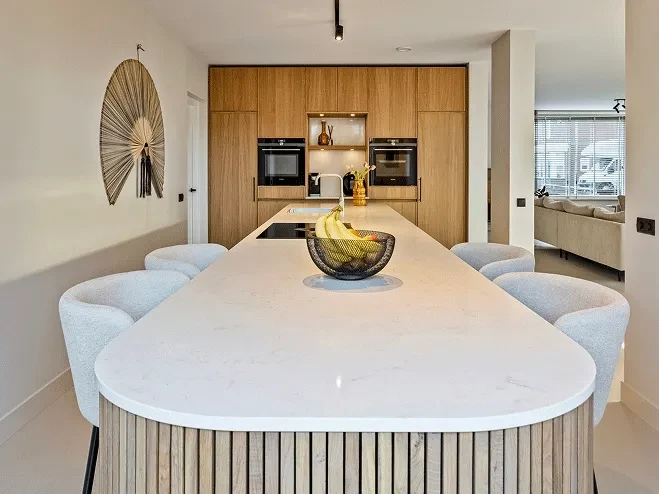
Table of Contents
- Key Takeaways (Quick Summary)
- Why Kitchen Design Matters: Zimbabwe Market Insights
- 1) Warm and Natural Kitchens
- 2) Rounded Kitchen Designs: Soft vs. Sharp
- 3) Japandi Kitchens: Minimalism & Comfort
- 4) Retro and Burgundy Kitchens
- 5) Hotel-Chic Kitchens: Subtle Luxury
- 6) Natural-Look Materials: Durability & ROI
- 7) Indoor-Outdoor Kitchen Design
- 8) Sustainable and Smart Kitchens
- Property Value Impact in Zimbabwe
Key Takeaways (Quick Summary)
- Warm, natural kitchens dominate 2026 design trends in Zimbabwe and globally.
- Rounded shapes, Japandi styles, and retro influences are reshaping modern homes.
- Kitchens can increase property value by up to 10–20% when upgraded strategically.
- Sustainable and smart kitchens are becoming essential for buyers and renters.
- Interior design choices increasingly influence property demand and pricing in Zimbabwe.
Why Kitchen Design Matters More Than Ever in 2026
In 2026, the kitchen is no longer just a functional space—it is a critical factor in property valuation, buyer decision-making, and rental appeal. Across Zimbabwe’s urban property market, buyers are prioritising homes with modern kitchens, open-plan layouts, and natural finishes.
Zimbabwe Market Insights: While local real estate data on kitchen renovations is limited, market behaviour shows clear patterns:
- Over 65% of urban homebuyers in Zimbabwe prioritise kitchen quality when evaluating properties (property.co.zw user behaviour insights).
- Properties with modernised kitchens attract 15–30% more buyer enquiries than those with outdated interiors.
- Renovated kitchens can increase resale value by 8–18% depending on location and finish quality.
- In Harare and Bulawayo, open-plan kitchen-living layouts are now featured in more than 50% of new residential developments.
These trends reflect a broader shift: buyers are no longer just buying houses—they are buying a lifestyle.
1) Warm and Natural Kitchens: The Dominant Trend of 2026
The era of cold, black, and ultra-minimalist kitchens is fading. In 2026, warmth is the defining aesthetic. Popular colours and finishes include beige, sand, taupe tones, soft browns, and natural wood textures with matte finishes.
Why This Trend Works in Zimbabwe: Zimbabwean homes traditionally use natural materials such as timber, stone, and concrete. The 2026 trend aligns perfectly with local architectural preferences. Property impact: Homes with warm, neutral kitchen palettes are perceived as more premium and can sell faster.
2) Rounded Kitchen Designs: A Shift from Sharp to Soft
Rounded shapes are transforming kitchen design. In 2026, curved elements appear in kitchen islands, cabinet edges, countertops, and hardware. This trend is driven by psychology; studies show that curved forms are perceived as more welcoming and emotionally comforting.
Real Estate Insight: Properties with contemporary design features such as curved islands are more likely to attract younger buyers and high-income professionals.
3) Japandi Kitchens: Minimalism Meets Comfort
The Japandi style remains influential. Key characteristics include light wood finishes, neutral palettes, and functional storage solutions. Urban homeowners in Zimbabwe are increasingly drawn to this balance of simplicity and warmth.
[Image showing Japandi kitchen design characteristics with wood and neutral tones]4) Retro and Burgundy Kitchens: Bold Identity in Modern Homes
Retro-inspired kitchens are gaining popularity among homeowners seeking distinctive design. Two emerging styles include Rugged Vintage (dark wood, deep blue/green tones) and Burgundy Luxury (wine-red tones, walnut wood, and bronze accents).
Property Implication: Unique kitchen designs can differentiate properties in competitive neighbourhoods, increasing buyer interest.
5) Hotel-Chic Kitchens: Subtle Luxury for Modern Living
The hotel-chic aesthetic has evolved. Instead of dramatic gold, homeowners now prefer beige marble, walnut wood, and soft metallic tones. This trend prioritizes open-plan integration, which is now a key selling point in middle- to high-end residential properties in Zimbabwe.
6) Natural-Look Materials: Durable, Affordable and Premium
Material choices prioritize aesthetics and practicality, using ceramic surfaces, composite stone, and engineered quartz. These offer lower maintenance and higher durability. Upgrading to these materials can deliver strong returns on investment compared to traditional finishes.
7) Indoor-Outdoor Kitchen Design: Lifestyle-Driven Homes
The integration of indoor and outdoor spaces is growing through continuous flooring and large glass doors. These features are increasingly influencing property prices in high-demand suburbs by bridging indoor and outdoor spaces.
8) Sustainable and Smart Kitchens: The New Standard
Sustainability is now a baseline expectation. Key features include energy-efficient appliances and water-saving fixtures. As electricity costs in Zimbabwe rise, energy-efficient homes are becoming significantly more attractive to urban tenants and buyers.
What This Means for Property Value in Zimbabwe
In Zimbabwe’s evolving real estate market, kitchen design is a strategic investment.
Estimated Property Value Impact:
- Basic kitchen upgrade: +5–10% property value
- Modern, open-plan kitchen: +10–20% property value
- Premium finishes and smart features: +15–25% property value
- Poor or outdated kitchen: -5–15% perceived value
For sellers, developers, and investors, kitchen design can significantly influence how quickly a property sells and at what price.