Continue with Facebook
 Continue with Email

Comparing profitability, flexibility, and market demand
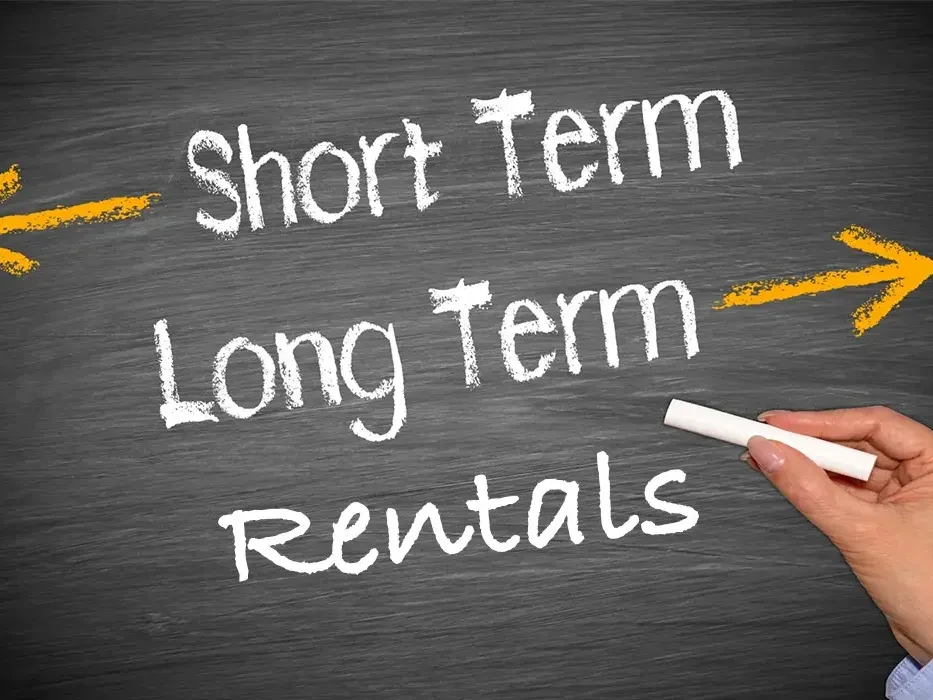
The Zimbabwean rental market is evolving, with property owners weighing short-term rentals (STRs) against traditional long-term leases. Cities like Harare, Bulawayo, and Victoria Falls have seen increasing tourism and business travel, making STRs more attractive in specific locations.
1. Short-Term Rentals (STRs)
Advantages:
- Higher monthly yields, sometimes 30%–50% above long-term rentals
- Flexibility for property owners to use the property themselves
- Opportunities in high-demand tourist areas
Considerations:
- Increased management and maintenance requirements
- Variable occupancy rates seasonality affects revenue
- Regulatory compliance may vary, requiring permits in certain municipalities
Example: A 2-bedroom apartment in central Harare rented as an STR can generate USD 1,200/month, while long-term rental yields average USD 700/month.
2. Long-Term Rentals
Advantages:
- Stable monthly income with lower management costs
- Lower turnover and vacancy risk
- Suitable for suburban and residential neighborhoods
Considerations:
- Limited flexibility for owner use
- Rental increases often capped by affordability or negotiation with tenants
Example: In Bulawayo, a 3-bedroom house rented long-term generates approximately USD 500–600/month, with minimal management overhead.
3. Choosing the Right Strategy
Factors to consider:
- Location: High-tourist areas favor STRs; suburban family neighborhoods favor long-term rentals.
- Management capacity: STRs require active property management.
- Cash flow needs: STRs may yield higher income but with fluctuating occupancy.
Conclusion
Short-term rentals offer higher potential returns in strategic urban and tourist locations, while long-term rentals provide stable income and lower management burdens. A blended approach long-term rentals in suburbs and STRs in city centers can optimize returns.
Key Stats Recap:
- STRs can earn 30–50% more than long-term rentals.
- STR occupancy in Harare city center averages 65–70% annually.
- Long-term rentals have lower turnover and consistent monthly income.