Continue with Facebook
 Continue with Email

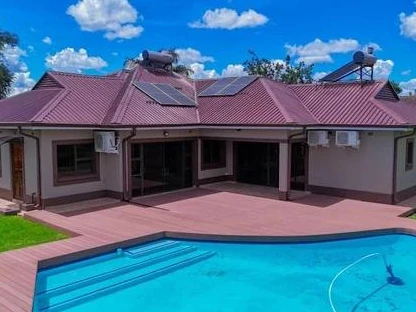
Table of Contents
- Why Smart Homes Matter in Zimbabwe (2026 Market Reality)
- 1. Smart Energy Systems (Highest ROI Upgrade)
- 2. Smart Security Systems (Non-Negotiable Feature)
- 3. Smart Water Management Systems
- 4. Smart Lighting & Energy Efficiency
- Smart Home Impact on Property Value (Zimbabwe Context)
- What Zimbabwean Buyers Really Want (2026 Insight)
- Budget-Friendly Smart Upgrades
- Future Trends in Zimbabwe Smart Homes (2026–2030)
- Final Verdict
Smart home technology is no longer a luxury reserved for high-end international markets it is rapidly becoming a value-driving feature in Zimbabwe’s urban property sector, especially in high-demand areas of Harare, Bulawayo, and emerging residential corridors.
In a market shaped by energy instability, water constraints, and security concerns, smart home systems are now directly influencing buyer decisions, rental demand, and long-term property valuation.
Why Smart Homes Matter in Zimbabwe (2026 Market Reality)
In Zimbabwe, smart home adoption is driven less by luxury and more by practical resilience and cost control.
Key Market Drivers
- Load shedding and electricity unreliability → increased solar adoption
- Rising water insecurity → smart irrigation and borehole systems
- Security concerns → demand for remote monitoring systems
- Growth in diaspora investment → preference for “lock-up-and-go” homes
Property Insight (Zimbabwe 2026): Homes with solar + security + water automation systems are increasingly achieving higher asking prices and faster time-to-sale compared to traditional homes.
1. Smart Energy Systems (Highest ROI Upgrade)
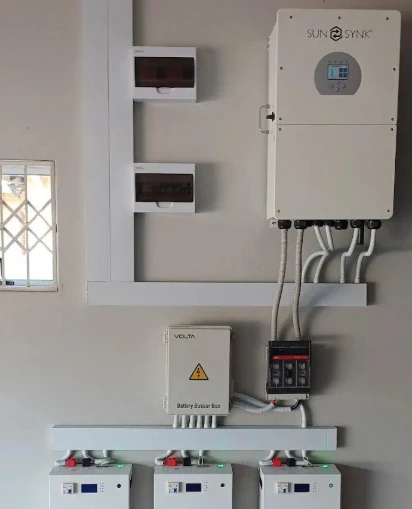
Energy independence is the single most valuable smart upgrade in Zimbabwean homes today.
Must-Have Features:
- Solar photovoltaic (PV) systems
- Lithium battery storage (backup power)
- Smart energy monitoring apps
- Automated load management systems
Why It Matters:
- Reduces dependency on unstable grid power
- Lowers monthly electricity costs
- Increases property attractiveness to diaspora buyers
Market Trend: Well-installed solar + battery systems can improve perceived property value by 8%–20%, especially in urban suburbs.
2. Smart Security Systems (Non-Negotiable Feature)
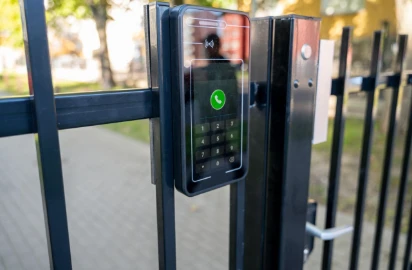
Security remains a primary purchase driver in Zimbabwe’s residential market.
Essential Features:
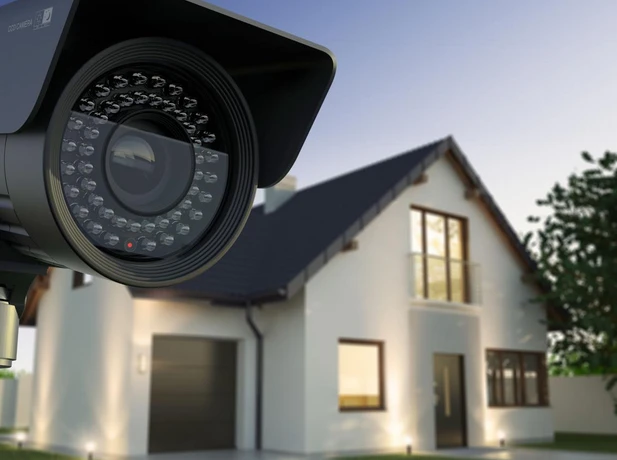
- CCTV surveillance (remote access enabled)
- Smart gate automation & intercom systems
- Motion-activated lighting
- Mobile phone monitoring apps
- Alarm systems linked to response teams
Why Buyers Value It:
- Real-time remote monitoring (especially diaspora owners)
- Reduced risk perception
- Improved rental demand in gated communities
Homes with integrated smart security are increasingly preferred in cluster developments and gated estates.
3. Smart Water Management Systems
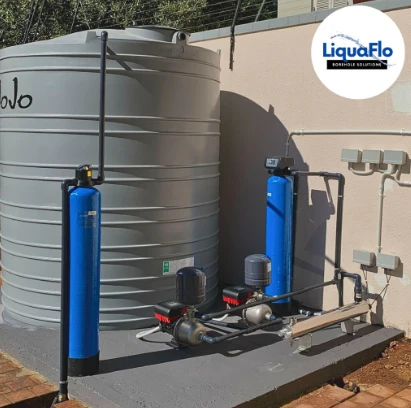
Water scarcity makes this one of the most underrated but high-impact smart upgrades.
Key Features:
- Automated irrigation systems
- Borehole + smart pump control systems
- Water tank level sensors
- Leak detection alerts
Benefits:
- Efficient water usage during dry seasons
- Reduced manual maintenance
- Protection against water loss or overflow
4. Smart Lighting & Energy Efficiency
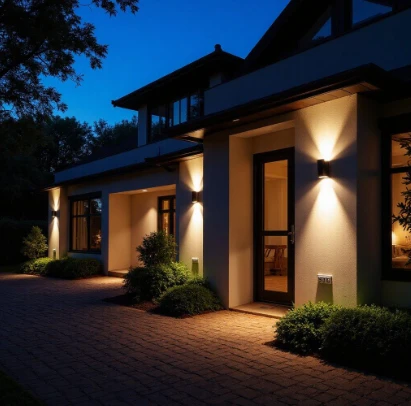
Lighting upgrades are among the most cost-effective smart home entry points.
Features:
- Smart LED lighting systems
- Motion sensor lighting
- Remote control via mobile apps
- Automated scheduling systems
Why It Matters:
- Reduces electricity consumption
- Improves home aesthetics
- Adds modern appeal for buyers
Smart Home Impact on Property Value (Zimbabwe Context)
| Feature Category | Buyer Impact | Value Effect |
|---|---|---|
| Solar + Battery | Very High | Property premium |
| Smart Security | Very High | Faster sales cycle |
| Water Automation | High | Strong rural/urban appeal |
| Smart Lighting | Medium | Lifestyle enhancement |
| Full Automation System | Very High | Premium positioning |
What Zimbabwean Buyers Really Want (2026 Insight)
Modern buyers especially diaspora investors prioritise:
- “Lock-up-and-go” security
- Energy independence
- Remote control access
- Low maintenance homes
- Climate resilience features
Smart homes are no longer about convenience they are about risk reduction and operational independence.
Budget-Friendly Smart Upgrades
Not all smart home improvements require large capital investment.
Affordable Entry-Level Options:
- Smart plugs for appliances
- Basic Wi-Fi CCTV systems
- Smart bulbs and LED strips
- Plug-and-play motion sensors
- Timer-based irrigation systems
These upgrades allow homeowners to gradually transition into a fully connected home ecosystem.
Future Trends in Zimbabwe Smart Homes (2026–2030)
- AI-powered home energy optimisation
- Smart water recycling systems
- Fully integrated “single app” home control systems
- Biometric security replacing traditional key systems
- Increased integration of solar + EV charging readiness
Final Verdict
In Zimbabwe’s current property environment, smart home technology is no longer optional it is becoming a core valuation driver.
- Invest in energy independence first
- Prioritise security and remote monitoring
- Add water efficiency systems where possible
- Layer in convenience automation over time
A smart home is no longer just modern it is resilient, efficient, and financially smarter.