Log in to contact the seller
 Continue with Facebook
 Continue with Email
Continue with Facebook
Continue with Email
Sign up with Facebook
Continue with Email
Continue with Facebook
Continue with Email
Sign up with Facebook
 Change filters
 Requests



 3
3
 3
250 m²
3
250 m²


 3
1
150 m²
3
2
220 m²
3
2
150 m²
3
2
200 m²
3
1
150 m²
3
2
220 m²
3
2
150 m²
3
2
200 m²
 3
2
150 m²
3
2
200 m²
3
2
200 m²
3
2
150 m²
3
2
150 m²
3
2
200 m²
3
2
200 m²
3
2
150 m²
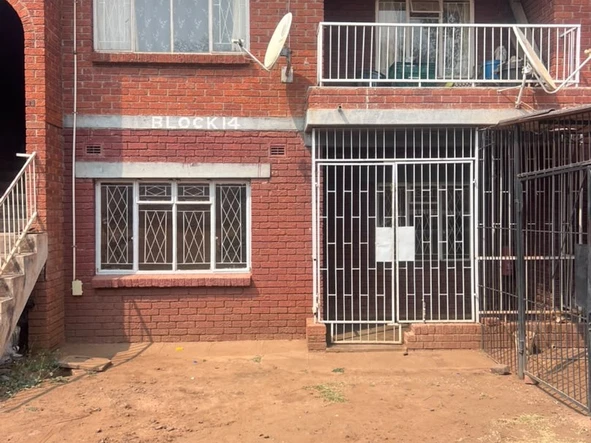
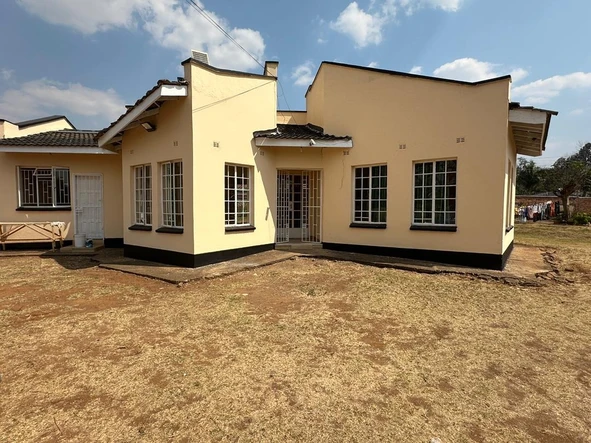
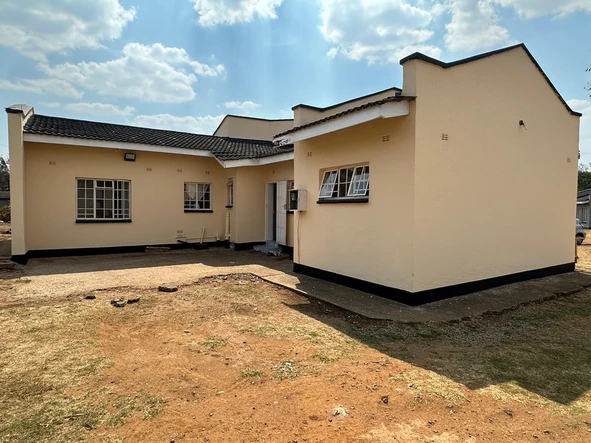
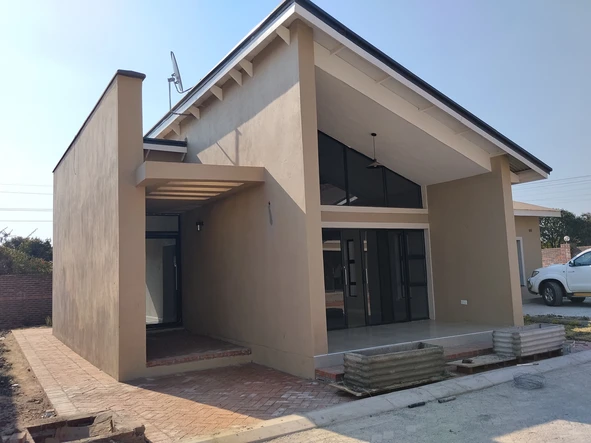
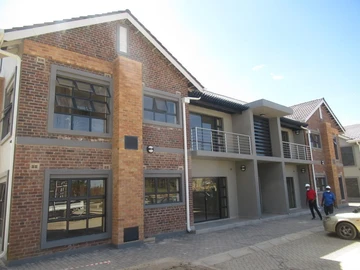
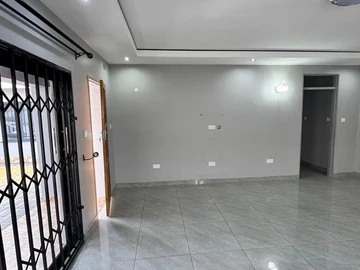
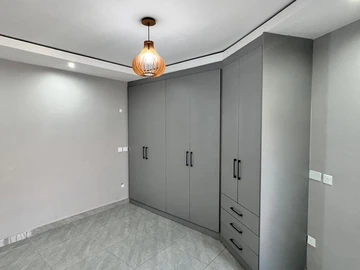
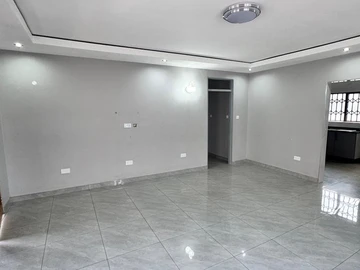
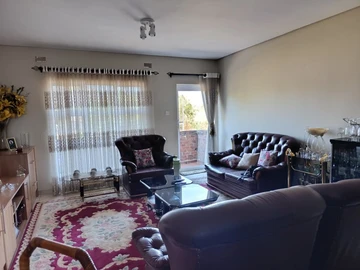
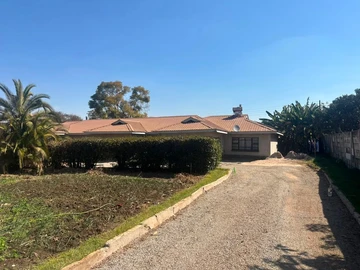
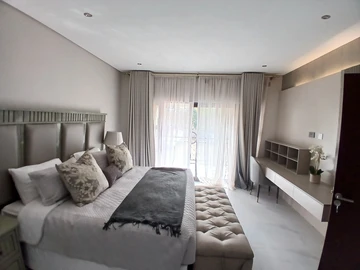
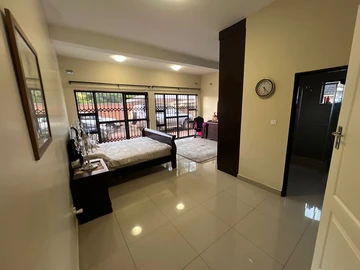
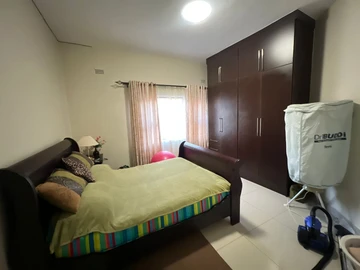
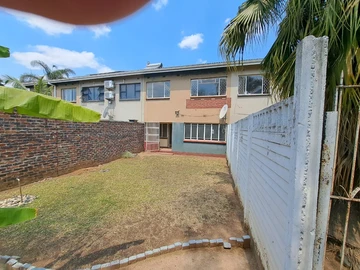
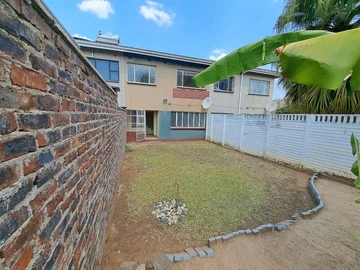
3-bedroom flats and apartments for rent in Harare West, Harare, offer affordable housing options with an average monthly rent of $750. These properties typically have a median size of about 150 ㎡, with land areas around 180 ㎡, while some larger units can reach up to 2,000 ㎡ in size and land areas up to 4,000 ㎡. Rental prices start from USD 450, making this area accessible for many renters.
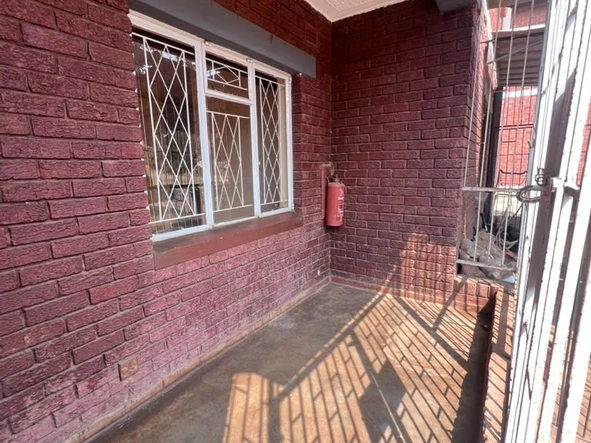
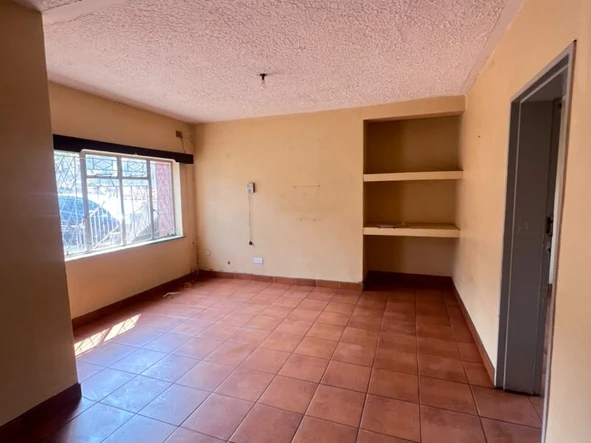
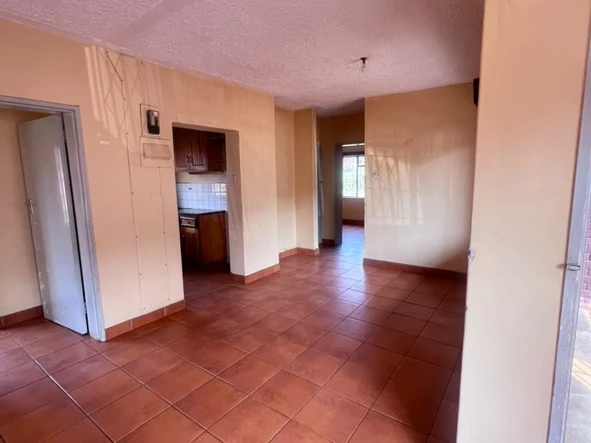
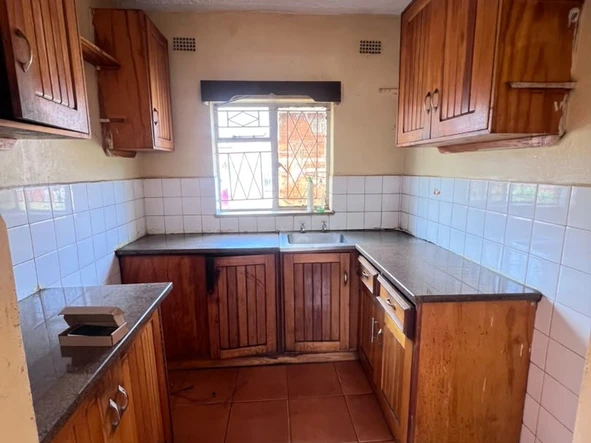
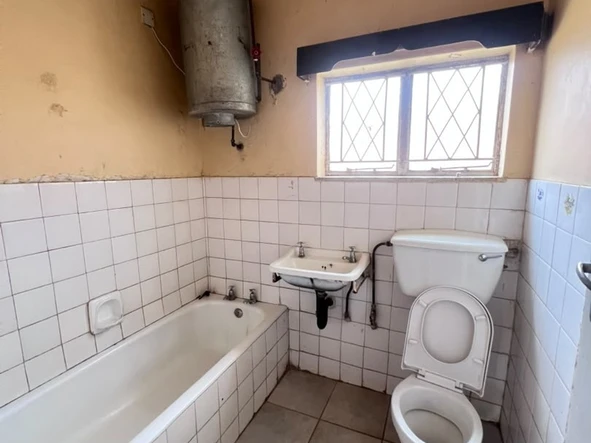
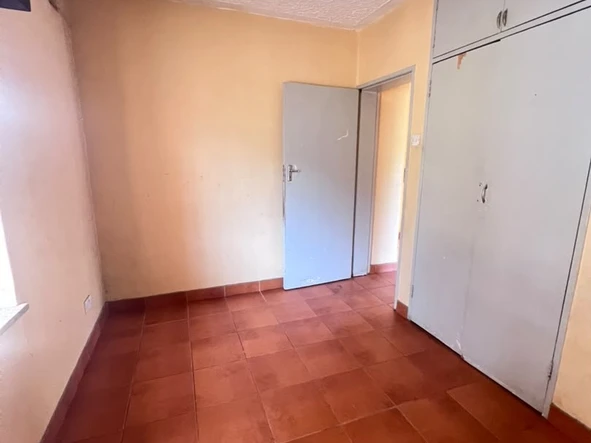
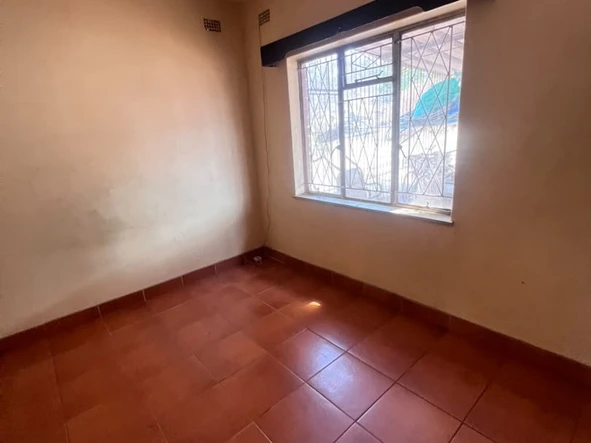
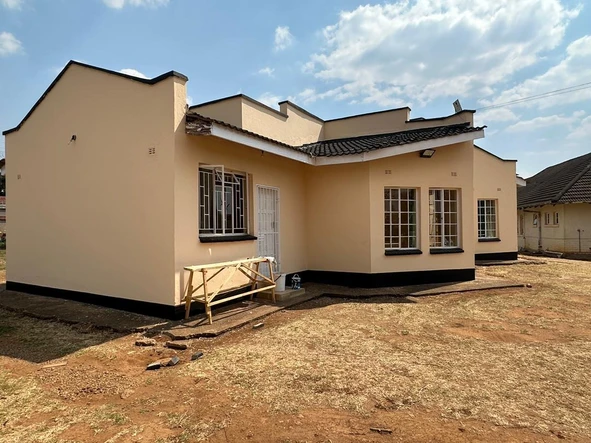
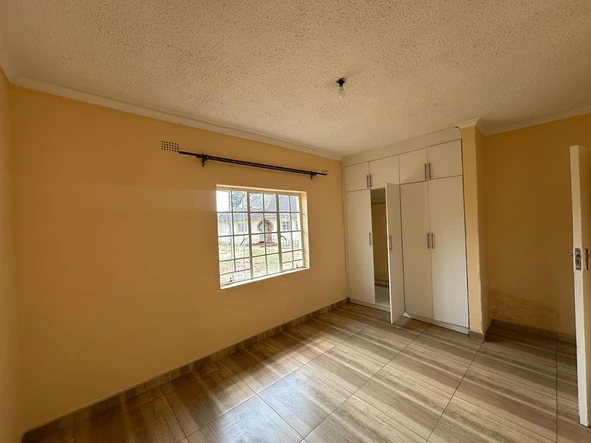
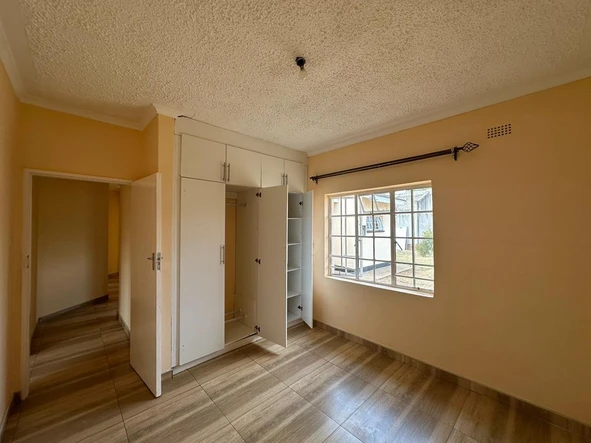
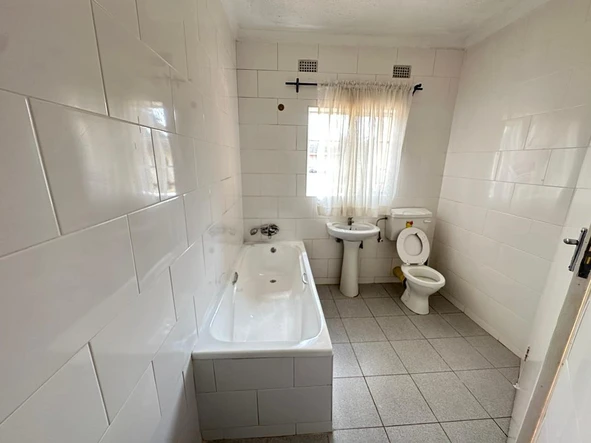
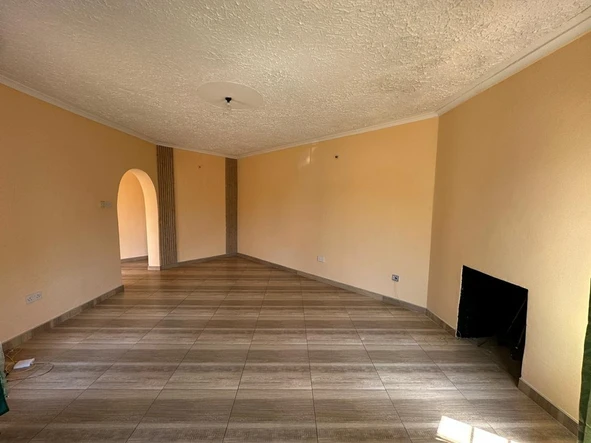
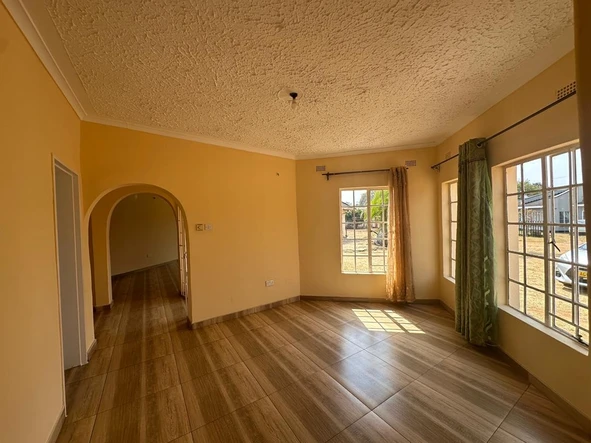
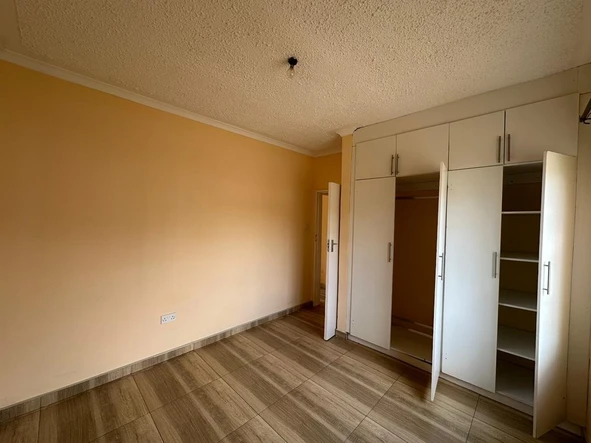
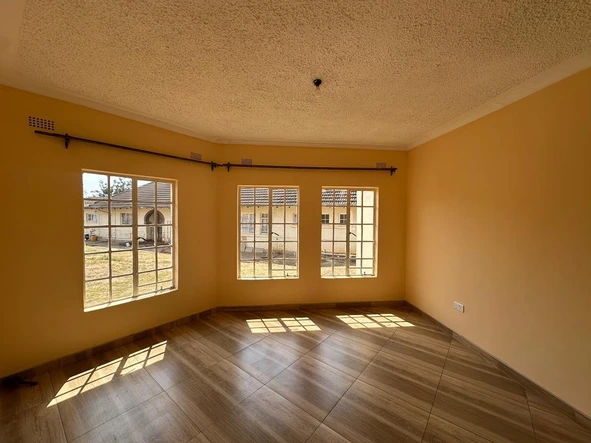
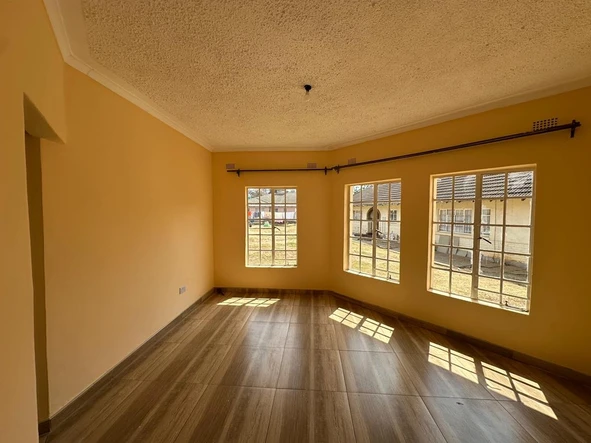
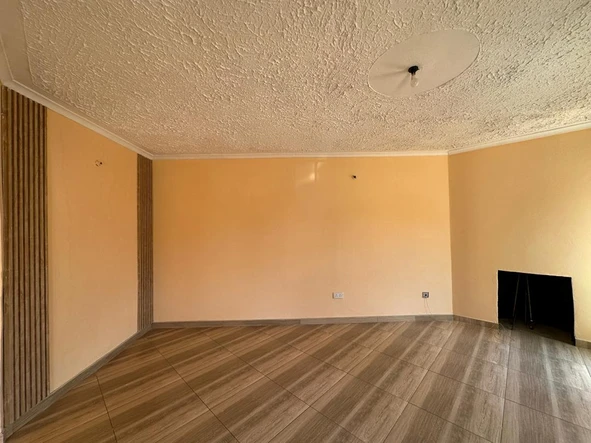
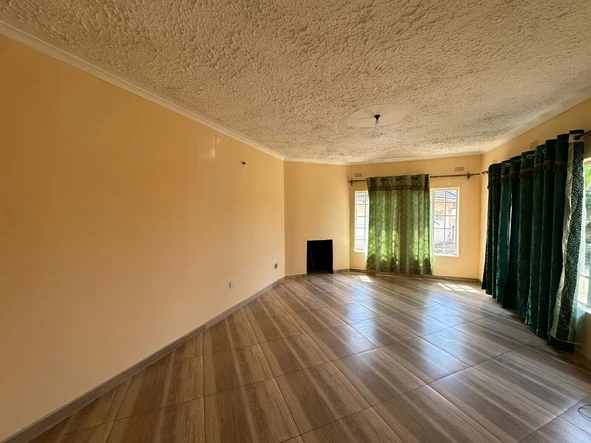
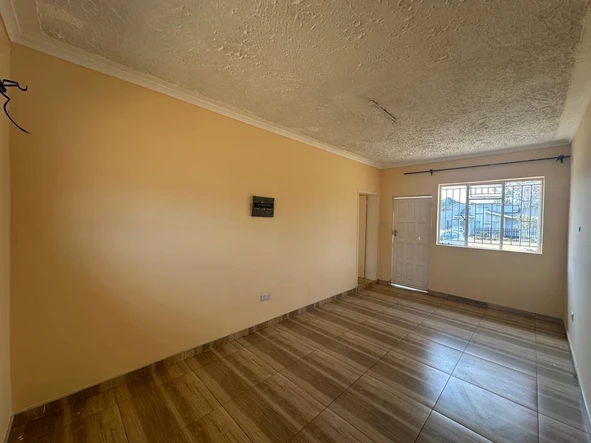
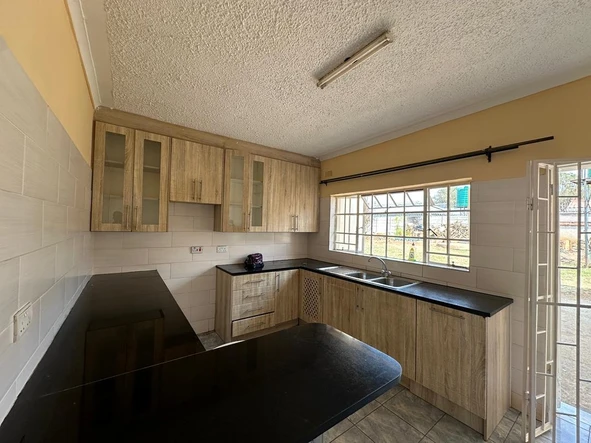
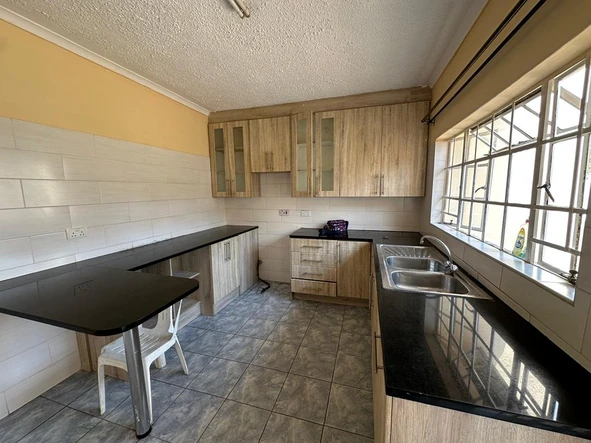
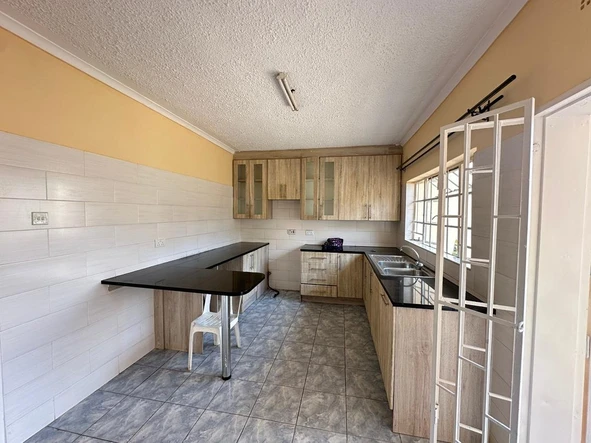
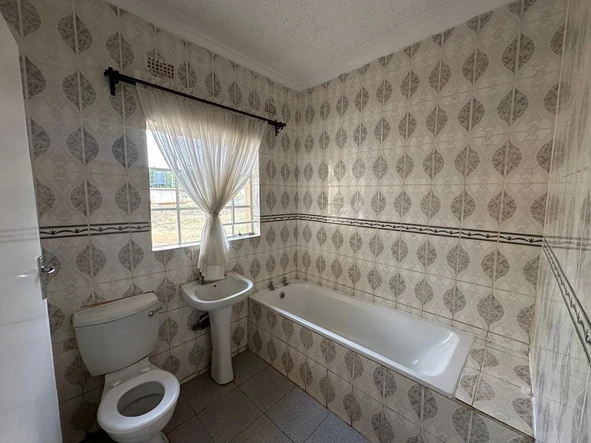
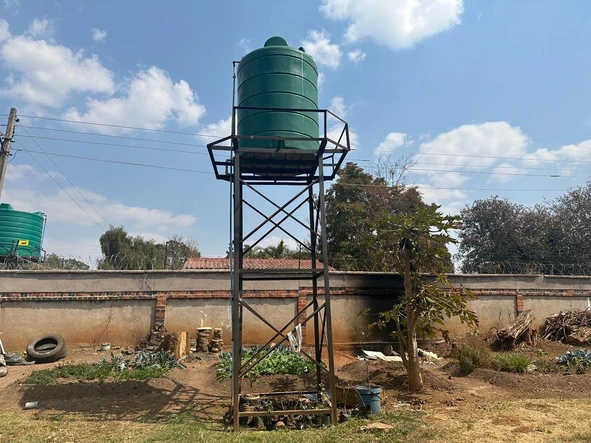
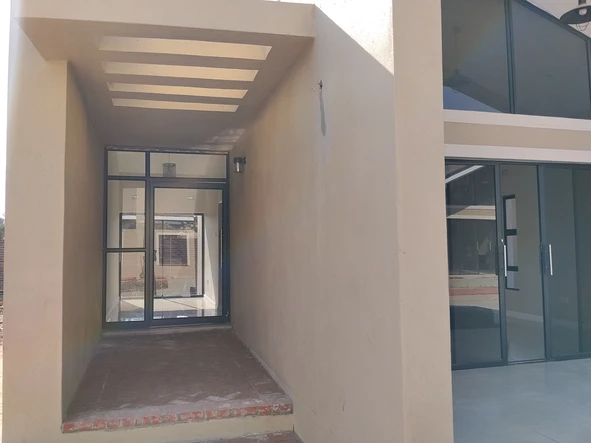
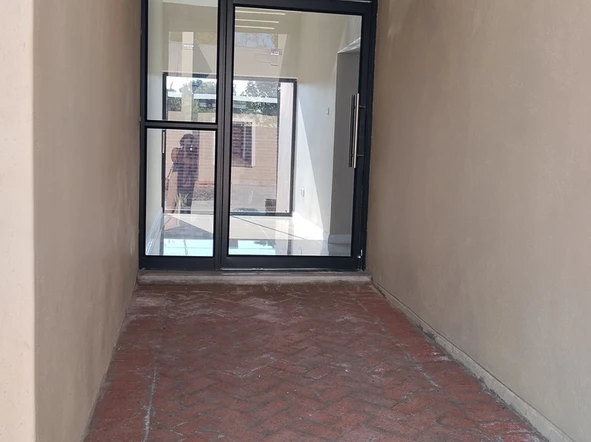
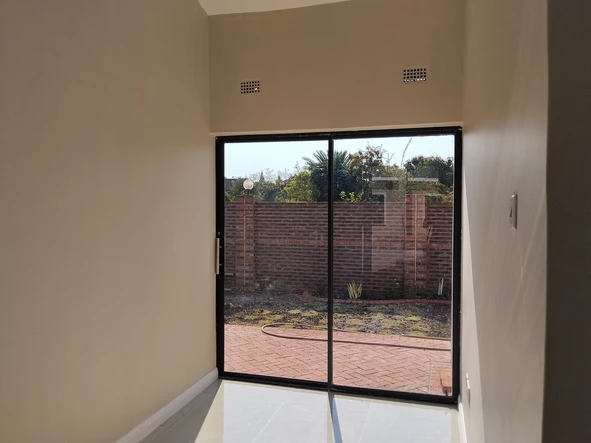
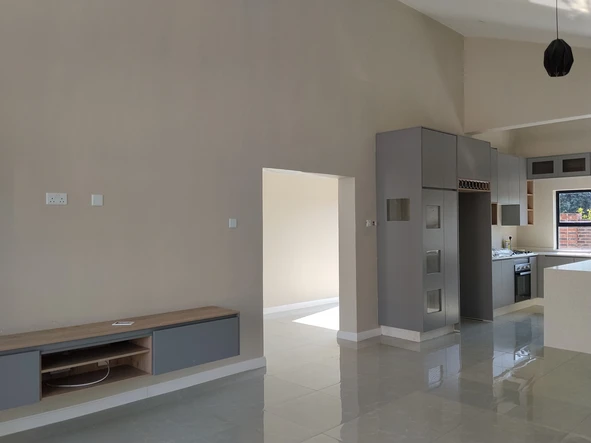
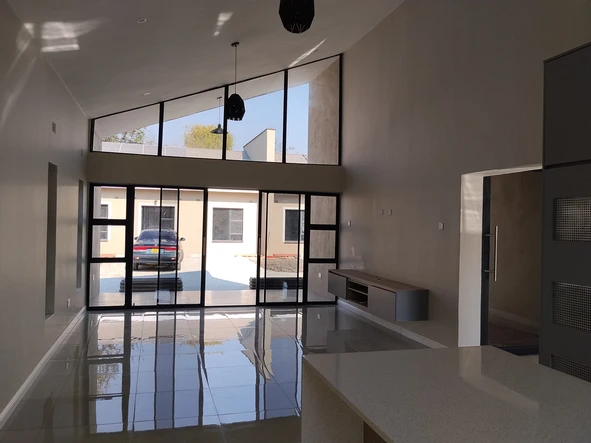
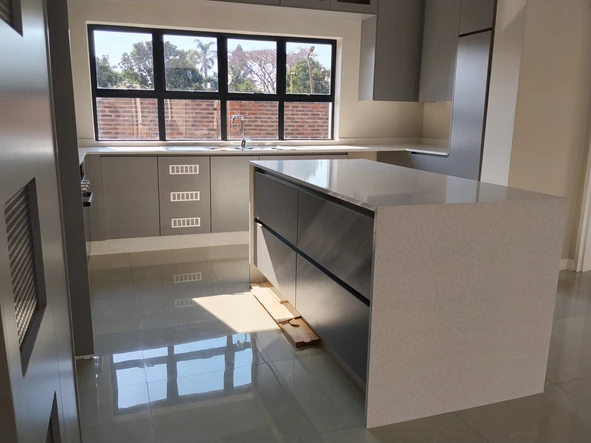
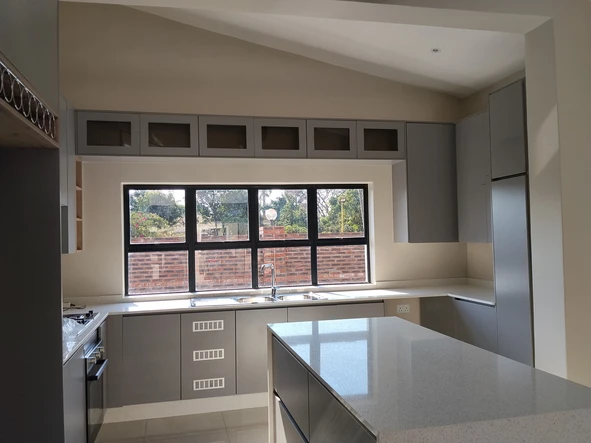
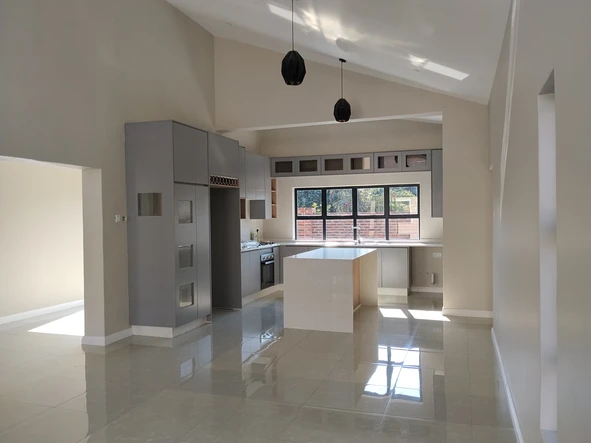
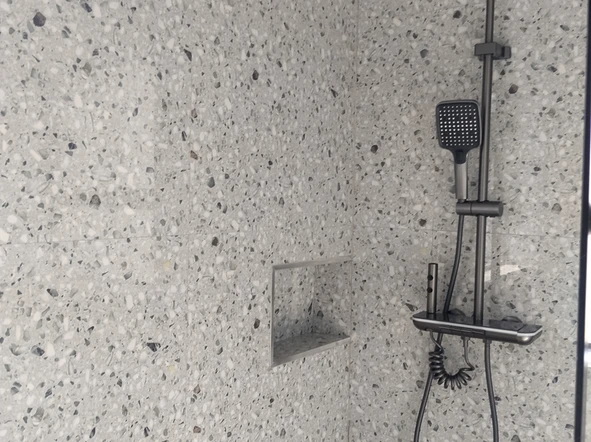
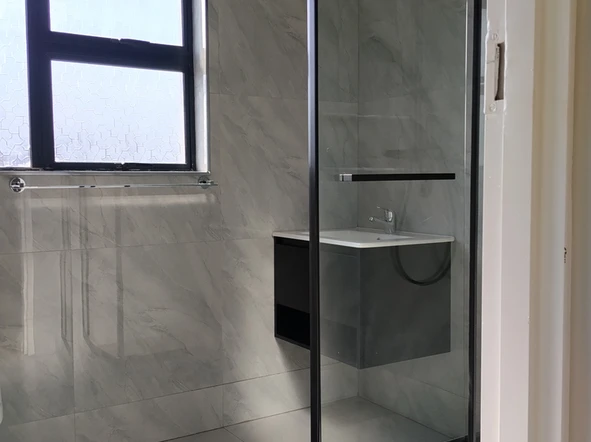
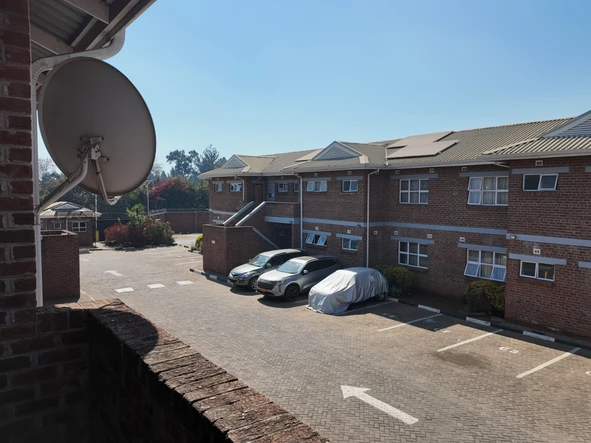
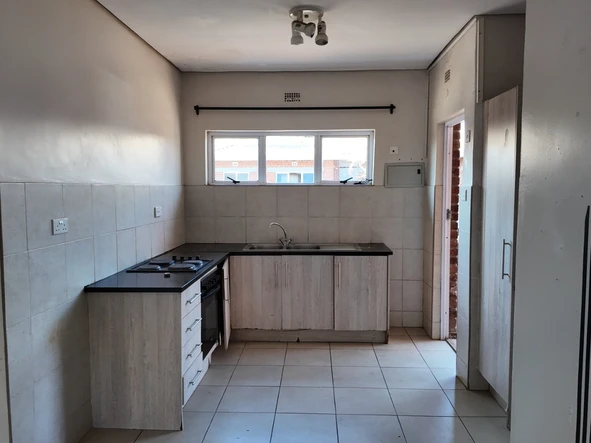
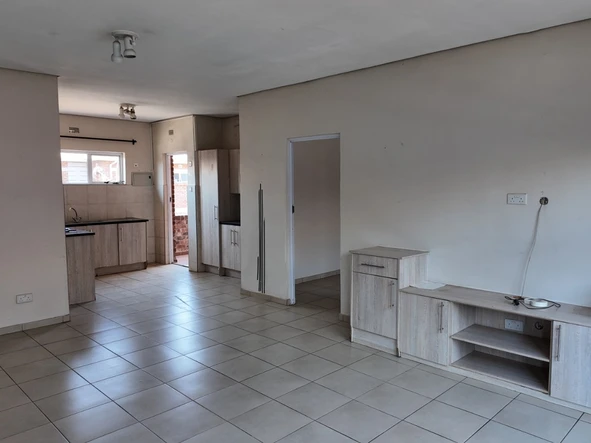
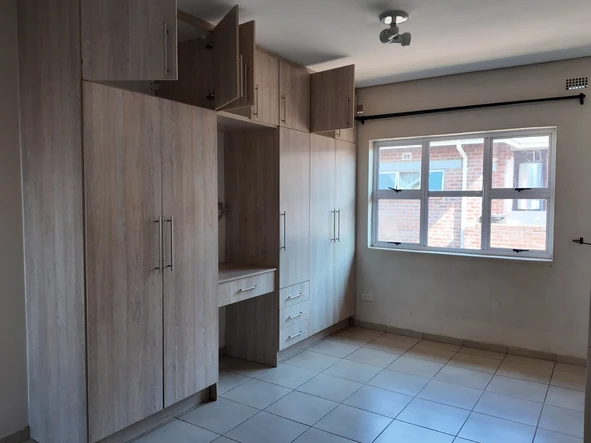
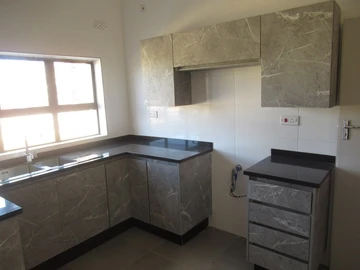
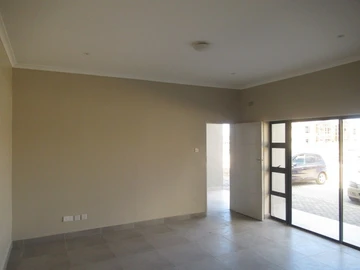
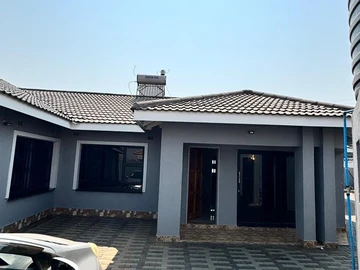
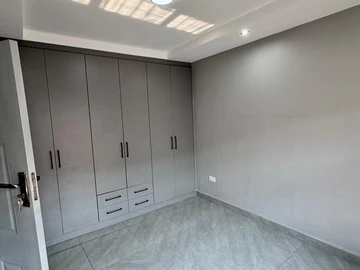
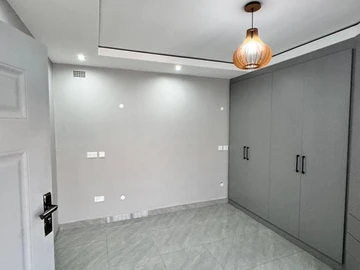
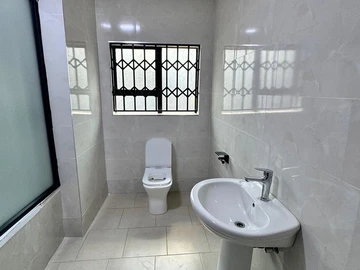
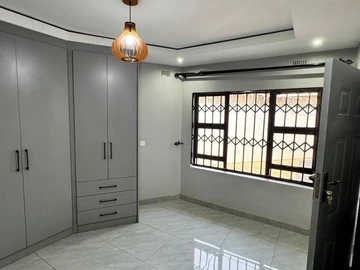
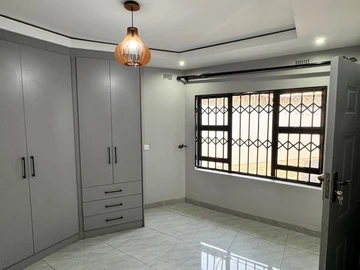
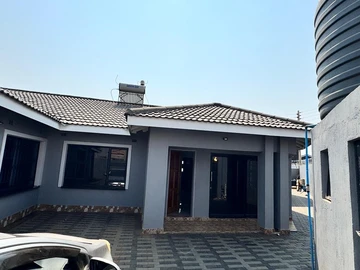
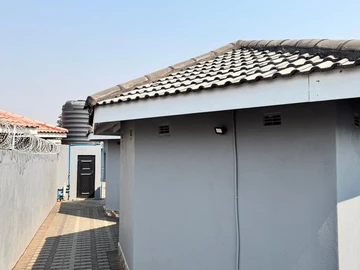
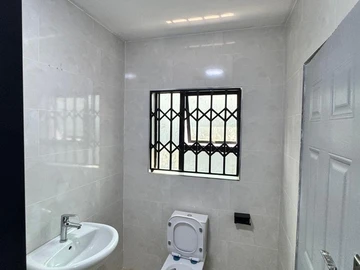
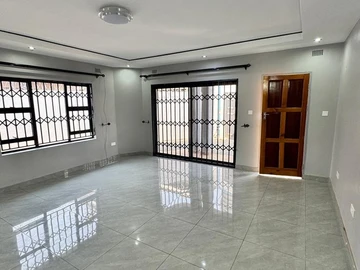
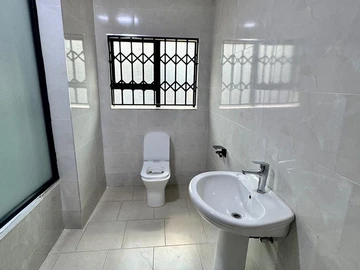
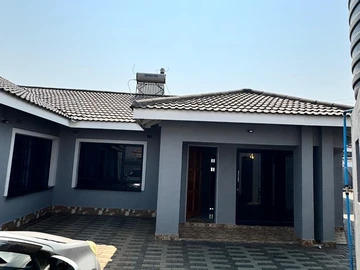
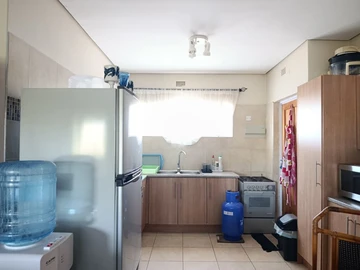
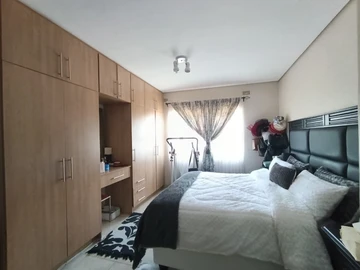
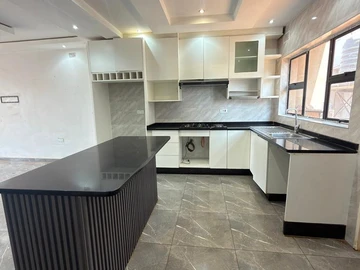
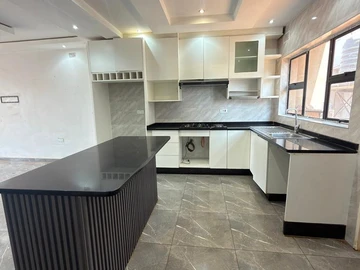
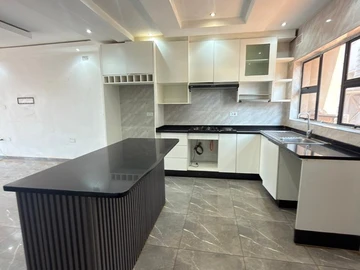
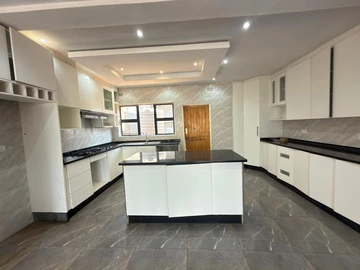
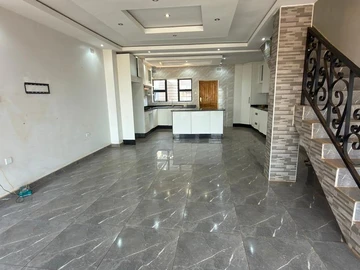
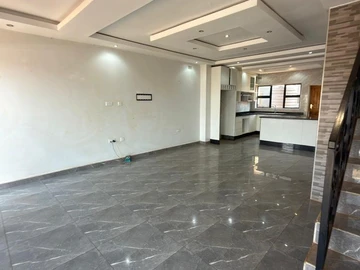
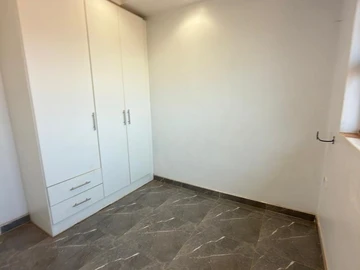
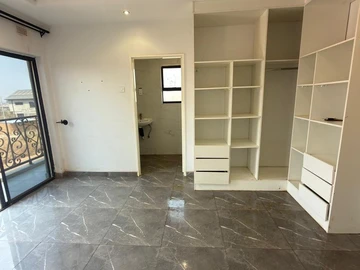
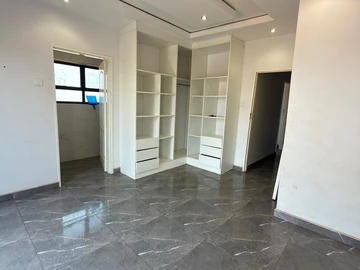
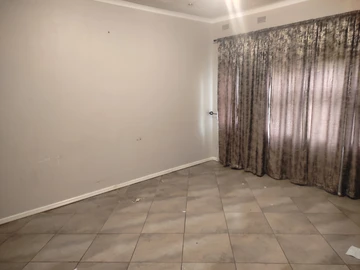
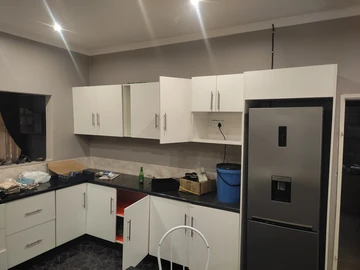
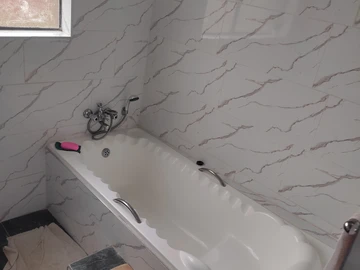
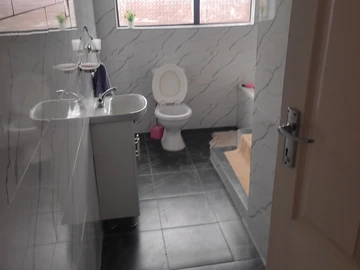
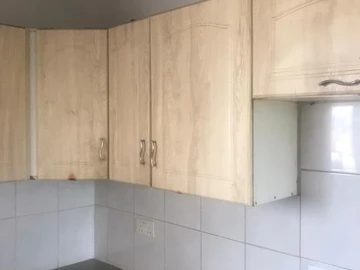
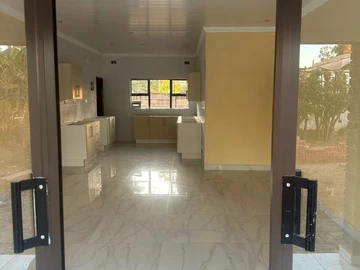
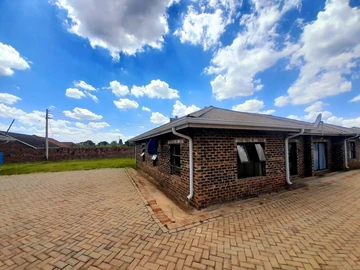
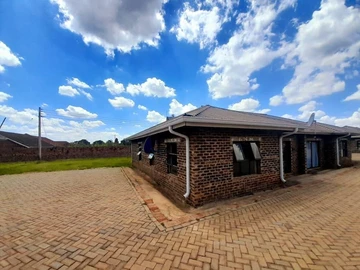
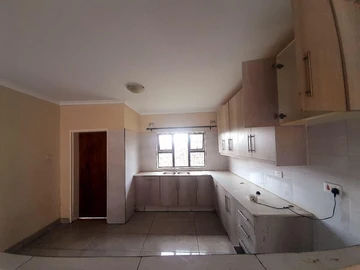
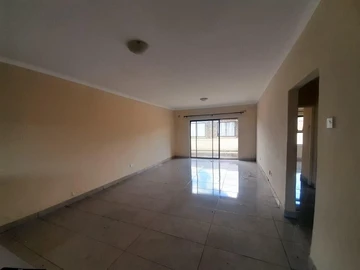
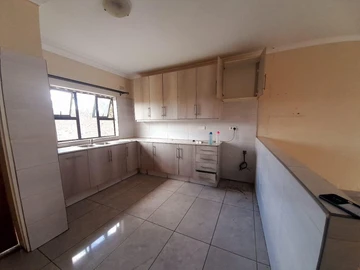
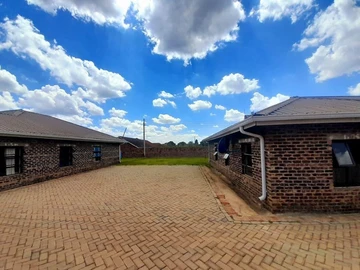
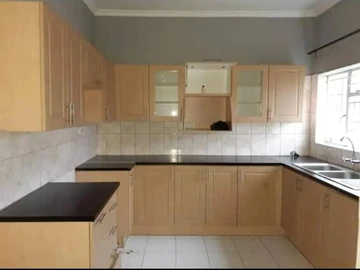
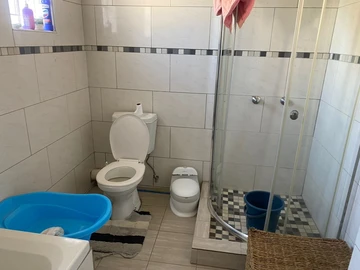
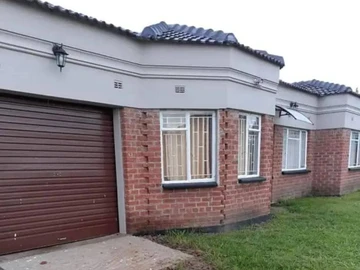
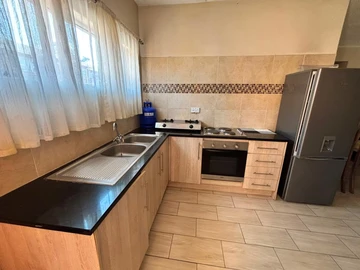
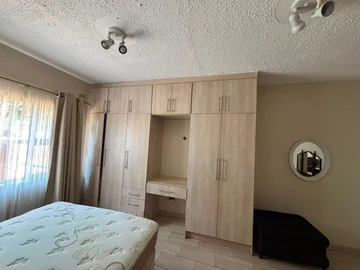
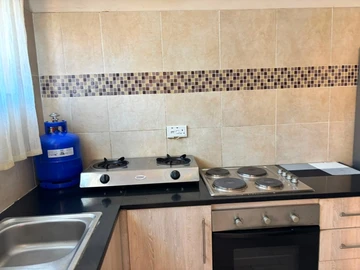
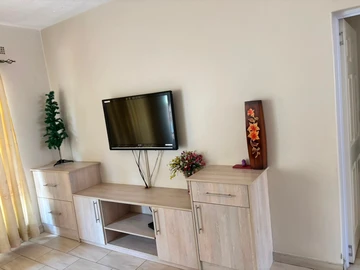
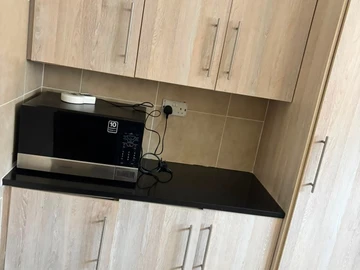
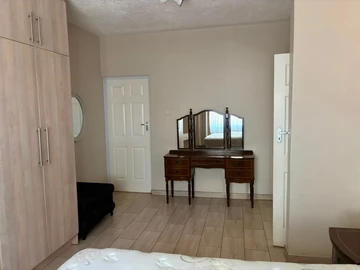
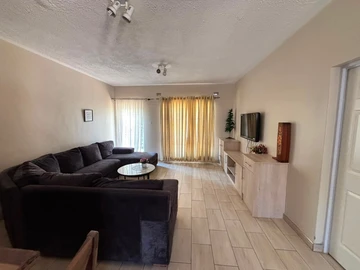
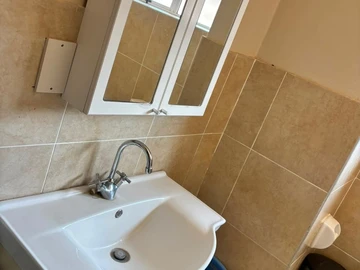
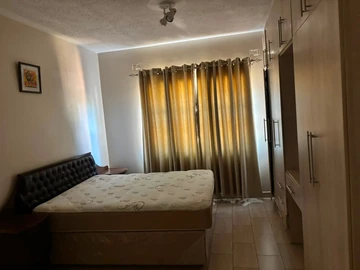
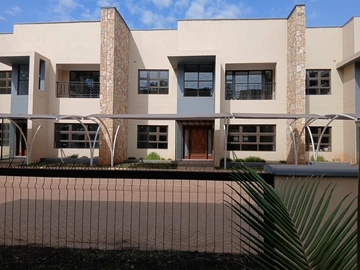
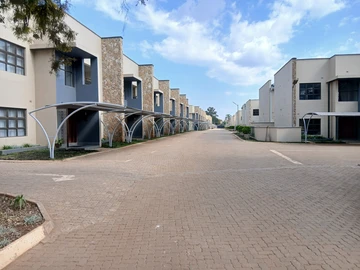
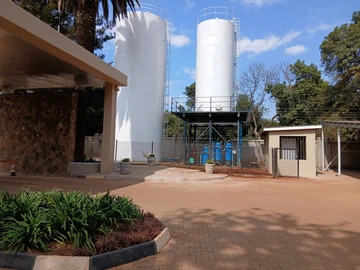
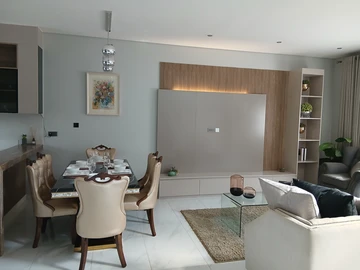
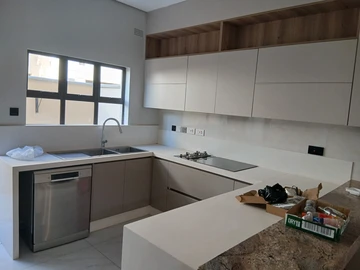
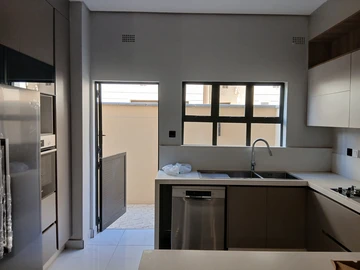
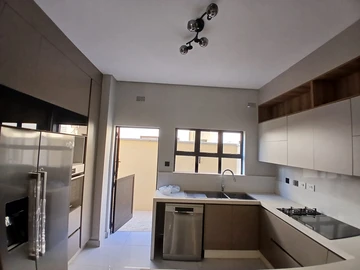
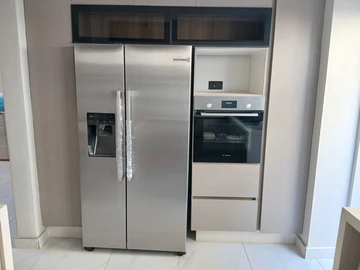
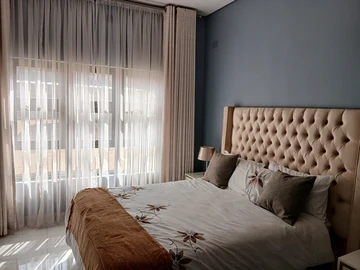
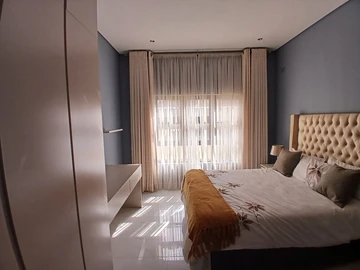
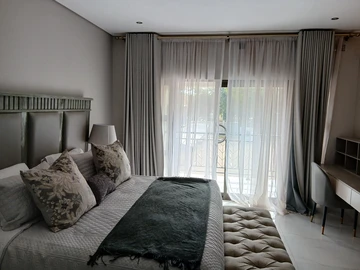
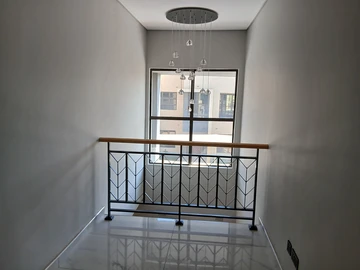
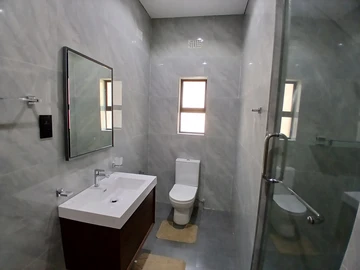
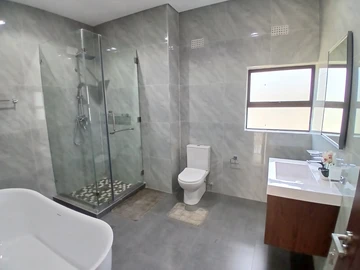
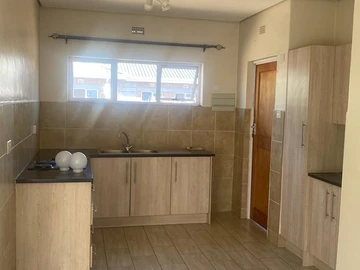
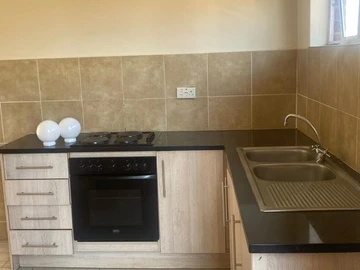
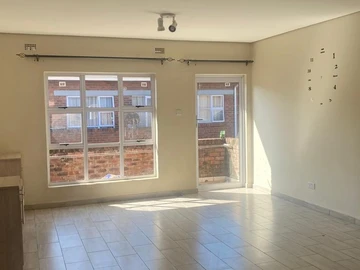
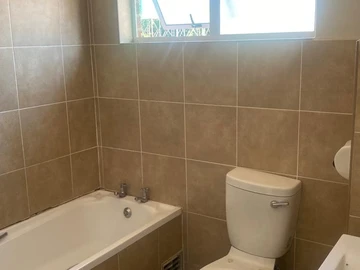
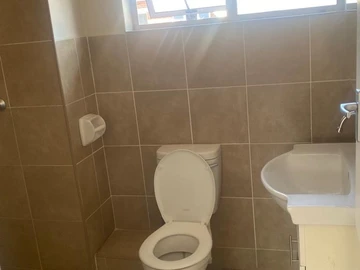
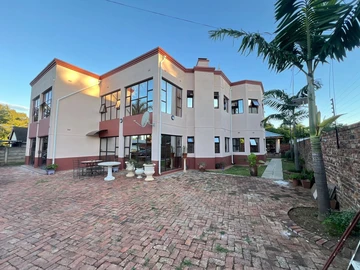
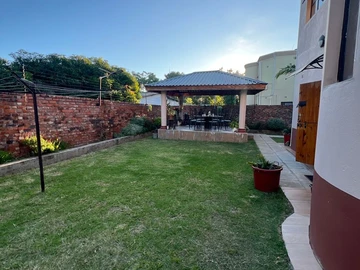
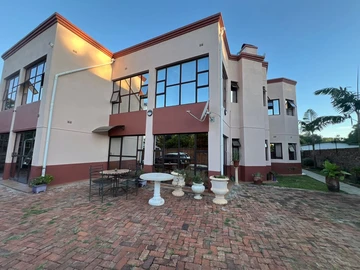
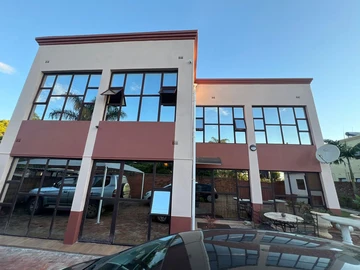
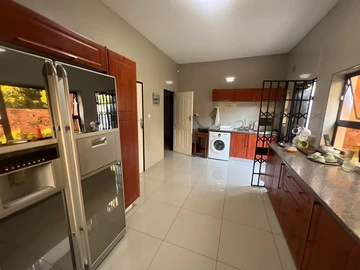
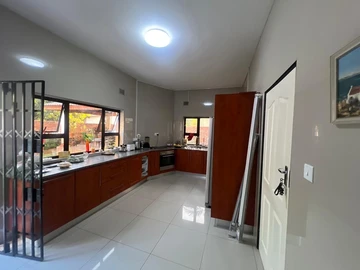
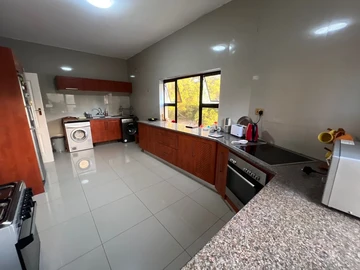
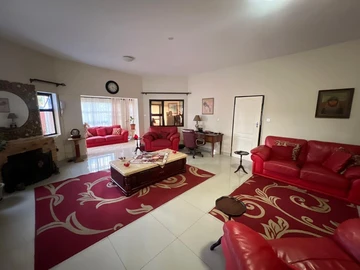
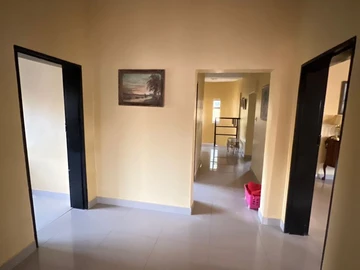
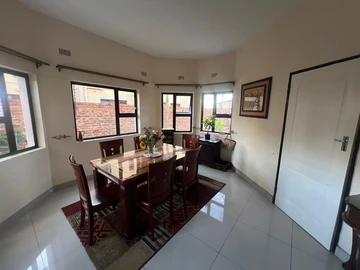
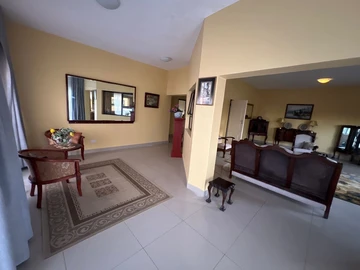
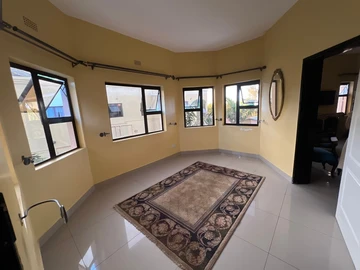
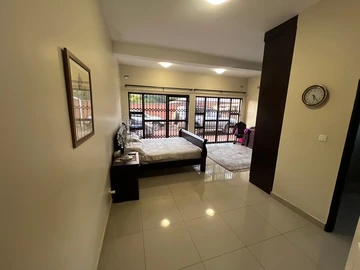
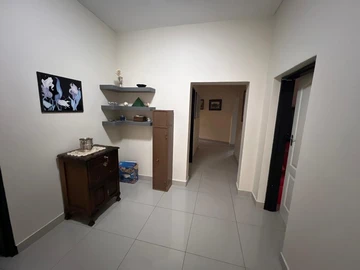
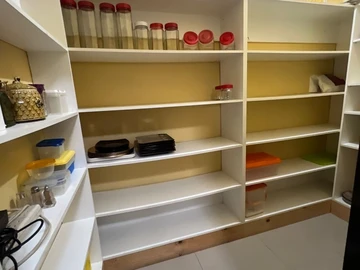
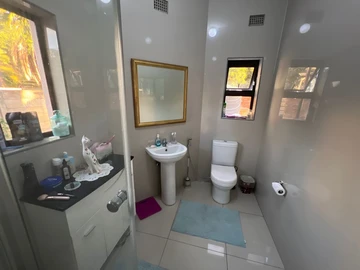
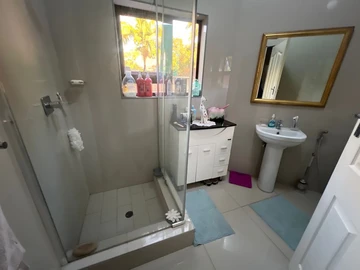
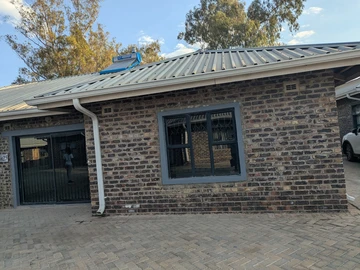
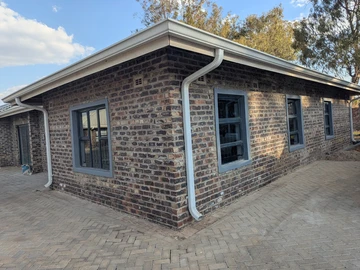
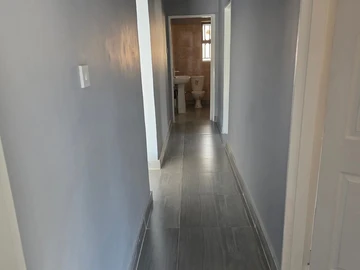
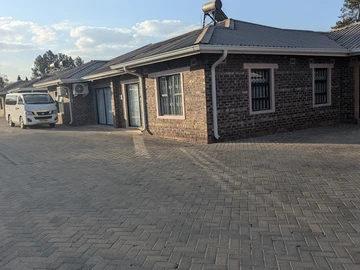
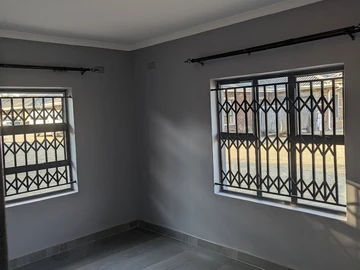
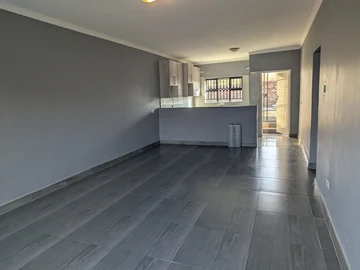
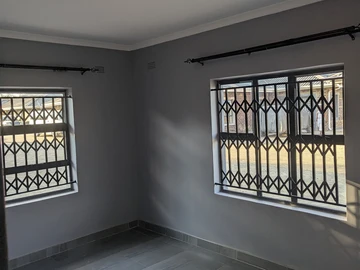
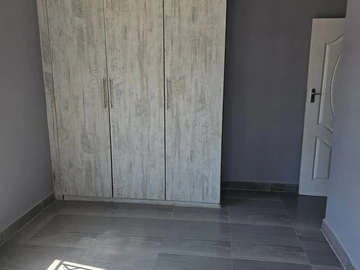
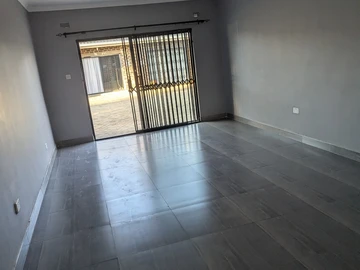
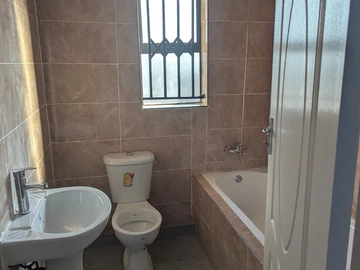
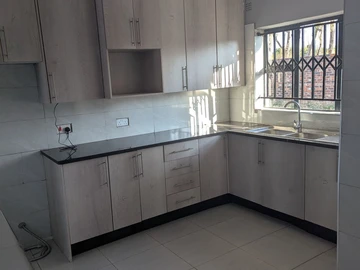
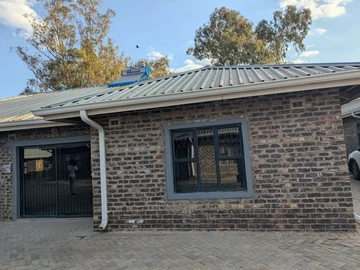
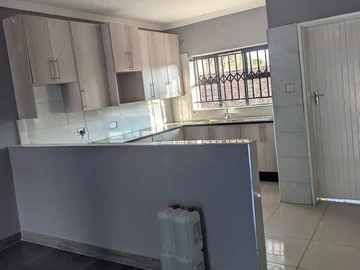
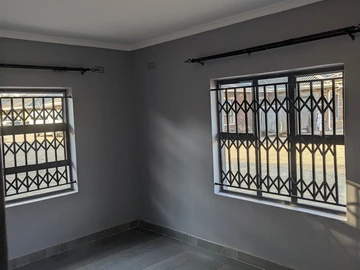
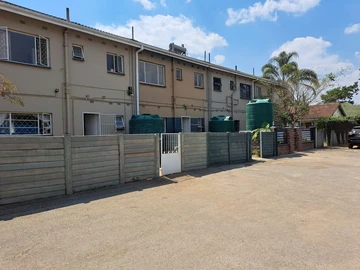
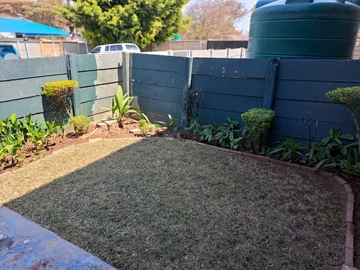
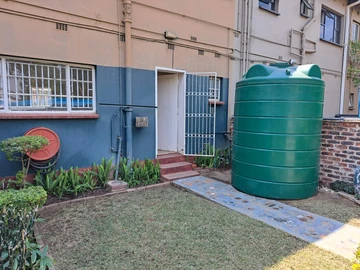
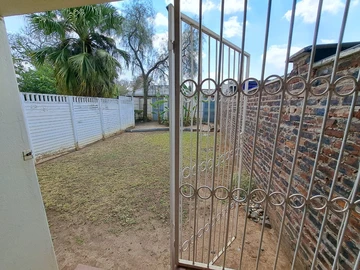
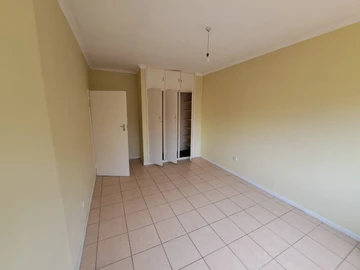
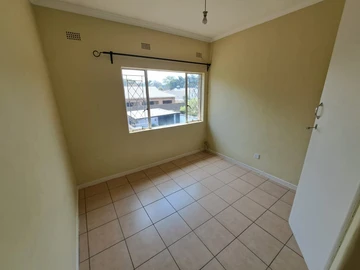
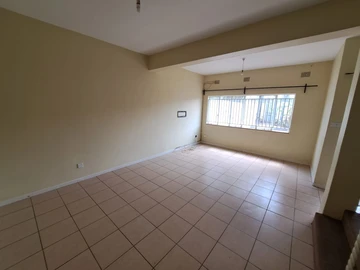
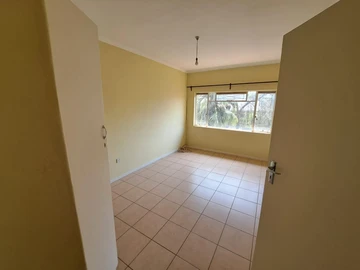
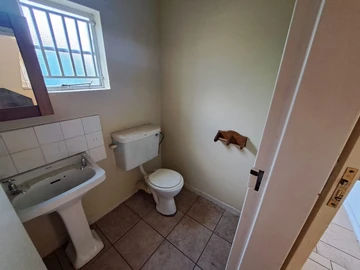
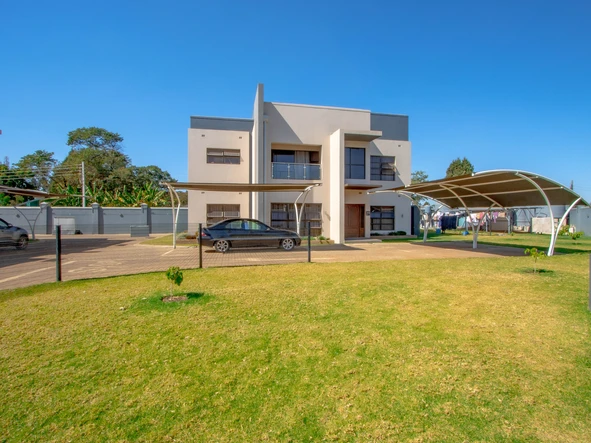
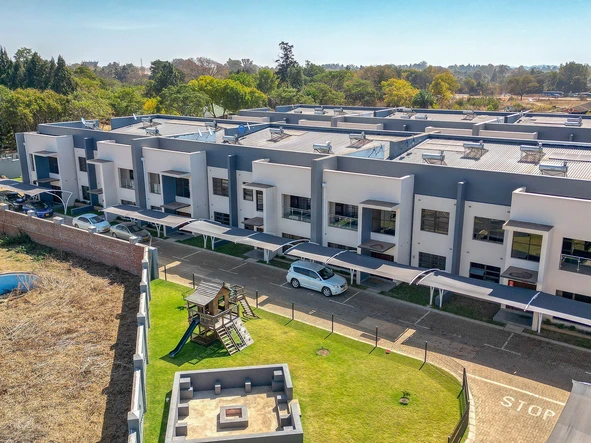
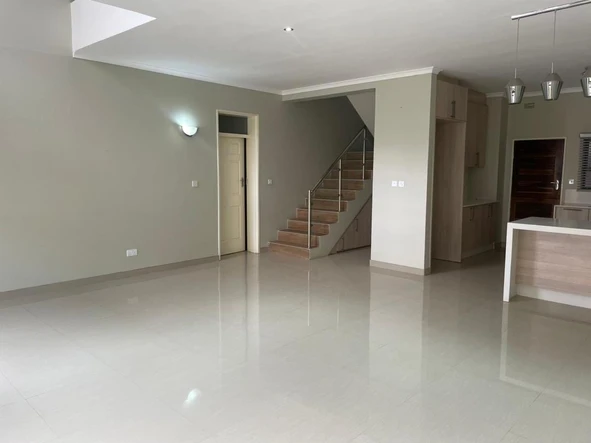
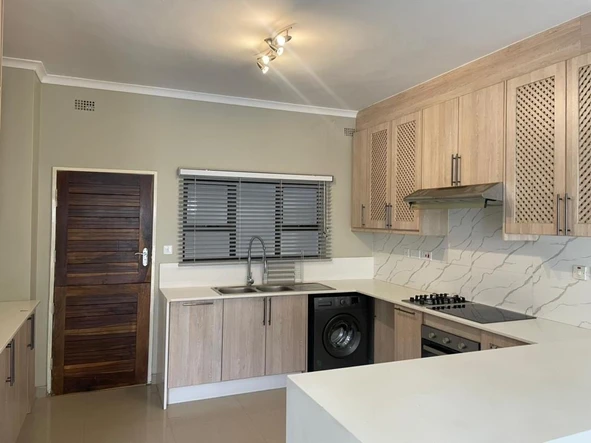
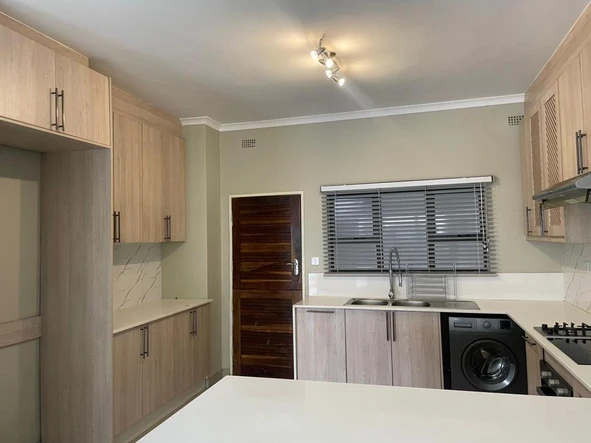
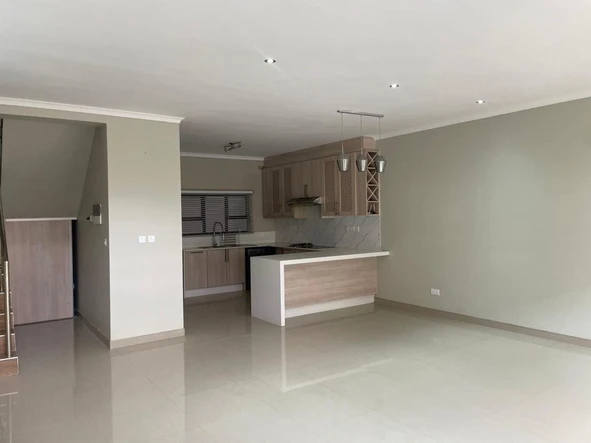
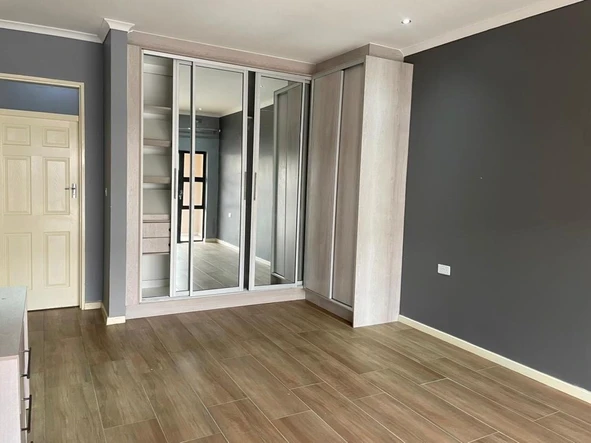
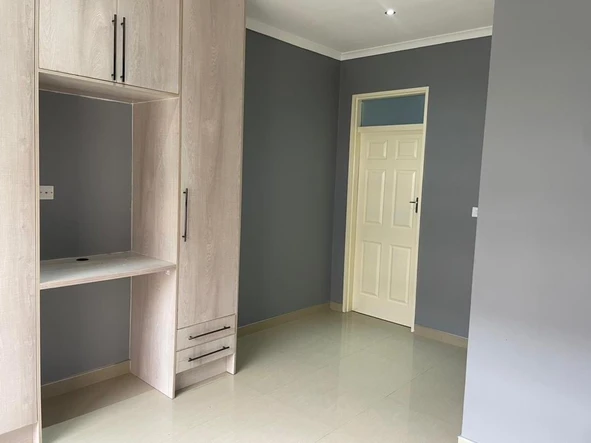
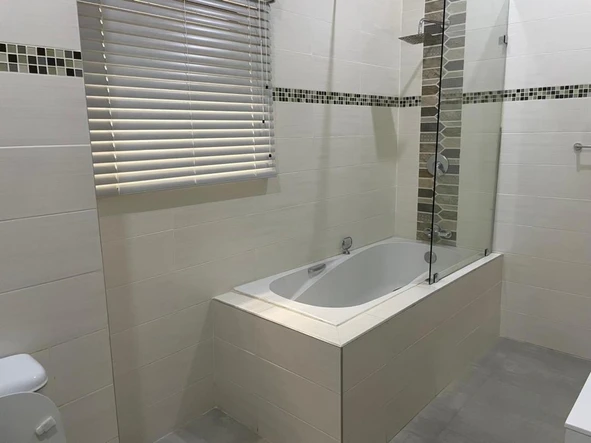
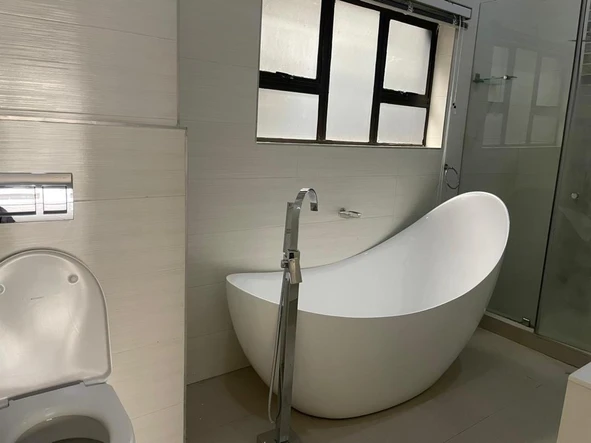
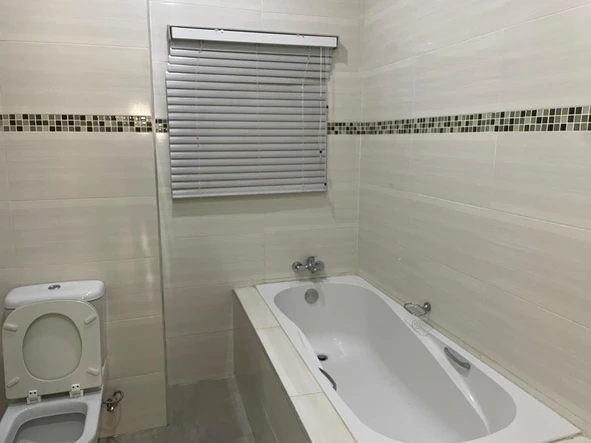
Many of these flats and apartments come with useful features such as water tanks, fitted kitchens, and boreholes. Most properties are walled and paved, with tiled interiors and parking bays available. Main en suite bedrooms are common, providing added convenience and privacy for residents.
Harare West is a diverse area combining residential, commercial, and industrial zones. It is popular with working professionals and families due to its affordability and good public transport links to central Harare and surrounding suburbs. Key local amenities include Zimbabwe Grounds, Mbare Musika Market, and the National Sports Stadium. The area also has several primary and secondary schools, plus access to Parirenyatwa Hospital for healthcare needs. Local eateries and informal food stalls offer a variety of affordable dining options, making Harare West a practical and lively place to live.
3
2
450 m²
3
2
150 m²
3
2
200 m²
3
4
90 m²
3
2
100 m²
3
2
400 m²
3
2
200 m²

Be the first to see new properties for rent in Harare West










| Property Size | Avg. price |
|---|---|
| 1 bedroom (View 2 properties) | $550 |
| 2 bedroom (View 24 properties) | $710 |
| 3 bedroom (View 18 properties) | $850 |
| 4 bedroom (View 4 properties) | $1,200 |
Learn how servitudes affect property ownership, rights of way, and utility access in Zimbabwe. Protect your land title and avoid boundary disputes.
Get your home viewing ready in Zimbabwe. Follow our 2026 seller checklist covering curb appeal, solar & water setups, staging, and documentation.
Avoid costly disputes and legal delays. Learn the biggest mistakes families make when registering and distributing deceased estates under Zimbabwean law.
Who gets the house after divorce in Zimbabwe? Learn how courts divide matrimonial property, handle sole vs joint titles, and apply Section 7 of the Act.
Discover Patience Patongamwoyo’s vision for trust, leadership, and transforming the real estate industry to drive the future of property in Zimbabwe.





 250 m²