Log in to contact the seller
 Continue with Facebook
 Continue with Email
Continue with Facebook
Continue with Email
Sign up with Facebook
Continue with Email
Continue with Facebook
Continue with Email
Sign up with Facebook
 Change filters
 Requests



 9
9
 4
1,000 m²
4
1,000 m²


 3
2
600 m²
2
2
3
2
600 m²
2
2
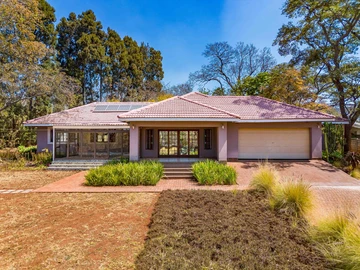
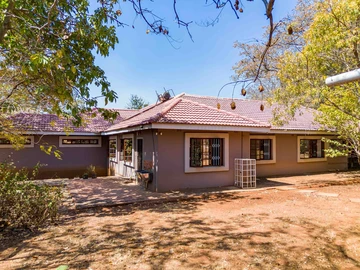
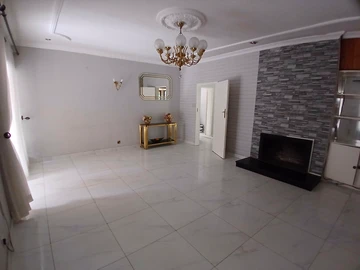
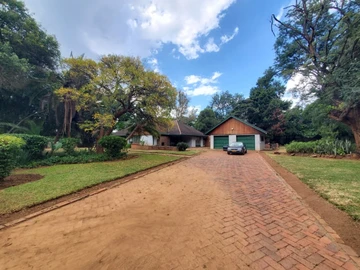
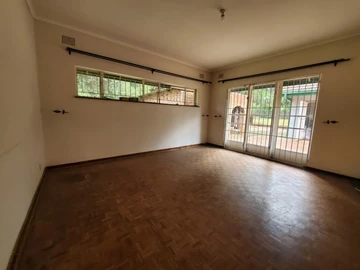
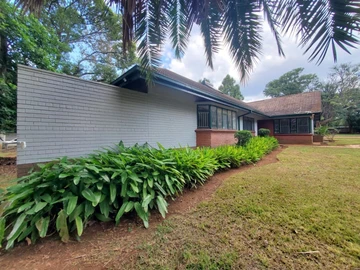
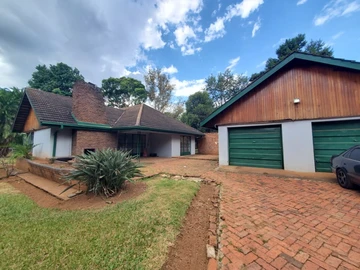
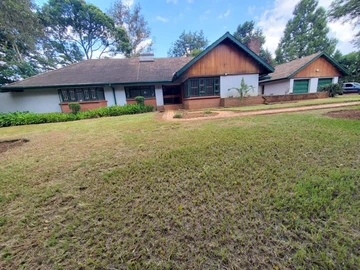
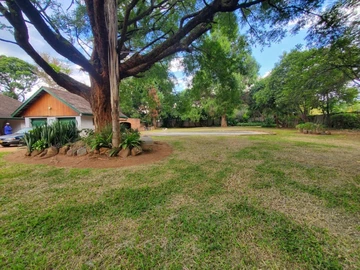
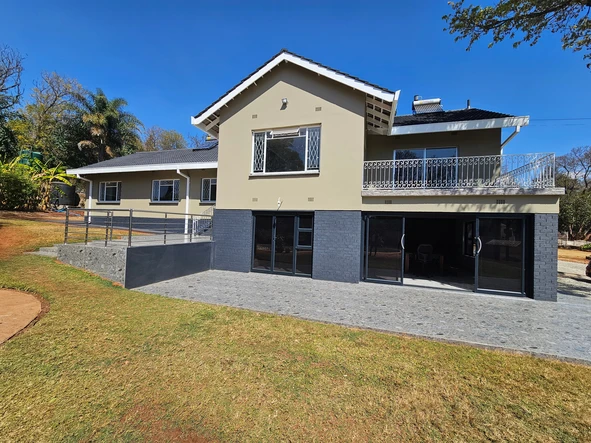
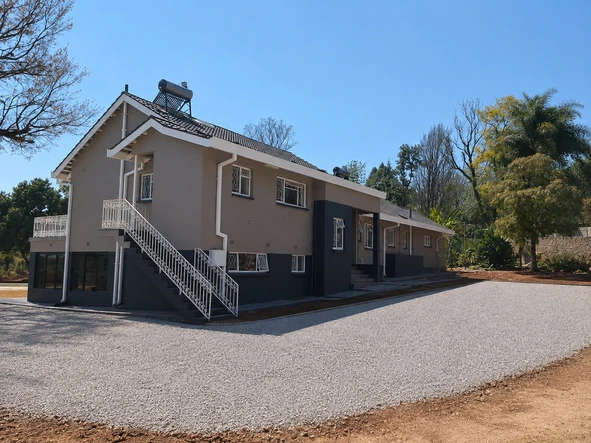
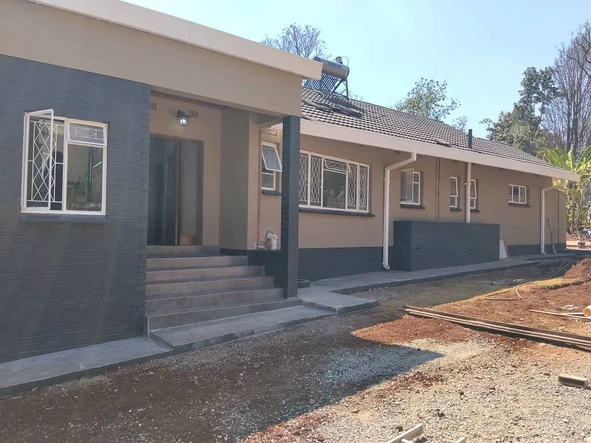
Houses for rent in Chisipite, Harare North, offer spacious and comfortable living with an average monthly rent of $2,000. These properties typically have a median land area of 1,500 ㎡ and a median building size of around 180 ㎡, with some larger homes reaching up to 4,000 ㎡ in size and land areas as large as 5,300 ㎡.
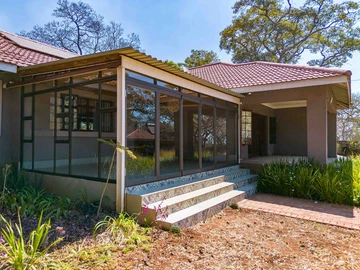
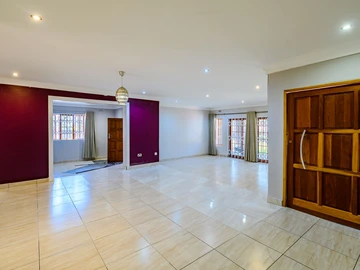
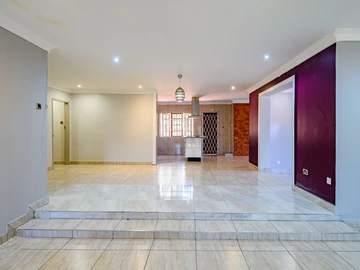
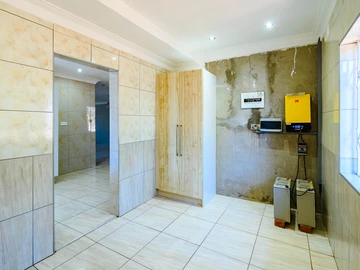
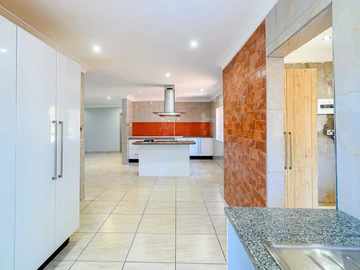
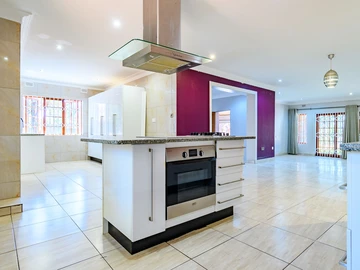
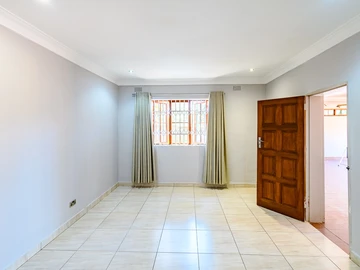
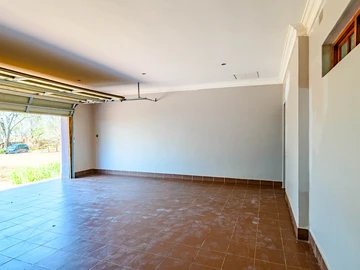
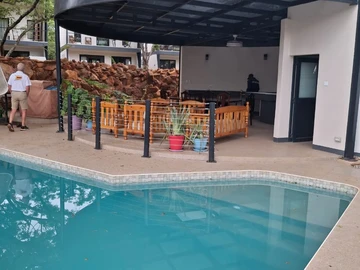
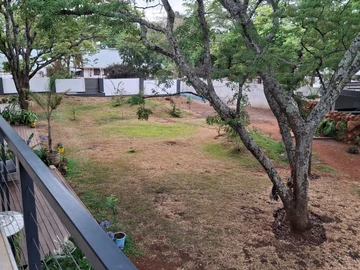
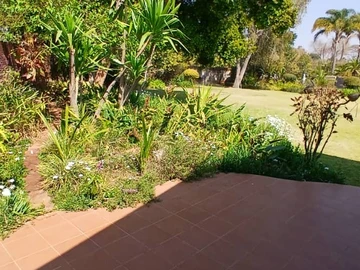
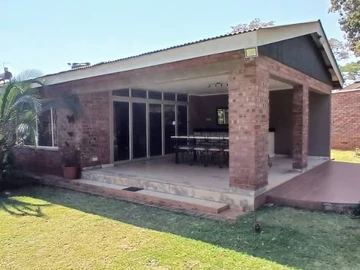
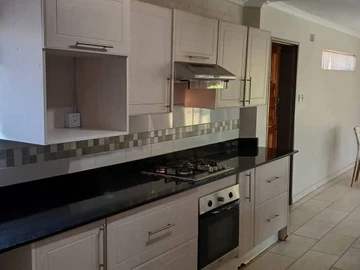
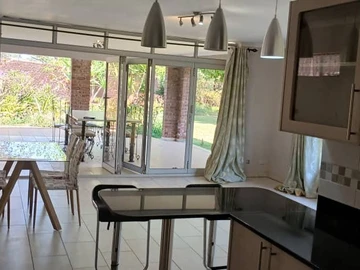
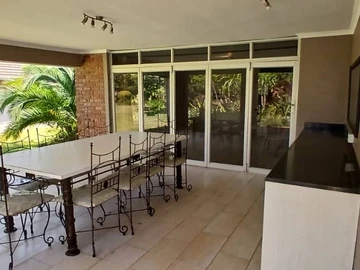
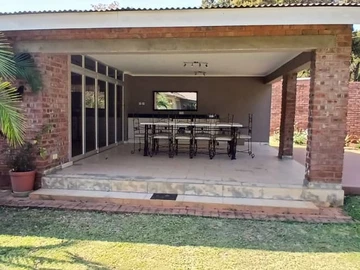
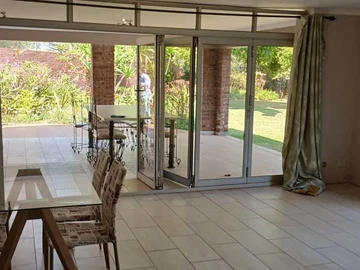
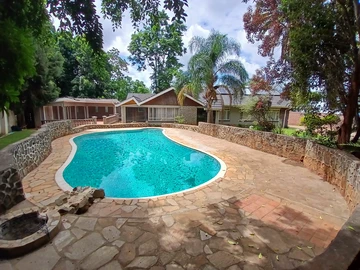
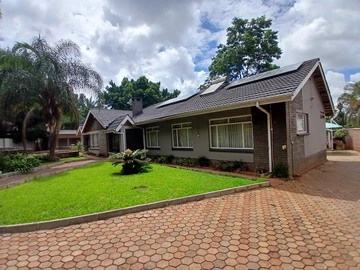
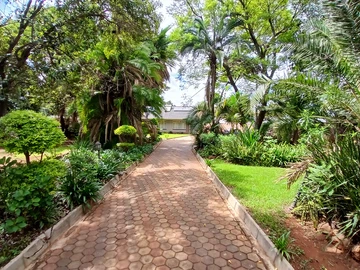
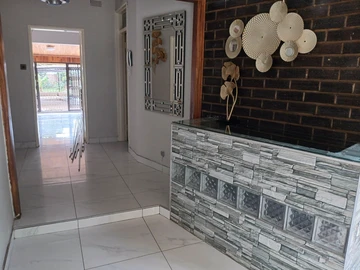
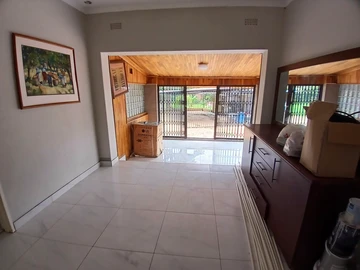
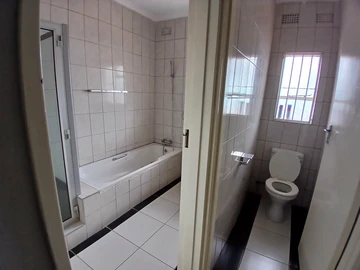
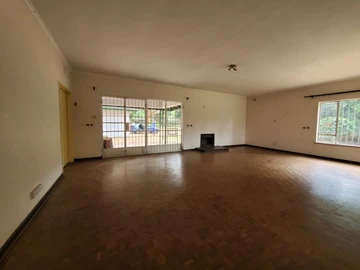
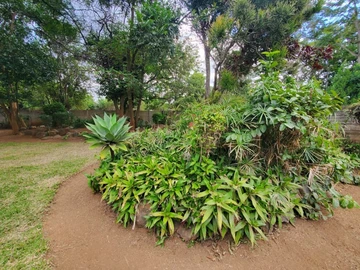
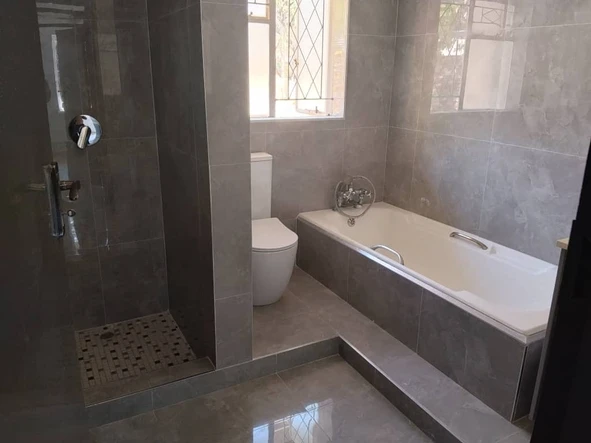
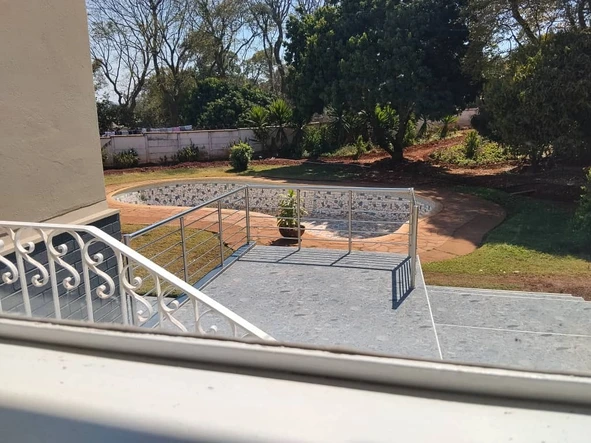
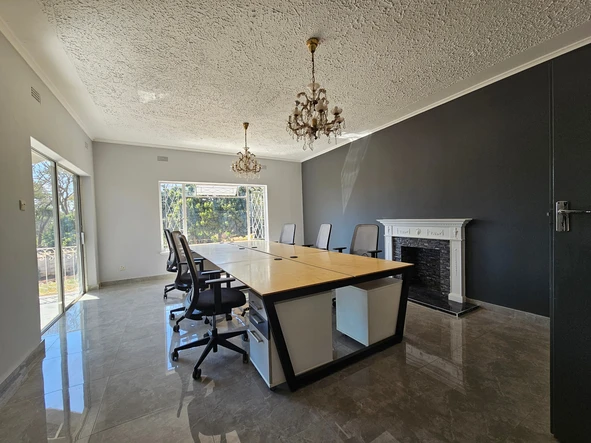
Many houses feature paved driveways, electric fences, and tiled floors. Most come with verandahs, fitted kitchens, main en suite bathrooms, boreholes, and staff quarters. Additional common amenities include electric gates, water tanks, gardens, garages, internet connections, and entertainment areas. Swimming pools are available in many properties, enhancing the lifestyle options for renters.
Chisipite is a leafy, affluent suburb known for its secure and tranquil environment, ideal for families and professionals. The area includes green spaces like Chisipite Gardens and is close to the National Botanic Gardens. It offers access to reputable schools such as Chisipite Senior School and St. John’s College, as well as healthcare facilities like Parirenyatwa Group of Hospitals. Shopping needs are met by Chisipite Shopping Centre and nearby hubs like Sam Levy’s Village. Good road links and public transport options make commuting easy, while the neighborhood’s quiet streets support walking and cycling, making Chisipite a desirable location for a balanced, family-friendly lifestyle.
2
2
150 m²
4
2
2,000 m²
 4
2
150 m²
4
2
150 m²

Be the first to see new properties for rent in Chisipite, Harare North











Understanding municipal property rates in Zimbabwe: Learn how valuations are calculated, how to manage arrears, and how to access council discounts.
Manage your rental properties in Zimbabwe like a pro. Learn about tenant screening, lease agreements, maintenance, and rental tax rules in 2026.
Building or buying in Harare? Learn what plan approval requires, what changed in 2026, and how to manage unapproved structures.
Buying a housing stand in Zimbabwe? Inspect title deeds, subdivision permits, compliance certificates, and seller IDs before making any payment.
Can someone claim your land in Zimbabwe? Learn how 30 year acquisitive prescription works, the legal risks involved, and how to protect your property title.












 5,000 m²