Log in to contact the seller
 Continue with Facebook
 Continue with Email
Continue with Facebook
Continue with Email
Sign up with Facebook
Continue with Email
Continue with Facebook
Continue with Email
Sign up with Facebook
 Change filters
 Requests



 2
2
 1
80 m²
1
80 m²


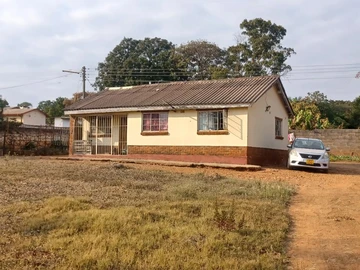
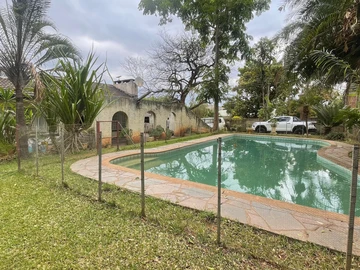
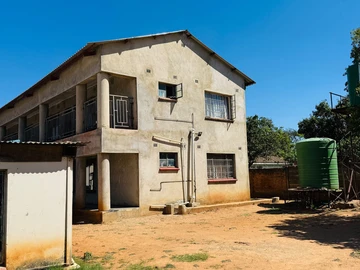
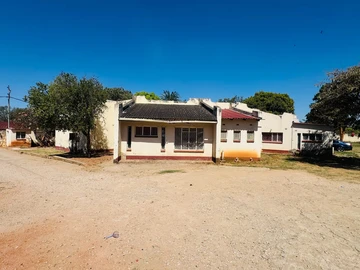
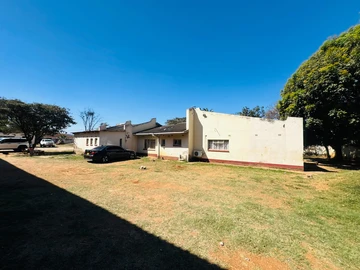
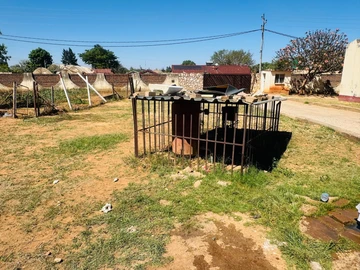
Houses for sale in Chinhoyi offer a range of options with an average price of $60,000. These properties typically sit on land areas around 2,140 ㎡, with some larger plots reaching up to 3,200 ㎡. The average house size is about 400 ㎡, with the largest homes extending to 4,128 ㎡, providing spacious living for families and individuals alike.
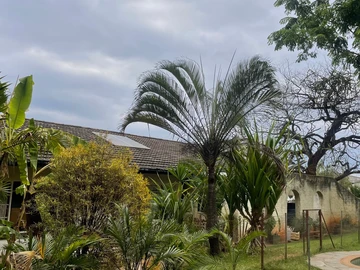
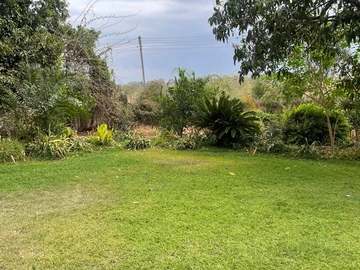
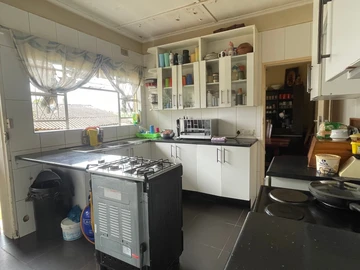
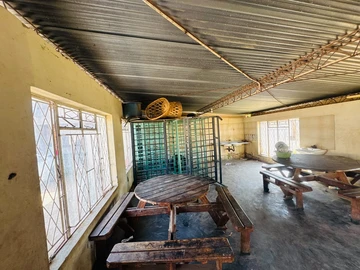
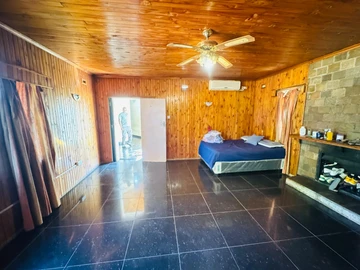
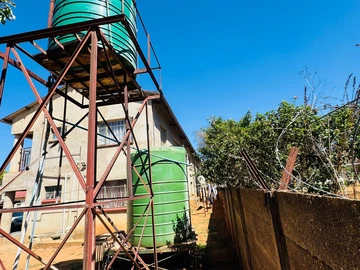
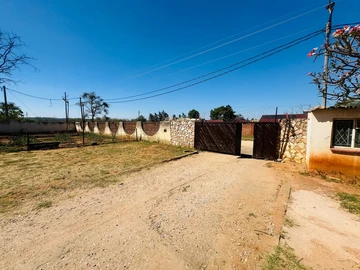
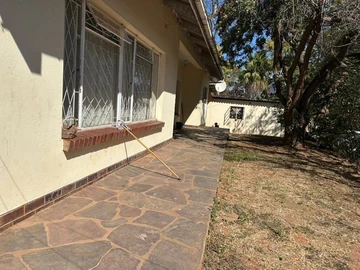
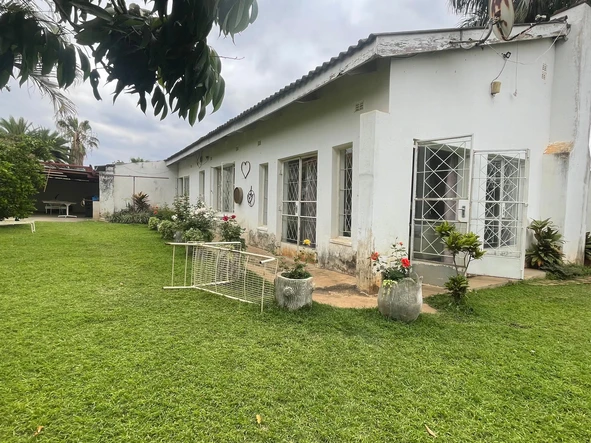
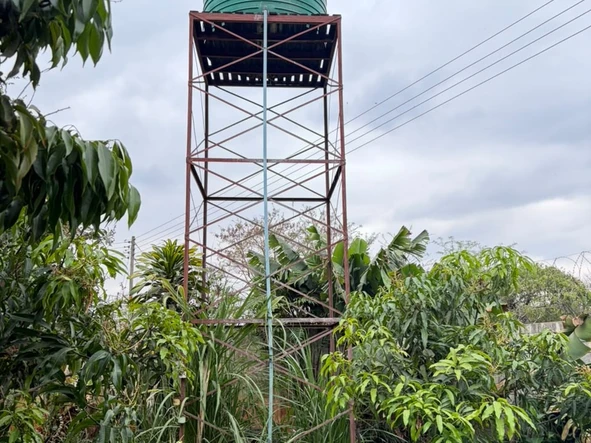
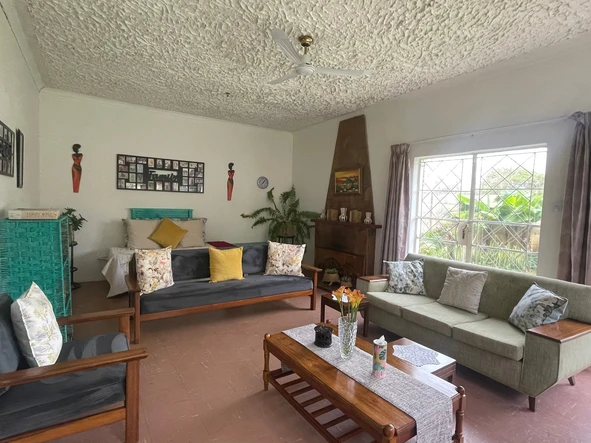
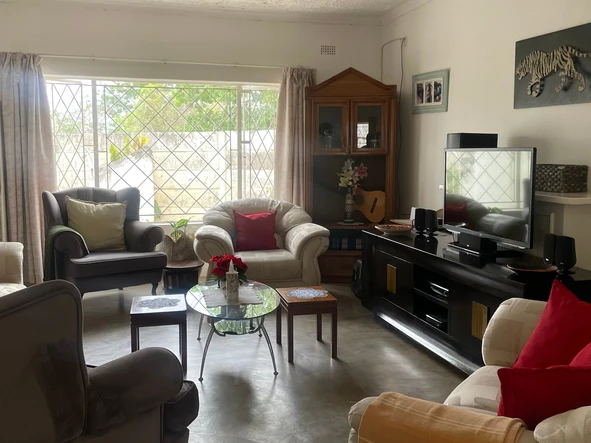
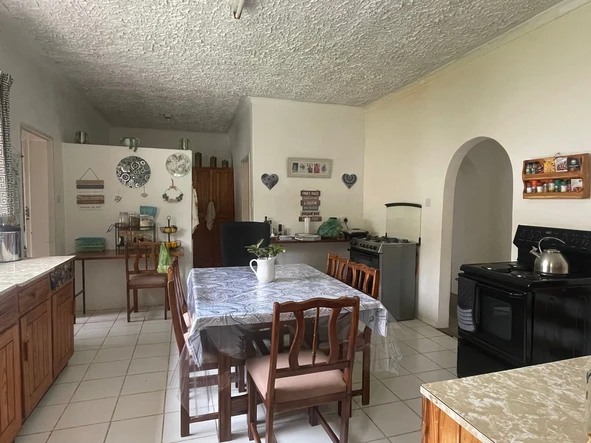
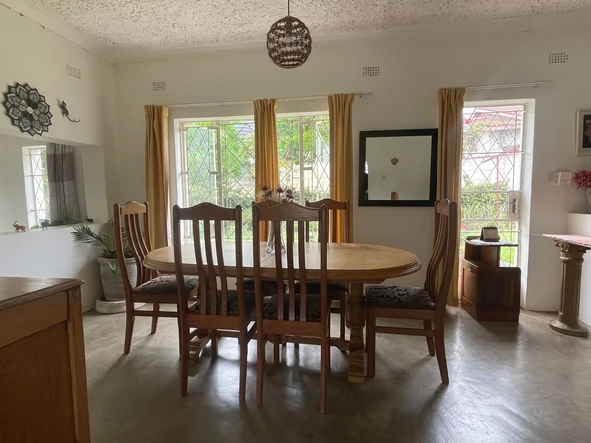
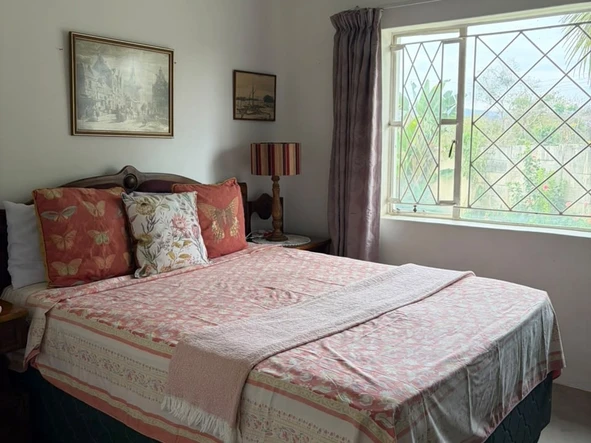
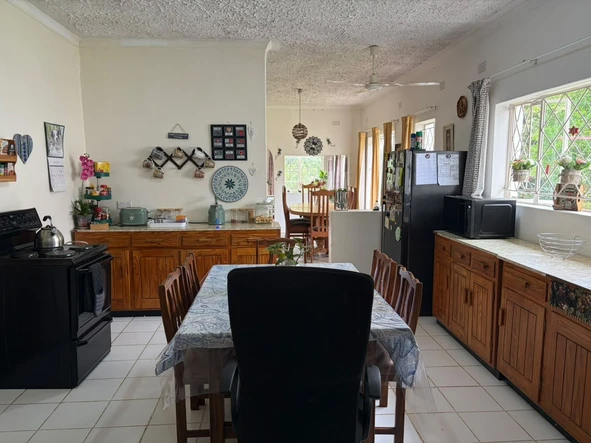
Many of these houses feature practical amenities such as fitted kitchens, main en suite bedrooms, and water tanks. Properties are often walled and tiled, with verandahs and gardens adding to the outdoor living space. Boreholes and good ZESA connections are common, ensuring reliable water and electricity supply for residents.
Chinhoyi is a vibrant provincial town known for its mix of urban and semi-rural living, making it appealing to families, professionals, and students. The town hosts the Chinhoyi University of Technology and Chinhoyi Provincial Hospital, providing education and healthcare services. Residents enjoy access to the Chinhoyi Shopping Centre for retail needs and local markets for fresh produce. The nearby Chinhoyi Caves National Park offers recreational opportunities, while good transport links via the A1 highway connect the town to Harare and other major centers.
 8
4
800 m²
8
4
800 m²

Be the first to see new properties for sale in Chinhoyi, Chinhoyi











| Property Size | Avg. price |
|---|---|
| 4 bedroom (View 2 properties) | $50,000 |
Prices as of October 2026
Understanding municipal property rates in Zimbabwe: Learn how valuations are calculated, how to manage arrears, and how to access council discounts.
Manage your rental properties in Zimbabwe like a pro. Learn about tenant screening, lease agreements, maintenance, and rental tax rules in 2026.
Building or buying in Harare? Learn what plan approval requires, what changed in 2026, and how to manage unapproved structures.
Buying a housing stand in Zimbabwe? Inspect title deeds, subdivision permits, compliance certificates, and seller IDs before making any payment.
Can someone claim your land in Zimbabwe? Learn how 30 year acquisitive prescription works, the legal risks involved, and how to protect your property title.














 1,148 m²