Log in to contact the seller
 Continue with Facebook
 Continue with Email
Continue with Facebook
Continue with Email
Sign up with Facebook
Continue with Email
Continue with Facebook
Continue with Email
Sign up with Facebook
 Change filters
 Requests


 4
4
 2
150 m²
2
150 m²


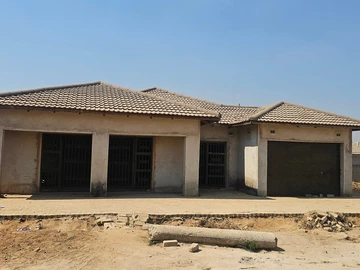
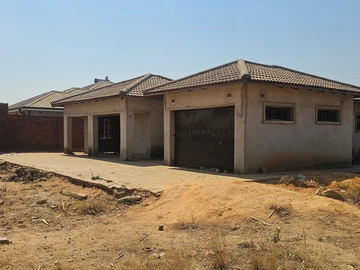
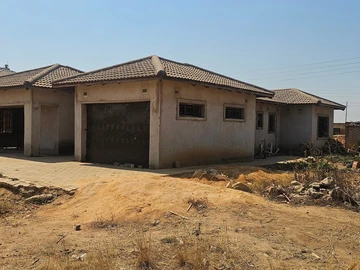
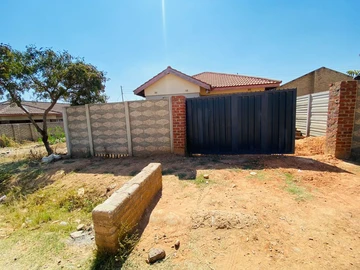
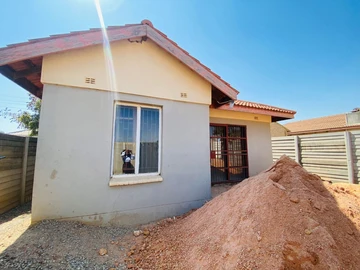
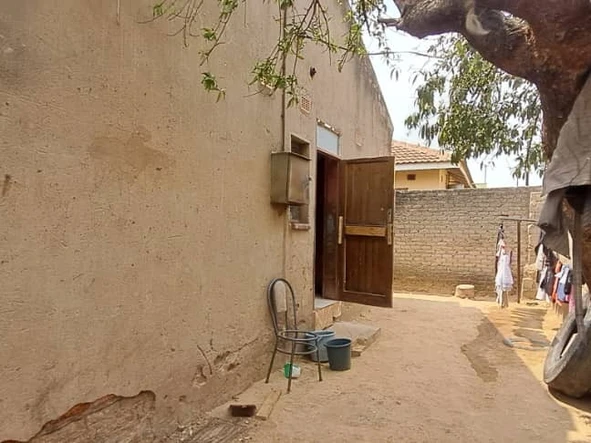
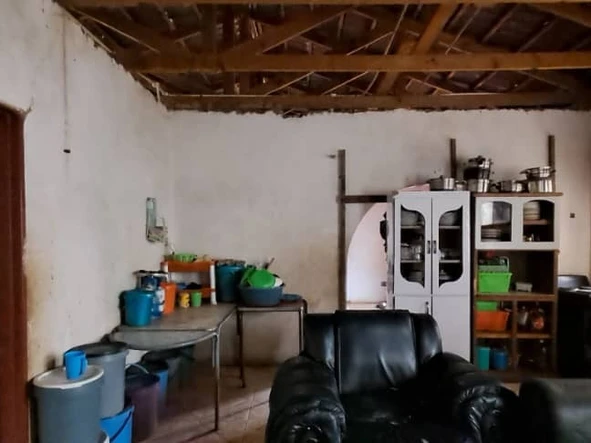
Houses for sale in Damofalls, Mashonaland East, offer affordable options with an average price of $49,500. Property sizes typically range from 75 ㎡ to 540 ㎡, with a median size of about 160 ㎡. Land areas vary from 200 ㎡ up to 2,356 ㎡, with the median land size around 300 ㎡, providing a good range of choices for buyers looking for space and value.
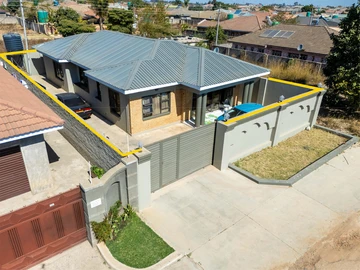
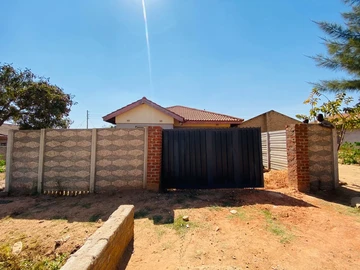
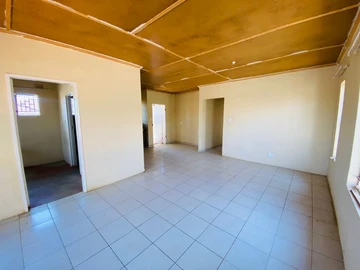
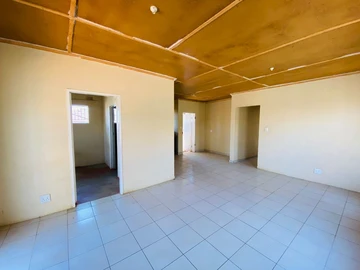
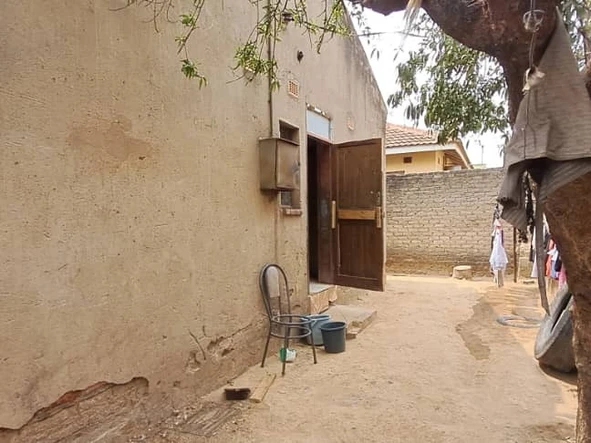
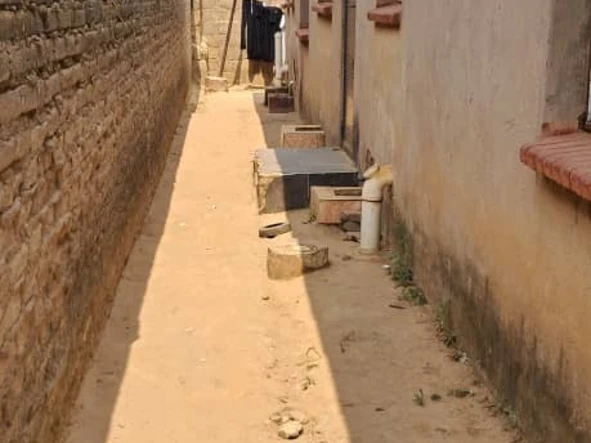
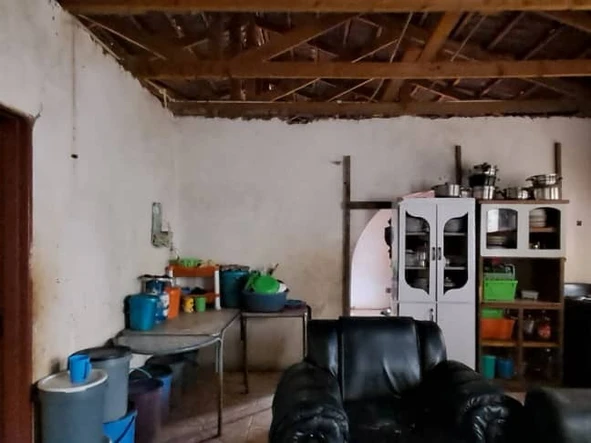
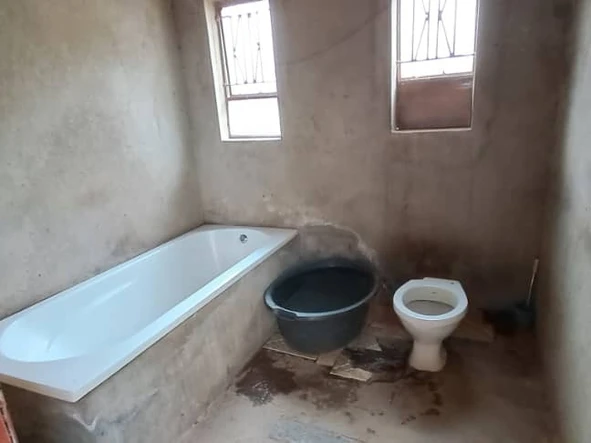
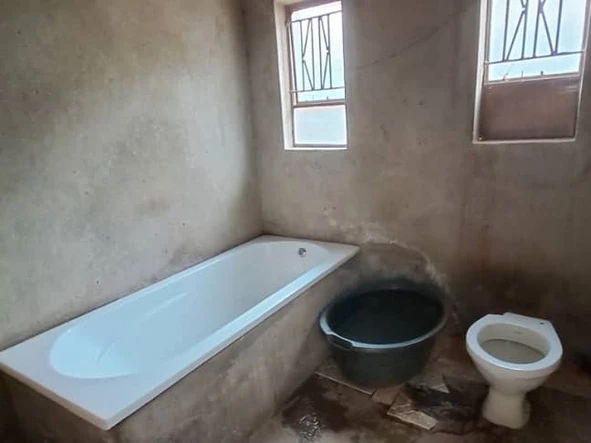
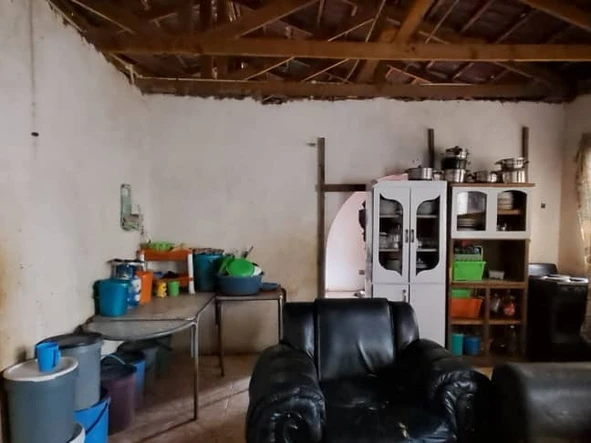
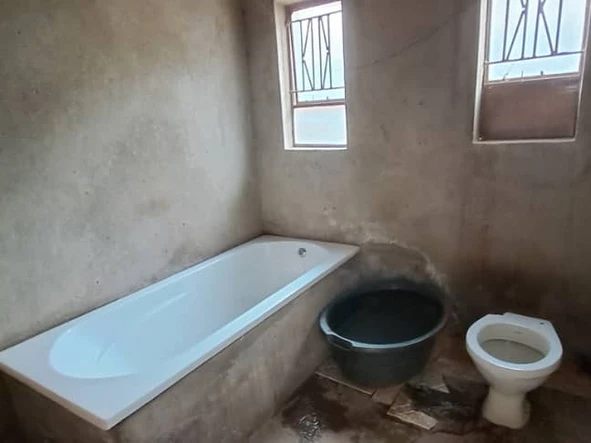
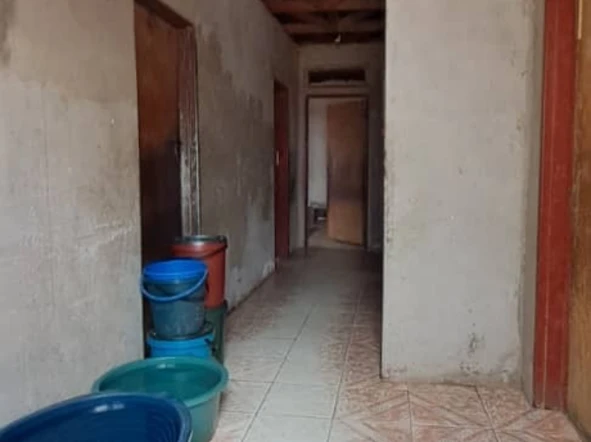
Many of these homes feature practical amenities such as walled compounds, good ZESA electricity supply, tiled floors, verandahs, and main en suite bathrooms. Sewer systems are commonly available, contributing to comfortable living conditions in this rural area. These houses suit families and individuals seeking functional and affordable homes in a peaceful setting.
Damofalls is a quiet rural community known for its natural beauty, including the nearby Damofalls Waterfalls and surrounding green landscapes ideal for outdoor activities like hiking and bird watching. Local primary and secondary schools serve the area, while healthcare is provided by local clinics with more advanced services accessible in nearby towns. Basic shopping needs are met by local markets and shops, with larger retail options in Marondera. Transport links include road connections to regional centers and modest public transport options such as minibuses and shared taxis, making Damofalls a good choice for those seeking a tranquil lifestyle close to nature and community amenities.
 4
100 m²
4
100 m²

Be the first to see new properties for sale in Damofalls, Damofalls











| Property Size | Avg. price |
|---|---|
| 3 bedroom (View 2 properties) | $45,000 |
| 4 bedroom (View 5 properties) | $49,000 |
Prices as of October 2026
Buying a housing stand in Zimbabwe? Inspect title deeds, subdivision permits, compliance certificates, and seller IDs before making any payment.
Can someone claim your land in Zimbabwe? Learn how 30 year acquisitive prescription works, the legal risks involved, and how to protect your property title.
Explore October 2026 Property Pulse insights on the Zimbabwean real estate market, where high buyer demand outpaces limited housing supply across major areas.
Built a house on land registered in your partner's name? Learn your legal rights in Zimbabwe, tacit universal partnerships, and unjust enrichment claims.
Planning to convert or buy commercial property? Understand Zimbabwe’s change of use rules, 2026 Harare fees, timelines and approval risks.













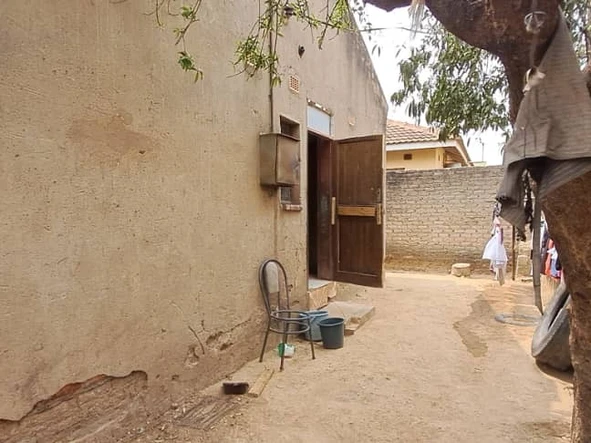
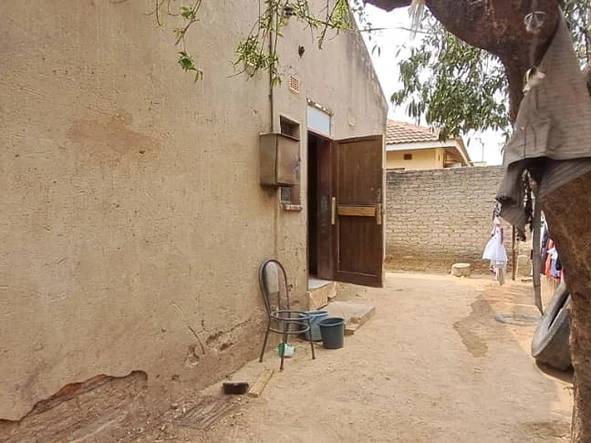
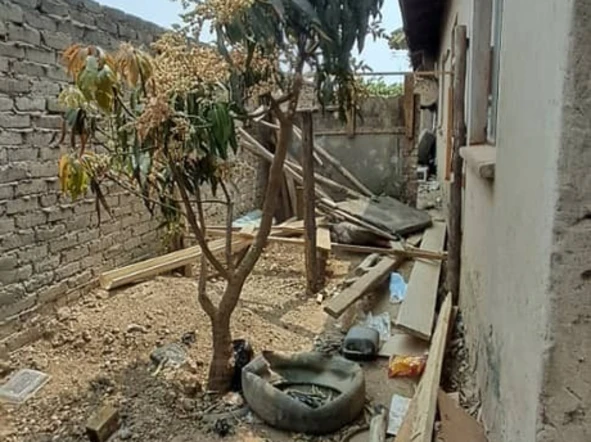
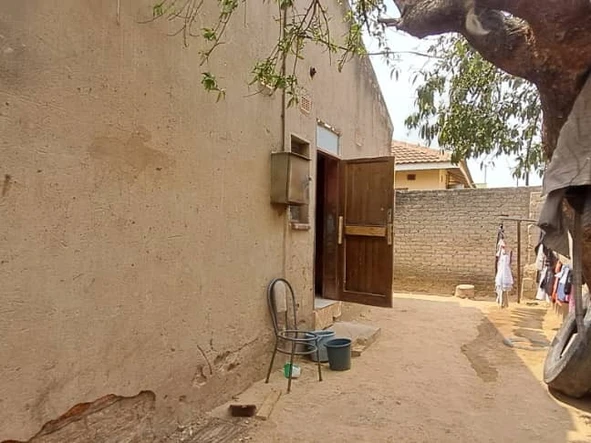
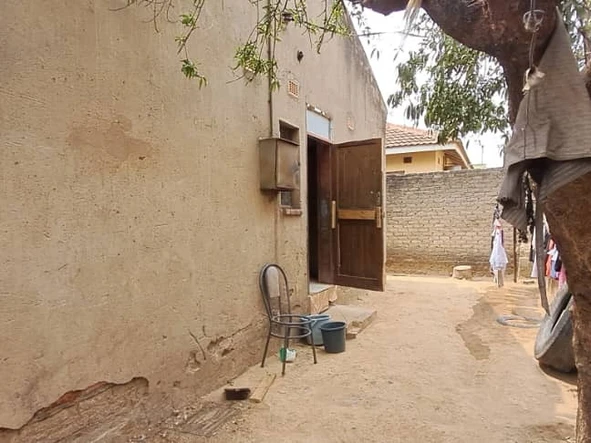
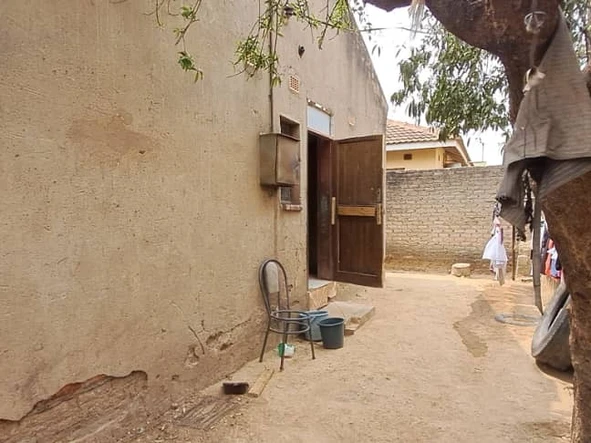
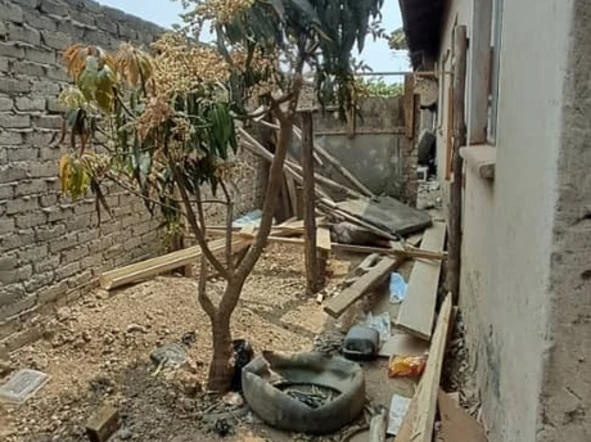
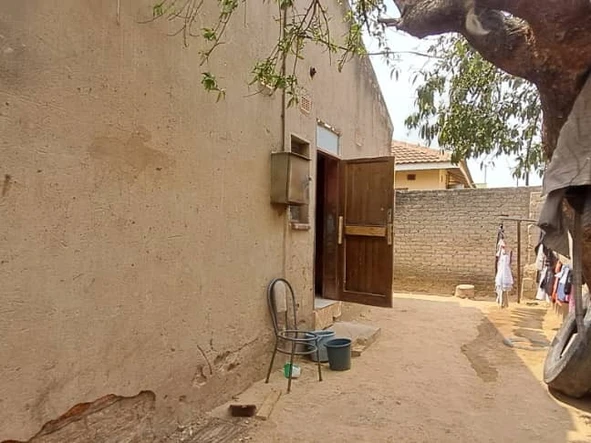
 300 m²