Log in to contact the seller
 Continue with Facebook
 Continue with Email
Continue with Facebook
Continue with Email
Sign up with Facebook
Continue with Email
Continue with Facebook
Continue with Email
Sign up with Facebook
 Change filters
 Requests


 2,000 m²


 2,968 m²
2,000 m²
8,191 m²
2,000 m²
2,968 m²
2,000 m²
8,191 m²
2,000 m²
 2,010 m²
2,100 m²
2,311 m²
500 m²
2,010 m²
2,100 m²
2,311 m²
500 m²
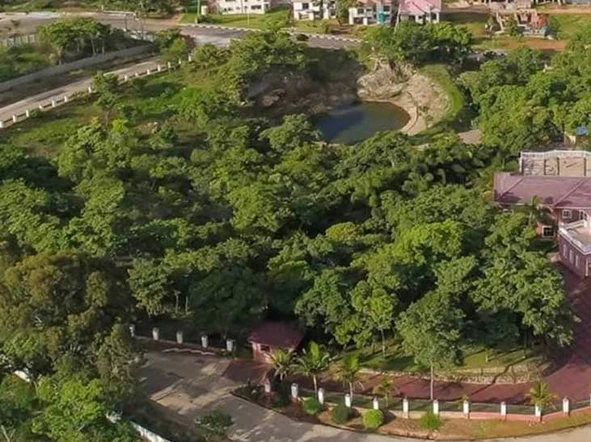
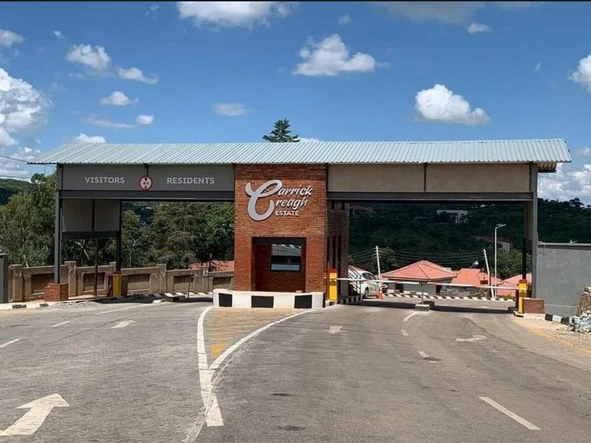
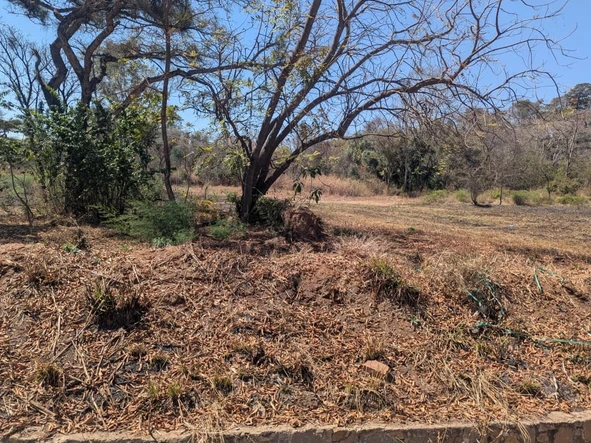
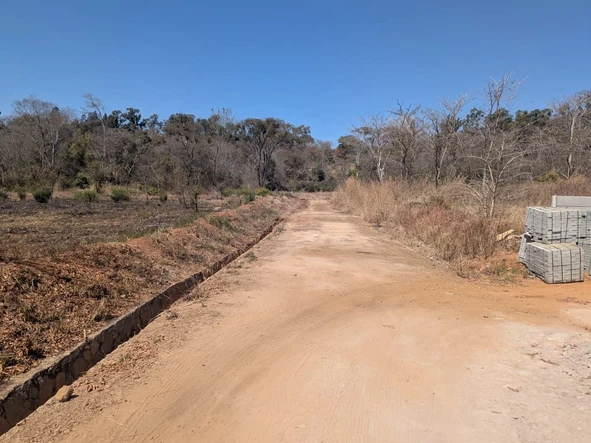
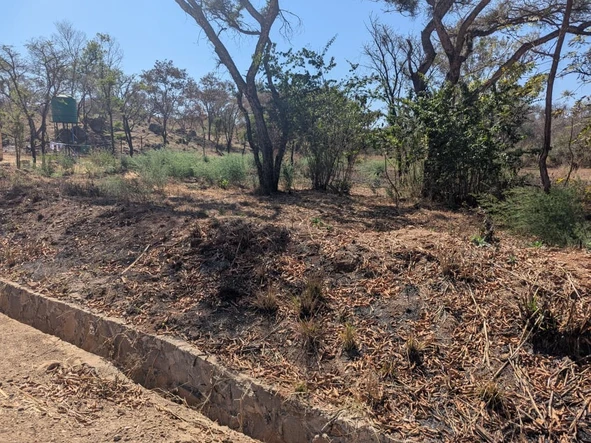
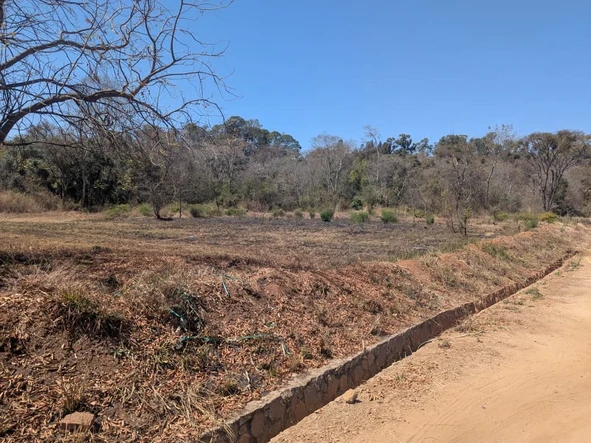
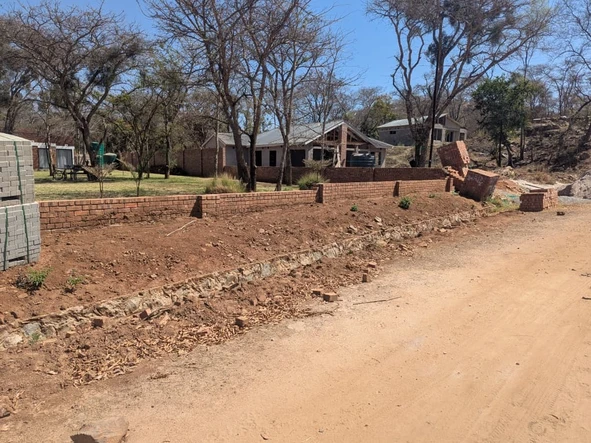
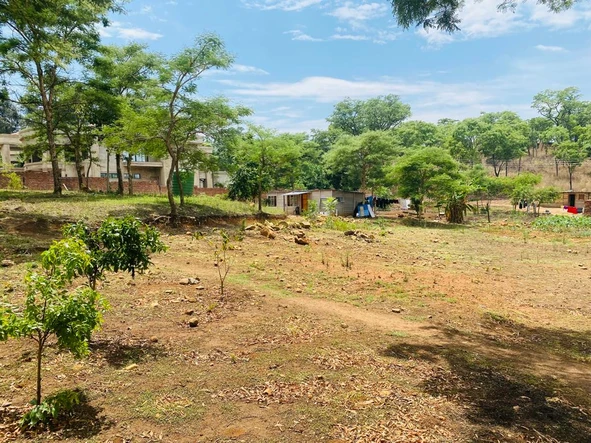
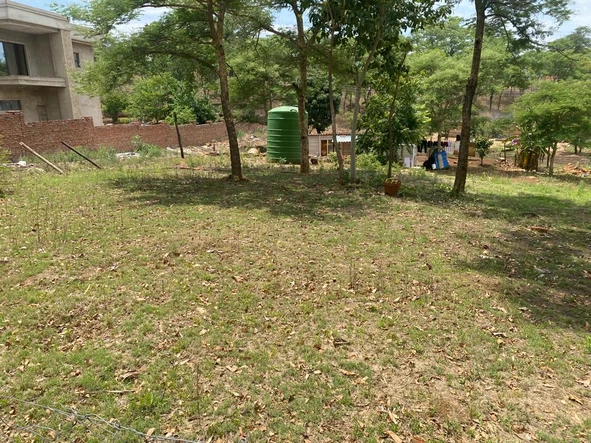
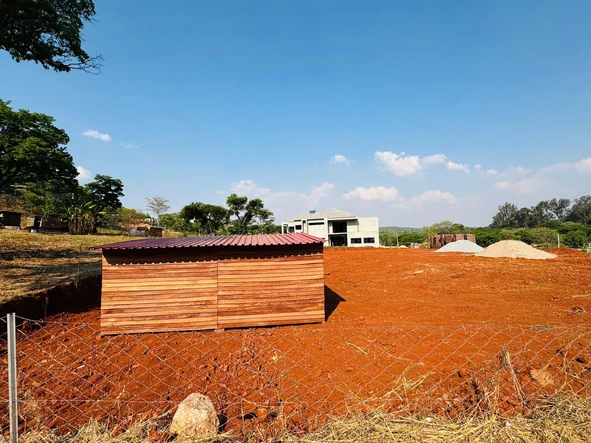
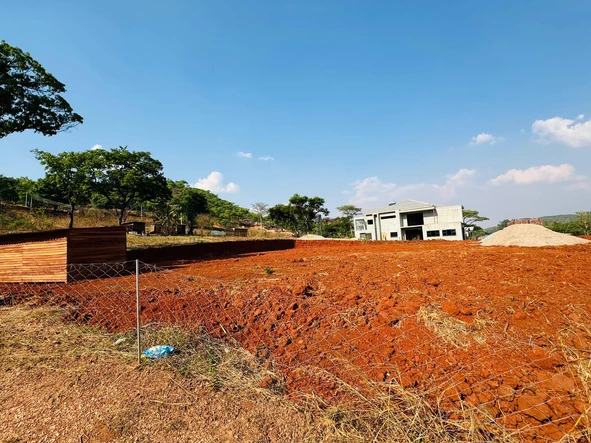
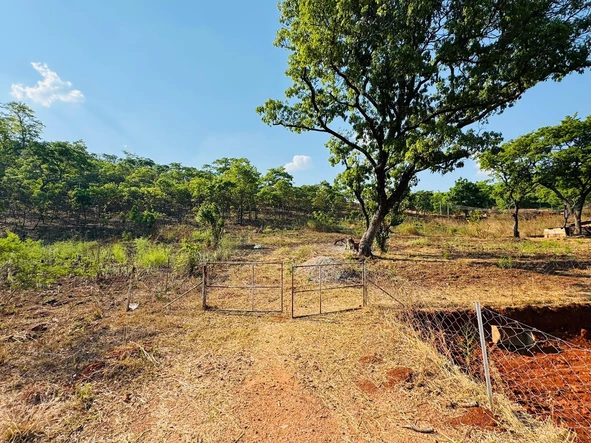
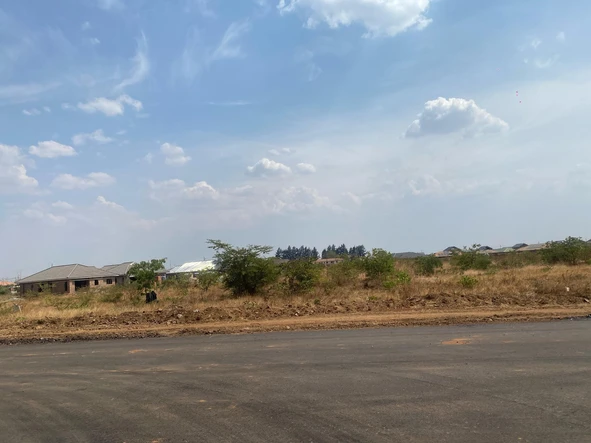
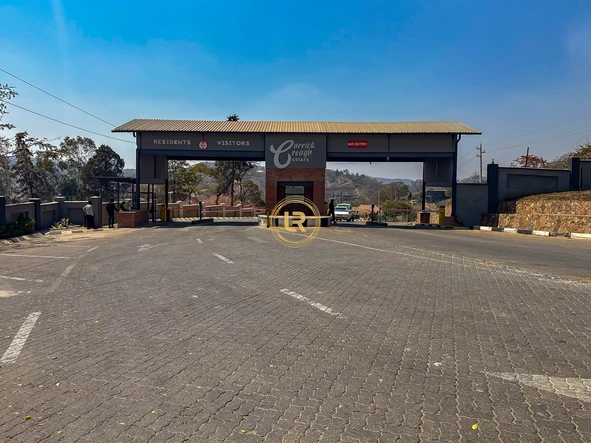
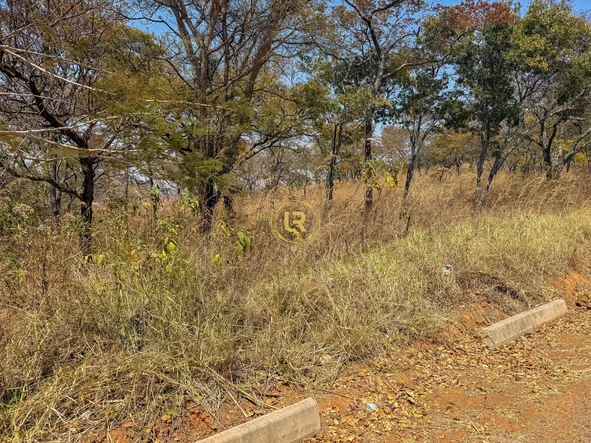
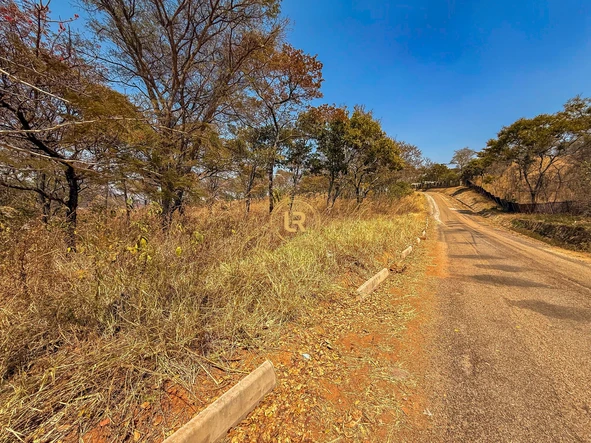
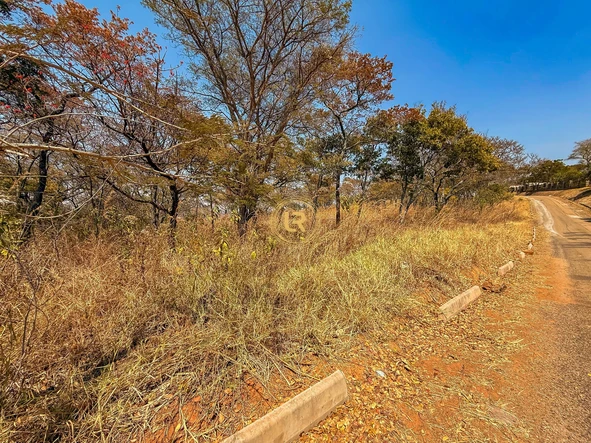
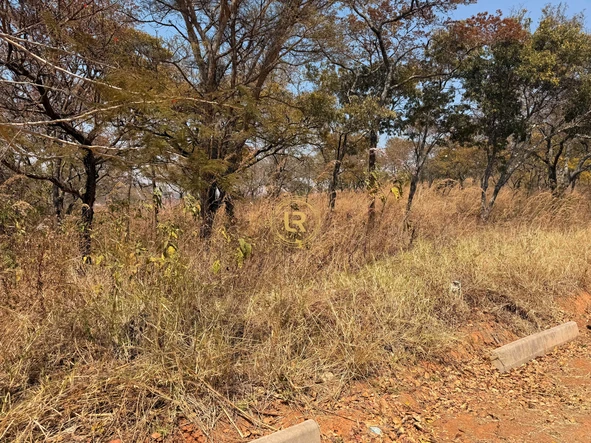
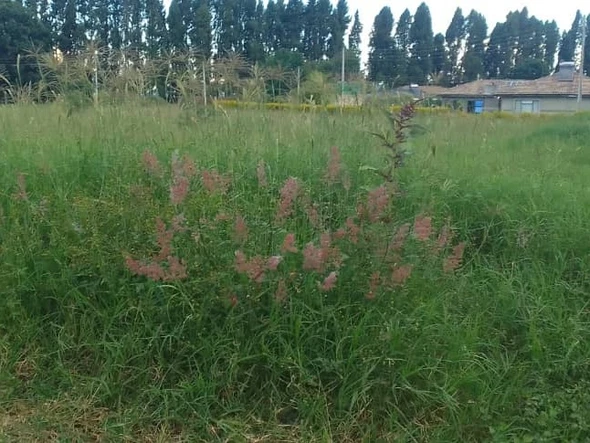
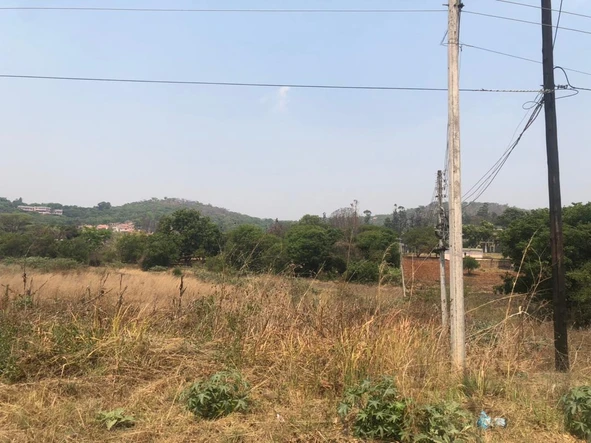
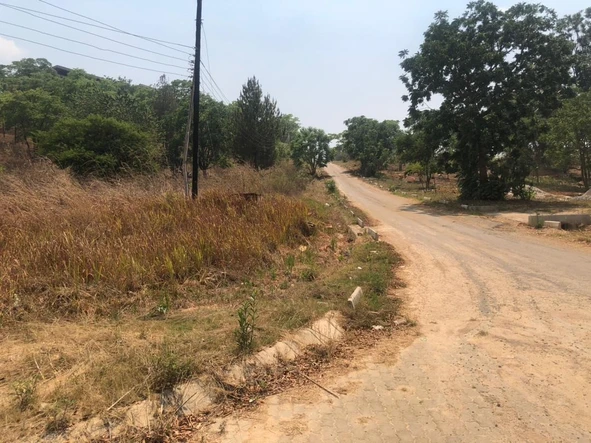
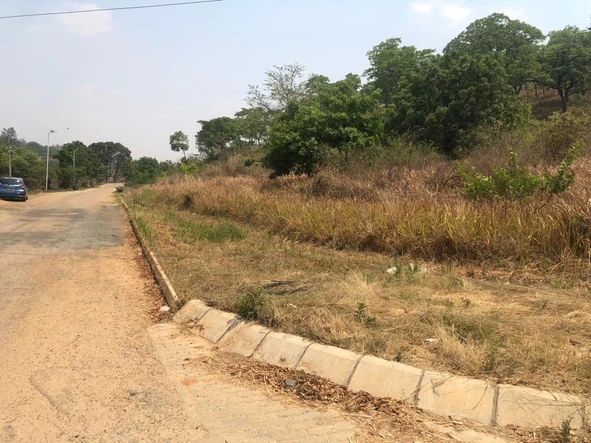
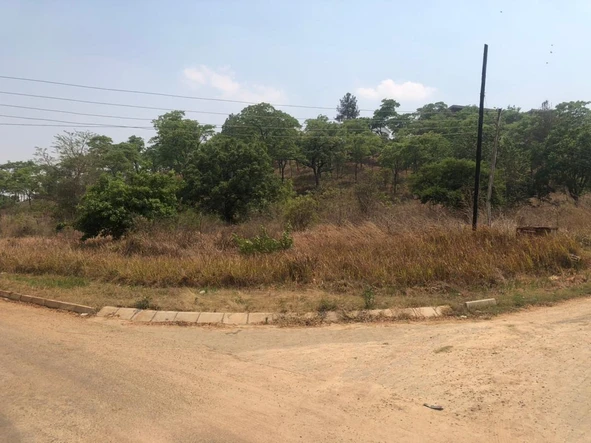
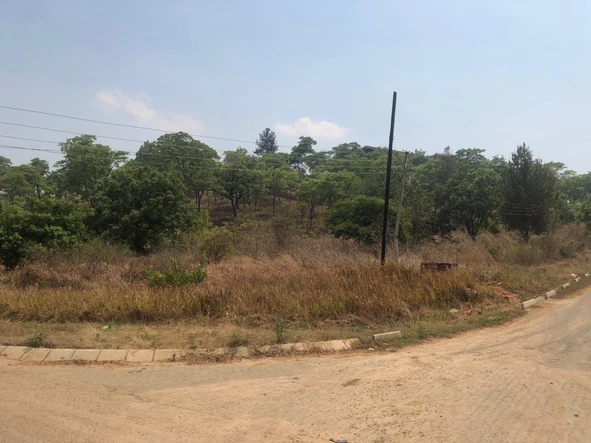
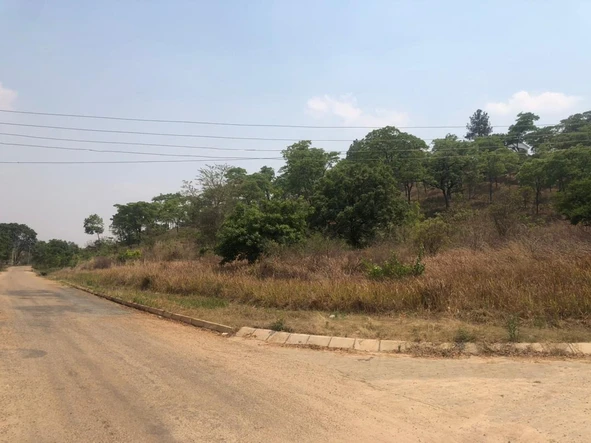
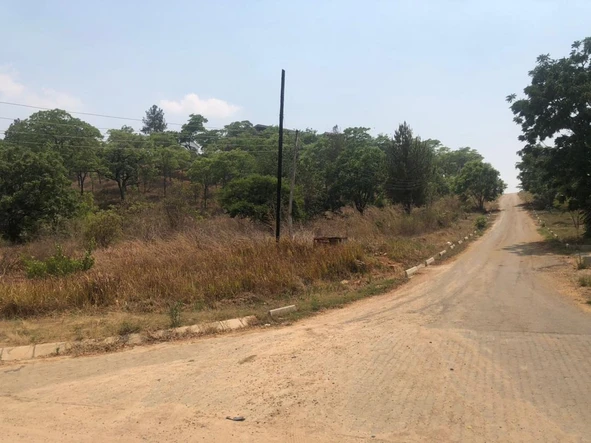
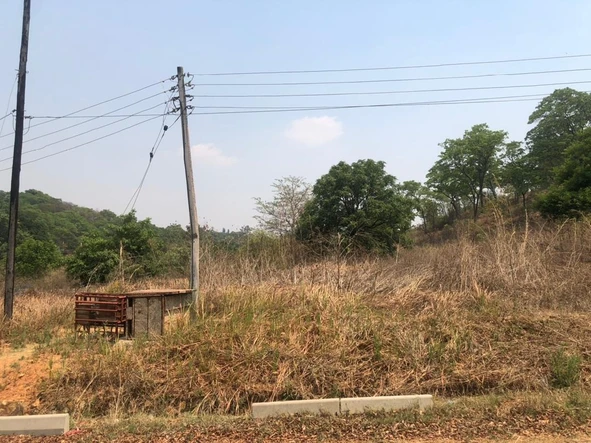
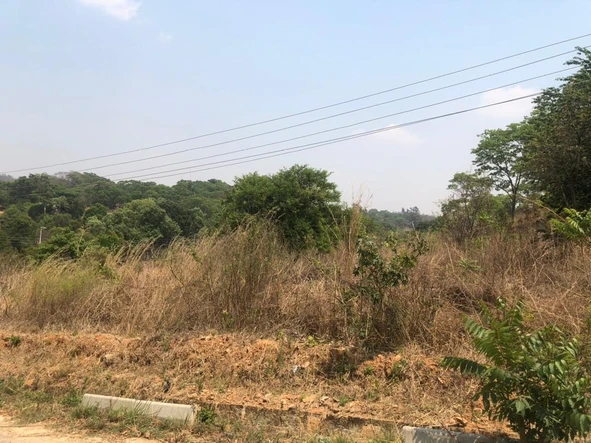
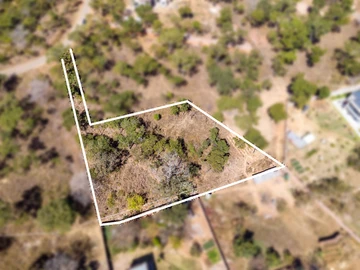
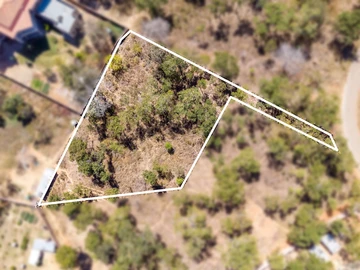
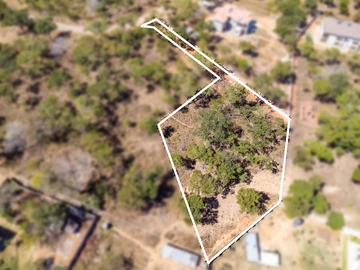
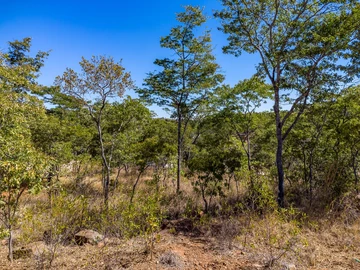
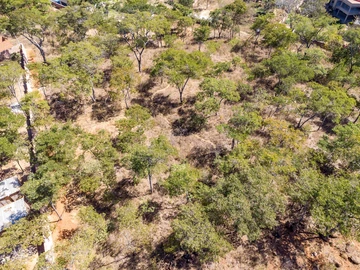
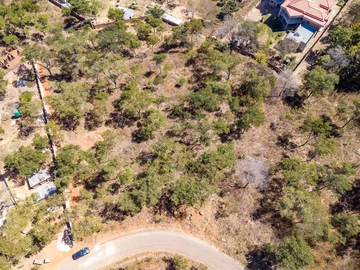
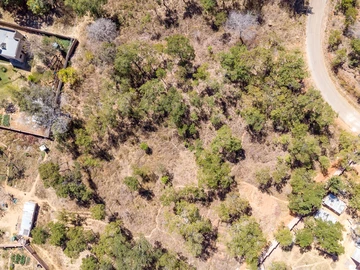
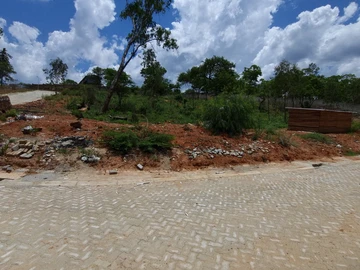
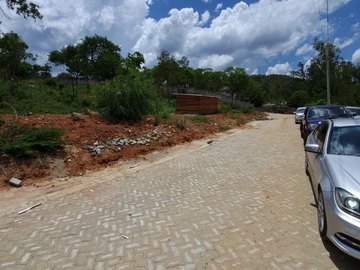
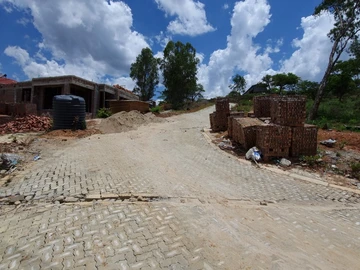
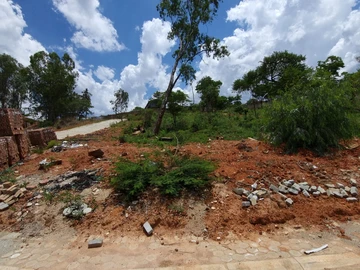
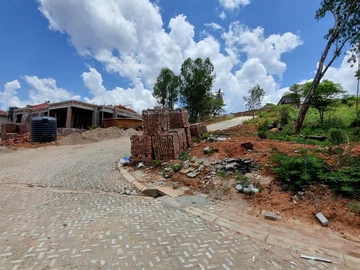
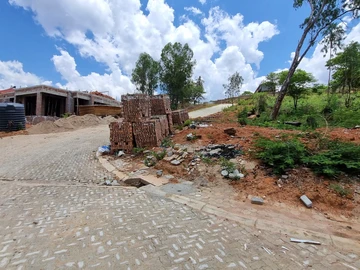
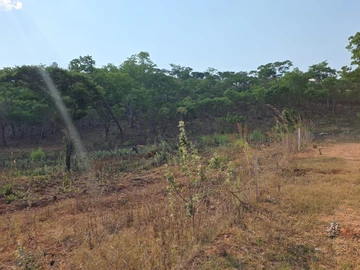
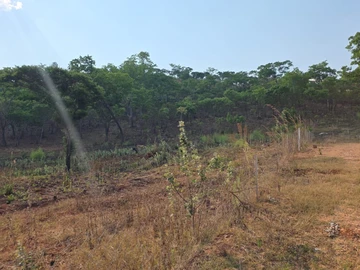
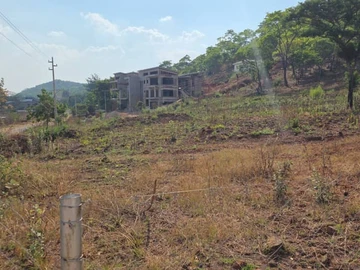
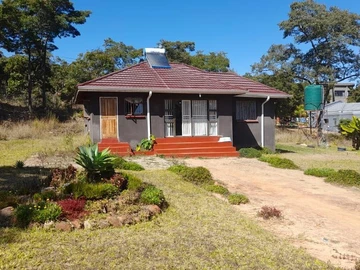
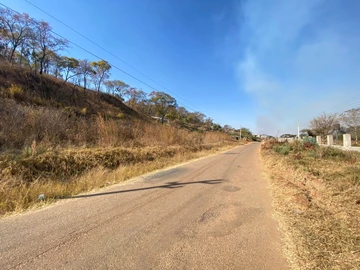
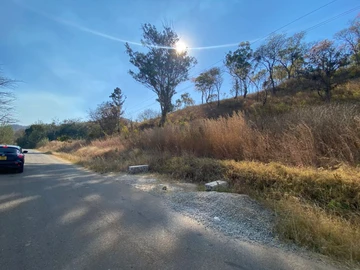
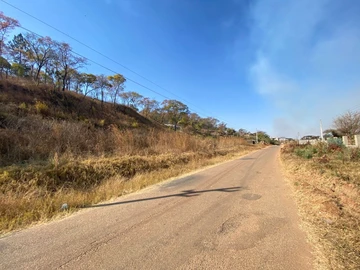
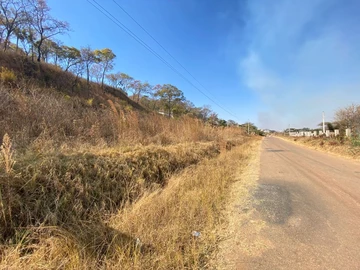
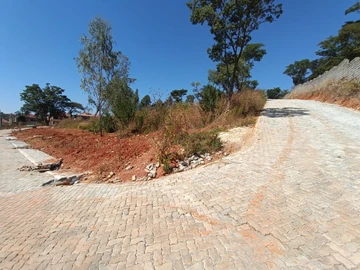
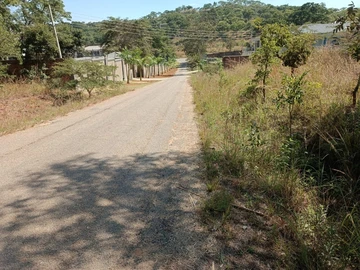
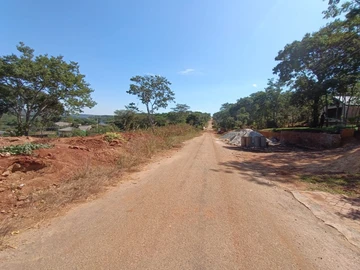
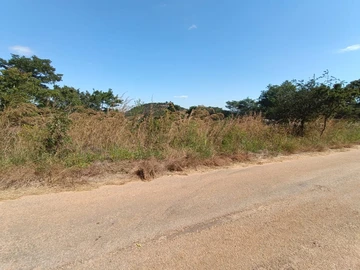
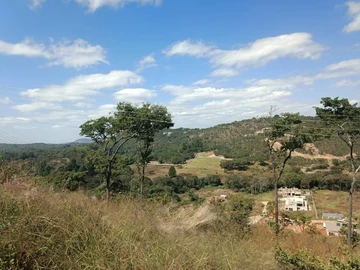
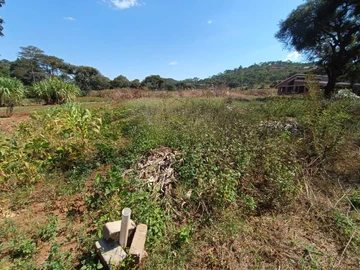
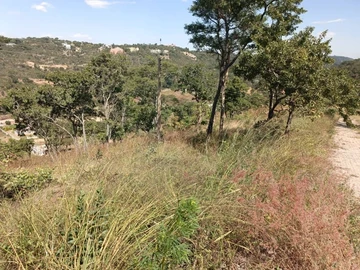
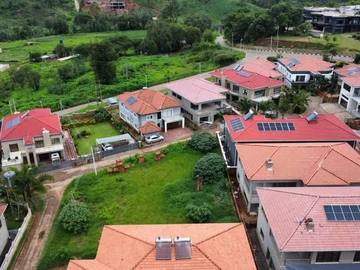
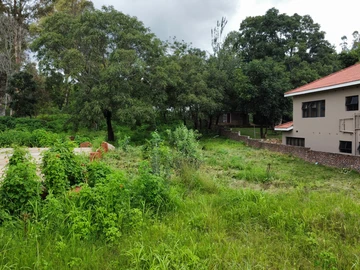
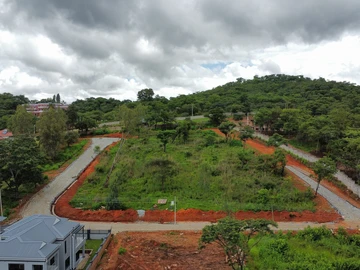
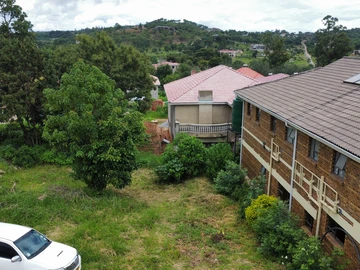
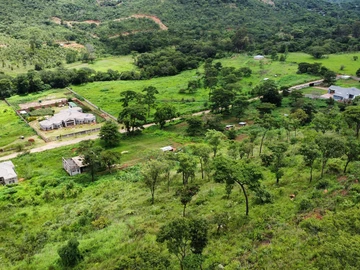
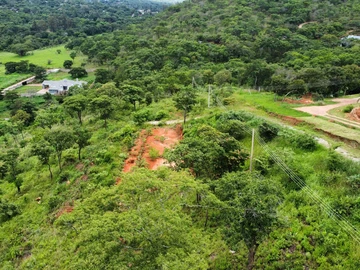
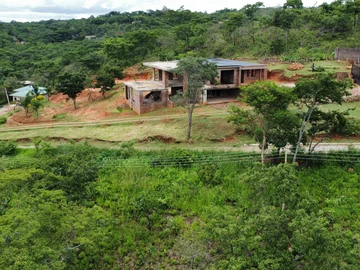
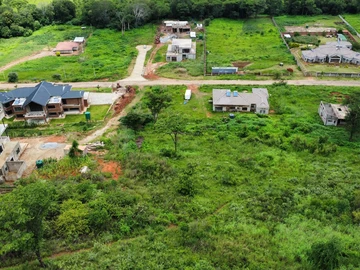
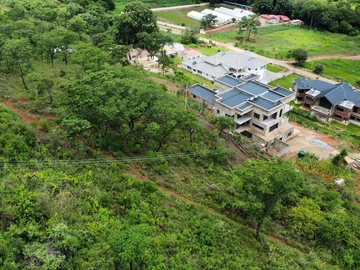
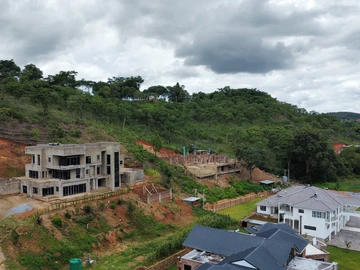
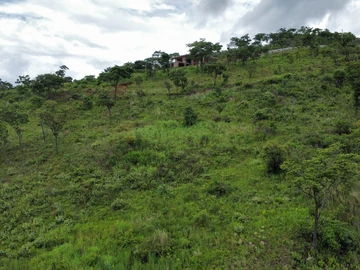
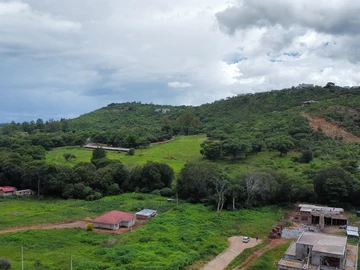
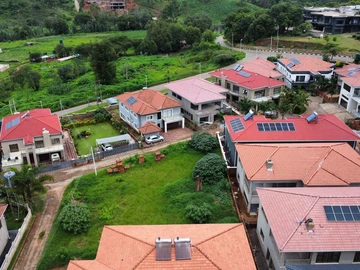
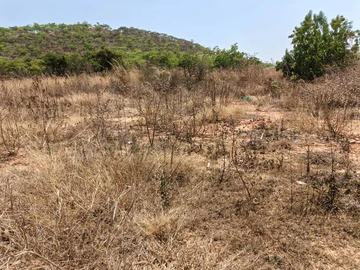
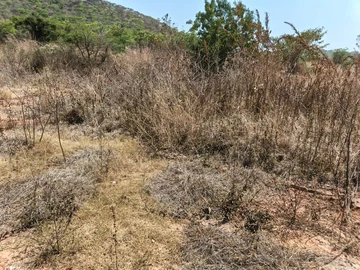
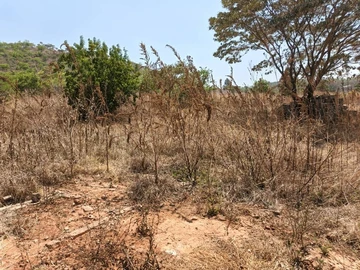
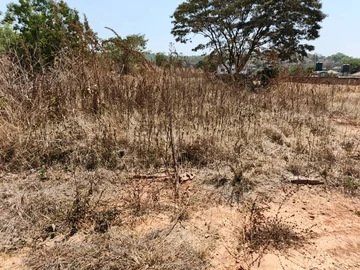
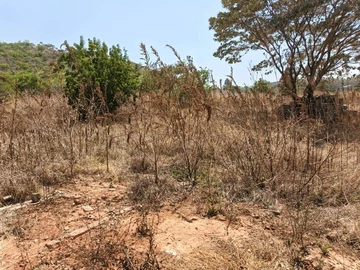
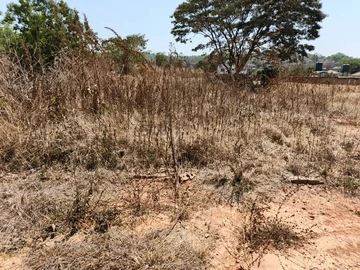
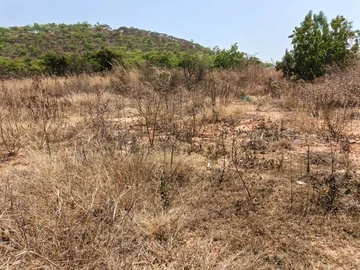
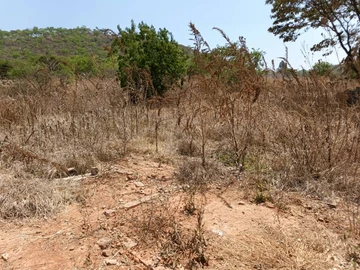
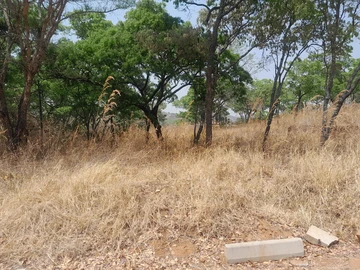
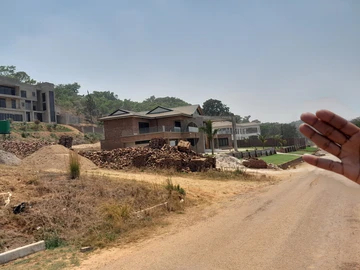
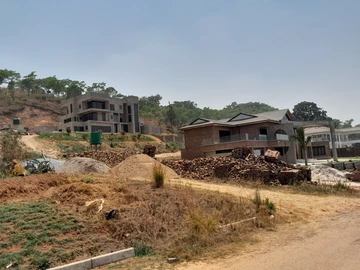
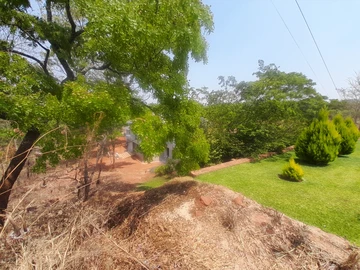
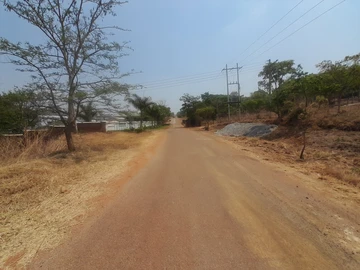
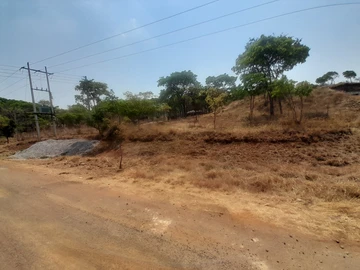
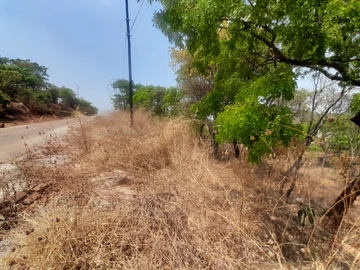
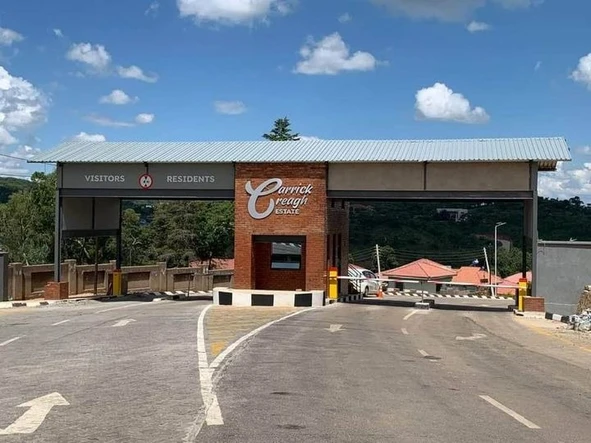
Stands and residential land for sale in Carrick Creagh, Harare North, are priced at the higher end, with the average price of properties currently listed at $160,000. The land sizes vary from 400 ㎡ up to 10,000 ㎡, with the median land area around 2,000 ㎡, offering options for different needs and budgets within this upscale neighborhood.
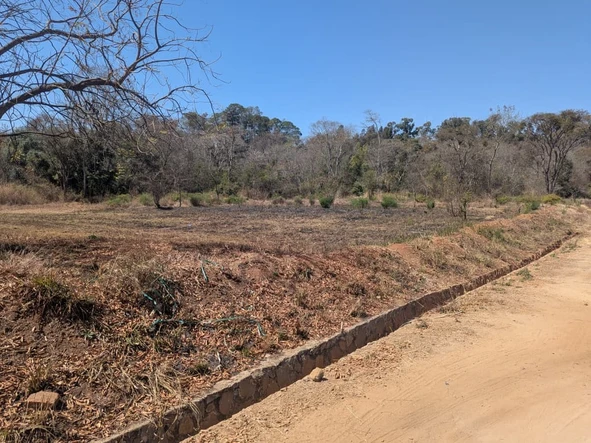
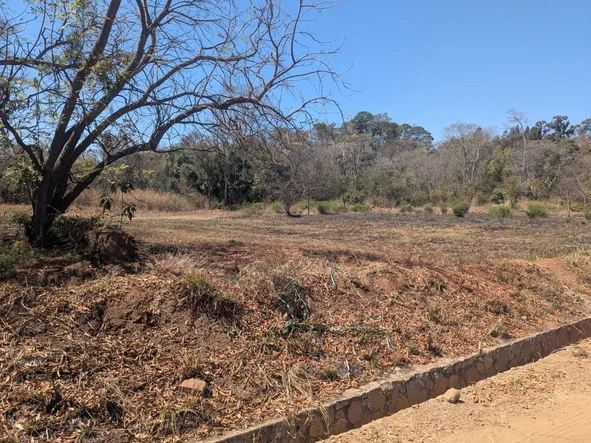
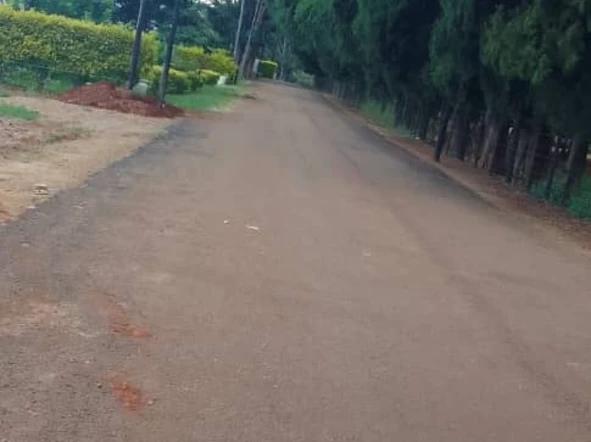
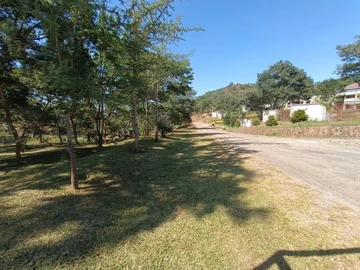
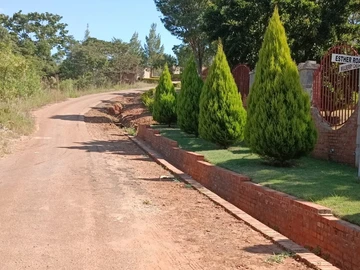
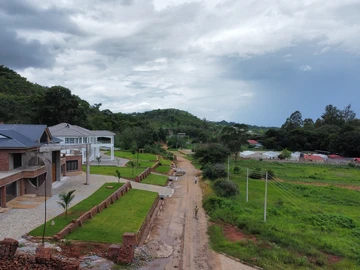
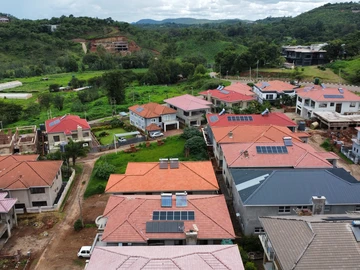
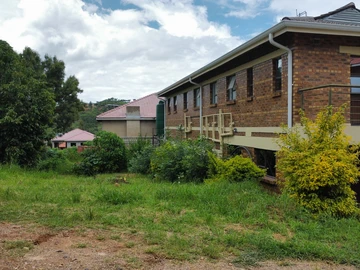
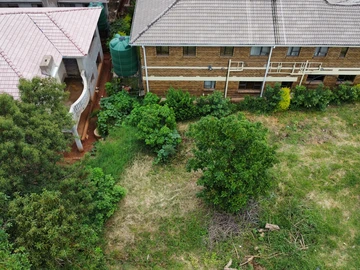
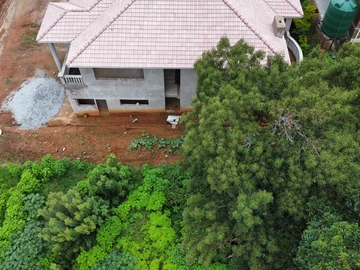
These properties typically consist of vacant stands ready for development, ideal for buyers looking to build family homes or investment properties. The area is known for its quiet, tree-lined streets and a peaceful atmosphere, making it attractive for middle to upper-middle income families and professionals seeking a secure and comfortable living environment.
Carrick Creagh benefits from proximity to the National Botanic Garden and Harare Golf Club, providing residents with access to green spaces and recreational activities. The neighborhood is close to reputable schools like St. John's College and Chisipite Senior School, as well as healthcare facilities including Parirenyatwa Group of Hospitals. Shopping and dining are convenient with Sam Levy's Village nearby, offering a variety of shops, restaurants, and entertainment options. Good road connections and public transport make commuting to central Harare and other northern suburbs straightforward.
8,200 m²
4,132 m²
2,000 m²
1,800 m²
2,000 m²
500 m²
2,500 m²
4,000 m²

Be the first to see new properties for sale in Carrick Creagh, Harare North







| Property Size | Avg. price |
|---|---|
| Average price | $160,000 |
Compare 2026 property trends in Harare vs Bulawayo. Discover prices, rental yields, investment opportunities, and city-specific real estate insights
Explore popular architectural styles in Zimbabwean suburbs. Learn about colonial, modern, Mediterranean, and bungalow homes and their investment potential.
Learn how to budget and save for a house in Zimbabwe. Discover tips, strategies, and financing options to achieve homeownership in 2025.
Learn how to legally handle property disputes in Zimbabwe. Explore causes, laws, legal steps, and exemptions to protect your real estate investment in 2025
The Harare property market is experiencing significant growth, driven by an influx of diaspora remittances and a demand for secure, modern living in upscale