Log in to contact the seller
 Continue with Facebook
 Continue with Email
Continue with Facebook
Continue with Email
Sign up with Facebook
Continue with Email
Continue with Facebook
Continue with Email
Sign up with Facebook
 Change filters
 Requests



 2
2
 1
150 m²
1
150 m²


 2
1
250 m²
2
1
150 m²
2
1
2
1
250 m²
2
1
150 m²
2
1
 4,582 m²
 2
2
135 m²
2
2
120 m²
2
1
90 m²
2
3
95 m²
2
2
70 m²
2
2
135 m²
2
2
120 m²
2
1
90 m²
2
3
95 m²
2
2
70 m²
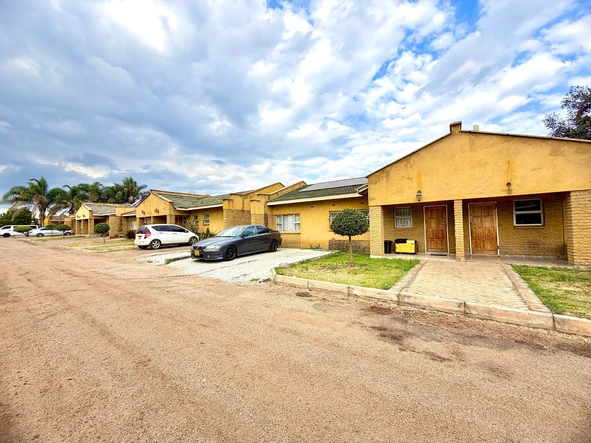
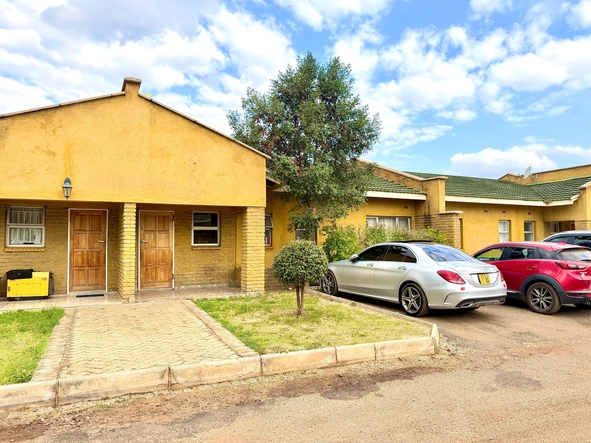
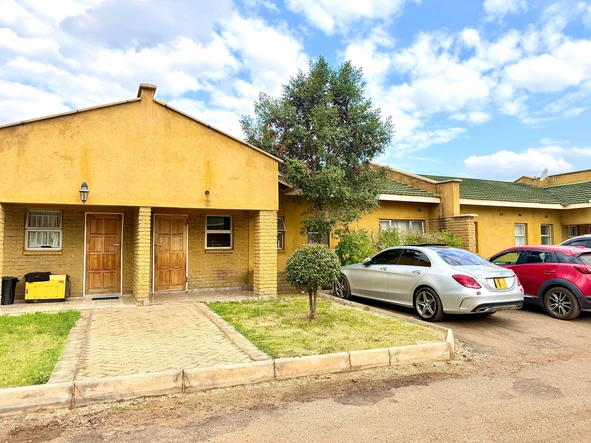
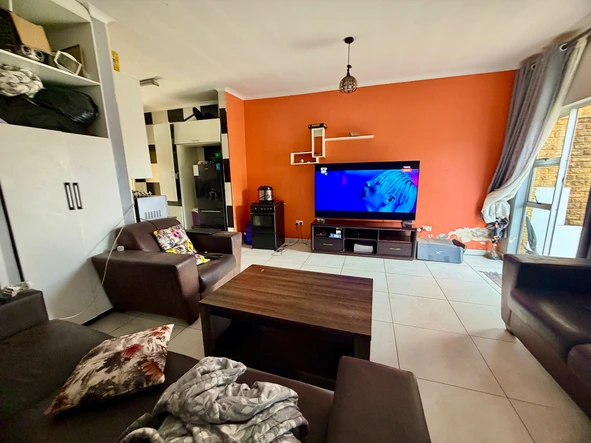
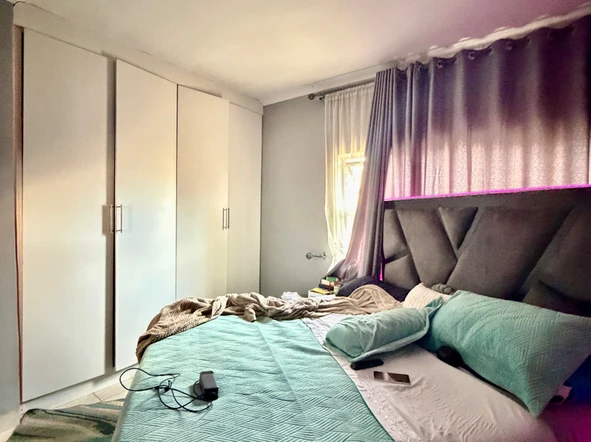
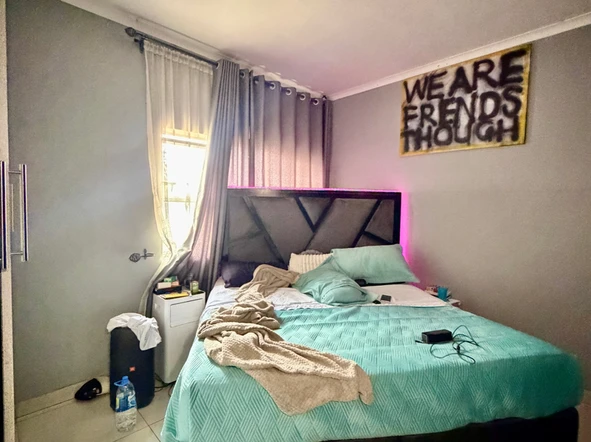
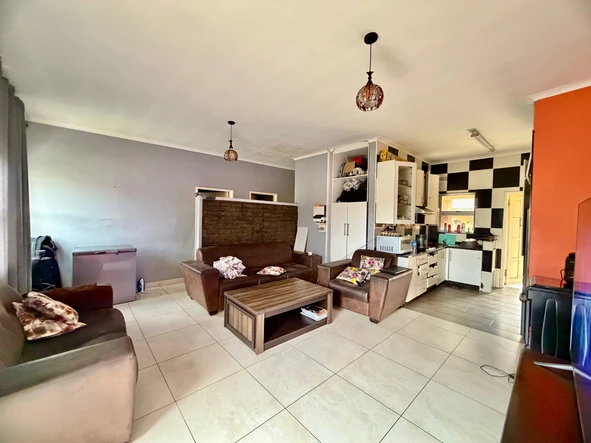
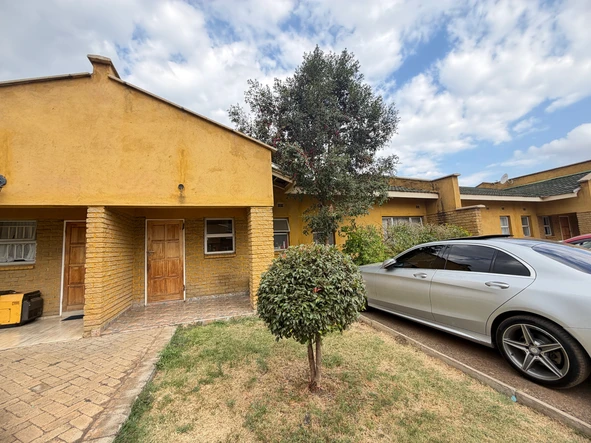
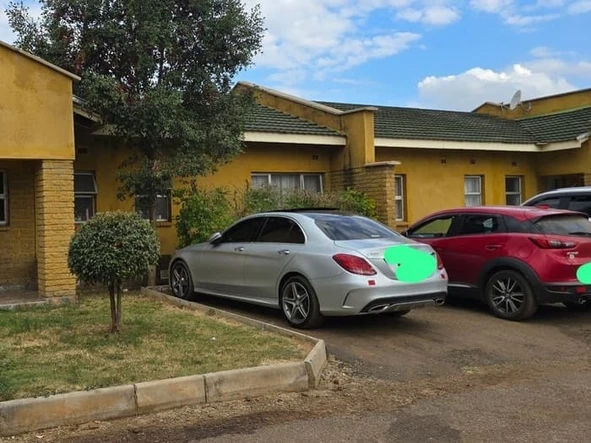
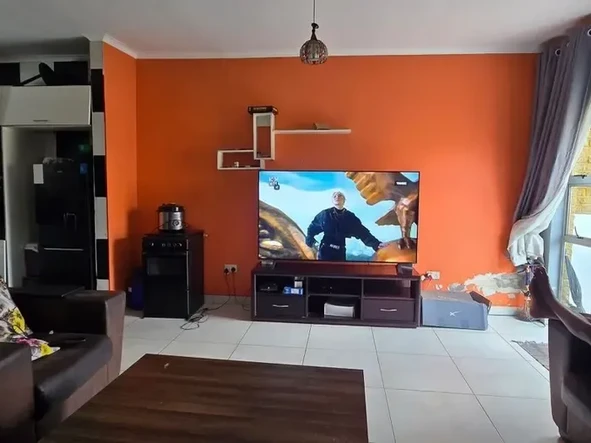
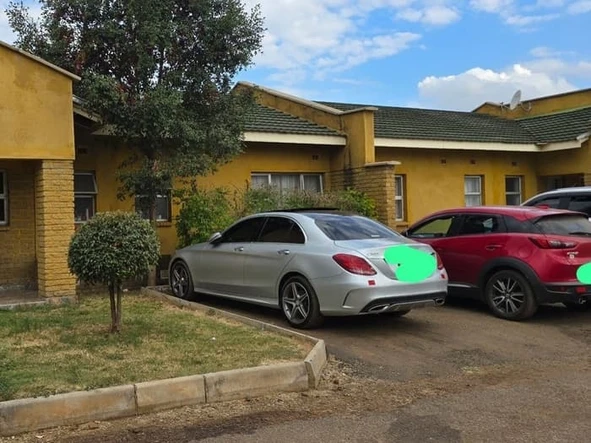
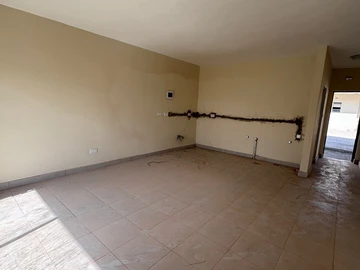
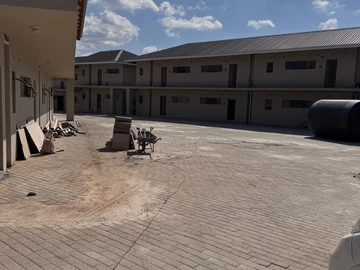
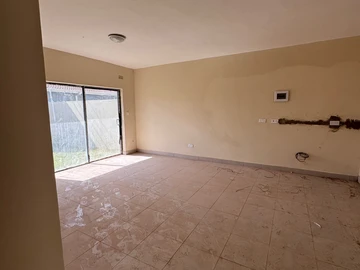
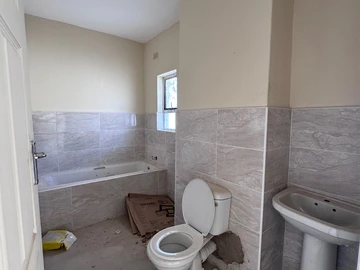
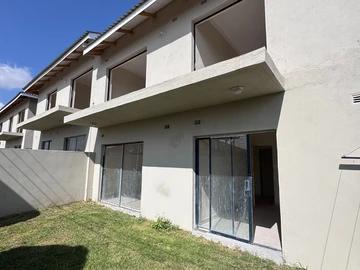
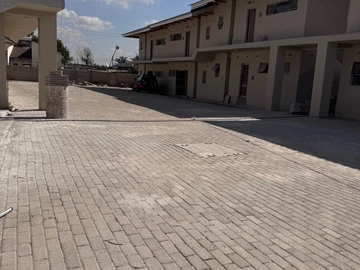
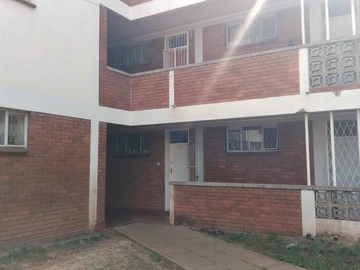
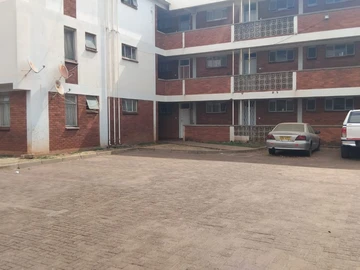
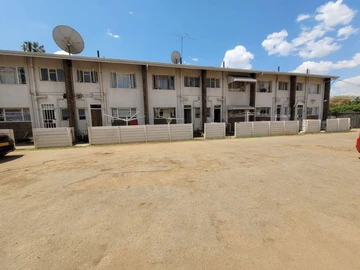
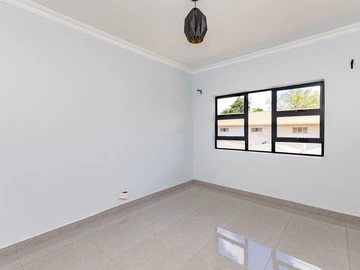
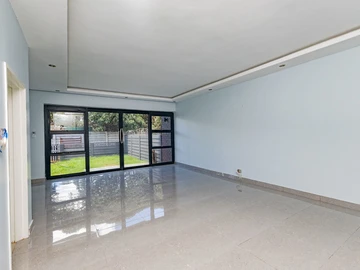
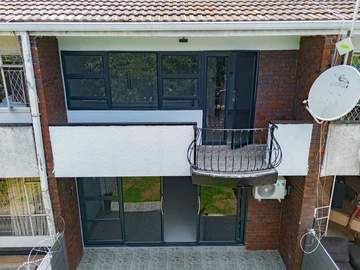
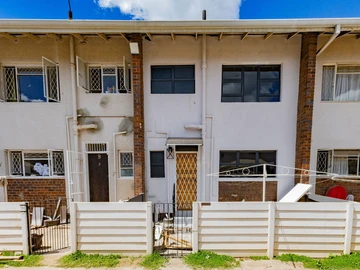
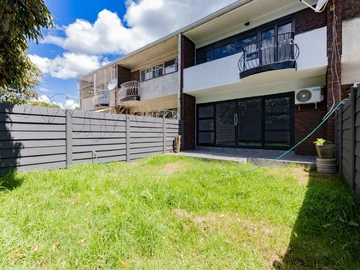
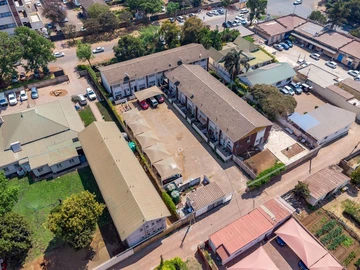
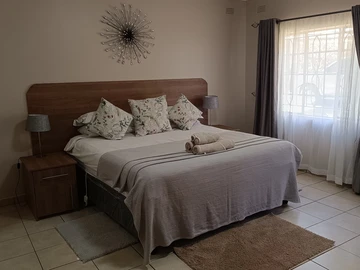
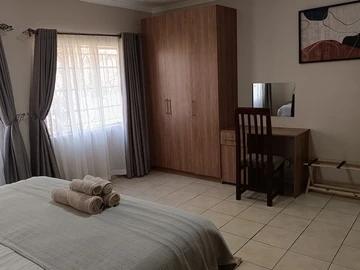
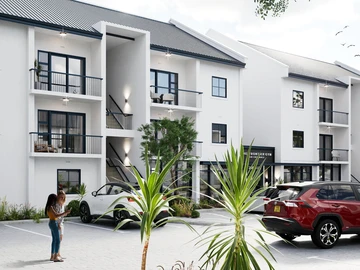
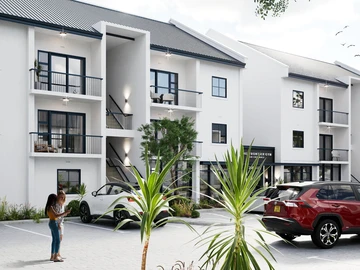
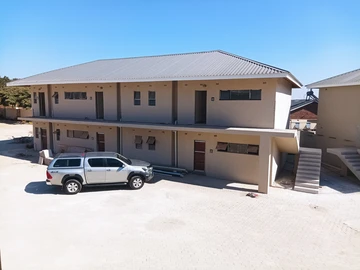
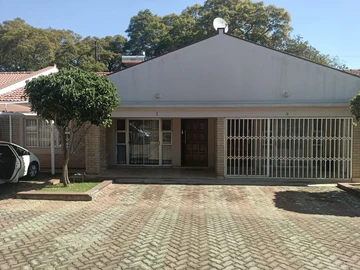
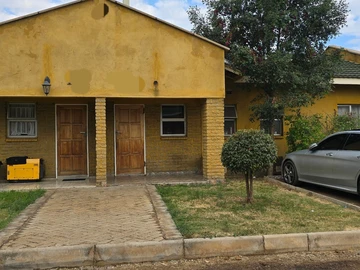
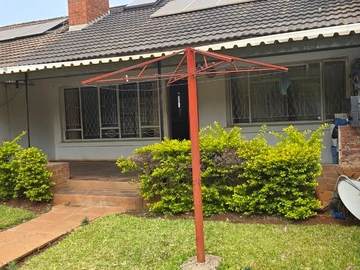
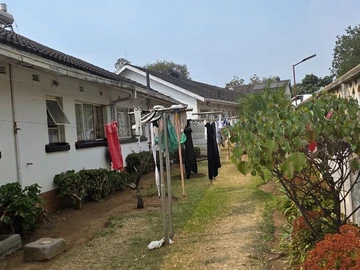
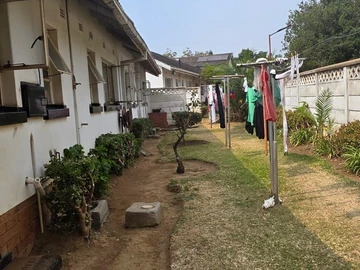
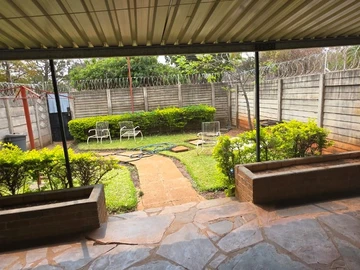
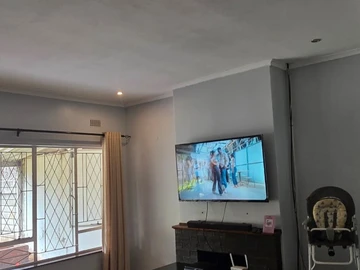
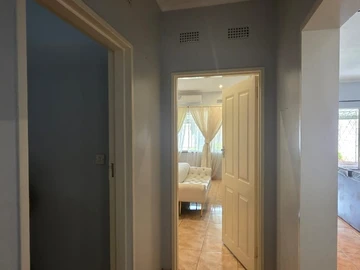
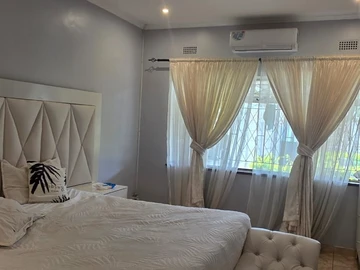
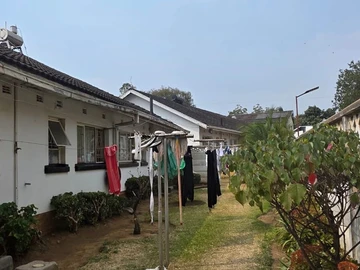
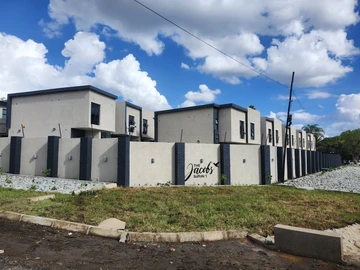
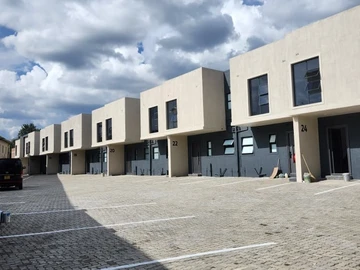
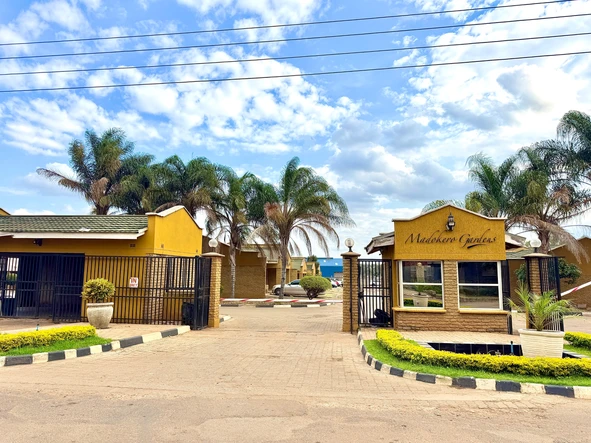
2-bedroom garden flats for sale in Zimbabwe offer a comfortable living option with an average price of $140,000. These properties typically have a median land area of about 150 ㎡ and a median property size of around 100 ㎡, with some larger homes featuring land up to 12,000 ㎡ and building sizes reaching 1,200 ㎡.
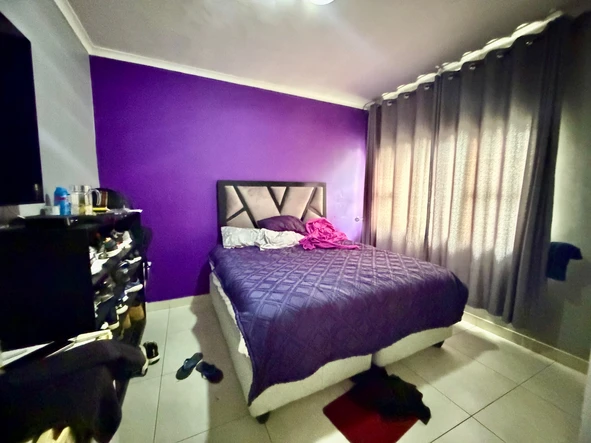
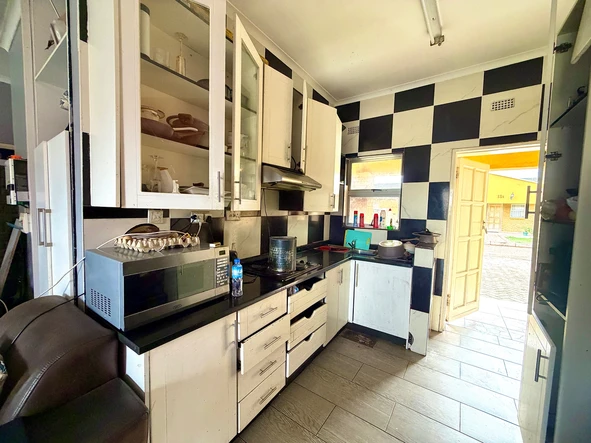
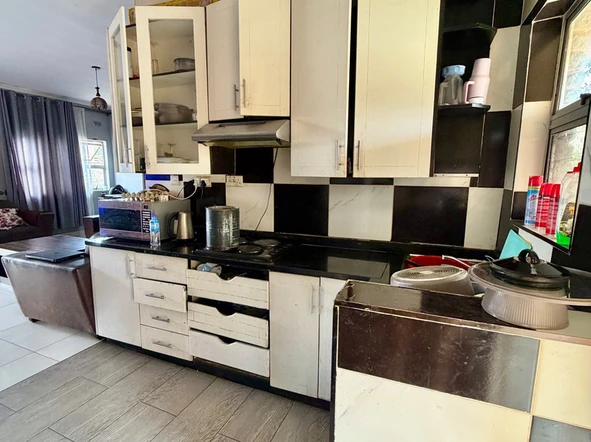
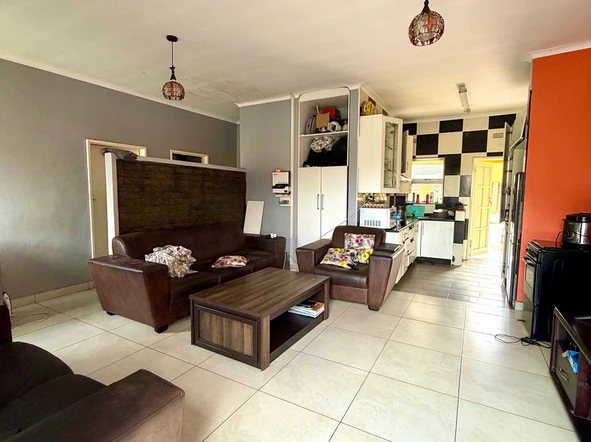
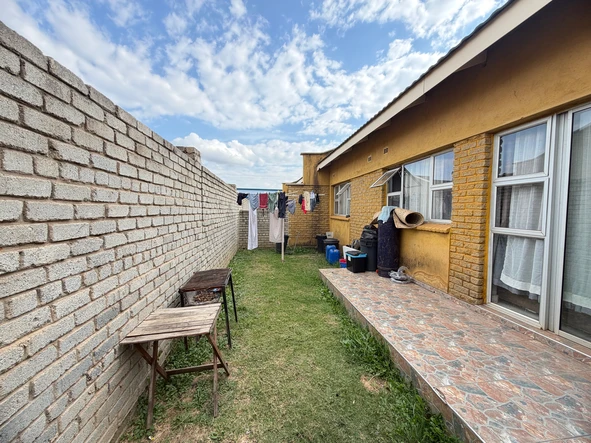
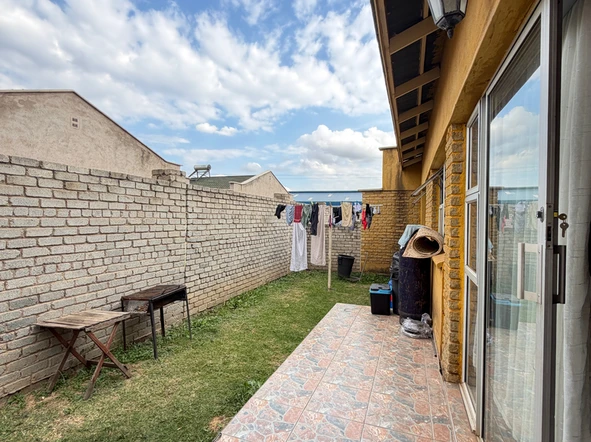
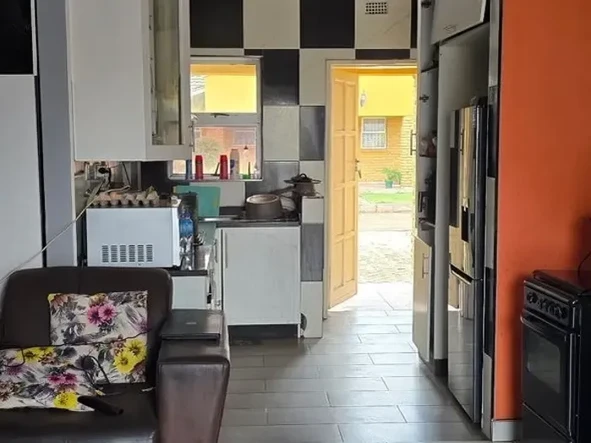
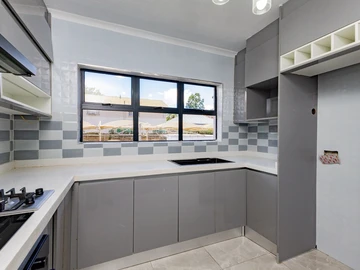
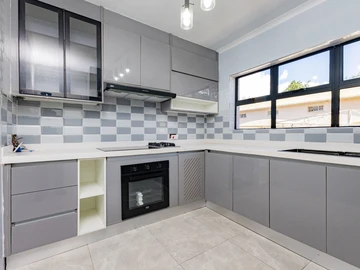
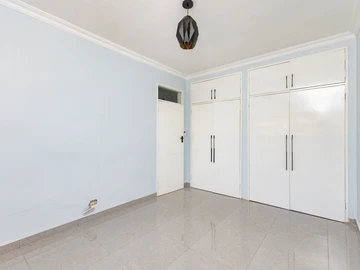
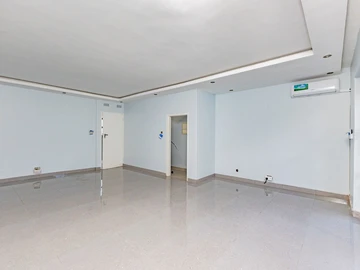
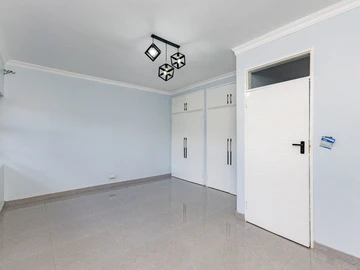
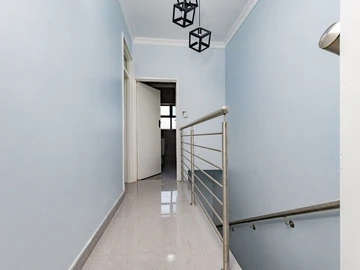
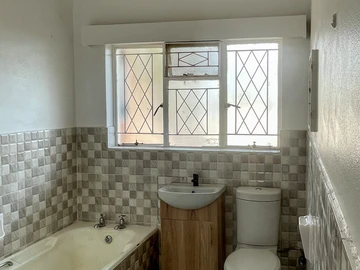
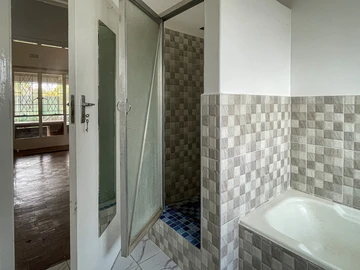
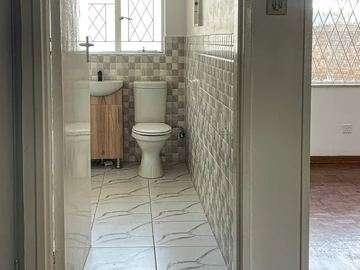
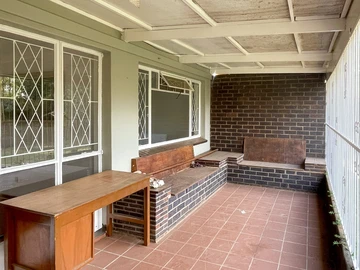
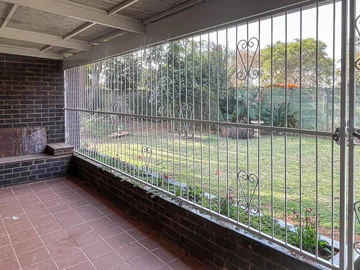
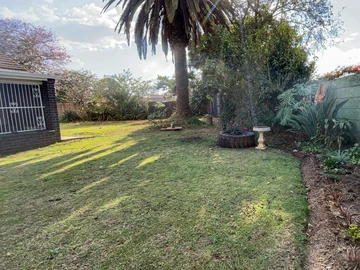
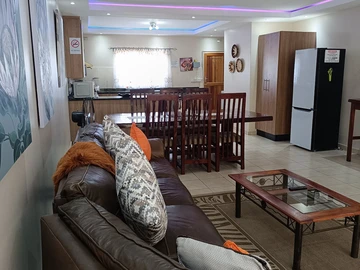
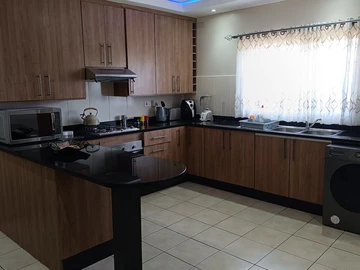
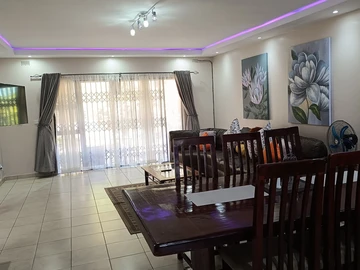
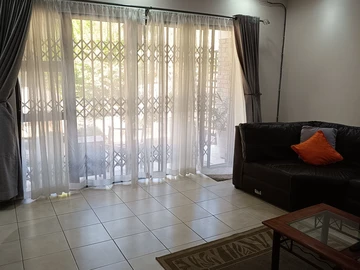
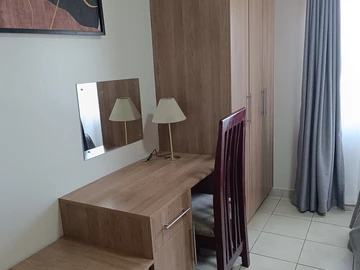
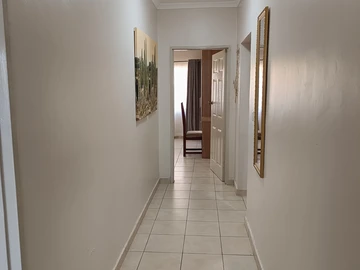
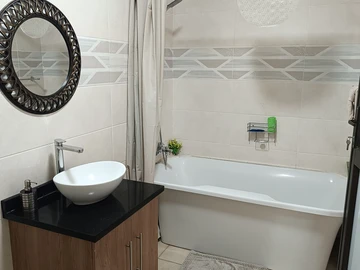
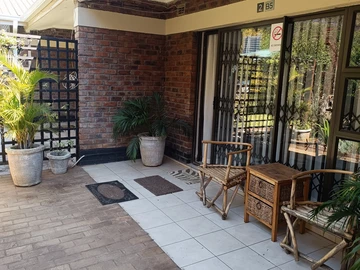
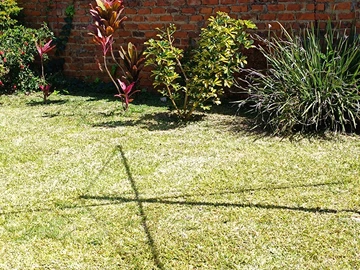
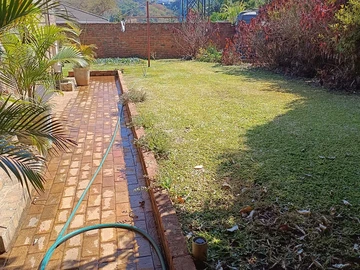
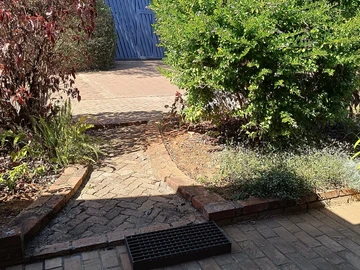
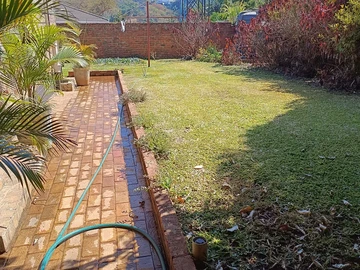
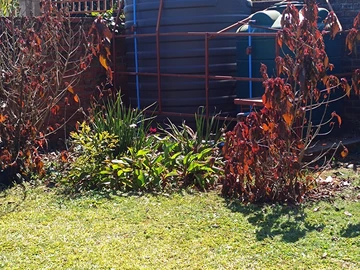
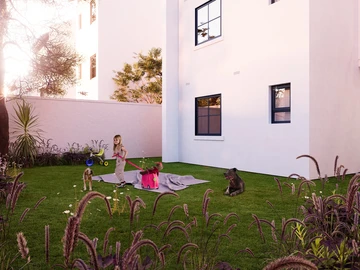
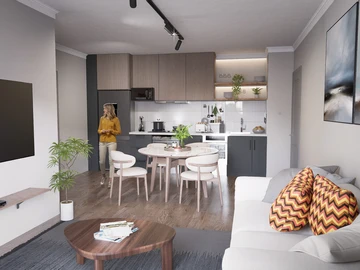
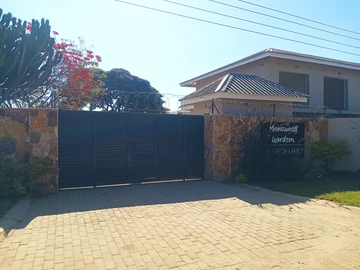
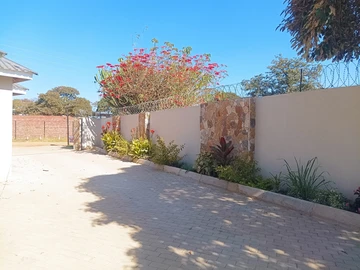
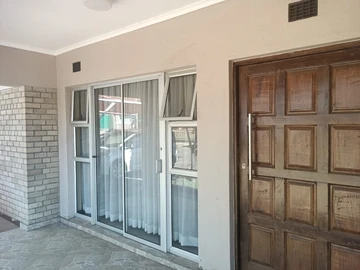
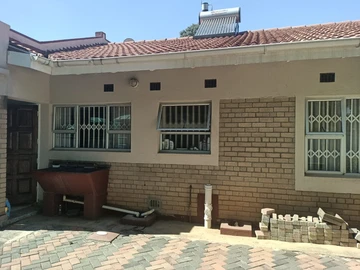
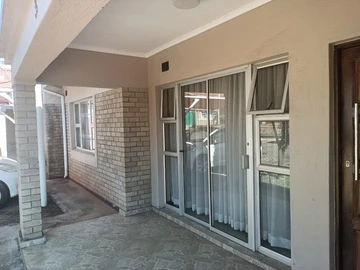
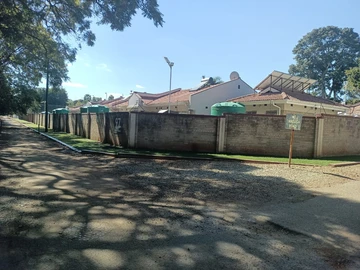
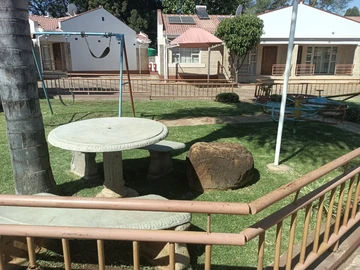
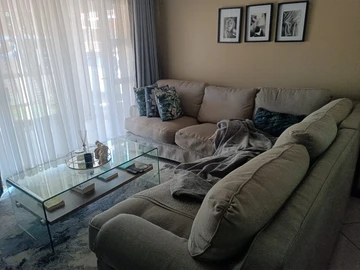
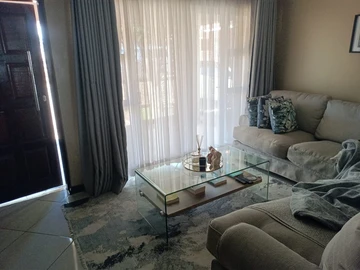
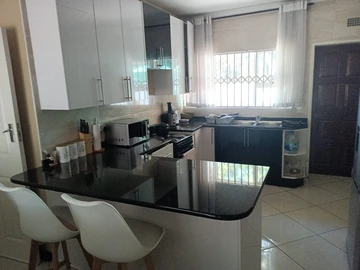
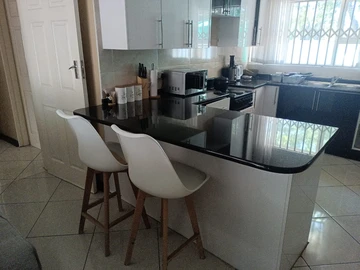
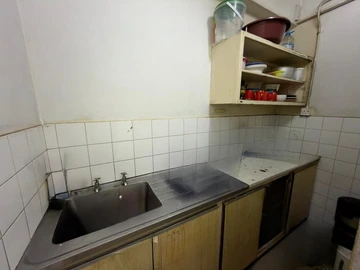
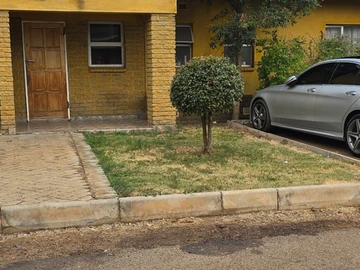
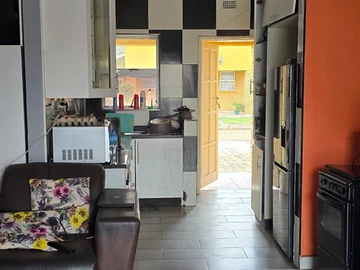
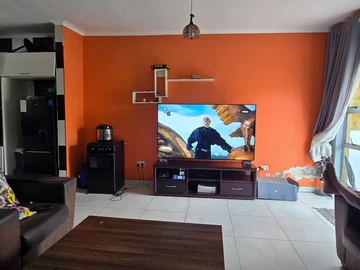
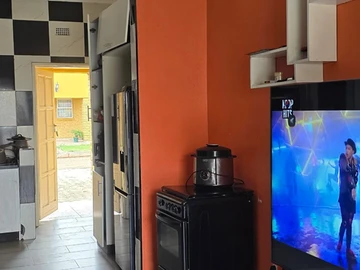
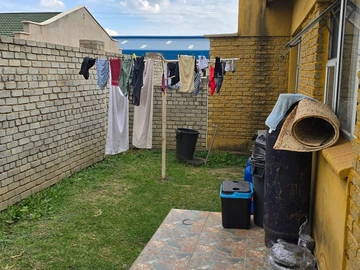
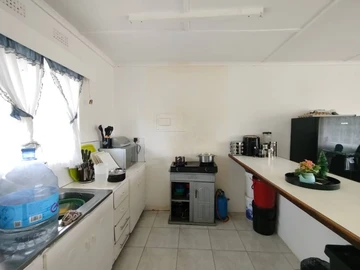
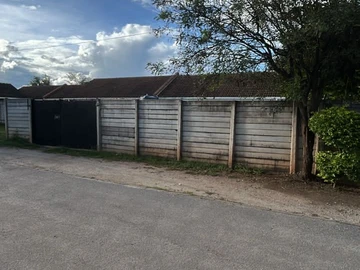
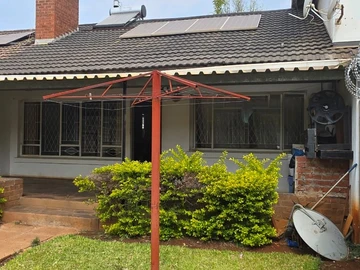
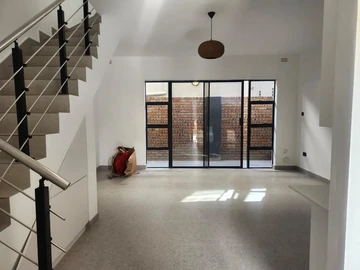
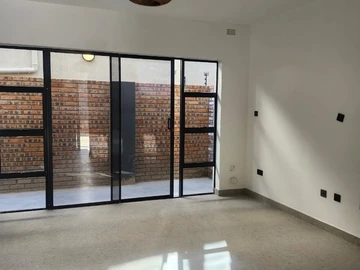
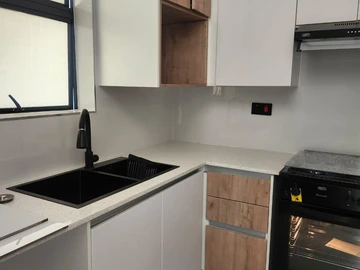
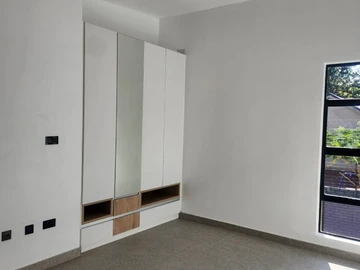
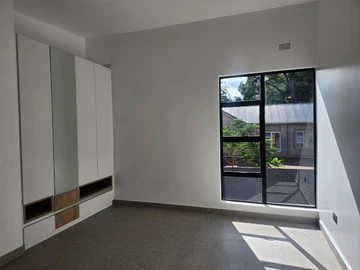
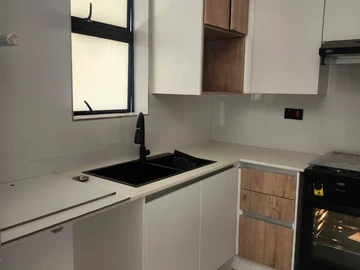
Many of these flats come with features such as walled perimeters, tiled floors, and fitted kitchens. Boreholes and gardens are also common, providing reliable water sources and pleasant outdoor spaces. These amenities make the flats suitable for buyers looking for practical and well-equipped homes in a garden setting.
Zimbabwe is known for its diverse landscapes and rich cultural heritage, with urban centers offering access to quality schools, universities, and healthcare facilities. Shopping options include major centers like Sam Levy's Village and Eastgate Mall, while local markets provide fresh produce and crafts. The country’s mix of traditional and modern lifestyles is reflected in the variety of restaurants serving both local and international cuisine, making these flats a good choice for those seeking a balanced lifestyle in Zimbabwe.
2
65 m²
2
200 m²
2
1
100 m²
2
60 m²
2
255 m²
2
1
500 m²
2
3
100 m²

Be the first to see new properties for sale










| Property Size | Avg. price |
|---|---|
| 1 bedroom (View 50 properties) | $65,000 |
| 2 bedroom (View 173 properties) | $95,000 |
| 3 bedroom (View 182 properties) | $180,000 |
| 4 bedroom (View 77 properties) | $225,000 |
| 5+ bedroom (View 24 properties) | $360,000 |
Buying a residential stand in Zimbabwe? Learn how to verify ownership, subdivision, planning approvals, servicing, title and the developer before paying.
Learn how servitudes affect property ownership, rights of way, and utility access in Zimbabwe. Protect your land title and avoid boundary disputes.
Get your home viewing ready in Zimbabwe. Follow our 2026 seller checklist covering curb appeal, solar & water setups, staging, and documentation.
Avoid costly disputes and legal delays. Learn the biggest mistakes families make when registering and distributing deceased estates under Zimbabwean law.
Who gets the house after divorce in Zimbabwe? Learn how courts divide matrimonial property, handle sole vs joint titles, and apply Section 7 of the Act.