Log in to contact the seller
 Continue with Facebook
 Continue with Email
Continue with Facebook
Continue with Email
Sign up with Facebook
Continue with Email
Continue with Facebook
Continue with Email
Sign up with Facebook
 Change filters
 Requests


 6
6
 7
690 m²
7
690 m²


 6
6
1,000 m²
6
6
900 m²
6
6
1,000 m²
6
6
900 m²

Be the first to see new properties for sale in Shawasha Hills, Harare North










| Property Size | Avg. price |
|---|---|
| 2 bedroom (View 15 properties) | $227,500 |
| 3 bedroom (View 125 properties) | $365,000 |
| 4 bedroom (View 253 properties) | $450,000 |
| 5+ bedroom (View 366 properties) | $580,000 |
Buying a residential stand in Zimbabwe? Learn how to verify ownership, subdivision, planning approvals, servicing, title and the developer before paying.
Learn how servitudes affect property ownership, rights of way, and utility access in Zimbabwe. Protect your land title and avoid boundary disputes.
Get your home viewing ready in Zimbabwe. Follow our 2026 seller checklist covering curb appeal, solar & water setups, staging, and documentation.
Avoid costly disputes and legal delays. Learn the biggest mistakes families make when registering and distributing deceased estates under Zimbabwean law.
Who gets the house after divorce in Zimbabwe? Learn how courts divide matrimonial property, handle sole vs joint titles, and apply Section 7 of the Act.





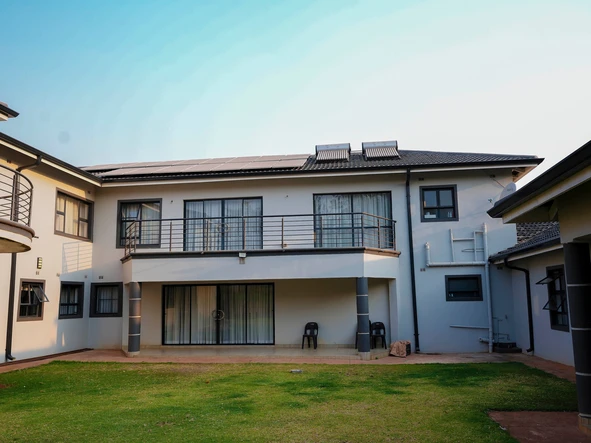
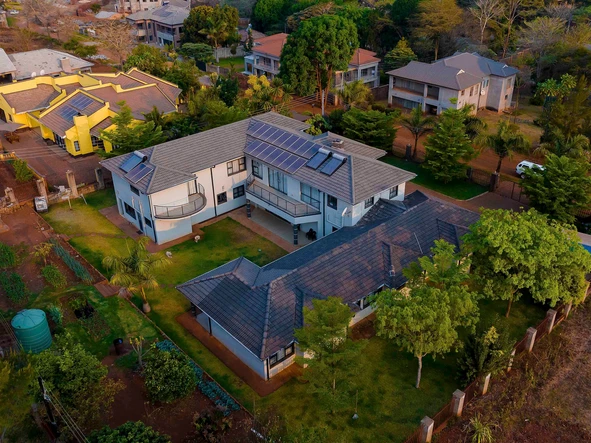
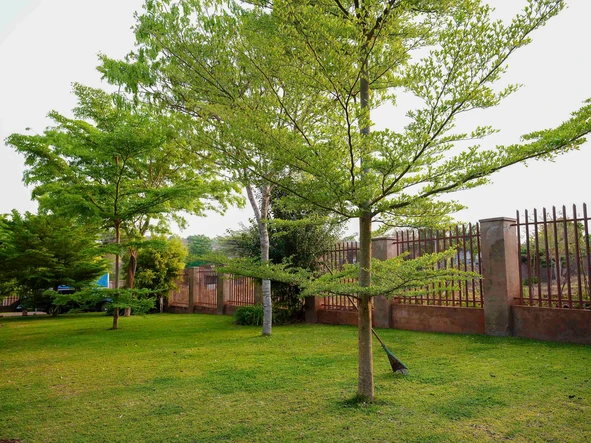
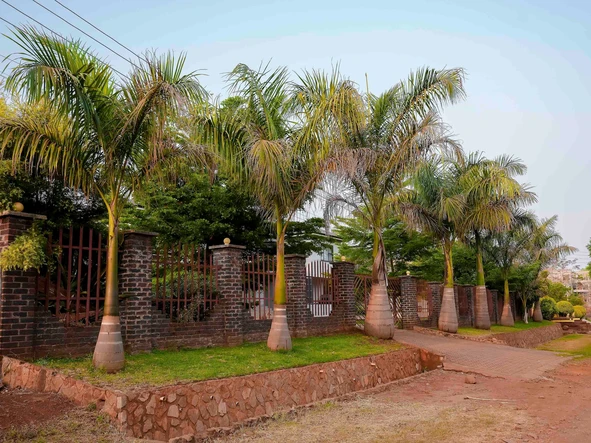
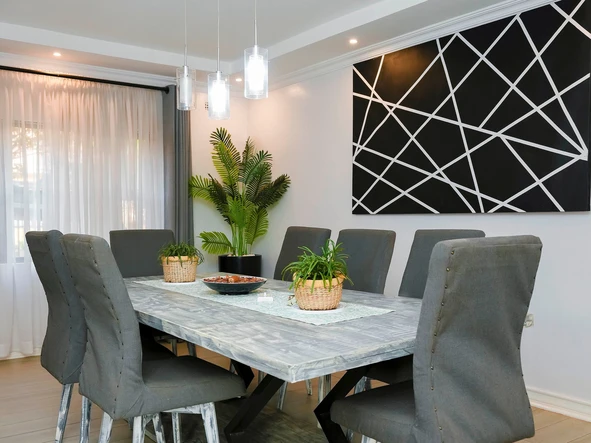
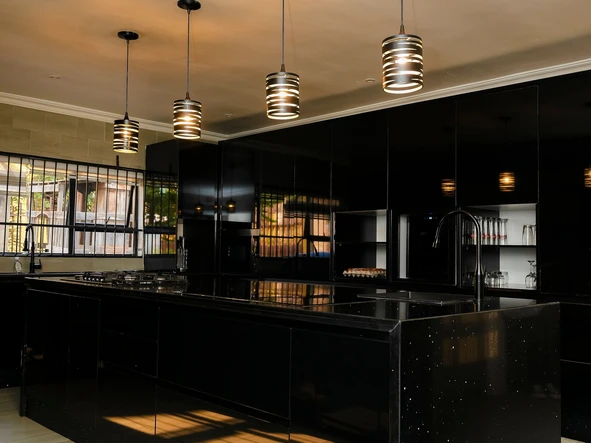
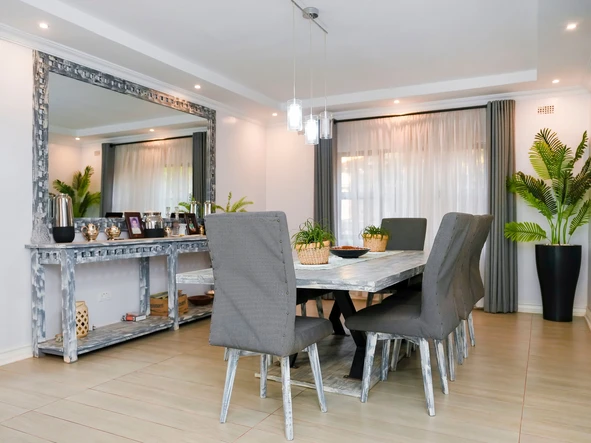
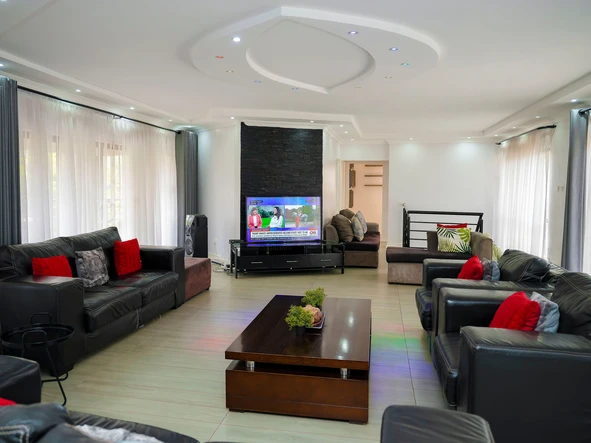
 2,400 m²