Log in to contact the seller
 Continue with Facebook
 Continue with Email
Continue with Facebook
Continue with Email
Sign up with Facebook
Continue with Email
Continue with Facebook
Continue with Email
Sign up with Facebook
 Change filters
 Requests


 2
2
 1
110 m²
1
110 m²


 2
1
200 m²
4
3
400 m²
3
120 m²
2
1
200 m²
4
3
400 m²
3
120 m²

 3
1
300 m²
3
2
150 m²
2
1
90 m²
3
1
300 m²
3
2
150 m²
2
1
90 m²
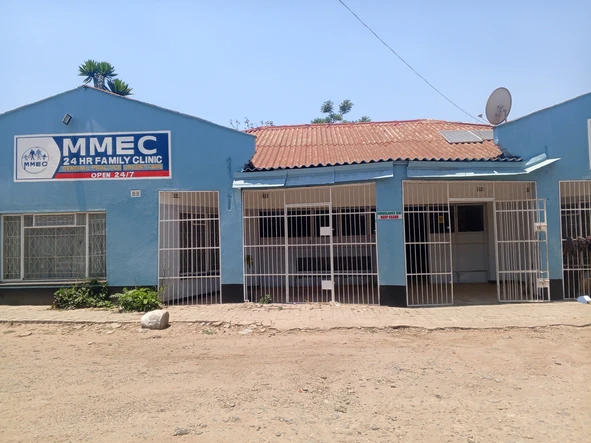
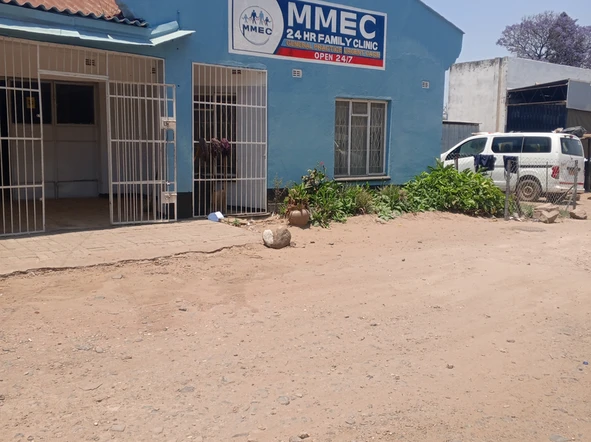
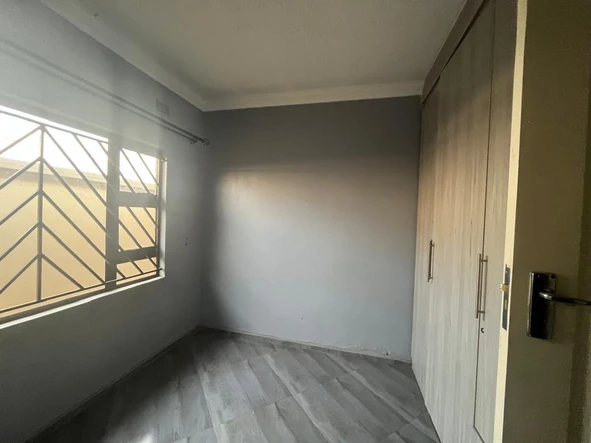
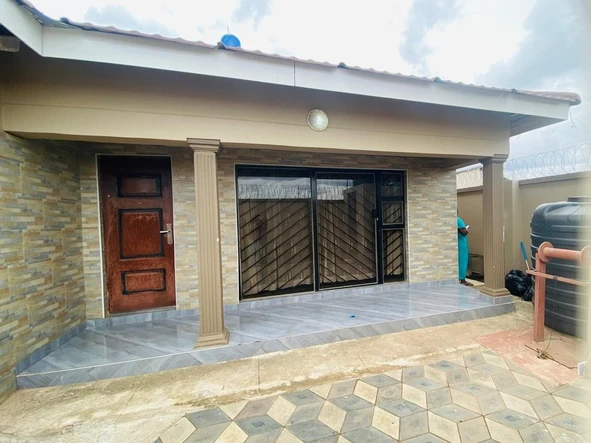
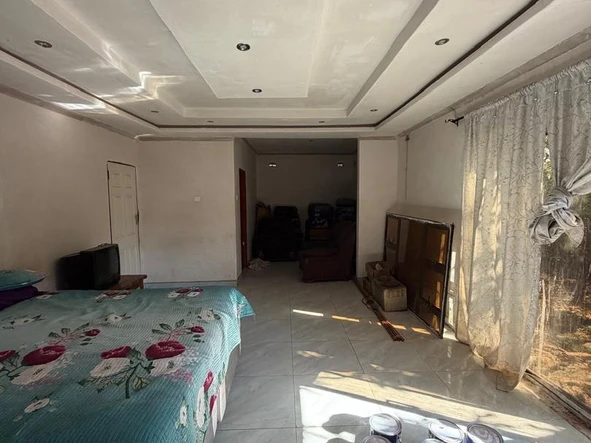
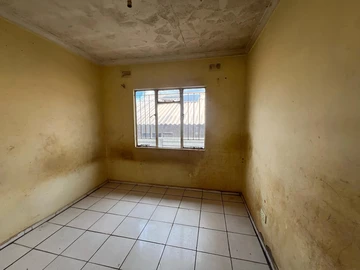
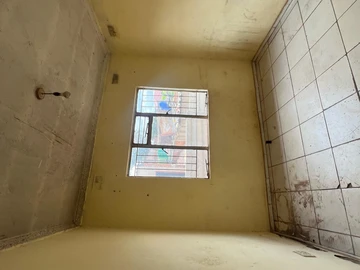
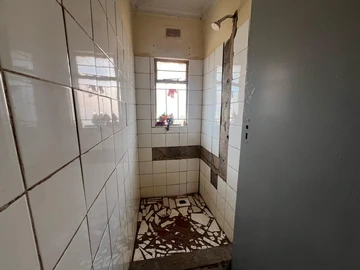
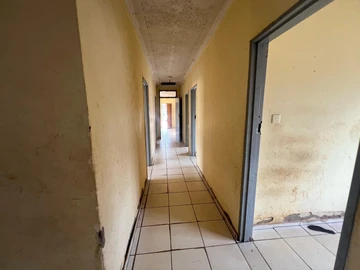
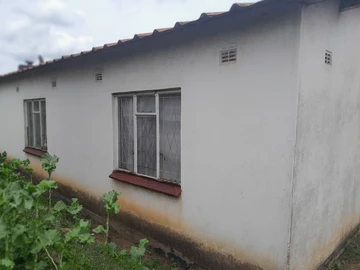
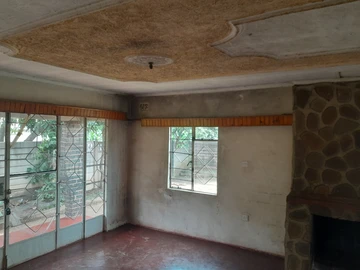
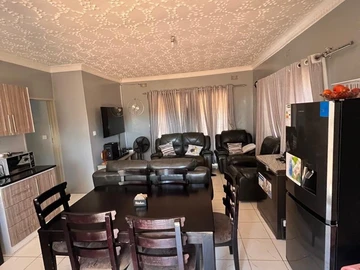
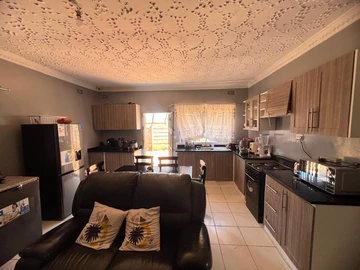
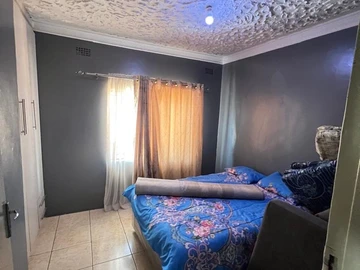
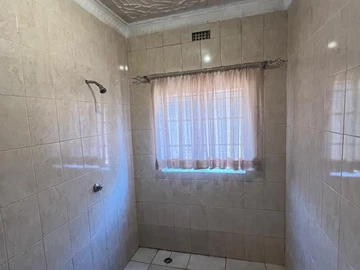
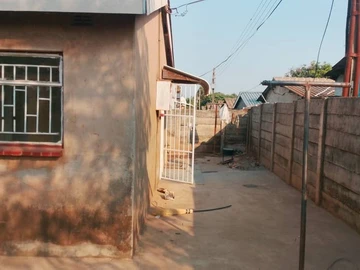
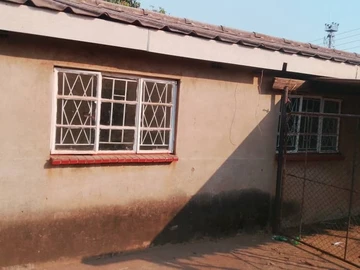
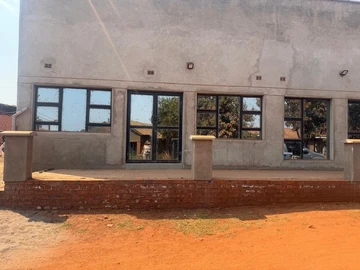
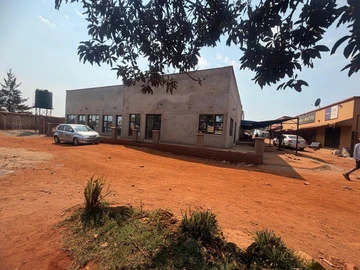
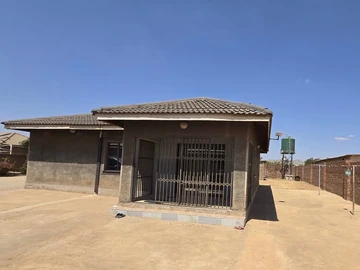
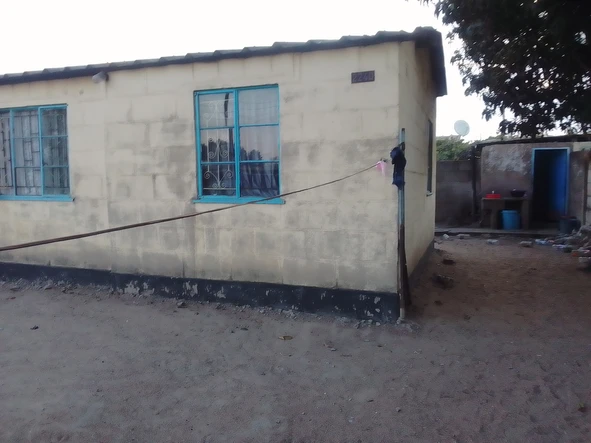
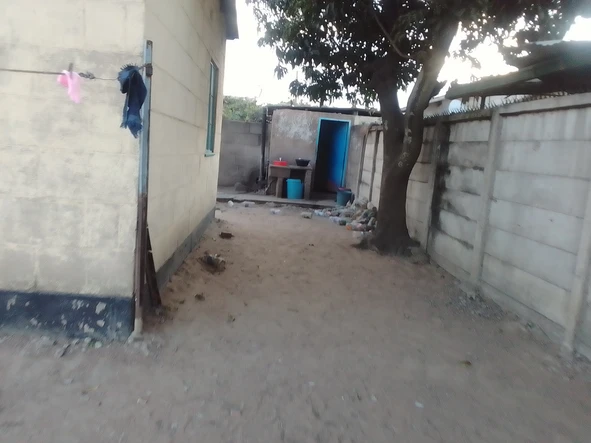
Properties for rent in Harare High Density, Harare, offer affordable housing options with an average monthly rent of $350 USD. These properties typically have a median land area of 300 ㎡ and a median property size of about 120 ㎡, with some larger units reaching up to 1,000 ㎡ in building size and land parcels as large as 5,000 ㎡.
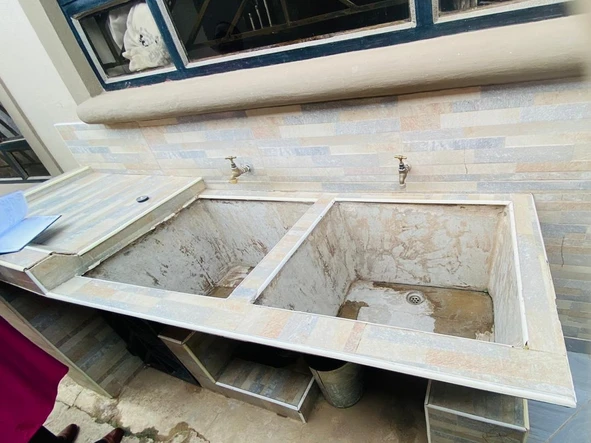
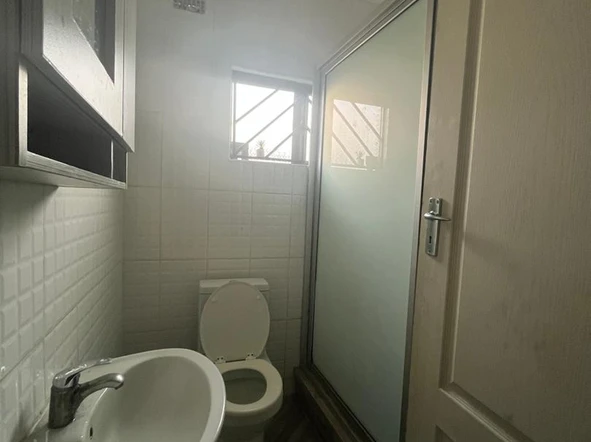
Many of the rental properties benefit from municipal water supply, which is a key feature for residents. The homes are generally modest in size, suitable for working-class families and young professionals seeking budget-friendly options. Prices start as low as USD 70, making this area accessible for those looking for affordable urban living.
Harare High Density is a lively and bustling area known for its strong community feel and dynamic urban lifestyle. The neighborhood includes access to important amenities such as local primary and secondary schools, clinics, and the nearby Parirenyatwa Group of Hospitals for advanced healthcare. Shopping needs are well served by local markets and the famous Mbare Musika Market, while the National Sports Stadium and Harare city center are within easy reach, providing entertainment and cultural activities. The area also offers a variety of affordable dining options, reflecting its diverse and vibrant community.
2
1
1 m²
3
1
300 m²
4
1
200 m²
2
2
90 m²
2
1
150 m²
1
2
200 m²

Be the first to see new properties for rent in Harare High Density











| Type | Avg. price |
|---|---|
| Overall | $350 |
| Houses (View 14 properties) | $400 |
| Commercial Property (View 7 properties) | $300 |
| Flats & Apartments (View 1 properties) | $210 |
Prices as of October 2026
Divorce in Zimbabwe? Learn how the Matrimonial Causes Act divides the family home, evaluates direct and indirect contributions, and protects both spouses.
Selling property without an agent in Zimbabwe may reduce commission, but it shifts pricing, legal and payment risks to the owner. Complete these seven checks.
Died without a will in Zimbabwe? Learn how the Deceased Estates Succession Act distributes property, protects surviving spouses, and handles estate claims.
Buying property in Zimbabwe? Learn how deeds, SG diagrams, beacons and surveys determine boundaries and complete seven checks before you pay.
Understanding municipal property rates in Zimbabwe: Learn how valuations are calculated, how to manage arrears, and how to access council discounts.














 210 m²