Log in to contact the seller
 Continue with Facebook
 Continue with Email
Continue with Facebook
Continue with Email
Sign up with Facebook
Continue with Email
Continue with Facebook
Continue with Email
Sign up with Facebook
 Change filters
 Requests


 5
5
 4
2,000 m²
4
2,000 m²


 9
700 m²
7
2
2,245 m²
9
700 m²
7
2
2,245 m²
 5
3
4,000 m²
5
3
4,000 m²
 6
6
500 m²
5
3
580 m²
6
6
500 m²
5
3
580 m²
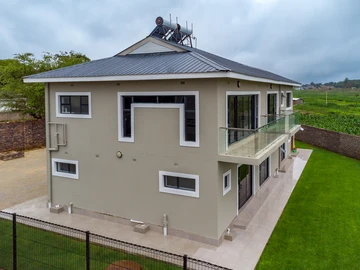
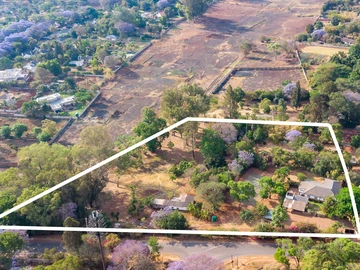
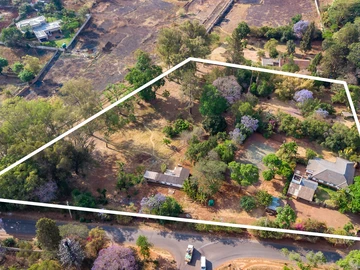
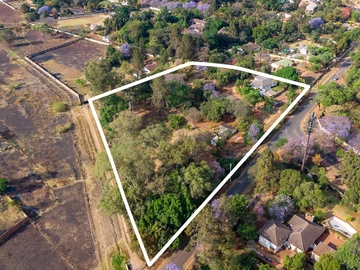
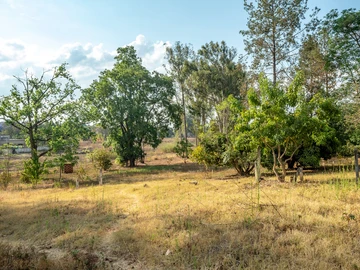
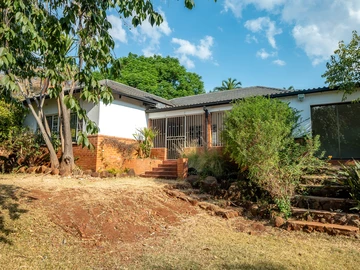
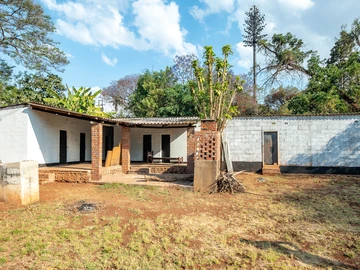
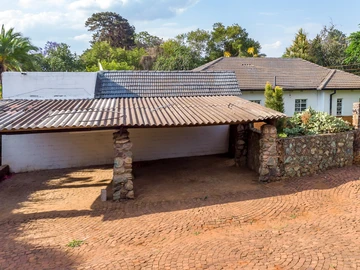
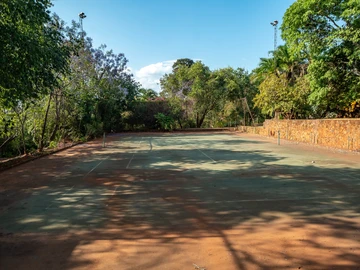
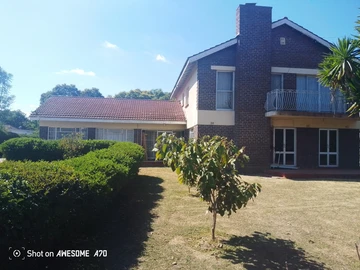
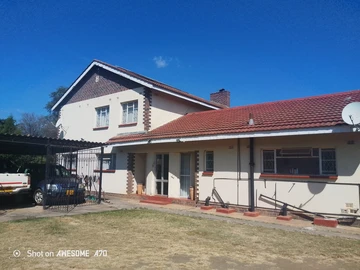
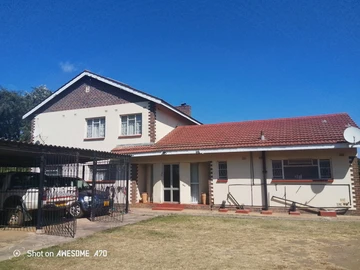
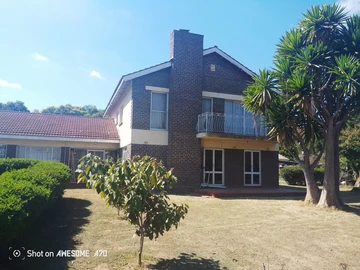
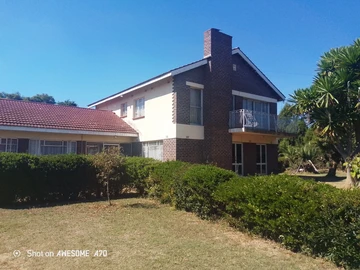
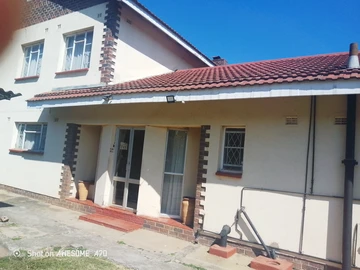
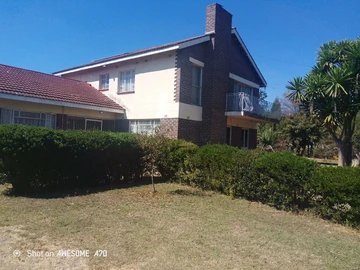
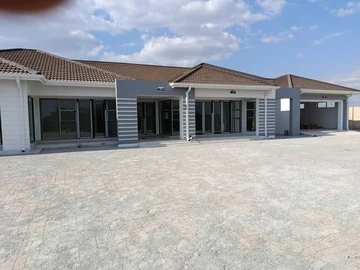
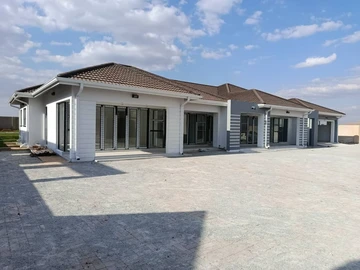
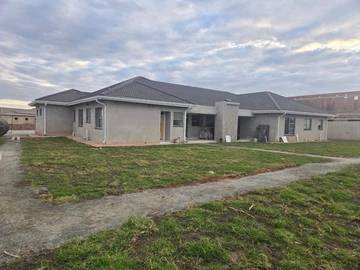
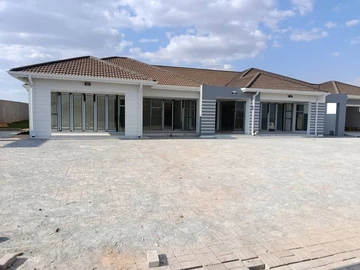
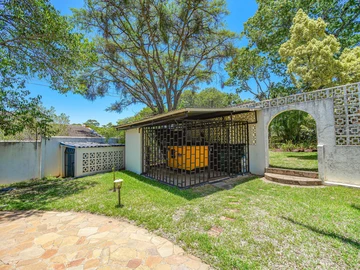
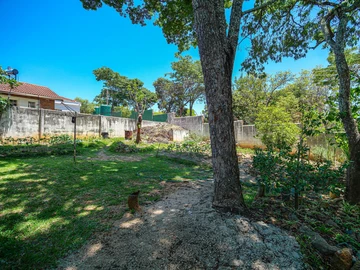
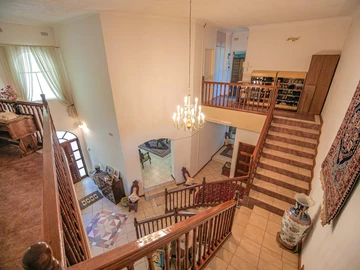
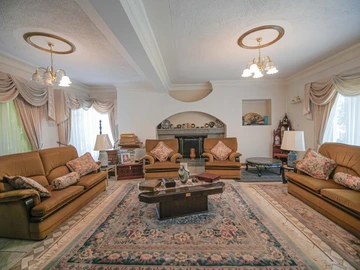
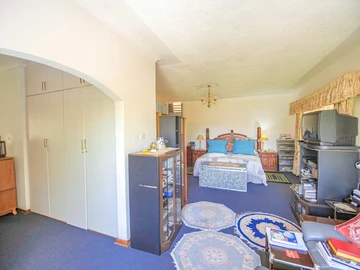
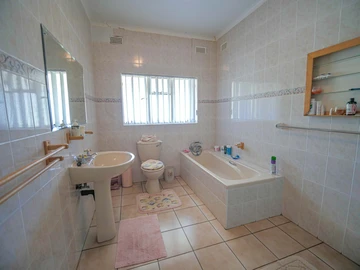
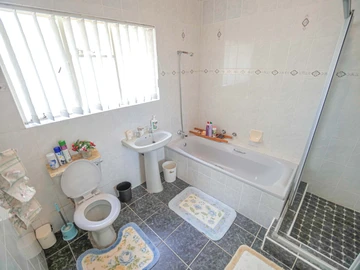
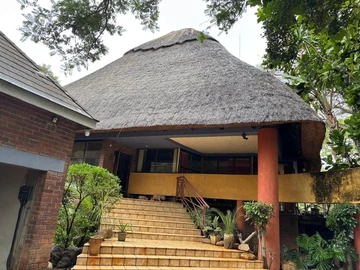
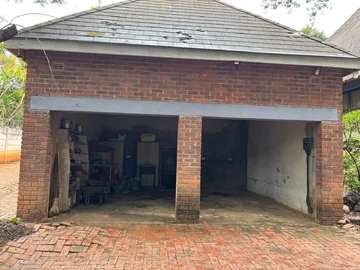
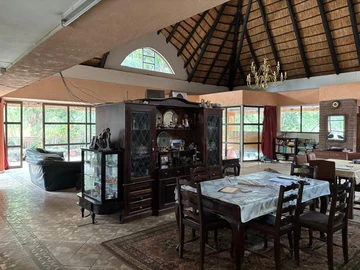
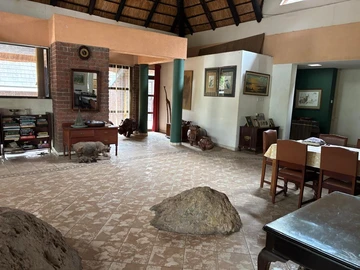
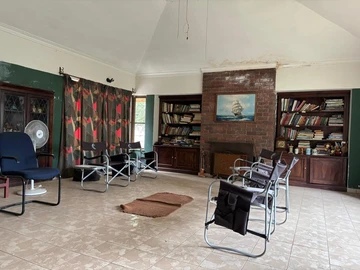
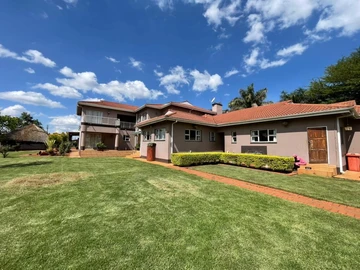
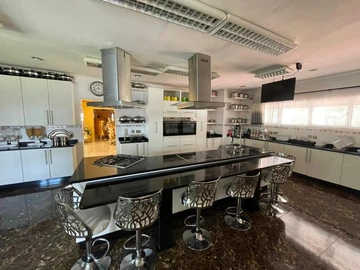
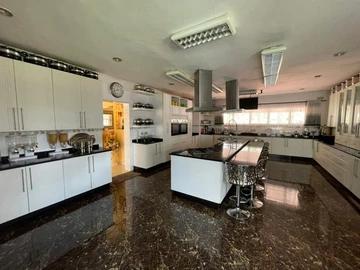
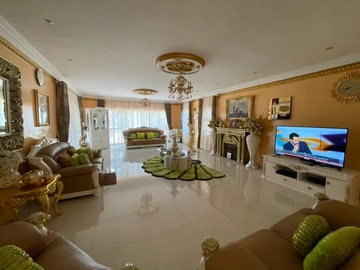
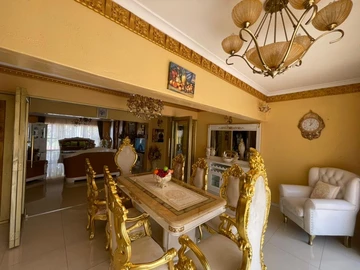
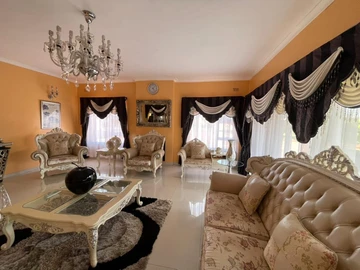
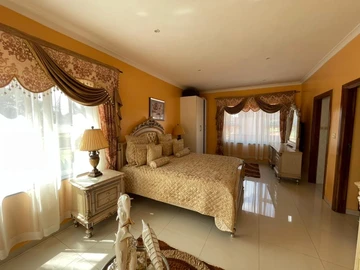
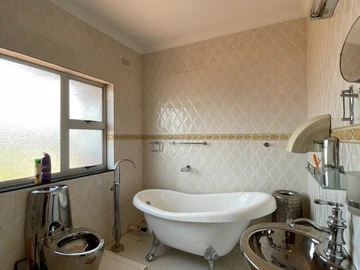
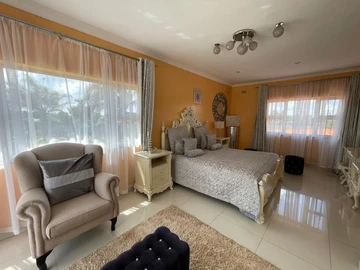
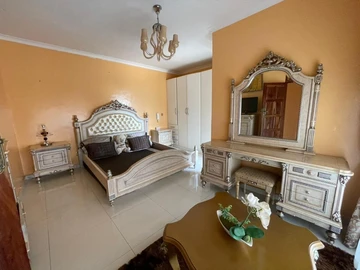
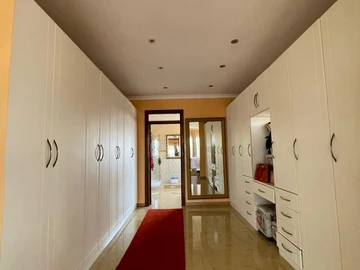
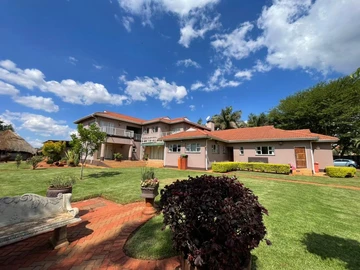
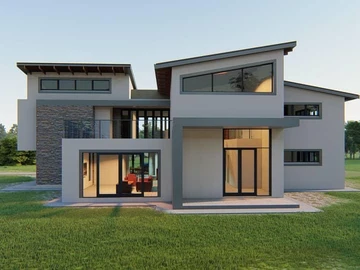
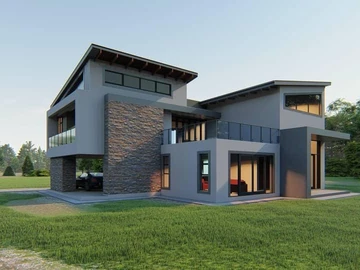
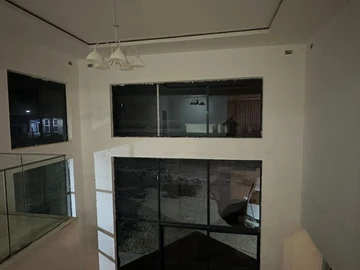
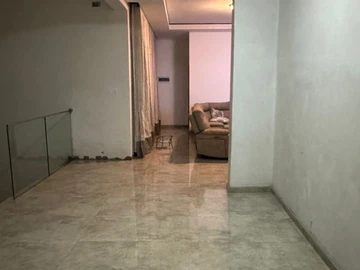
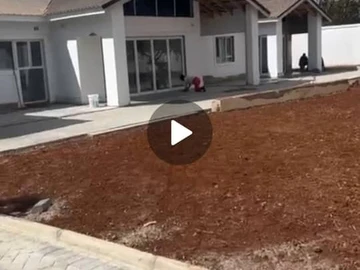
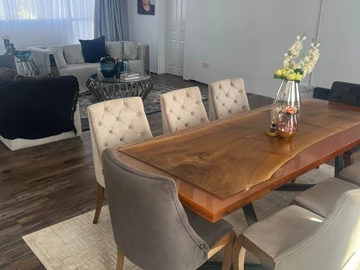
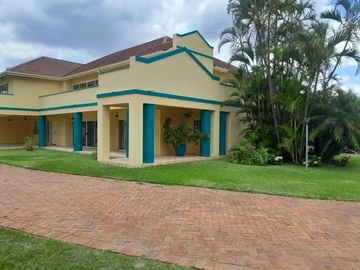
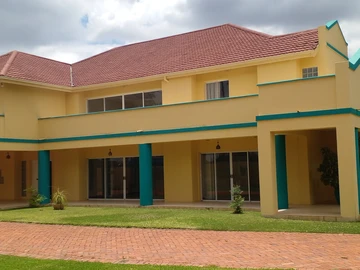
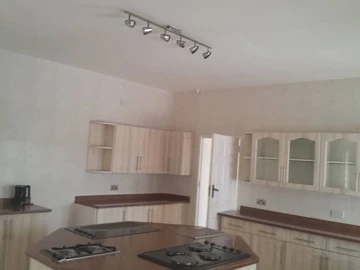
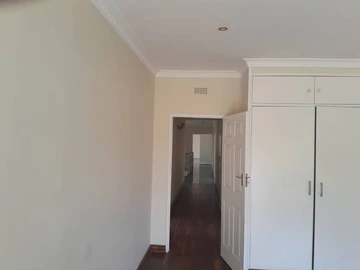
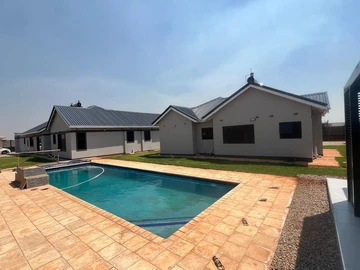
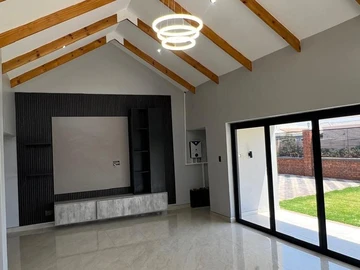
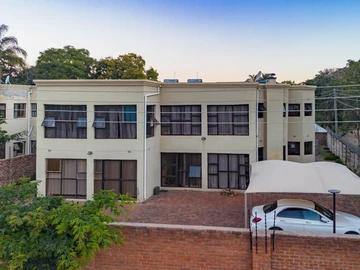
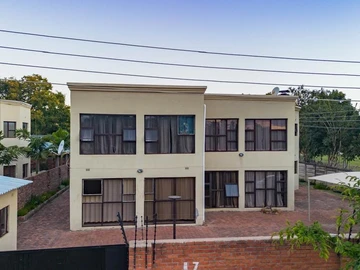
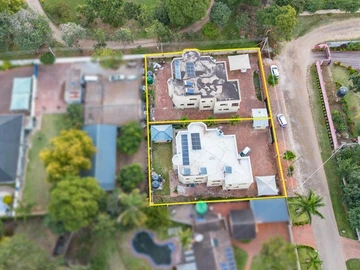
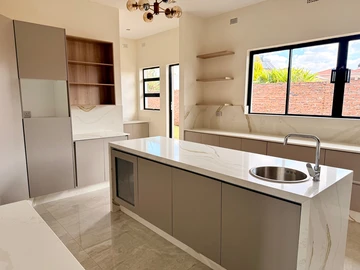
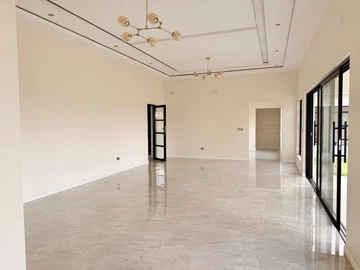
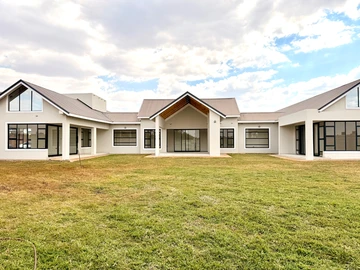
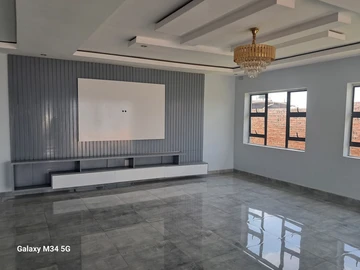
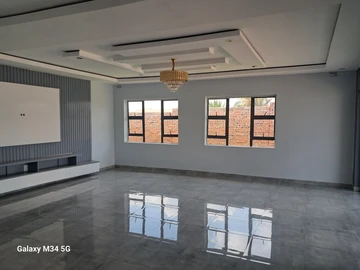
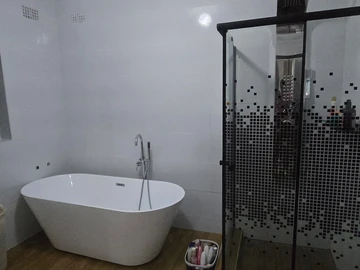
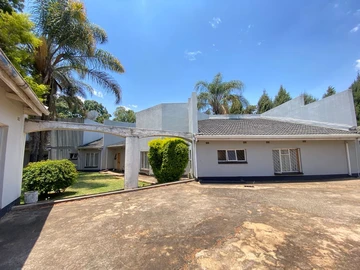
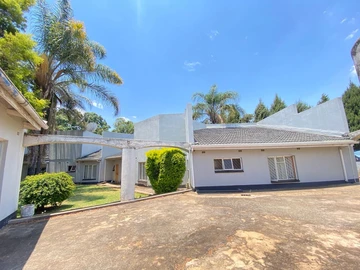
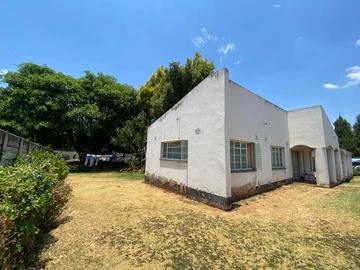
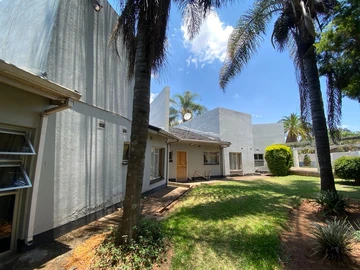
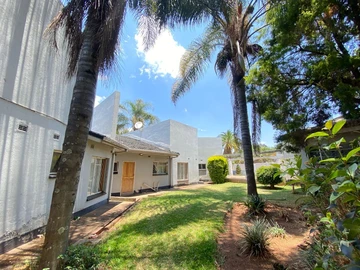
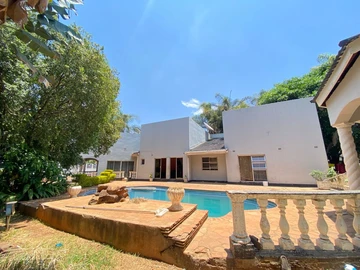
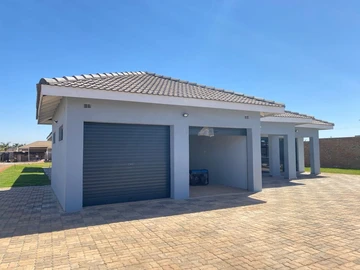
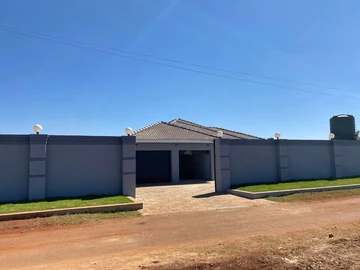
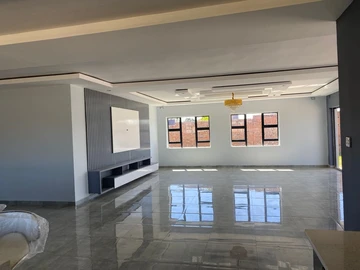
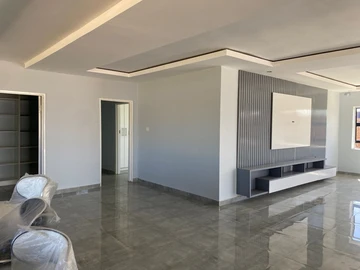
5+ bedroom properties for sale in Zimbabwe offer spacious living with an average price of $160,000. These homes typically sit on land parcels averaging 2,400 ㎡, with building sizes around 478 ㎡. Some properties feature very large land areas up to 28,328 ㎡ and house sizes reaching 4,384 ㎡, providing options for buyers seeking expansive estates.
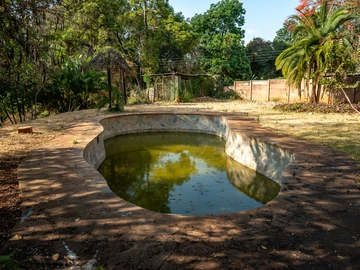
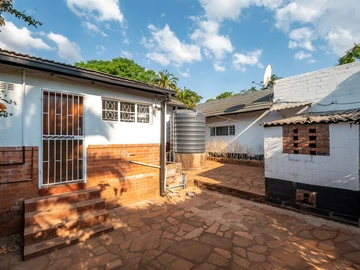
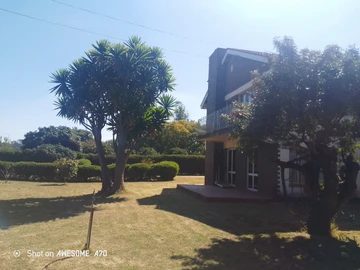
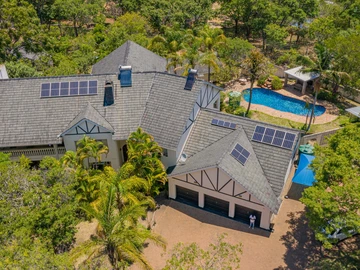
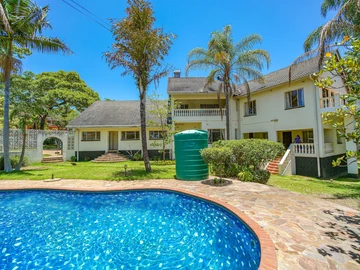
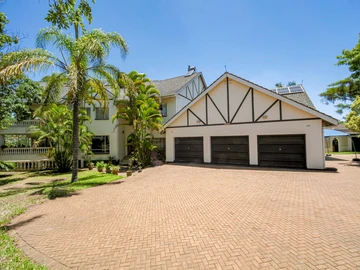
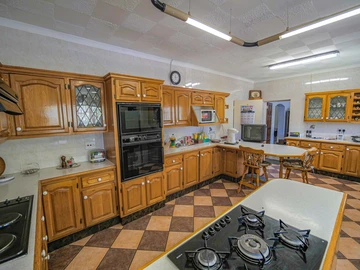
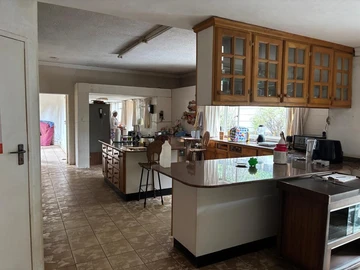
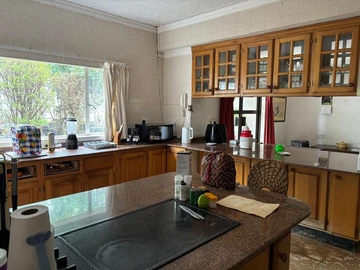
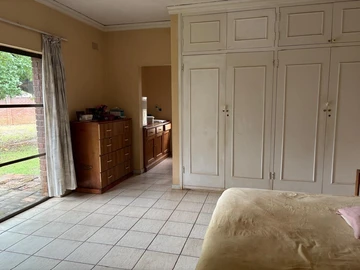
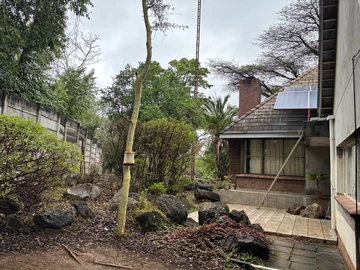
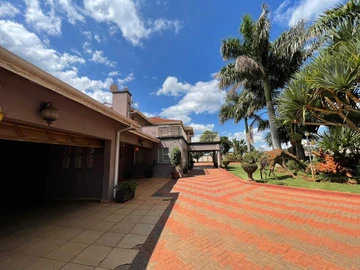
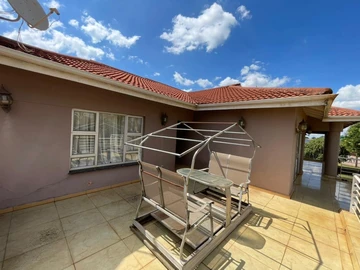
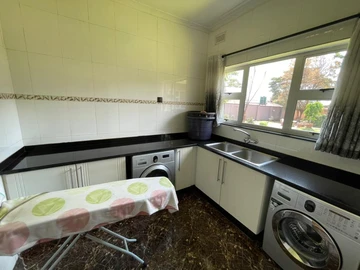
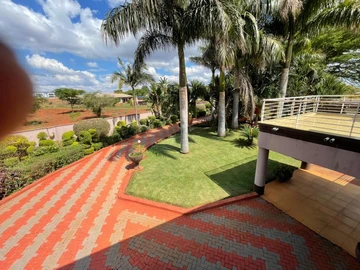
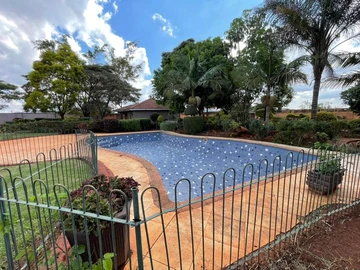
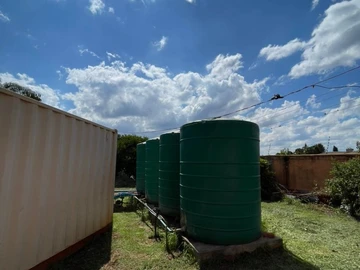
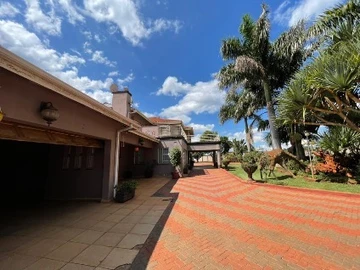
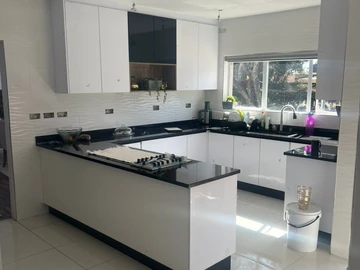
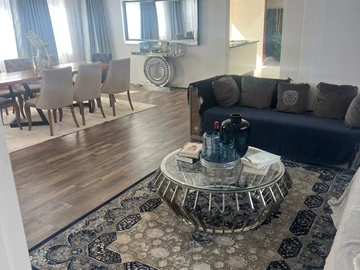
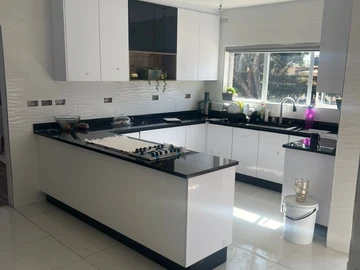
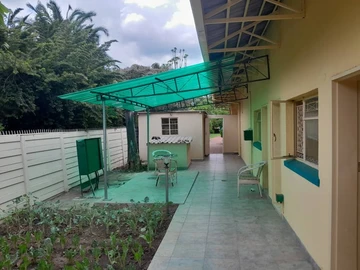
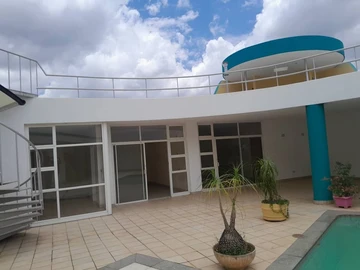
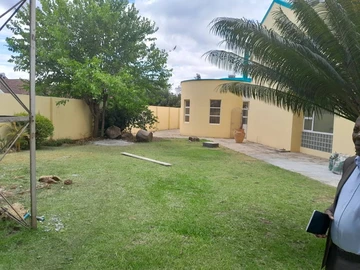
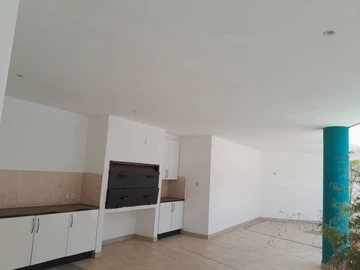
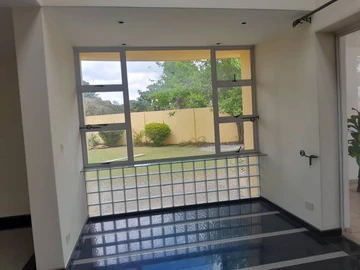
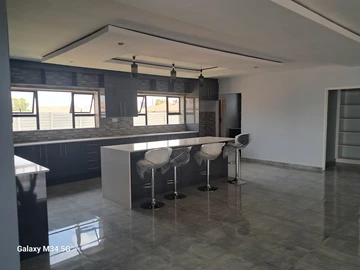
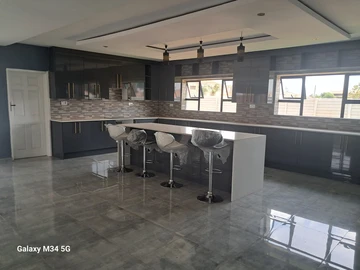
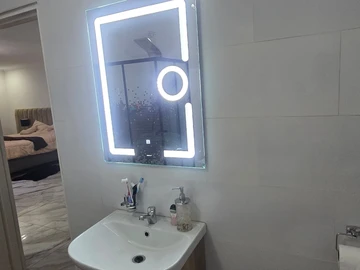
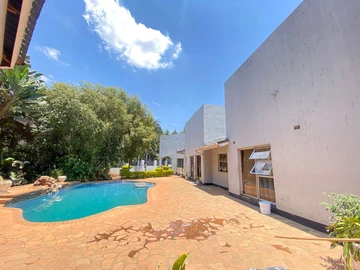
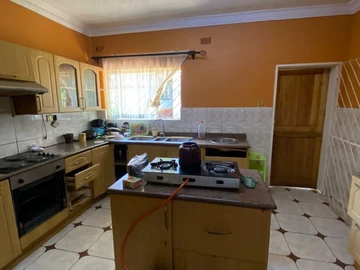
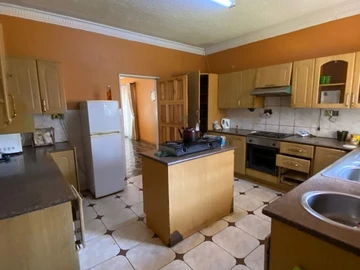
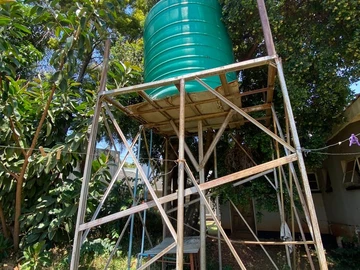
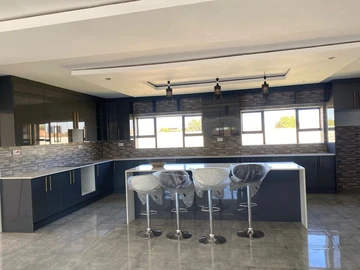
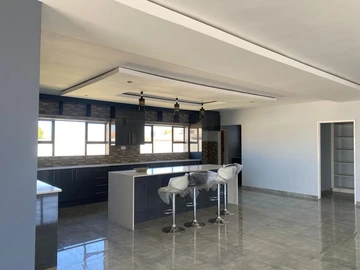
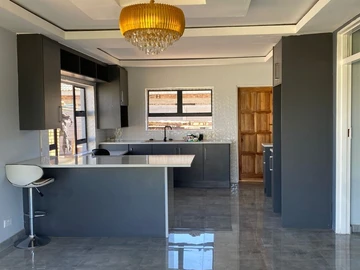
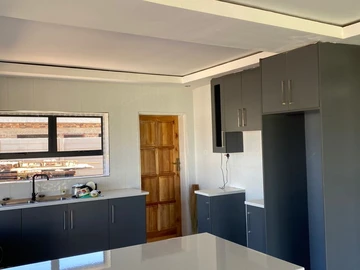
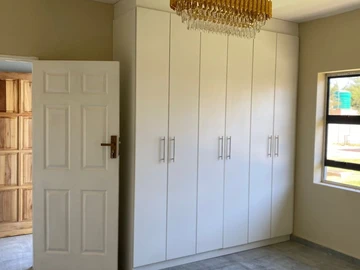
Many of these properties come with practical and desirable features such as boreholes, fitted kitchens, garages, gardens, and main en suite bedrooms. It is common to find tiled floors, walled compounds, verandahs, and water tanks, which add to the comfort and security of these homes. These amenities make the properties suitable for families looking for both luxury and functionality.
Zimbabwe’s diverse landscapes and cultural heritage provide a unique backdrop for these homes. Buyers can enjoy proximity to major urban centers like Harare and Bulawayo, where leading universities, hospitals, and shopping centers such as Sam Levy’s Village and Eastgate Mall are located. The country also offers access to natural attractions like Victoria Falls and several national parks, making it an appealing location for those valuing both city convenience and outdoor lifestyle.
5
6
720 m²
5
4
700 m²
5
4
250 m²
5
2
800 m²
5
4
455 m²
5
3
1,800 m²
36
18
1,800 m²

Be the first to see new properties for sale








| Property Size | Avg. price |
|---|---|
| Average price | $160,000 |
The modern Zimbabwean home in 2026 is defined by sustainable technology for resilience and a shift toward practical luxury in design. Key trends include colour
Deciding to renovate or relocate depends on your suburb's price ceiling renovating can yield 8–15% higher resale prices in high-value areas like Borrowdale
The holiday season in Zimbabwe is centered on the Ubuntu spirit of warm hospitality, requiring hosts to plan ahead for essentials like backup power
Discover the benefits of living in cluster developments vs standalone homes in Zimbabwe. Compare security, amenities, privacy, and investment potential for 2026
Compare 2026 property trends in Harare vs Bulawayo. Discover prices, rental yields, investment opportunities, and city-specific real estate insights
















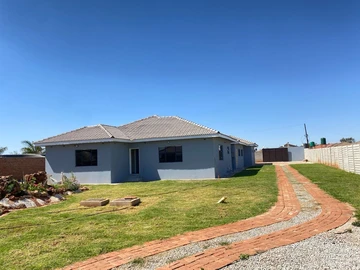
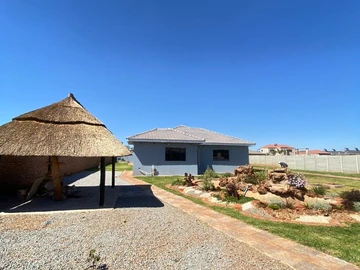
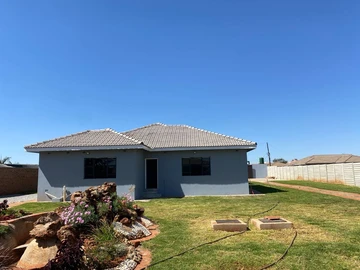
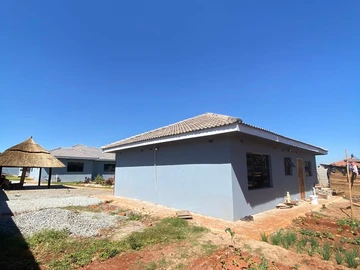
 2,000 m²