Log in to contact the seller
 Continue with Facebook
 Continue with Email
Continue with Facebook
Continue with Email
Sign up with Facebook
Continue with Email
Continue with Facebook
Continue with Email
Sign up with Facebook
 Change filters
 Requests


 1 m²
1 m²


 250 m²
1 m²
200 m²
216 m²
250 m²
1 m²
200 m²
216 m²

 3
3
 2
77 m²
3
2
77 m²
2
1
59 m²
222 m²
2
77 m²
3
2
77 m²
2
1
59 m²
222 m²
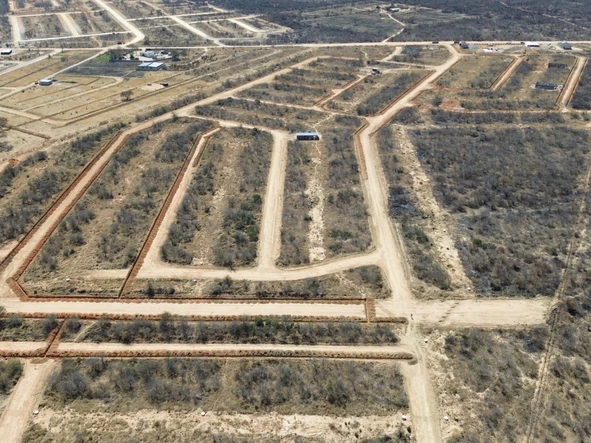
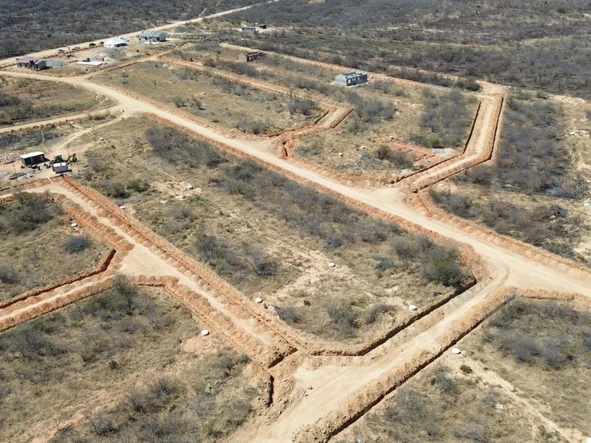
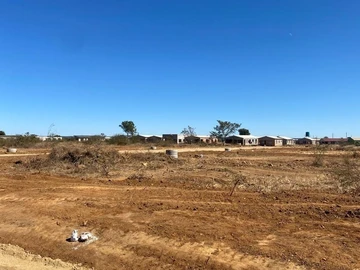
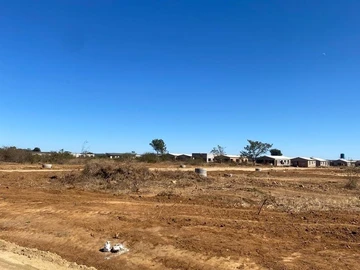
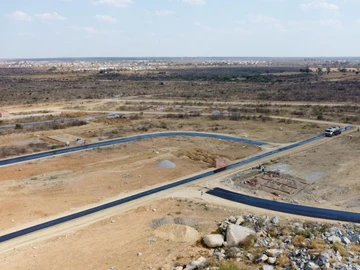
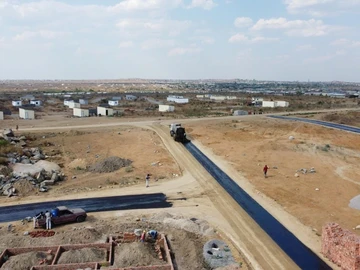
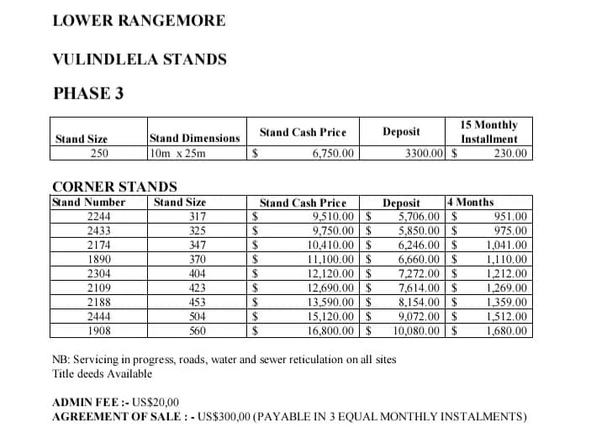
Properties for sale in Lower Rangemore, Bulawayo High-Density, offer affordable options for buyers with an average price of $33,750. The typical land size for these properties is around 250 ㎡, making them suitable for those looking for modest plots in a lively urban setting. Most properties do not have significant building sizes listed, focusing mainly on land availability.
The area features a mix of residential homes and small commercial activities, creating a dynamic and community-focused environment. Properties here are ideal for working-class families and young professionals seeking budget-friendly housing close to the city center. The affordability and land sizes make this a practical choice for first-time buyers or investors.
Lower Rangemore benefits from good transport connections with minibuses and taxis linking residents to Bulawayo’s central business district. Nearby amenities include several primary and secondary schools, public health clinics, and the large Mpilo Central Hospital. Recreational options like Hillside Dams Recreational Park and cultural sites such as the Bulawayo Railway Museum add to the neighborhood’s appeal. Shopping needs are met by local markets and larger centers like Hillside Shopping Centre, while a variety of local eateries provide diverse dining options.
168,000 m²
60,703 m²
250 m²
468 m²
328,000 m²
2
1
59 m²
330,000 m²
 250 m²
3
2
1 m²
250 m²
3
2
1 m²

Be the first to see new properties for sale in Lower Rangemore, Bulawayo High-Density










| Type | Avg. price |
|---|---|
| Overall | $33,750 |
| Houses (View 23 properties) | $38,000 |
| Land (View 23 properties) | $6,750 |
| Commercial Property (View 2 properties) | $118,000 |
Learn how servitudes affect property ownership, rights of way, and utility access in Zimbabwe. Protect your land title and avoid boundary disputes.
Get your home viewing ready in Zimbabwe. Follow our 2026 seller checklist covering curb appeal, solar & water setups, staging, and documentation.
Avoid costly disputes and legal delays. Learn the biggest mistakes families make when registering and distributing deceased estates under Zimbabwean law.
Who gets the house after divorce in Zimbabwe? Learn how courts divide matrimonial property, handle sole vs joint titles, and apply Section 7 of the Act.
Discover Patience Patongamwoyo’s vision for trust, leadership, and transforming the real estate industry to drive the future of property in Zimbabwe.