Log in to contact the seller
 Continue with Facebook
 Continue with Email
Continue with Facebook
Continue with Email
Sign up with Facebook
Continue with Email
Continue with Facebook
Continue with Email
Sign up with Facebook
 Change filters
 Requests

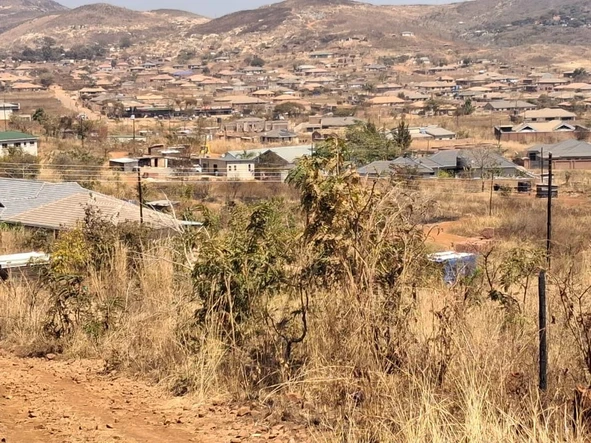


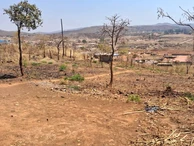

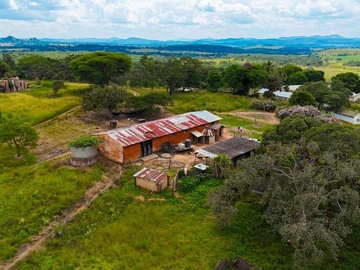
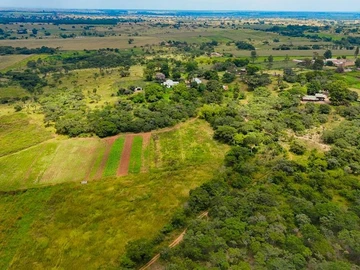
 2,000,000 m²



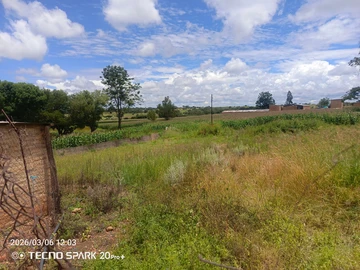
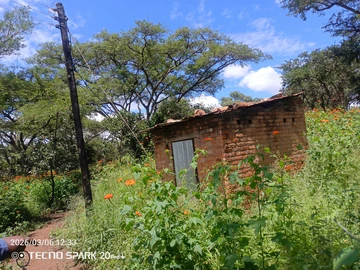
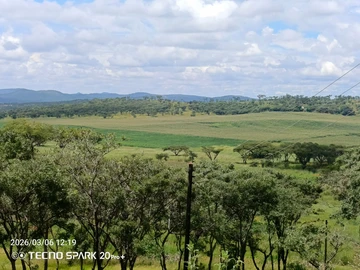
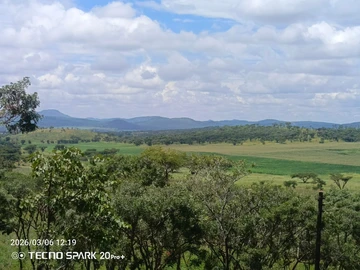
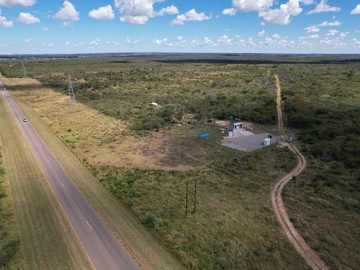
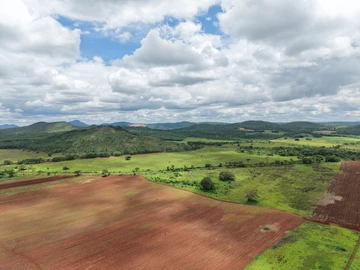
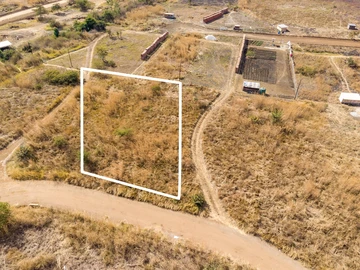
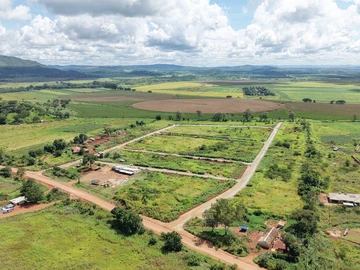
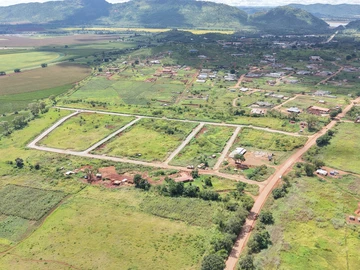
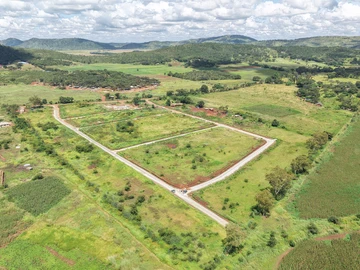
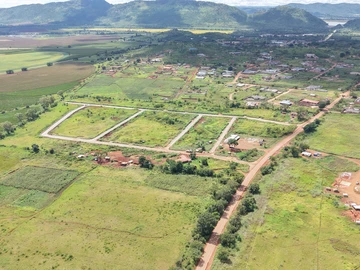
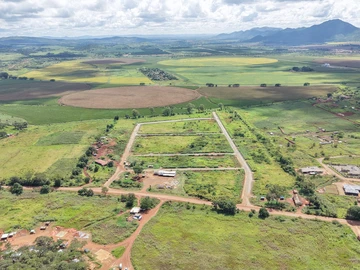
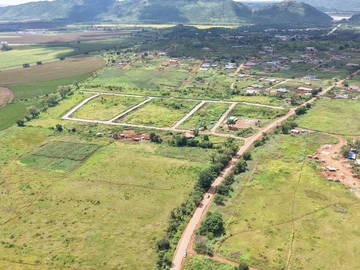
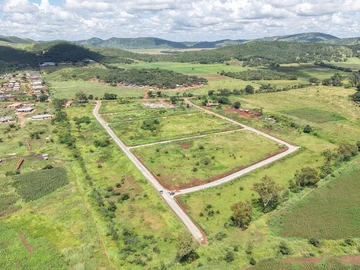
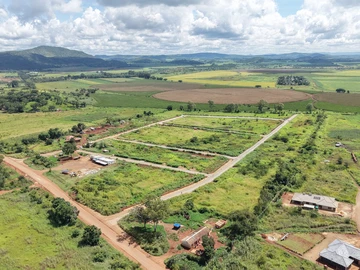
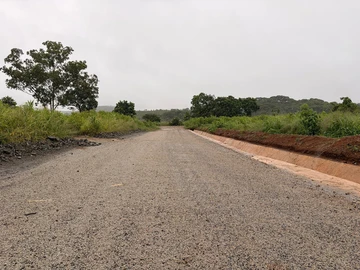
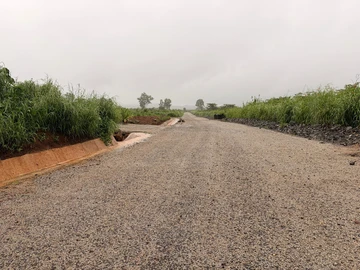
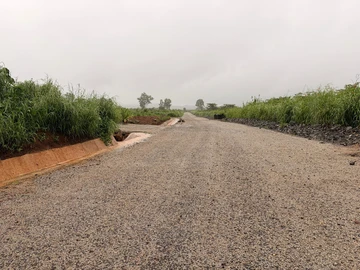
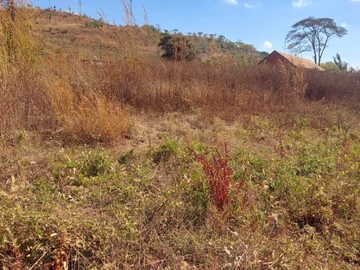
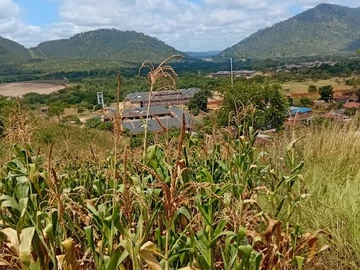
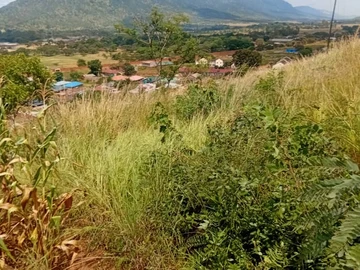
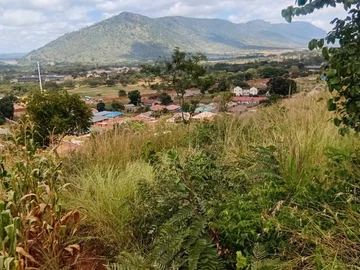
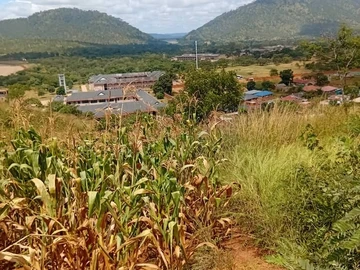
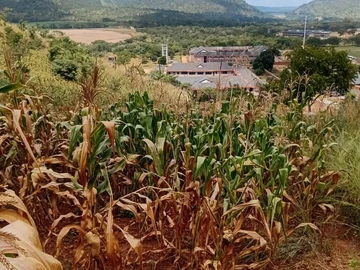
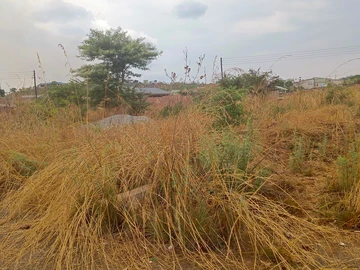
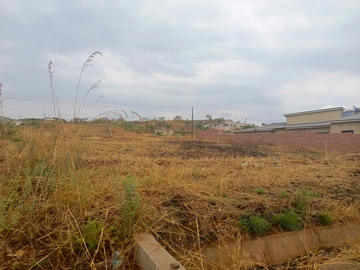
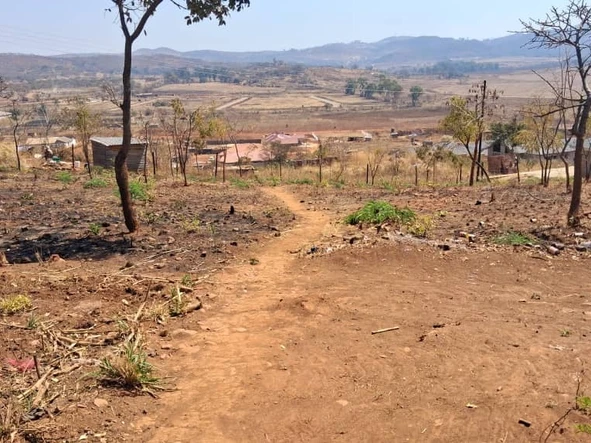
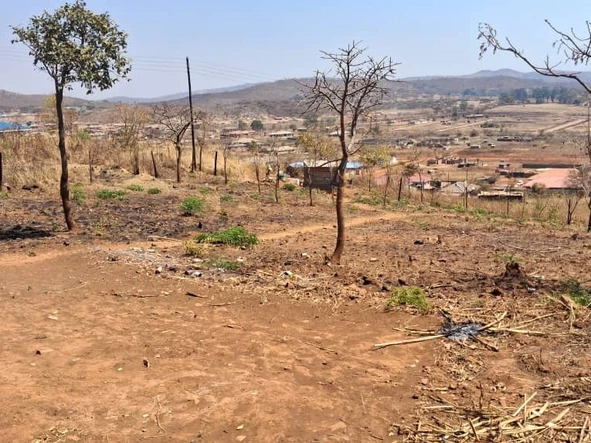
Properties for sale in Mazowe, Mashonaland Central, are attractively priced with the average price currently listed at $62,000. These properties mainly consist of land parcels, with sizes ranging from about 1,125 ㎡ up to a large 1,100,000 ㎡, and the median land area is around 2,700 ㎡. The prices start from USD 33,750, making these properties quite affordable for buyers interested in rural or agricultural land.
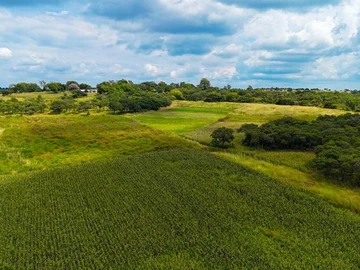
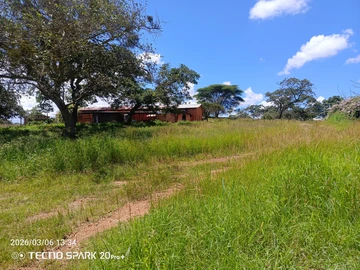
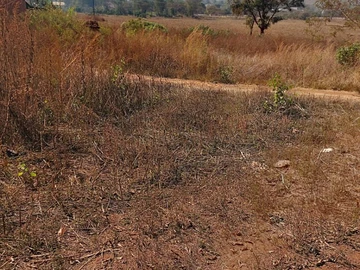
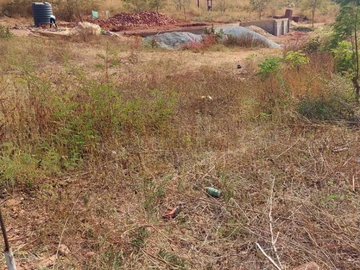
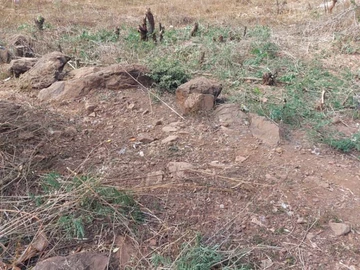
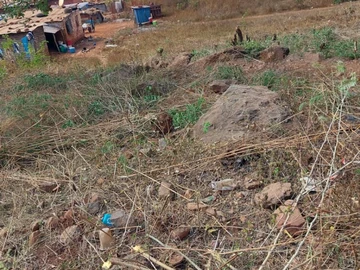
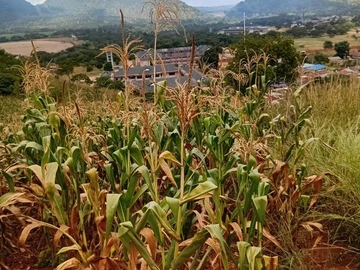
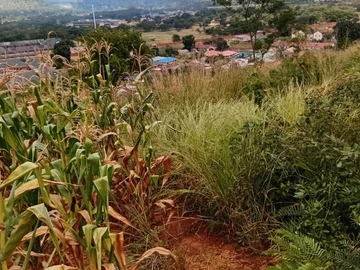
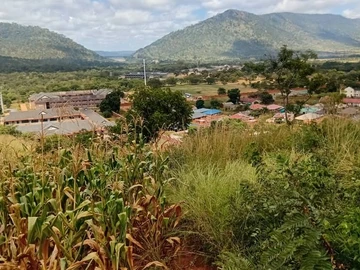
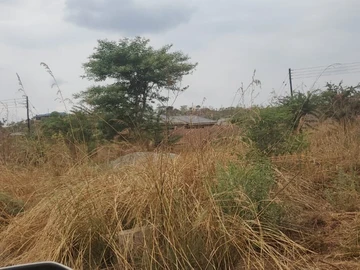
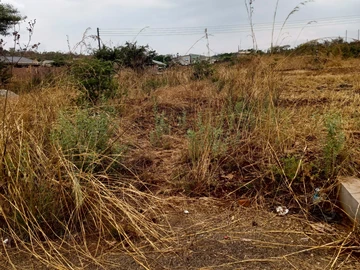
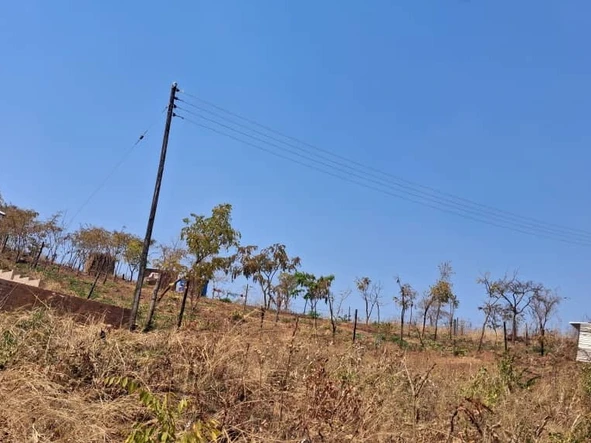
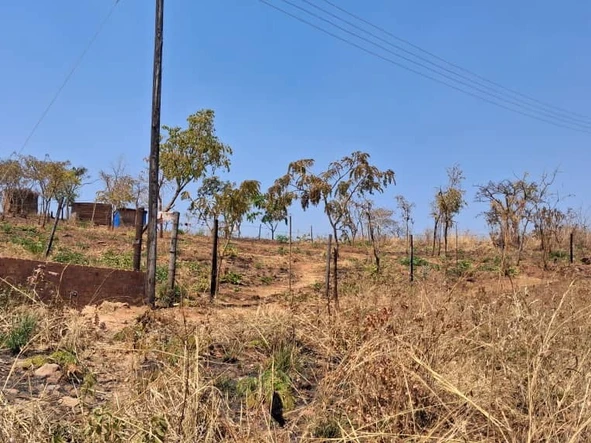
Most properties are undeveloped land, ideal for farming, horticulture, or investment in agricultural ventures. There are no buildings typically included, so these listings suit those looking for space to build or expand farming operations. The large land sizes available reflect the region’s focus on agriculture and open space rather than residential development.
Mazowe is a growing rural town known for its fertile land and agricultural heritage, including the Mazowe Citrus Estates. The area offers a peaceful lifestyle with scenic landscapes and outdoor activities around Mazowe Dam. Essential amenities include Mazowe Hospital, local schools, and markets in the town center. Good road connections to Harare and public transport options like minibuses and taxis make commuting and goods transport convenient, supporting both residents and agribusinesses.
4,000 m²
1,550 m²

Be the first to see new properties for sale in Mazowe











| Type | Avg. price |
|---|---|
| Overall | $62,000 |
| Land (View 10 properties) | $47,500 |
| Houses (View 3 properties) | $135,000 |
Prices as of October 2026
Buying a housing stand in Zimbabwe? Inspect title deeds, subdivision permits, compliance certificates, and seller IDs before making any payment.
Can someone claim your land in Zimbabwe? Learn how 30 year acquisitive prescription works, the legal risks involved, and how to protect your property title.
Explore October 2026 Property Pulse insights on the Zimbabwean real estate market, where high buyer demand outpaces limited housing supply across major areas.
Built a house on land registered in your partner's name? Learn your legal rights in Zimbabwe, tacit universal partnerships, and unjust enrichment claims.
Planning to convert or buy commercial property? Understand Zimbabwe’s change of use rules, 2026 Harare fees, timelines and approval risks.













 4
4
 2
2