Continue with Facebook
 Continue with Email

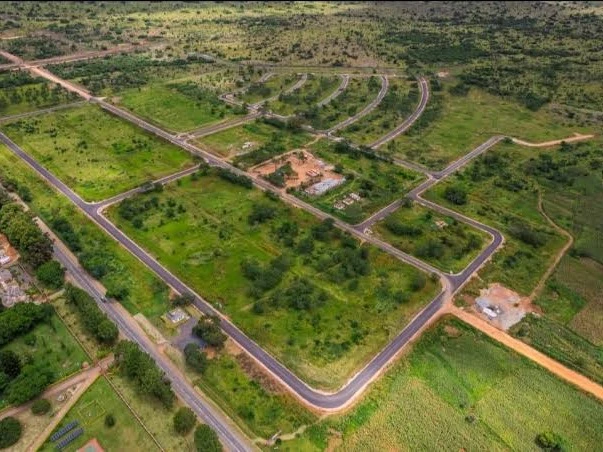
Table of Contents
- What Is Property Due Diligence?
- 1. Establish Who Owns the Land
- 2. Confirm That the Stand Actually Exists as a Legal Subdivision
- 3. Check the Zoning and Permitted Use
- 4. Verify the Developer's Planning Approvals
- 5. Don't Confuse "Serviced" With "Planned"
- 6. Check the Actual Progress on the Ground
- 7. Verify the Survey and Stand Boundaries
- 8. Understand What Title You Will Receive
- 9. Check for Restrictions, Servitudes and Other Encumbrances
- 10. Have a Professional Review the Transaction
- The 5 Documents I Would Ask For First
- Red Flags When Buying a Residential Stand
- A Simple Stand Buying Due Diligence Checklist
- The Golden Rule: Verify Before You Pay
A beautiful stand in a promising development can look like the perfect investment. But before you pay your deposit, ask one question: “What exactly am I buying?”
Buying land is often presented as straightforward. You find a development you like. You choose your stand. You agree on the price. You pay your deposit.
But a stand can look perfectly legitimate on a sales brochure while important questions about ownership, subdivision, planning approval, servicing, title and development rights remain unanswered.
That is why property due diligence matters.
Zimbabwe's housing shortage continues to create significant demand for residential land. The Ministry of National Housing and Social Amenities currently puts the national housing backlog at more than 1.25 million units, while also highlighting shortages in supporting social infrastructure.
For buyers, that demand creates opportunities but it can also create pressure to “buy now before the price goes up.”
Don't let urgency replace due diligence.
What Is Property Due Diligence?
Property due diligence is the process of investigating a property and the transaction surrounding it before committing your money. For a residential stand, this means going beyond:
“The developer says the stand is available.”
You want to establish:
- Who owns the underlying land?
- Does the seller/developer have the right to sell it?
- Has the land been properly subdivided?
- Is the subdivision approved?
- Is the intended residential use permitted?
- Has the development received the necessary planning approvals?
- What infrastructure must the developer provide?
- Has that infrastructure actually been delivered?
- What form of ownership or title will you ultimately receive?
- Are there restrictions, servitudes or other conditions affecting the property?
In short: Don't just verify the stand. Verify the entire development behind the stand.
1. Establish Who Owns the Land
This should be one of your first checks. Ask the developer or seller to provide evidence of the underlying land ownership and the legal basis on which the development is being undertaken.
Depending on the development, this may involve examining:
- Parent title deed.
- Deed details.
- Leasehold documentation.
- Relevant agreements.
- Subdivision documentation.
- Other evidence of the developer's interest in the land.
Why does the parent title matter?
Because individual stands may be created from a larger parcel of land. The legal conditions attached to that underlying property can affect what can ultimately be done with the land.
Zimbabwe's Urban Councils Act places a duty on councils to ensure that conditions of title to land within their areas are properly observed.
Ask the developer: “What is the parent property from which these stands are being created, and can I see the relevant documentation?”
If the answer is vague, don't ignore it.
2. Confirm That the Stand Actually Exists as a Legal Subdivision
This is particularly important when buying from a large residential development. A developer may show you:
- A site plan.
- A marketing map.
- A stand number.
- A GPS location.
But a marketing map isn't necessarily proof that the subdivision has received the required planning approvals.
Zimbabwe's Regional, Town and Country Planning Act regulates subdivision and development permissions. The Act provides that certain subdivisions cannot proceed without the required permit.
Ask for evidence of:
- Approved subdivision.
- Development permit.
- Approved layout plan.
- Relevant planning approvals.
The exact documentation will depend on the development and the relevant authority.
3. Check the Zoning and Permitted Use
Just because land is being marketed as a residential stand doesn't automatically mean every possible residential use is permitted in exactly the way you expect.
Check the applicable:
- Local plan.
- Master plan.
- Approved scheme.
- Zoning requirements.
- Planning conditions.
The Regional, Town and Country Planning Act provides for planning controls through master plans, local plans and approved schemes, as well as development permits.
This matters if your plans include:
- A large family home.
- Multiple dwelling units.
- A cluster development.
- A guesthouse.
- Rental accommodation.
- Commercial activity.
- Subdivision.
- Further development.
Don't ask only: “Can I build a house here?”
Ask: “What development and land use is legally permitted on this stand?”
4. Verify the Developer's Planning Approvals
A legitimate development should have gone through the appropriate planning process. Depending on the project, documentation may include:
- Parent title documentation.
- Approved subdivision plans.
- Development permits.
- Planning approvals.
- Engineering approvals.
- Survey documentation.
- Environmental approvals where applicable.
The Regional, Town and Country Planning Act allows local planning authorities to impose conditions on development permits, including requirements relating to works and the implementation of development.
This is important because approval of a development and completion of the development are not the same thing.
5. Don't Confuse "Serviced" With "Planned"
This is one of the most important checks when buying a stand. A developer may describe a development as:
- Serviced.
- Partially serviced.
- Fully serviced.
- Infrastructure in progress.
- Ready for construction.
But what exactly does that mean?
Ask specifically about:
Roads
- Are roads constructed?
- Are they weather accessible?
- Are they engineered and approved?
Water
- What is the water source?
- Is there a municipal connection?
- Is a borehole system being used?
- Has the infrastructure been commissioned?
Sewer
- Is there a sewer network?
- Has it been approved?
- If not, what alternative system is proposed?
Electricity
- Is electricity connected?
- Are connections available to each stand?
- What is the expected connection timeline?
Stormwater drainage
- How will stormwater be managed?
- Are there drainage systems?
Other infrastructure
- Street lighting?
- Roads?
- Telecommunications?
- Public open spaces?
- Schools or community facilities where applicable?
A stand is only as useful as your ability to access, service and legally develop it.
6. Check the Actual Progress on the Ground
Don't rely entirely on documents. Visit the development. Compare what you see with what you were promised. For example:
Developer says: Roads are 80% complete.
You should ask: What does 80% complete actually mean?
Look at:
- Road construction.
- Stormwater drainage.
- Water infrastructure.
- Sewer infrastructure.
- Electricity infrastructure.
- Stand demarcation.
- Survey beacons.
- Construction activity.
Take photographs and record the date of your inspection. If possible, visit at different times and after rainfall.
A development that looks impressive during a dry season site visit can tell a very different story after heavy rain.
7. Verify the Survey and Stand Boundaries
Before construction begins, you need confidence that the stand you purchased corresponds to the stand shown in the documentation.
Ask about:
- Cadastral survey.
- Survey diagrams.
- Stand dimensions.
- Beaconing.
- Stand number.
- Boundary confirmation.
A professionally surveyed stand should be identifiable on the relevant survey documentation.
Don't simply rely on: “Your stand is the third one on the left after the big tree.”
Your property investment deserves something more precise.
8. Understand What Title You Will Receive
This is a critical question that buyers sometimes ask too late. Before paying, ask:
“What exactly will I receive after completing payment?”
Possible arrangements can differ depending on the development and transaction structure. Ask whether you will receive:
- Individual title.
- Transferable leasehold rights.
- A registered lease.
- An agreement pending transfer.
- Another form of legally recognised interest.
Also ask:
- Who will facilitate transfer?
- When can transfer occur?
- What conditions must be satisfied?
- Who pays transfer related costs?
- Are there outstanding requirements before title can be issued?
Don't buy based on the promise of “title coming soon” without understanding what that actually means.
9. Check for Restrictions, Servitudes and Other Encumbrances
A stand may have restrictions affecting how it can be used. These can include matters relating to:
- Roads.
- Utility wayleaves.
- Sewer infrastructure.
- Drainage.
- Access.
- Building restrictions.
- Easements/servitudes.
- Mortgage or other registered interests.
This is another reason why checking the underlying land documentation and relevant planning records is important. A stand can be physically available but still have legal or planning constraints that affect its use.
10. Have a Professional Review the Transaction
For a significant property purchase, consider using appropriately qualified professionals. Depending on the transaction, this may include:
Conveyancer / legal practitioner
To review:
- Sale agreement.
- Ownership documentation.
- Transfer arrangements.
- Legal restrictions.
- Contractual obligations.
Registered property valuer
Particularly where you want an independent assessment of:
- Market value.
- Comparable properties.
- Investment value.
Estate agent
A registered estate agent can provide market context and assist with transaction related property information.
Relevant local authority
For confirmation of:
- Planning status.
- Approved development.
- Zoning.
- Infrastructure requirements.
- Development conditions.
The developer should not be your only source of verification.
The 5 Documents I Would Ask For First
If you're considering buying a stand, start by requesting:
- Parent title documentation
- Approved subdivision/layout documentation
- Relevant development/planning permit
- Evidence of servicing/infrastructure approvals and progress
- Draft agreement of sale
Depending on the development, additional documents may be required. Don't be discouraged if the documentation is technical. That's precisely why professional due diligence exists.
Red Flags When Buying a Residential Stand
Be particularly cautious if:
🚩 You are pressured to pay immediately because “there are only two stands left.”
🚩 The developer refuses to provide supporting documentation.
🚩 The stand appears on a marketing map but its legal status is unclear.
🚩 You are told that approvals are “coming soon.”
🚩 The development has no clear explanation of how water and sewer will be provided.
🚩 Infrastructure promises have no clear implementation timeline.
🚩 The developer cannot clearly explain what title or legal interest you will receive.
🚩 You are asked to pay into an unrelated individual's account without a clear contractual explanation.
🚩 The seller's name does not correspond with the ownership/development documentation and nobody can explain why.
🚩 You are discouraged from using an independent lawyer or professional adviser.
Pressure is not proof of legitimacy.
A Simple Stand Buying Due Diligence Checklist
Before paying your deposit, ask yourself:
Ownership
☐ Who owns the parent land?
☐ Has ownership been independently verified?
Planning
☐ Is the development approved?
☐ Is the subdivision approved?
☐ Is residential use permitted?
Documentation
☐ Have I seen the relevant development documents?
☐ Have I reviewed the agreement of sale?
Infrastructure
☐ Are roads completed?
☐ Is water available?
☐ Is sewer available?
☐ Is electricity available?
☐ Are stormwater systems adequate?
Legal
☐ What interest/title will I receive?
☐ Are there restrictions or servitudes?
☐ Has a legal practitioner reviewed the agreement?
Physical
☐ Have I physically inspected the stand?
☐ Have the boundaries been properly identified?
Financial
☐ Have I compared the price with similar stands?
☐ Have I budgeted for additional costs?
☐ Do I understand the payment and transfer terms?
If several answers are “I don't know,” you are not ready to pay.
The Golden Rule: Verify Before You Pay
Buying a stand can be an excellent way to enter Zimbabwe's property market. But don't allow the excitement of securing land to override basic due diligence. A good development should be able to answer reasonable questions about:
Ownership → Planning → Subdivision → Approvals → Servicing → Title → Transfer
And as a buyer, you have every right to ask those questions. The most important property document isn't the glossy brochure.
It's the evidence behind the brochure.