Continue with Facebook
 Continue with Email

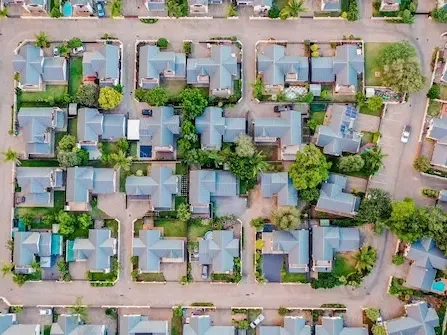
Cluster housing is an increasingly popular residential model in Zimbabwe, offering secure, affordable, and community-oriented living. This trend has grown in response to urban population growth, rising property prices, and demand for low-maintenance living spaces.
2025 Snapshot:
- Average cluster home price in Harare: US $90,000–$180,000
- Average cluster home in Bulawayo: US $60,000–$130,000
- Popular suburbs for cluster developments: Borrowdale, Greendale, Avondale, and Hatfield
- Occupancy rates in new cluster estates often exceed 80% within six months of launch
This guide explains what cluster housing is, why it’s popular, and why it’s appealing to Zimbabwean homeowners and investors.
What is Cluster Housing?
Definition: Cluster housing is a type of residential development where multiple individual homes are built close together within a fenced or gated estate, sharing communal facilities like gardens, security, or recreational areas.
Key Features:
- Houses are usually semi-detached or townhouses
- Shared amenities such as security, lawns, and sometimes pools or gyms
- Managed by a homeowners’ association or estate management
- Designed for convenience, security, and community living
Example:
- A 3-bedroom cluster home on a 200 m² plot in Borrowdale Estate, Harare, with shared security and landscaped gardens.
Why Cluster Housing is Popular in Zimbabwe
1. Affordability
- Smaller plots and shared infrastructure reduce overall costs
- Ideal for first-time buyers or young professionals
2. Security
- Gated estates with controlled access reduce crime risk
- Common in suburbs with high security concerns
3. Low Maintenance
- Shared lawns, streets, and amenities are managed by the estate
- Residents focus on their individual homes
4. Community Living
- Close proximity of neighbors fosters social interaction and support
- Often includes communal spaces for gatherings and recreation
5. Investment Potential
- Cluster homes attract tenants and resale buyers due to security and affordability
- Good rental yields in urban suburbs
2025 Insight: Cluster housing accounts for over 15% of new residential developments in Harare and is growing in Bulawayo and Mutare.
Costs of Cluster Housing
Factors Influencing Price:
- Location and suburb
- Size of the home and plot
- Quality of construction and finishes
- Shared amenities (security, gardens, recreational facilities)
Typical Prices 2025:
|
City |
2-Bedroom Cluster |
3-Bedroom Cluster |
Notes |
|
Harare |
US $80,000–$120,000 |
US $120,000–$180,000 |
Borrowdale, Greendale, Avondale |
|
Bulawayo |
US $50,000–$90,000 |
US $90,000–$130,000 |
High demand in secure estates |
|
Mutare |
US $40,000–$80,000 |
US $70,000–$120,000 |
Growing middle-class demand |
|
Gweru |
US $30,000–$60,000 |
US $50,000–$90,000 |
Affordable entry point for investors |
Advantages of Cluster Housing
- Affordability: Lower entry costs compared to free-standing houses
- Security: Gated and monitored estates reduce crime risks
- Convenience: Estate management handles roads, gardens, and some maintenance
- Community: Shared spaces and neighbor interaction improve quality of life
- Investment Value: High demand among tenants and first-time buyers ensures good resale and rental yields
Disadvantages to Consider
- Less privacy due to proximity of neighbors
- Homeowners’ association fees may apply for maintenance
- Restrictions on renovations or property modifications
- Limited outdoor space compared to free-standing houses
Locations Where Cluster Housing is Popular
- Harare: Borrowdale, Greendale, Avondale, Mount Pleasant, Chisipite
- Bulawayo: Ascot, North End, Hillside, Burnside
- Mutare: Murahwa Park, Nyakamete, Sakubva outskirts
- Gweru: Selbourne, Ascot, Midlands Estates
Trend: Developers are increasingly launching cluster projects in suburbs near schools, shopping centers, and business hubs for convenience and rental potential.
Tips for Buying a Cluster Home
1. Check Estate Management
- Understand maintenance fees, security services, and community rules
2. Inspect the Property
- Verify construction quality, utilities, and shared facilities
3. Verify Title Deeds
- Ensure property ownership is clear and transferable
4. Consider Location
- Proximity to work, schools, and amenities affects long-term value
5. Assess Investment Potential
- High demand estates often provide better rental returns and resale value
Practical Example
Example:
- Buyer purchases a 3-bedroom cluster home in Greendale Estate for US $150,000.
- Home comes with 24-hour security, landscaped communal gardens, and a small gym.
- Homeowner pays US $100/month for estate maintenance.
- Property rented within 2 weeks for US $900/month, demonstrating strong investment potential.
Summary
- Cluster housing is a growing residential trend in Zimbabwe due to affordability, security, low maintenance, and community living.
- 2025 Insight: Average cluster home prices range from US $50,000 to US $180,000, depending on location and size.
- Ideal for first-time buyers, young professionals, and investors seeking low-risk, high-demand properties.
Key Takeaway: Cluster housing offers a secure, affordable, and convenient lifestyle, making it a preferred choice in Zimbabwe’s evolving real estate market.