Continue with Facebook
 Continue with Email

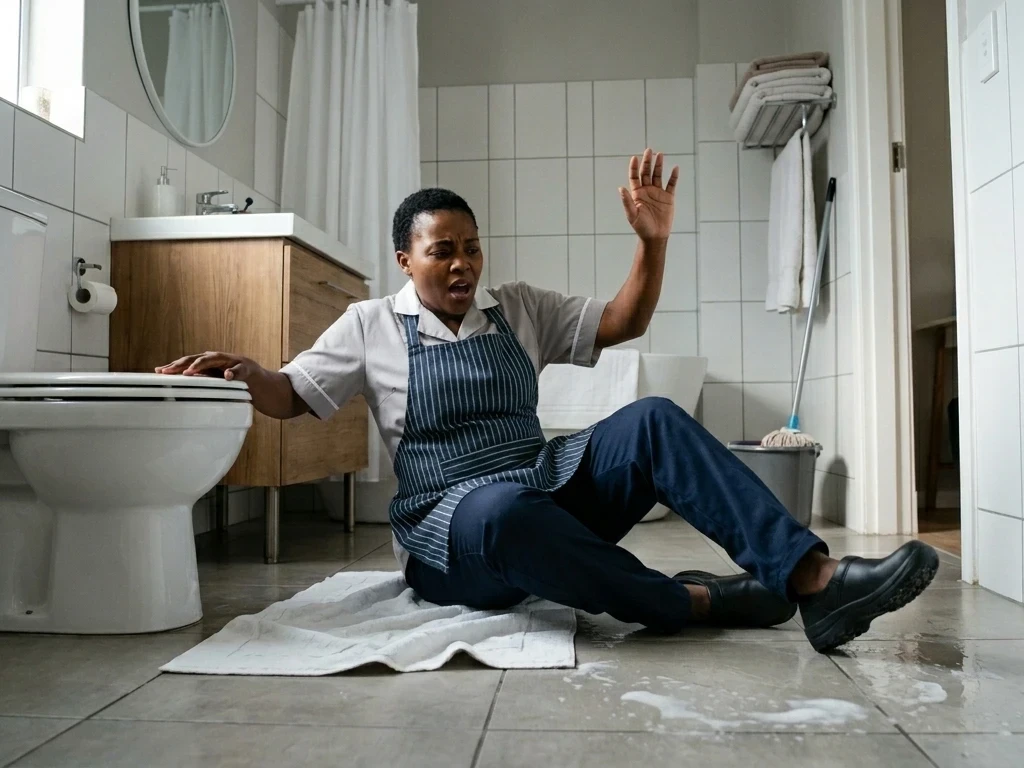
Table of Contents
- The Legal Principle: Duty of Care in Your Home
- Zimbabwe Laws That Apply
- When a Homeowner Could Be Liable
- When You Are Unlikely to Be Liable
- How Long Does Someone Have to Make a Claim?
- Will Home Insurance Protect You?
- Typical Compensation Exposure in Zimbabwe
- Property Owner Risk: The Hidden Real Estate Impact
- Practical Steps Every Zimbabwe Homeowner Should Take
- Final Property.co.zw Insight
Accidents inside private homes happen more often than many homeowners realise. A domestic worker slipping, a gardener injured while working, or a visitor falling on wet tiles can quickly raise an uncomfortable question:
Can the homeowner be legally liable?
In Zimbabwe, the answer depends on duty of care, negligence, and whether the injury resulted from an unsafe property condition. Here is what Zimbabwe property law actually says.
The Legal Principle: Duty of Care in Your Home
Zimbabwean law recognises that property owners owe a duty of care to lawful visitors including:
- Domestic workers
- Cleaners
- Gardeners
- Maintenance contractors
- Tenants
- Guests
This principle arises from Roman-Dutch common law and is reinforced through statutory obligations.
A homeowner must take reasonable steps to ensure visitors are reasonably safe while using the premises. This does not mean you must eliminate all risk. It means your home must not contain dangerous or hidden hazards.
Zimbabwe Laws That Apply
1. Labour Act [Chapter 28:01]
The Labour Act governs employment relationships, including domestic workers. If a cleaner works regularly under your direction, Zimbabwe law may consider them:
- an employee, or
- a dependent contractor.
Employers must provide reasonably safe working conditions. Failure to do so may expose a homeowner to liability.
2. National Social Security Authority (NSSA) — Accident Protection
Under Zimbabwe workplace injury systems administered by the
National Social Security Authority, employees injured during the course of work may qualify for compensation benefits.
Many homeowners are unaware that:
Domestic workers should ideally be registered for NSSA coverage.
This significantly reduces personal financial exposure if an accident occurs.
3. Common Law Negligence Principles
Zimbabwe courts assess four elements:
- Duty of care existed
- Duty was breached
- Injury occurred
- Injury was caused by the unsafe condition
Without negligence, there is generally no successful claim.
When a Homeowner Could Be Liable
You may face legal exposure if the injury resulted from:
- A known leak creating an unusually slippery surface
- Broken tiles or structural defects
- Exposed electrical wiring
- Unsafe stairs or railings
- Dangerous cleaning chemicals supplied without warning
In short: Hidden danger + failure to warn = potential liability.
When You Are Unlikely to Be Liable
Liability is less likely where:
- The risk was obvious,
- The worker controlled how the task was performed,
- The activity itself carried normal occupational risk.
For example: Cleaning a bathroom naturally involves water and slippery surfaces. If the cleaner chose to stand inside the bathtub without instruction or necessity, a court may find the accident resulted from ordinary work risk, not homeowner negligence.
How Long Does Someone Have to Make a Claim?
Zimbabwe civil claims for personal injury typically follow prescription periods under the Prescription Act. A claim must generally be filed within: Three years from the date of injury.
Will Home Insurance Protect You?
Many Zimbabwe homeowners do not realise their insurance may help. Policies issued by companies such as Old Mutual Zimbabwe or Zimnat often include:
- Public liability cover
- Occupier’s liability protection
- Legal defence costs
This may cover:
- Medical expenses,
- Loss of earnings claims,
- Legal representation.
Best practice: Notify your insurer immediately after any accident even if no claim has been made.
Typical Compensation Exposure in Zimbabwe
Actual payouts depend on injury severity, but market legal estimates suggest:
| Injury Severity | Possible Compensation Range |
|---|---|
| Minor sprain (few days recovery) | USD $100 – $500 |
| Moderate ankle injury | USD $500 – $2,000 |
| Long-term disability | Significantly higher |
Minor incidents rarely escalate into large claims unless negligence is clearly proven.
Property Owner Risk: The Hidden Real Estate Impact
Beyond legal costs, accidents inside homes increasingly affect property value and rental demand.
Zimbabwe property agents report:
- Buyers and tenants prioritise safe, well-maintained homes.
- Properties with maintenance issues may sell 5%–12% below market value.
- Rental listings highlighting safety upgrades receive higher enquiry rates on platforms like property.co.zw.
Safety is no longer just compliance it is a marketability factor.
Practical Steps Every Zimbabwe Homeowner Should Take
Conduct Basic Safety Checks
- Install non-slip bathroom mats
- Repair leaks immediately
- Secure loose tiles
- Ensure adequate lighting
Formalise Domestic Worker Arrangements
Even informal employment benefits from:
- Written duties
- Agreed working methods
- Clear safety expectations
Register Workers Where Possible
NSSA registration reduces personal liability exposure.
Document Accidents
After any incident:
- Record date and circumstances
- Take photos
- Offer medical assistance
- Notify insurer
Compassion and professionalism often prevent disputes from escalating.
Final Property.co.zw Insight
Modern homeownership carries responsibilities beyond paying a bond or maintaining aesthetics.
A well-managed property today means:
- Safe living environment
- Proper worker protections
- Insurance awareness
- Preventative maintenance
In Zimbabwe’s evolving property market, risk management has become part of good property ownership protecting not only people, but long-term property value.
DISCLAIMER: This content is provided “as is” without any warranties, express or implied. Nothing herein constitutes legal advice or creates an attorney-client relationship. Independently verify all information and consult a qualified property law attorney for your specific situation.