Continue with Facebook
 Continue with Email

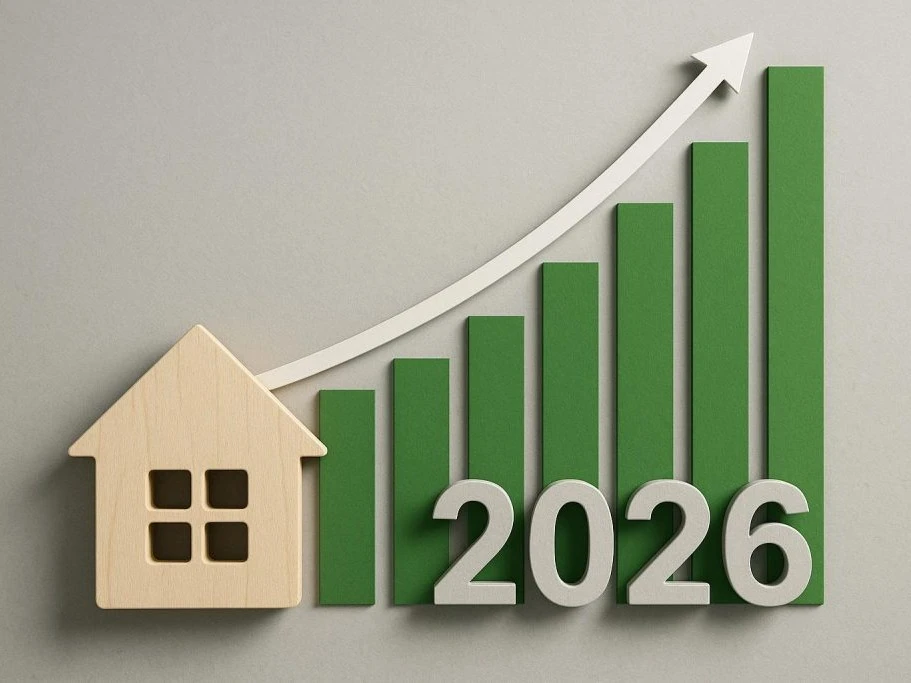
As Zimbabwe’s real estate sector enters 2026, the market shows a blend of cautious optimism, measured growth, and strategic opportunity for buyers, sellers, and investors alike. While broader economic conditions remain uneven, property continues to function as a hedge against inflation and a meaningful asset class particularly in urban and peri‑urban markets.
Below, we unpack the key dynamics shaping Zimbabwe’s property landscape in 2026, anchored in recent data and market indicators.
1. Market Snapshot: A Growing Sector on a New Trajectory
According to industry estimates, Zimbabwe’s residential real estate market value is projected at approximately US$85.35 billion in 2025, with an expected compound annual growth rate (CAGR) of more than 5% through 2029.
This underscores the scale and resiliency of the market, driven by sustained demand, urbanisation, and the continuing appeal of real estate as a store of value in a context of currency uncertainty.
2. Price Trends: Stabilisation with Modest Growth
Harare Leads with Premium Pricing
- The average property price in Harare is around US$240,000, reflecting an approximate 80% increase over five years in prime suburbs.
- Average prices in affluent neighbourhoods like Borrowdale can reach close to US$860,000.
- Middle‑density 2‑bedroom homes often trade around US$70,000, illustrating the range of price points available.
Bulawayo and Secondary Cities
- In Bulawayo, average property prices are 15–20% lower than in Harare, with homes in suburbs like Hillside around US$85,000.
- Secondary markets are gaining interest due to comparative affordability and space for expansion.
National Price Growth Outlook
Market analysts project modest national price growth of 2–3% during 2026, with peri‑urban and emerging suburbs outperforming traditional nodes.
What this means for stakeholders:
- Buyers may negotiate more effectively as growth moderates.
- Sellers should align asking prices with comparative evidence rather than recent leaps.
- Investors can capitalise on early trends in up‑and‑coming areas.
3. Rental Market Dynamics: Demand Remains Strong
Rental rates continue to reflect urban demand, although with notable variation by property type and location:
- Harare rentals range from US$270–$400 for one‑bedroom apartments, up to US$800+ for larger homes.
- Houses with more bedrooms typically command higher USD rents, especially in well‑served suburbs.
Rental yields remain a key investment metric with average annual yields generally in the 8–10% range, particularly where demand is consistent and properties are well maintained.
4. What Buyers Should Expect in 2026
Greater Market Transparency
Digitally indexed data on platforms such as property.co.zw is empowering buyers with insights into pricing trends, demand patterns, and suburb performance. This improves negotiation outcomes and reduces asymmetry in information.
Affordability and Financing
While Zimbabwe’s housing remains expensive relative to local incomes, diaspora remittances and cash purchases continue to underwrite many transactions.
Tips for Buyers:
- Prioritise clean title and compliance documentation.
- Consider peri‑urban growth corridors and emerging suburbs for value opportunities.
- Engage with registered estate agents for risk mitigation.
5. Sellers: Positioning for 2026 Success
Realistic Pricing Anchored in Data
With a shift towards stabilisation, sellers should avoid overpricing and instead:
- Benchmark against recent sales in the same suburb.
- Use digital price indices to validate assumptions.
Presentation and Listing Quality
Professional photography, clear descriptions, and evidence of compliance (e.g., title deeds) enhance visibility and shorten time on market.
6. Investors: Strategic Orientations in 2026
Focus on Yield and Long‑Term Value
Investors are increasingly prioritising properties that offer stable rental income and low vacancy risk.
Emerging Suburb Growth
Suburbs such as Madokero, Sunway City, and Mabvazuva show strong demand growth driven by infrastructure development and affordability compared to traditional premium nodes.
Commercial Opportunities
While residential dominates, commercial listings though fewer are attracting institutional capital and offer premium pricing for established investors.
7. Macro Considerations Impacting Real Estate
Economists forecast moderate economic growth (~5%) in 2026, with inflation expected to ease into single digits by early 2026, potentially improving affordability and stabilising investment sentiment.
This backdrop supports cautious optimism: slower but healthier growth, reduced volatility, and better conditions for structured transactions.
Conclusion: Informed Choices Drive Better Outcomes
Zimbabwe’s property market in 2026 is defined by evolving dynamics rather than explosive swings. Buyers, sellers, and investors who leverage data, prioritise compliance, and target the right segments stand to benefit most.
- Buyers gain negotiating power with more listings and clearer pricing signals.
- Sellers should focus on pricing accuracy and property presentation.
- Investors can capture yield and value in emerging suburbs.
With strong digital platforms providing deeper market insights and an increasing role for data in property decision‑making, the 2026 market outlook favours those who act strategically instead of speculatively.