Continue with Facebook
 Continue with Email

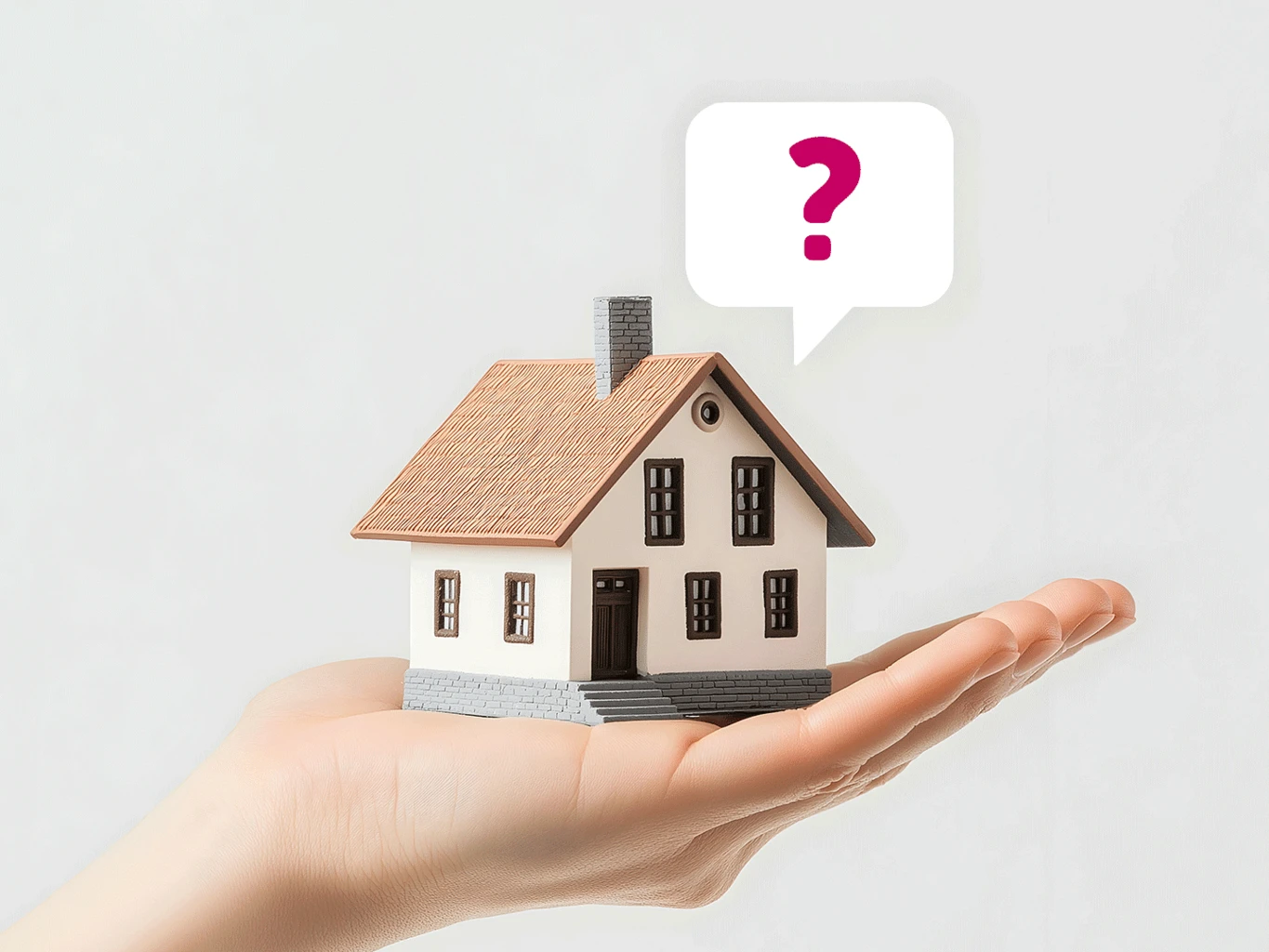
Owning a home is a significant milestone for many Zimbabweans. Beyond providing shelter, it represents stability, security, and social status. In Harare, Bulawayo, and other urban centers, owning a home is often seen as proof of financial achievement and long-term planning.
According to property.co.zw data, urban homeownership in Harare has steadily increased, with over 60% of first-time buyers paying cash due to limited mortgage access and economic uncertainty.
Renting vs Buying in Zimbabwe
Deciding between renting and buying is a pivotal step. Renting provides mobility and lower immediate costs, while buying creates long-term wealth and equity.
- Average Harare residential property prices in 2025: $80,000–$250,000 for standalone homes
- Average monthly rent in Harare: $400–$1,000, depending on location and property size
“I rent because I value the freedom to move. Buying now would mean settling in peri-urban areas like Ruwa or Norton,” says Chipo, a professional in Bulawayo.
Defining Your Purpose: Investment or Family Home
Knowing why you are buying is critical:
- Family home: Focus on schools, security, road access, and utilities
- Investment property: Consider rental yields, location growth, and exit strategy
Example: Rental yields in Harare city suburbs average 5–7% per annum, while peri-urban areas like Ruwa and Chitungwiza offer 8–10% potential yields due to rising rental demand.
The Emotional Side of Buying Property
Emotions often drive property decisions. Attachment to a home or pressure from family and peers can push buyers to make hasty purchases.
“I fell in love with my new home in Borrowdale, but I know friends who rushed and regretted it later,” shares Rutendo, a homeowner.
In Zimbabwe, emotional buying can lead to overspending, particularly when coupled with currency fluctuations and inflationary pressures.
Rising Costs of Property and Construction Materials
Property and construction costs in Zimbabwe have been climbing steadily:
- Building costs: $300–$600 per square meter for residential homes (2025)
- Material inflation: 20–30% in the last year due to currency depreciation
- Developers increasingly price homes in USD to mitigate losses on imported materials
Is Property a Good Investment in Zimbabwe?
Property is one of Zimbabwe’s most stable long-term investments, especially in urban centers:
- Prime Harare suburbs like Mount Pleasant, Hillside, Westgate retain high value
- Investors should consider location, infrastructure, and market trends
- Risks include economic volatility, currency depreciation, and fluctuating construction costs
Example: Land values in Harare’s northern suburbs have increased 12–15% year-on-year, highlighting the potential for capital appreciation.
Building vs Buying: What Works Best?
- Building: Offers control over design and specifications, but time-consuming and vulnerable to cost inflation
- Buying: Convenient, immediate occupancy, but may lack customisation
Stats: A standard 3-bedroom house in Harare costs:
- Buying: $80,000–$120,000
- Building: $100,000–$150,000 including labour and materials
Legal Considerations and Fees
Home buying involves several legal costs:
- Conveyancing fees: 2–3% of property value
- Stamp duty: 3–5% depending on location
- Title registration: Additional costs apply
Foreigners can buy leasehold property for up to 99 years, but freehold is restricted to citizens. Always consult a licensed conveyancer for compliance.
Pros and Cons of Owning a Home
Pros:
- Security and stability
- Asset appreciation over time
- Freedom to customise the property
Cons:
- High upfront costs and maintenance
- Reduced mobility
- Vulnerability to economic and inflationary changes
Conclusion
Owning a home in Zimbabwe requires careful planning, financial discipline, and realistic expectations. Whether renting or buying, align every decision with your long-term goals, budget, and lifestyle.
Successful Zimbabwean homeowners are those who research thoroughly, understand market trends, and approach decisions deliberately, ensuring property ownership remains a source of pride, security, and wealth creation.