Continue with Facebook
 Continue with Email


When a purchase feels like a dream, it’s easy to get carried away.
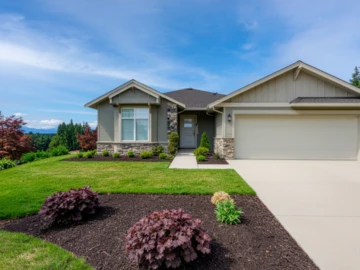
In real estate, appearances can be deceiving. A property may look flawless online manicured lawns, modern finishes, a prime location and still fail the most important test of all: is it legally buyable?
In Zimbabwe’s property market, where demand for residential land and housing continues to rise, cases of buyers losing money to disputed, improperly titled, or mis-zoned properties remain far too common. According to industry estimates, more than 60% of land transactions involving stands in peri-urban areas experience delays or disputes linked to title or compliance issues, particularly in fast-growing areas around Harare, Bulawayo, Ruwa, and Norton.
Taking time to conduct due diligence is not about being overly cautious. It is about protecting your investment and your future.
After months or even years of saving, you finally find yourself ready to buy. The location is right. The price feels reasonable. The seller seems credible. Everything appears legitimate, and the only thing standing between you and ownership is signing the agreement of sale.
But before you do, pause.
Ask yourself: Is this property truly buyable?
What “Buyable” Actually Means
In simple terms, a buyable property is one that:
- Has clear, undisputed ownership
- Can be legally transferred into your name
- Complies with zoning and land-use regulations
- Is not subject to encumbrances, disputes, or restrictions
In Zimbabwe, this means the land must not fall under:
- State or council land without authority to sell
- Road servitudes or planned public infrastructure
- Wetlands or environmentally protected areas
- Unapproved land subdivisions
- Communal land being sold illegally
A stand can be affordable, well-located, and visually appealing yet still be unbuyable.
Numerous buyers have discovered this too late, particularly in cases involving unserviced stands, developer-issued “allocation letters,” or incomplete subdivision permits. Once money changes hands, resolving these issues can take years or never happen at all.
How to Check Buyability in Zimbabwe
1. Start With the Title
The foundation of any legitimate property transaction is the title deed.
Always confirm that:
- The seller’s name matches the title deed
- The property description aligns with the physical location
- There are no unexplained co-owners or missing consents
Be cautious of properties marketed solely with:
- Offer letters
- Cession agreements without a clear root title
- “Pending title” promises with no timelines
While not all developments with pending title are fraudulent, title delays are one of the leading causes of failed or stalled property transfers in Zimbabwe. If a title exists, insist on seeing it.
2. Conduct an Official Deeds Search
An official search at the Deeds Registry Zimbabwe confirms:
- Current ownership
- Mortgages or bonds against the property
- Caveats or restrictions
- Whether the title is valid and transferable
This step is non-negotiable. A deeds search often reveals information that sellers may not disclose upfront including properties already bonded, under dispute, or restricted from sale.
3. Confirm Zoning and Land Use
Not all land is legally approved for residential use.
Before committing, verify zoning with the Ministry of Local Government and Public Works or the relevant local authority.
This is especially critical for:
- Stands on the outskirts of cities
- Former agricultural or peri-urban land
- Fast-growing settlements
Zimbabwe has seen several cases where homes were built on land later declared unsuitable for residential use, resulting in demolitions, service disconnections, or refusal to issue compliance certificates.
4. Investigate Beyond the Paperwork
Documents tell part of the story the ground tells the rest.
Always:
- Visit the property physically
- Confirm beacons and boundaries
- Speak to neighbours or local leadership
- Check access roads and servitudes
In areas such as Ruwa, Chitungwiza, and parts of Goromonzi, buyers have uncovered boundary disputes, double allocations, or blocked access roads only after visiting the land themselves.
5. Engage the Right Professionals
Due diligence is not a solo exercise.
Where possible, involve:
- A registered conveyancing attorney
- A land surveyor
- A reputable estate agent
Professional fees are minimal compared to the cost of buying an unbuyable property. A trained eye can spot red flags that are easy for a first-time buyer to miss.
Why Buyability Matters More Than Ever
With rising demand for housing and limited serviced land, pressure to “secure a deal quickly” is high. Fraudsters and opportunistic sellers rely on urgency and emotion to close deals.
But property is not an impulse purchase.
A truly buyable property is one you can:
- Transfer into your name without obstruction
- Develop without fear of future claims
- Sell or mortgage confidently in the future
Conclusion: Pause Before You Commit
A property may look perfect and tick every box at first glance, but buyability is determined long before signatures are signed.
It lies in the details:
- Clear ownership
- Verified records
- Approved zoning
- Thorough due diligence
Taking time to verify these is not pessimism it is prudence.
When emotions run high, discipline matters most. A truly buyable property is one you acquire with clarity, confidence, and certainty today and for years to come.
Pause. Verify everything. Then proceed informed and protected.