Continue with Facebook
 Continue with Email


Practical guidance for first-time homebuyers in Zimbabwe with statistics and actionable tips
Buying your first home whether in Harare, Bulawayo, Mutare, or Gweru is a major financial milestone. For many Zimbabweans, homeownership is a symbol of stability, success, and security. However, first-time buyers often face costly mistakes that can affect their finances and long-term happiness. Globally, only 24% of home purchases in 2024 were made by first-time buyers, highlighting affordability challenges and the need for careful planning.
Below are the most common mistakes first-time homebuyers make in Zimbabwe and how to avoid them.
1. Skipping Market Research and Local Trends
The mistake: Jumping into house hunting without understanding property prices, neighborhood dynamics, or future infrastructure projects.
Zimbabwean context: Prices and services like water, electricity (ZESA), and internet availability vary widely between suburbs. In Harare, for example, Borrowdale and Mount Pleasant command higher prices but better infrastructure, while Chitungwiza and Norton offer more affordable options with slower service development. In Bulawayo, Hillside and Kumalo are preferred for access to schools and transport hubs.
How to avoid it:
- Compare prices across multiple suburbs using trusted local property platforms.
- Visit neighborhoods at different times of the day to evaluate safety, traffic, and noise.
- Research planned infrastructure, such as new roads, shopping centers, and schools, which can increase future property value.
2. Ignoring Accurate Budgeting and Affordability
The mistake: Only focusing on the purchase price and overlooking hidden or ongoing costs.
Hidden costs in Zimbabwe:
- Legal fees and conveyancing
- Deeds office transfer fees (can be up to 7% of property value)
- Monthly rates, estate levies, and utility bills
- Renovation and maintenance expenses
Many first-time buyers underestimate up to 30% additional costs beyond the sale price, which can lead to financial strain after moving in.
How to avoid it:
- Create a detailed total cost breakdown before bidding.
- Set aside emergency funds for unexpected repairs.
- Understand your borrowing capacity if financing through local banks.
3. Not Securing Financing Before Shopping
The mistake: Looking at homes without pre-approval or a clear understanding of borrowing limits.
Zimbabwean reality: Bank loans often require a 30% deposit and proof of income, and interest rates can range from 18%–24% annually, making pre-approval critical for realistic budgeting.
How to avoid it:
- Speak to multiple lenders to compare interest rates and loan terms.
- Get pre-approved to strengthen your purchase offer.
- Factor in mortgage repayment amounts versus monthly income for realistic affordability.
4. Failing to Inspect the Property Thoroughly
The mistake: Skipping inspections to save money or expedite purchase.
Zimbabwe-specific risks: Many older homes may have structural issues, unreliable plumbing, or unstable electrical systems. Water access and ZESA reliability vary significantly by suburb.
How to avoid it:
- Hire a qualified home inspector to evaluate structure, plumbing, electrical, and roofing.
- Visit the property multiple times to observe daily conditions.
- Include inspection costs in your overall budget (typically 1–2% of property value).
5. Overlooking Legal Due Diligence
The mistake: Failing to verify title deeds and legal status before purchase.
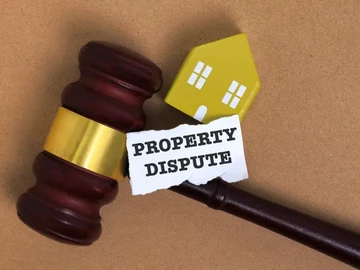
Why it matters in Zimbabwe: Title disputes, boundary disagreements, and incomplete subdivision permits are common. 40% of first-time buyers experience legal complications due to skipped checks.
How to avoid it:
Engage a licensed conveyancer to confirm:
- Clean title deeds
- No encumbrances
- Approved subdivision and permits
Verify deeds at the Deeds Office.
6. Letting Emotions Drive Decisions
The mistake: Being swayed by curb appeal or interior décor instead of fundamentals.
Impact: Studies show that 45% of homeowners globally regret at least one aspect of their first purchase, often due to size, location, or unexpected costs.
How to avoid it:
- Prioritize a checklist of must-haves vs. nice-to-haves.
- Focus on structural quality, location, and long-term value.
- Compare multiple listings before committing.
7. Neglecting Long-Term Growth and Resale Value
The mistake: Buying solely for immediate needs without considering lifestyle changes or future market trends.
Zimbabwean insight: A home suitable today may be inadequate in five years due to family growth or changing neighborhood dynamics. Buying in areas with new infrastructure, such as upcoming residential estates near new highways in Harare or Bulawayo, often results in higher resale value.
How to avoid it:
- Research growth areas with potential for appreciation.
- Consider access to schools, hospitals, and employment hubs when choosing a suburb.
Conclusion: Buy Smart, Buy Prepared
First-time homeownership in Zimbabwe can be an exciting journey but avoiding common mistakes is essential. By researching local markets, budgeting accurately, securing financing, inspecting thoroughly, and conducting legal checks, first-time buyers can make confident, well-informed decisions.
Key Stats Recap:
- Only 24% of global home purchases in 2024 were by first-time buyers.
- Up to 30% of additional costs are often overlooked by first-time Zimbabwean buyers.
- 45% of first-time homeowners globally regret at least one aspect of their purchase.
40% of Zimbabwean first-time buyers face legal or title complications without proper due diligence.