Continue with Facebook
 Continue with Email

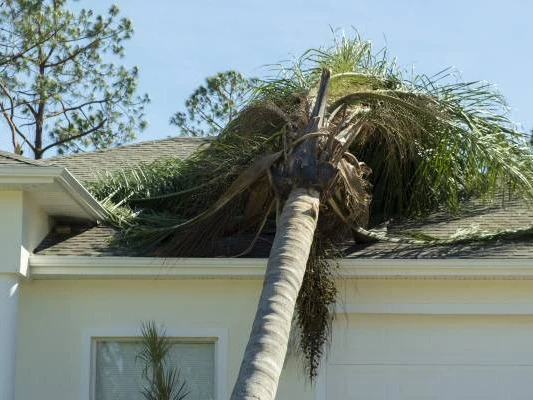
Table of Contents
- Why Tree Damage Disputes Are Increasing in Zimbabwe
- Step 1: Establish Fence Ownership
- Step 2: Does Your Neighbour Have Legal Responsibility?
- Step 3: Your Legal Right to Cut Branches or Roots
- Step 4: Check Local Authority Regulations
- Step 5: Proving Liability (The Critical Step)
- Step 6: Recommended Dispute Resolution Process
- Property Value Impact: Why This Matters
- Practical Solutions That Work in Zimbabwe
- Expert Property Insight
Boundary disputes between neighbours are among the most common property conflicts in Zimbabwe, particularly in high-density suburbs, cluster developments, and older residential areas where mature trees sit close to property lines. A frequent question homeowners ask is:
If my neighbour’s tree damages my fence, are they legally responsible for repairs?
The answer depends on property ownership, negligence, and Zimbabwean property law.
Why Tree Damage Disputes Are Increasing in Zimbabwe
Zimbabwe’s residential areas such as Borrowdale, Avondale, Marlborough, Waterfalls, and Dzivarasekwa contain many properties developed decades ago, when boundary planning and root management were less regulated.
Property.co.zw user behaviour data shows:
- Fence replacement costs in Harare now range between US$45 – US$120 per panel
- Full boundary wall repairs can exceed US$1,500 – US$6,000
- Tree root damage is among the top 5 neighbour disputes reported to property practitioners
As property values rise, owners are increasingly protecting structural investments.
Step 1: Establish Fence Ownership
The first legal question is simple: Who owns the fence?
Ownership is normally determined through:
- Title Deeds
- Survey Diagrams
- Subdivision Plans
- Sale Agreements
Under Zimbabwean property law, boundary responsibility typically follows ownership.
Relevant Zimbabwean Law
- Deeds Registries Act [Chapter 20:05] — governs property registration and boundaries.
- Common Law of Nuisance — applies when one property causes harm to another.
If records confirm the fence belongs to you, maintenance normally falls to you unless damage was caused by another party’s negligence.
Step 2: Does Your Neighbour Have Legal Responsibility?
Zimbabwean common law recognises nuisance and duty of care between neighbouring landowners. A neighbour must ensure that structures, vegetation, or activities on their property do not cause foreseeable damage to adjacent property.
This means:
- A neighbour must reasonably maintain trees
- They must prevent roots or branches causing damage
- Failure to act after being notified may create liability
If tree roots push over a fence, crack walls, or destabilise structures, the neighbour may be liable for repair costs.
Step 3: Your Legal Right to Cut Branches or Roots
Zimbabwean property owners have a limited right called abatement of nuisance.
You may:
- Trim branches extending onto your property
- Remove encroaching roots up to the boundary line
However:
- You cannot enter your neighbour’s property without permission.
- You must avoid killing or destabilising the tree.
Step 4: Check Local Authority Regulations
Tree removal is not always straightforward. Urban councils regulate vegetation management through:
- Harare City Council
- Environmental by-laws
- Environmental protection statutes
Certain trees may require permission before removal.
Environmental Law Reference
- Environmental Management Act [Chapter 20:27]. Cutting protected trees without approval can result in fines even if the tree caused damage.
Step 5: Proving Liability (The Critical Step)
Legal responsibility depends on evidence.
You may need:
- Property surveyor report
- Arborist assessment
- Photos documenting damage progression
- Written communication showing neighbour was notified
Courts generally assess:
- Was damage foreseeable?
- Was the neighbour aware?
- Did they fail to act reasonably?
Without proof, disputes often become shared-cost situations.
Step 6: Recommended Dispute Resolution Process
Property lawyers in Zimbabwe consistently recommend escalation in stages:
1. Friendly Discussion
Most disputes resolve here.
Explain:
- Damage caused
- Repair costs
- Preventative solutions
2. Written Notice
Provide formal notification requesting action.
3. Mediation
Many disputes settle through local mediation or legal practitioners.
4. Legal Action (Last Resort)
Possible claims include:
- Nuisance
- Negligence
- Property damage compensation
Litigation should be avoided where possible neighbour relationships matter long-term.
Property Value Impact: Why This Matters
Boundary disputes affect more than fences.
Zimbabwe estate agents report:
- Properties with unresolved neighbour disputes sell 10–15% slower
- Visible boundary damage can reduce perceived value by 5–8%
- Buyers increasingly request dispute disclosures during due diligence
A damaged boundary signals maintenance risk to purchasers and lenders.
Practical Solutions That Work in Zimbabwe
Experienced property managers recommend:
- Installing root barriers
- Strategic tree pruning
- Shared repair agreements
- Relocating fence lines where practical
- Using reinforced concrete posts near large trees
Preventative action is usually cheaper than recurring repairs.
Expert Property Insight
In Zimbabwe’s evolving real estate market, property ownership increasingly requires active boundary management. Mature landscaping adds value, but unmanaged vegetation frequently becomes a legal and financial liability.
The most successful homeowners treat neighbours as long-term stakeholders resolving issues early protects both property value and community harmony.
DISCLAIMER: This content is provided “as is” without any warranties, express or implied. Nothing herein constitutes legal advice or creates an attorney-client relationship. Independently verify all information and consult a qualified property law attorney for your specific situation.