Continue with Facebook
 Continue with Email

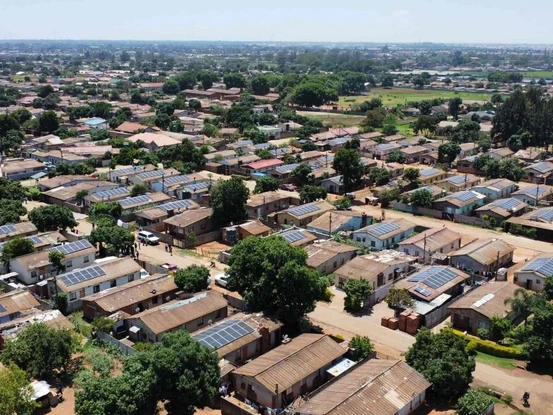
Table of Contents
In Zimbabwe’s evolving real estate market, one of the biggest decisions facing property buyers is whether to buy an existing home or build from scratch.
With rising construction costs, changing financing options, and growing demand in urban centres like Harare, Bulawayo and Victoria Falls, the answer depends on budget, timelines, lifestyle goals, and long-term investment strategy.
This guide breaks down the true cost, hidden risks, and financial realities of buying versus building in Zimbabwe today.
Buying an Existing Home in Zimbabwe
Buying an already-built property remains the fastest route to homeownership in Zimbabwe.
Advantages of Buying
- Immediate occupation no construction delays
- Predictable purchase price
- Established infrastructure (roads, water access, electricity)
- Mature neighbourhoods with schools, shops, and transport
- Ability to negotiate price in slower market cycles
Market Insight (Zimbabwe 2026):
- Property portals indicate that 60–70% of residential transactions involve existing homes rather than new builds.
- Average transfer timelines range 30–90 days, depending on title readiness and financing.
Hidden Costs of Buying
- Renovations or modernisation expenses
- Maintenance of older plumbing, roofing, or electrical systems
- Transfer fees and conveyancing costs (≈ 4%–8% of purchase price)
- Rates clearance and compliance certificates
Buying suits:
- First-time buyers
- Diaspora investors wanting immediate rental income
- Families needing quick relocation
Building a Home in Zimbabwe
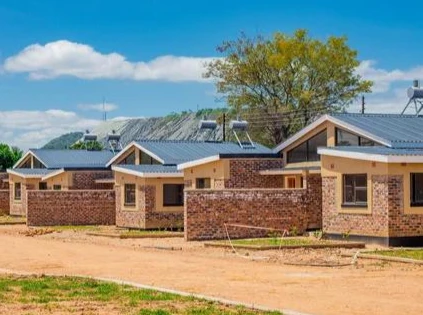
Building offers flexibility but requires patience, planning, and strong cost control.
Advantages of Building
- Fully customised layout and finishes
- Modern designs aligned with lifestyle trends
- Lower maintenance costs initially
- Opportunity to phase construction based on available funds
- Energy-efficient designs reducing long-term utility expenses
Zimbabwe Construction Reality (2026):
- Average residential construction costs range between US$450 – US$750 per m², depending on finishes and location.
- Building timelines commonly extend 12–24 months due to material availability and contractor scheduling.
Real Costs & Risks of Building
- Material price volatility (cement, steel, roofing)
- Labour shortages or contractor delays
- Budget overruns of 15%–30% are common
- Servicing stands (roads, sewer, electricity) may add unexpected costs
- Security expenses during construction
Building suits:
- Buyers with flexible timelines
- Long-term homeowners
- Investors creating bespoke or luxury properties
Buying vs Building: Zimbabwe Comparison
| Factor | Buying | Building |
|---|---|---|
| Move-in Time | Immediate | 12–24 months |
| Upfront Costs | Lower | Higher |
| Customisation | Limited | Full control |
| Cost Predictability | High | Medium–Low |
| Maintenance (Early Years) | Medium | Low |
| Stress Level | Lower | Higher |
| Long-Term Value | Stable | Potentially Higher |
Key Advice for First-Time Buyers in Zimbabwe
1. Location Still Drives Value
Evaluate both macro location (city/suburb growth) and micro positioning (road access, security, amenities).
2. Set a Realistic USD Budget
Zimbabwe’s property market is largely USD-based, making affordability planning essential.
3. Work With a Trusted Real Estate Agent
A credible agent helps with:
- Market pricing analysis
- Negotiations
- Due diligence and paperwork
4. Plan for Transfer & Legal Costs
Many buyers underestimate closing expenses.
Typical additional costs include:
- Transfer duty
- Conveyancing fees
- Capital Gains Tax (seller side but affects negotiations)
5. Secure Financing or Cash Flow Early
Mortgage products remain limited locally, so many buyers rely on:
- Diaspora funding
- Incremental savings
- Developer payment plans
Zimbabwe Property Market Trends (2025–2026)
- Demand remains strongest for secure gated communities and cluster housing.
- Serviced stands are increasingly popular as buyers choose to build progressively.
- Rising urbanisation continues to push housing demand in major cities.
- Investors increasingly prioritise rental yield + capital preservation.
Final Verdict
There is no universal answer.
- Buy if you want certainty, speed, and predictable costs.
- Build if you prioritise customisation, modern design, and long-term lifestyle value.
In Zimbabwe’s current property cycle, successful homeowners are those who align their decision with financial discipline, realistic timelines, and market awareness.