Log in to contact the seller
 Continue with Facebook
 Continue with Email
Continue with Facebook
Continue with Email
Sign up with Facebook
Continue with Email
Continue with Facebook
Continue with Email
Sign up with Facebook
 Change filters
 Requests
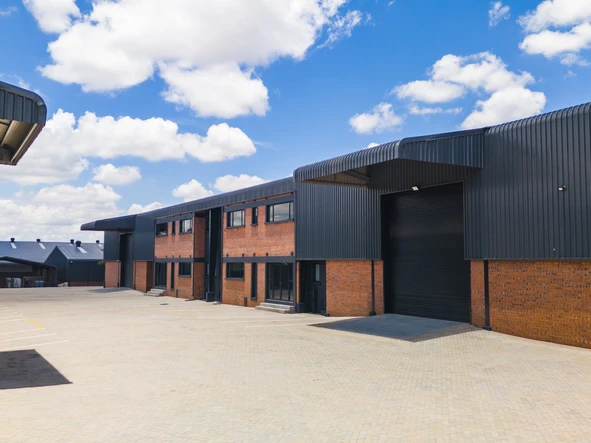

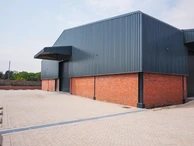


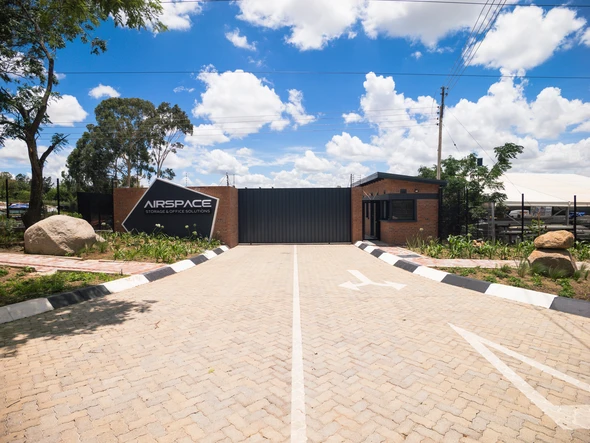
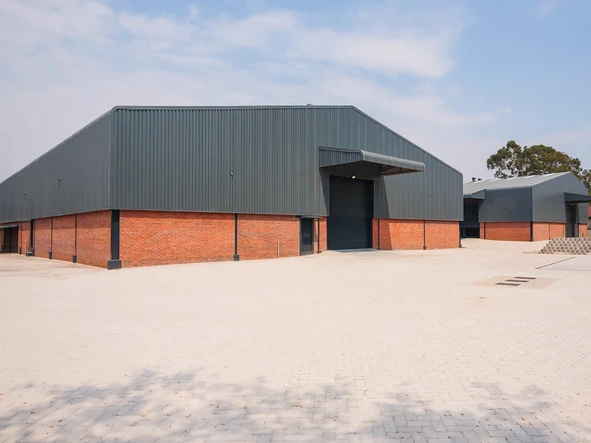
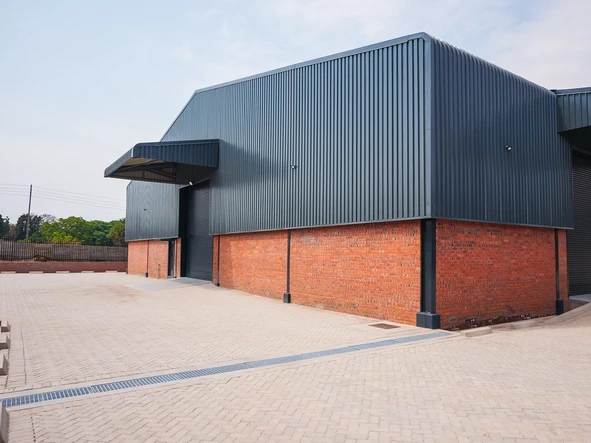
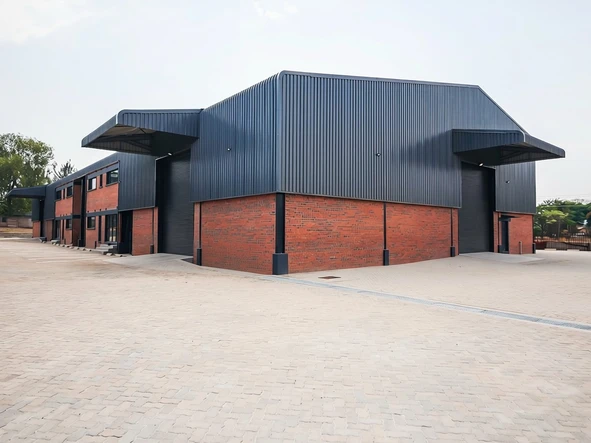
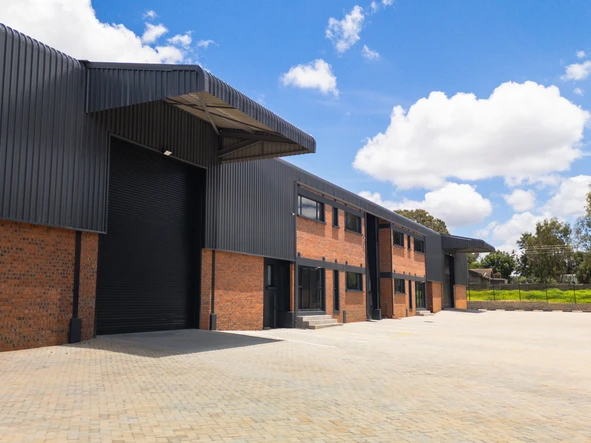
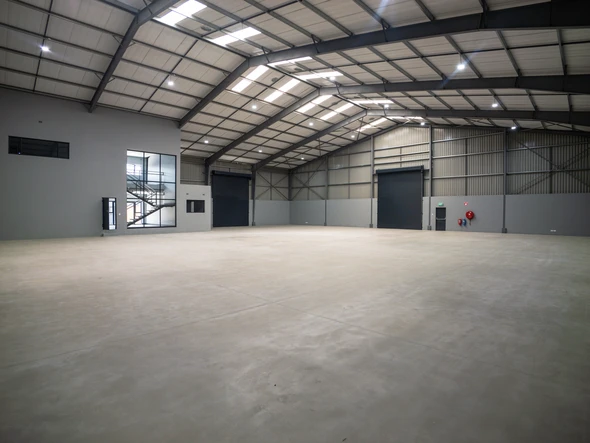
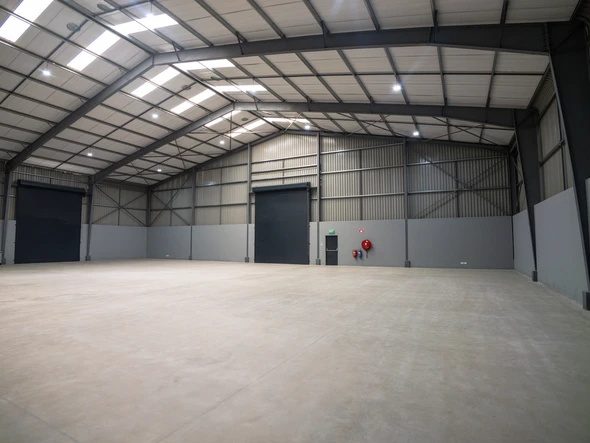
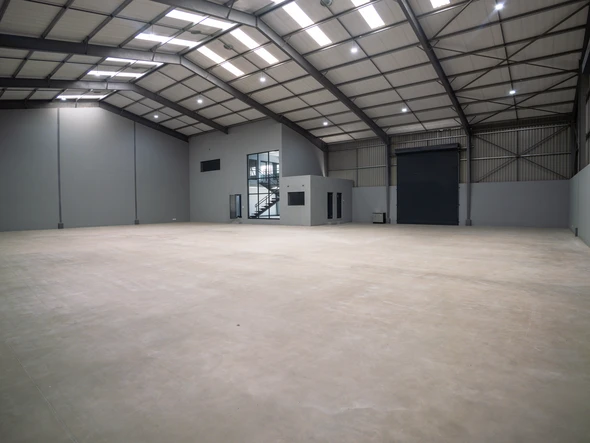
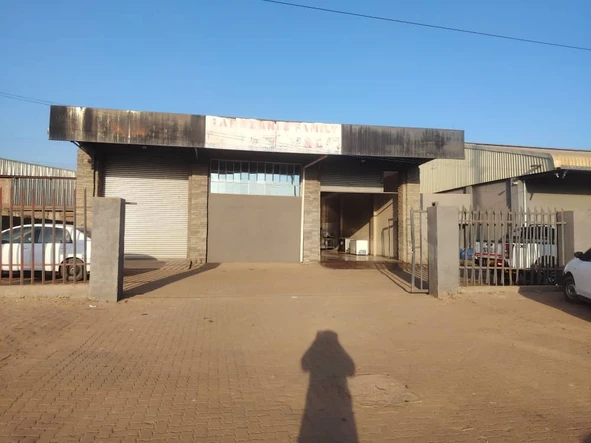
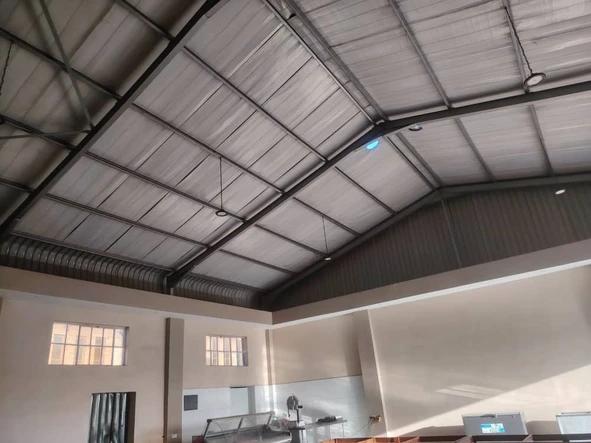
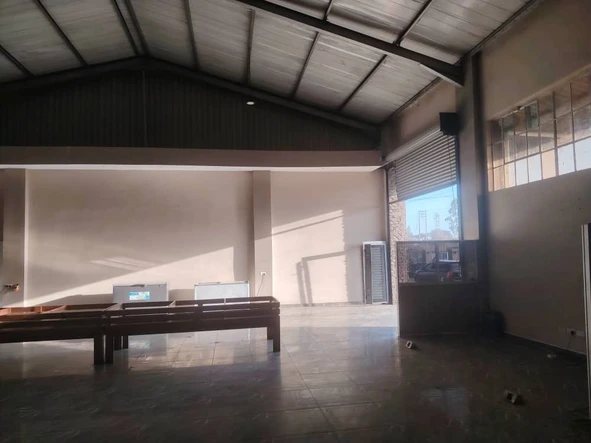
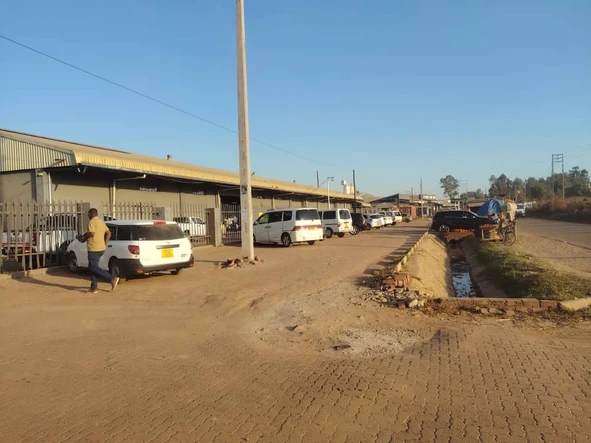
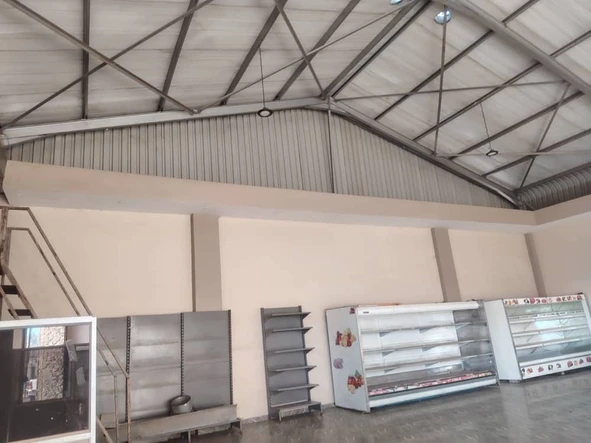
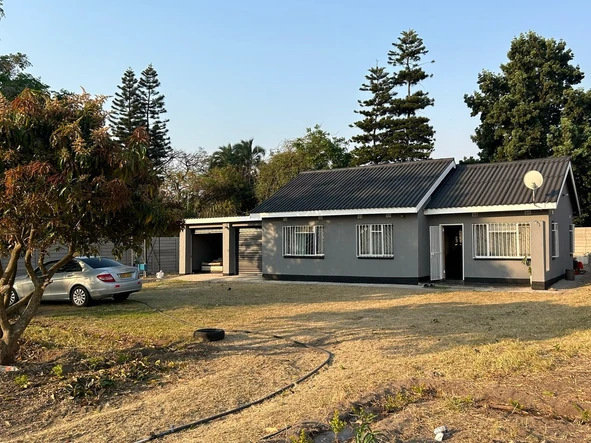
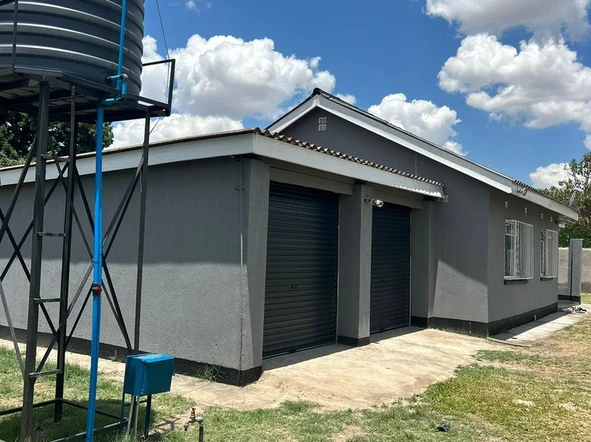
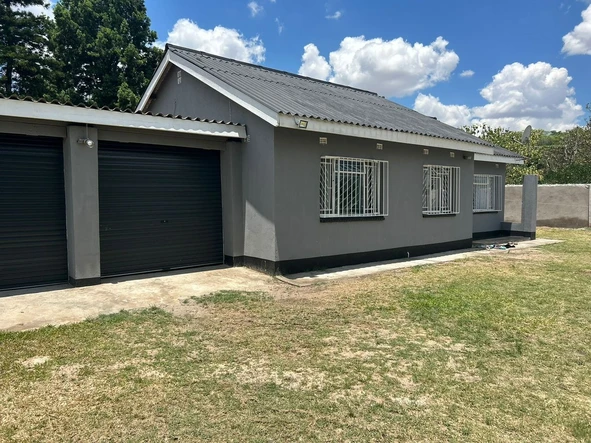
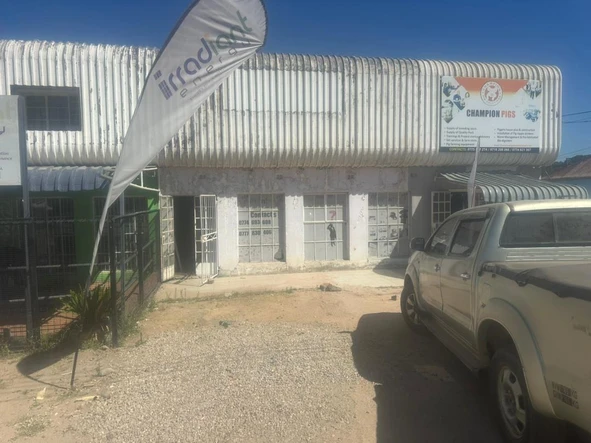
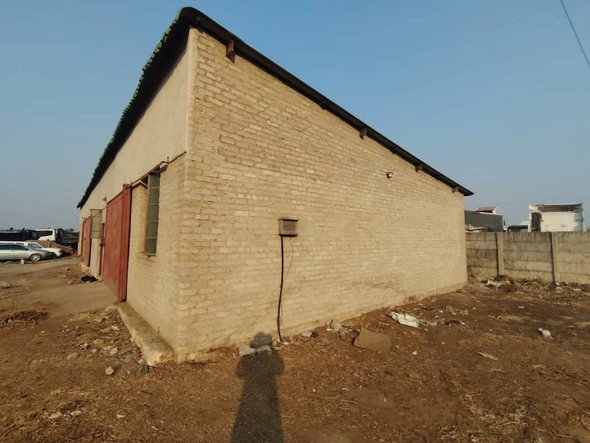
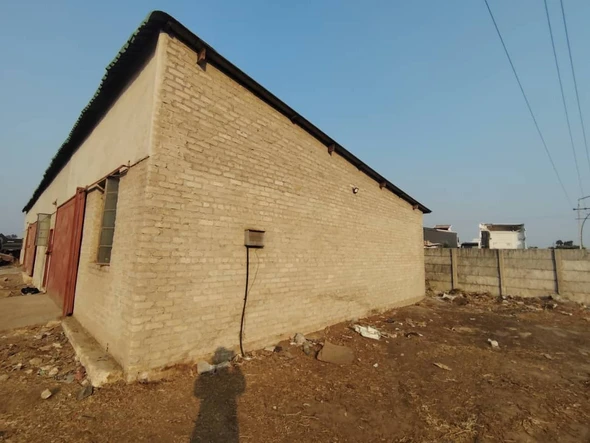
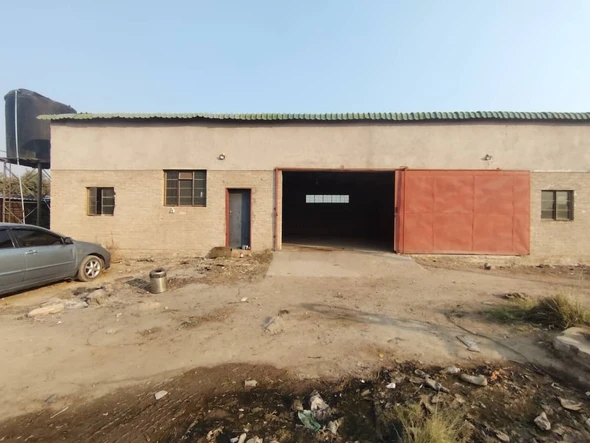
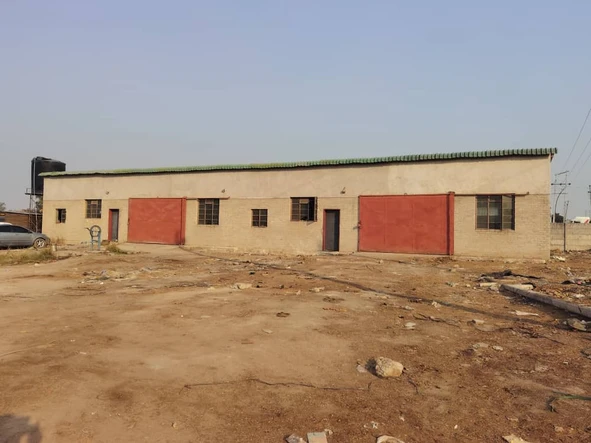
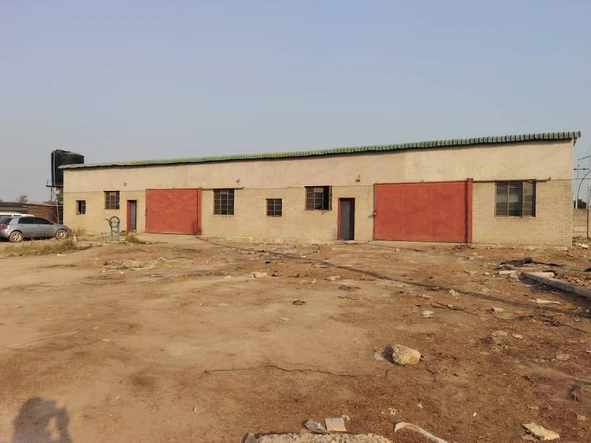
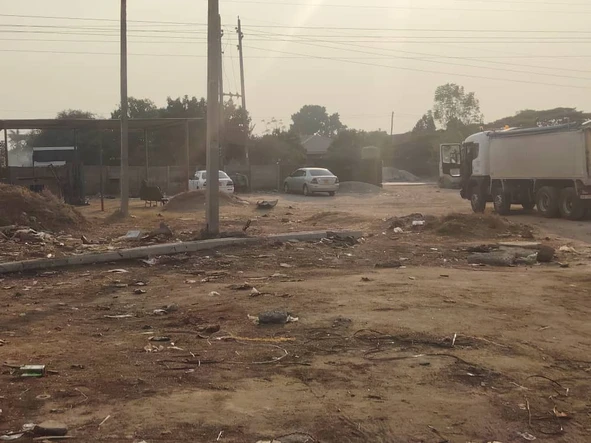
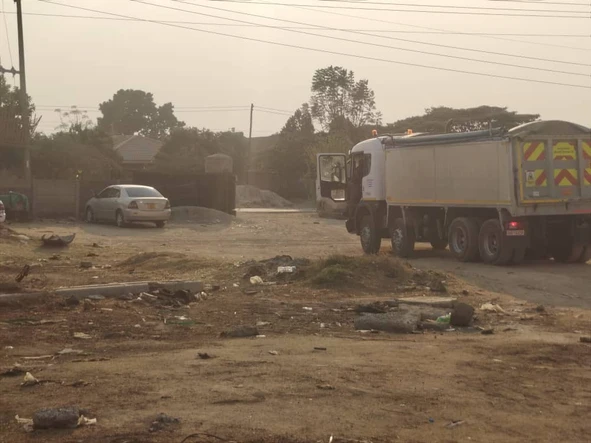
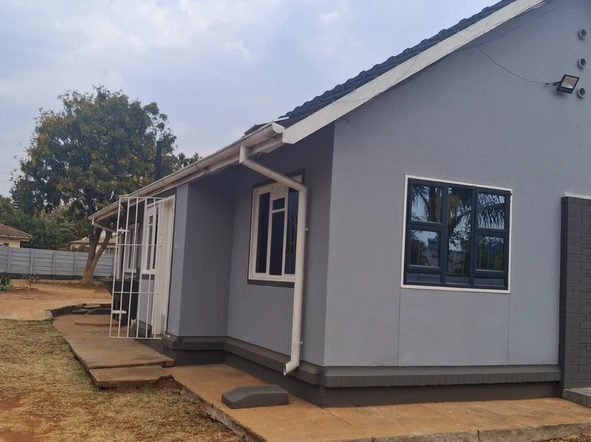
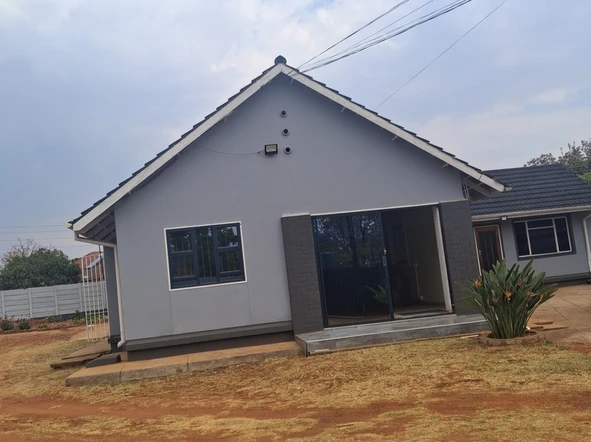
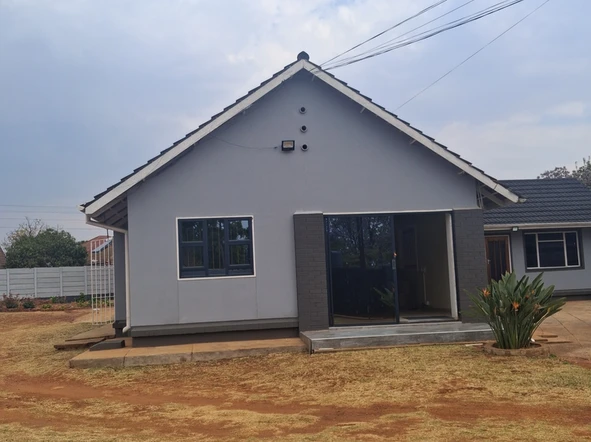
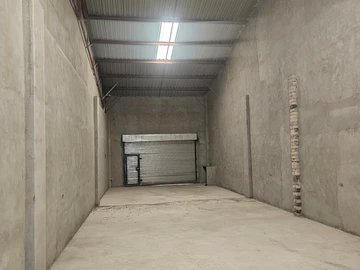
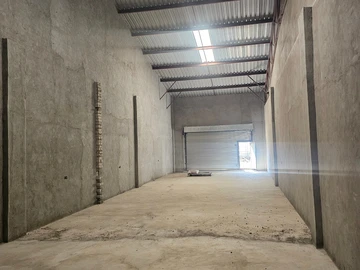
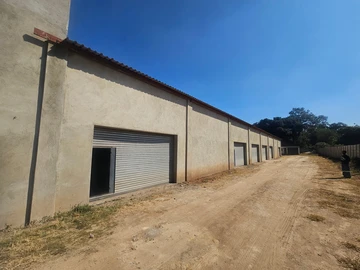
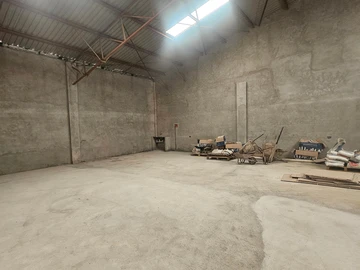
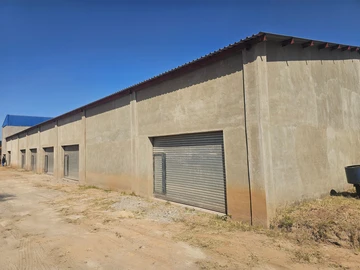
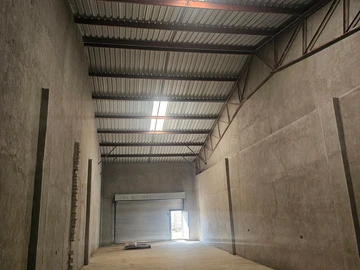
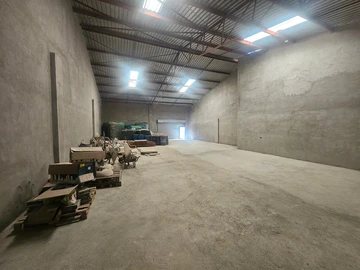
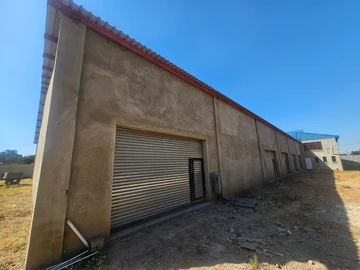
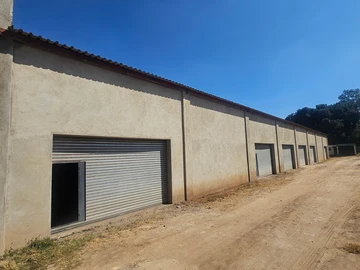
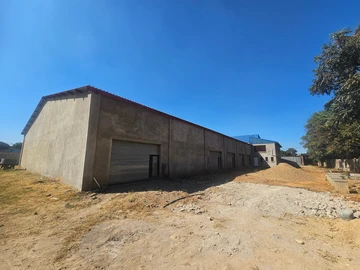
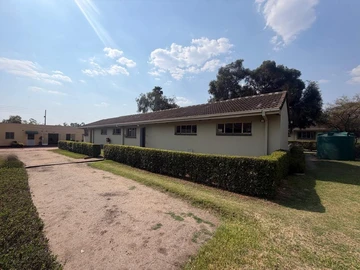
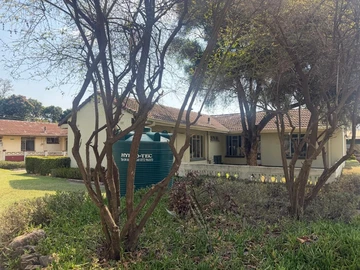
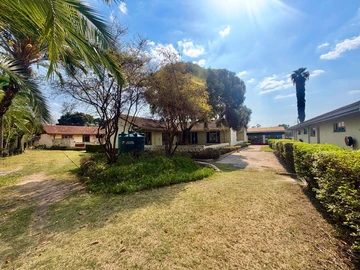
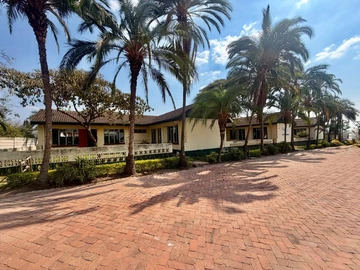
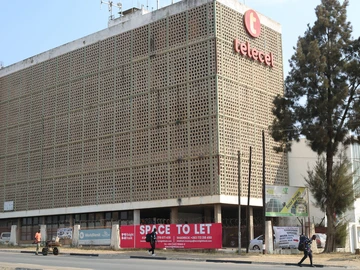
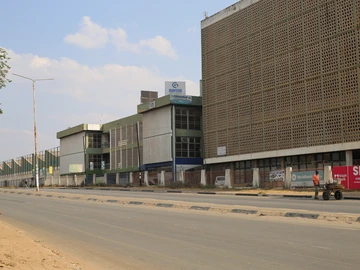
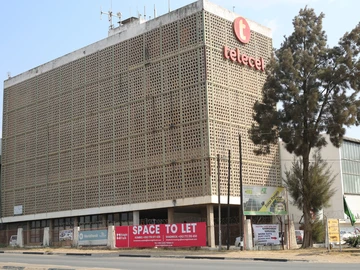
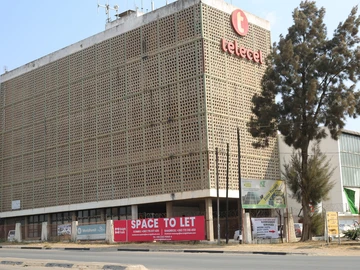
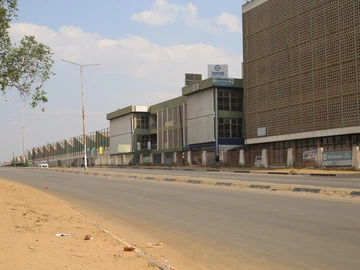
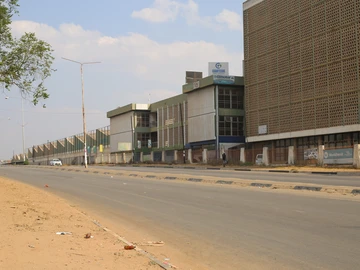
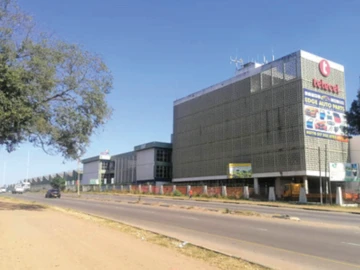
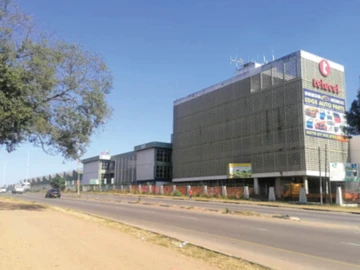
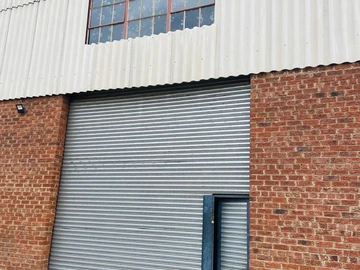
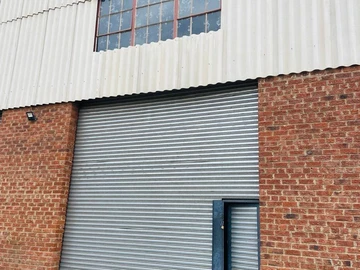
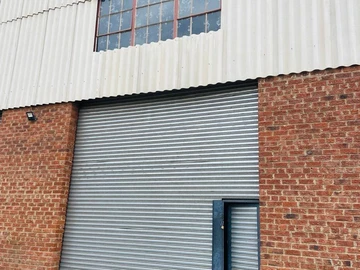
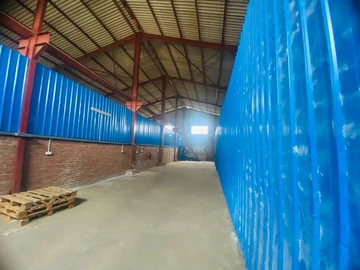
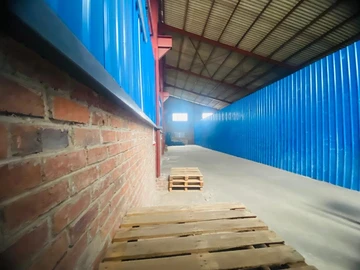
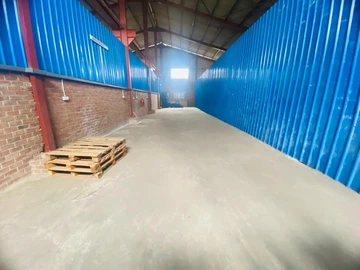
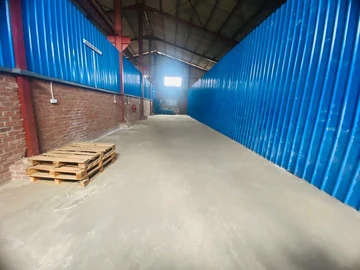
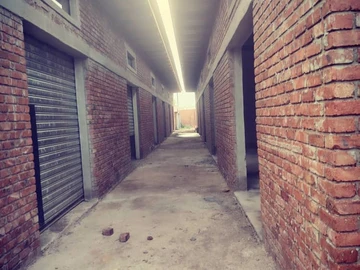
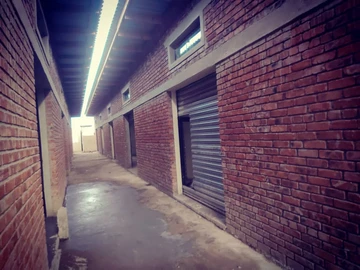
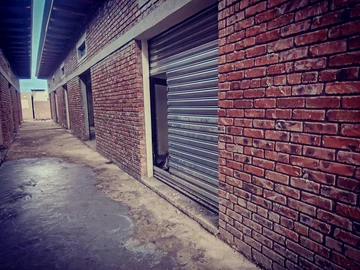
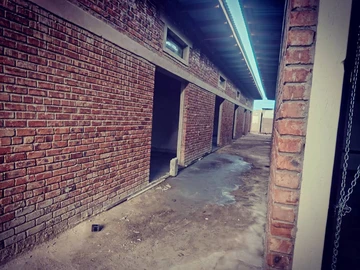
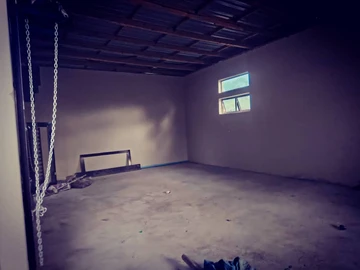
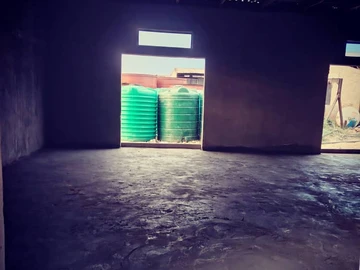
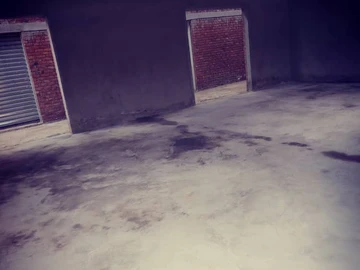
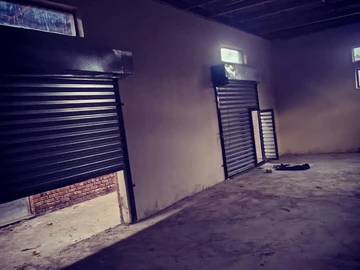
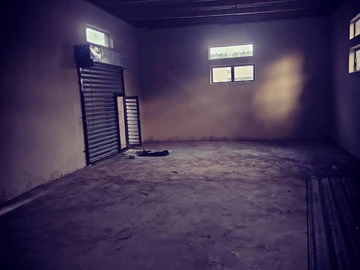
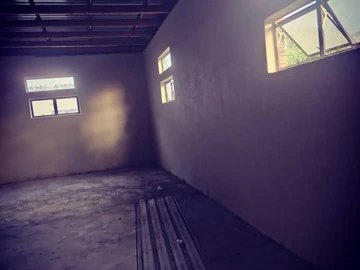
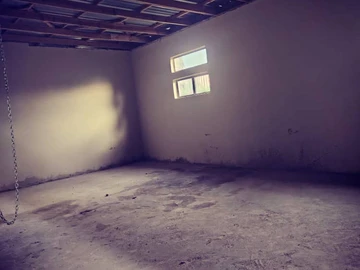
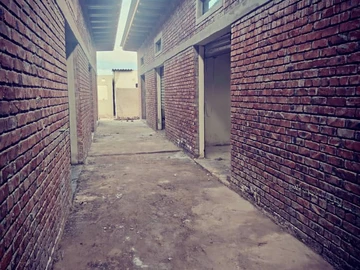
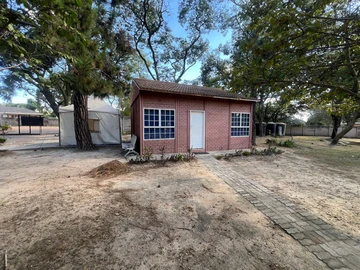
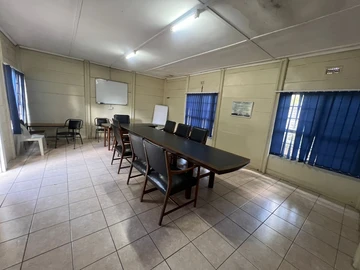
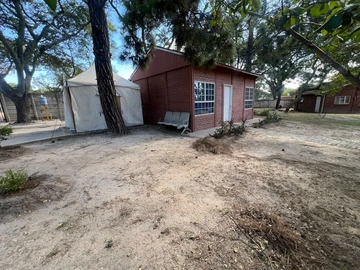
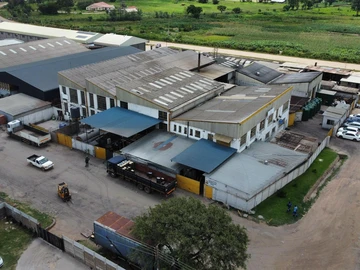
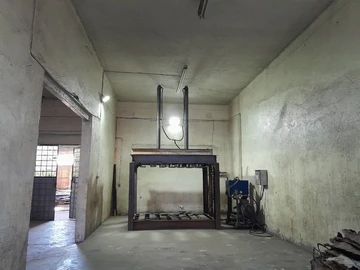
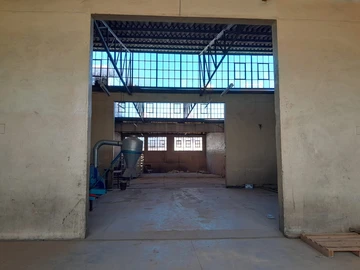
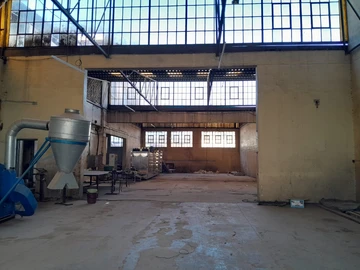
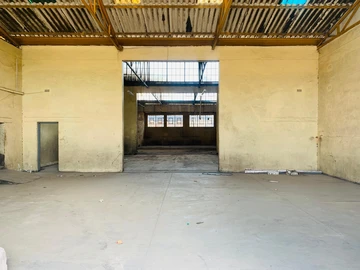
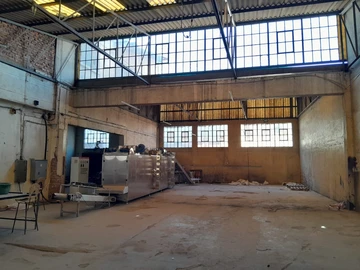
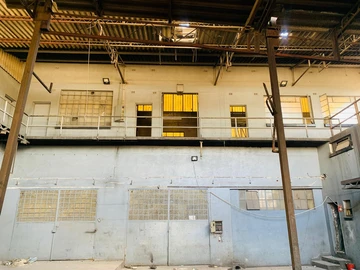
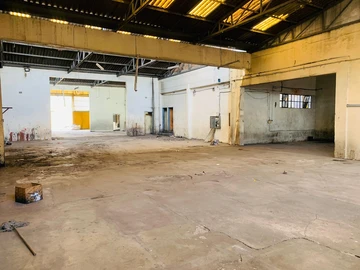
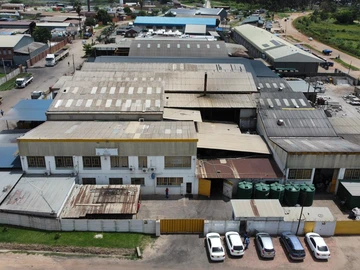
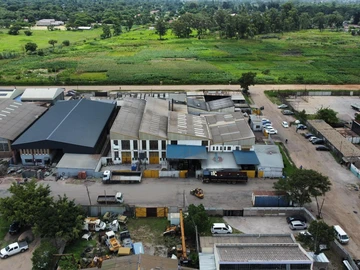
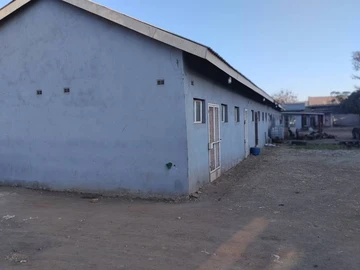
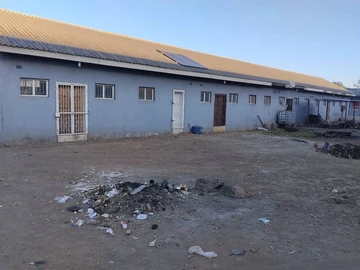
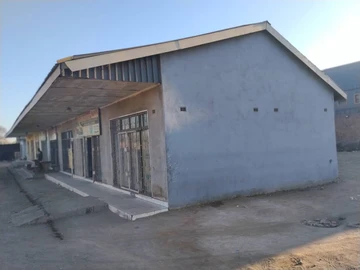
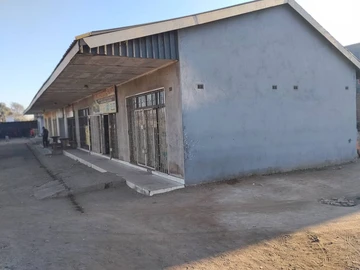
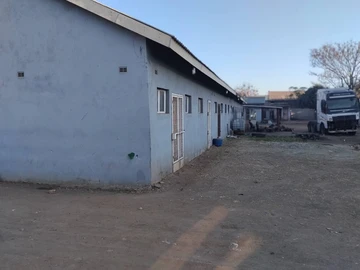
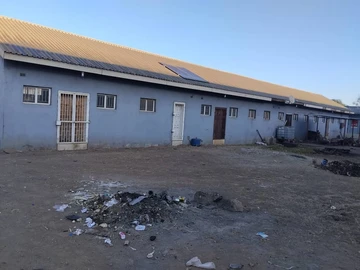
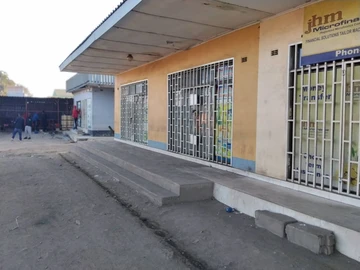
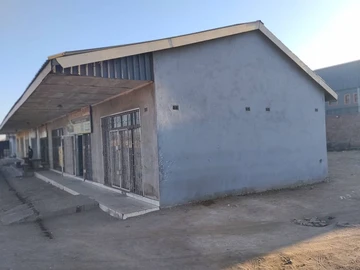
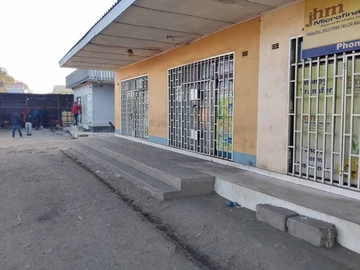
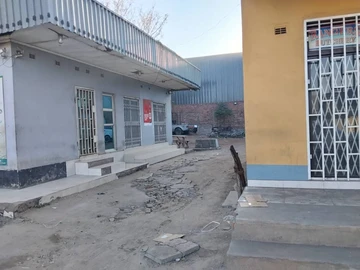
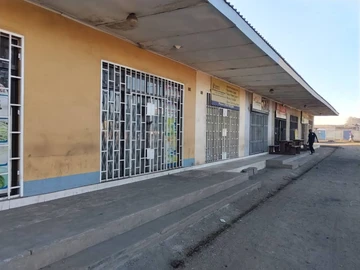
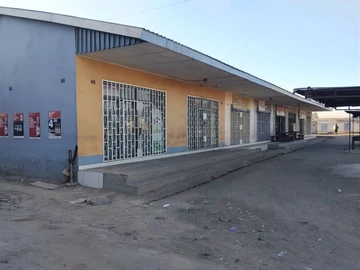
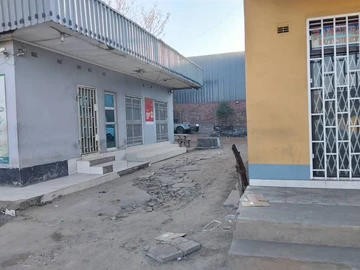
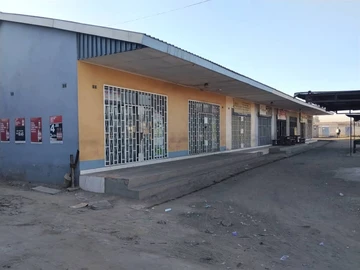
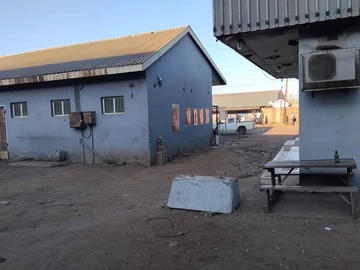
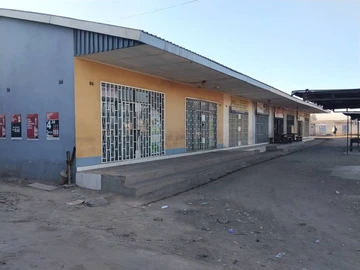
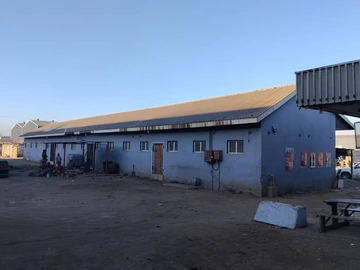
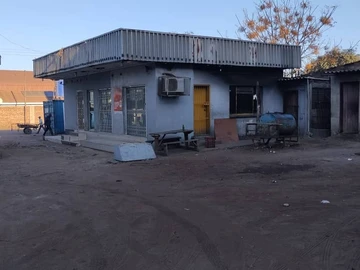
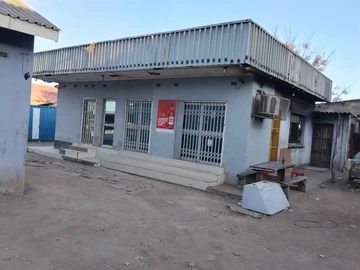
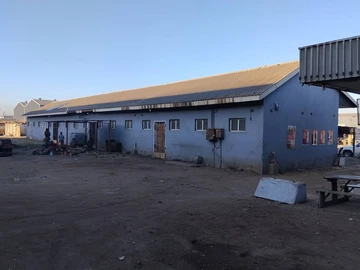
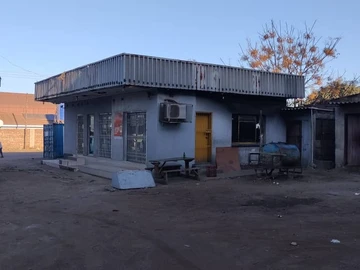
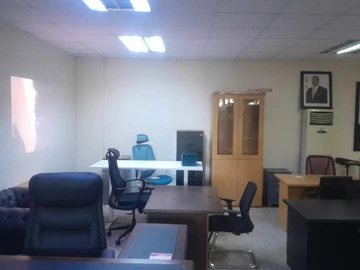
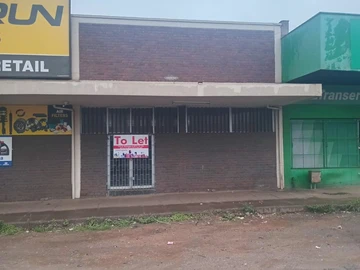
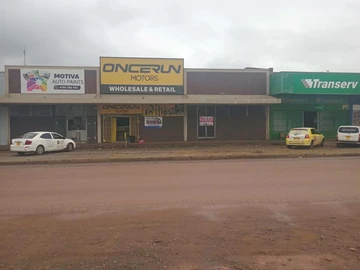
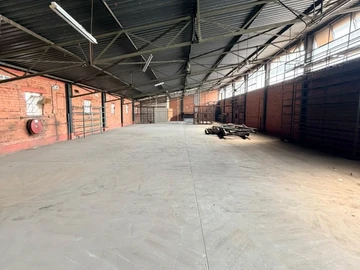
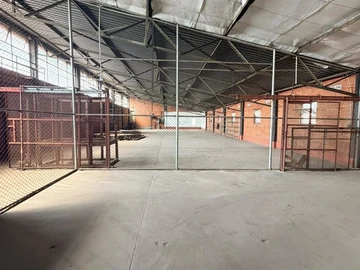
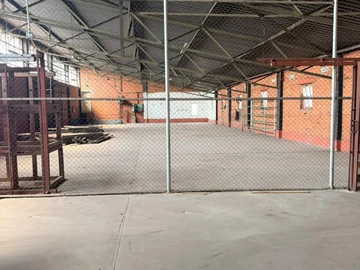
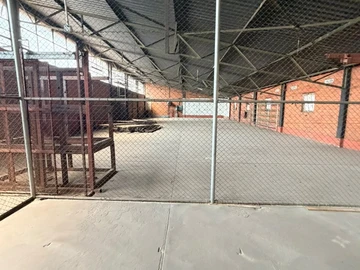
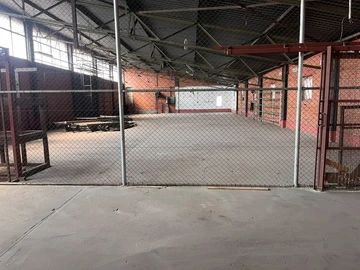
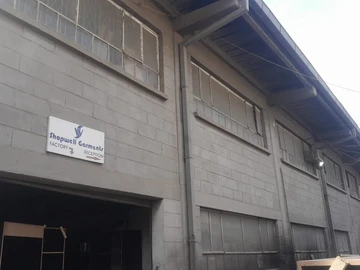
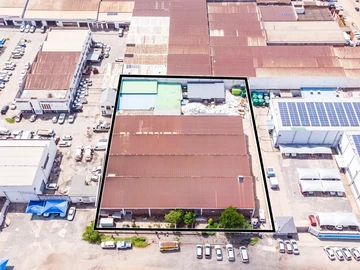
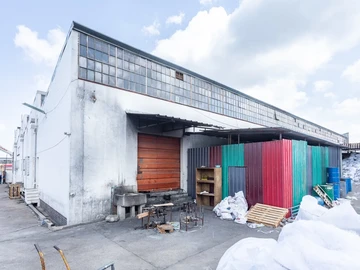
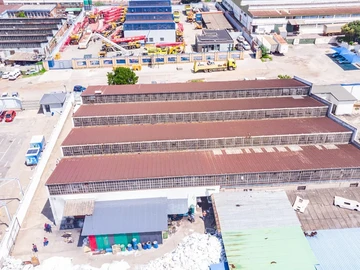
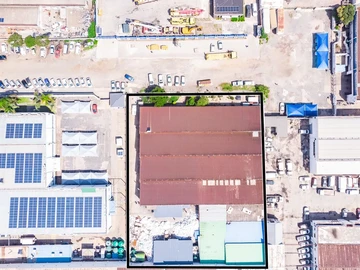
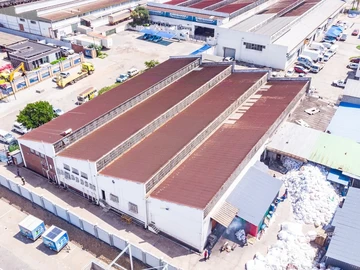
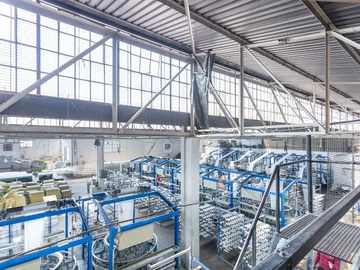
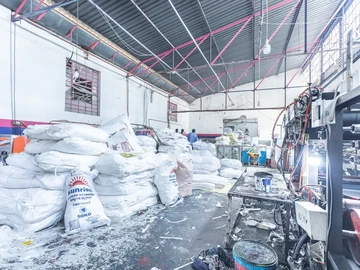
Commercial properties for rent in Harare South, Harare, offer a range of options with an average monthly rental price of $1,500. These properties typically have a median land area of about 1,000 ㎡ and a median building size of 432 ㎡, with some larger sites reaching up to 42,000 ㎡ of land and buildings as large as 29,500 ㎡. Rental prices start as low as USD 150, making the area attractive for businesses seeking affordable commercial space.
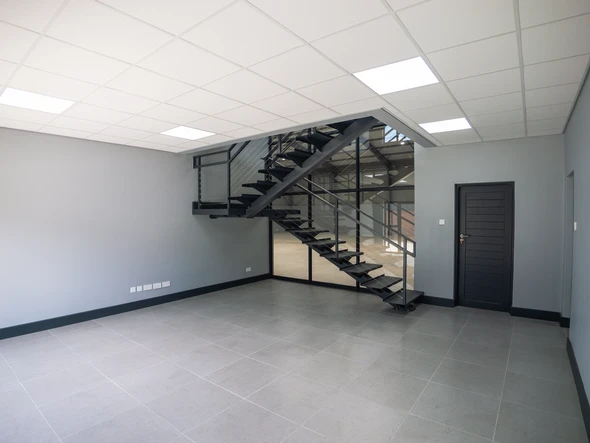
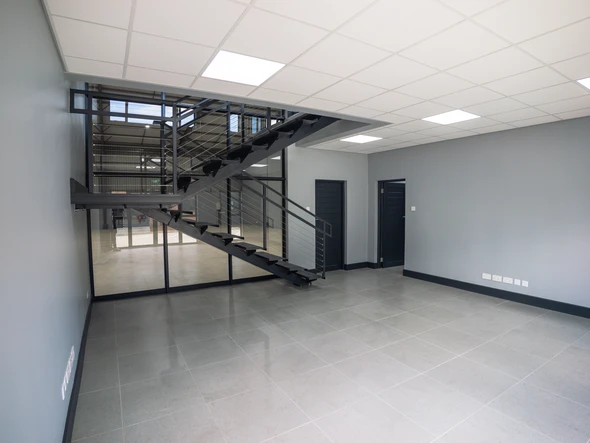
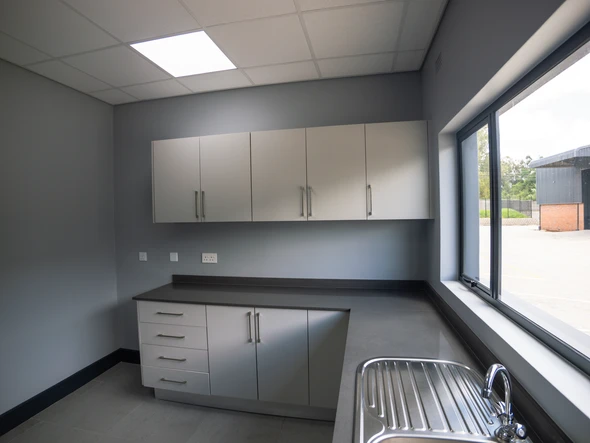
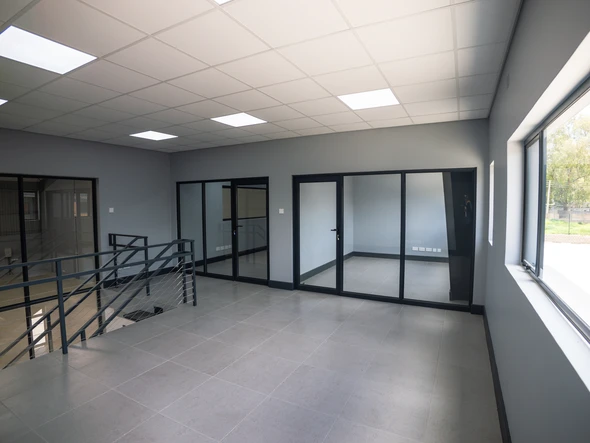
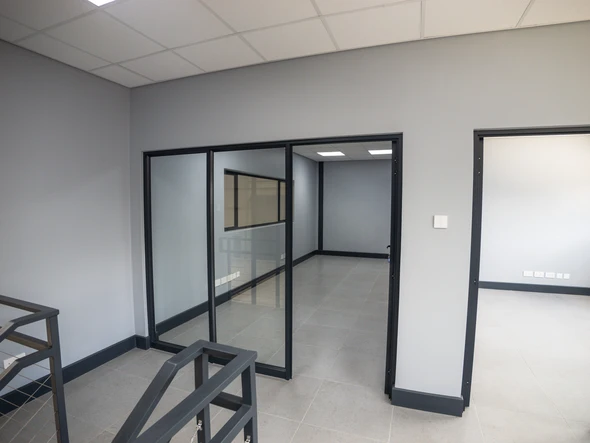
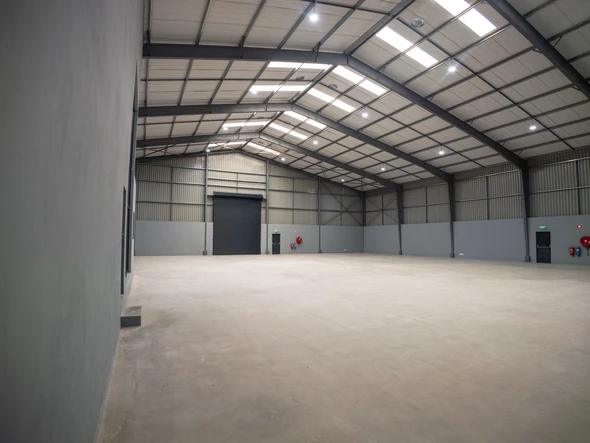
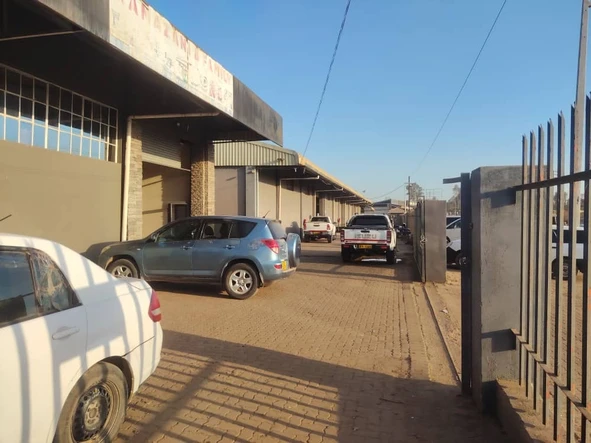
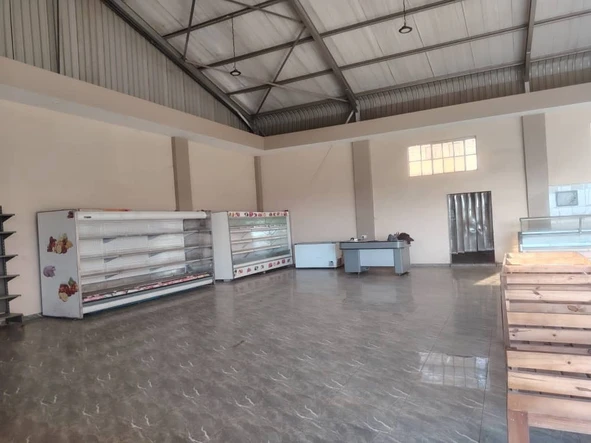
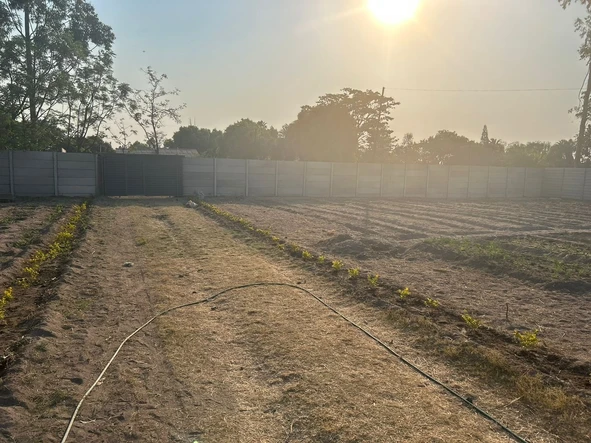
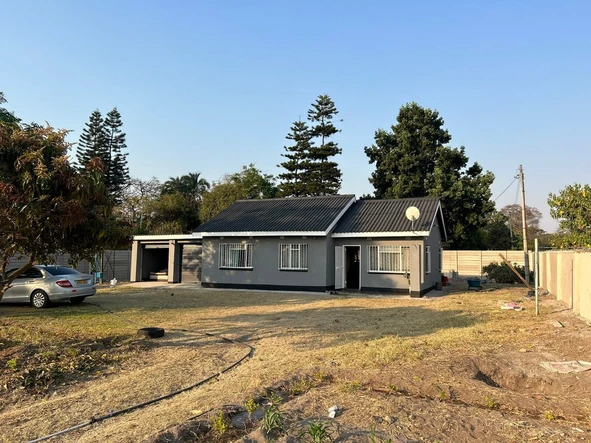
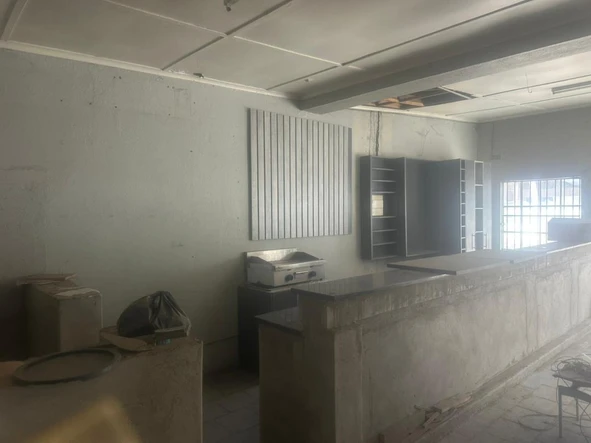
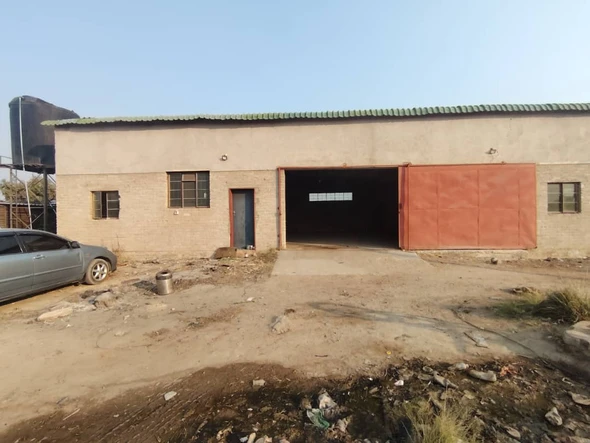
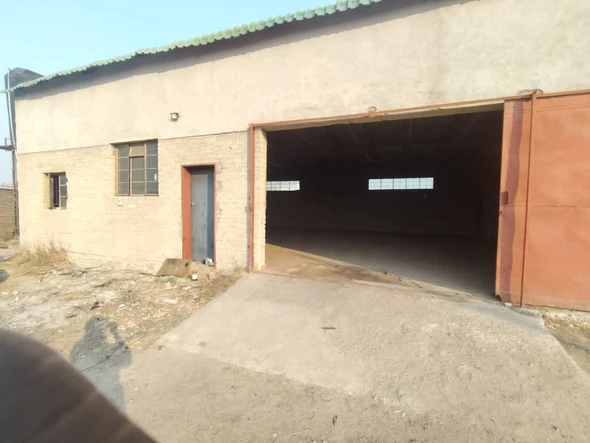
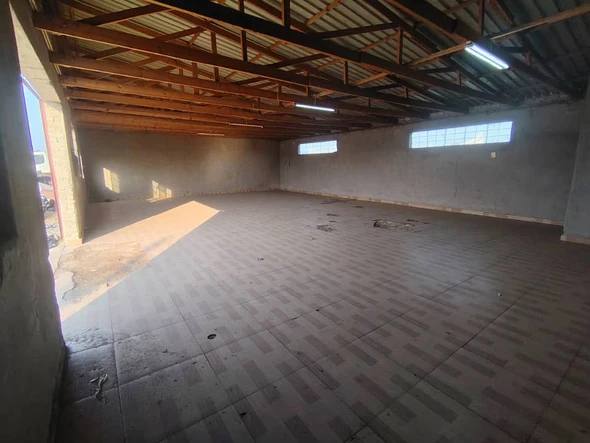
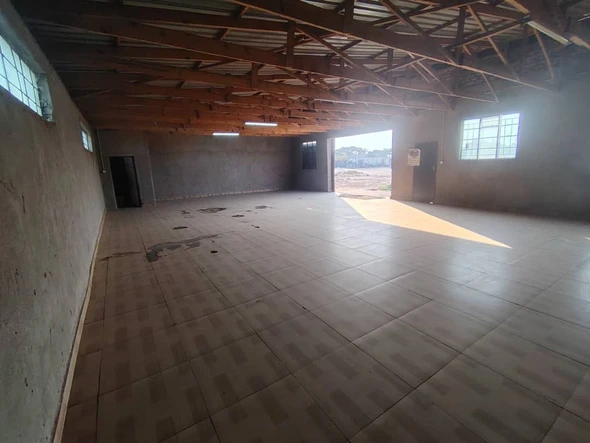
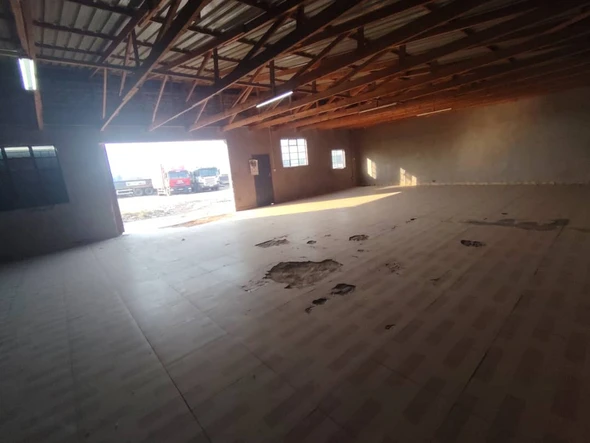
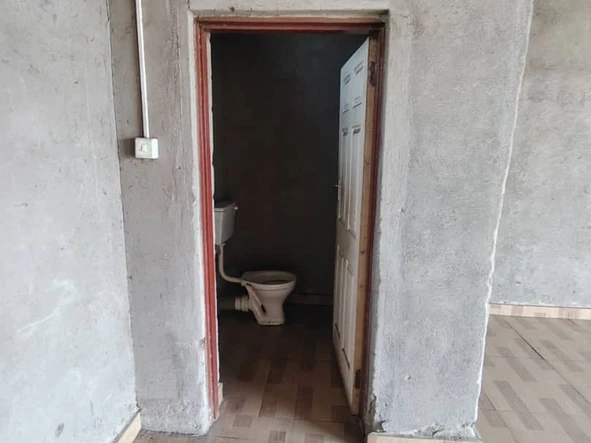
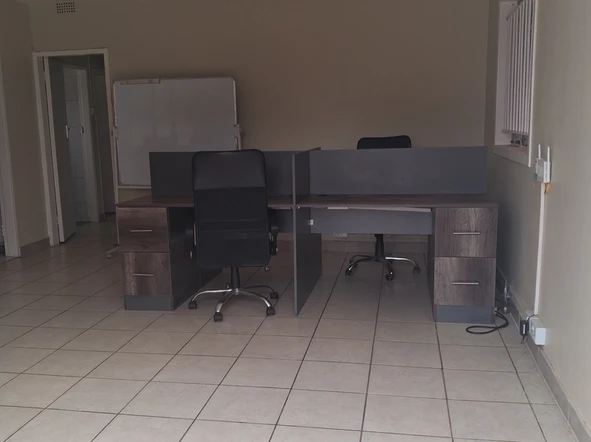
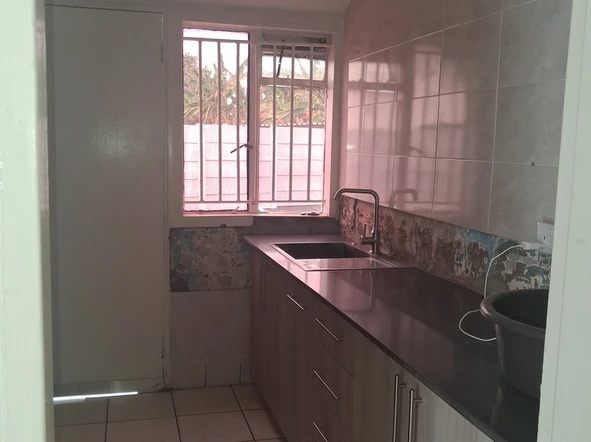
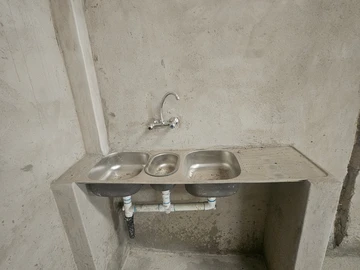
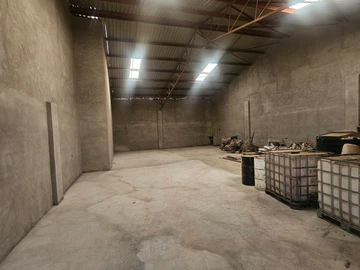
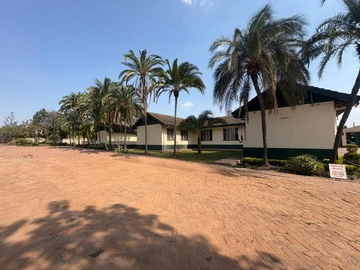
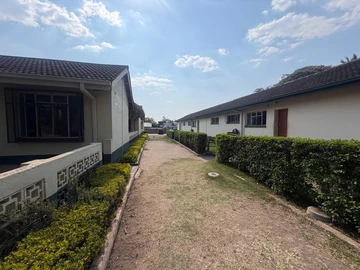
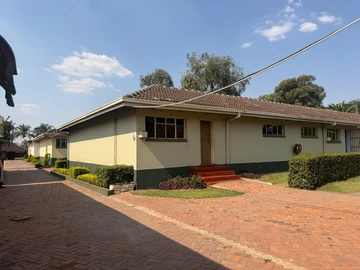
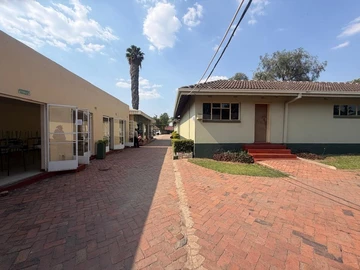
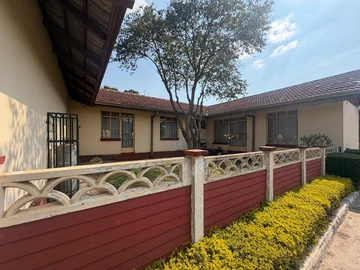
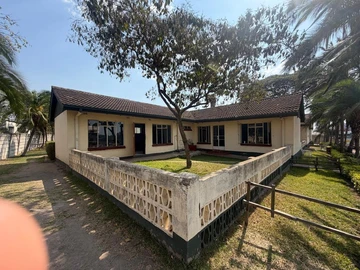
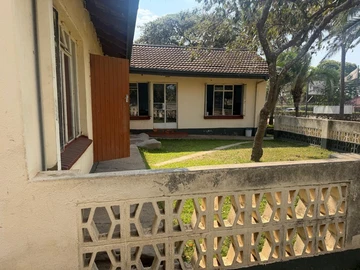
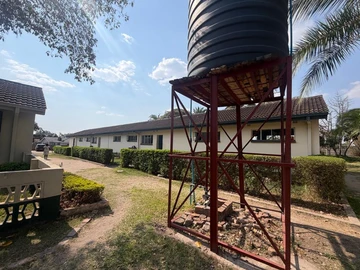
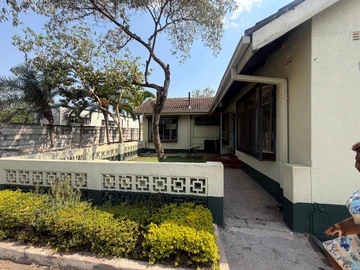
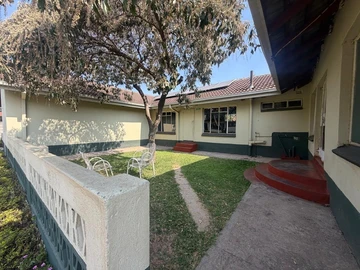
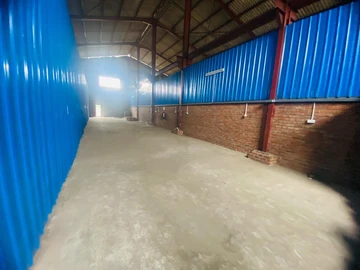
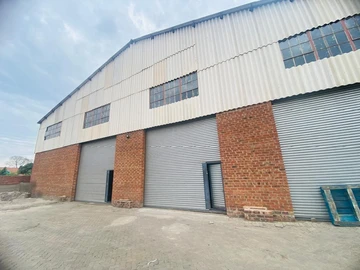
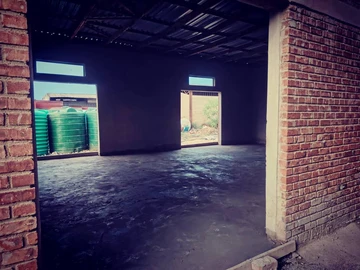
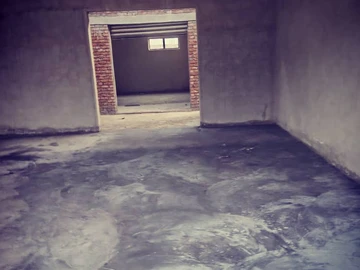
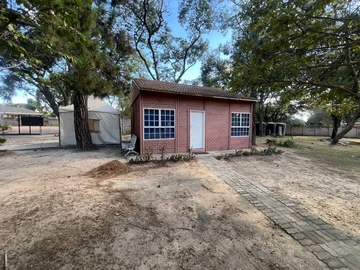
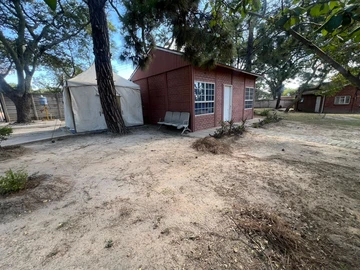
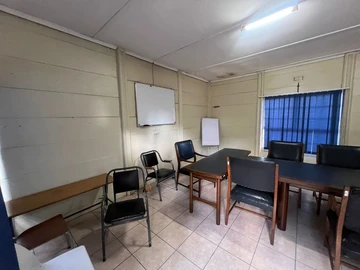
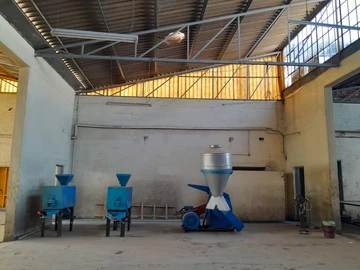
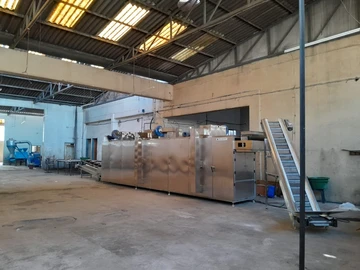
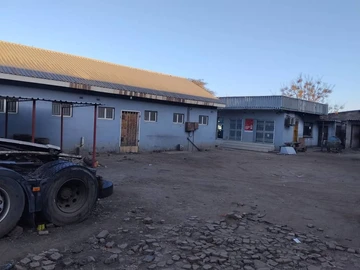
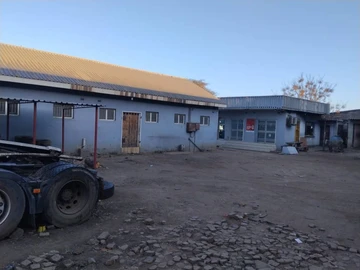
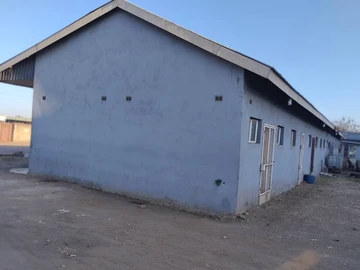
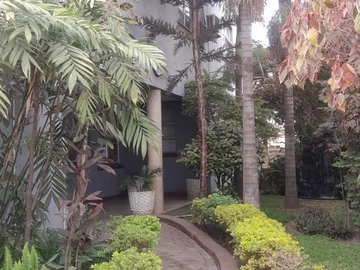
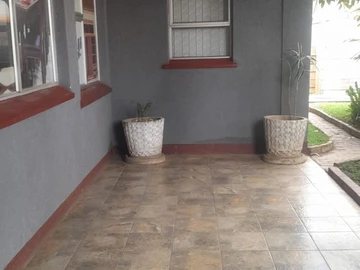
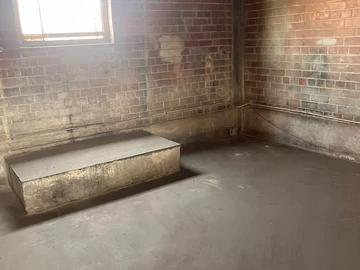
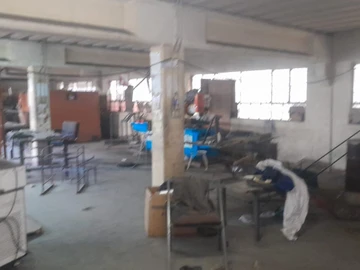
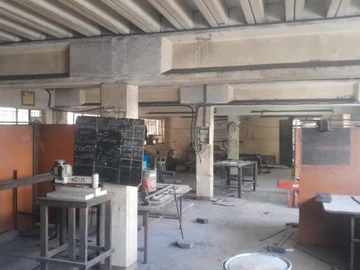
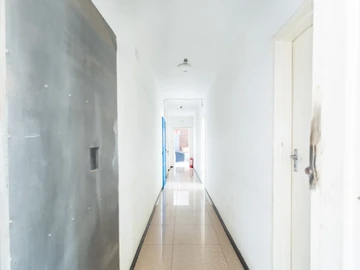
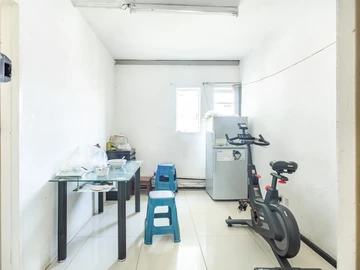
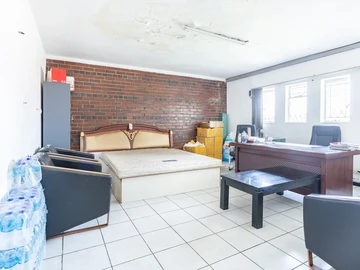
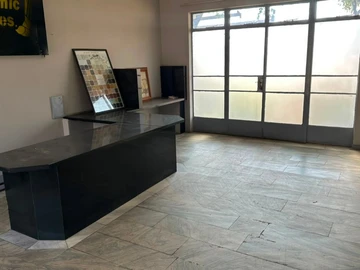
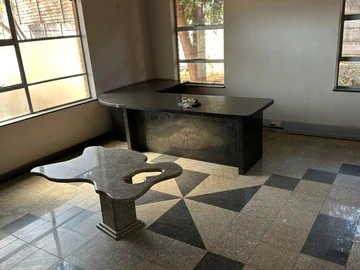
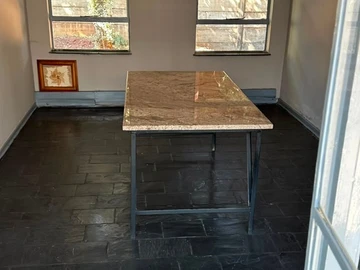
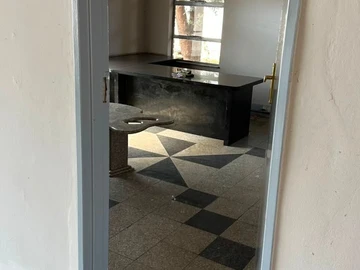
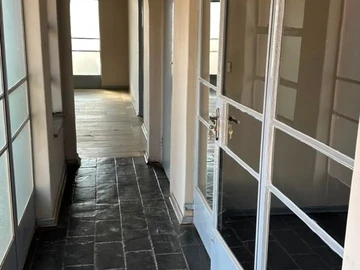
Many of these commercial properties are walled and feature tiled floors, providing secure and well-maintained environments suitable for various business needs. The properties vary in size and layout, accommodating different types of commercial activities from offices to warehouses or retail spaces.
Harare South is a rapidly developing area known for its mix of residential, commercial, and industrial zones. It benefits from good road connections and public transport access, making commuting to central Harare straightforward. Nearby amenities include the Mukuvisi Woodlands nature reserve, offering outdoor recreation, and the National Sports Stadium, a venue for major events. The area also has several schools, the well-known Parirenyatwa Hospital, and shopping centers like Southgate Shopping Centre, supporting a convenient and balanced lifestyle for workers and business owners alike.
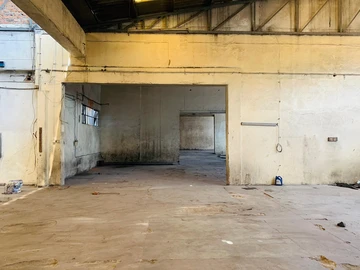
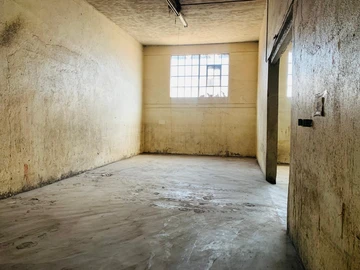
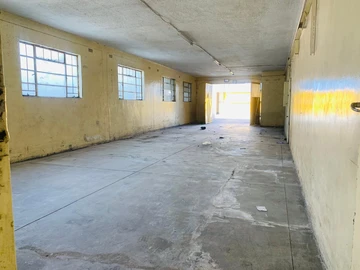
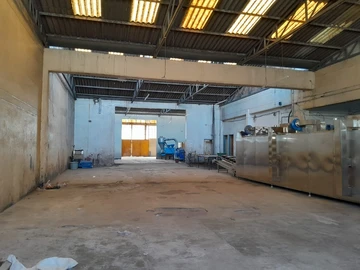
 545 m²
1,345 m²
545 m²
1,345 m²

Be the first to see new properties for rent in Harare South











| Type | Avg. price |
|---|---|
| Average price | $1,500 |
Prices as of October 2026
Buying a housing stand in Zimbabwe? Inspect title deeds, subdivision permits, compliance certificates, and seller IDs before making any payment.
Can someone claim your land in Zimbabwe? Learn how 30 year acquisitive prescription works, the legal risks involved, and how to protect your property title.
Explore October 2026 Property Pulse insights on the Zimbabwean real estate market, where high buyer demand outpaces limited housing supply across major areas.
Built a house on land registered in your partner's name? Learn your legal rights in Zimbabwe, tacit universal partnerships, and unjust enrichment claims.
Planning to convert or buy commercial property? Understand Zimbabwe’s change of use rules, 2026 Harare fees, timelines and approval risks.