Log in to contact the seller
 Continue with Facebook
 Continue with Email
Continue with Facebook
Continue with Email
Sign up with Facebook
Continue with Email
Continue with Facebook
Continue with Email
Sign up with Facebook
 Change filters
 Requests

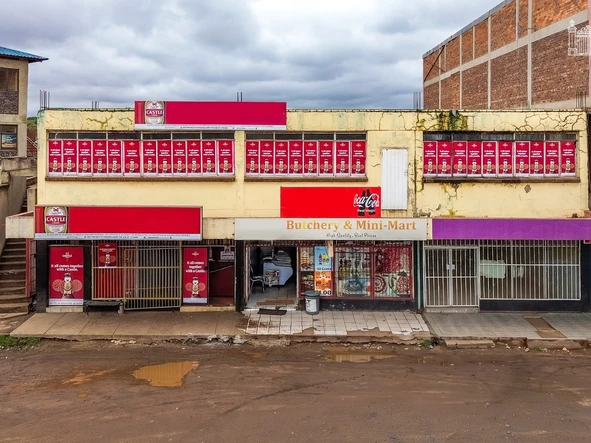



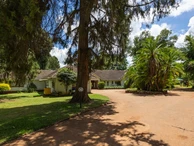
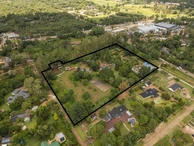
 28,026 m²
 2,000 m²
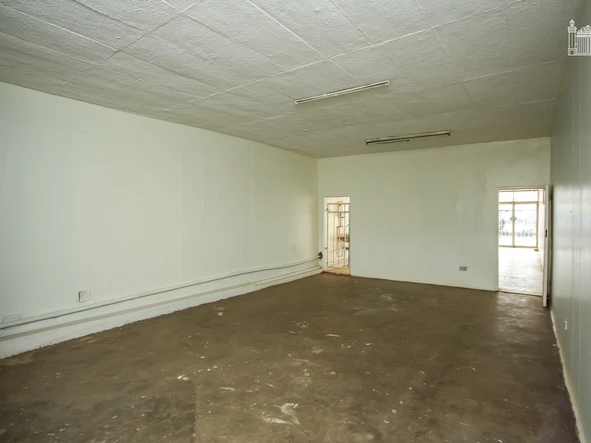
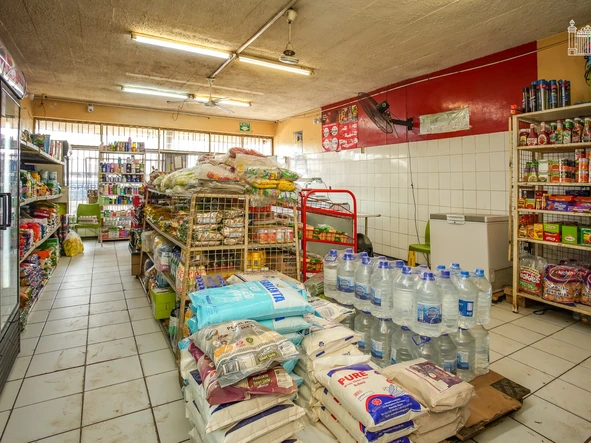
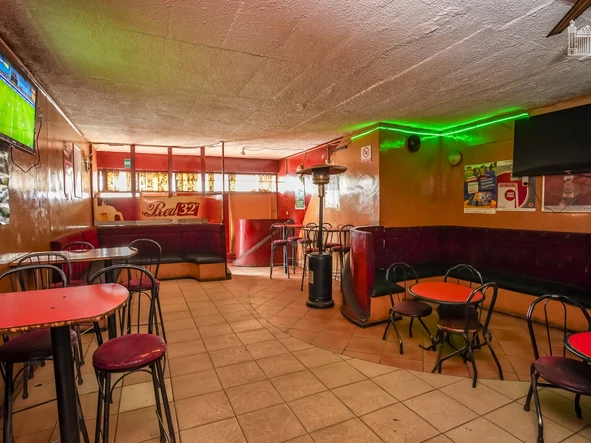
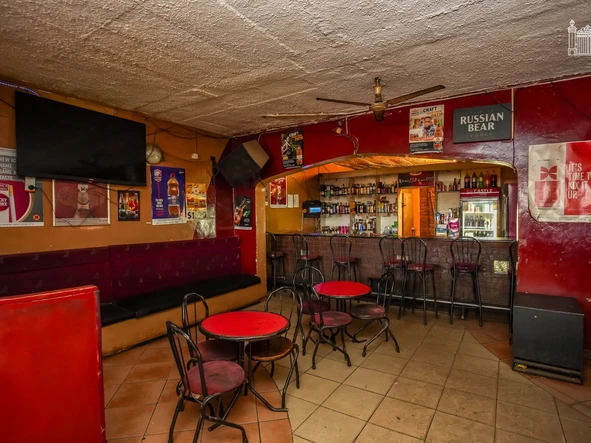
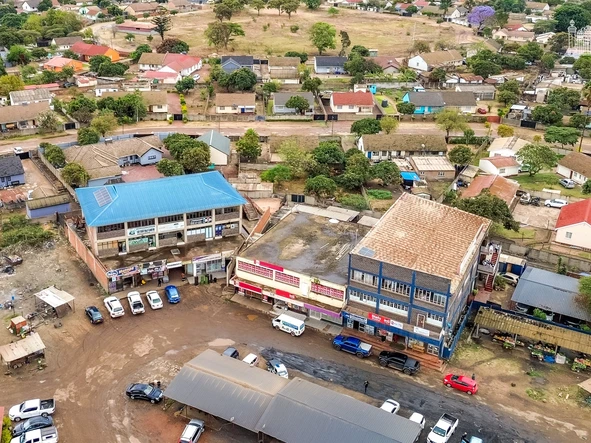
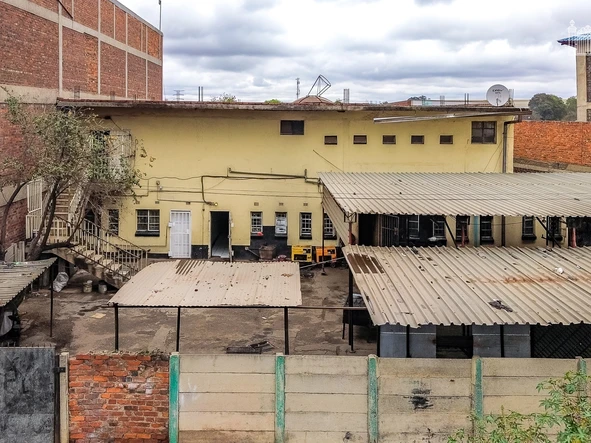
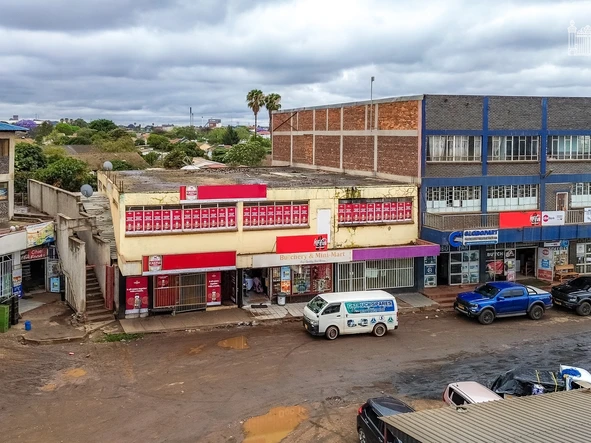
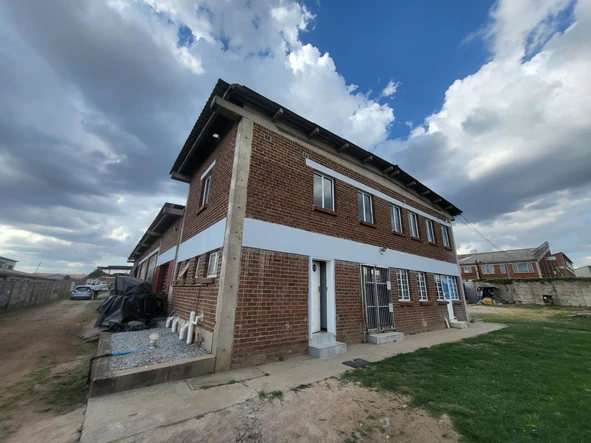
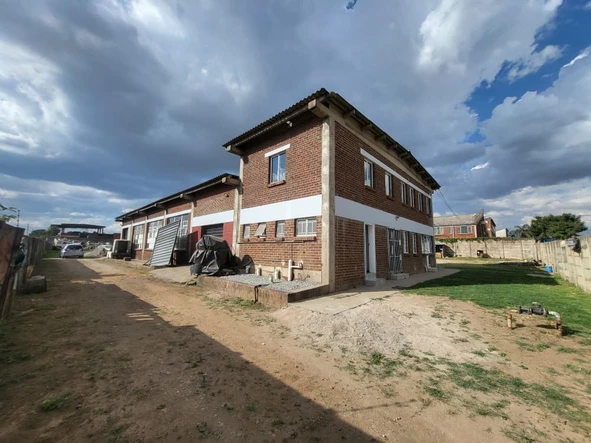
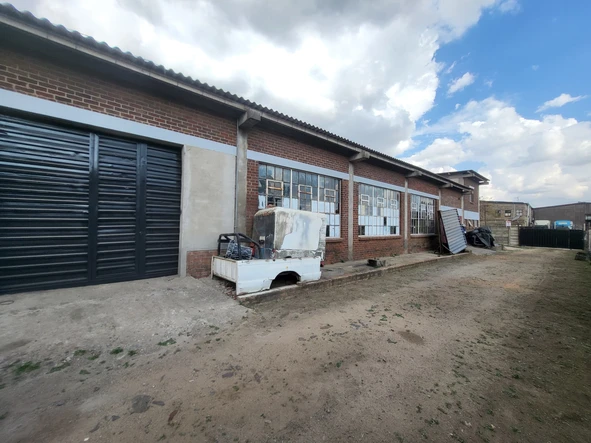
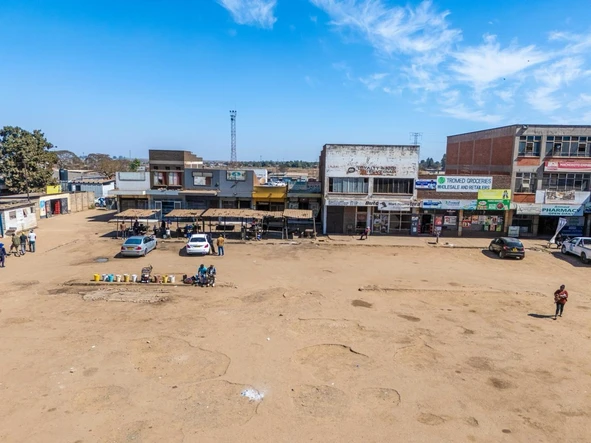
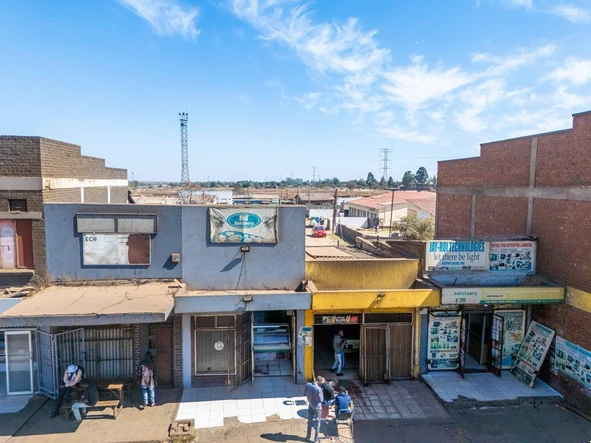
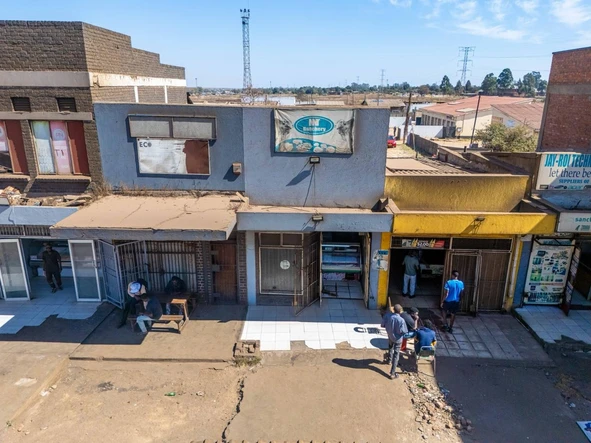
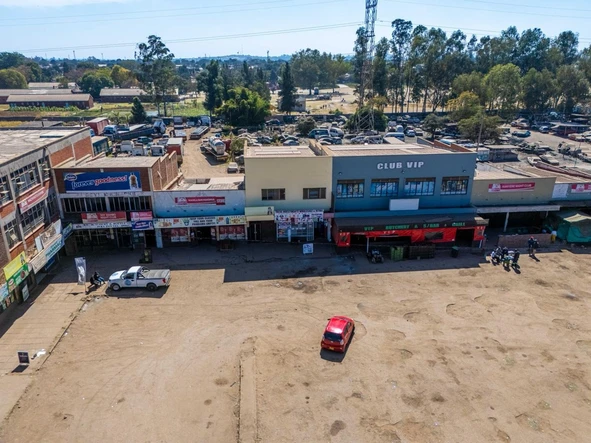
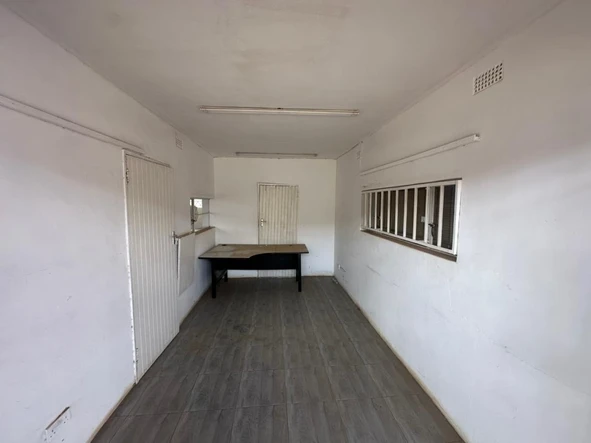
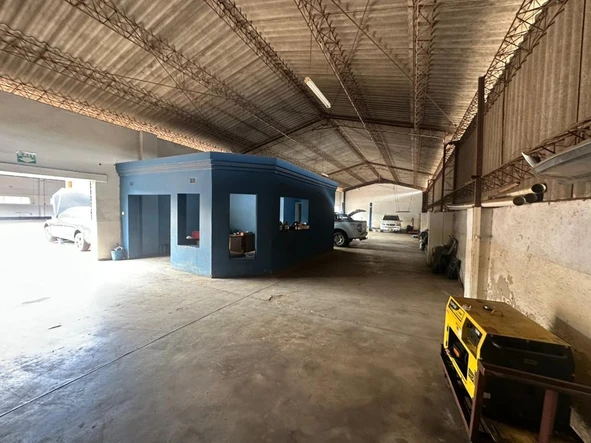
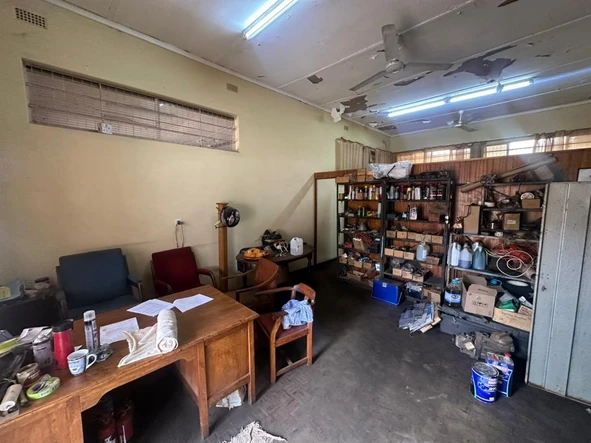
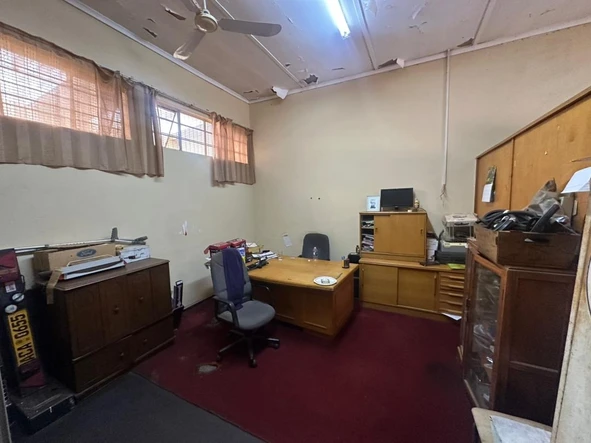
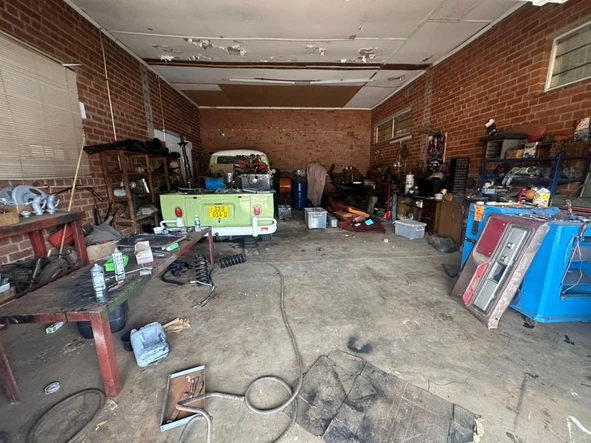
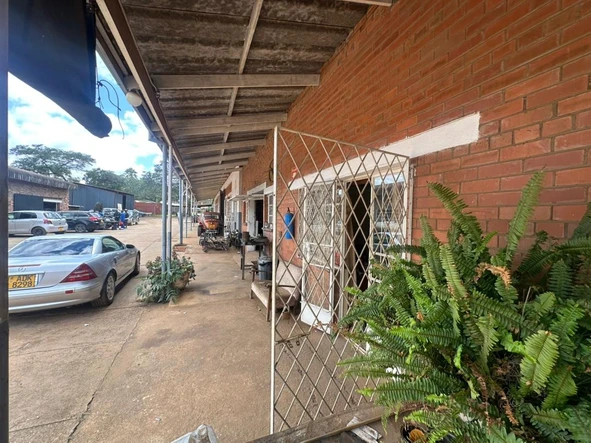
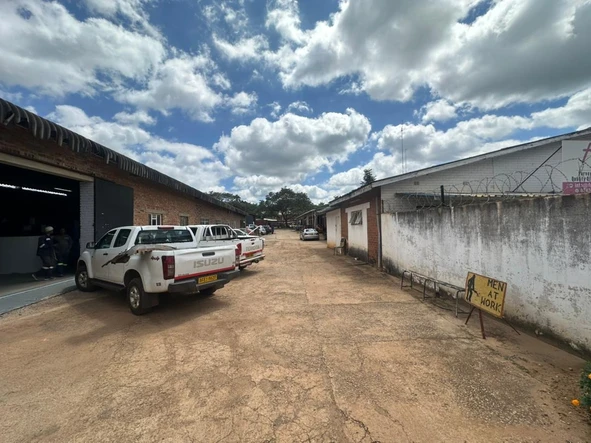
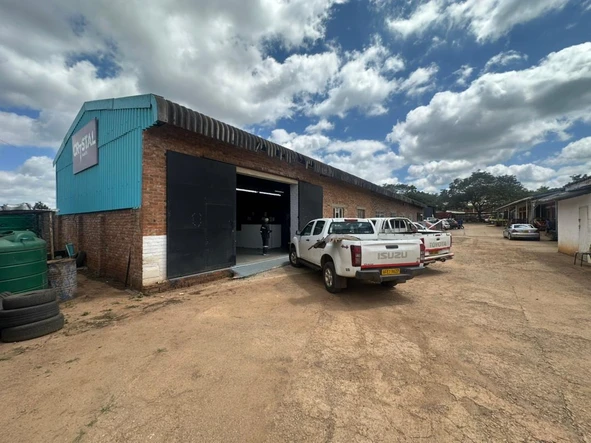
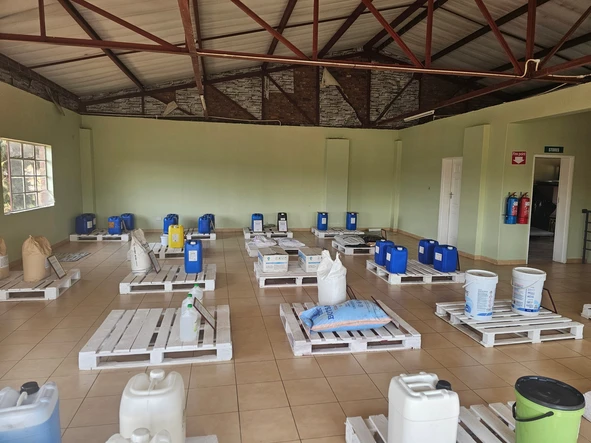
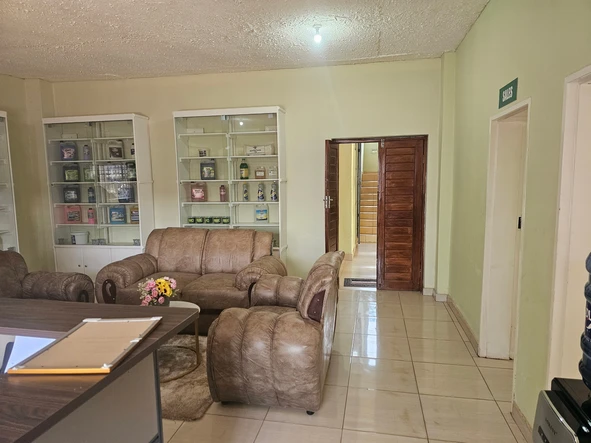
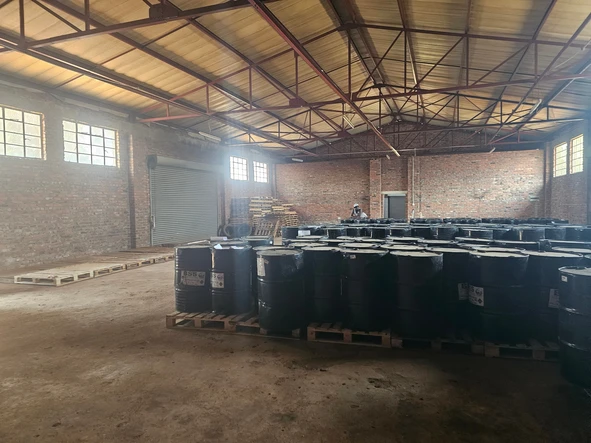
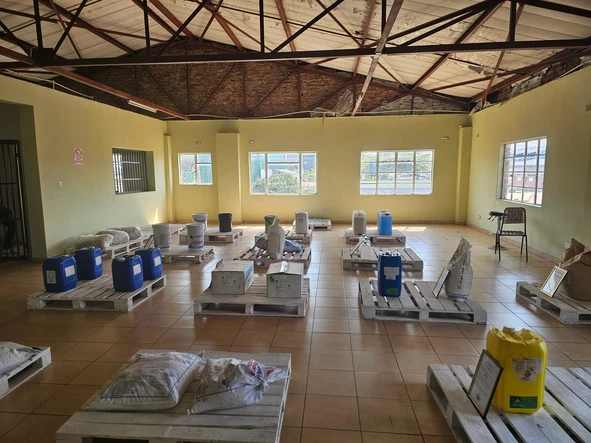
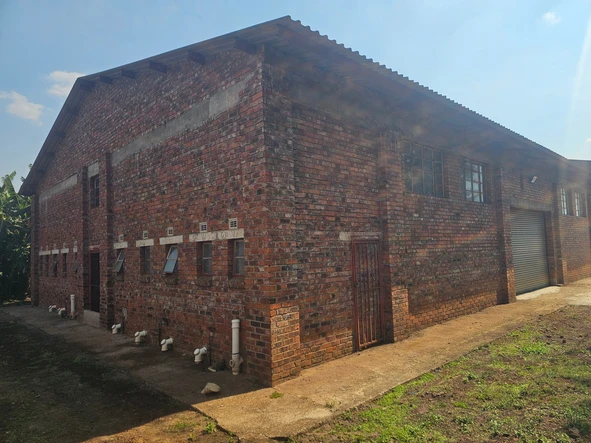
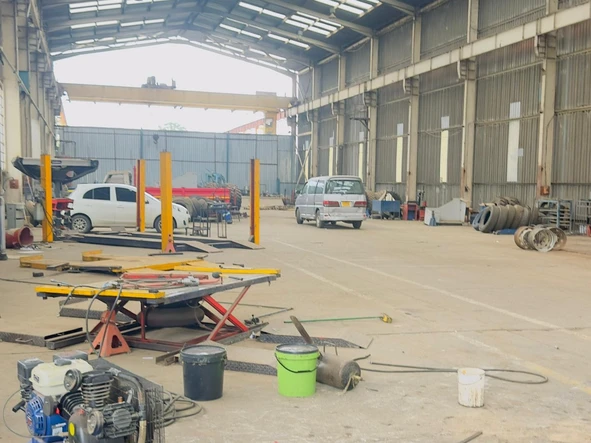
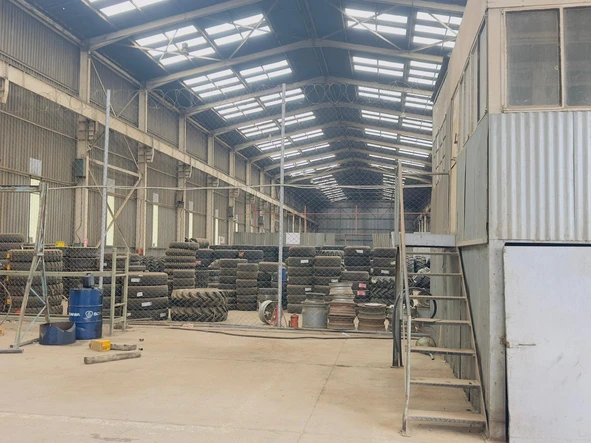
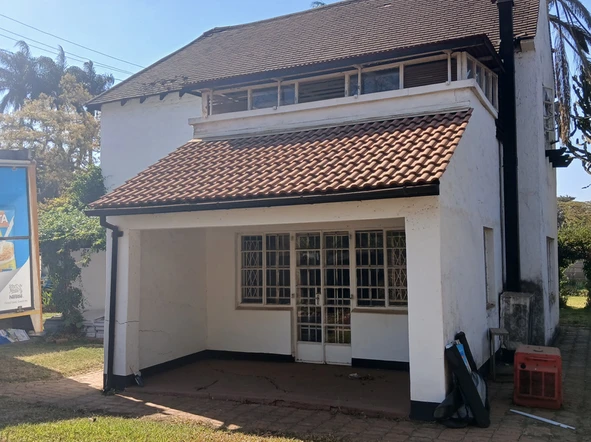
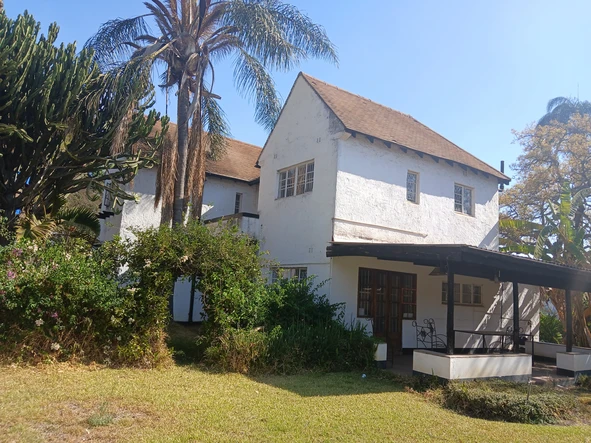
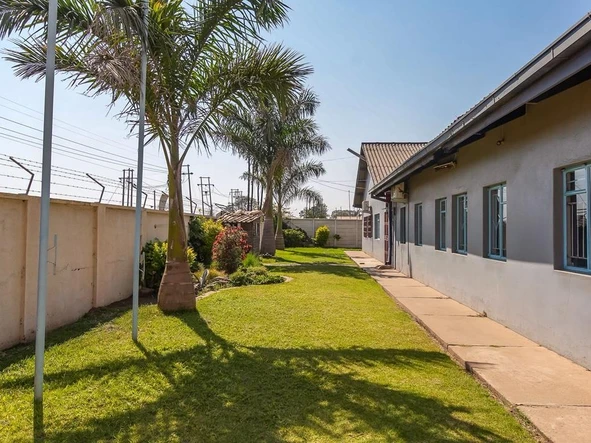
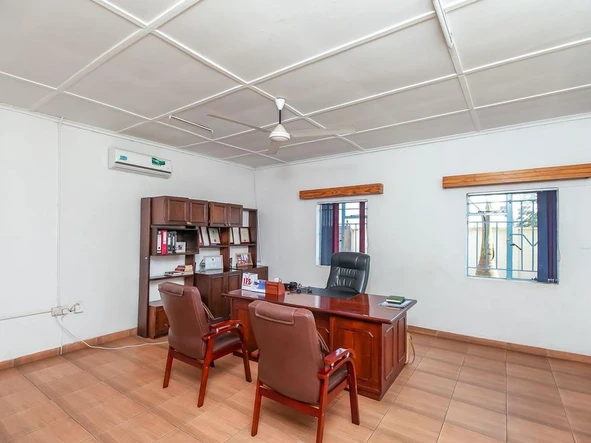
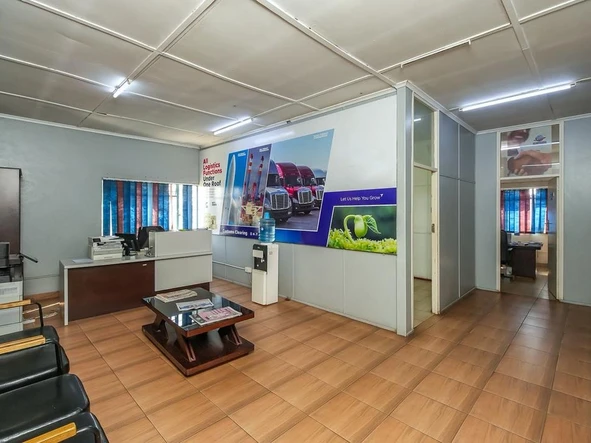
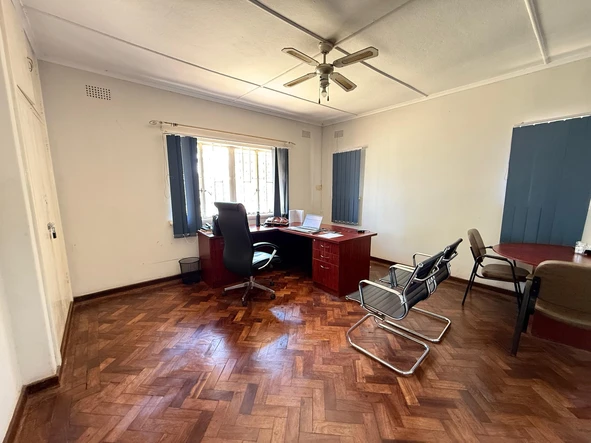
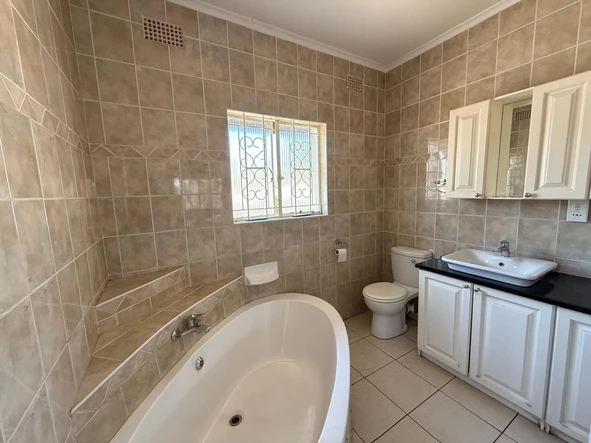
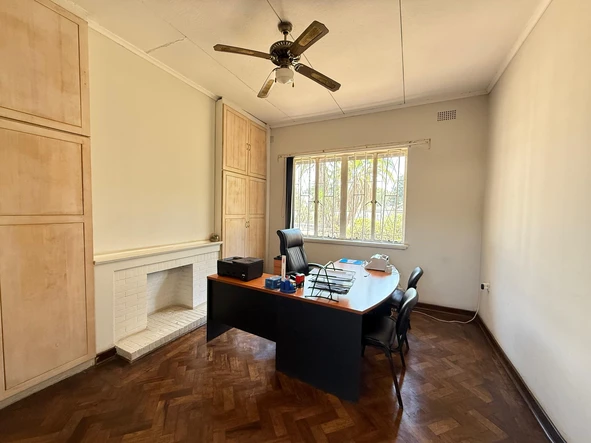
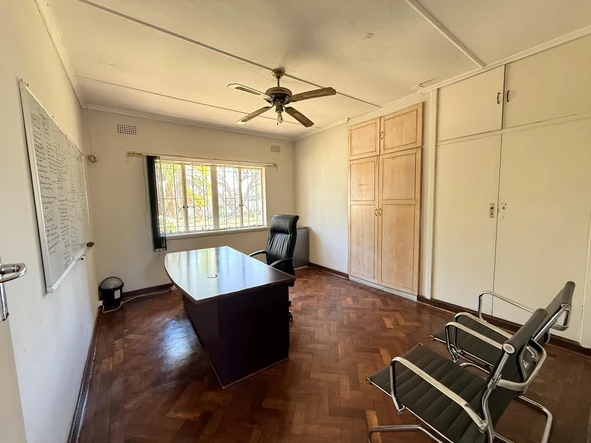
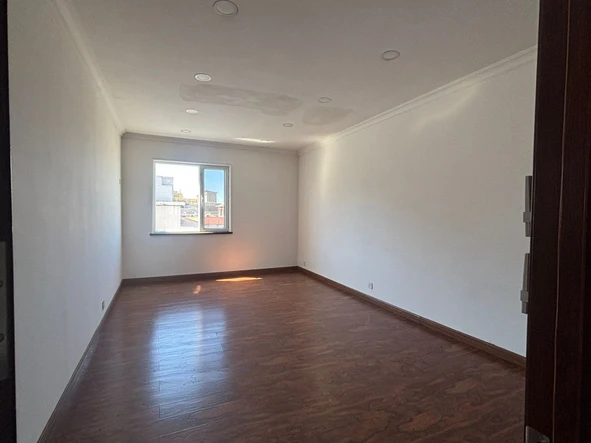
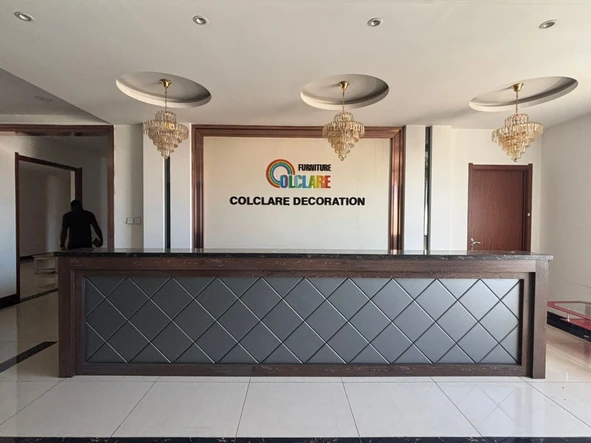
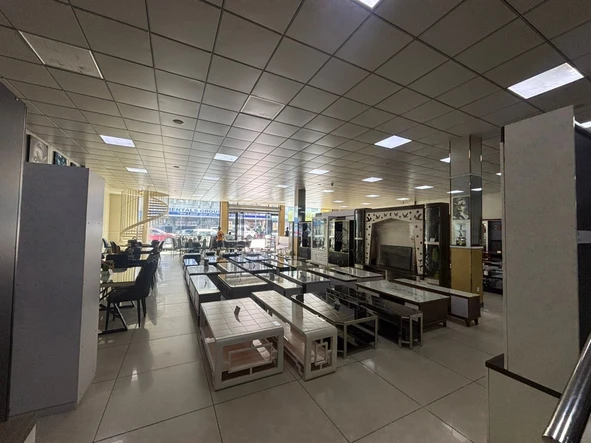
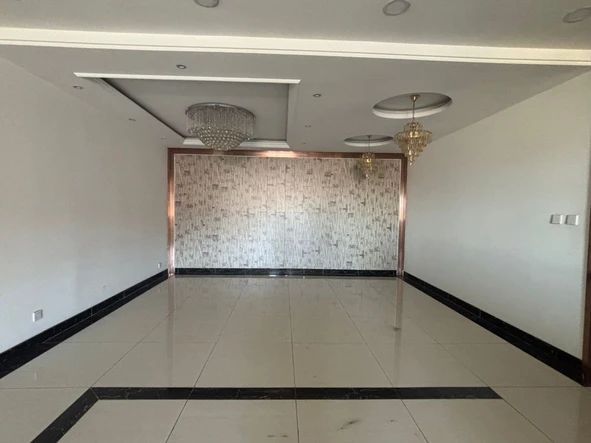
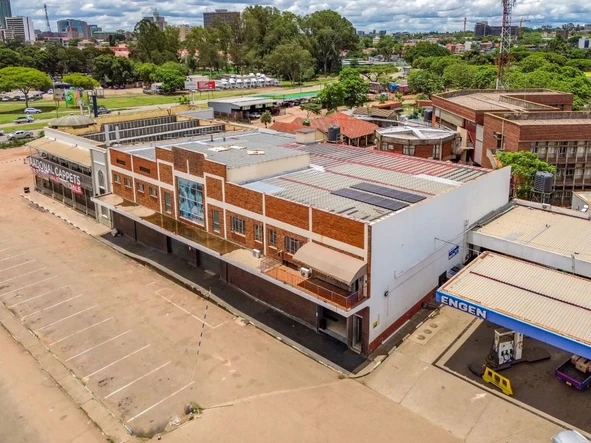
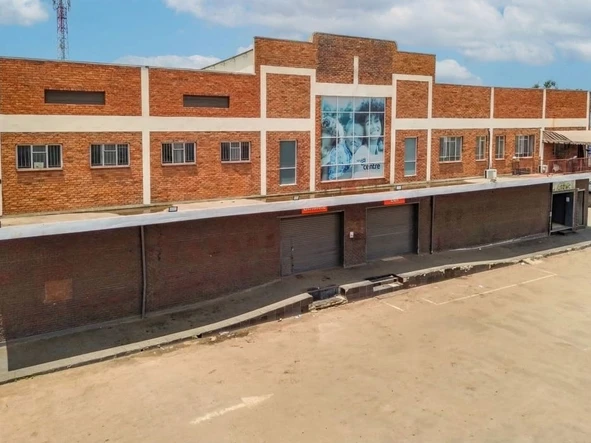
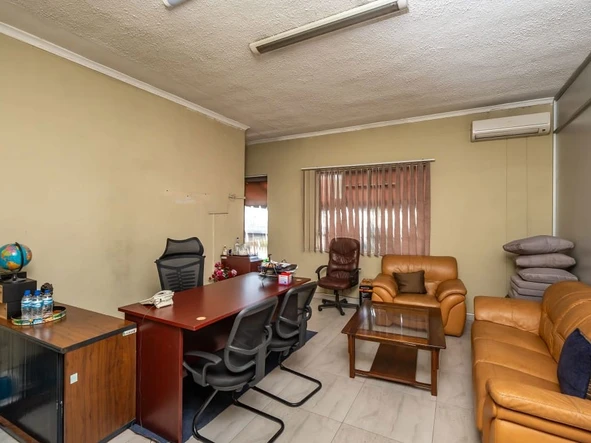
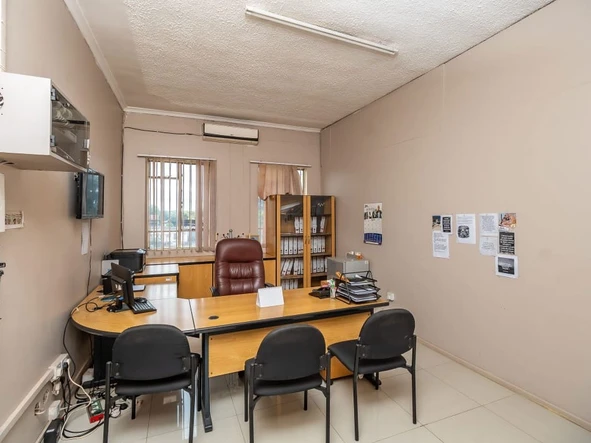
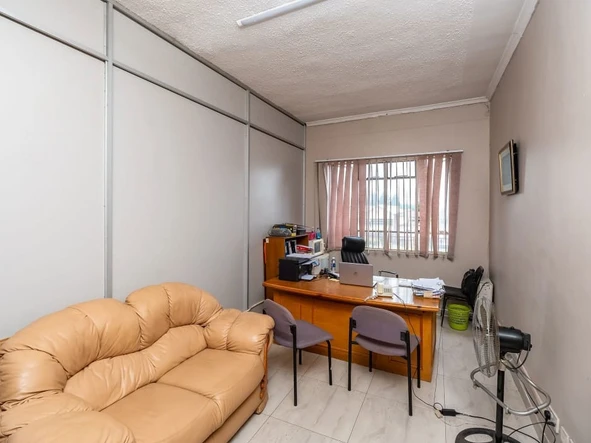
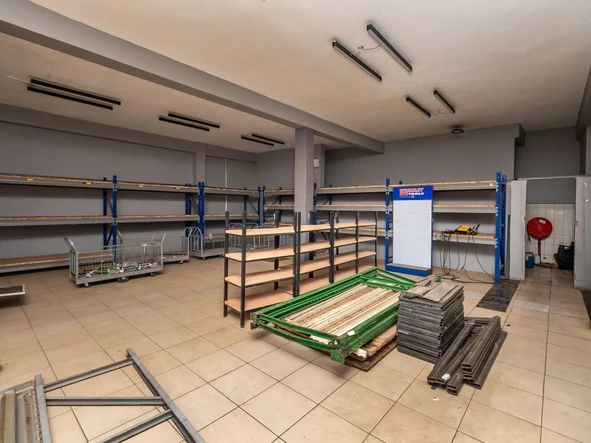
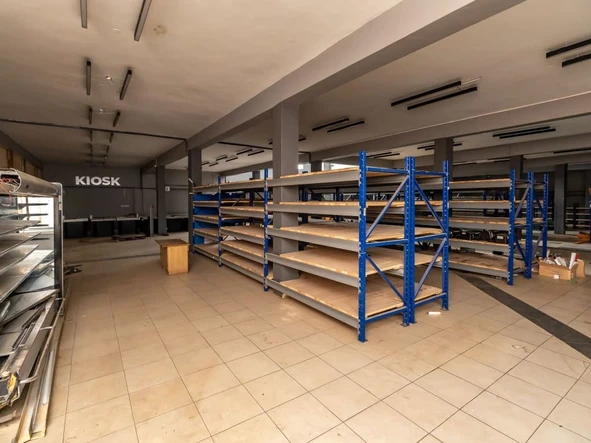
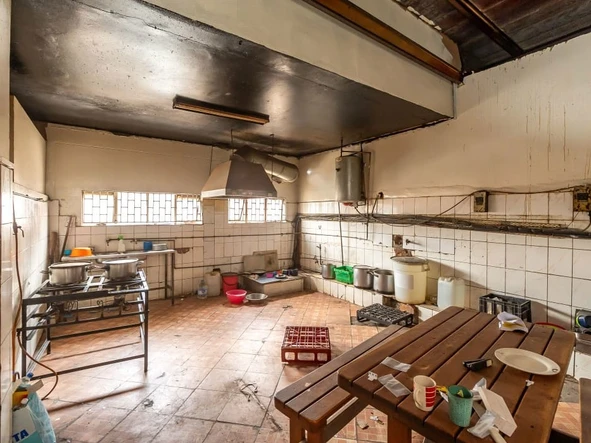
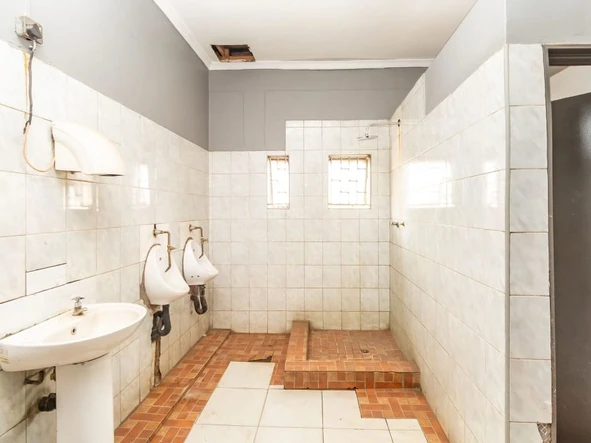
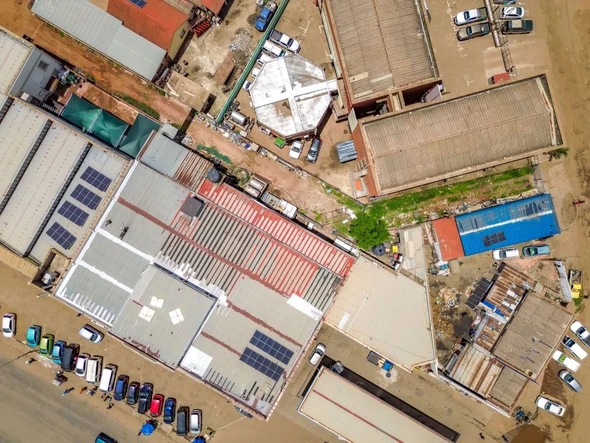
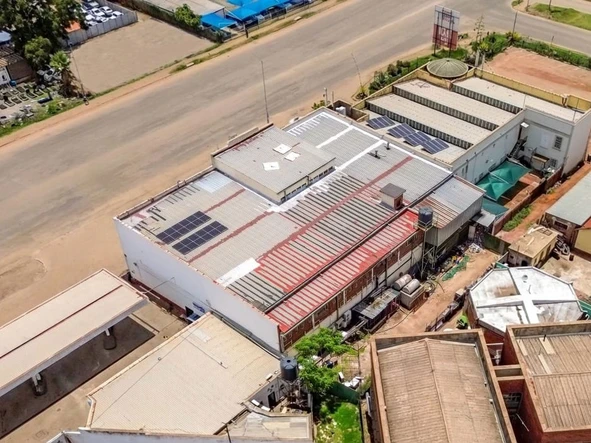
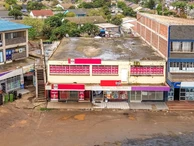
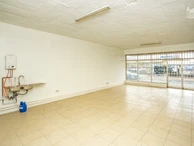
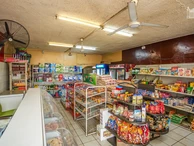
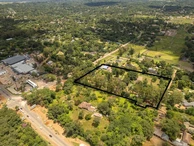
Commercial properties for sale in Harare are positioned in a dynamic urban setting, with an average price of $800,000, reflecting a high-end market. These properties typically feature a median land area of about 2,403 ㎡ and a median building size of around 450 ㎡, with some larger estates reaching up to 48,594 ㎡ of land and 25,000 ㎡ of built space.
Many of these commercial properties benefit from reliable ZESA electricity supply, an important feature for business operations. The range of property sizes accommodates various commercial needs, from smaller office or retail spaces to large industrial or mixed-use developments. Buyers can expect well-maintained sites suitable for diverse business activities in Harare’s competitive market.
Harare, as Zimbabwe’s capital, offers excellent infrastructure and connectivity, including major highways and Harare International Airport. The city supports a vibrant business environment with access to cultural attractions like the National Gallery of Zimbabwe and Harare Gardens, as well as shopping hubs such as Sam Levy’s Village and Avondale Shopping Centre. The presence of reputable schools and healthcare facilities adds to the city’s appeal for investors and business owners looking for a well-rounded commercial location.
1,844 m²
5,000 m²
4,053 m²
 5,381 m²
4,260 m²
5,381 m²
4,260 m²

Be the first to see new properties for sale in Harare










| Type | Avg. price |
|---|---|
| Average price | $800,000 |
Prices as of October 2026
Manage your rental properties in Zimbabwe like a pro. Learn about tenant screening, lease agreements, maintenance, and rental tax rules in 2026.
Building or buying in Harare? Learn what plan approval requires, what changed in 2026, and how to manage unapproved structures.
Buying a housing stand in Zimbabwe? Inspect title deeds, subdivision permits, compliance certificates, and seller IDs before making any payment.
Can someone claim your land in Zimbabwe? Learn how 30 year acquisitive prescription works, the legal risks involved, and how to protect your property title.
Explore October 2026 Property Pulse insights on the Zimbabwean real estate market, where high buyer demand outpaces limited housing supply across major areas.