Log in to contact the seller
 Continue with Facebook
 Continue with Email
Continue with Facebook
Continue with Email
Sign up with Facebook
Continue with Email
Continue with Facebook
Continue with Email
Sign up with Facebook
 Change filters
 Requests


 2
2
 1
180 m²
1
180 m²


 2
1
65 m²
3
2
200 m²
3
2
1,000 m²
2
1
150 m²
2
1
65 m²
3
2
200 m²
3
2
1,000 m²
2
1
150 m²

Be the first to see new properties for rent in Harare West










| Property Size | Avg. price |
|---|---|
| 1 bedroom (View 3 properties) | $550 |
| 2 bedroom (View 30 properties) | $688 |
| 3 bedroom (View 19 properties) | $1,300 |
Secure your children's financial future by exploring how to legally register property for minors under Zimbabwe's strict legal frameworks. Whether utilizing
Secure your long-term occupancy by regularizing your property status through the Deeds Registry, as years of living on a stand do not automatically grant legal
Navigate the psychological and financial strain of social media-driven design pressure by prioritizing high-ROI areas like kitchens and bathrooms over cosmetic
Protect your real estate assets in 2026 by understanding how Unregistered Customary Law Unions sit outside Zimbabwe’s Matrimonial Causes Act
Navigate the rules of Zimbabwe’s rental market by understanding that landlords cannot raise rent at will or without formal procedures. Governed by the lease agr






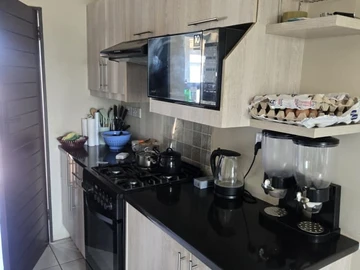
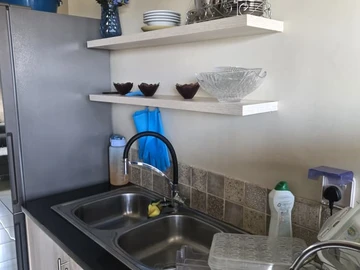
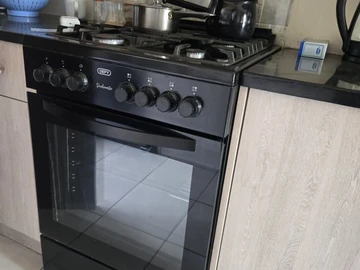
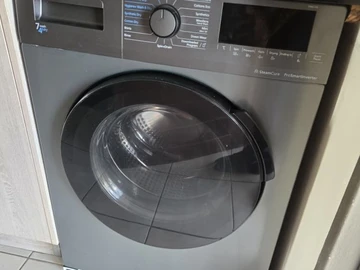

 400 m²