Log in to contact the seller
 Continue with Facebook
 Continue with Email
Continue with Facebook
Continue with Email
Sign up with Facebook
Continue with Email
Continue with Facebook
Continue with Email
Sign up with Facebook
 Change filters
 Requests


 1
1
 1
75 m²
1
75 m²


 1
1
40 m²
1
1
50 m²
1
1
40 m²
1
1
50 m²
 1
1
100 m²
1
1
100 m²
 1
1
150 m²
1
1
180 m²
1
1
180 m²
1
1
150 m²
1
1
180 m²
1
1
180 m²
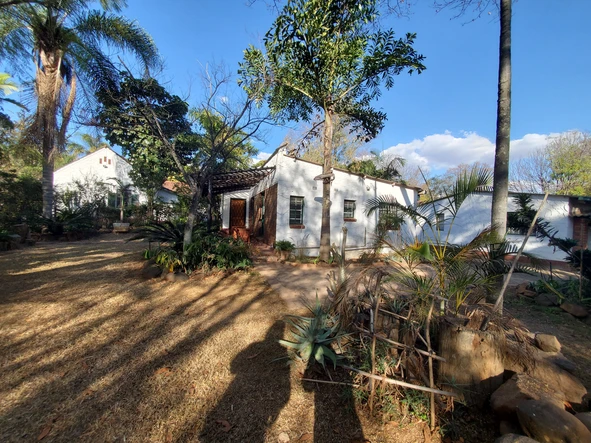
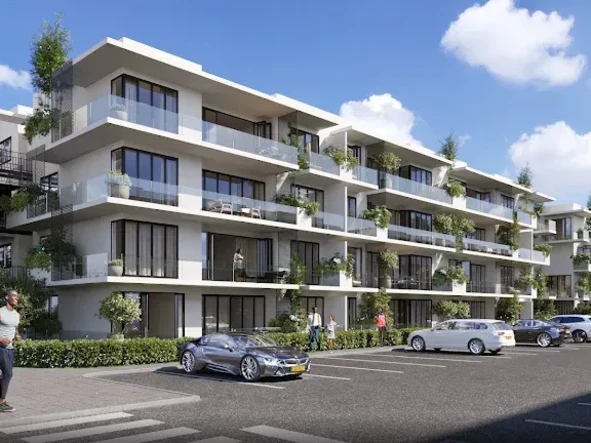
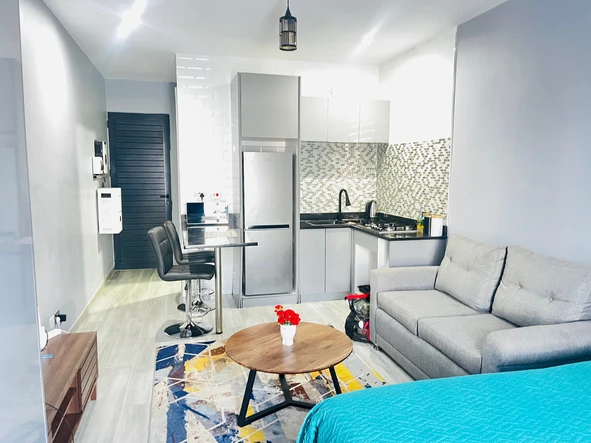
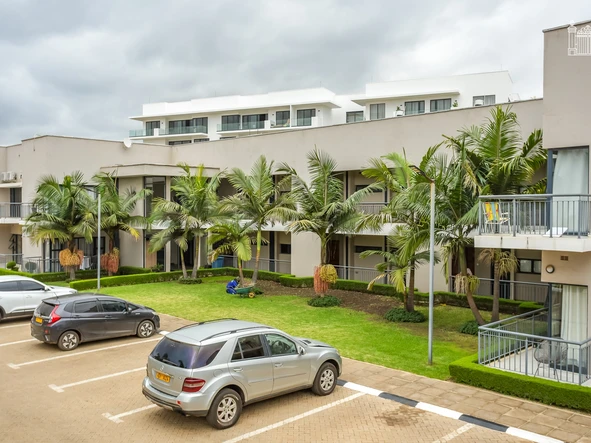
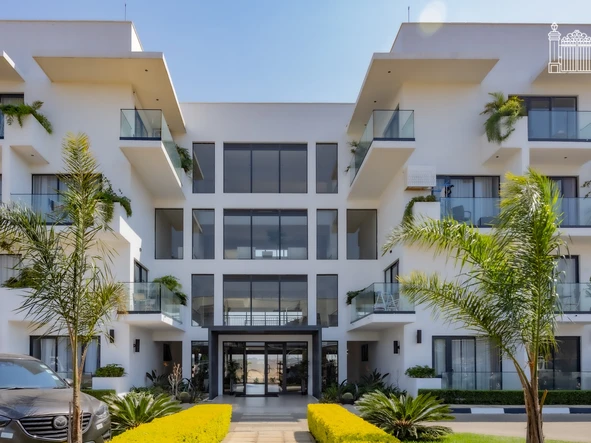
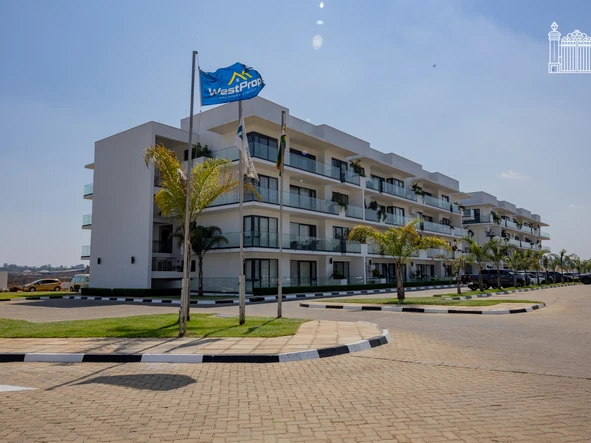
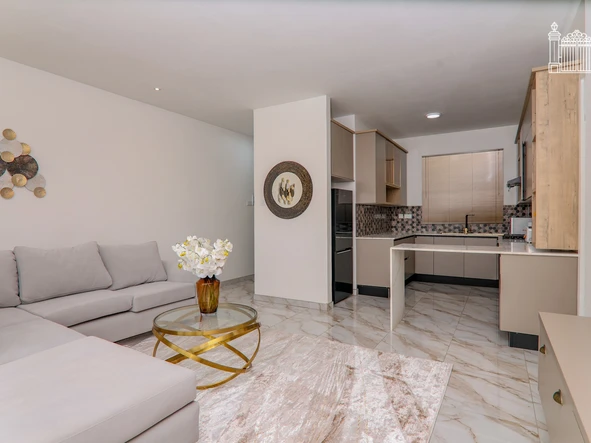
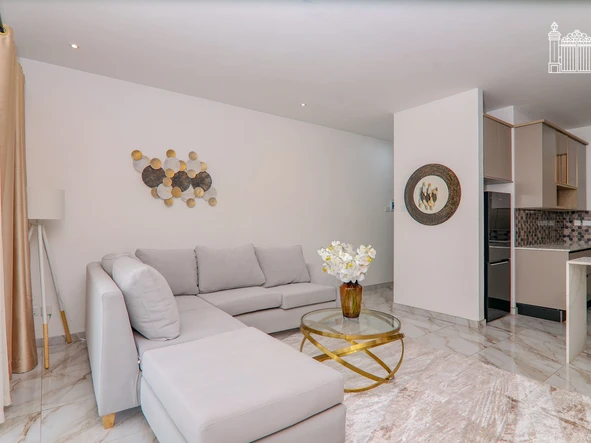
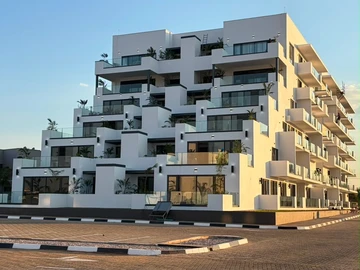
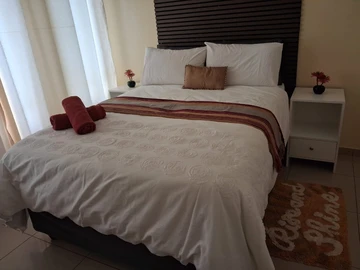
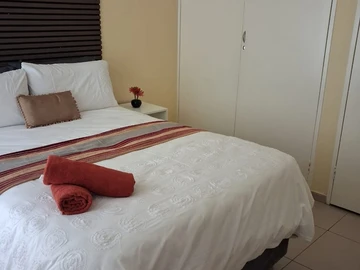
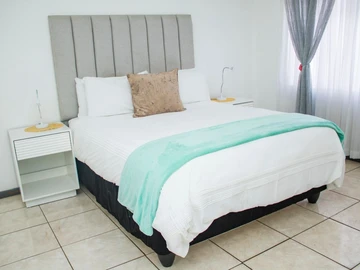
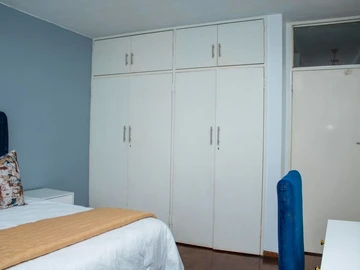
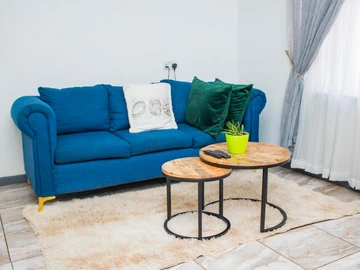
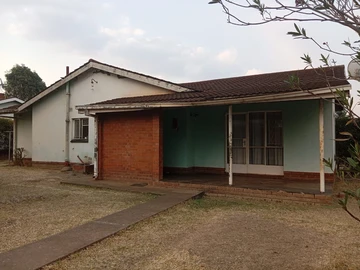
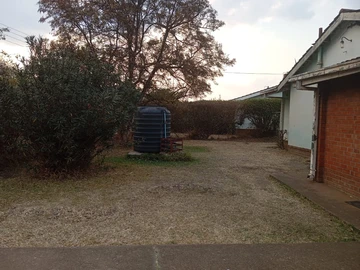
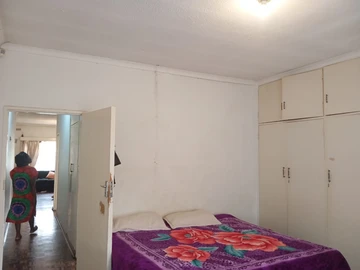
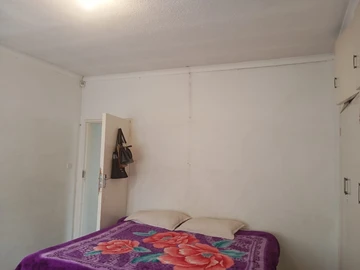
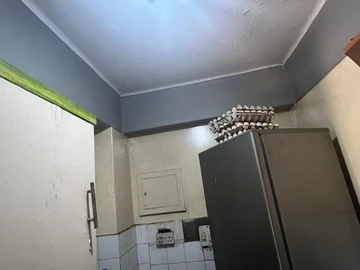
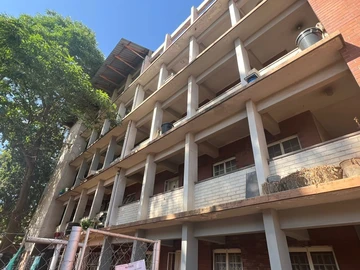
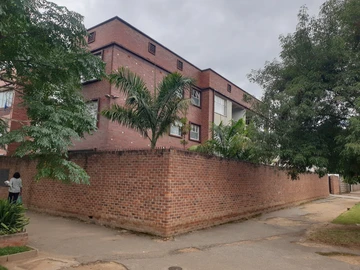
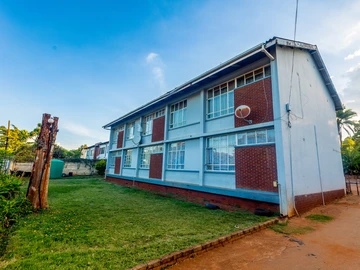
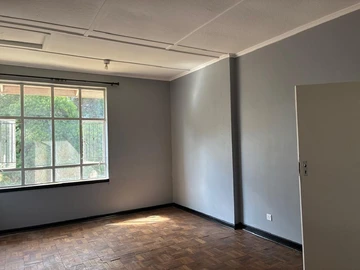
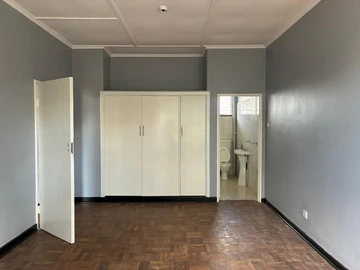
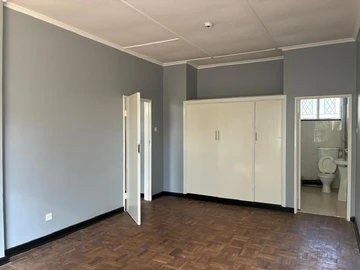
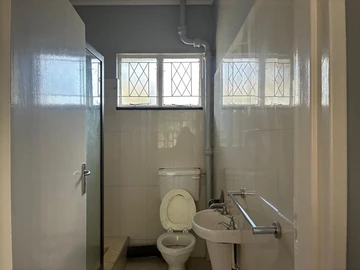
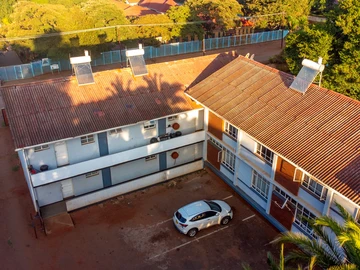
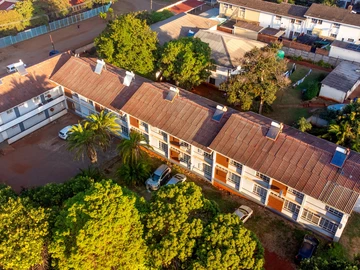
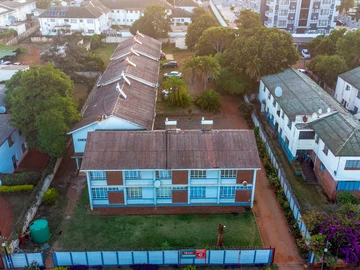
1-bedroom flats and apartments for rent in Harare offer affordable options with an average monthly rental price of $680. These properties typically have a median size of about 80 ㎡, with some units reaching up to 200 ㎡. While land areas vary, most flats have minimal land space, focusing on comfortable living within the city.
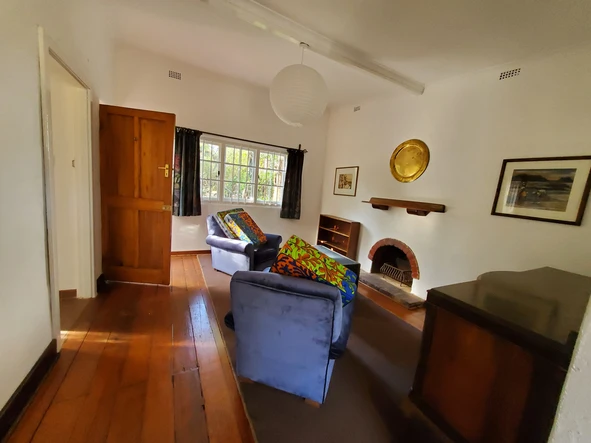
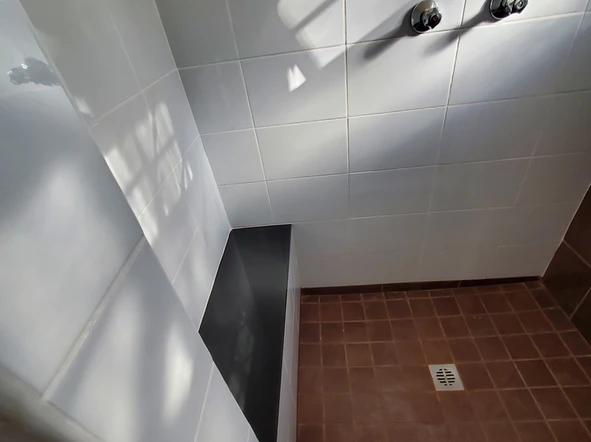
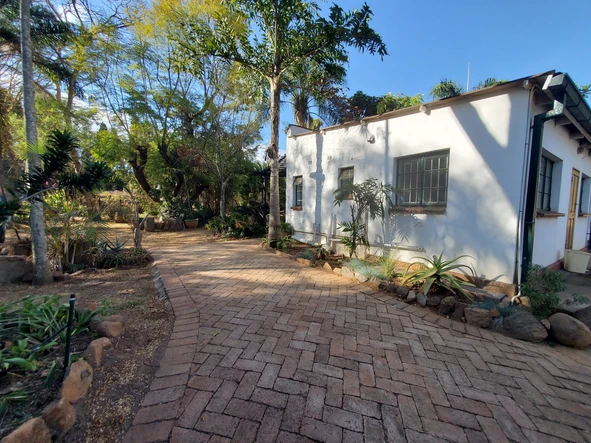
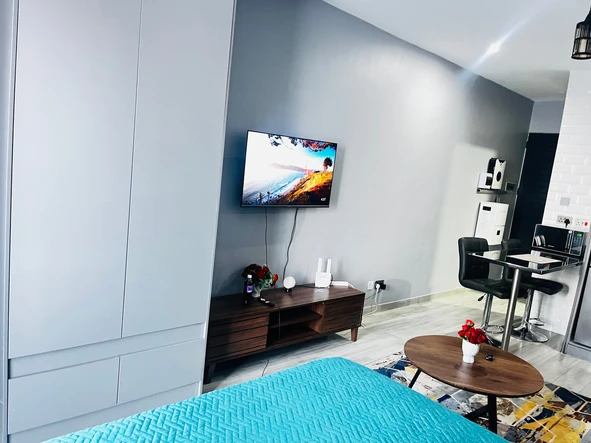
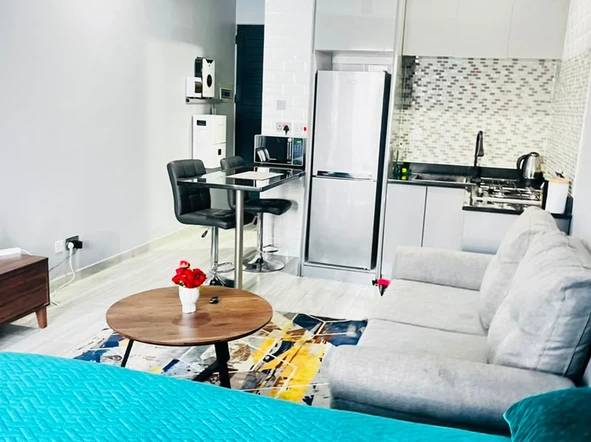
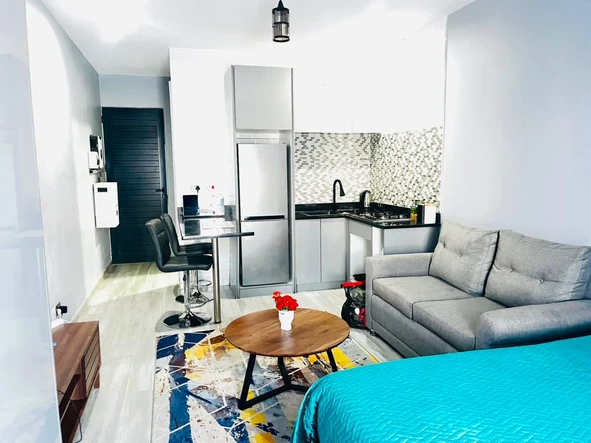
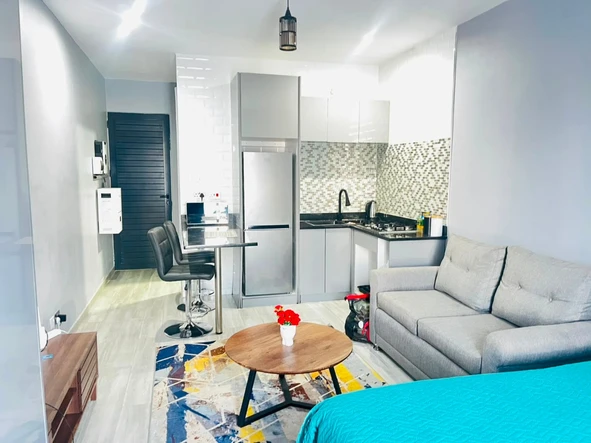
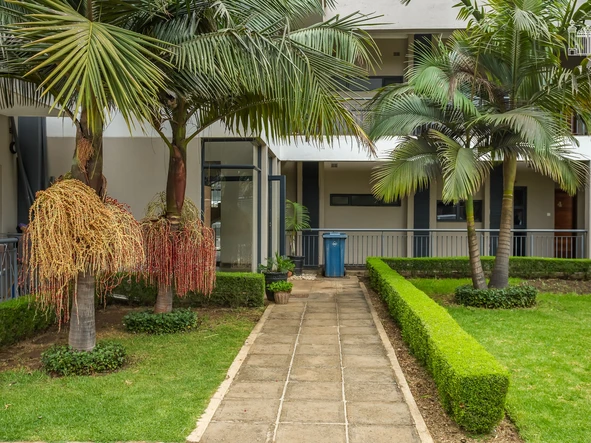
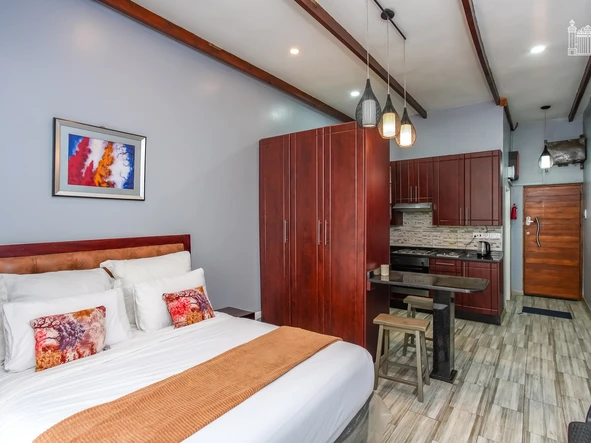
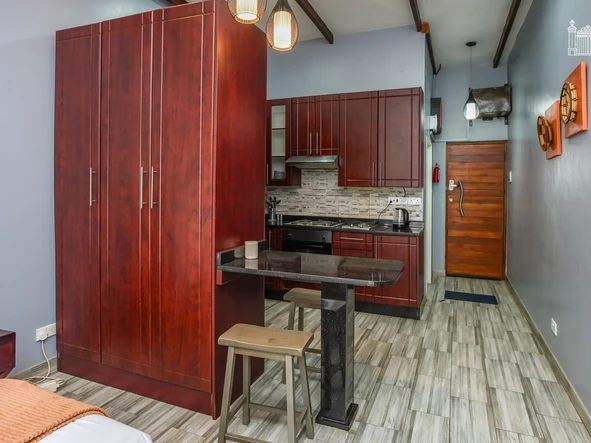
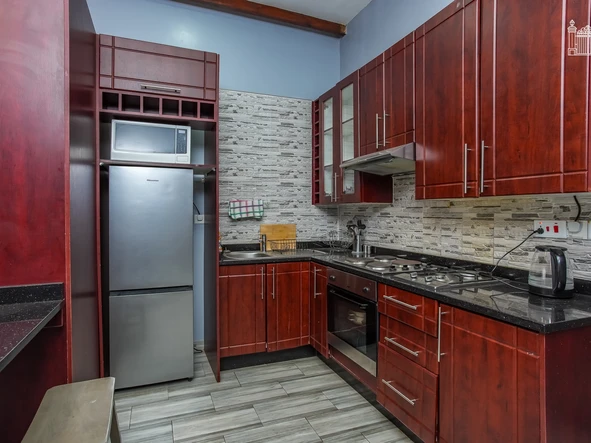
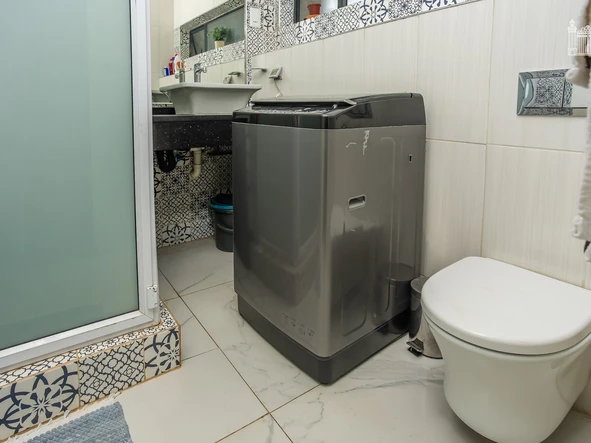
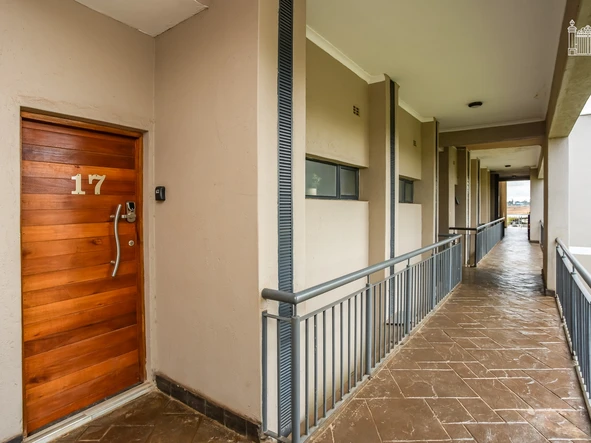
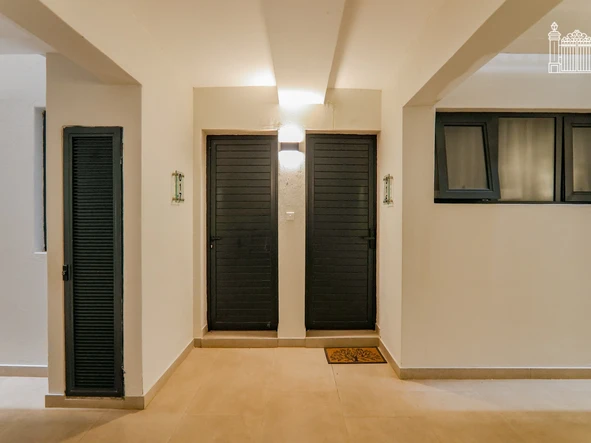
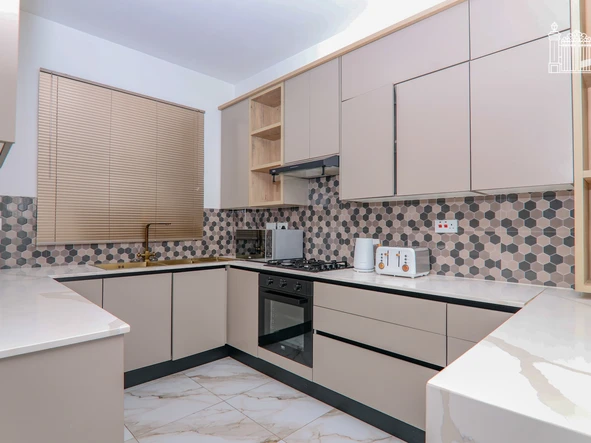
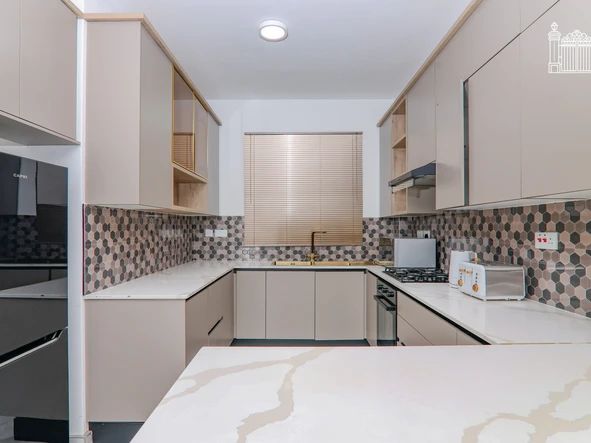
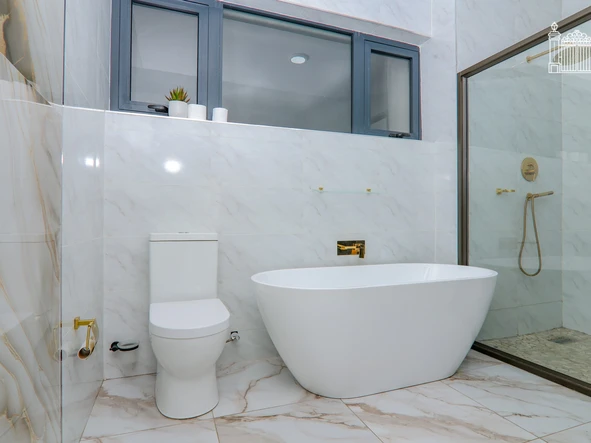
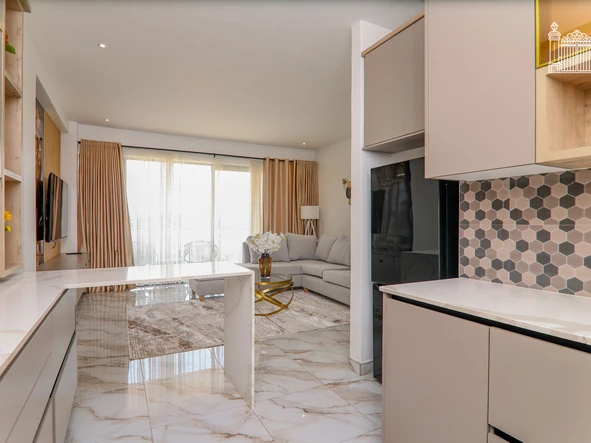
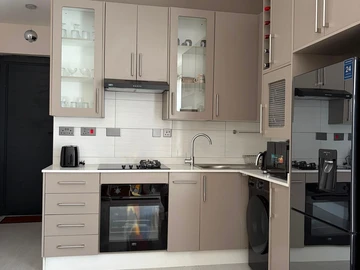
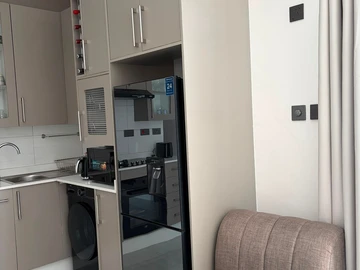
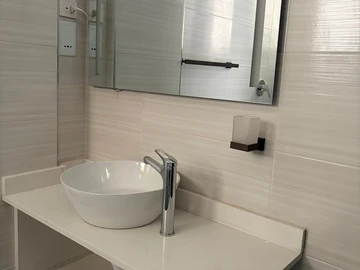
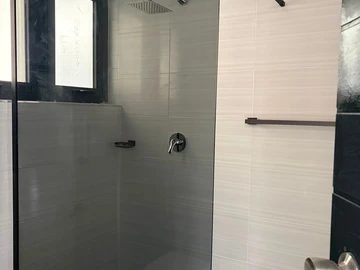
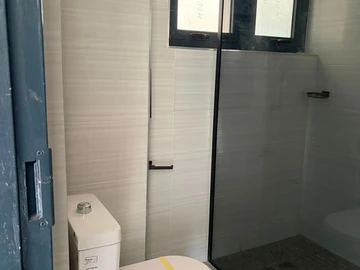
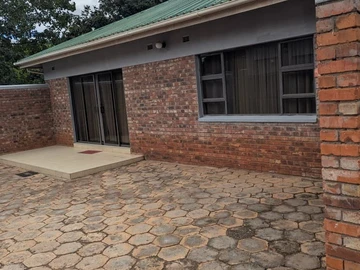
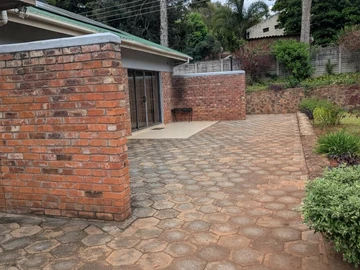
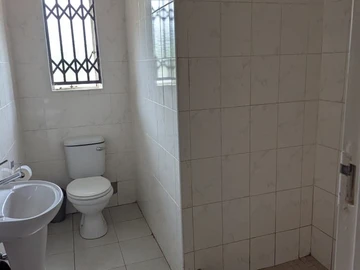
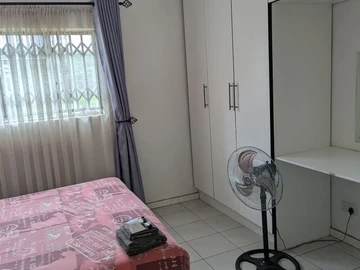
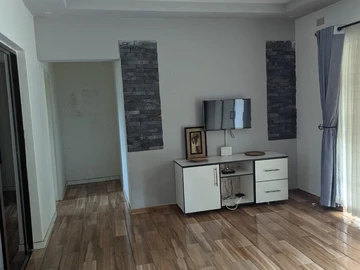
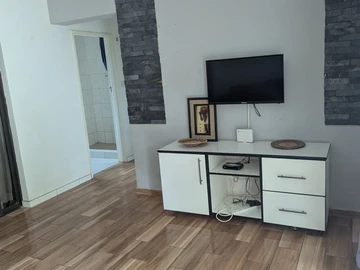
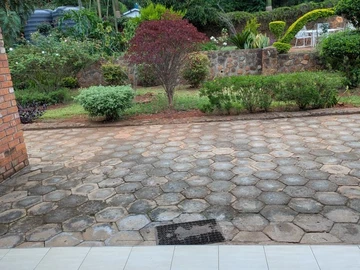
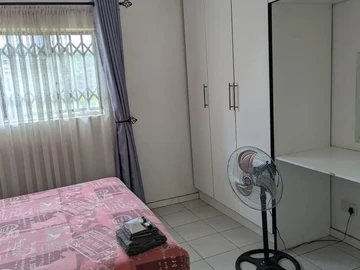
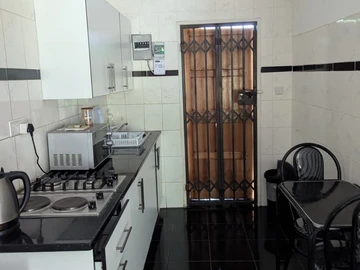
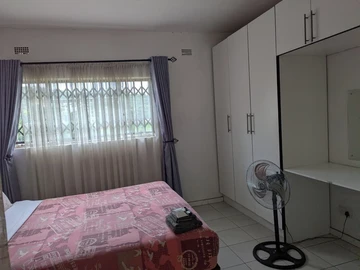
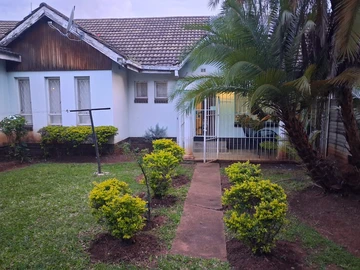
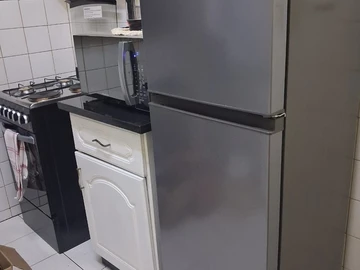
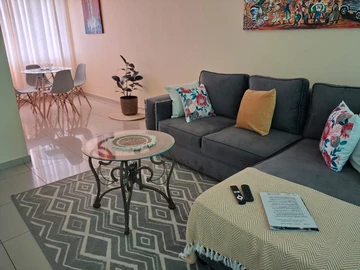
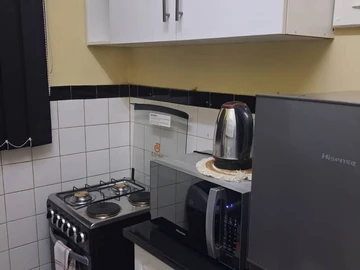
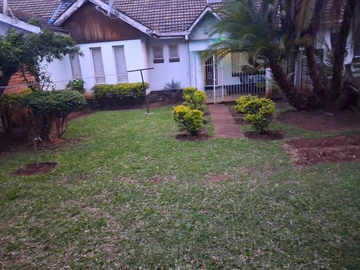
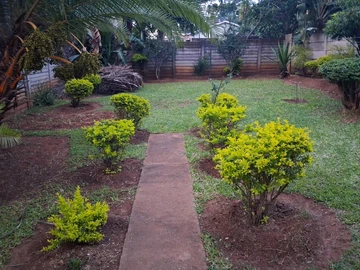
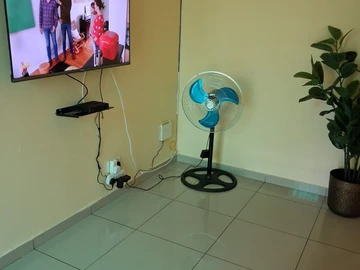
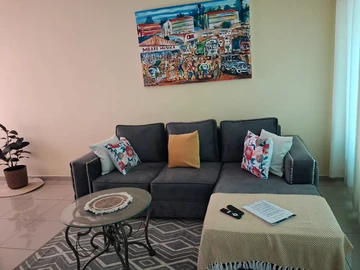
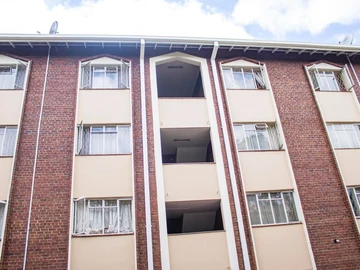
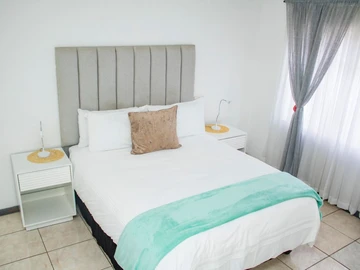
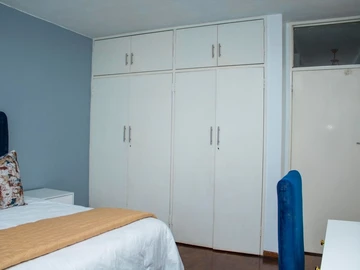
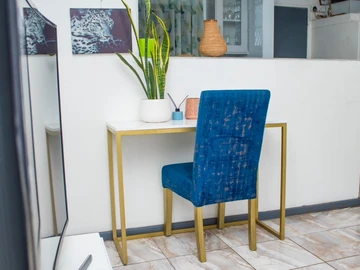
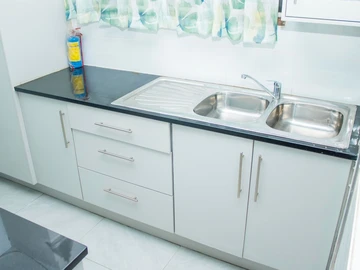
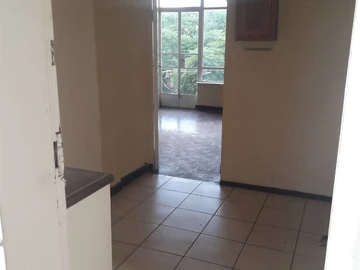
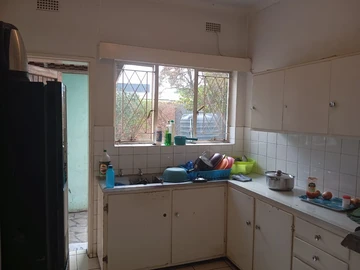
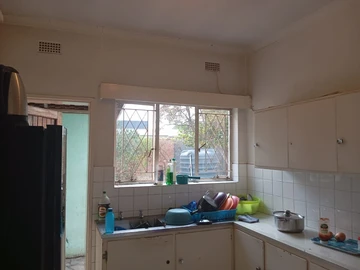
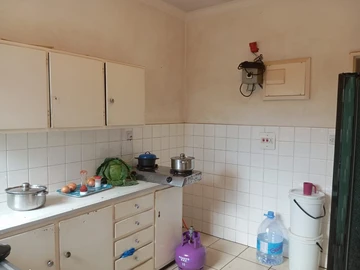
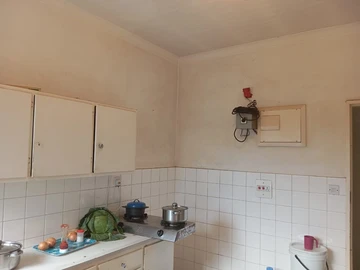
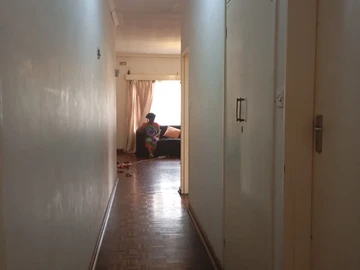
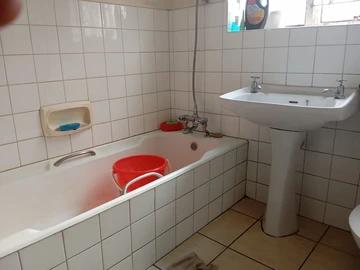
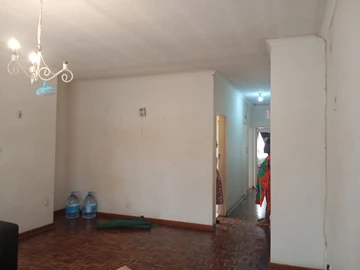
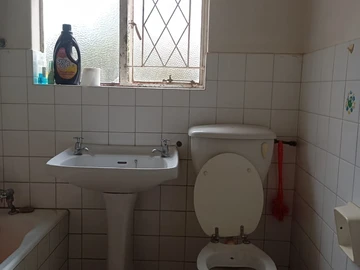
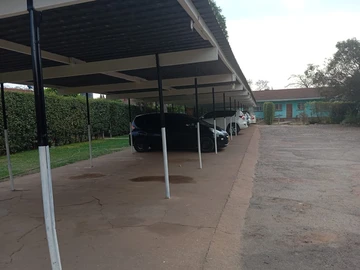
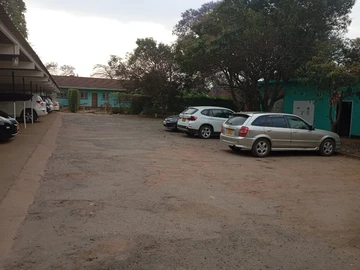
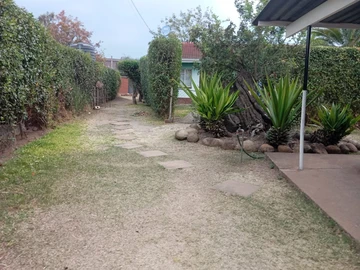
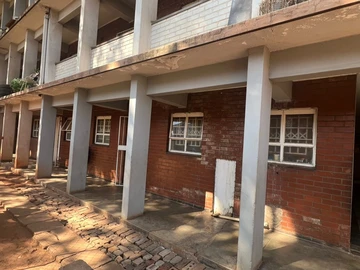
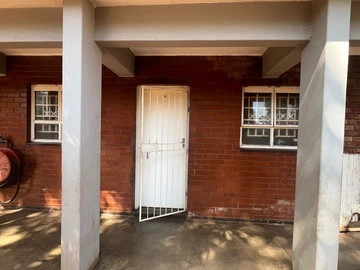
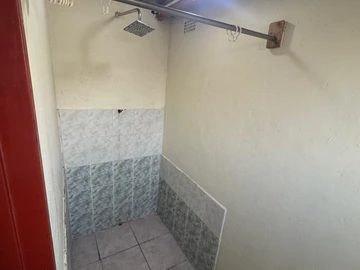
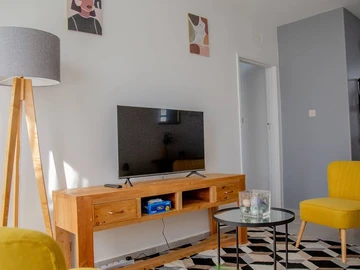
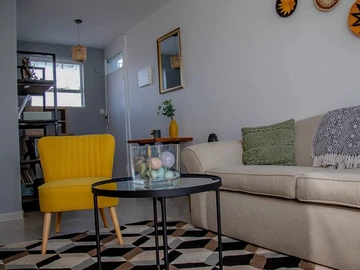
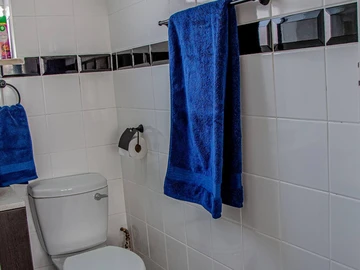
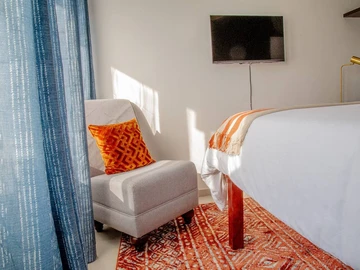
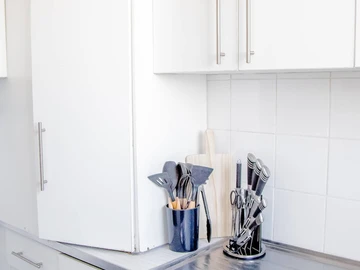
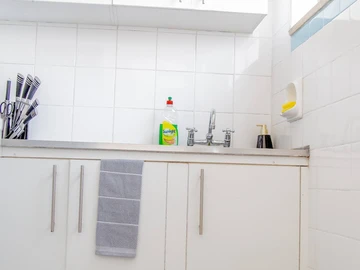
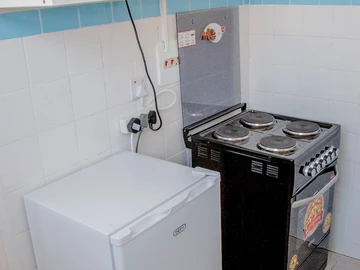
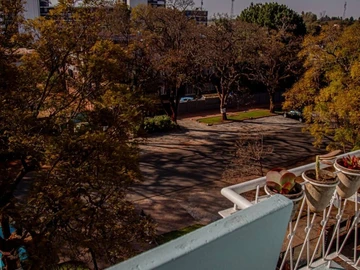
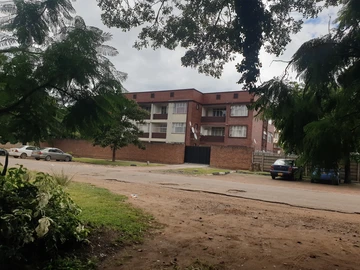
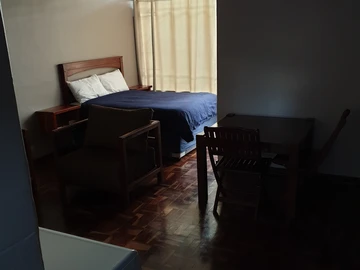
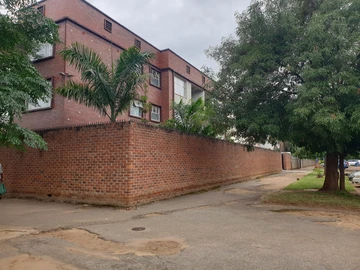
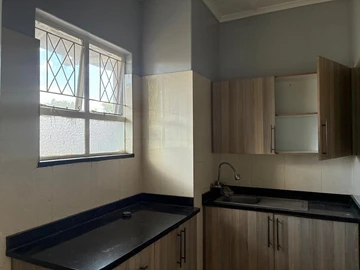
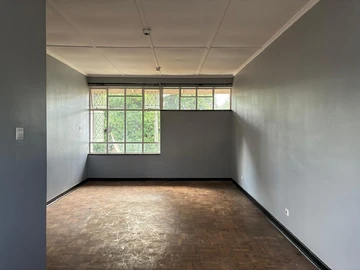
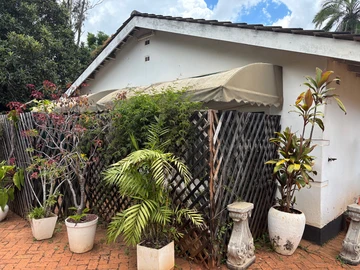
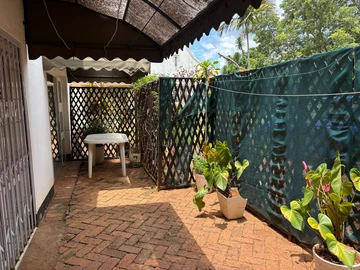
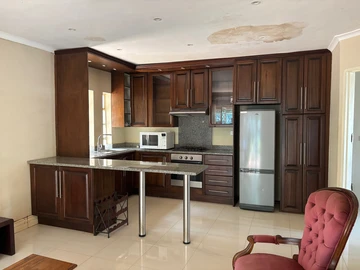
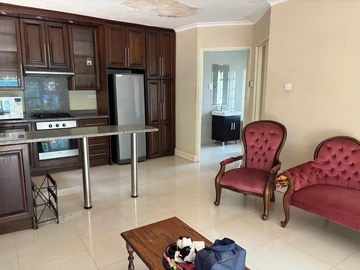
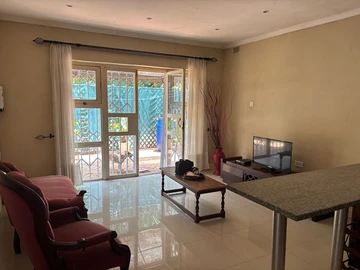
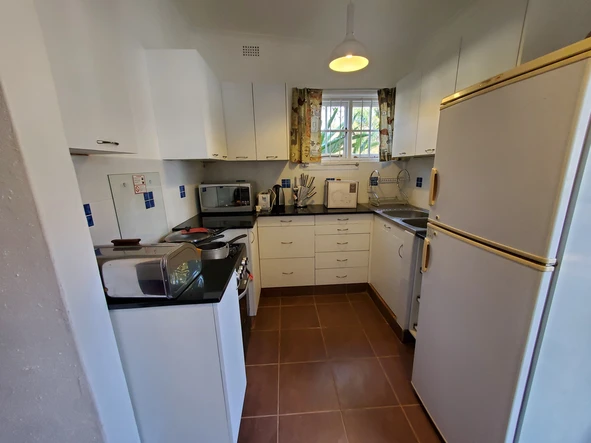
Many of these apartments feature practical amenities such as fitted kitchens, paved areas, and tiled floors. Security is often enhanced by walled compounds, and reliable electricity supply (Good ZESA) is commonly available, making these flats suitable for singles, couples, or small families looking for convenience and comfort.
Harare, as Zimbabwe’s capital, provides a vibrant urban environment with access to key facilities like the University of Zimbabwe and Harare Central Hospital. Residents can enjoy nearby green spaces such as Harare Gardens and Mukuvisi Woodlands for outdoor activities. Shopping and dining options include popular centers like Sam Levy’s Village and Avondale Shopping Centre, while transport connections via minibus taxis and commuter buses make getting around the city straightforward.
1
1
400 m²
1
1
50 m²
1
1
150 m²
1
1
1
1
 4,000 m²

Be the first to see new properties for rent in Harare











| Property Size | Avg. price |
|---|---|
| 1 bedroom (View 15 properties) | $680 |
| 2 bedroom (View 70 properties) | $1,000 |
| 3 bedroom (View 62 properties) | $1,425 |
| 4 bedroom (View 18 properties) | $2,000 |
| 5+ bedroom (View 2 properties) | $3,600 |
Prices as of October 2026
Buying a housing stand in Zimbabwe? Inspect title deeds, subdivision permits, compliance certificates, and seller IDs before making any payment.
Can someone claim your land in Zimbabwe? Learn how 30 year acquisitive prescription works, the legal risks involved, and how to protect your property title.
Explore October 2026 Property Pulse insights on the Zimbabwean real estate market, where high buyer demand outpaces limited housing supply across major areas.
Built a house on land registered in your partner's name? Learn your legal rights in Zimbabwe, tacit universal partnerships, and unjust enrichment claims.
Planning to convert or buy commercial property? Understand Zimbabwe’s change of use rules, 2026 Harare fees, timelines and approval risks.