Log in to contact the seller
 Continue with Facebook
 Continue with Email
Continue with Facebook
Continue with Email
Sign up with Facebook
Continue with Email
Continue with Facebook
Continue with Email
Sign up with Facebook
 Change filters
 Requests


 1
1
 1
75 m²
1
75 m²


 2
1
2
1
2
1
2
1
 2
2
2
2
 3
3
120 m²
2
3
300 m²
2
1
80 m²
2
1
130 m²
3
3
120 m²
2
3
300 m²
2
1
80 m²
2
1
130 m²
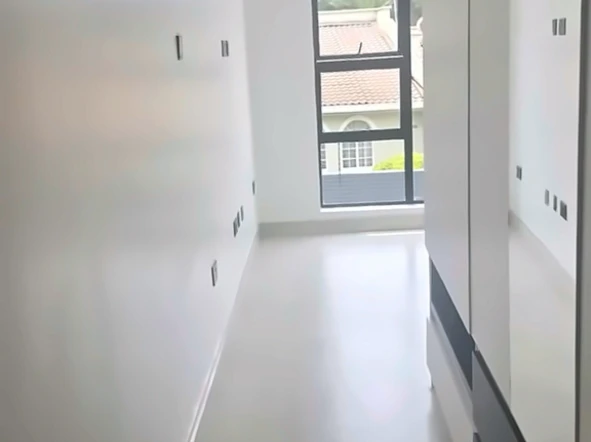
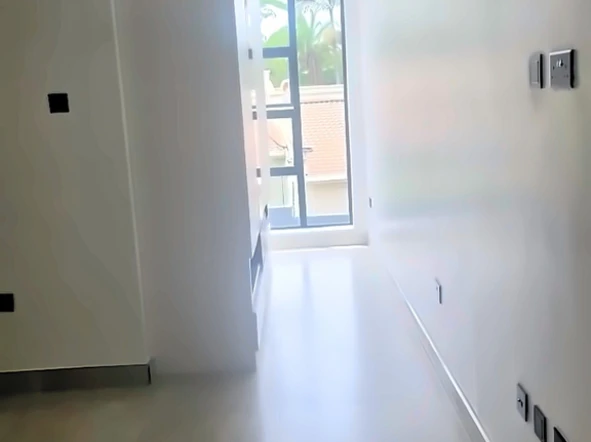
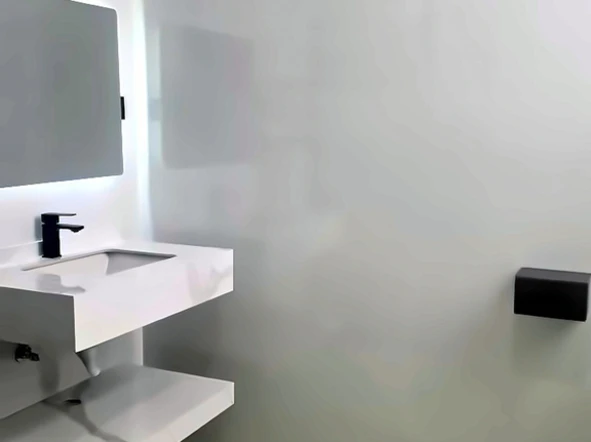
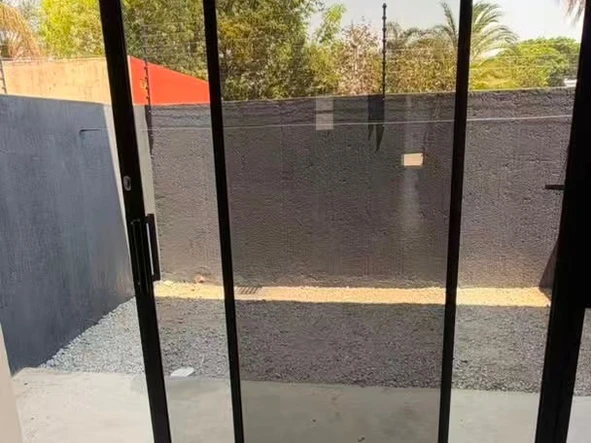
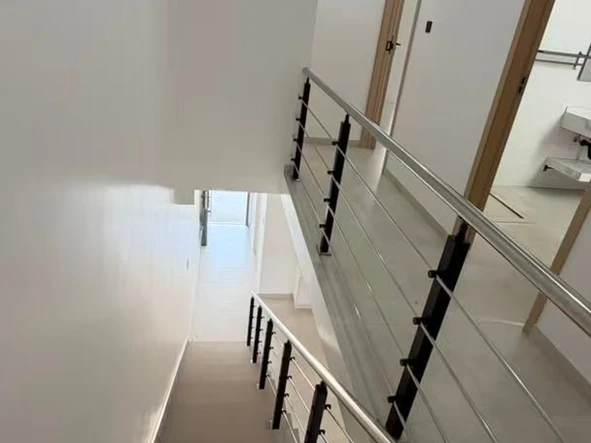
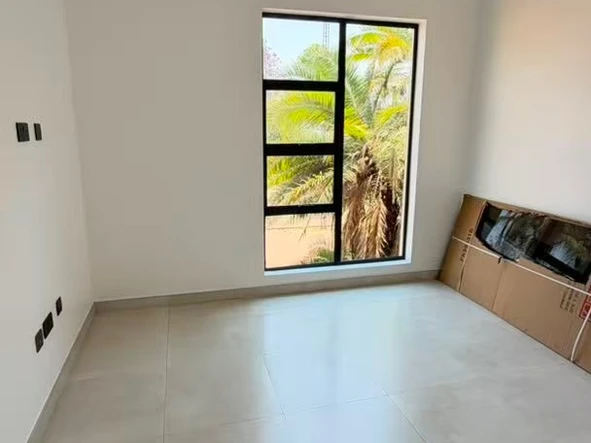
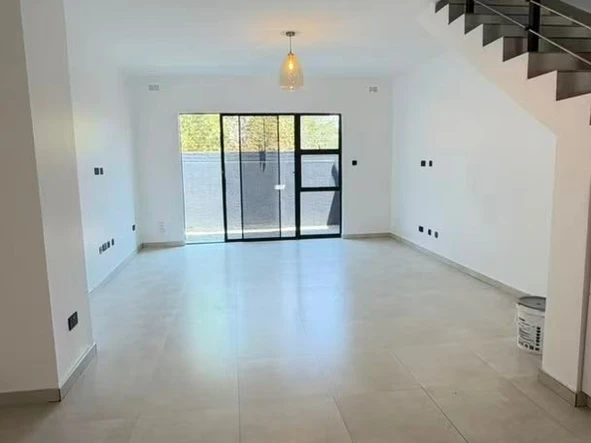
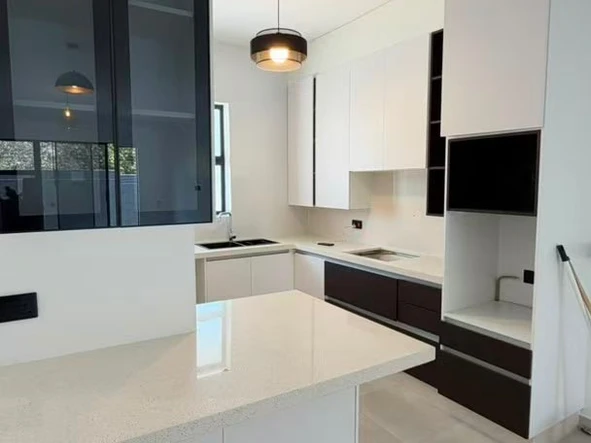
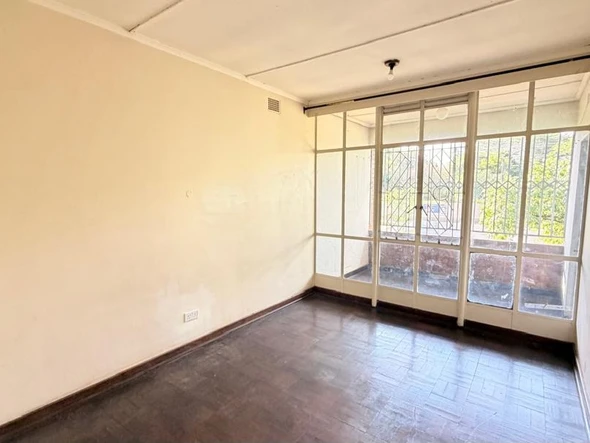
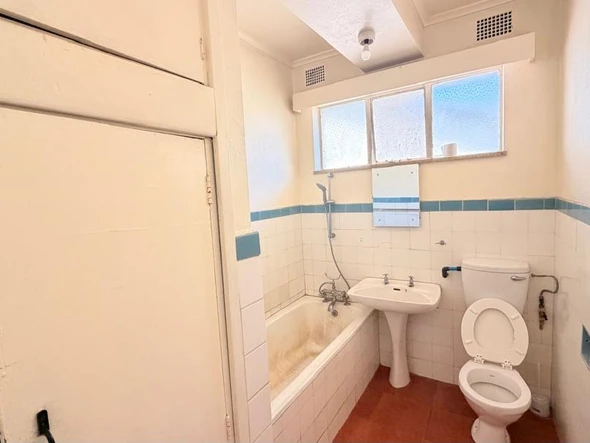
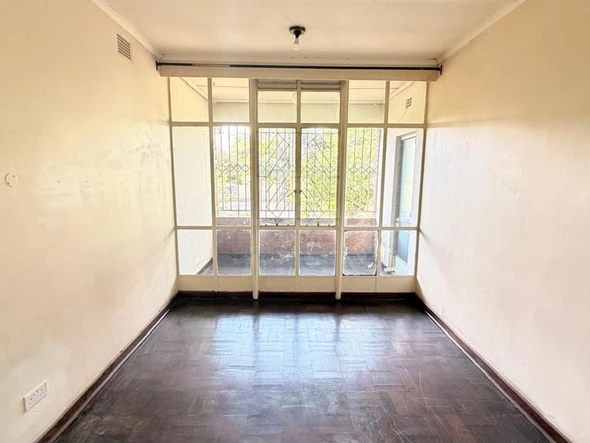
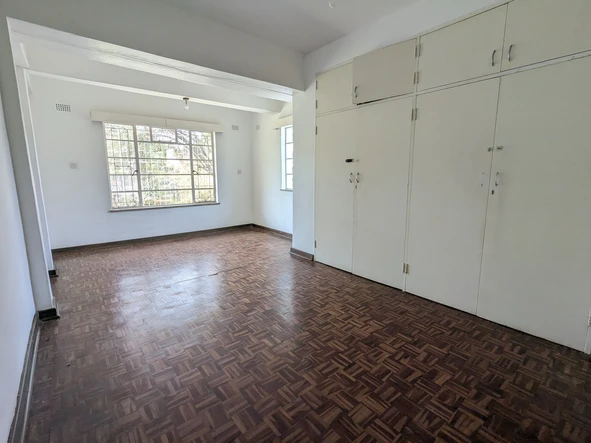
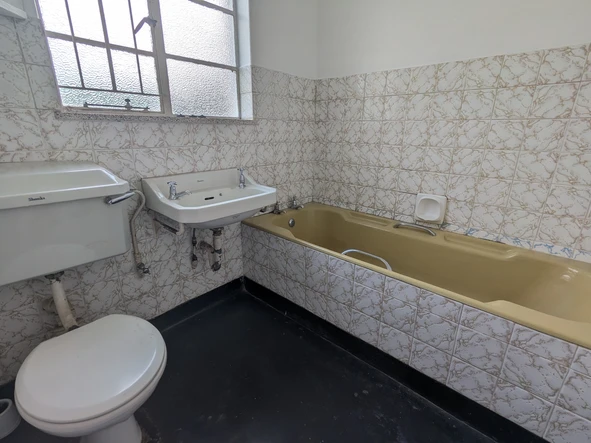
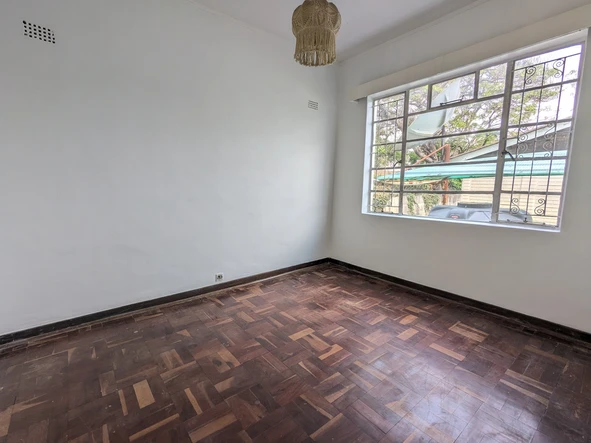
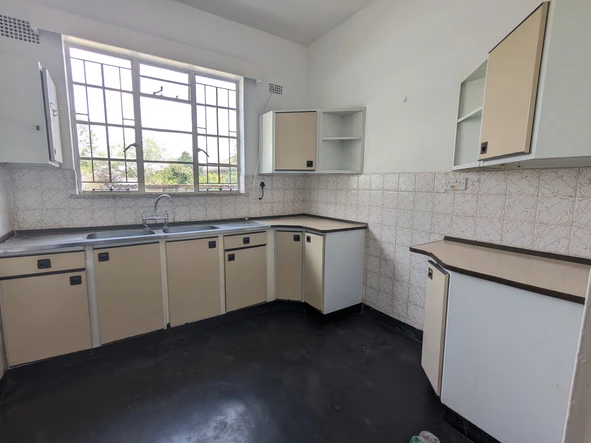
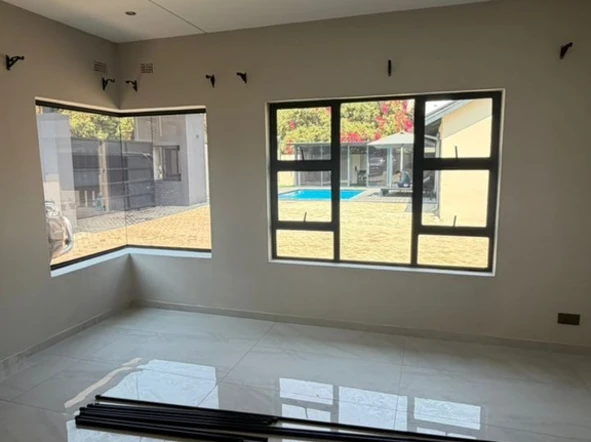
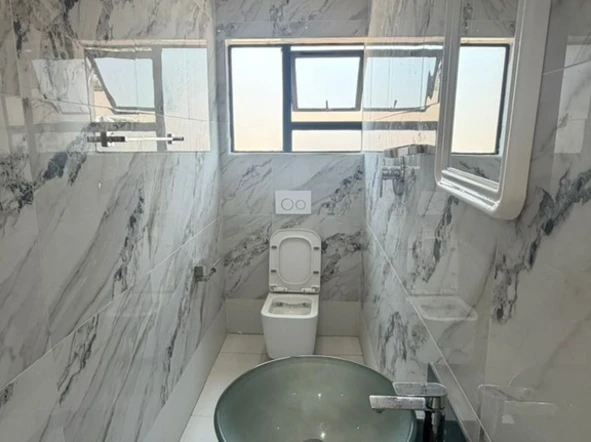
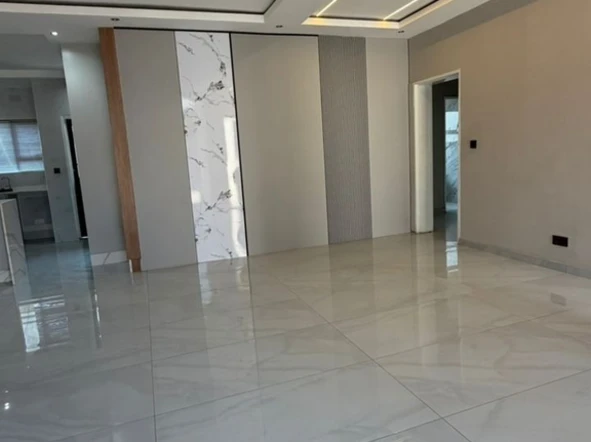
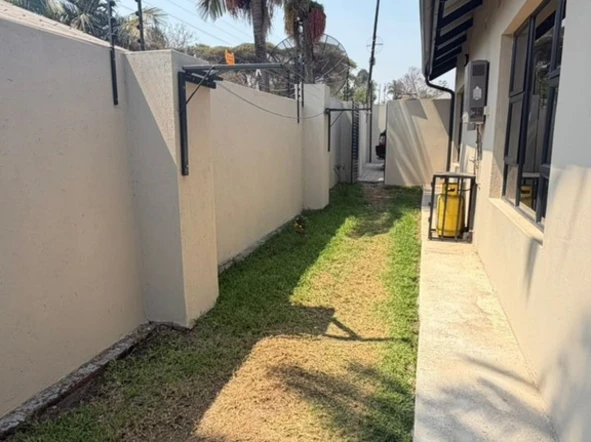
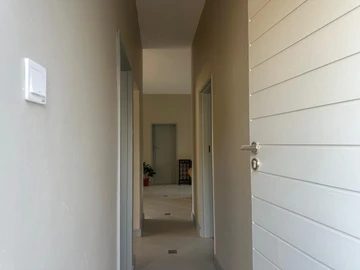
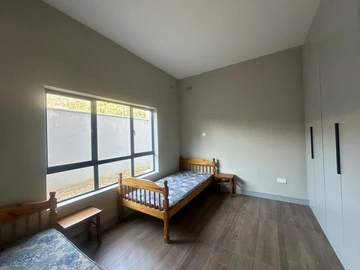
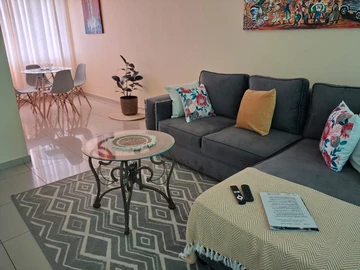
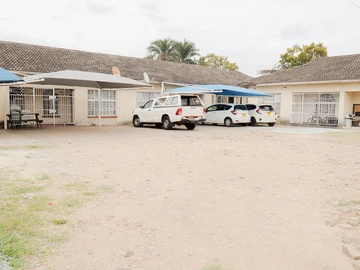
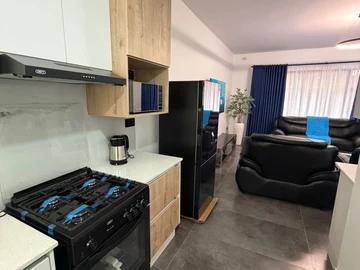
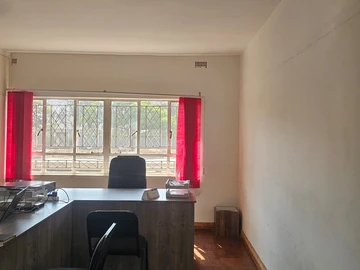
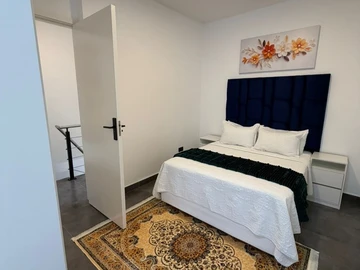
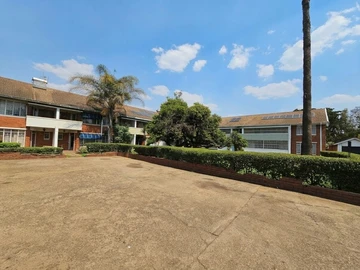
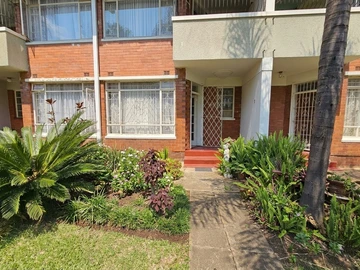
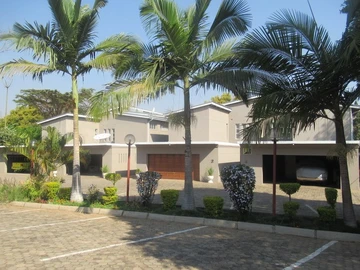
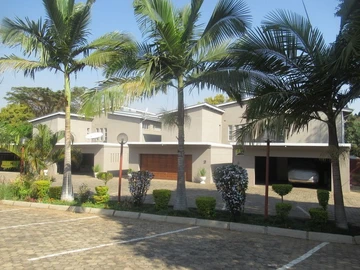
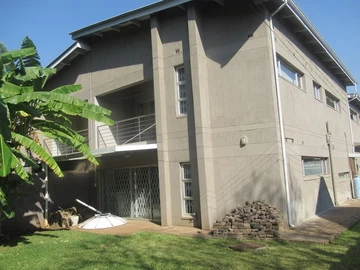
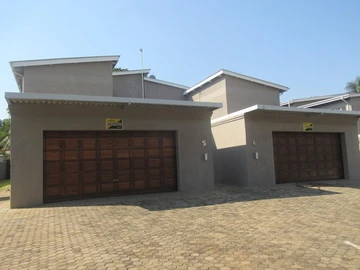
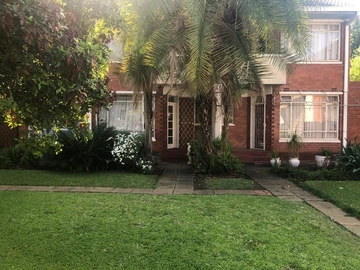
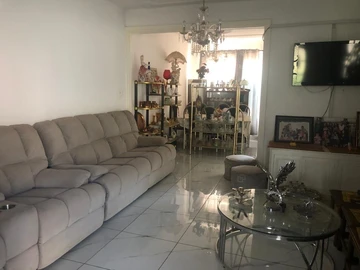
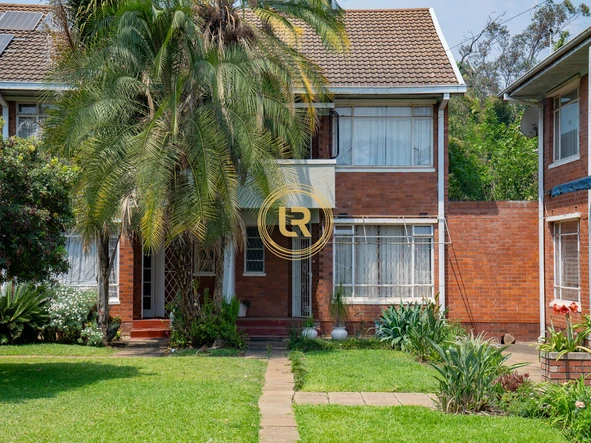
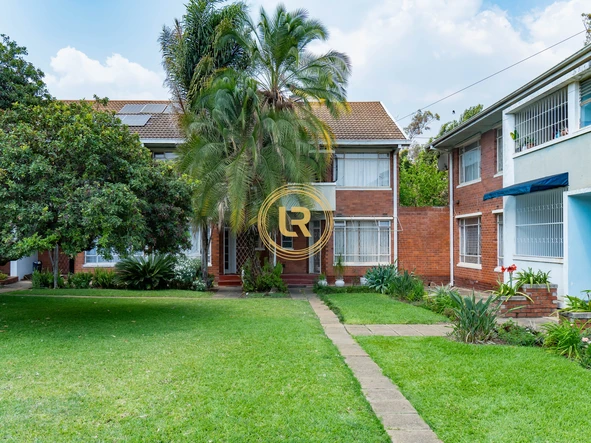
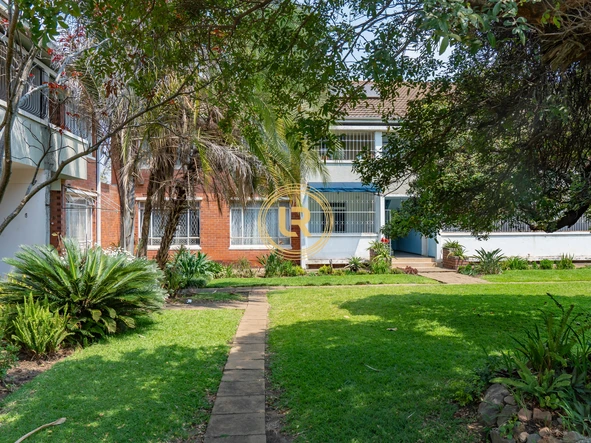
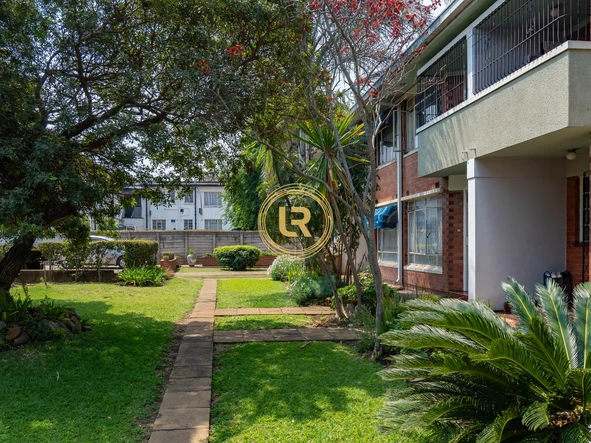
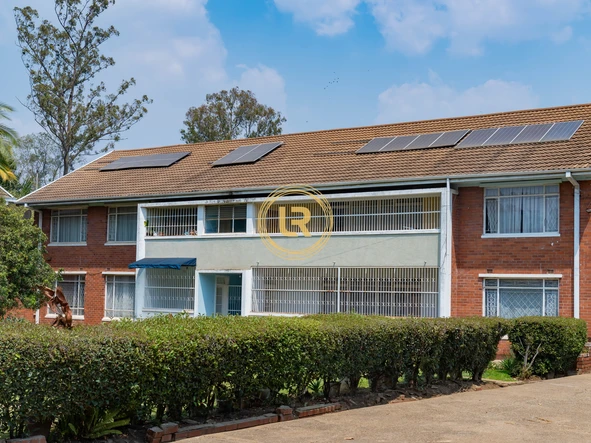
Flats and apartments for rent in Avondale, Harare North, offer a comfortable urban living option with an average monthly rental price of $1,400, starting from USD 650. These properties typically have a median size of about 100 ㎡, with some larger units reaching up to 5,000 ㎡, providing a range of choices for different needs.
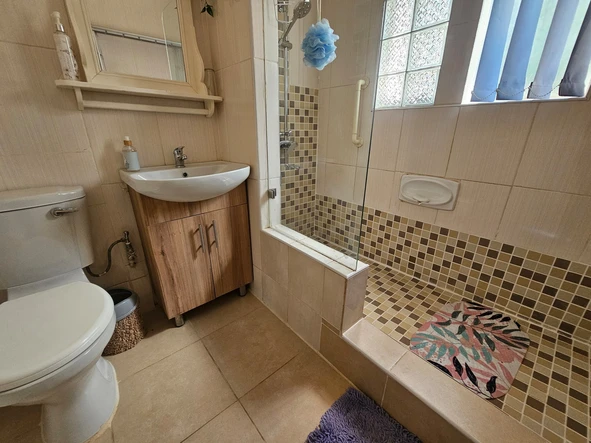
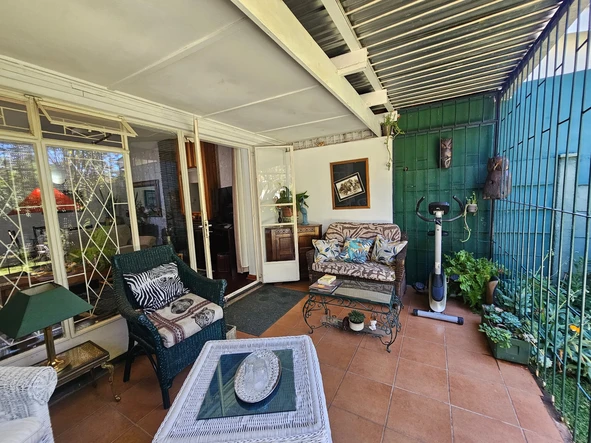
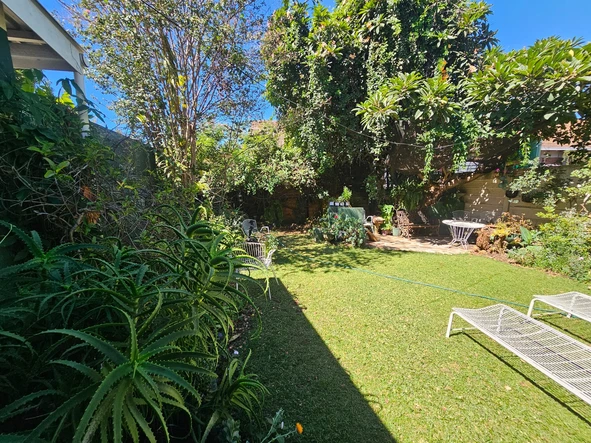
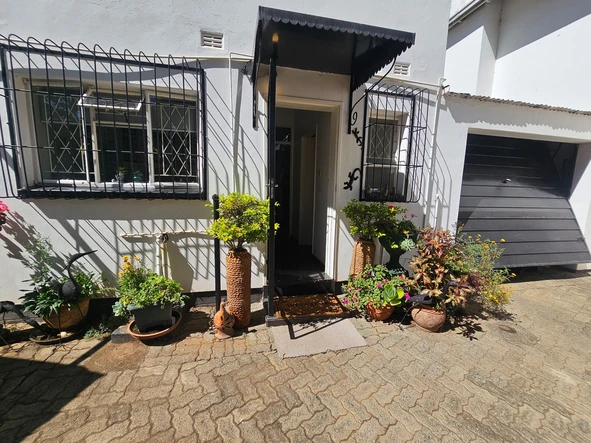
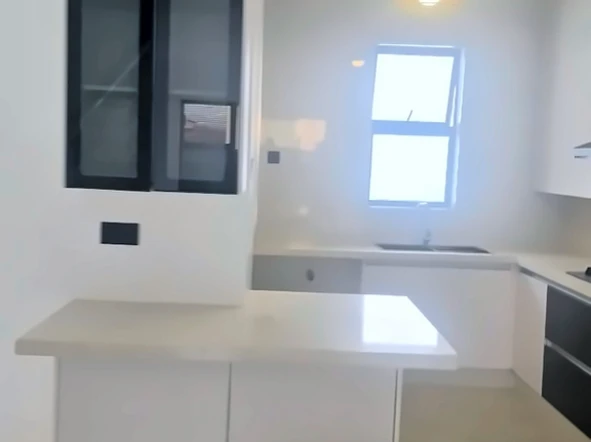
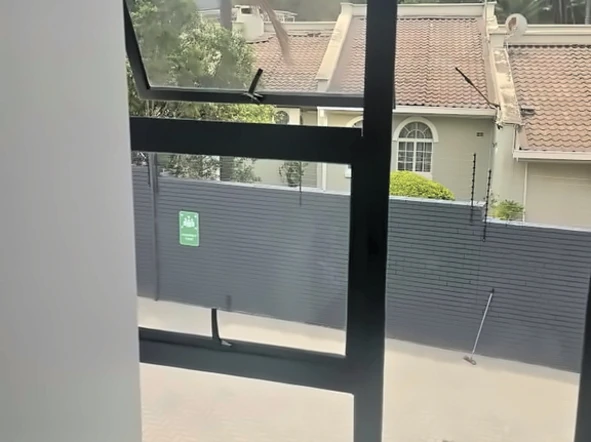
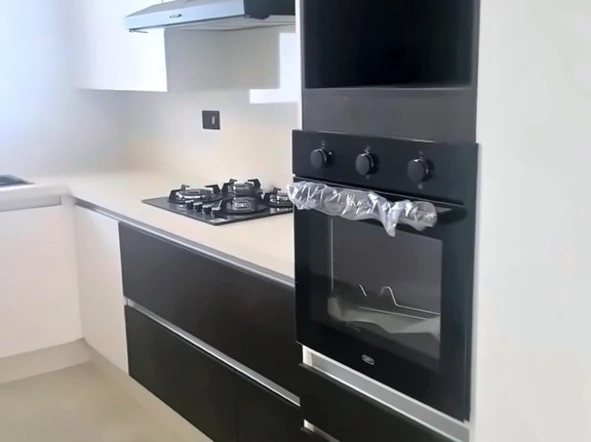
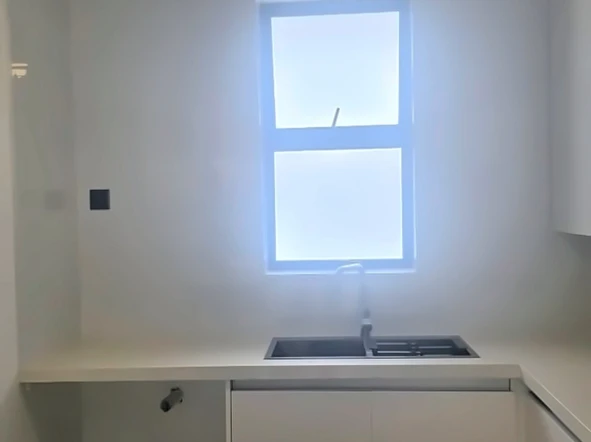
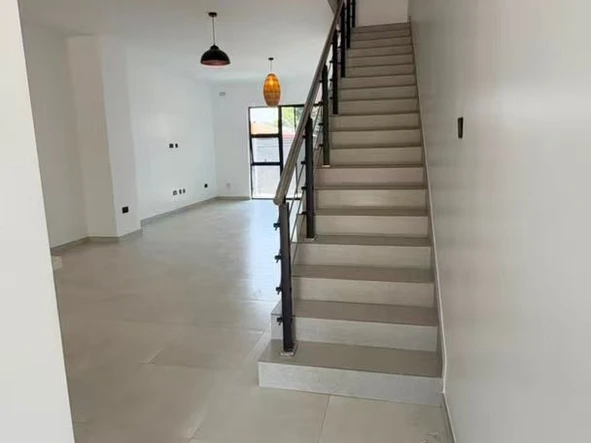
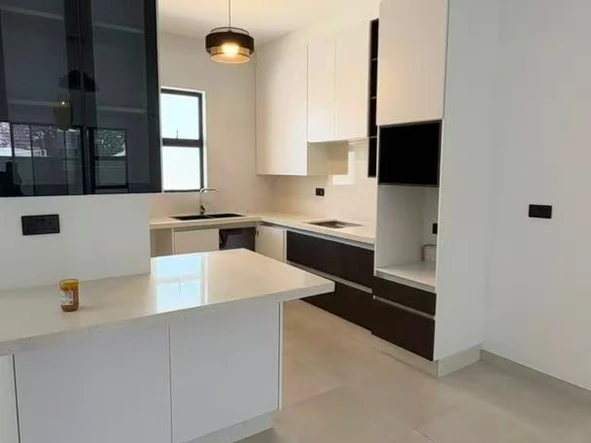
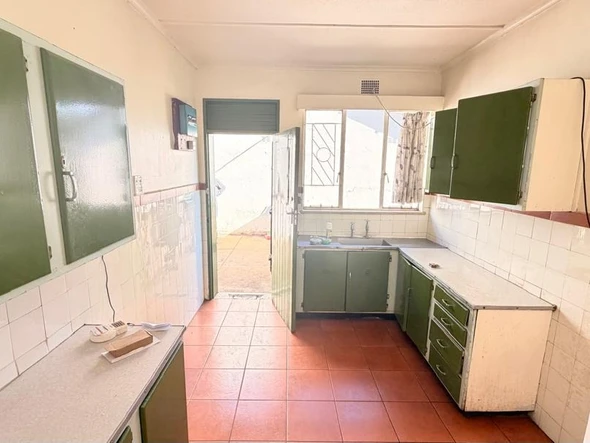
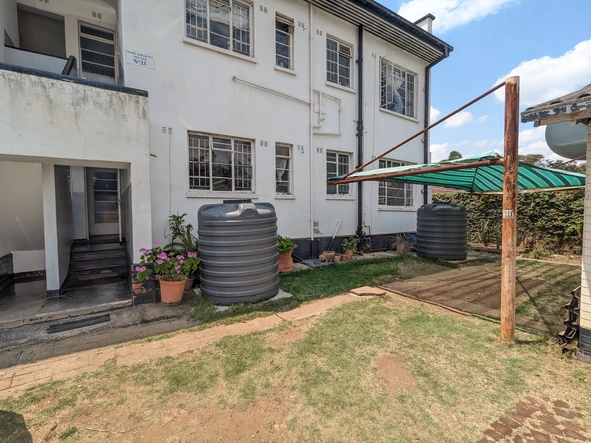
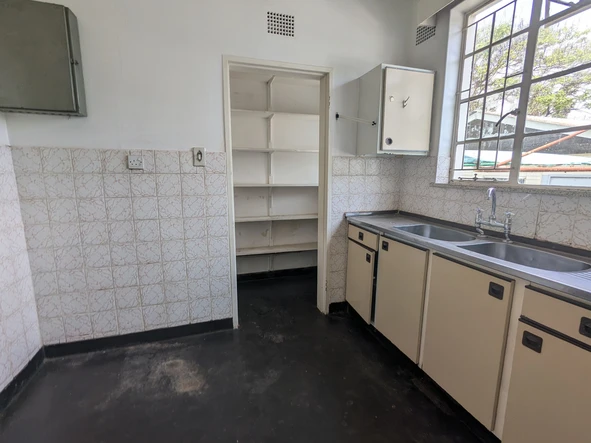
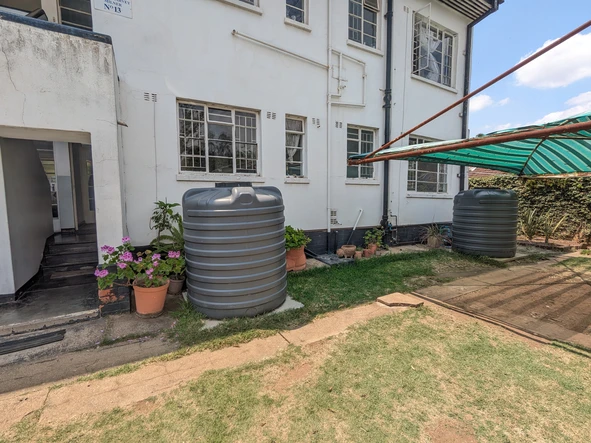
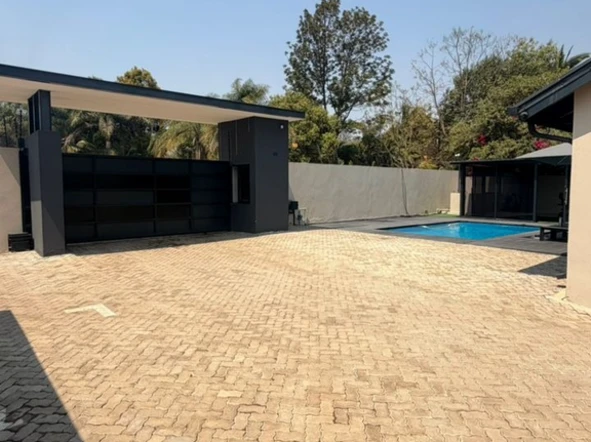
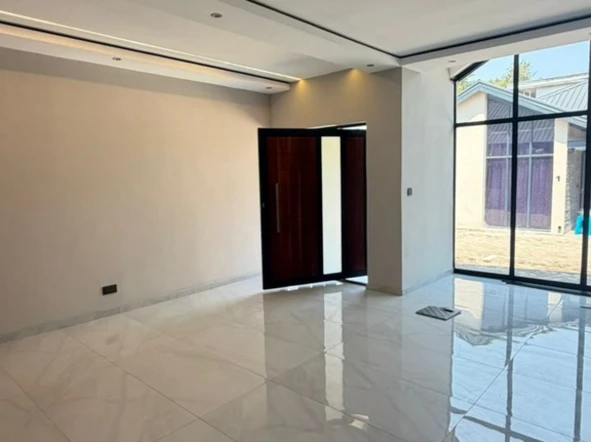
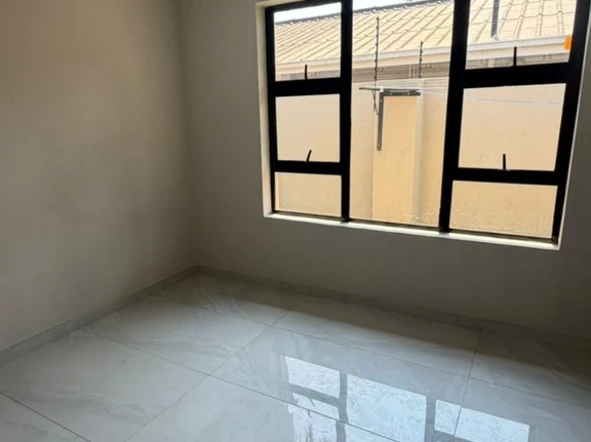
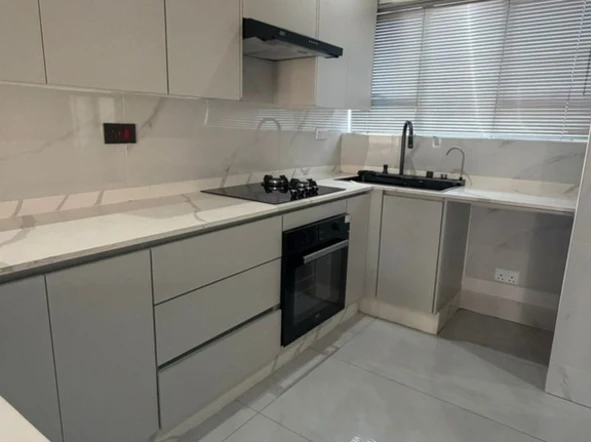
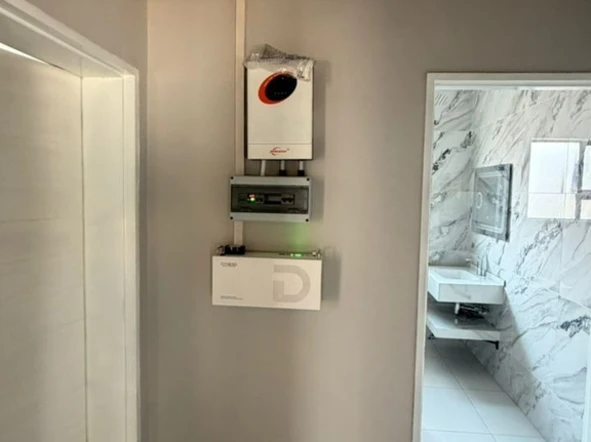
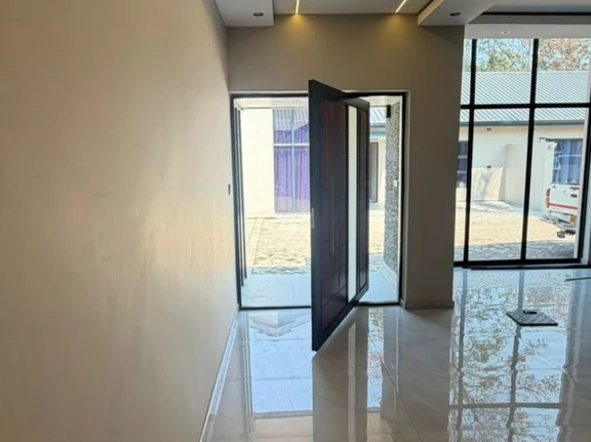
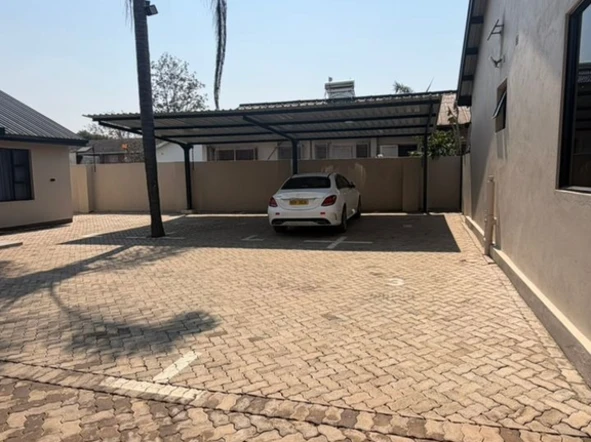
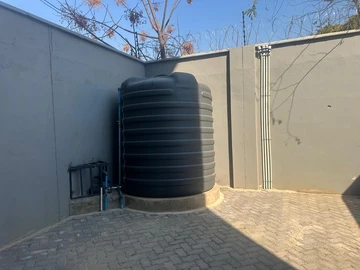
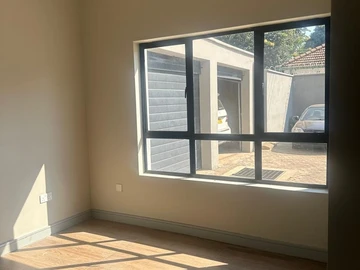
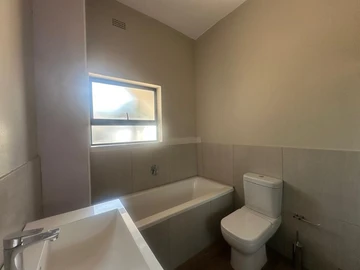
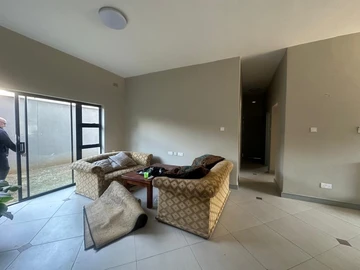
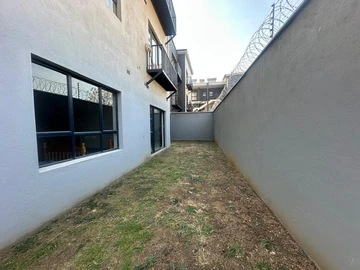
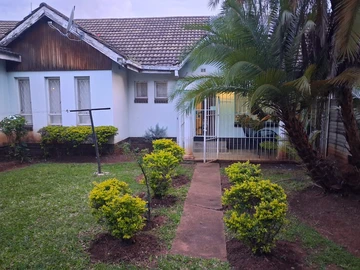
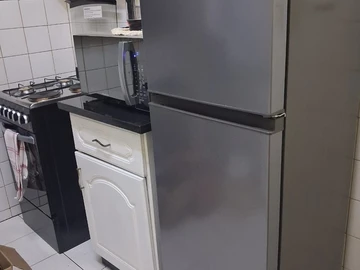
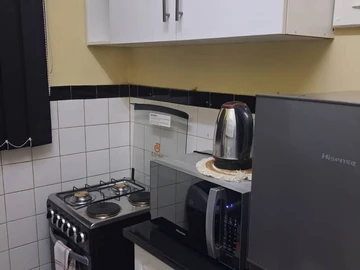
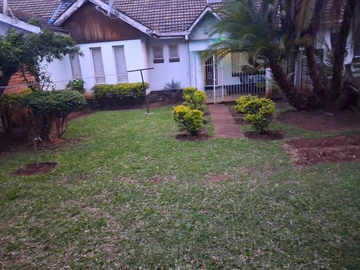
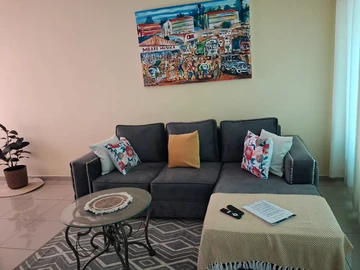
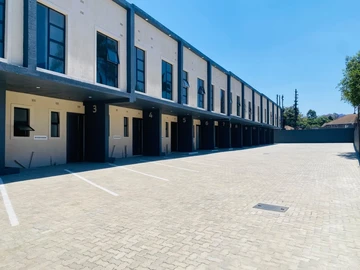
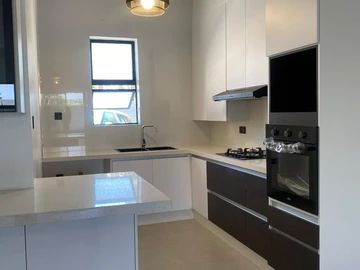
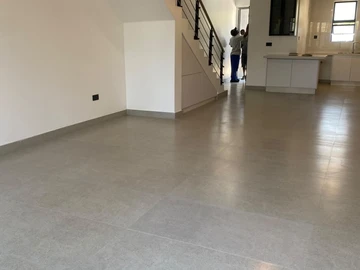
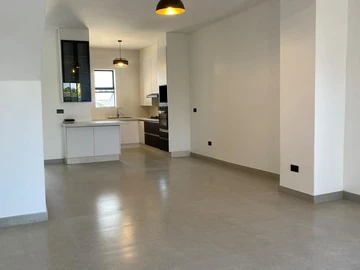
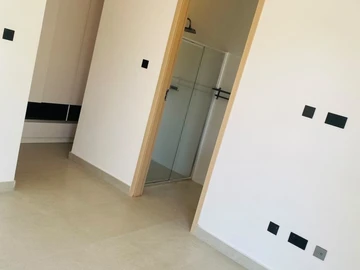
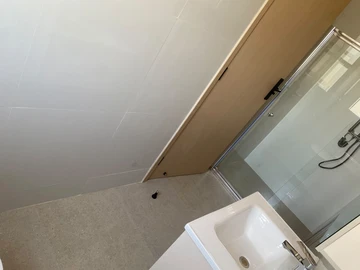
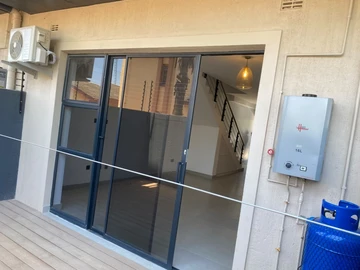
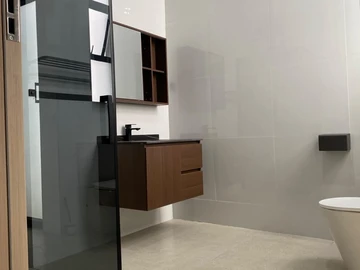
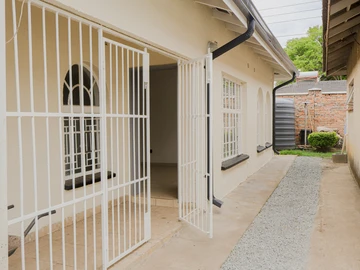
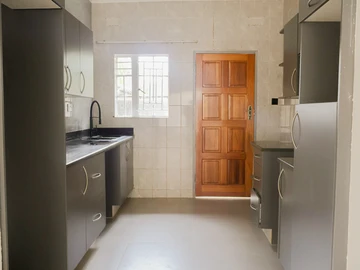
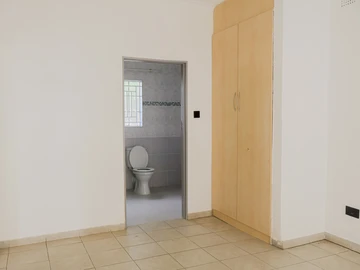
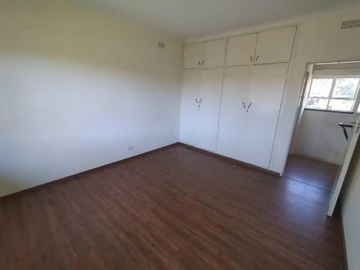
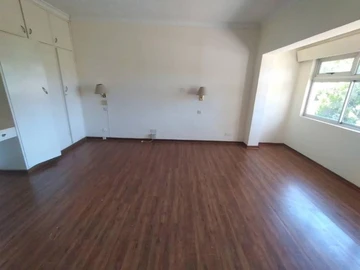
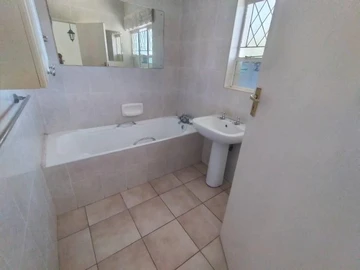
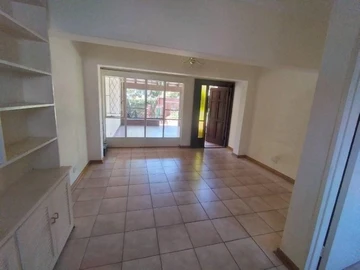
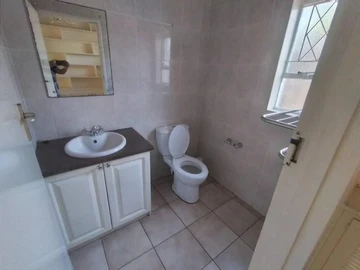
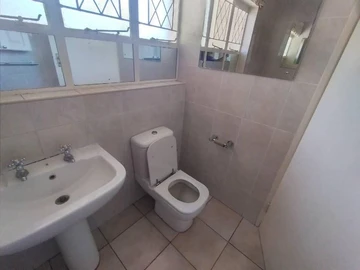
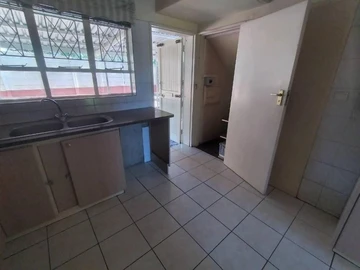
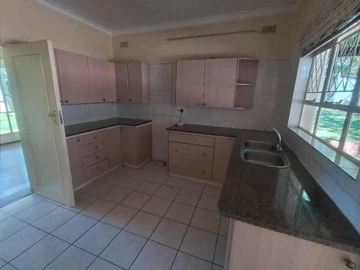
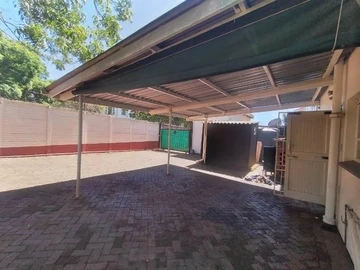
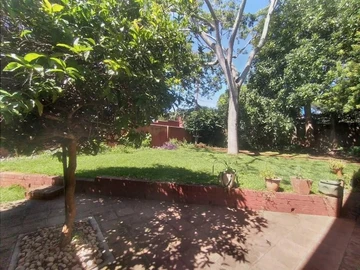
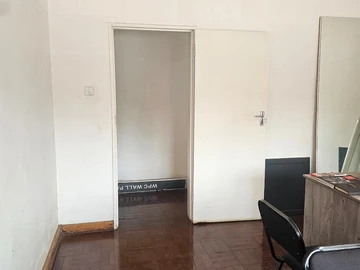
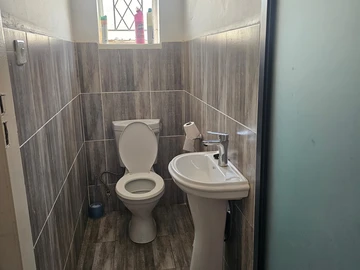
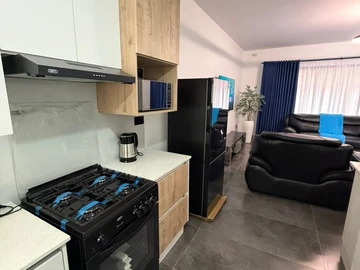
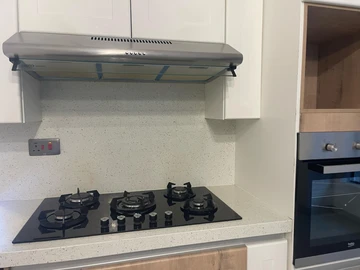
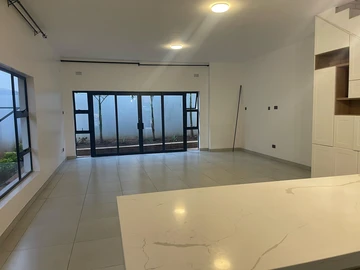
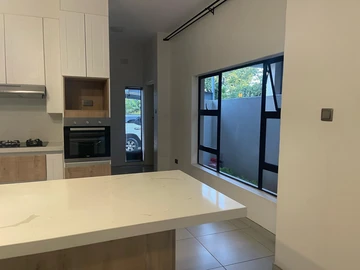
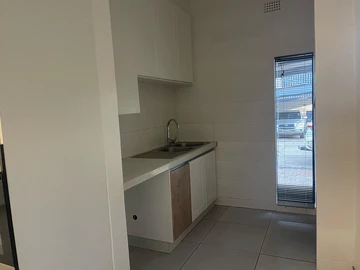
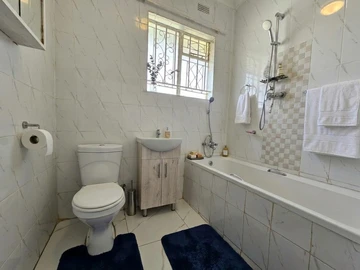
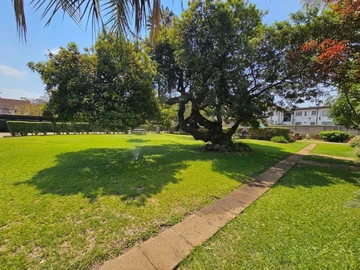
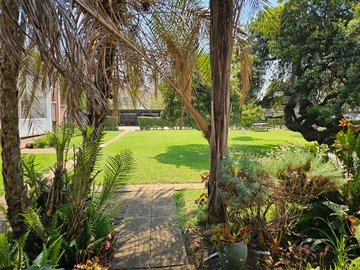
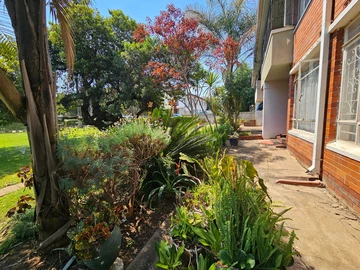
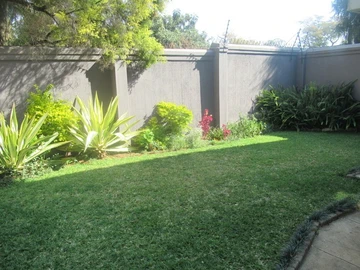
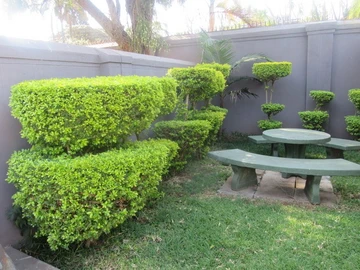
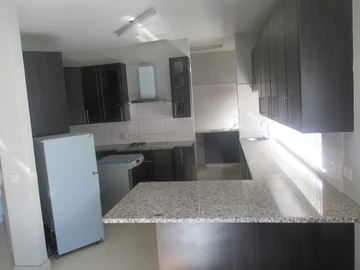
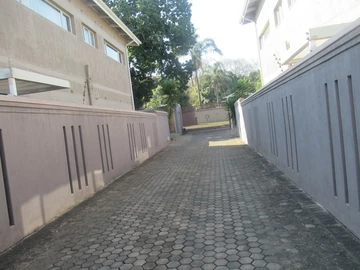
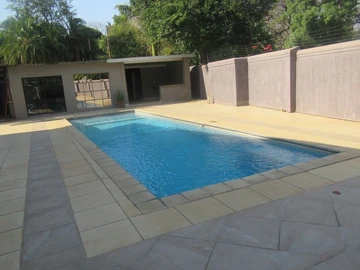
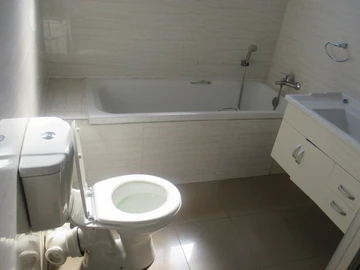
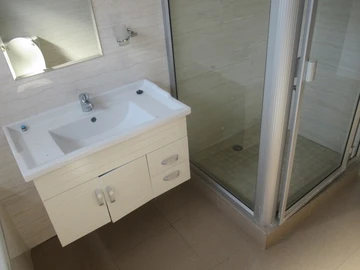
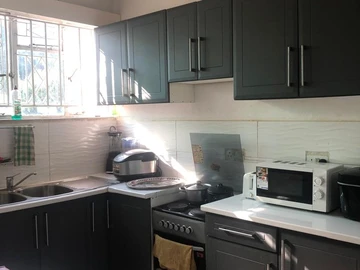
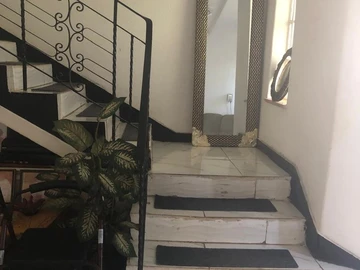
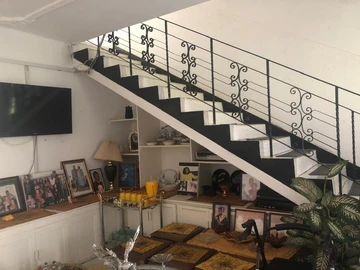
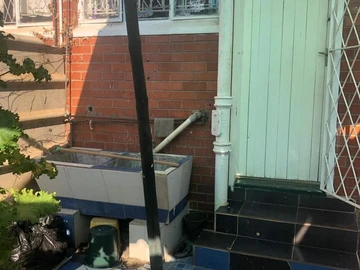
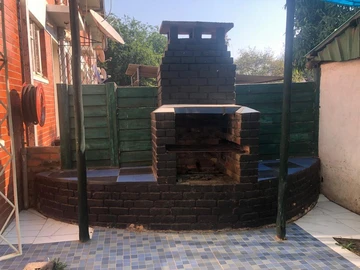
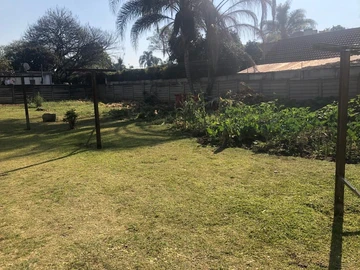
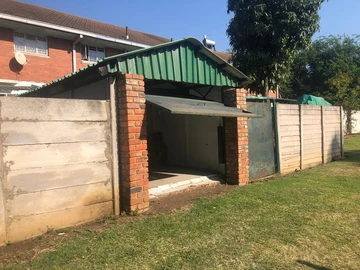
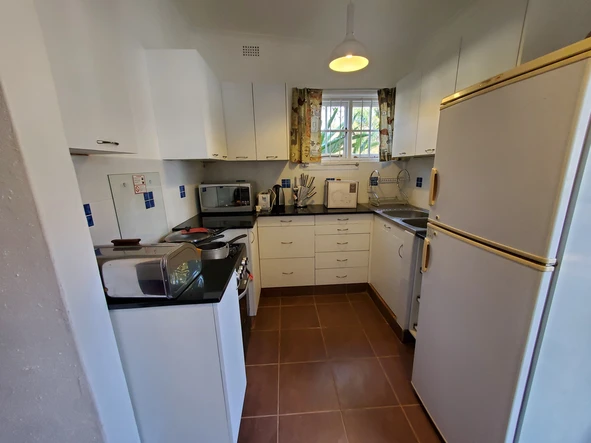
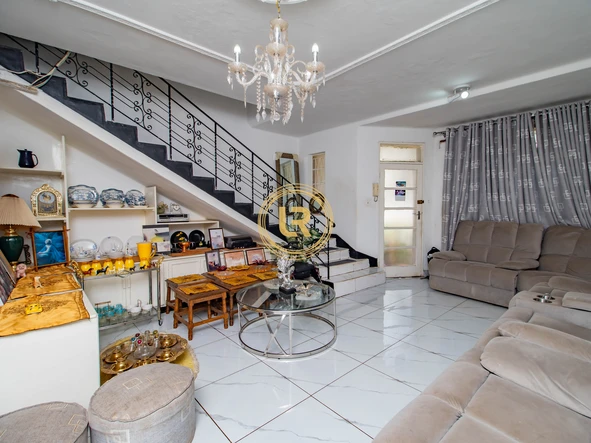
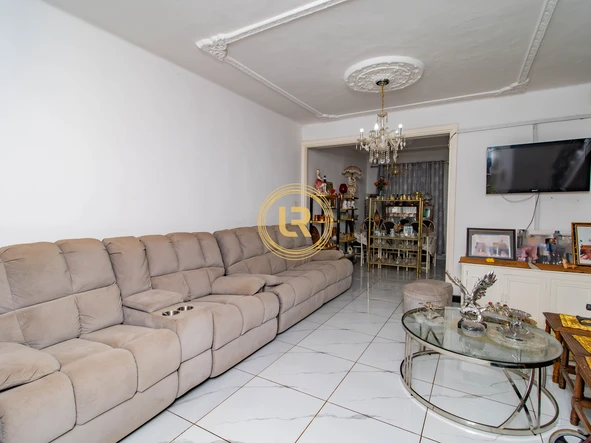
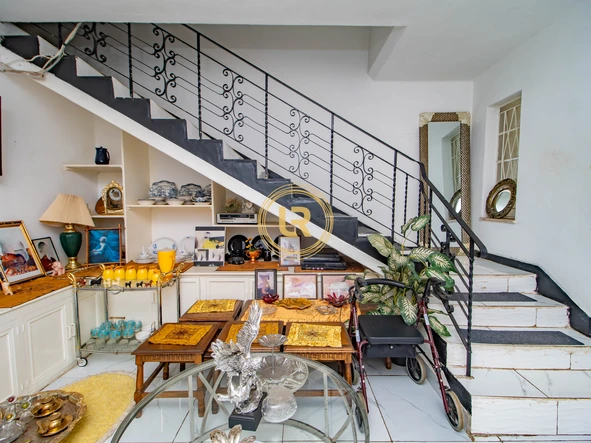
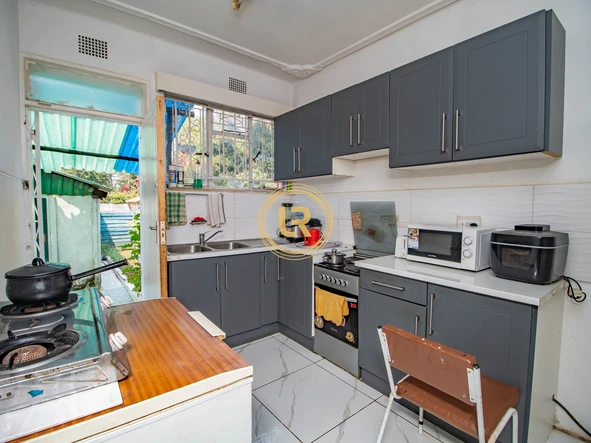
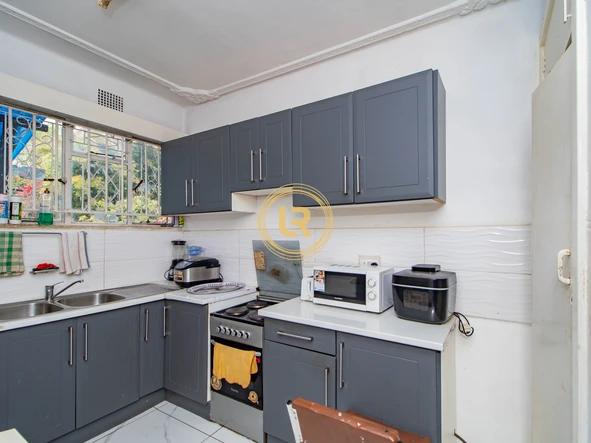
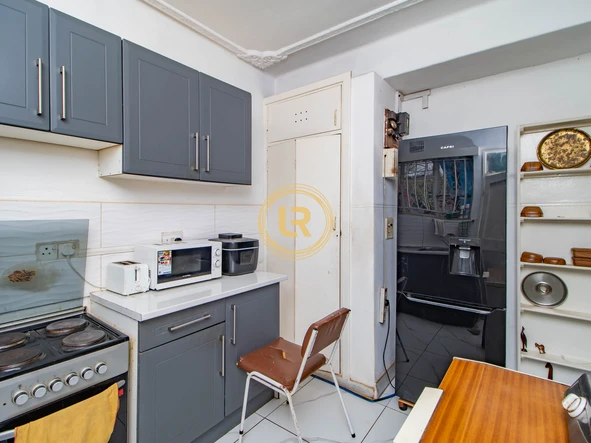
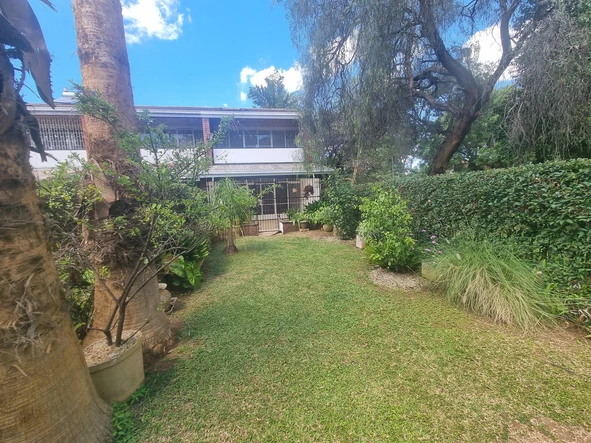
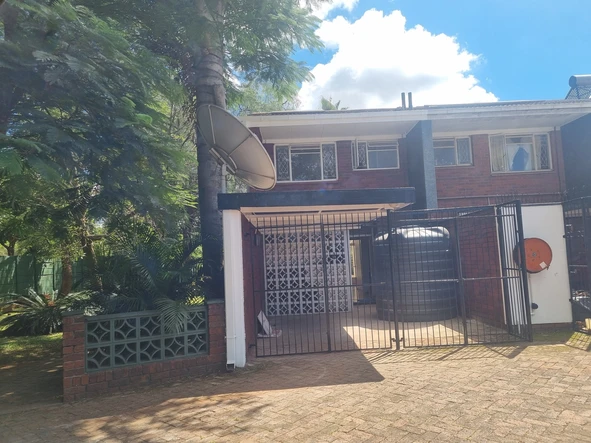
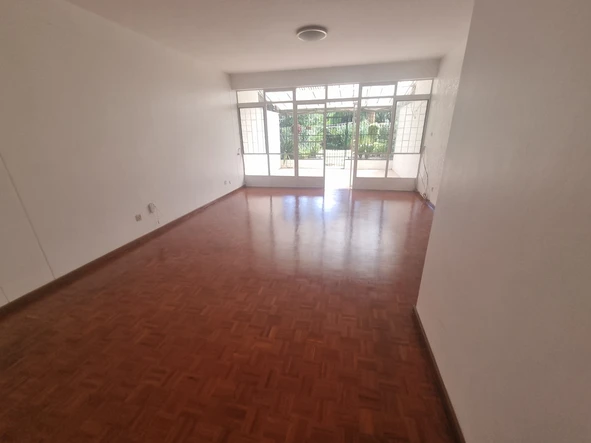
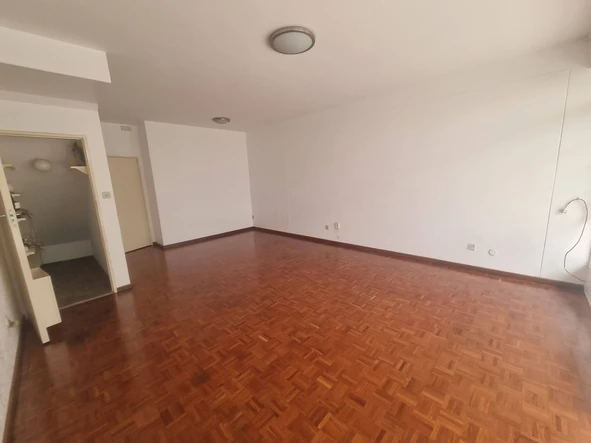
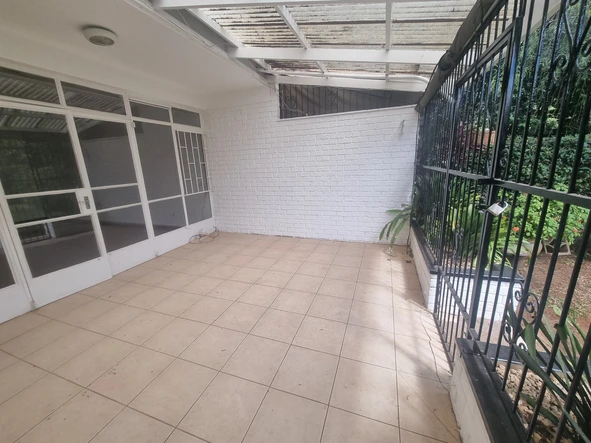
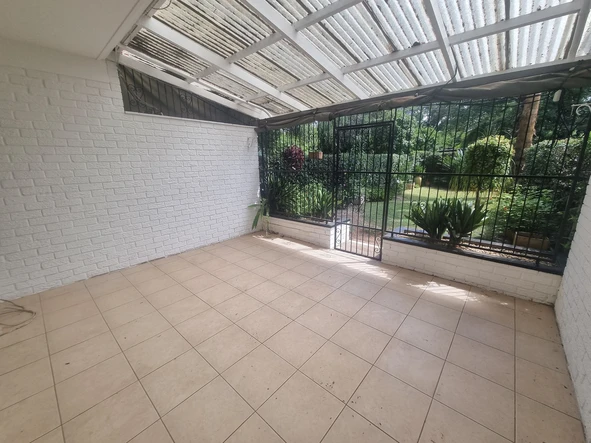
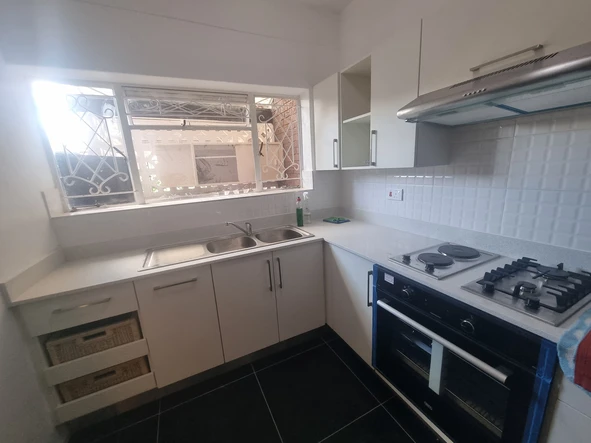
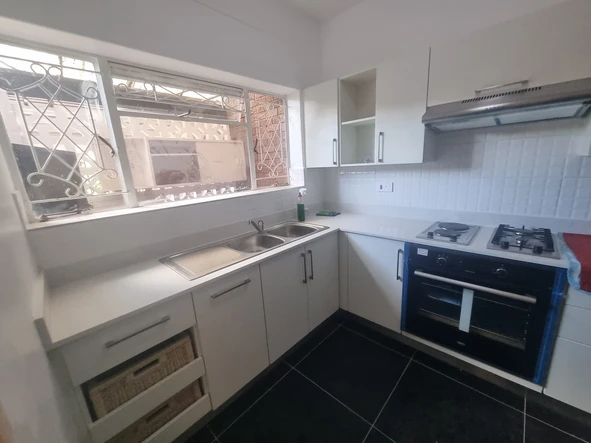
Most apartments come equipped with useful features such as water tanks, fitted kitchens, boreholes, and tiled floors. Many also include parking bays, solar systems, main en suite bathrooms, paved areas, electric gates, gardens, internet connections, and verandahs. Security is a common priority, with most properties being walled and having good ZESA electricity supply.
Avondale is a vibrant suburb blending residential and commercial areas, appealing to young professionals, families, and retirees. The area offers convenient access to Avondale Shopping Centre and the Avondale Flea Market for shopping and socializing. Nearby Harare Gardens provide green space for relaxation, while Avondale Clinic and several schools support family needs. Good transport links make commuting easy, and a lively mix of restaurants and recreational facilities contribute to an active lifestyle in this well-connected part of Harare North.
3
2
80 m²
3
180 m²
1
1
180 m²
3
2
1 m²
3
2
3
2
250 m²
2
1
150 m²
3
2
400 m²
2
1
150 m²

Be the first to see new properties for rent in Avondale, Harare North











| Property Size | Avg. price |
|---|---|
| 2 bedroom (View 7 properties) | $1,000 |
| 3 bedroom (View 7 properties) | $1,600 |
Prices as of October 2026
Understanding municipal property rates in Zimbabwe: Learn how valuations are calculated, how to manage arrears, and how to access council discounts.
Manage your rental properties in Zimbabwe like a pro. Learn about tenant screening, lease agreements, maintenance, and rental tax rules in 2026.
Building or buying in Harare? Learn what plan approval requires, what changed in 2026, and how to manage unapproved structures.
Buying a housing stand in Zimbabwe? Inspect title deeds, subdivision permits, compliance certificates, and seller IDs before making any payment.
Can someone claim your land in Zimbabwe? Learn how 30 year acquisitive prescription works, the legal risks involved, and how to protect your property title.
















 2,000 m²