Log in to contact the seller
 Continue with Facebook
 Continue with Email
Continue with Facebook
Continue with Email
Sign up with Facebook
Continue with Email
Continue with Facebook
Continue with Email
Sign up with Facebook
 Change filters
 Requests


 4
4
 3
250 m²
3
250 m²


 2
1
4
3
350 m²
2
1
4
3
350 m²
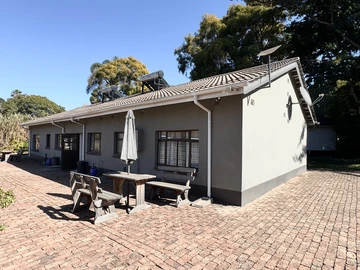
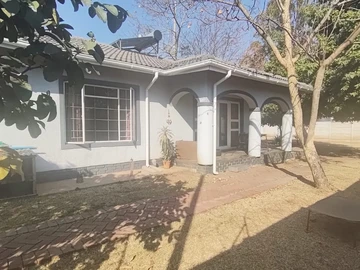
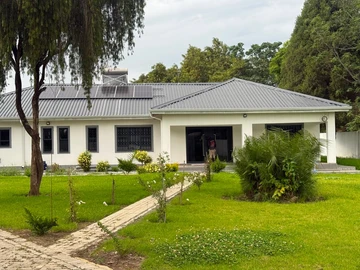
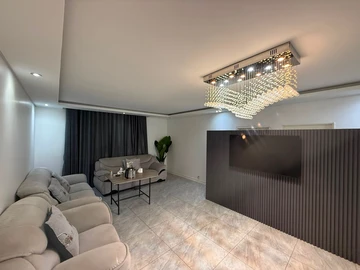
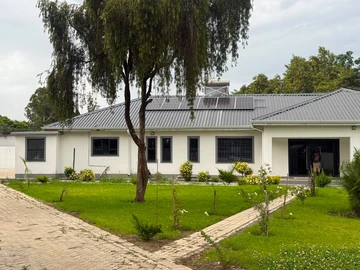
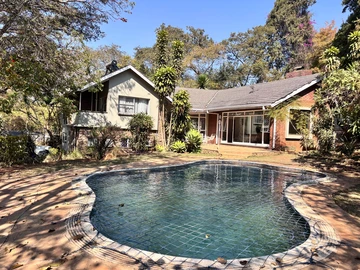
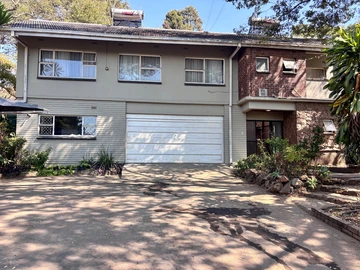
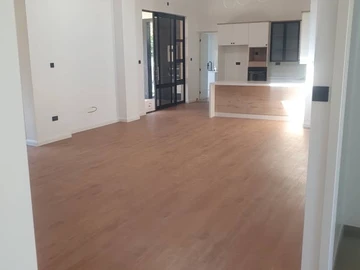
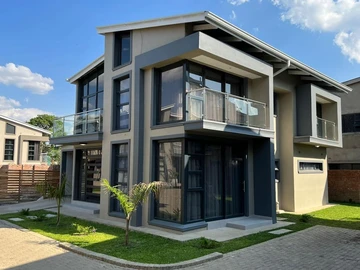
Houses for rent in Highlands, Harare North, offer a comfortable living option with an average monthly rent of $3,000. These homes typically sit on land parcels averaging 700 ㎡, with property sizes around 250 ㎡. Larger properties can reach up to 1,000 ㎡ in size with land areas as big as 4,000 ㎡, while smaller units are also available starting from USD 450 per month.
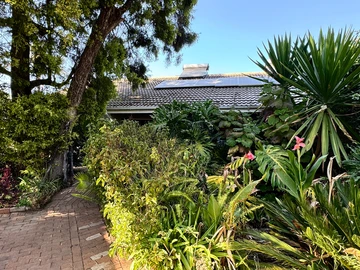
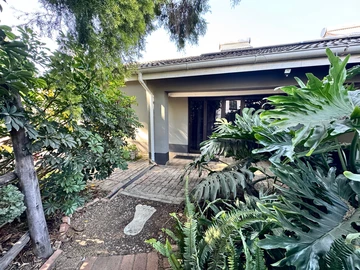
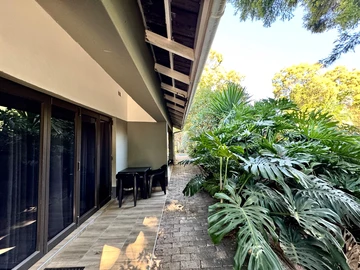
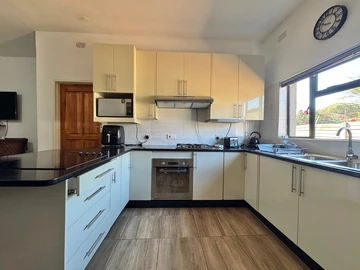
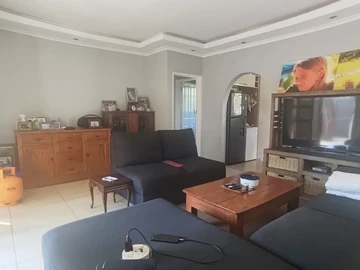
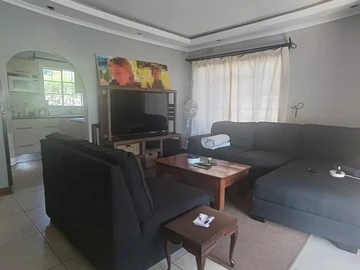
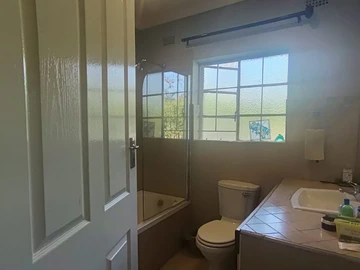
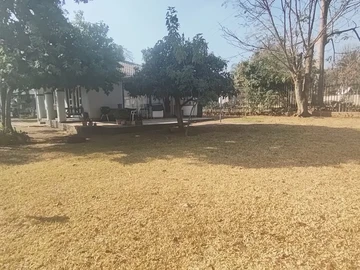
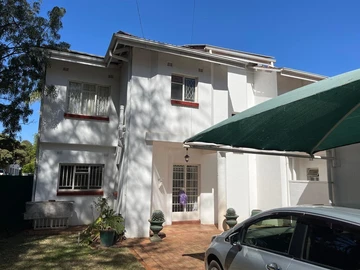
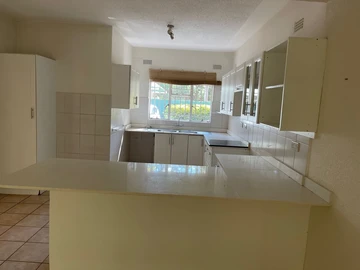
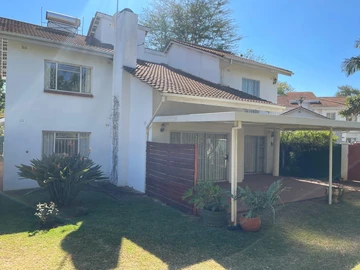
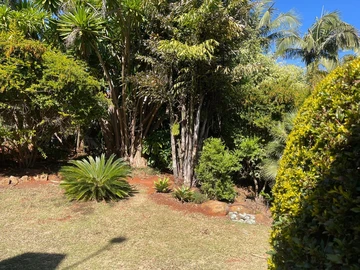
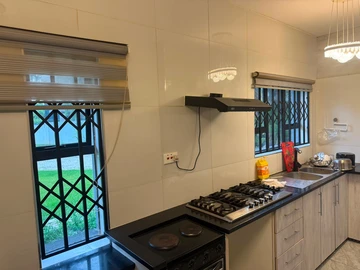
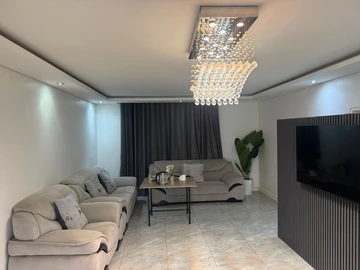
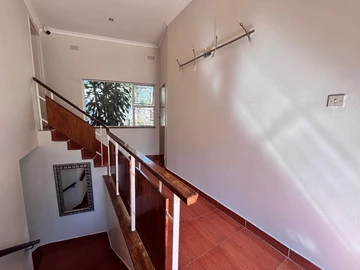
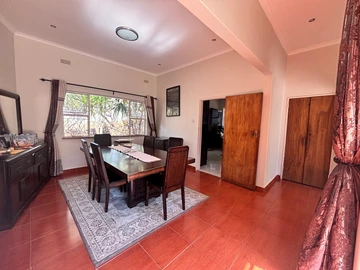
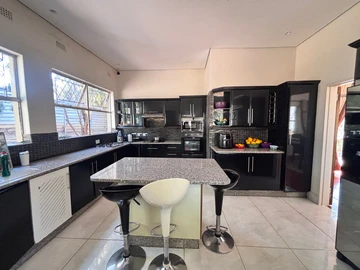
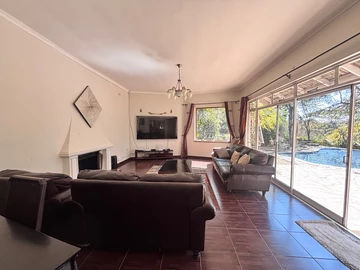
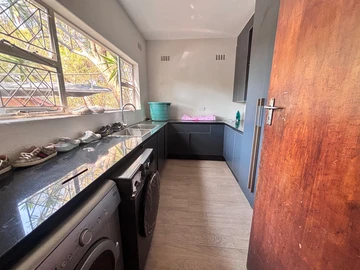
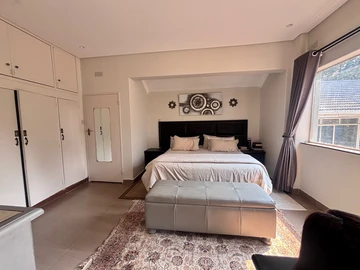
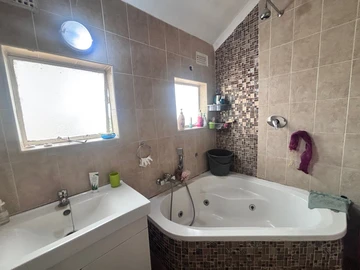
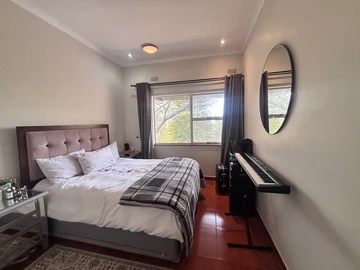
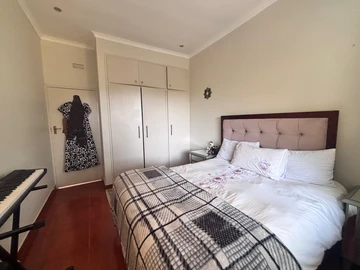
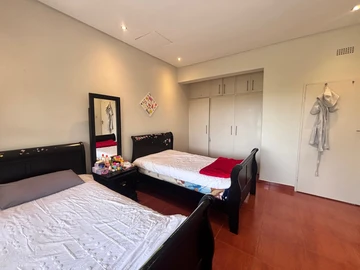
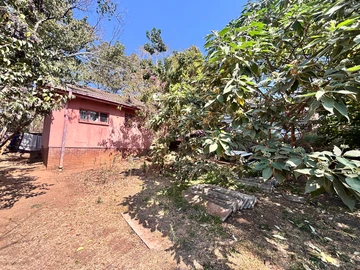
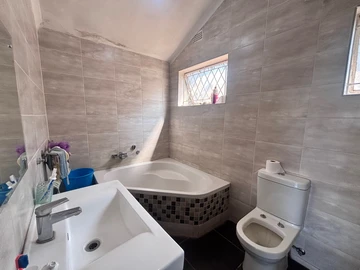
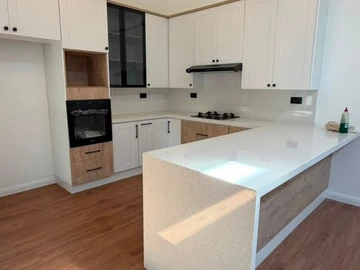
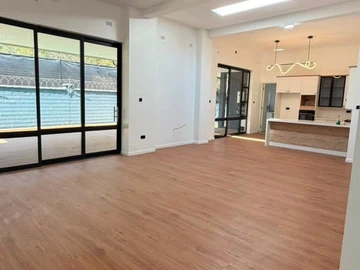
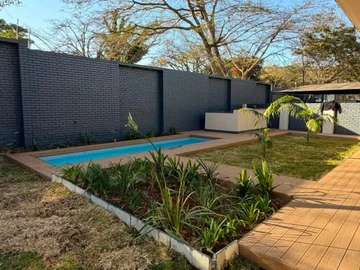
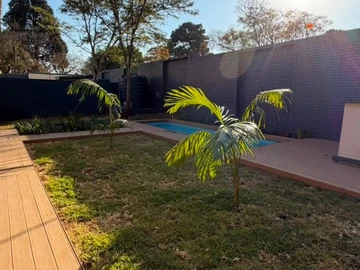
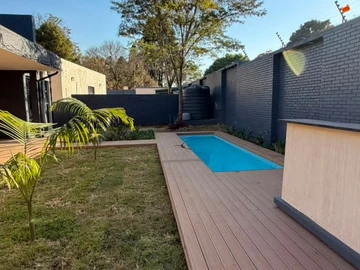
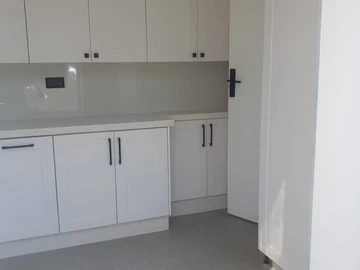
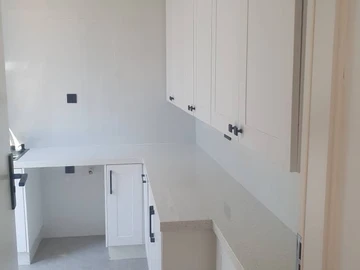
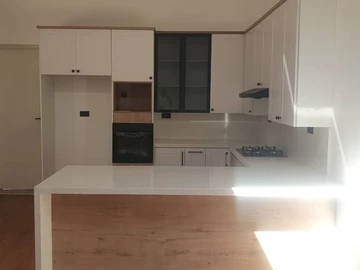
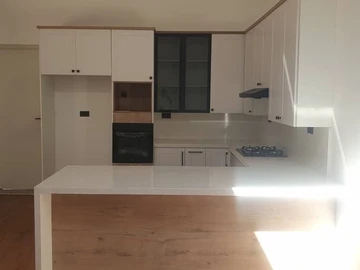
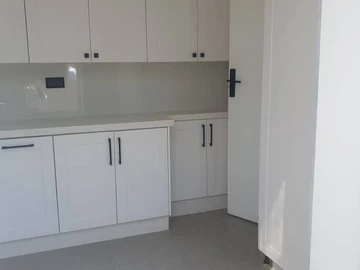
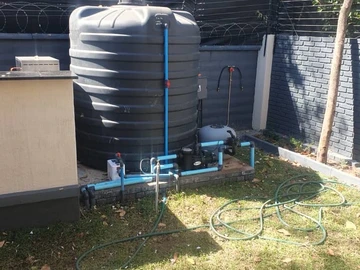
Most houses in Highlands feature secure walled compounds and reliable water supply with boreholes and water tanks. Many properties include gardens, verandahs, and tiled floors, creating pleasant outdoor and indoor living spaces. Common amenities also include main en suite bedrooms, fitted kitchens, internet connections, and garages, making these homes well-suited for families and professionals.
Highlands is a well-established, middle to upper-middle-class suburb known for its quiet, leafy streets and safe environment. Residents enjoy access to Highlands Primary School and nearby educational institutions, as well as healthcare at Parirenyatwa Group Hospital. Shopping needs are met by Highlands Shopping Centre and larger malls like Sam Levy’s Village and Avondale Shopping Centre. The area also offers good transport links to Harare city center, with public transport options readily available. Nearby attractions include Harare Gardens and the National Botanic Gardens, providing green spaces for relaxation and recreation.

 4
3
800 m²
4
4
280 m²
4
3
350 m²
2
2
4
3
800 m²
4
4
280 m²
4
3
350 m²
2
2

Be the first to see new properties for rent in Highlands, Harare North










| Property Size | Avg. price |
|---|---|
| 2 bedroom (View 3 properties) | $1,600 |
| 4 bedroom (View 5 properties) | $3,200 |
Buying property in Zimbabwe? Discover hidden costs like stamp duty, conveyancing fees, and taxes that can add 8%–12% or more to your purchase price.
Tenants not paying rent in Zimbabwe? Learn your legal rights as a landlord, the step by step eviction process, and illegal self-help actions to avoid.
Discover how blockchain, crypto, and tokenized real-world assets (RWAs) are transforming real estate ownership, liquidity, and financing over the next 5 years.
Buying a residential stand in Zimbabwe? Learn how to verify ownership, subdivision, planning approvals, servicing, title and the developer before paying.
Learn how servitudes affect property ownership, rights of way, and utility access in Zimbabwe. Protect your land title and avoid boundary disputes.




 330 m²