Log in to contact the seller
 Continue with Facebook
 Continue with Email
Continue with Facebook
Continue with Email
Sign up with Facebook
Continue with Email
Continue with Facebook
Continue with Email
Sign up with Facebook
 Change filters
 Requests

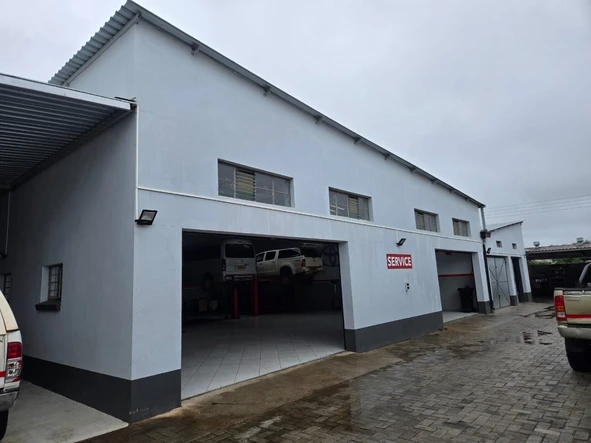

 1,068 m²


 5,529 m²
 7,180 m²
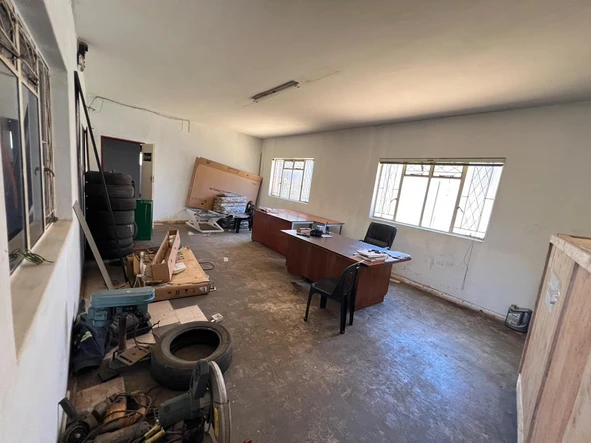
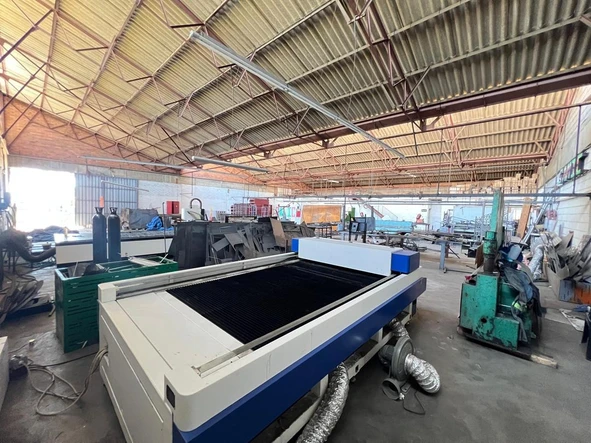
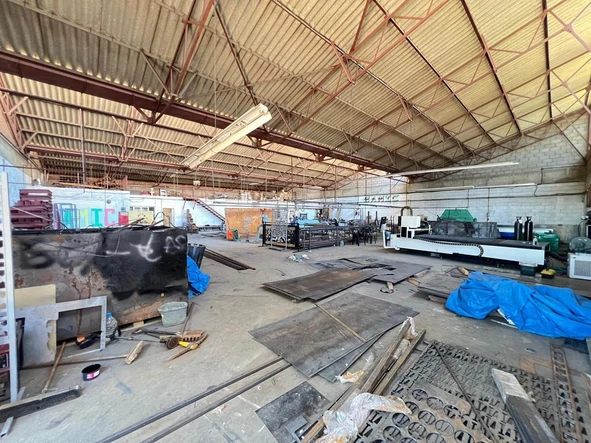
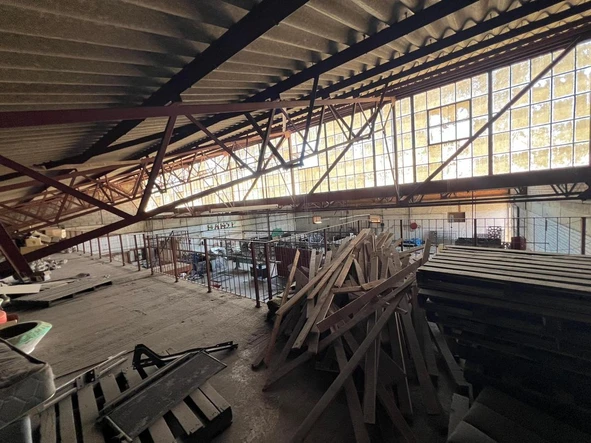
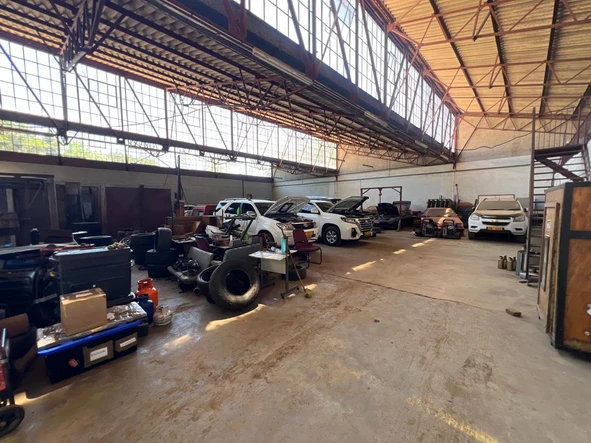
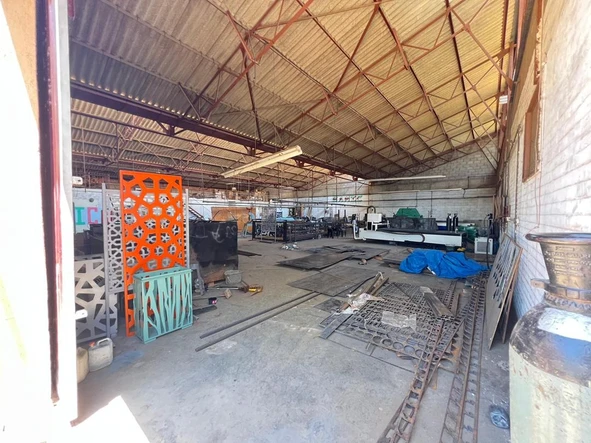
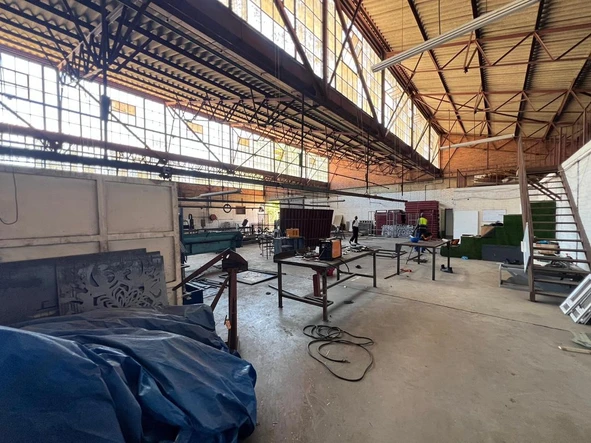
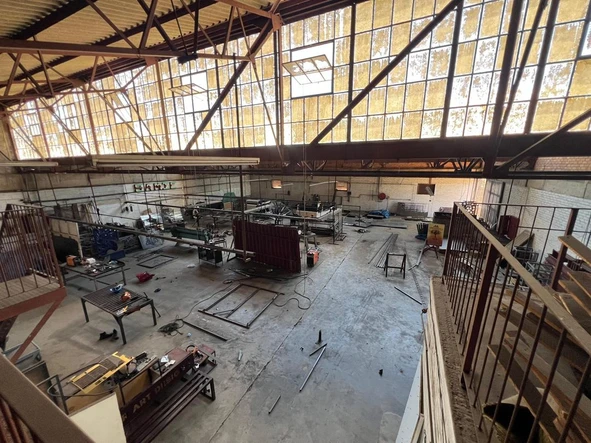
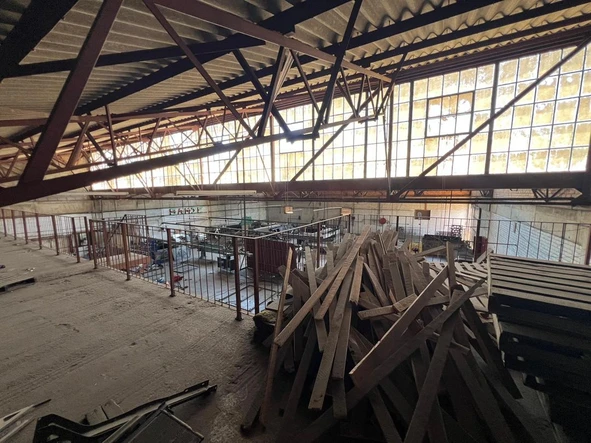
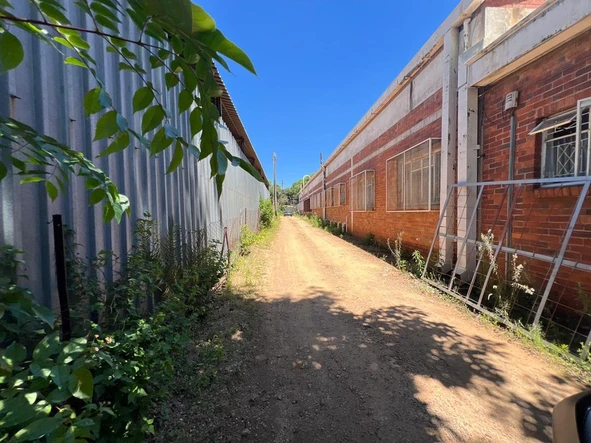
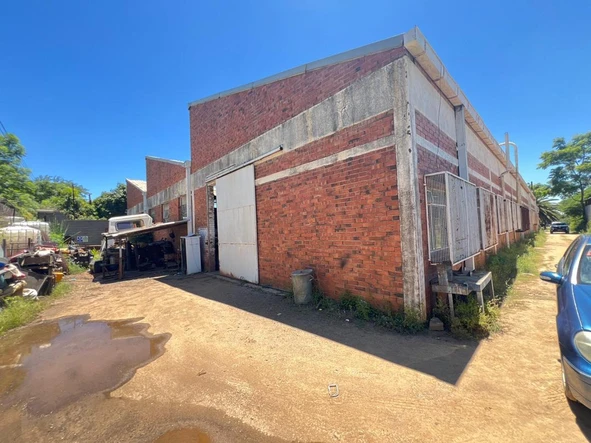
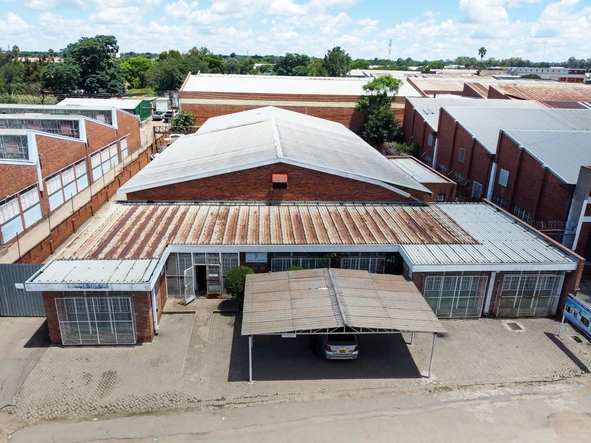
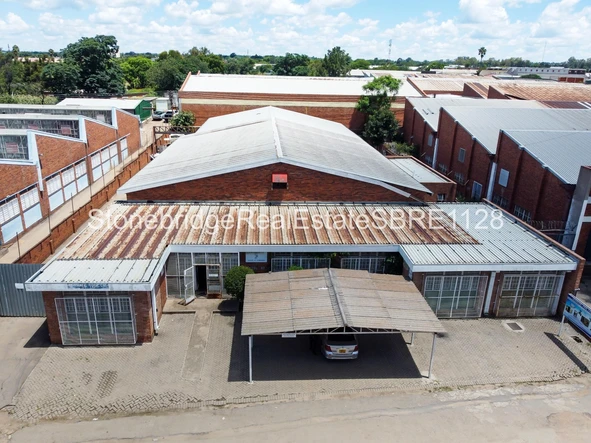
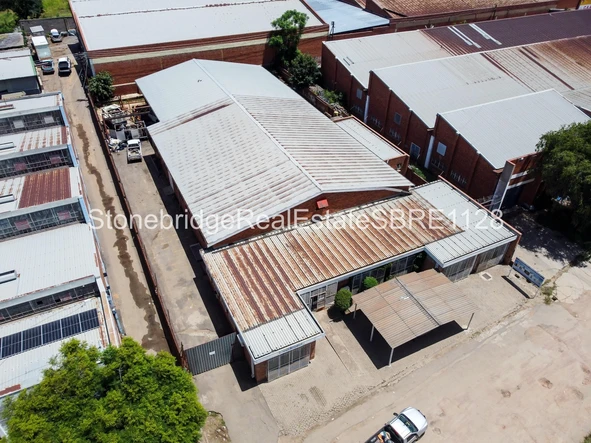
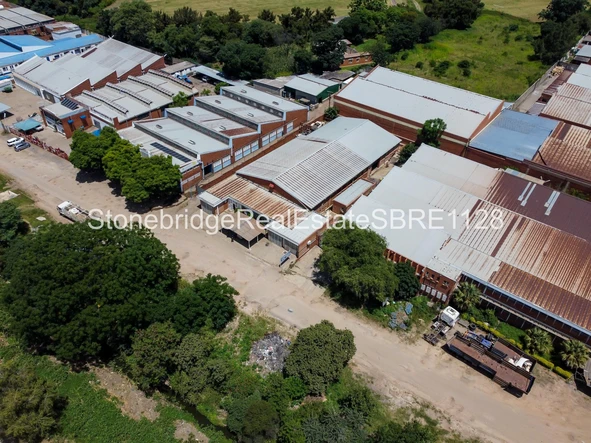
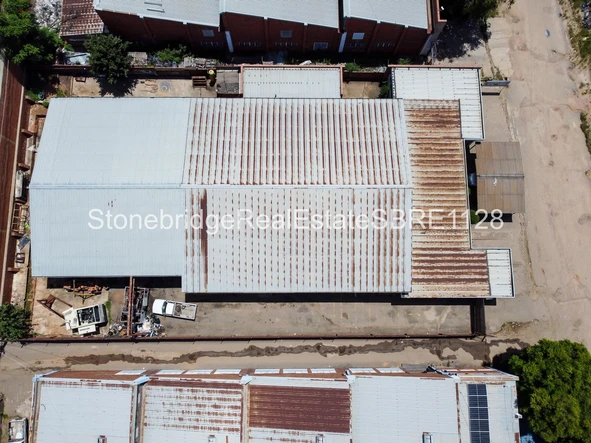
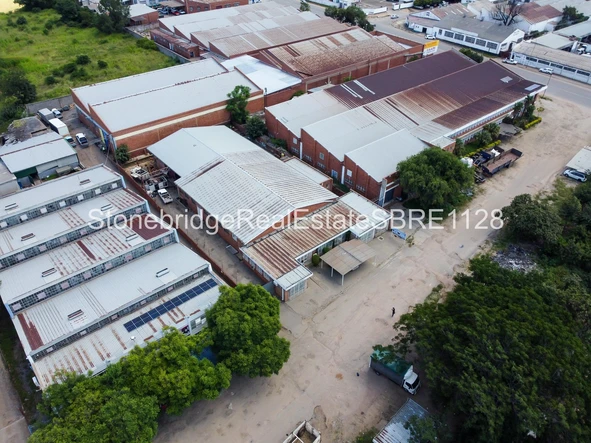
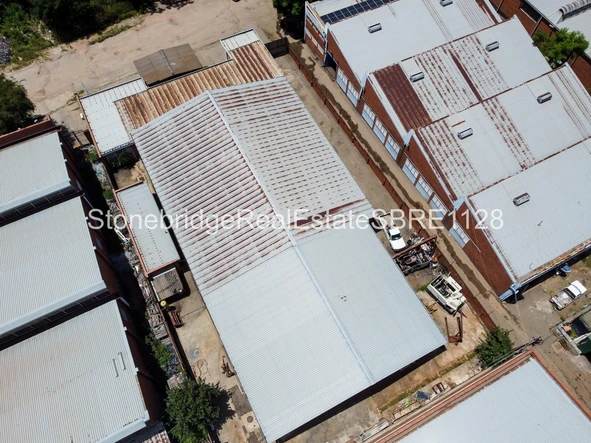
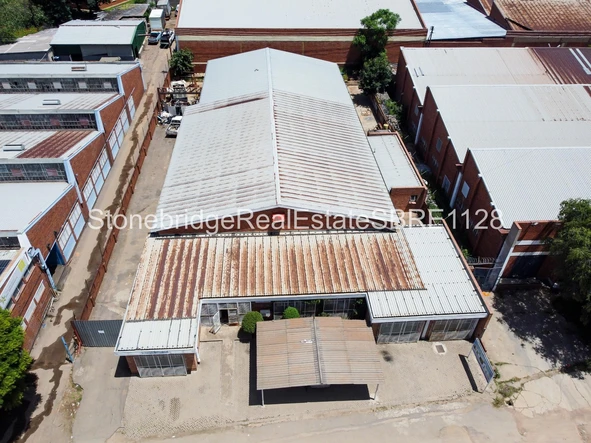
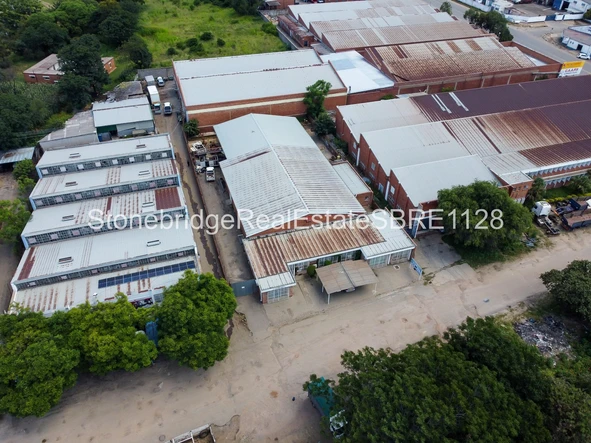
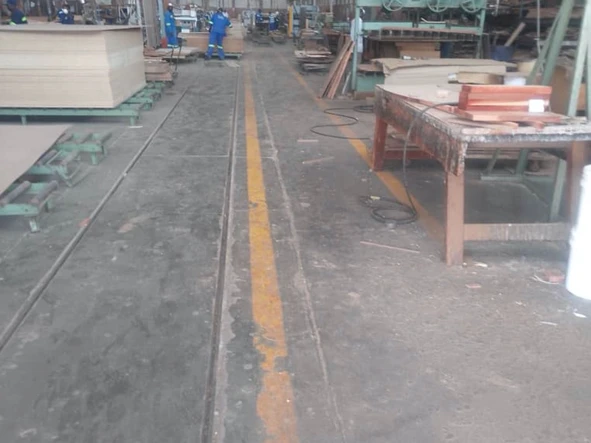
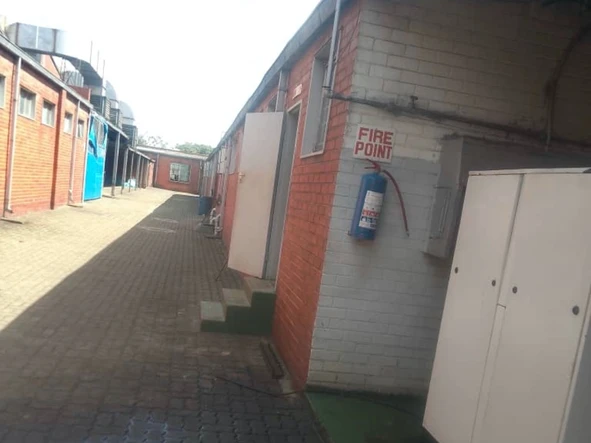
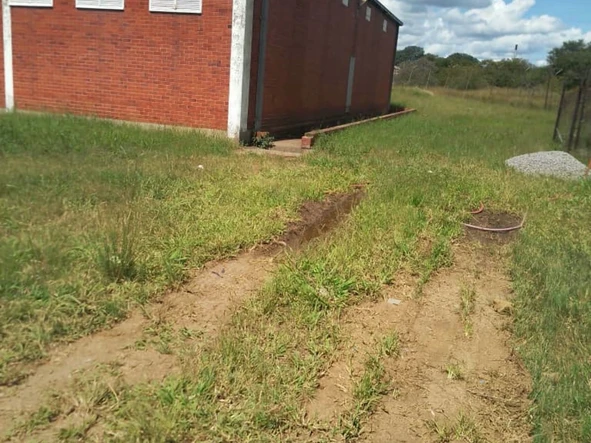
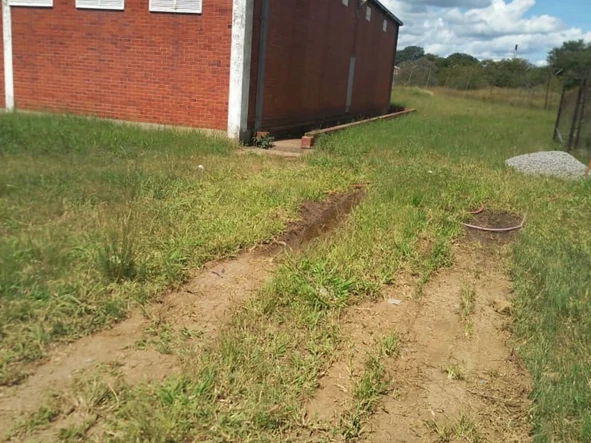
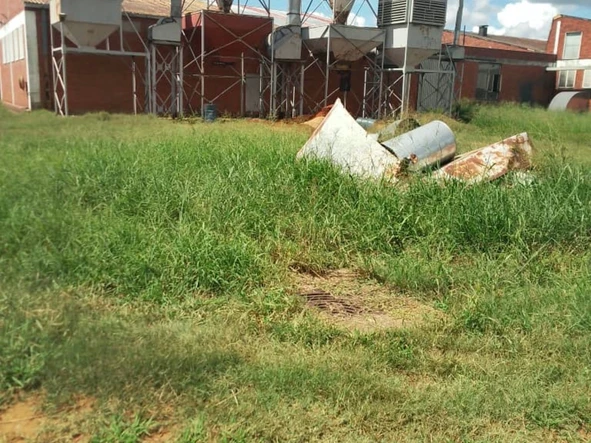
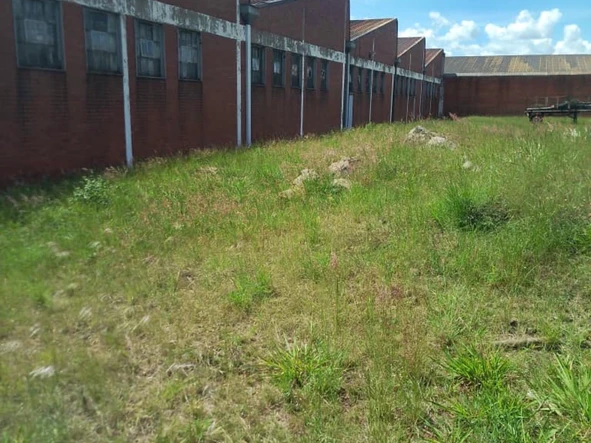
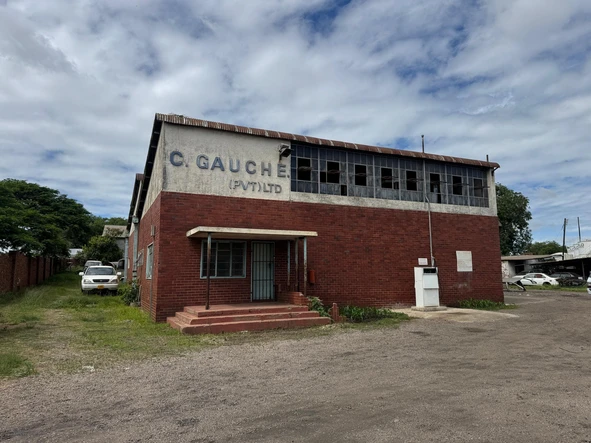
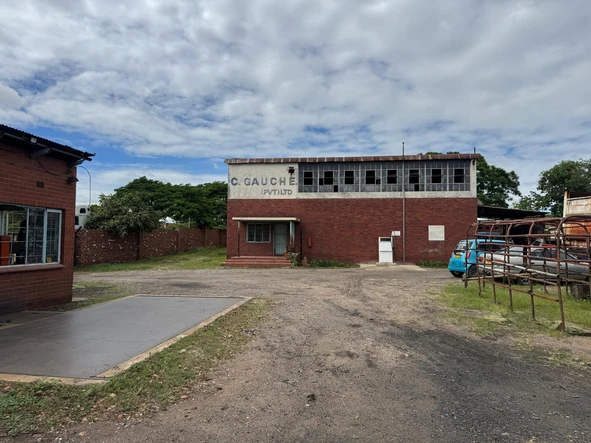
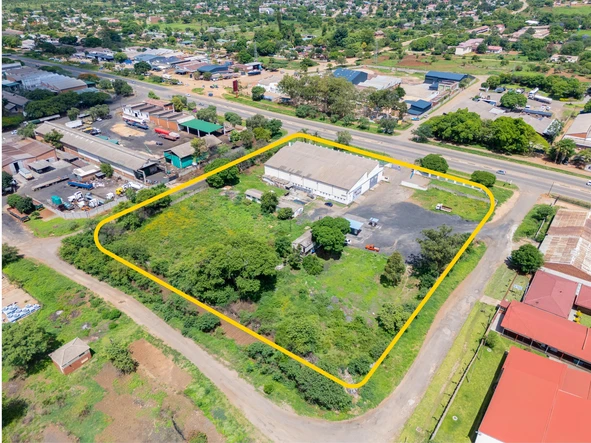
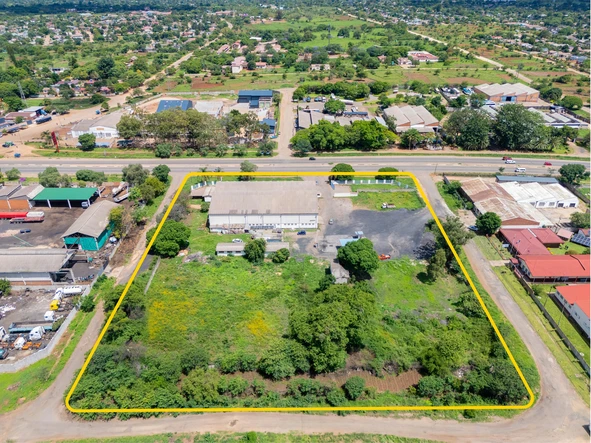
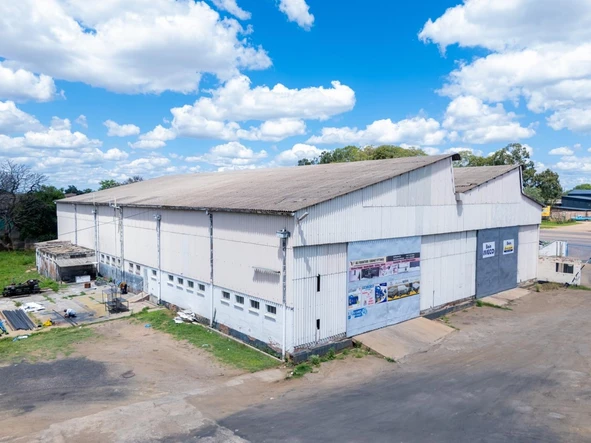
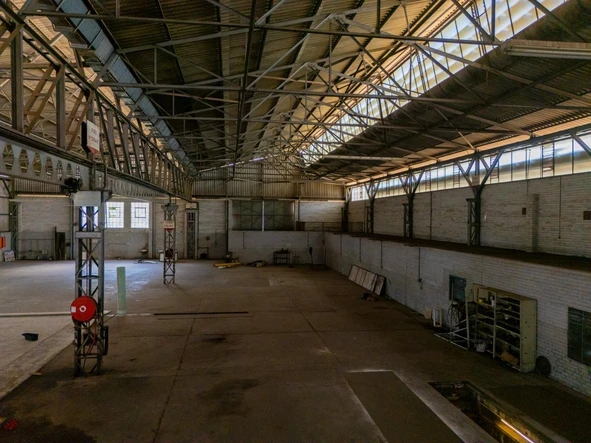
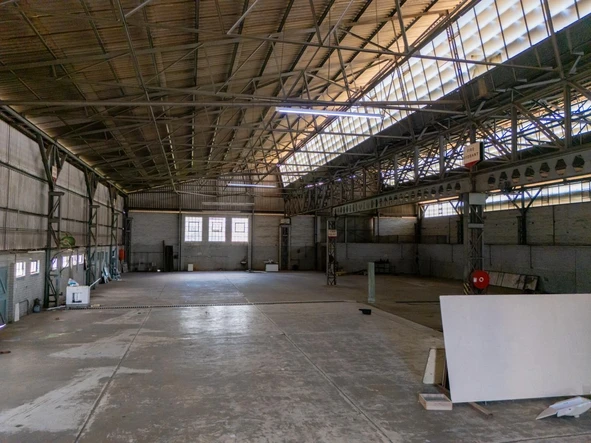
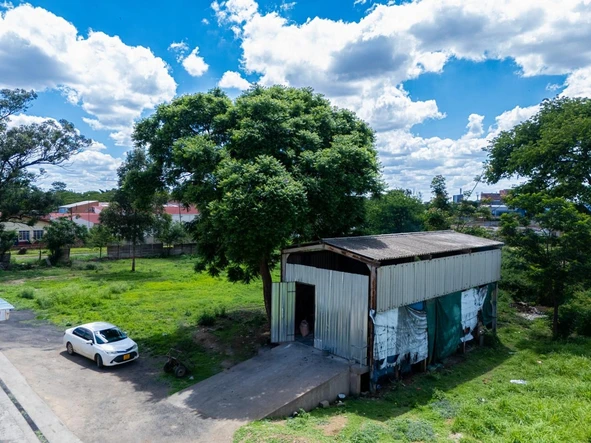
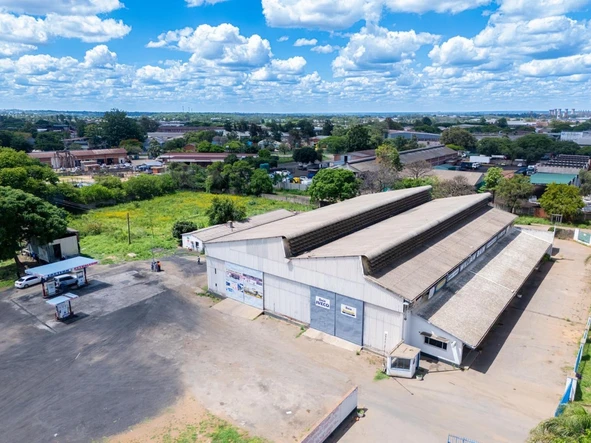
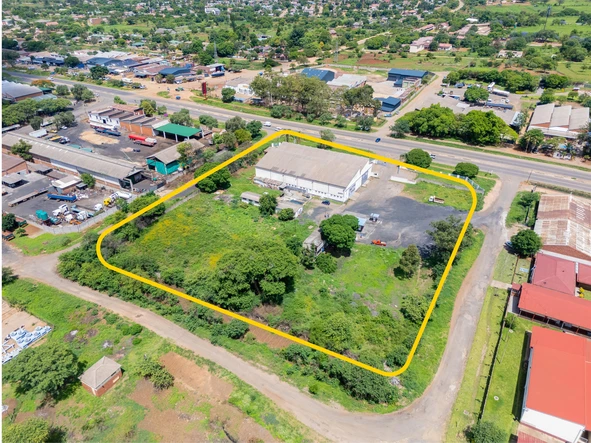
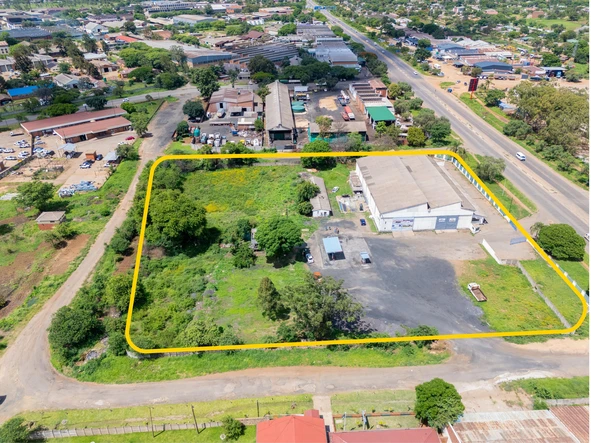
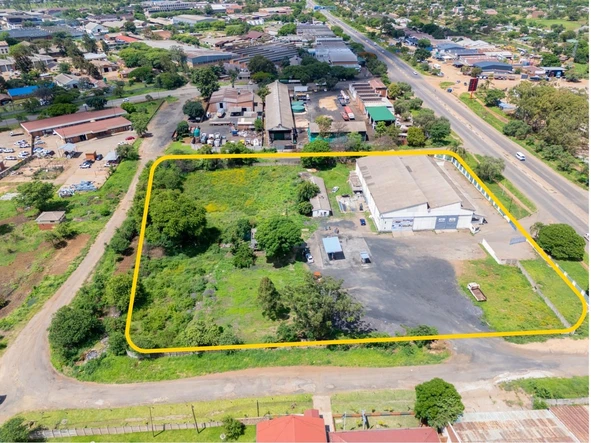
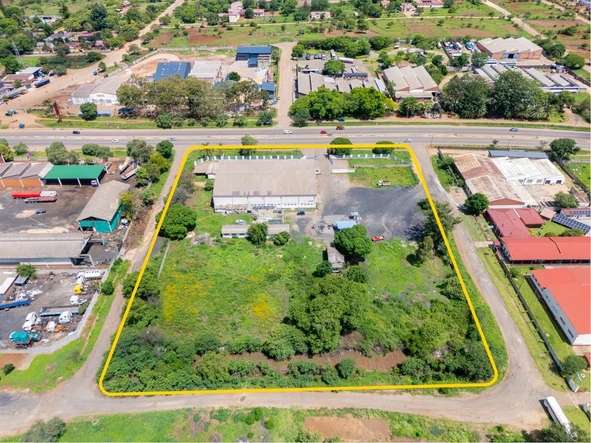
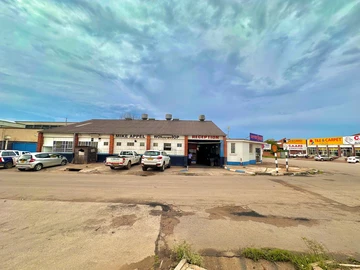
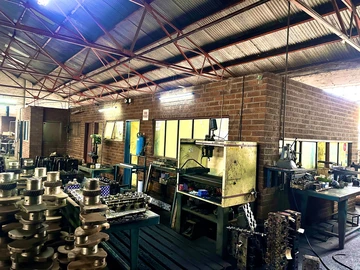
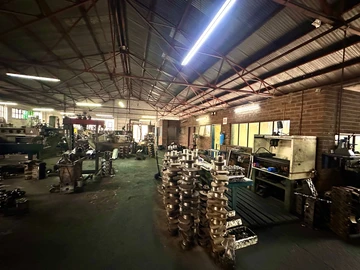
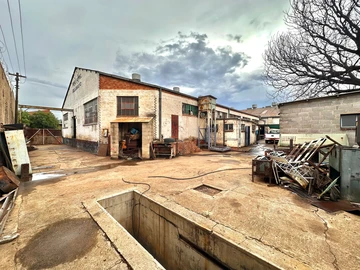
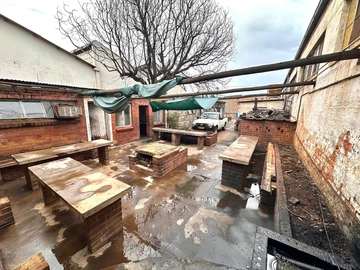
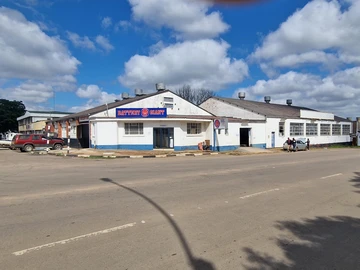
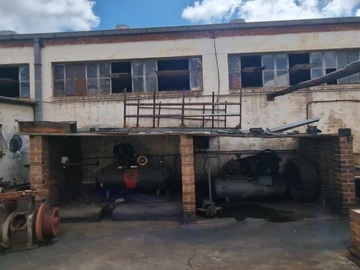
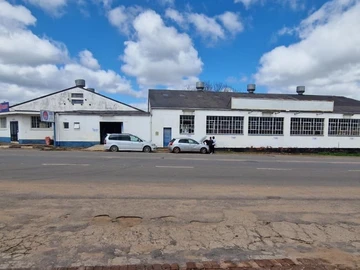
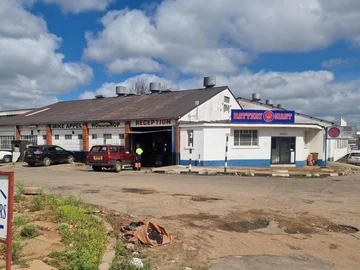
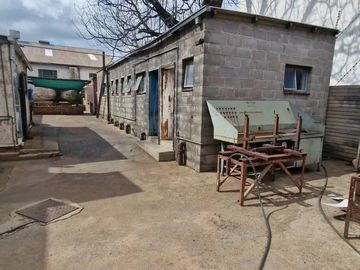
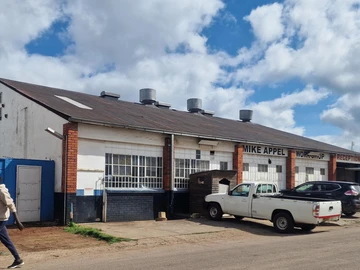
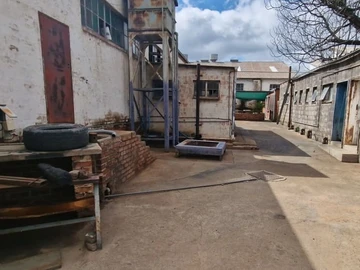
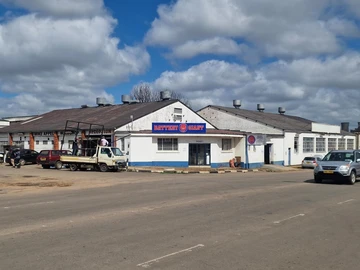
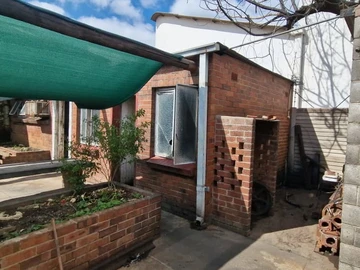
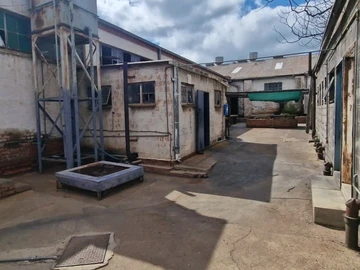
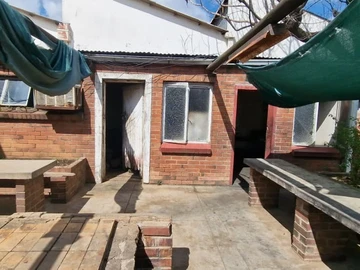
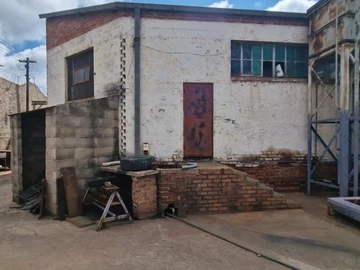
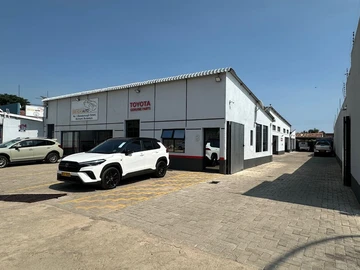
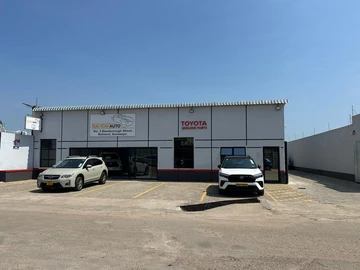
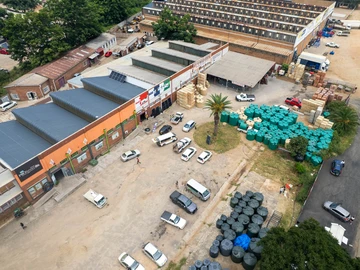
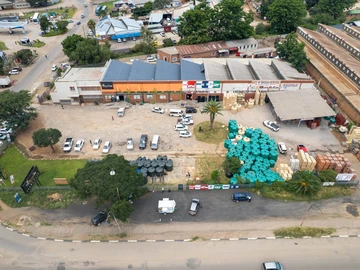
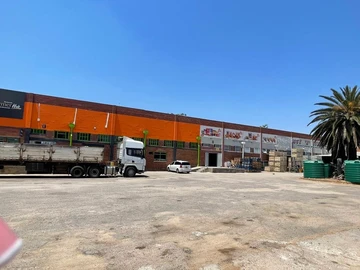
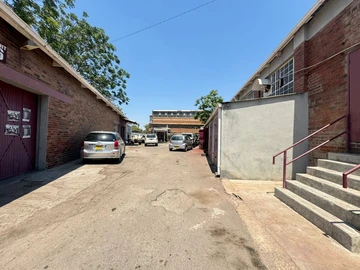
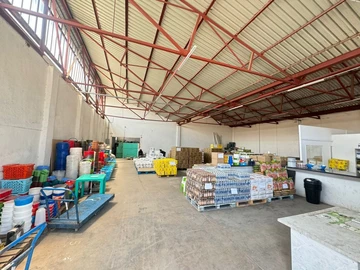
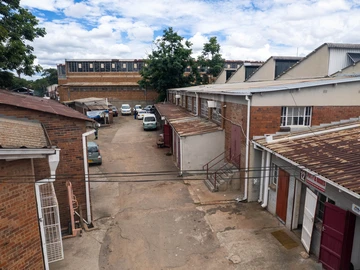
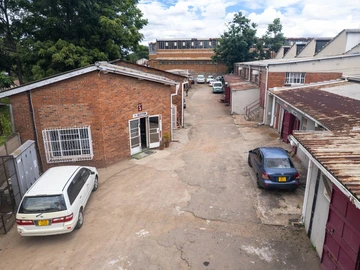
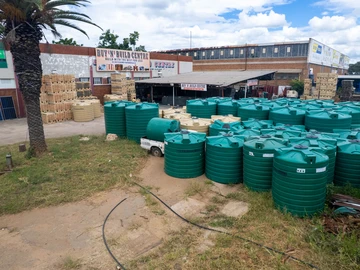
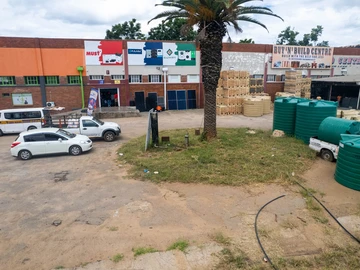
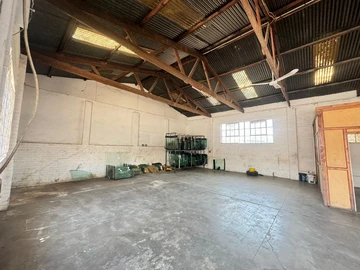
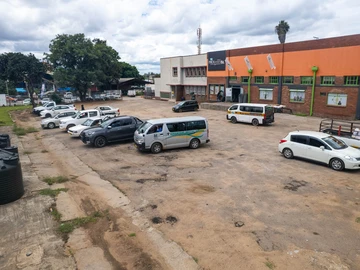
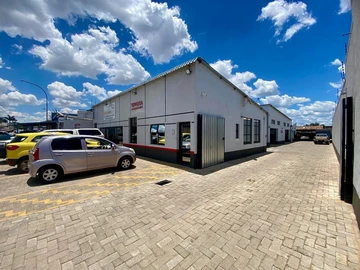
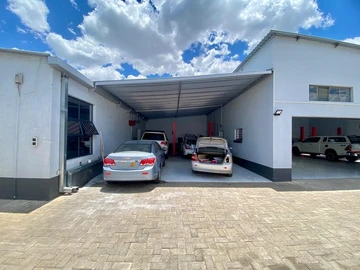
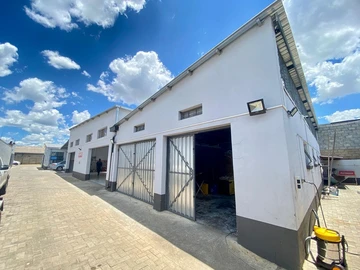
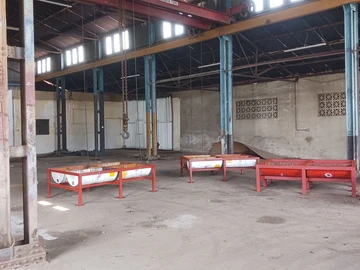
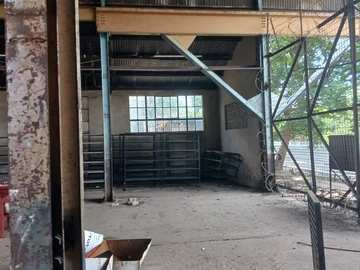
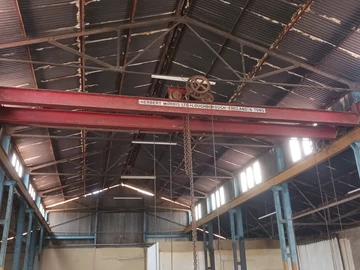
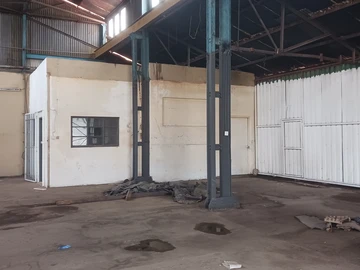
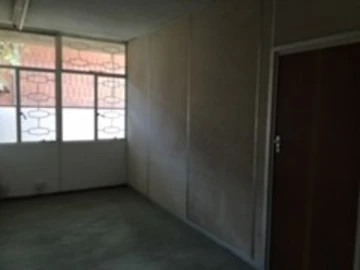
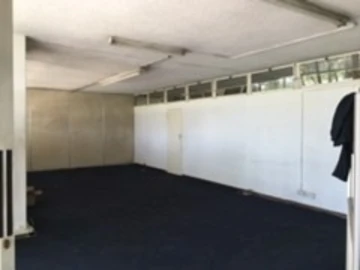
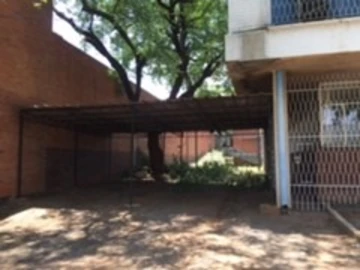
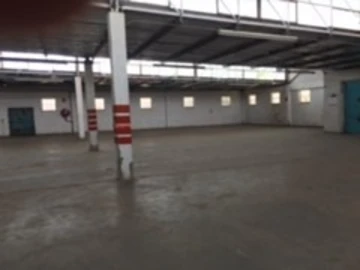
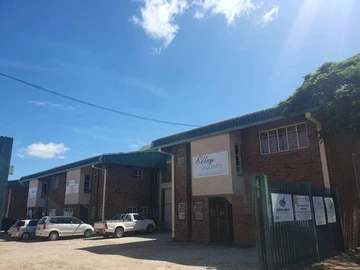
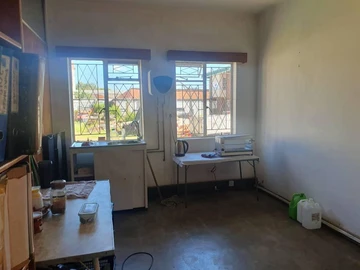
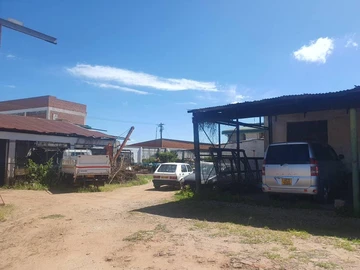
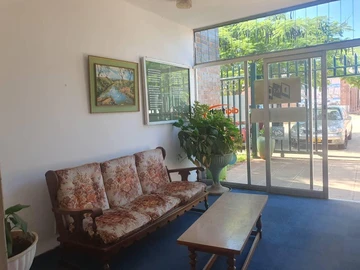
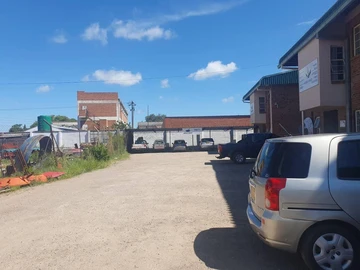
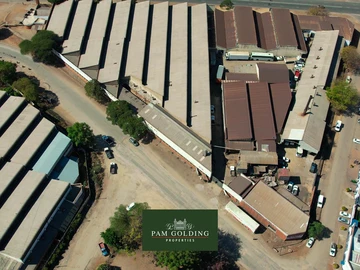
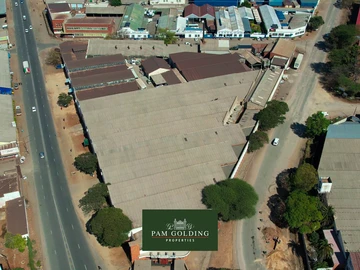
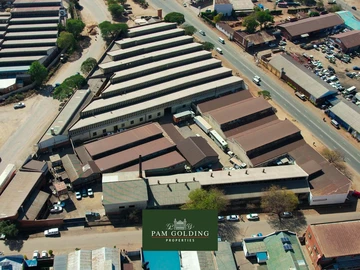
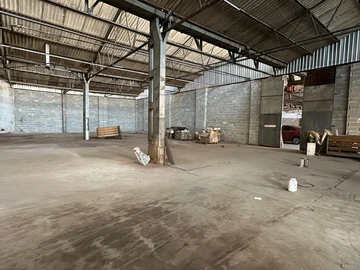
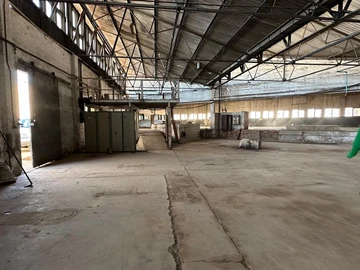
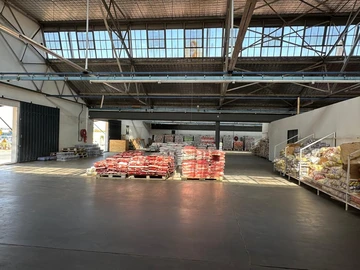
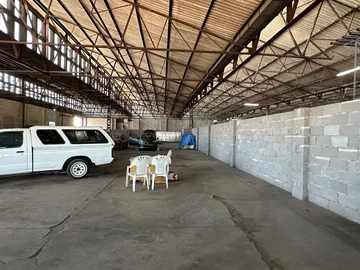
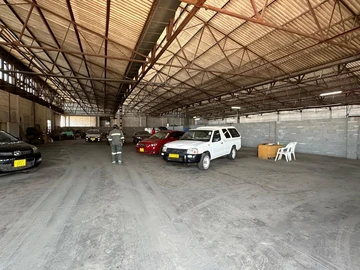
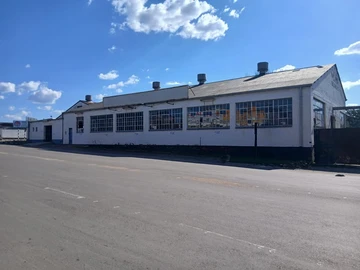
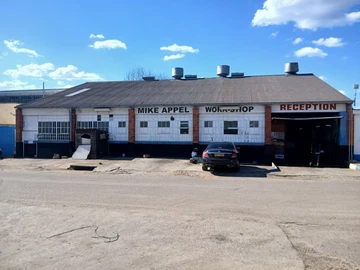
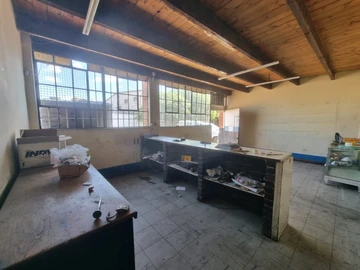
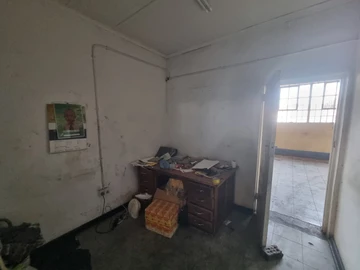
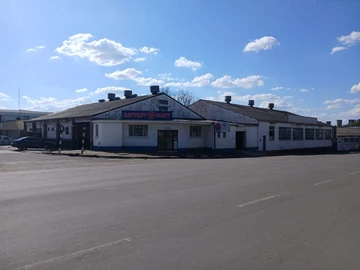
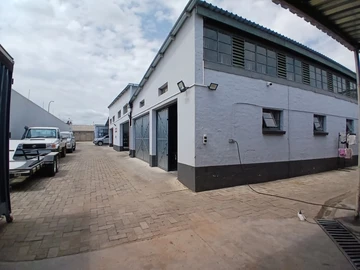
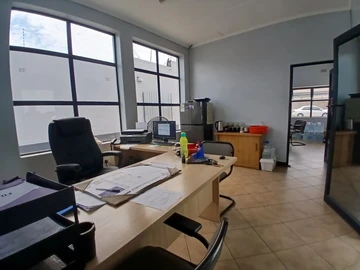
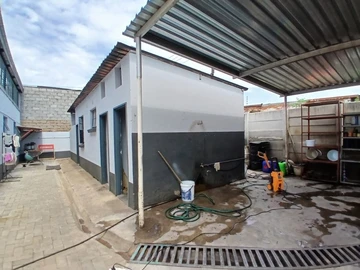
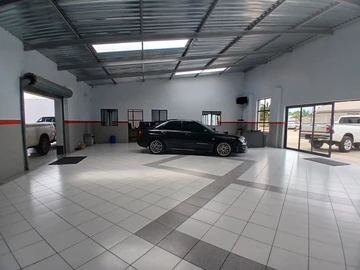
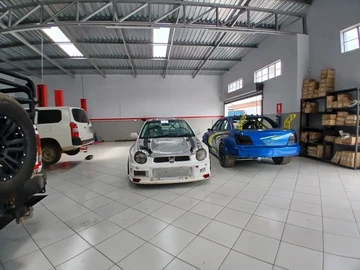
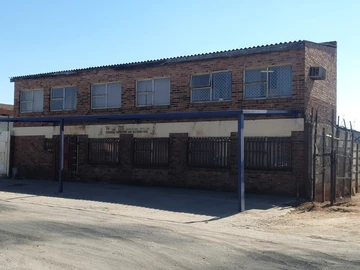
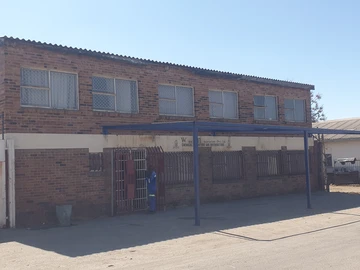
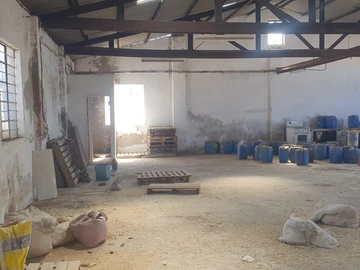
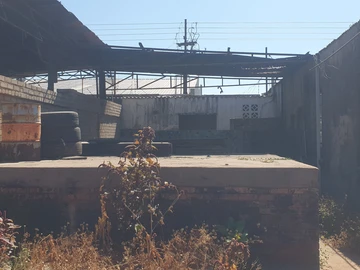
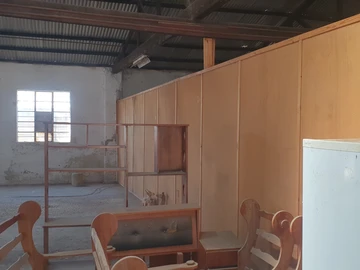
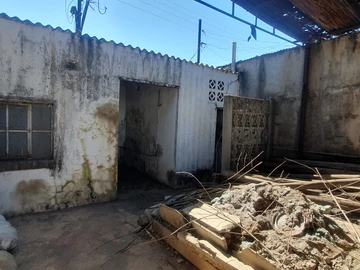
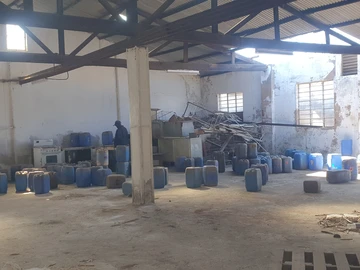
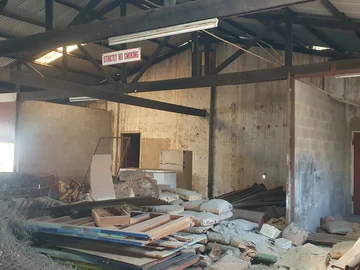
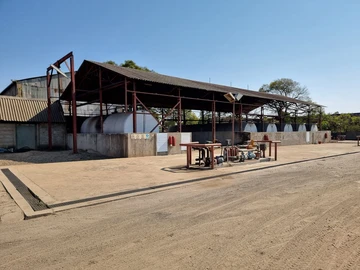
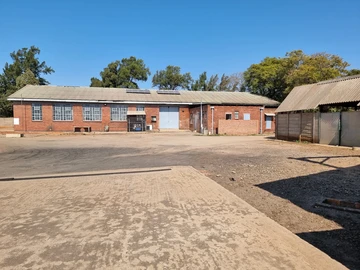
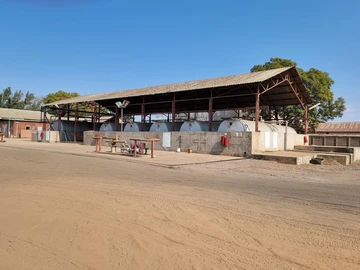
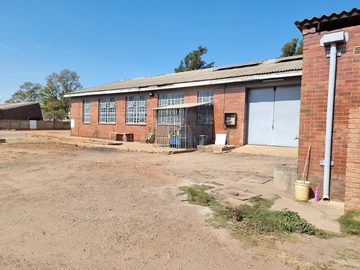
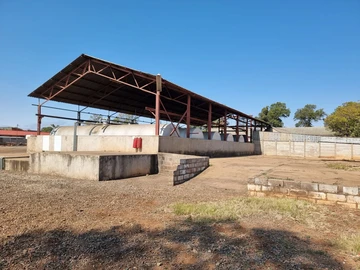
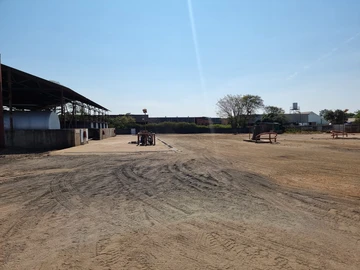
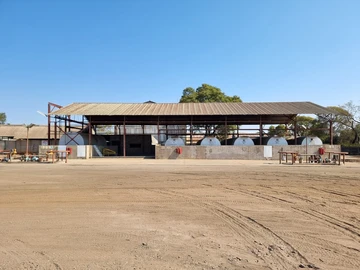
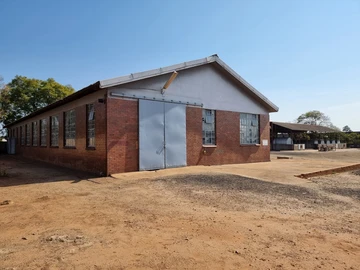
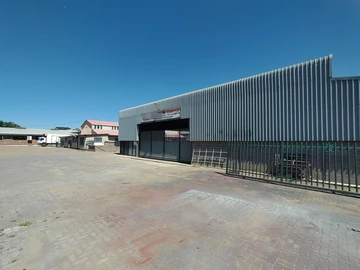
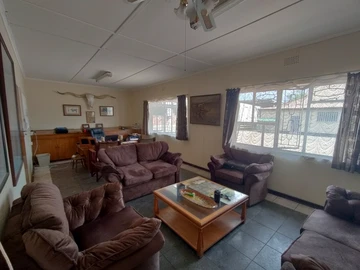
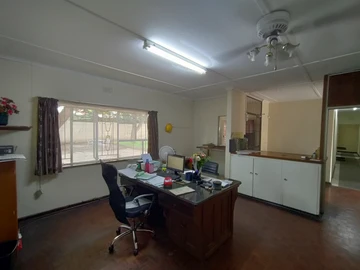
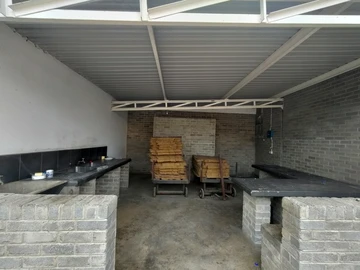
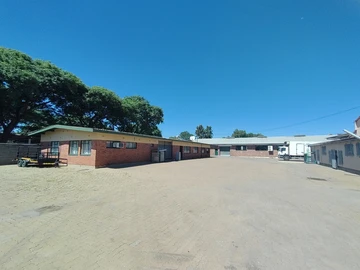
Warehouses and factories for sale in Belmont, Bulawayo CBD, are priced at the higher end, with the average price of the properties currently listed at $750,000. These industrial properties typically sit on land areas around 2,010 ㎡, with building sizes averaging 105 ㎡. The largest available land parcel is 13,000 ㎡, and the biggest property size reaches up to 3,000 ㎡, offering options for various industrial needs.
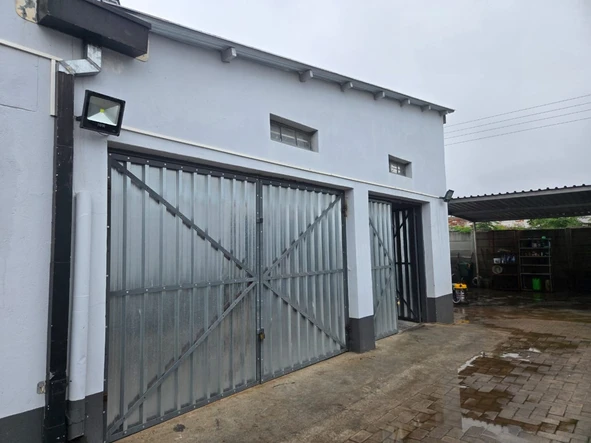
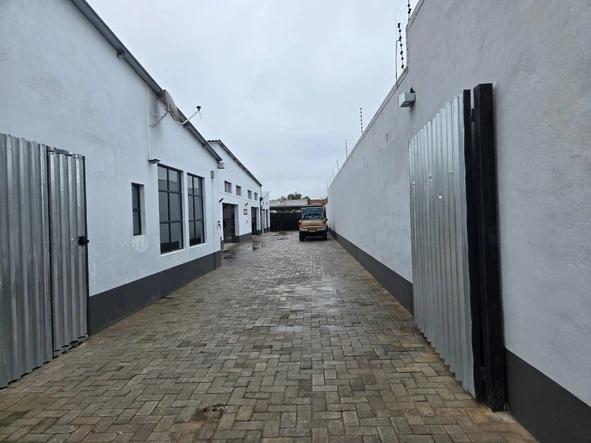
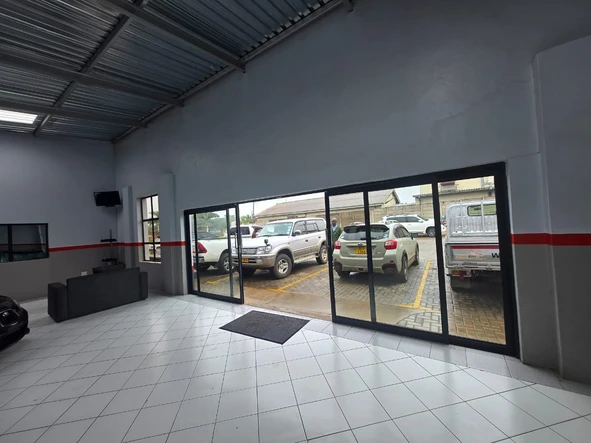
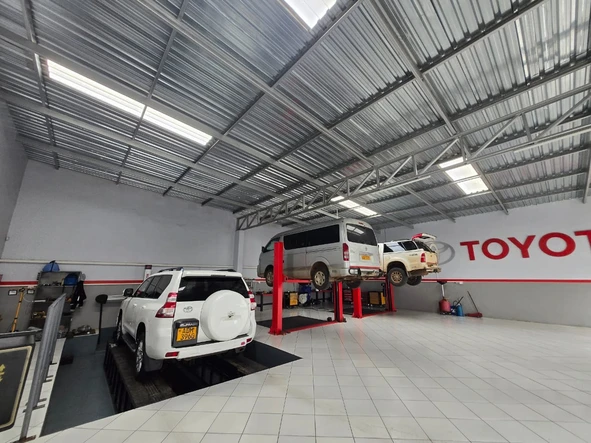
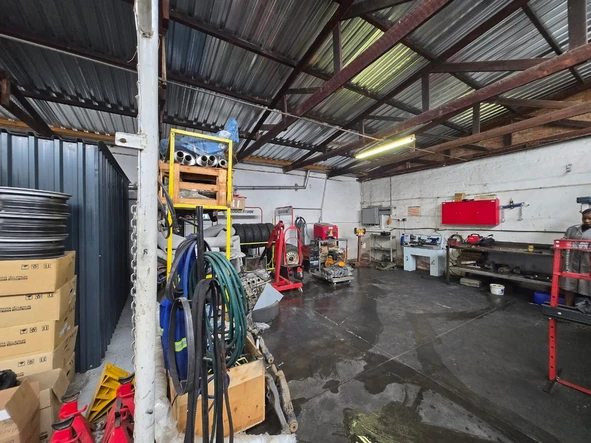
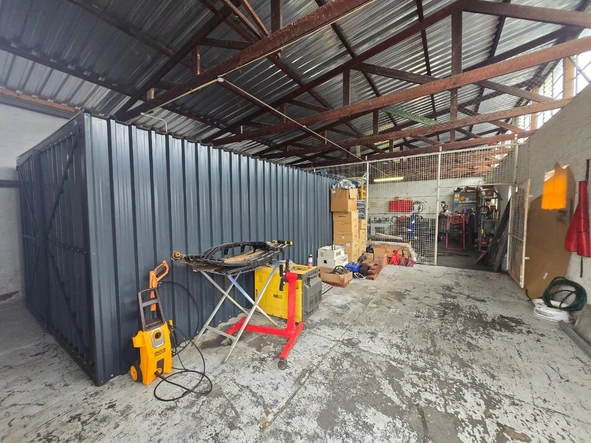
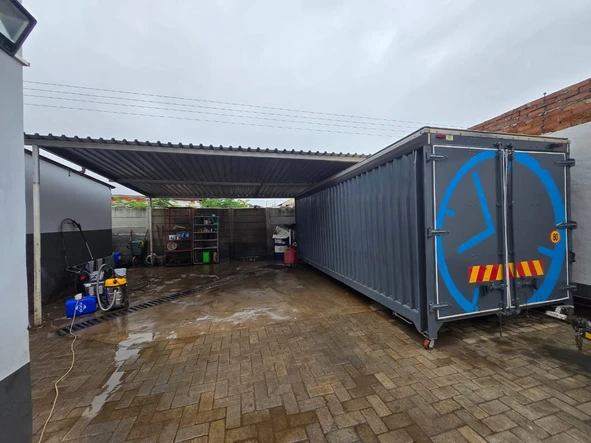
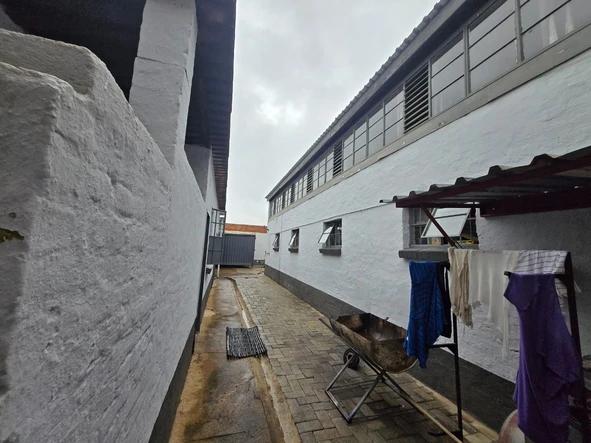
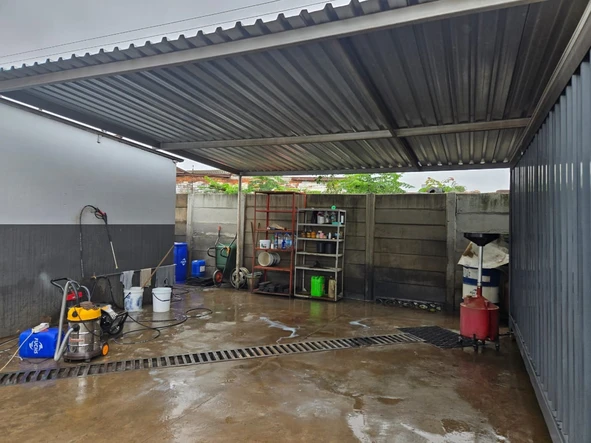
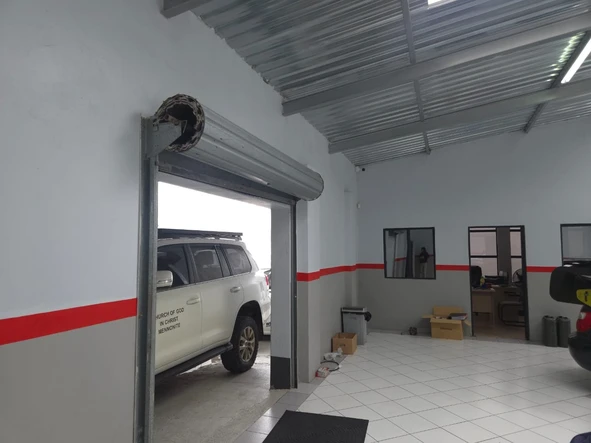
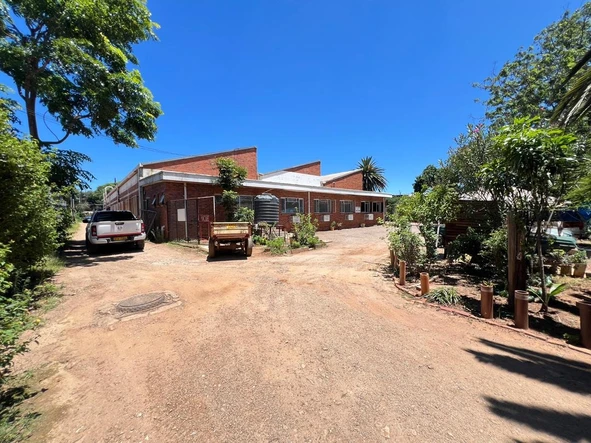
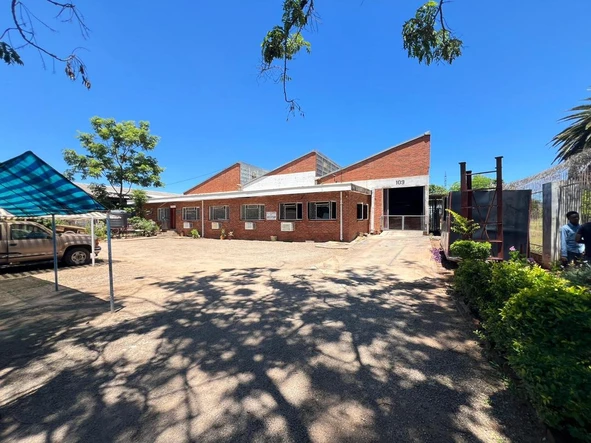
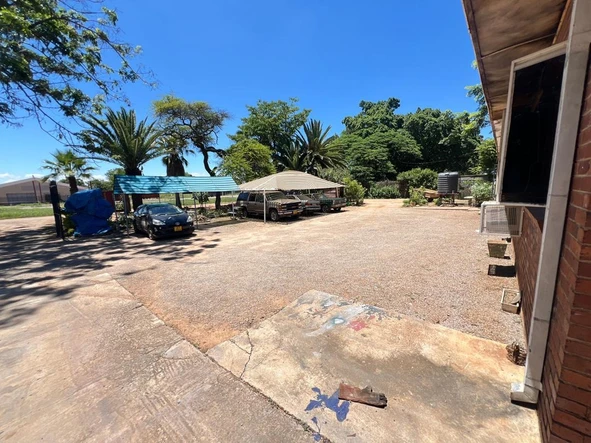
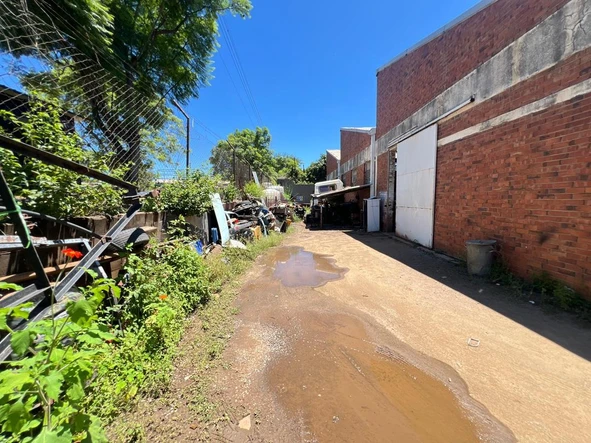
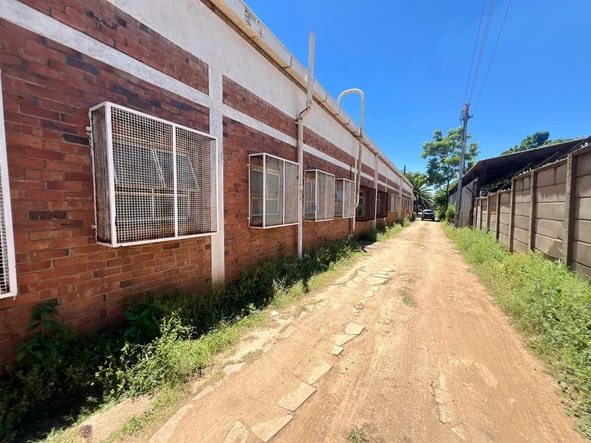
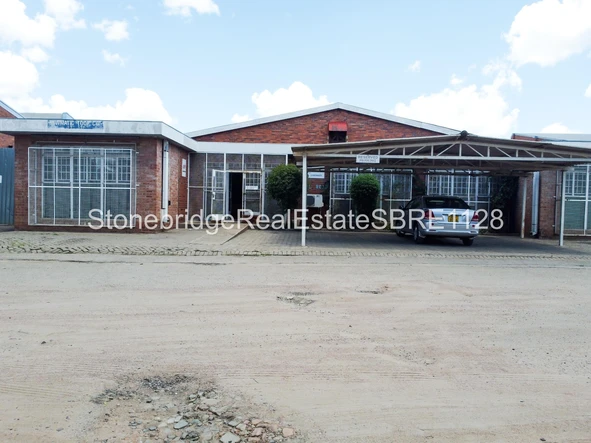
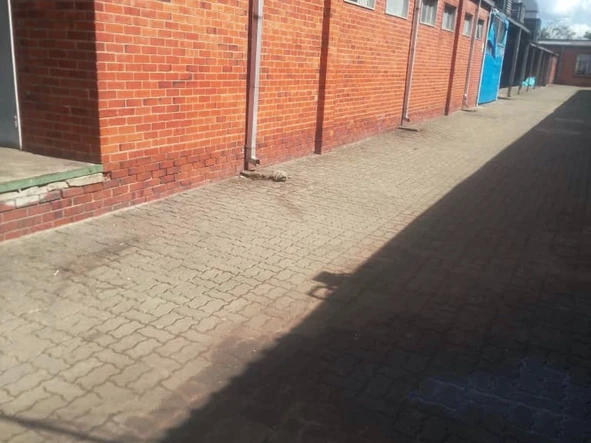
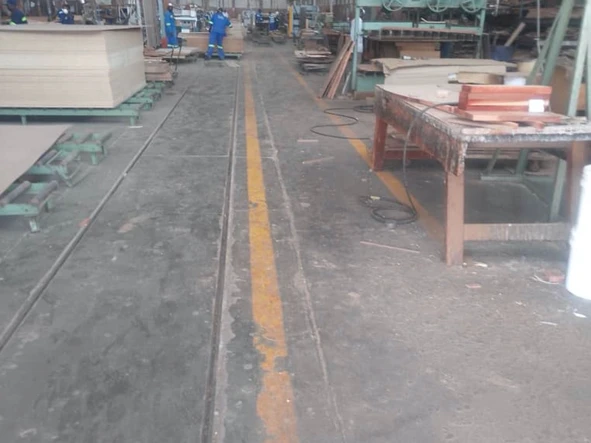
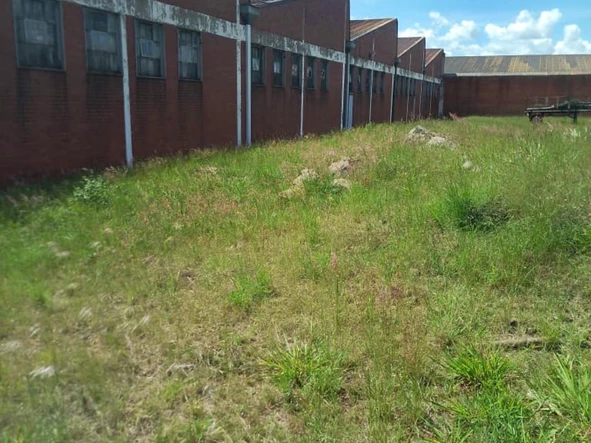
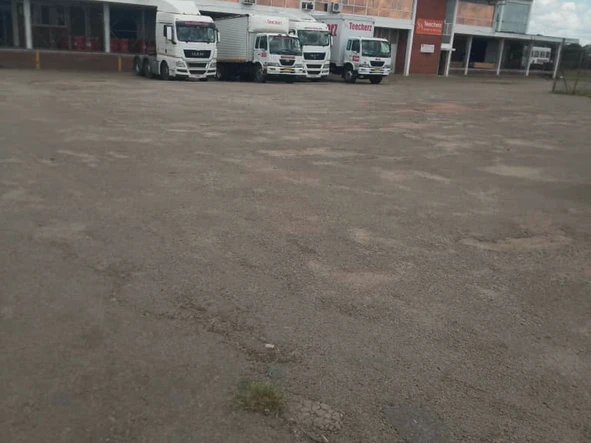
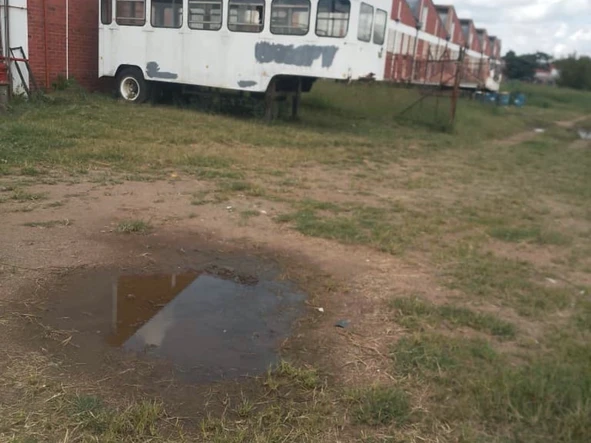
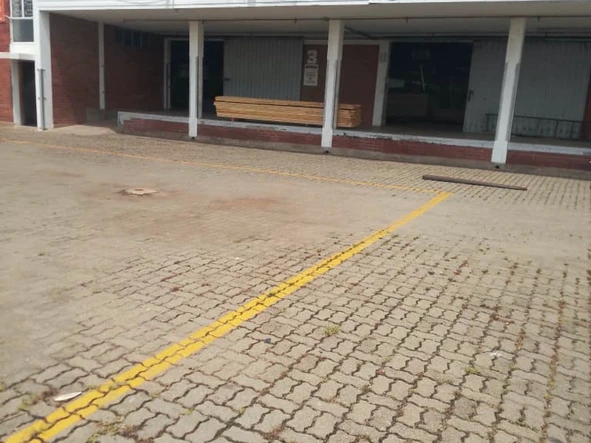
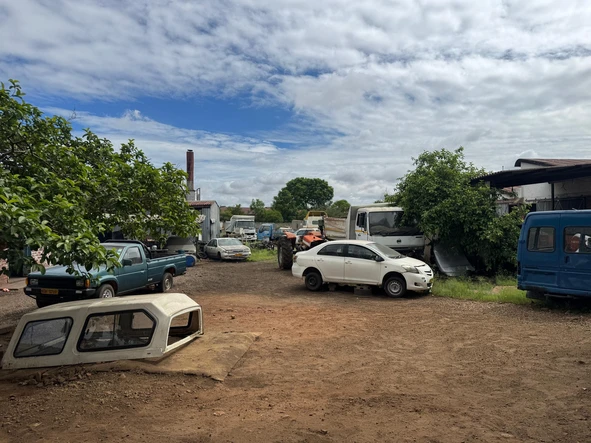
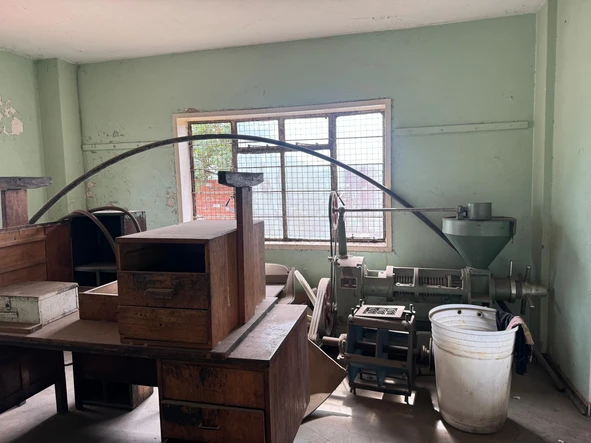
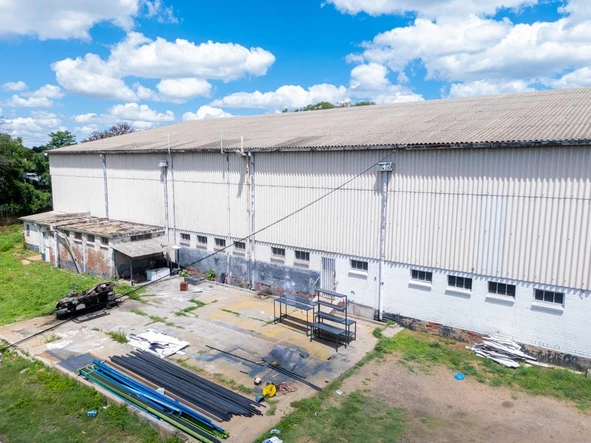
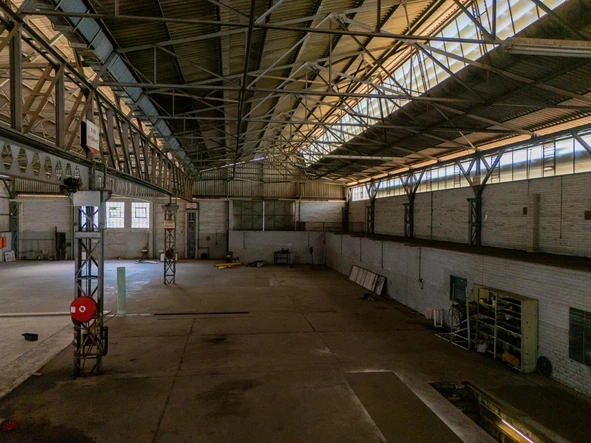
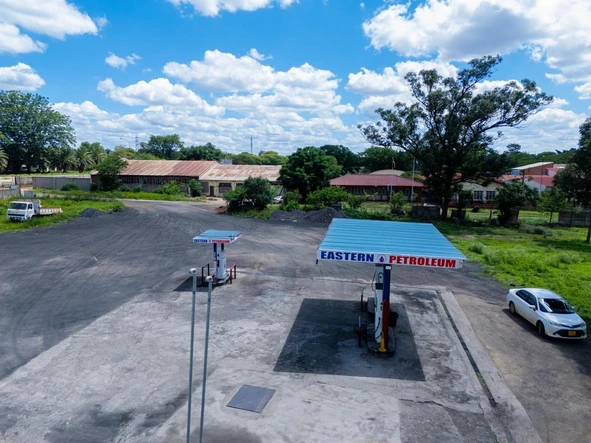
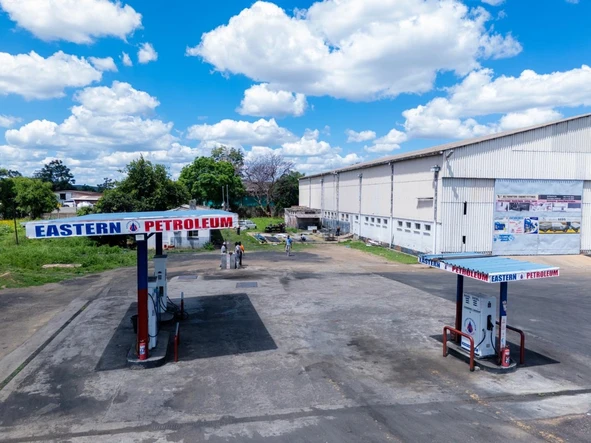
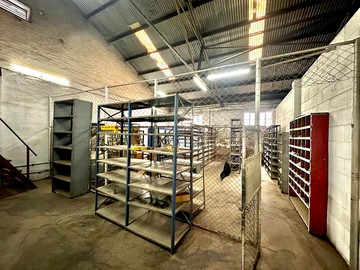
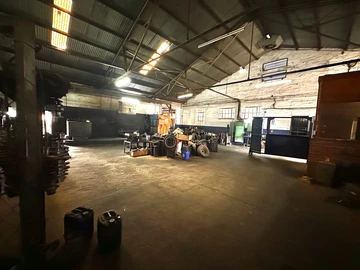
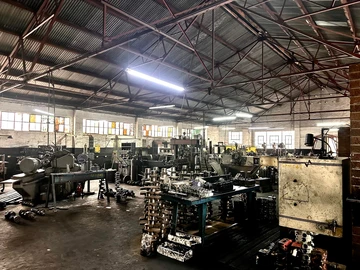
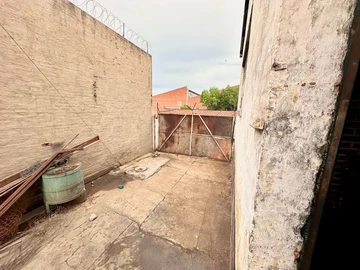
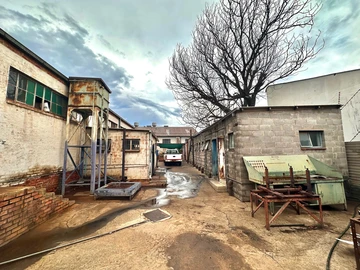
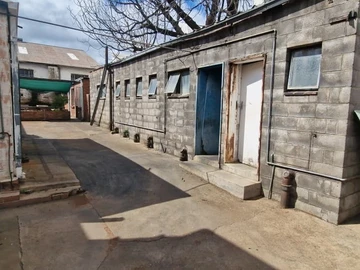
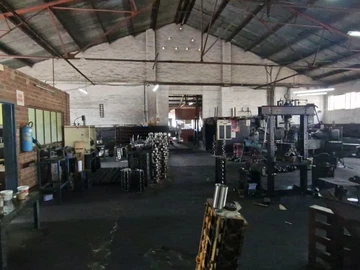
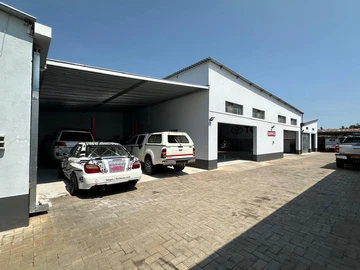
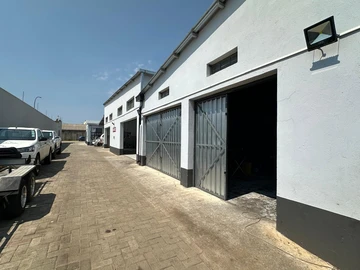
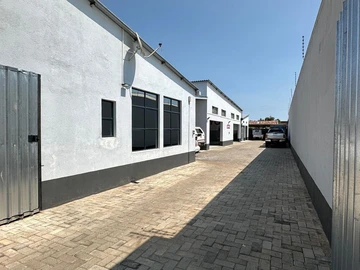
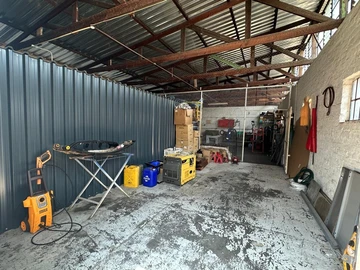
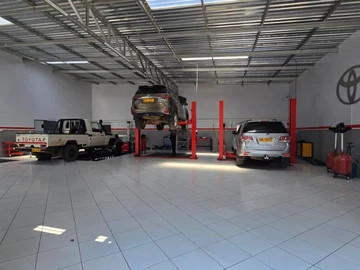
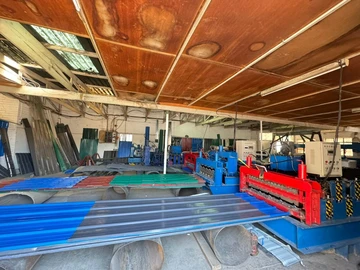
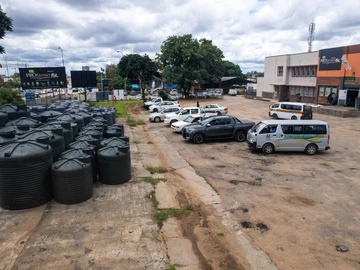
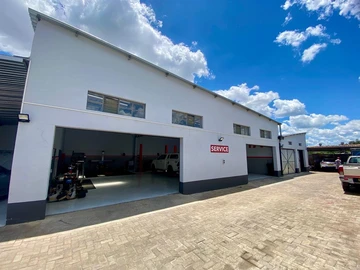
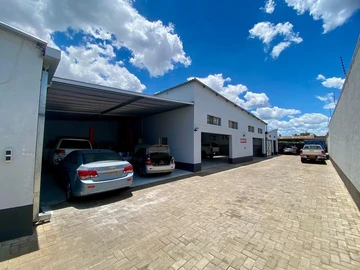
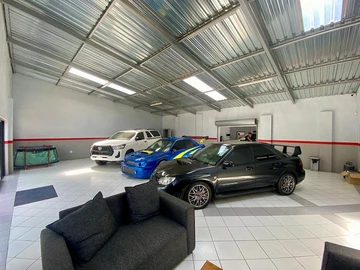
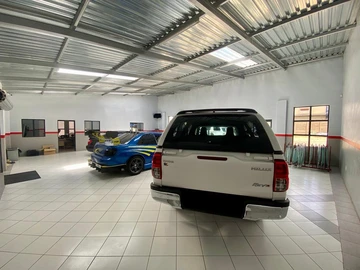
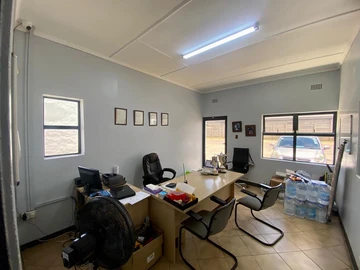
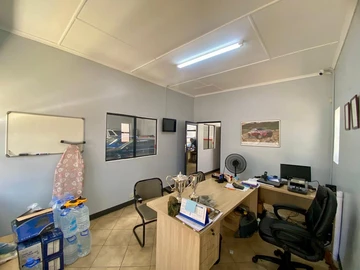
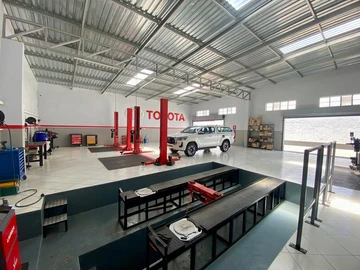
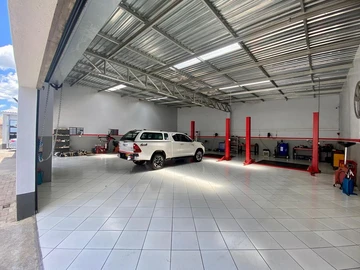
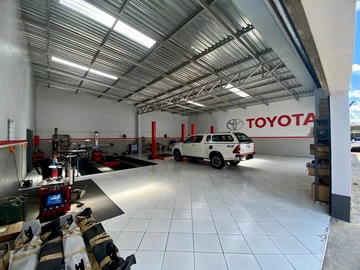
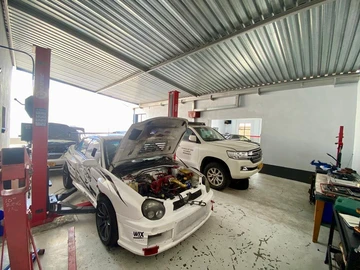
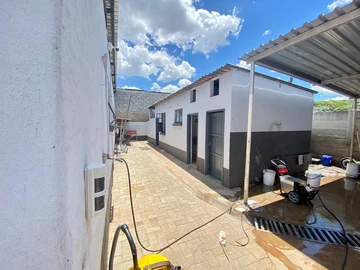
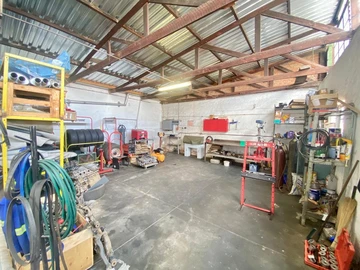
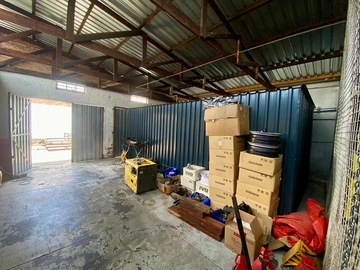
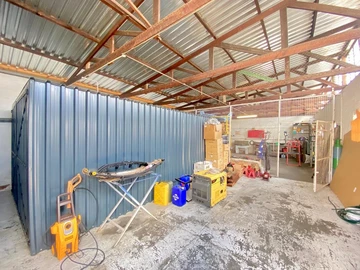
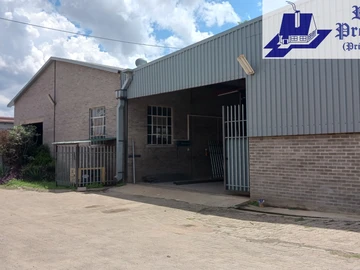
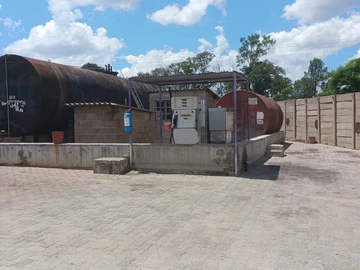
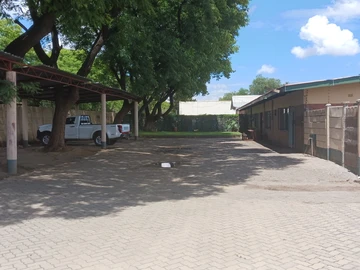
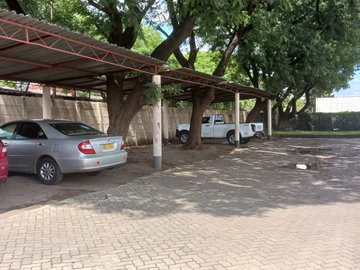
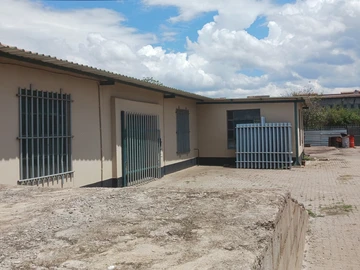
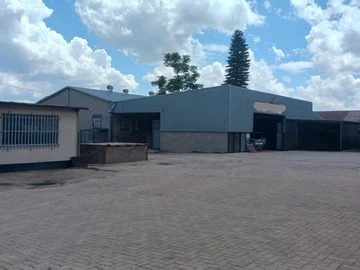
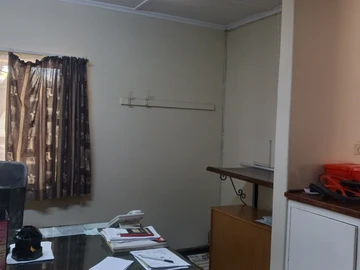
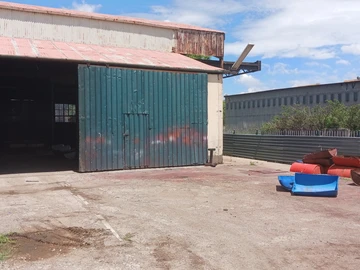
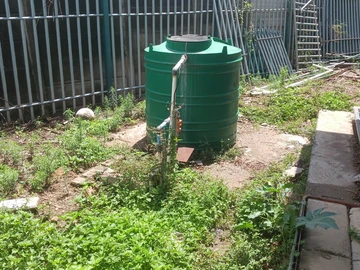
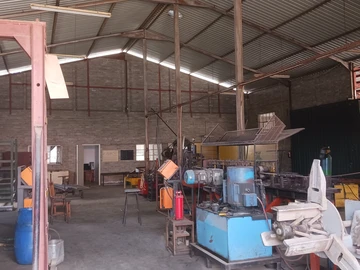
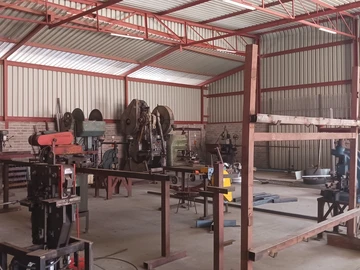
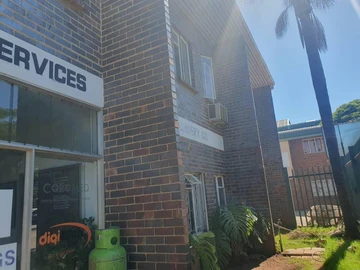
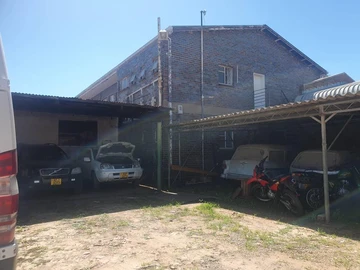
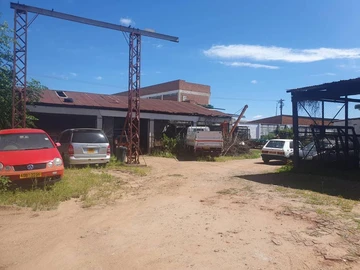
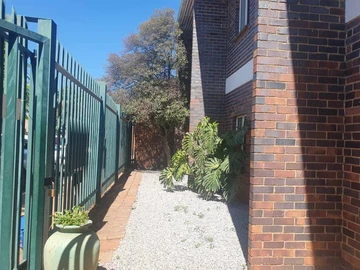
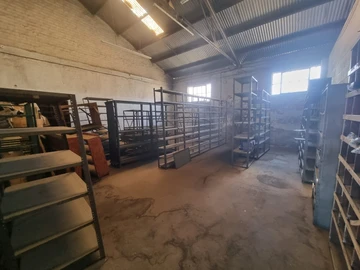
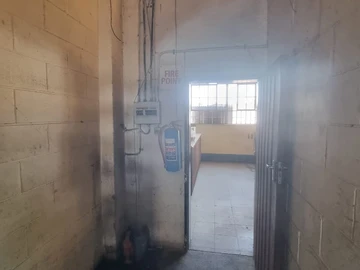
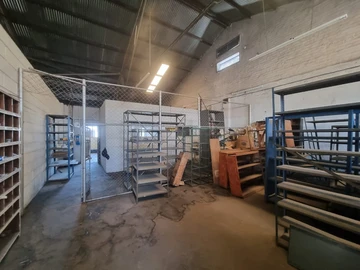
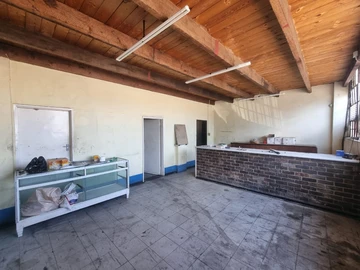
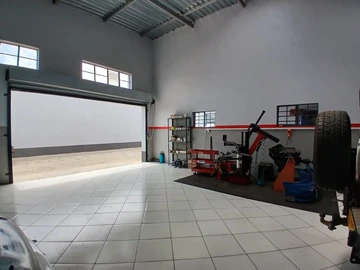
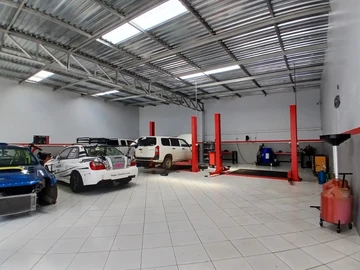
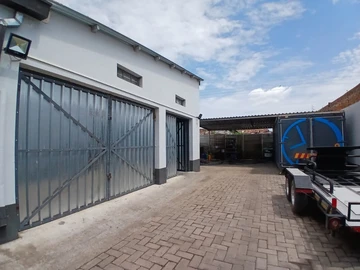
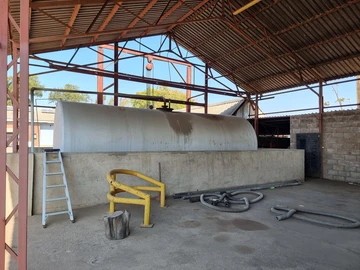
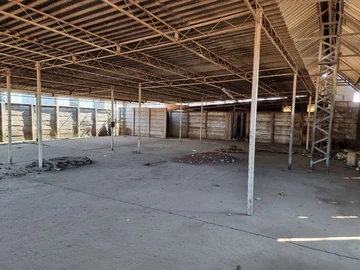
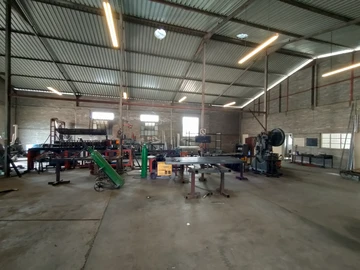
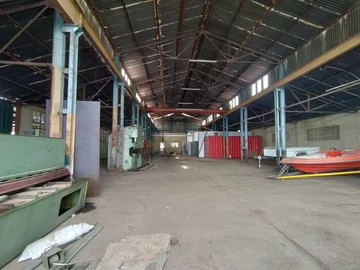
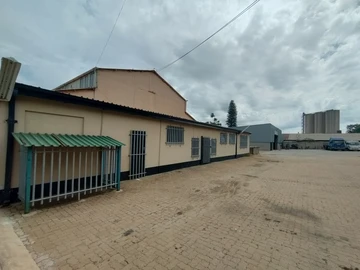
Many of these properties include workshops and are walled for added security. Most have municipal water connections, good ZESA electricity supply, and parking bays, making them practical for manufacturing, logistics, and trade businesses. The combination of these features supports efficient industrial operations in the area.
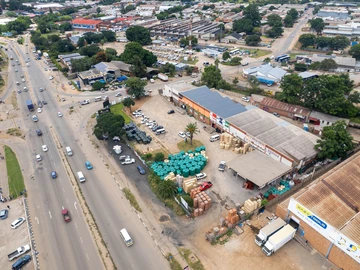
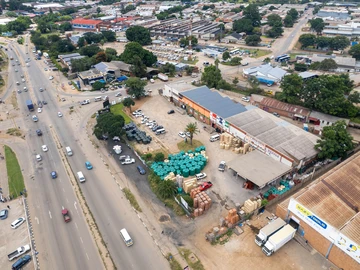
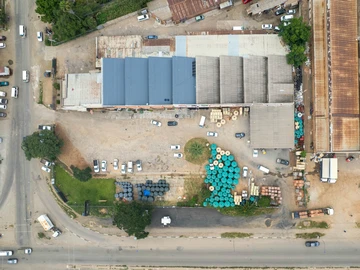
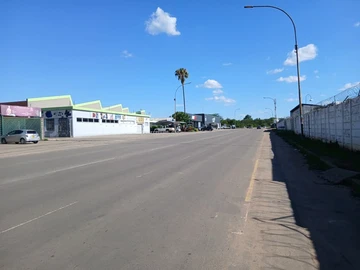
Belmont is an industrial and commercial suburb located on the outskirts of Bulawayo’s central business district. It offers excellent transport links, including easy access to major roads and the nearby Bulawayo Railway Station, which is a key freight and passenger hub. While the area is mainly industrial, it is close to the Bulawayo CBD, providing access to shopping centers, healthcare facilities like Mpilo Central Hospital, and a variety of dining options. This makes Belmont a convenient location for businesses seeking proximity to both industrial infrastructure and city amenities.
4,047 m²
13,000 m²
1,669 m²
1,000 m²
7,814 m²

Be the first to see new properties for sale in Belmont, Bulawayo CBD, Industrial










| Property Size | Avg. price |
|---|---|
| Average price | $750,000 |
Evaluate the cash-flow potential of your next Zimbabwean rental investment using the 2% rule as a high-speed screening tool. In 2026's competitive market,
Navigate the 2026 Zimbabwean rental market by prioritizing utility-ready homes that offer solar and water independence in high-demand hubs like Hre and Byo
Verify property ownership in Zimbabwe by navigating the mandatory transition from paper to digital securitized deeds under SI 76 of 2025.
Secure your peace of mind this festive season by implementing a multi-layered security strategy that blends smart technology with traditional neighborhood watch
Maximize your home's USD value in 2026 by mastering the "first 30-second" rule of Zimbabwean real estate. Whether selling in Borrowdale or Selborne Park,