Log in to contact the seller
 Continue with Facebook
 Continue with Email
Continue with Facebook
Continue with Email
Sign up with Facebook
Continue with Email
Continue with Facebook
Continue with Email
Sign up with Facebook
 Change filters
 Requests

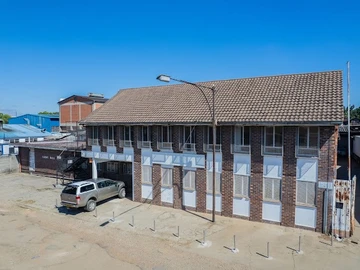



 8,208 m²
21,400 m²
8,208 m²
21,400 m²
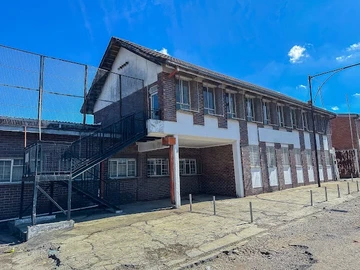
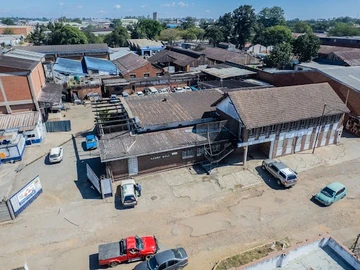
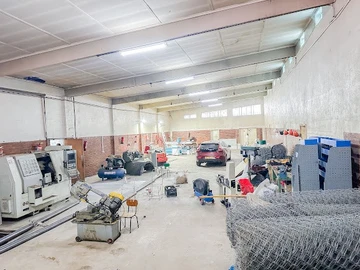
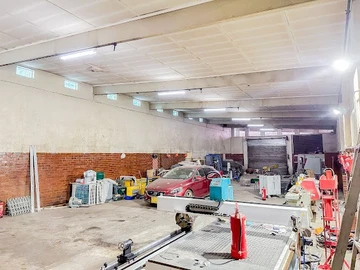
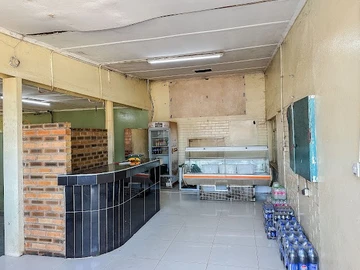
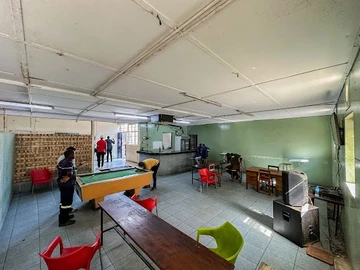
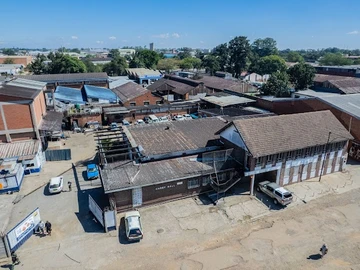
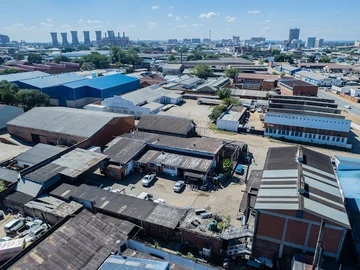
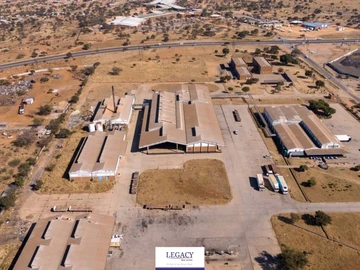
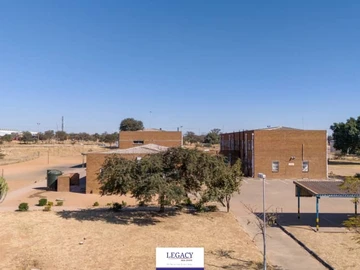
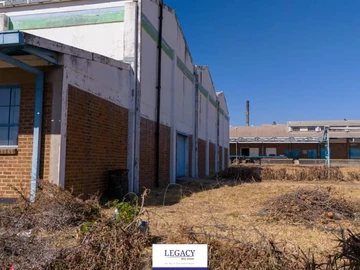
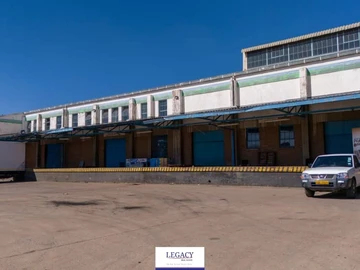
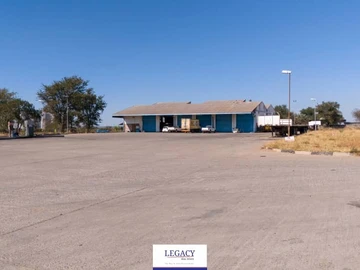
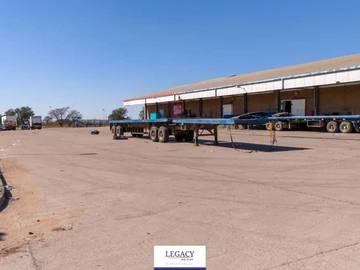
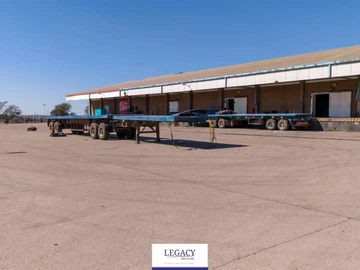
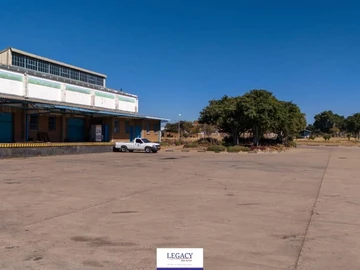
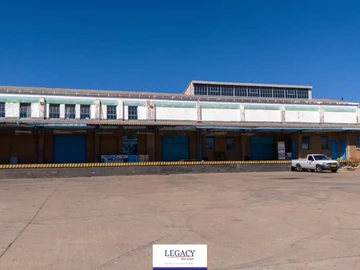
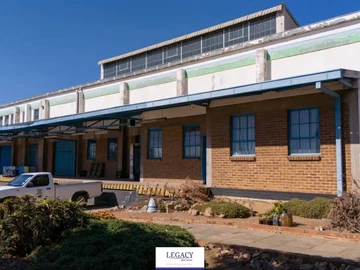
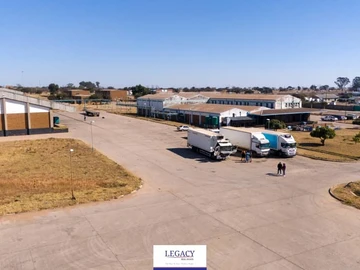
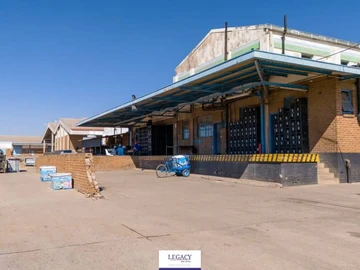
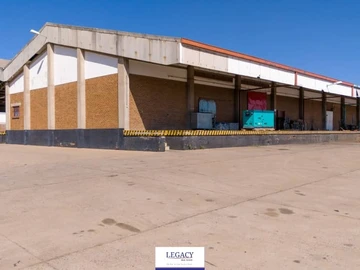
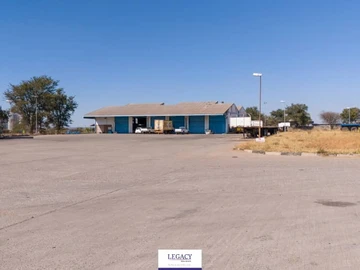
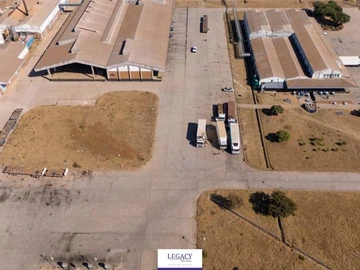
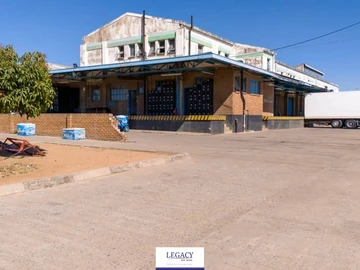
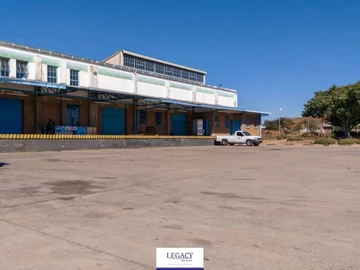
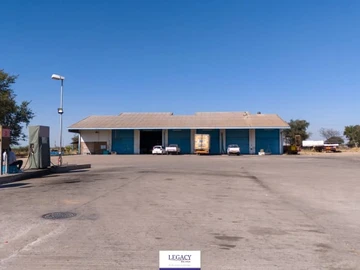
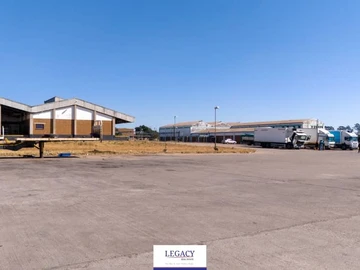
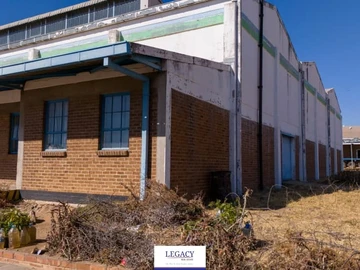
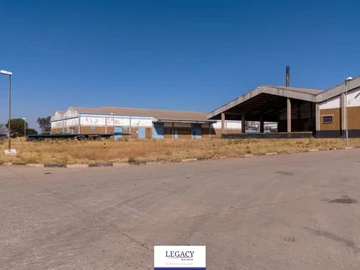
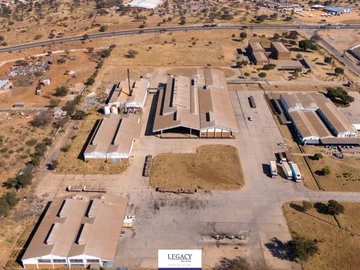
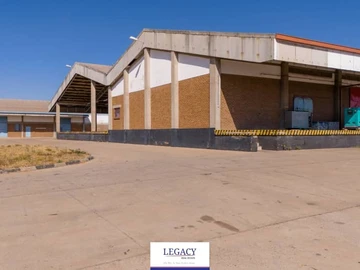
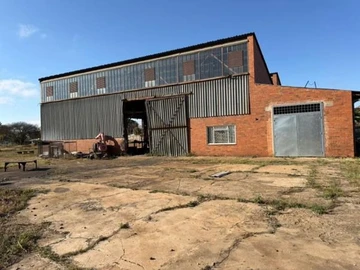
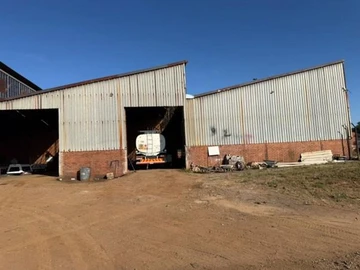
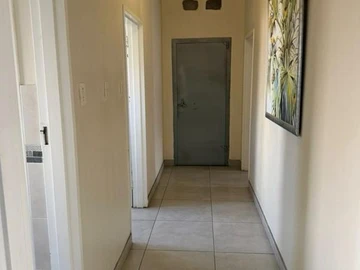
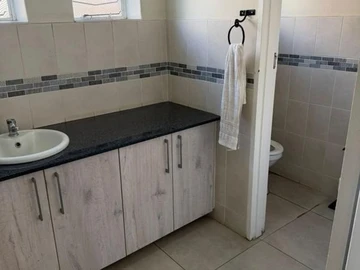
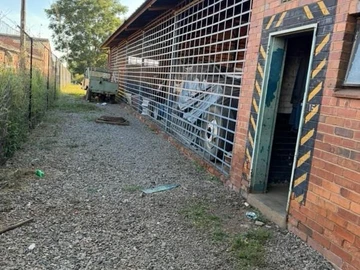
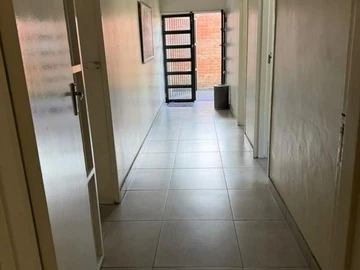
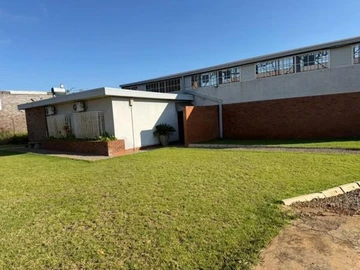
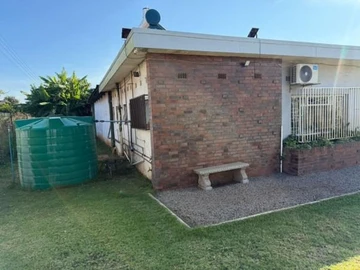
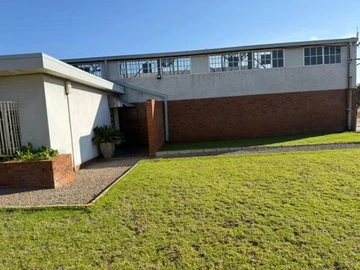
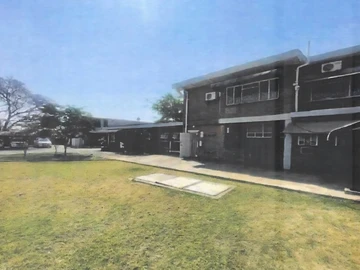
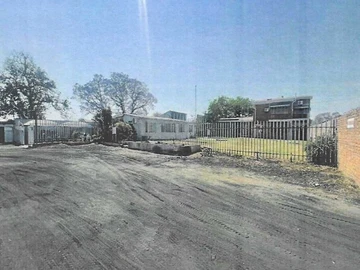
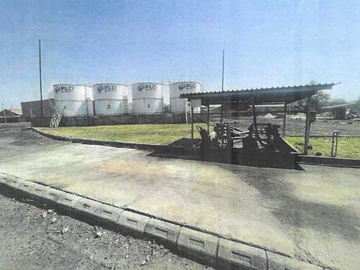
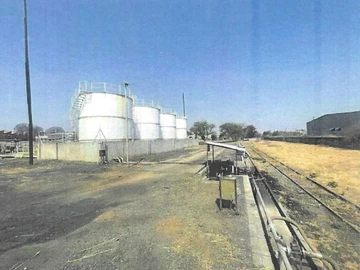
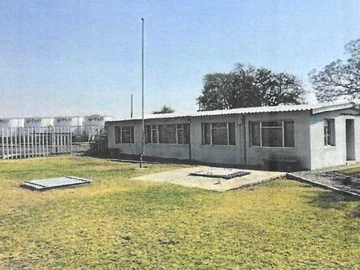
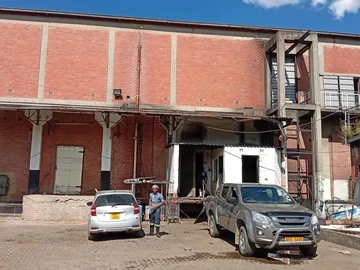
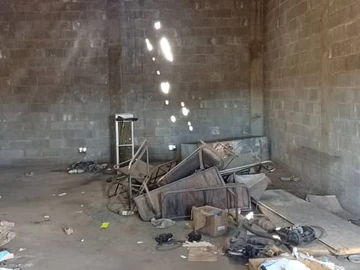
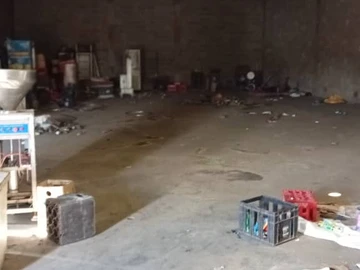
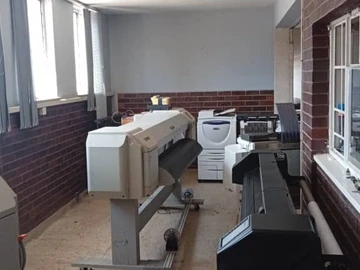
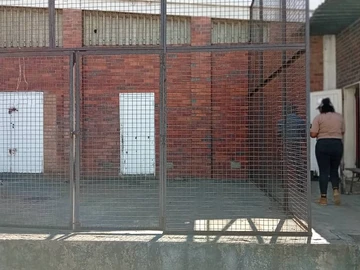
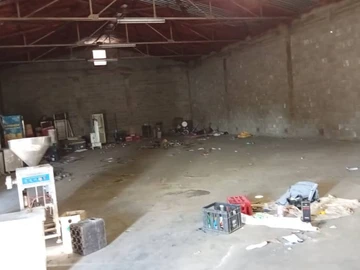
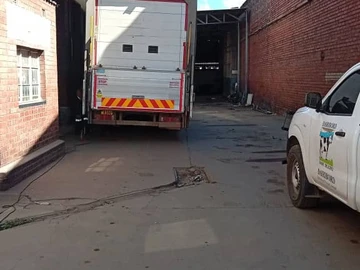
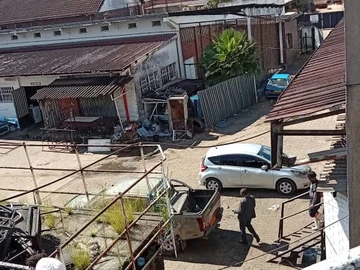
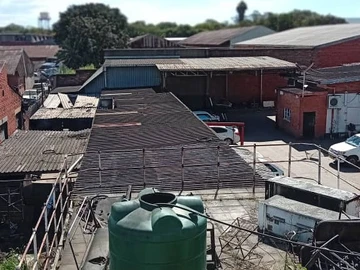
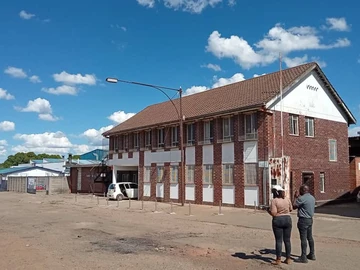
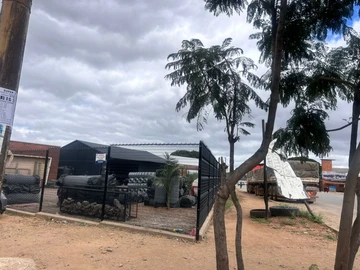
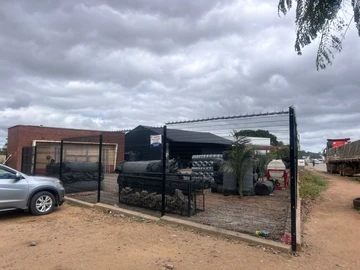
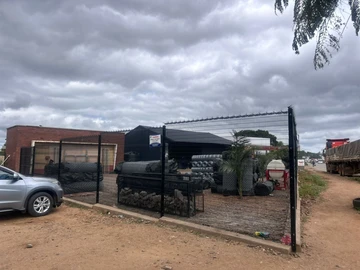
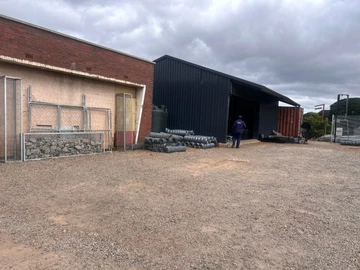
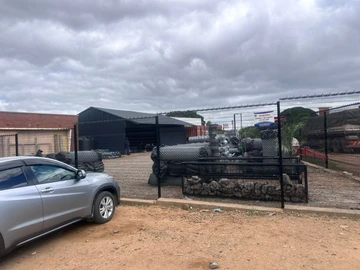
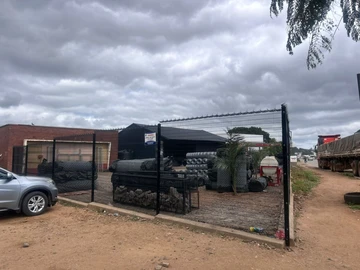
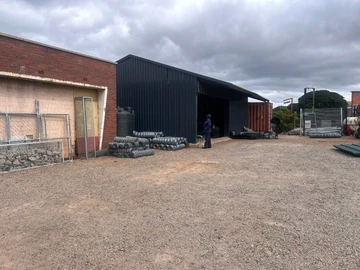
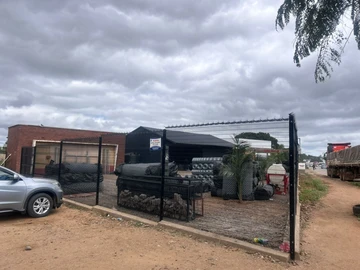
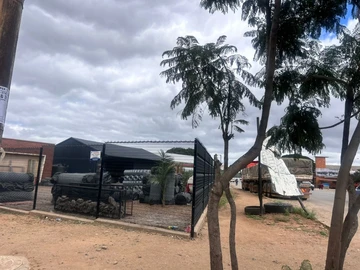
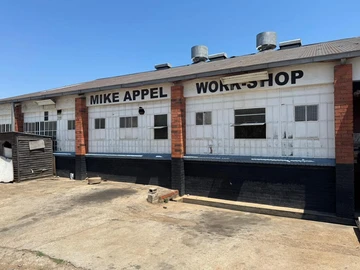
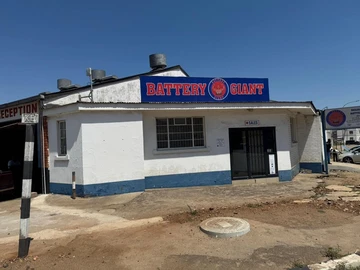
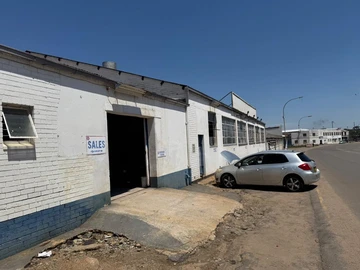
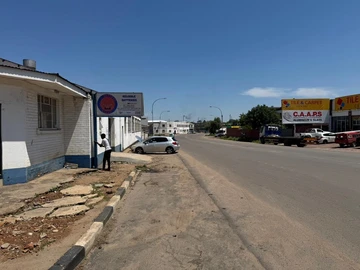
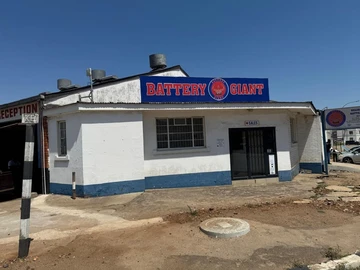
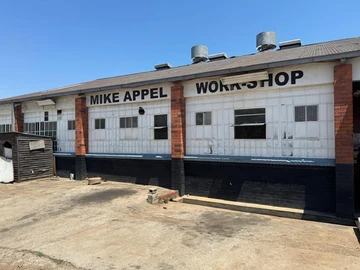
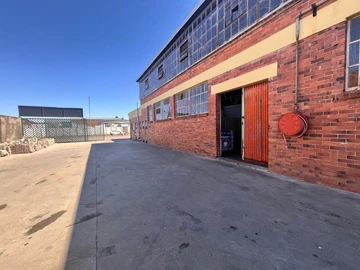
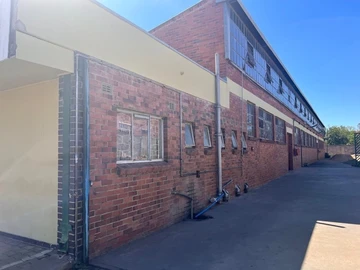
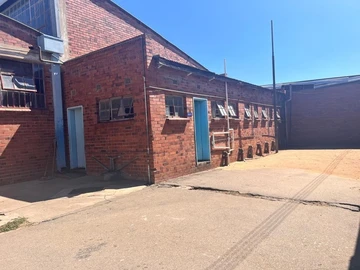
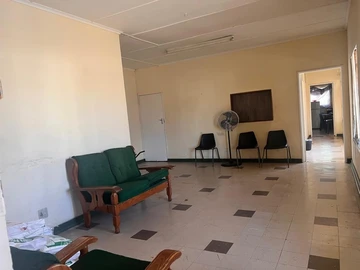
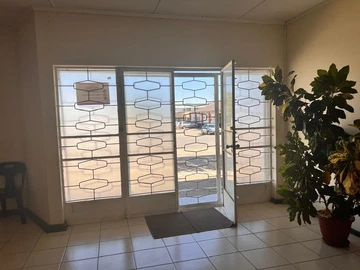
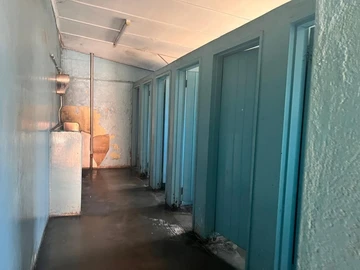
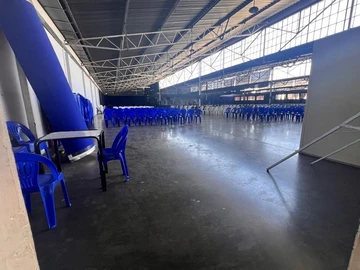
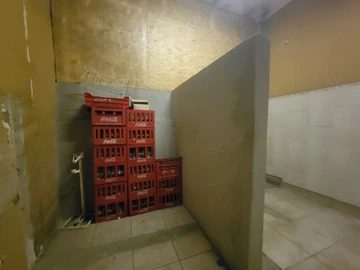
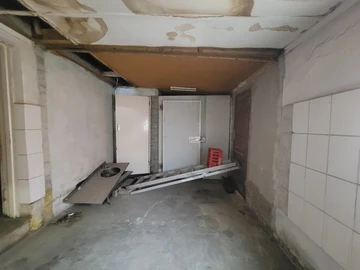
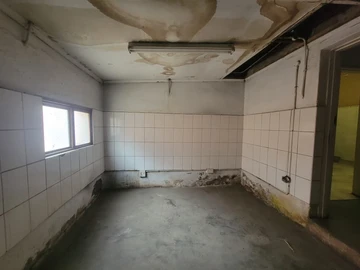
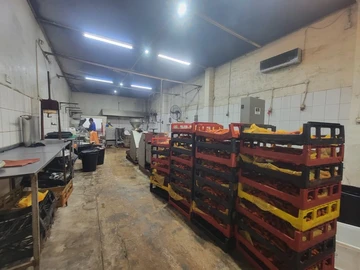
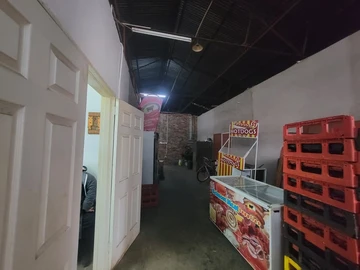
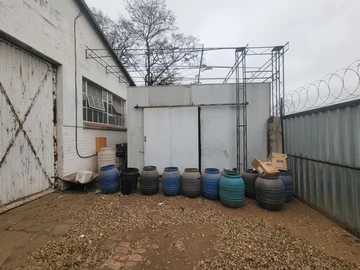
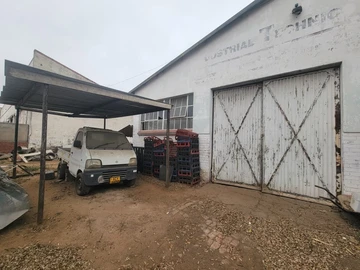
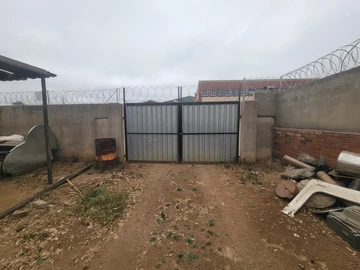
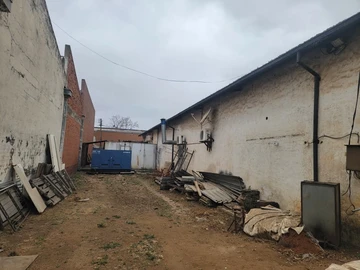
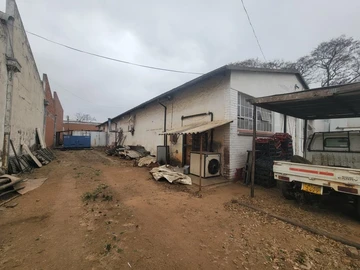
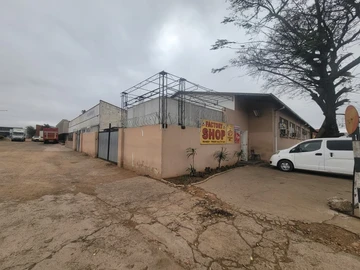
Warehouses and factories for sale in Bulawayo City Centre, located in the industrial part of the Bulawayo CBD, are priced at the higher end with an average price of $1,100,000. These industrial properties typically have a median size of about 602 ㎡, with land areas averaging around 4,046 ㎡. The largest available properties can reach up to 110,000 ㎡, offering substantial space for large-scale operations.
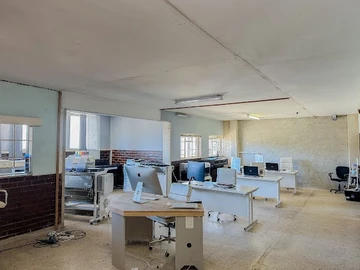
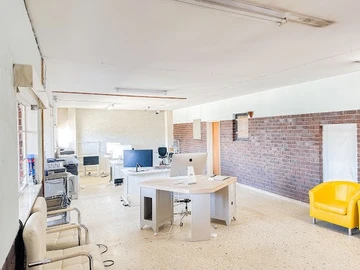
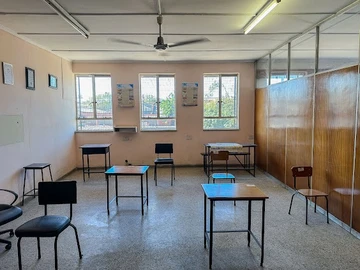
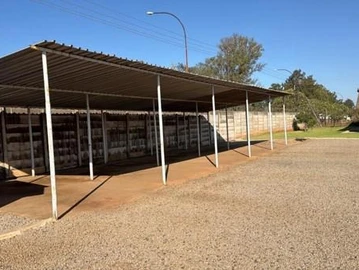
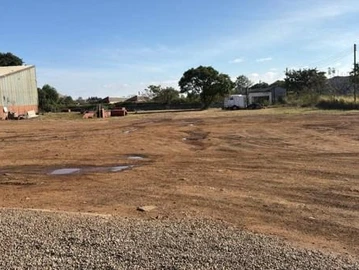
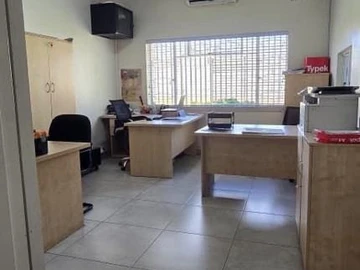
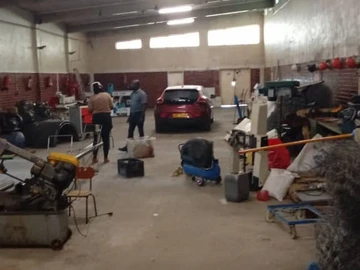
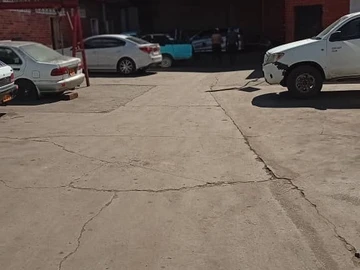
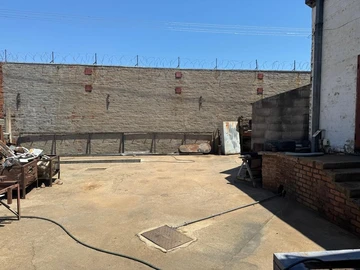
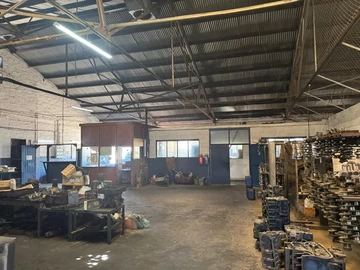
Many of these properties come equipped with useful features such as parking bays, paved areas, boreholes, and reliable municipal water and good ZESA power supply. Most also include workshops, making them well-suited for manufacturing, storage, or distribution purposes. These amenities support efficient industrial activity and help ensure smooth business operations.
Bulawayo City Centre is the commercial and administrative hub of the city, providing a dynamic urban environment. The area is busy during business hours and offers easy access to key facilities such as Mpilo Central Hospital and the National University of Science and Technology (NUST). Nearby attractions include the Natural History Museum of Zimbabwe and the Bulawayo Railway Museum. Shopping and dining options are plentiful, with Main Street and Hillside Shopping Centre offering a variety of retail outlets and restaurants, making this location convenient for business owners and employees alike.
 680 m²
1,669 m²
4,047 m²
680 m²
1,669 m²
4,047 m²

Be the first to see new properties for sale in Bulawayo City Centre, Bulawayo CBD, Industrial










| Type | Avg. price |
|---|---|
| Average price | $1,100,000 |
Buying property in Zimbabwe? Discover hidden costs like stamp duty, conveyancing fees, and taxes that can add 8%–12% or more to your purchase price.
Tenants not paying rent in Zimbabwe? Learn your legal rights as a landlord, the step by step eviction process, and illegal self-help actions to avoid.
Discover how blockchain, crypto, and tokenized real-world assets (RWAs) are transforming real estate ownership, liquidity, and financing over the next 5 years.
Buying a residential stand in Zimbabwe? Learn how to verify ownership, subdivision, planning approvals, servicing, title and the developer before paying.
Learn how servitudes affect property ownership, rights of way, and utility access in Zimbabwe. Protect your land title and avoid boundary disputes.