Log in to contact the seller
 Continue with Facebook
 Continue with Email
Continue with Facebook
Continue with Email
Sign up with Facebook
Continue with Email
Continue with Facebook
Continue with Email
Sign up with Facebook
 Change filters
 Requests

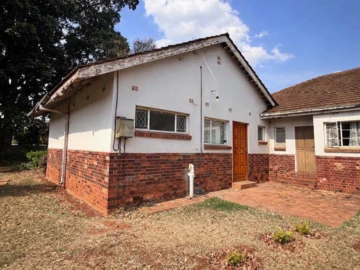
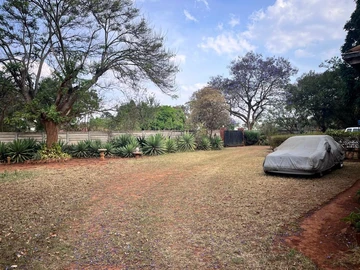
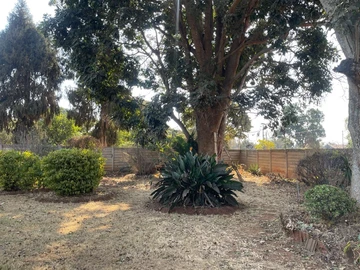
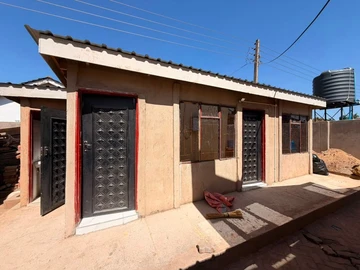
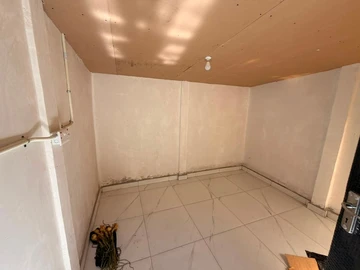
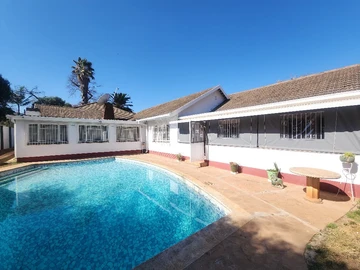
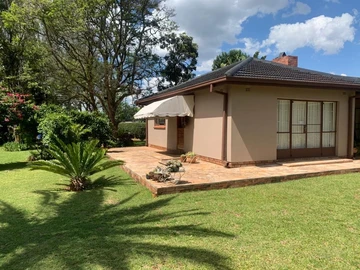
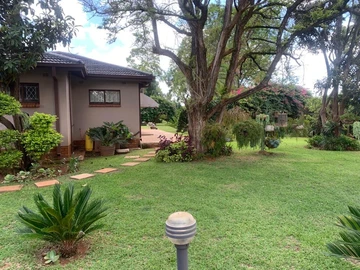
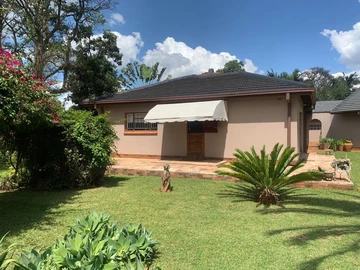
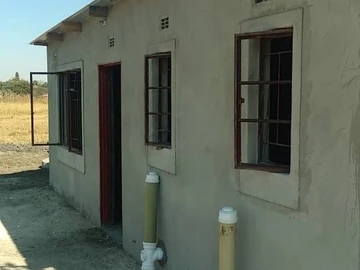
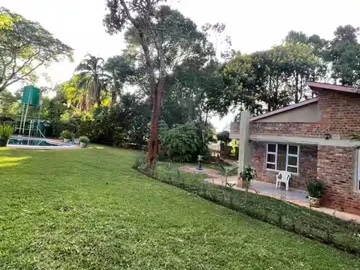
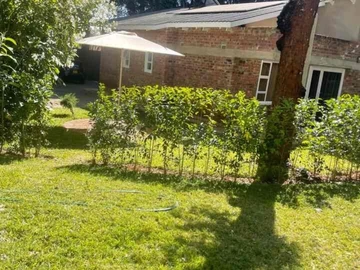
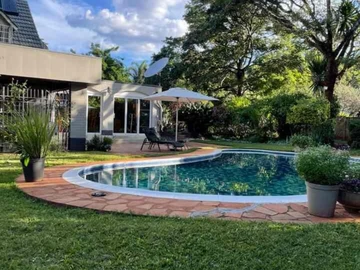
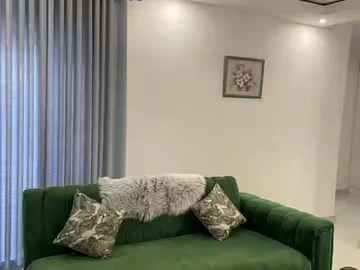
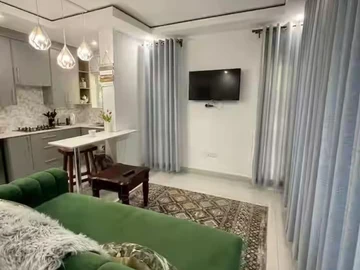
1-bedroom houses for rent in Zimbabwe offer a variety of options with an average property size of about 50 ㎡ and a median land area of 140 ㎡. Some larger properties extend up to 382 ㎡ in size with land areas reaching as much as 4,000 ㎡, providing space for those seeking more room. Rental prices vary depending on location and property features, making this a flexible market for different budgets.
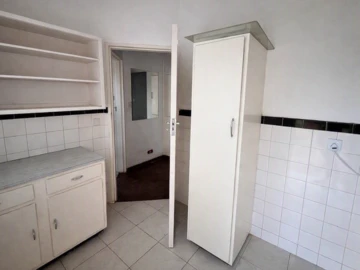
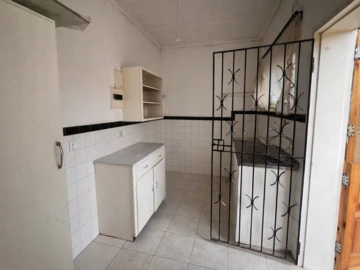
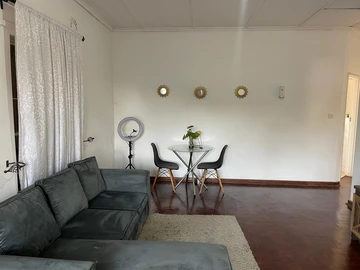
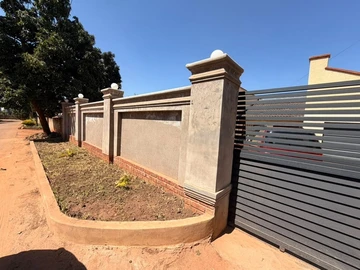
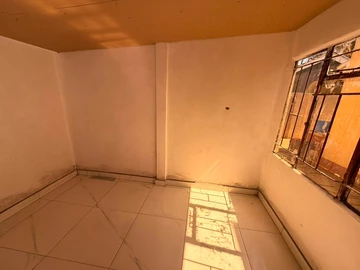
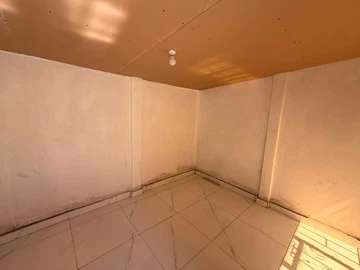
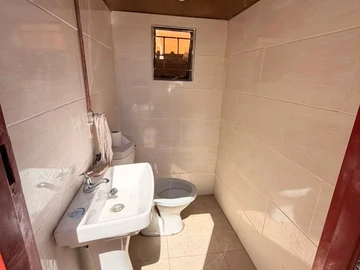
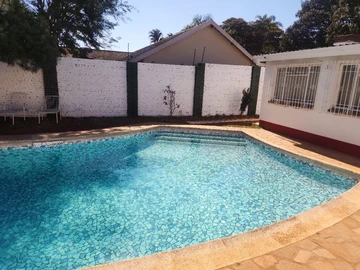
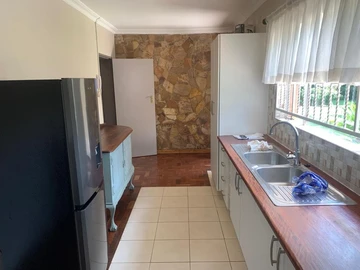
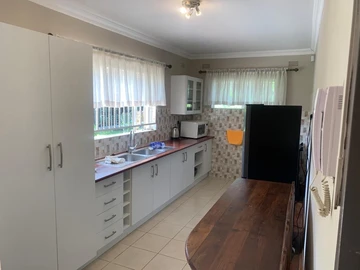
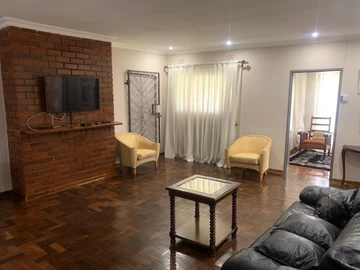
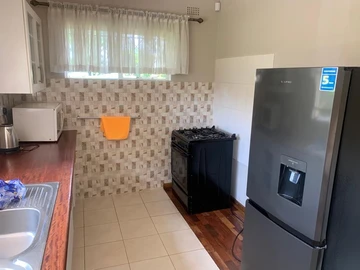
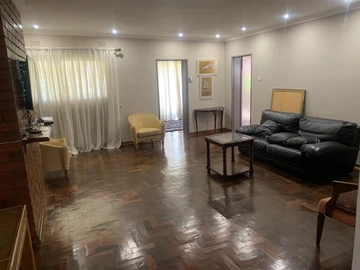
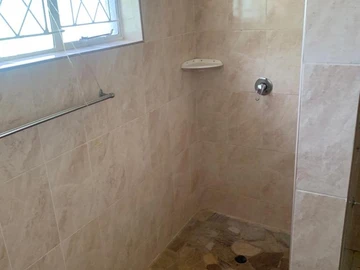
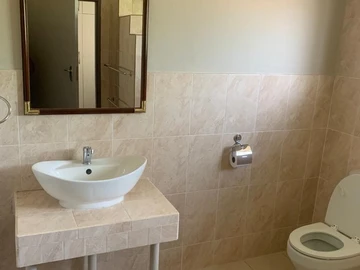
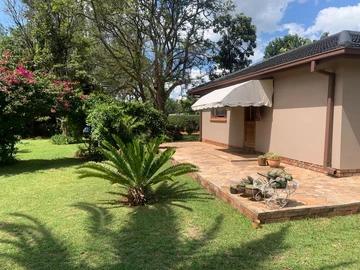
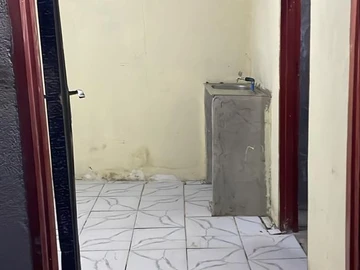
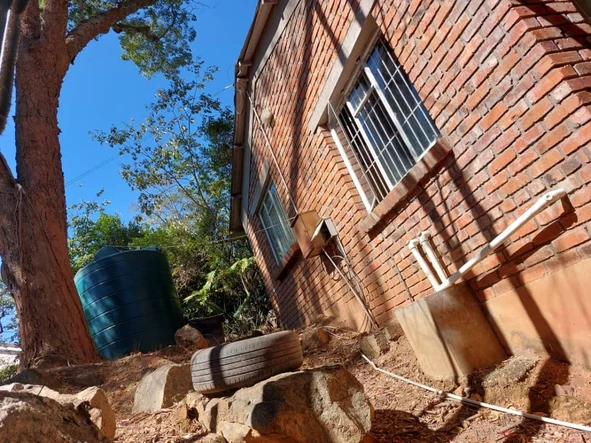
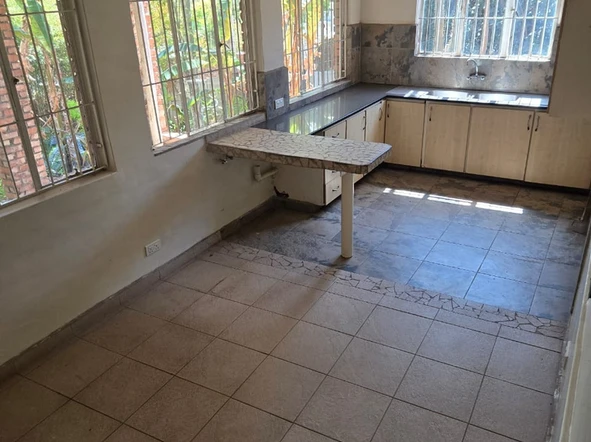
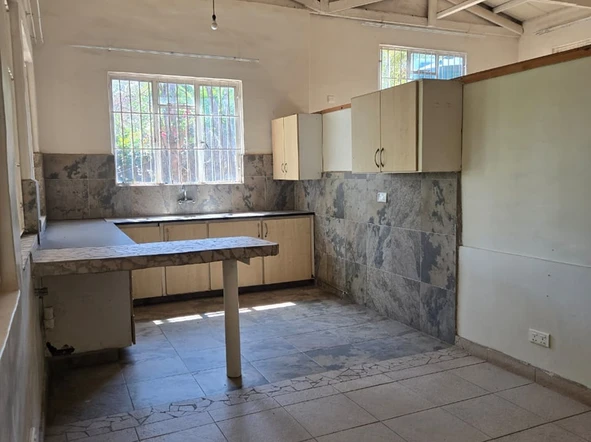
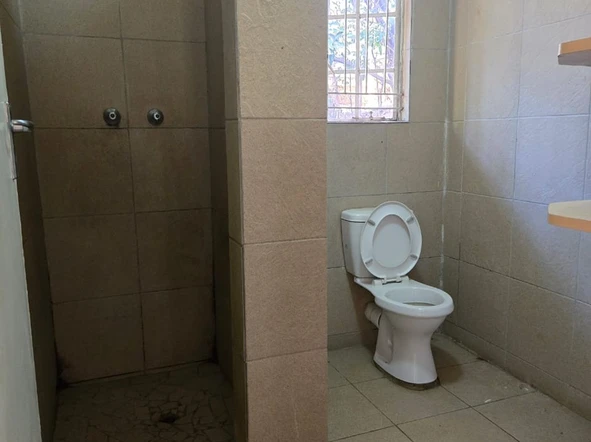
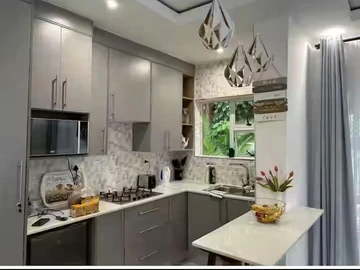
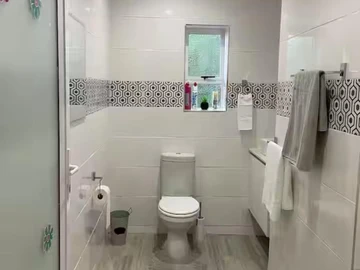
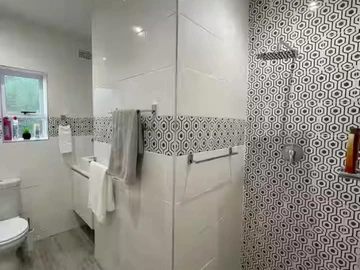
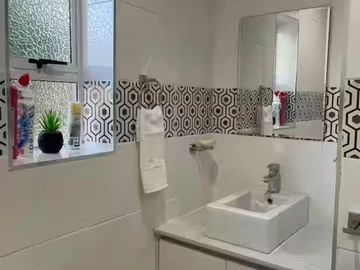
Many of these houses come with practical features such as tiled floors, fitted kitchens, and secure walled compounds. Water supply is often supported by boreholes and water tanks, ensuring reliable access to water. These amenities make the properties comfortable and convenient for everyday living, especially in areas where water availability can be a concern.
Zimbabwe is known for its rich cultural heritage and diverse landscapes, from savannas to mountains and the famous Victoria Falls. Urban centers like Harare and Bulawayo provide access to major shopping centers such as Sam Levy's Village and Eastgate Mall, as well as schools, universities, and healthcare facilities. The mix of traditional and modern lifestyles offers renters a balanced living experience with access to both natural attractions and city amenities.
 1
1
 1
1


 1
1
90 m²
1
1
90 m²

Be the first to see new properties for rent










| Property Size | Avg. price |
|---|---|
| 1 bedroom (View 8 properties) | $475 |
| 2 bedroom (View 49 properties) | $725 |
| 3 bedroom (View 136 properties) | $800 |
| 4 bedroom (View 103 properties) | $1,350 |
| 5+ bedroom (View 70 properties) | $3,300 |
Buying property in Zimbabwe? Discover hidden costs like stamp duty, conveyancing fees, and taxes that can add 8%–12% or more to your purchase price.
Tenants not paying rent in Zimbabwe? Learn your legal rights as a landlord, the step by step eviction process, and illegal self-help actions to avoid.
Discover how blockchain, crypto, and tokenized real-world assets (RWAs) are transforming real estate ownership, liquidity, and financing over the next 5 years.
Buying a residential stand in Zimbabwe? Learn how to verify ownership, subdivision, planning approvals, servicing, title and the developer before paying.
Learn how servitudes affect property ownership, rights of way, and utility access in Zimbabwe. Protect your land title and avoid boundary disputes.






 4,000 m²