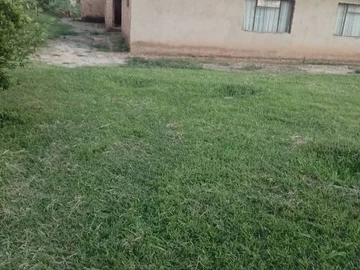
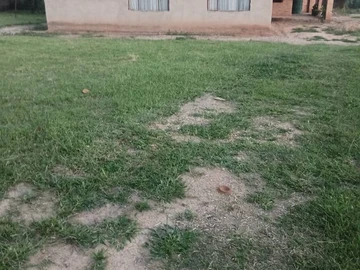
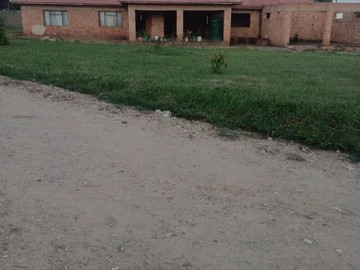
5+ bedroom houses for sale in Chinhoyi offer spacious living with an average price of $125,000. These properties typically have a median land area of 2,140 ㎡ and a median building size of around 500 ㎡, with some larger homes reaching up to 3,200 ㎡ in both land and property size. Prices are generally affordable, making this an attractive option for buyers seeking large family homes or investment properties.
Many of these houses feature fitted kitchens, water tanks, gardens, and swimming pools. They are often walled and tiled, with verandahs providing outdoor living space. Most properties have boreholes and reliable ZESA electricity, while main en suite bedrooms add comfort and privacy. These features combine to offer a secure and comfortable lifestyle in a semi-rural setting.
Chinhoyi is a vibrant provincial town known as the capital of Mashonaland West Province, blending urban and semi-rural living. It is home to Chinhoyi University of Technology and the Chinhoyi Provincial Hospital, providing education and healthcare services. The town is well connected by the A1 highway to Harare and other areas, with regular bus and taxi services. Attractions like Chinhoyi Caves National Park and nearby Lake Kariba offer recreational opportunities, while Chinhoyi Shopping Centre and local markets support convenient daily living. This makes the area ideal for families, professionals, and students looking for a balanced lifestyle.
| Property Size | Avg. price |
|---|---|
| 4 bedroom (View 5 properties) | $47,500 |
| 5+ bedroom (View 10 properties) | $197,500 |
Diaspora investors can leverage 10% annual appreciation and up to $1,500 monthly returns on short-term rentals in Zimbabwe's prime corridors
Boost your property value by up to 20% with 2026’s shift toward warm, natural kitchen aesthetics and Japandi-inspired minimalism. In Zimbabwe’s current market,
A Cadastral Affection Plan (CAP) is the legal blueprint for your property’s boundaries and zoning in Zimbabwe. Essential for 2026 construction permits
Maximize your property returns in 2026 by navigating the 30–50% yield premium of short-term rentals versus the passive stability of long-term leases.
Remote work is driving a 20% surge in home office demand and pushing Zimbabweans toward spacious, affordable peri-urban areas like Norton and Ruwa