Log in to contact the seller
 Continue with Facebook
 Continue with Email
Continue with Facebook
Continue with Email
Sign up with Facebook
Continue with Email
Continue with Facebook
Continue with Email
Sign up with Facebook
 Change filters
 Requests

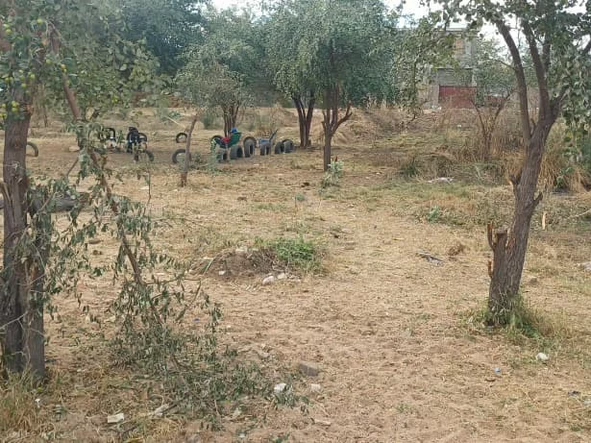

 240 m²


 52,920,000 m²
6,320,000 m²
300 m²
52,920,000 m²
6,320,000 m²
300 m²
 240 m²
250 m²
300 m²
37,000,000 m²
240 m²
250 m²
300 m²
37,000,000 m²
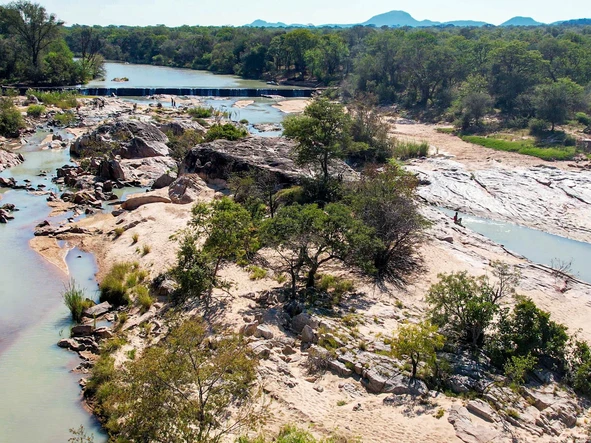
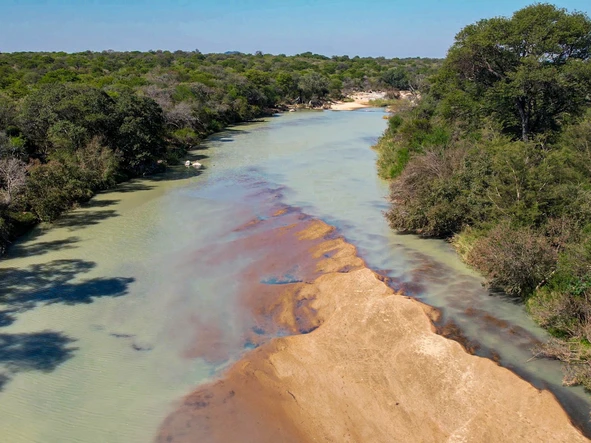
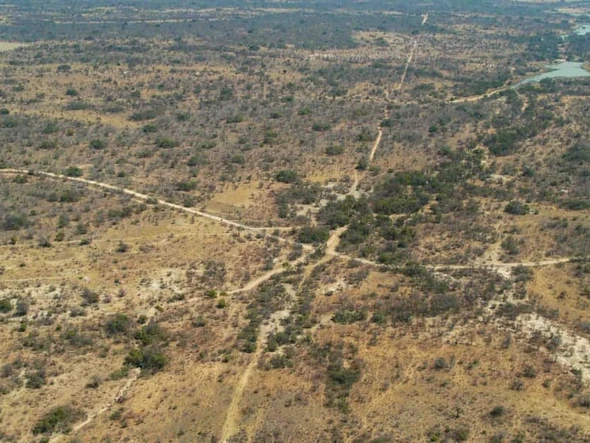
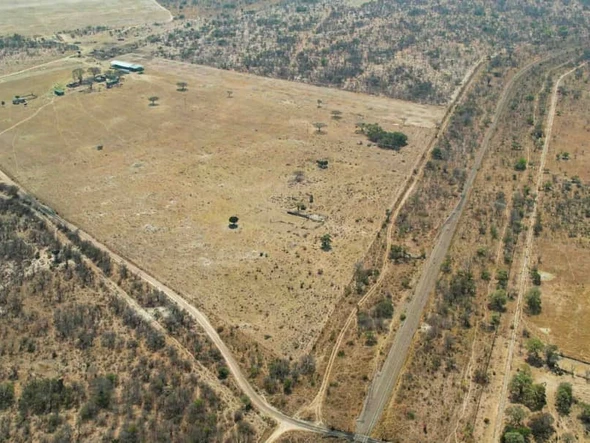
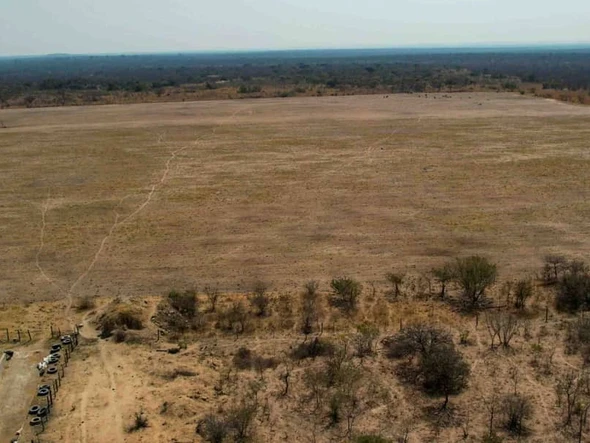
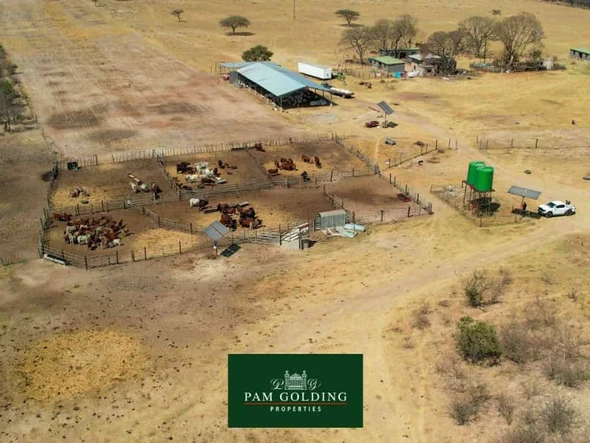
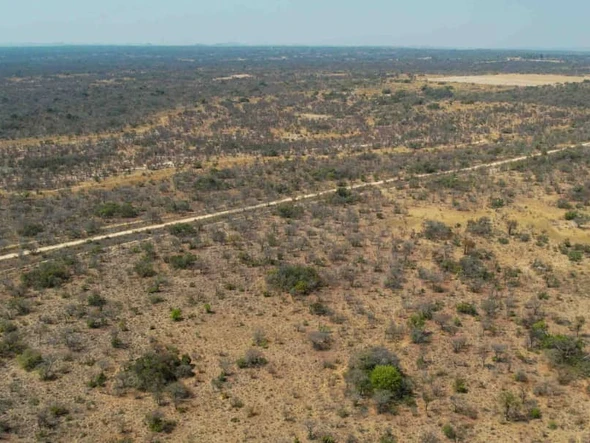
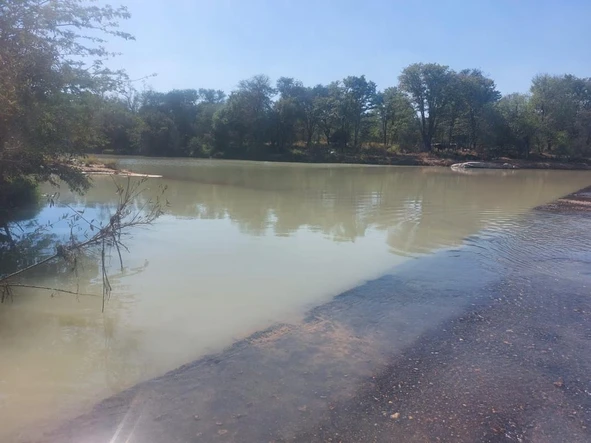
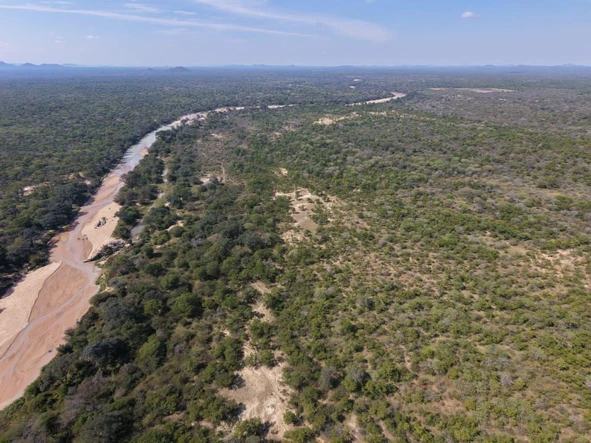
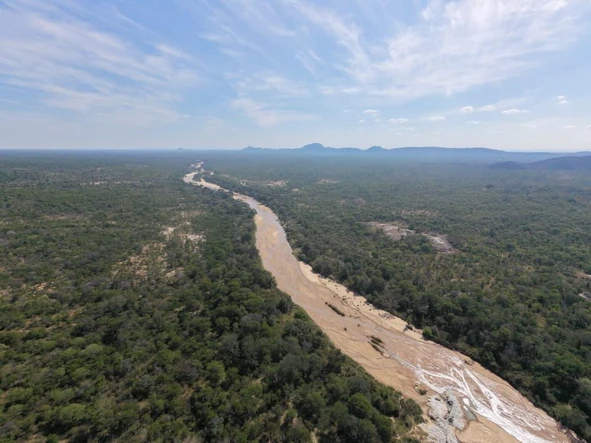
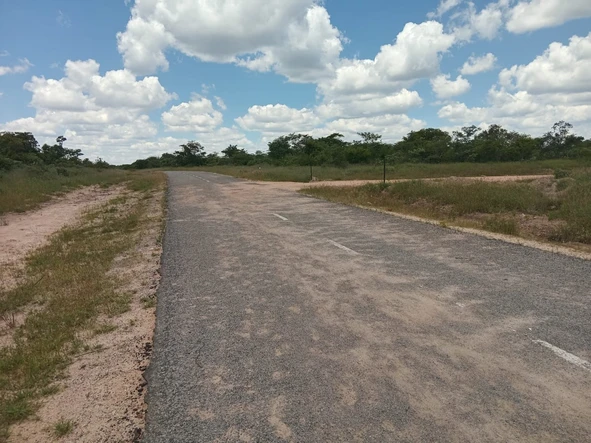
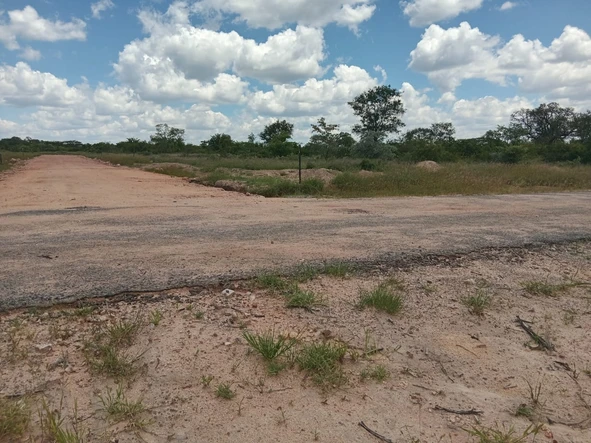
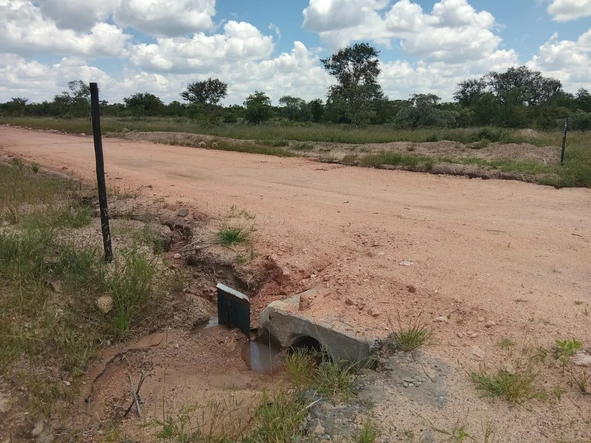
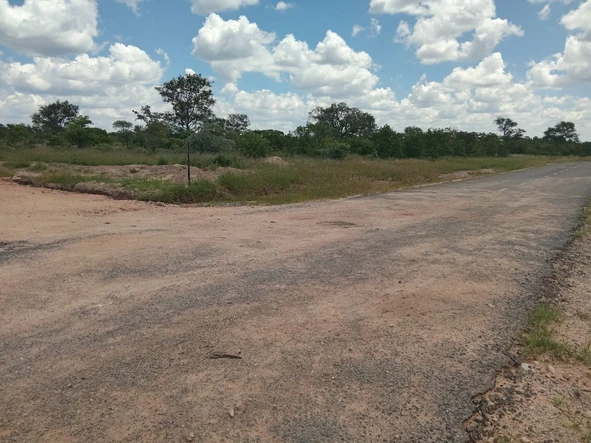
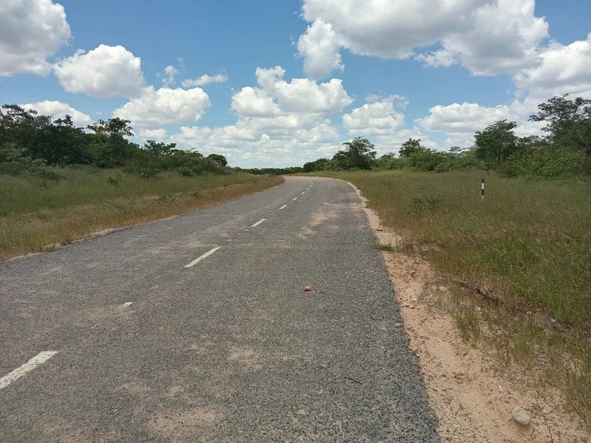
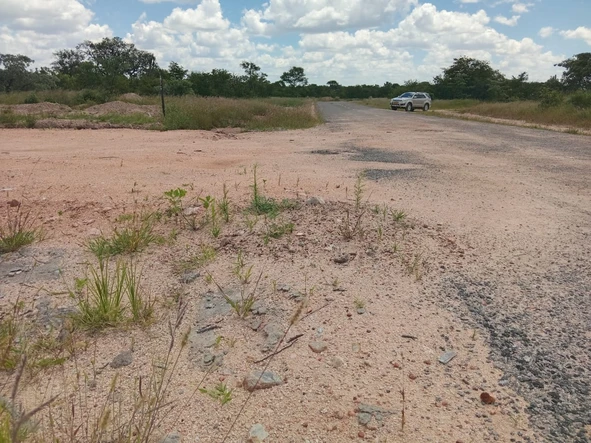
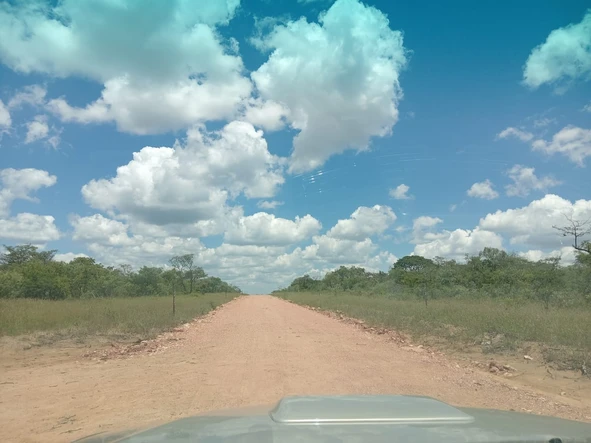
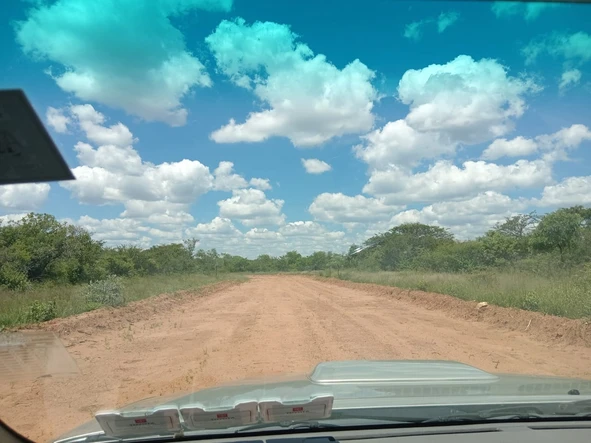
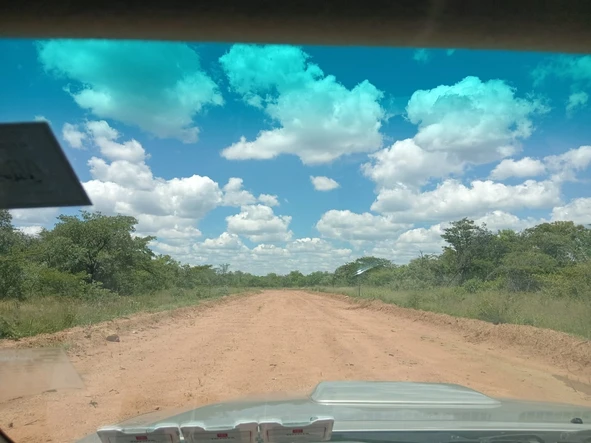
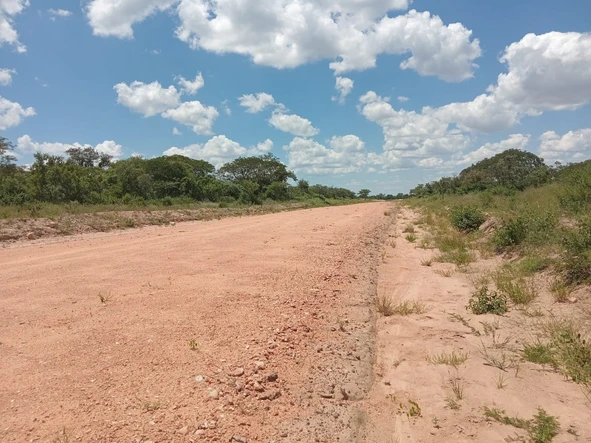
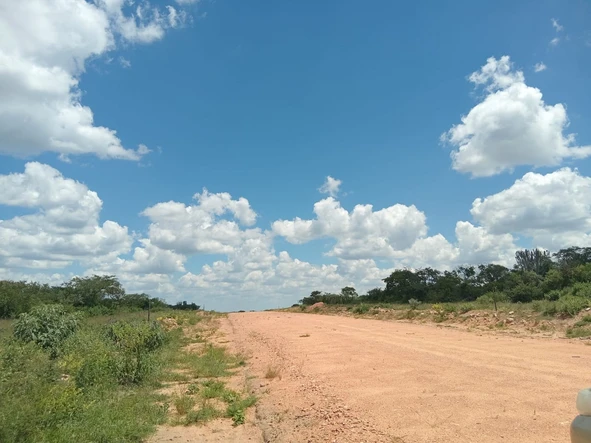
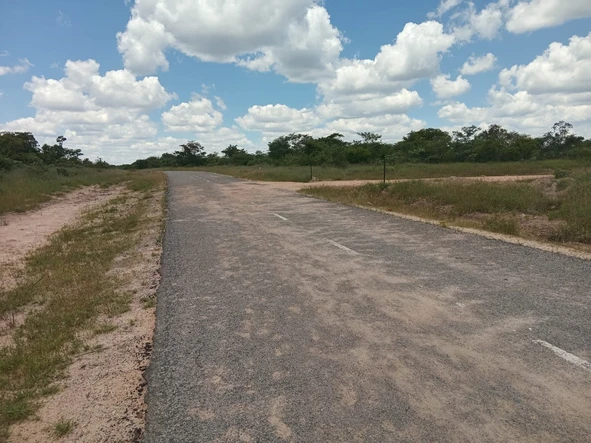
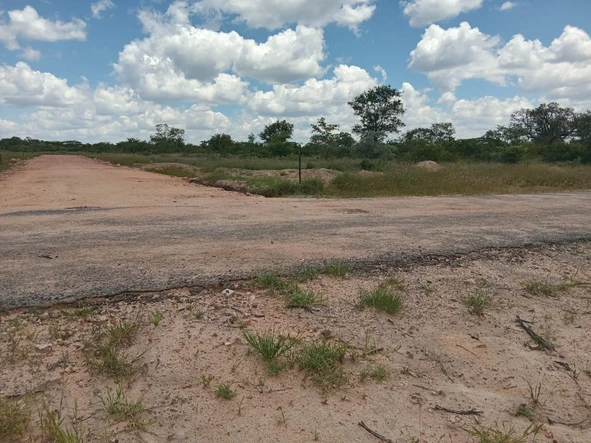
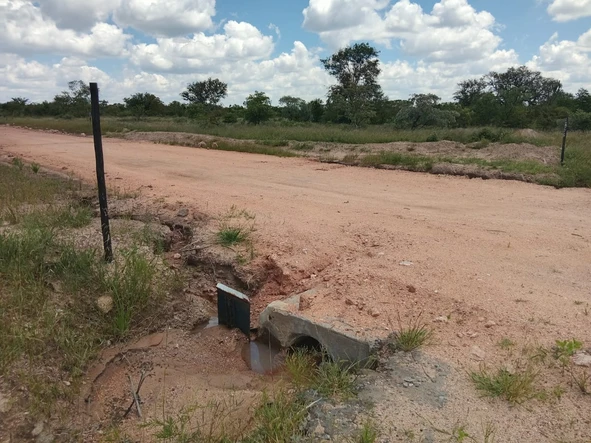
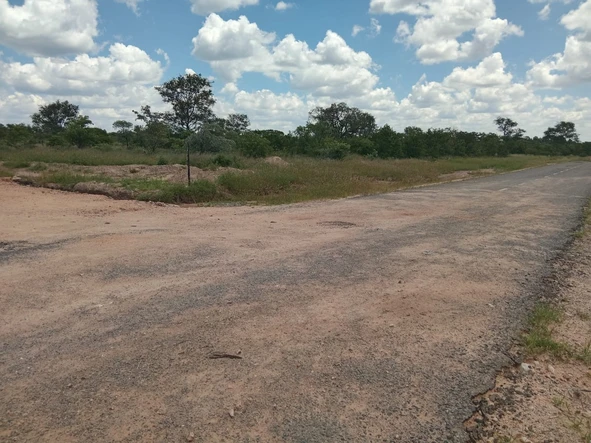
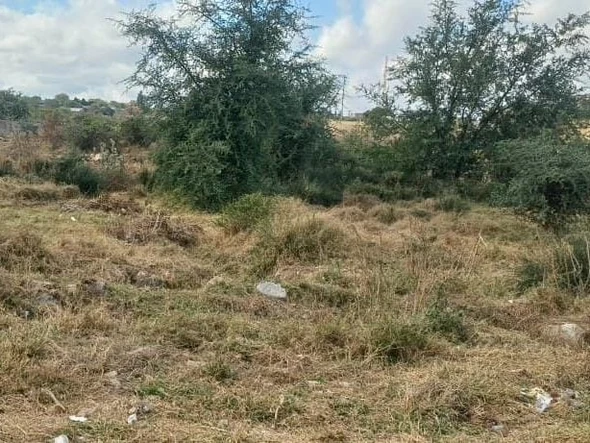
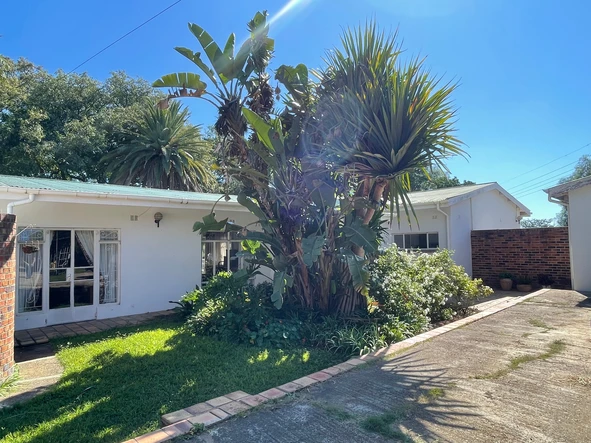
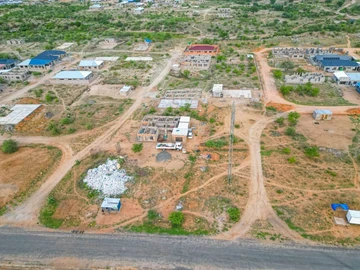
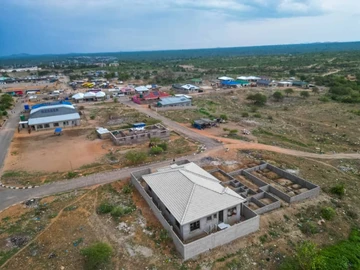
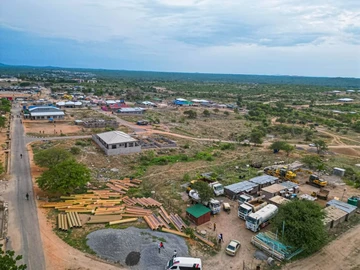
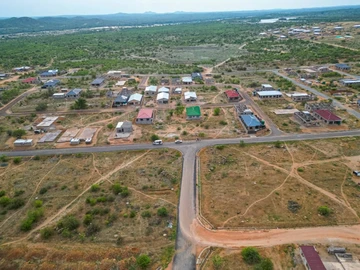
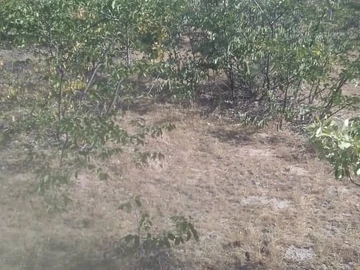
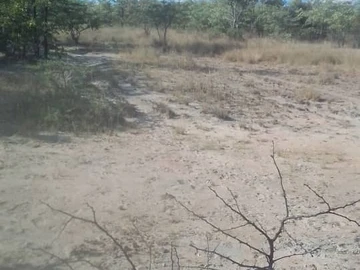
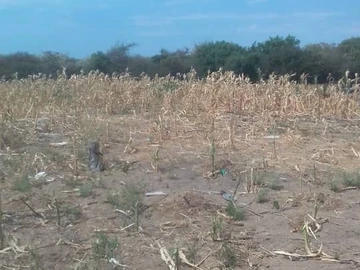
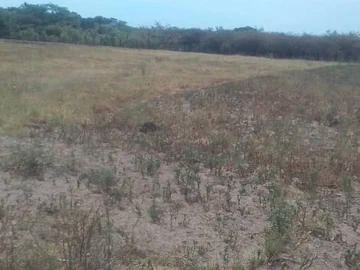
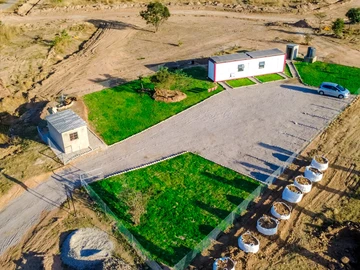
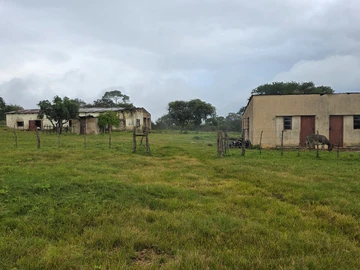
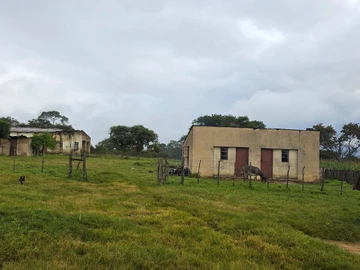
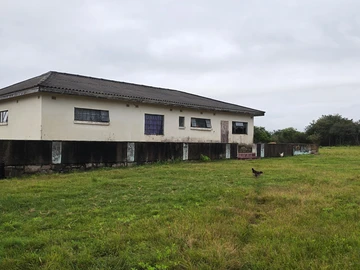
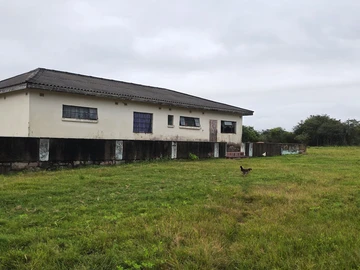
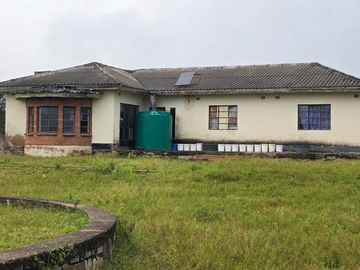
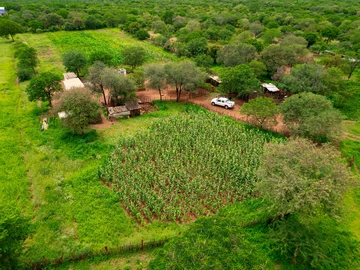
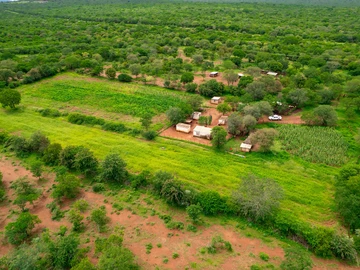
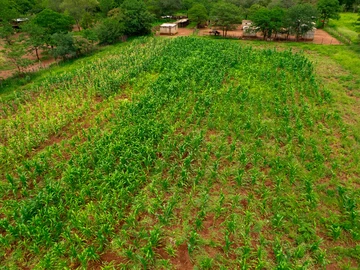
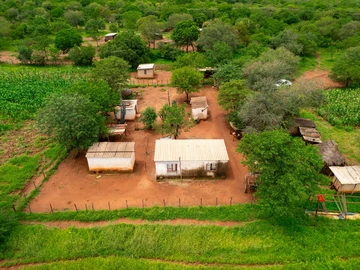
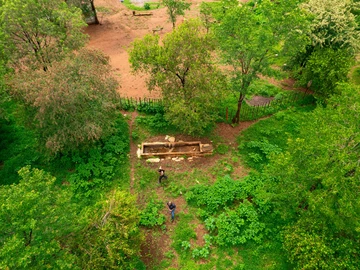
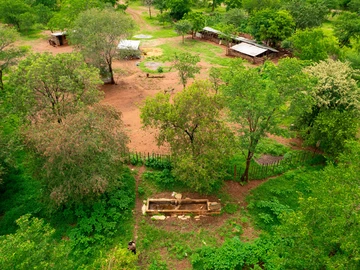
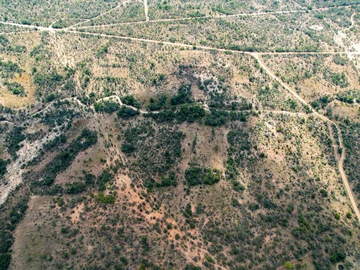
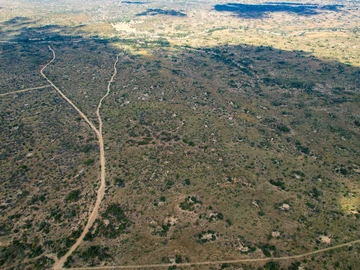
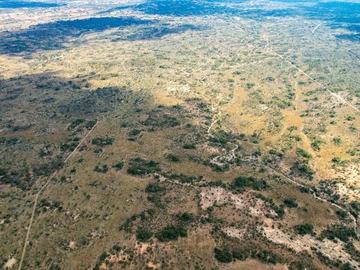
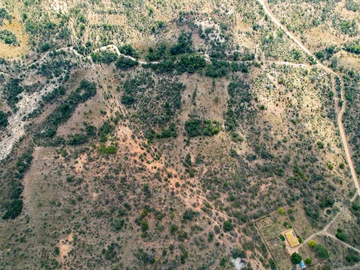
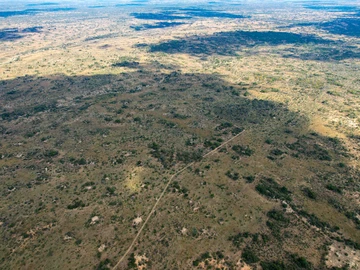
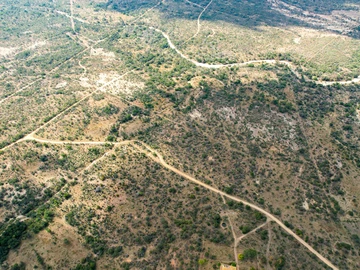
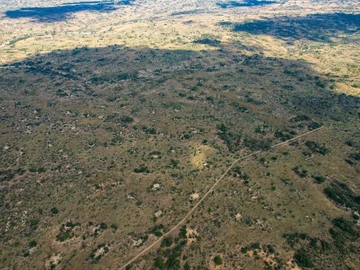
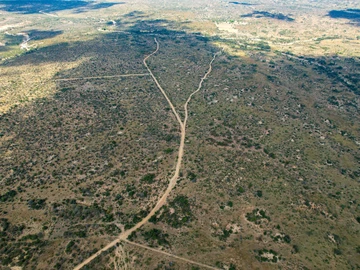
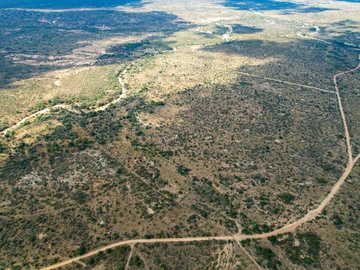
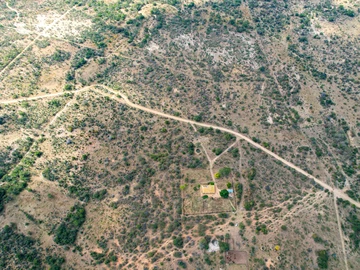
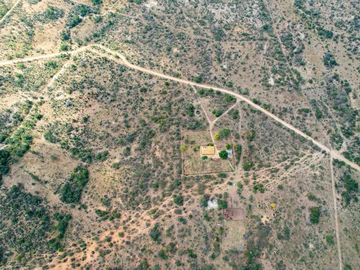
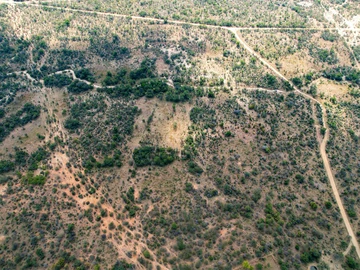
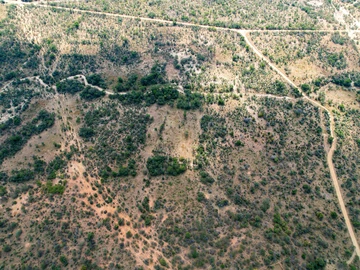
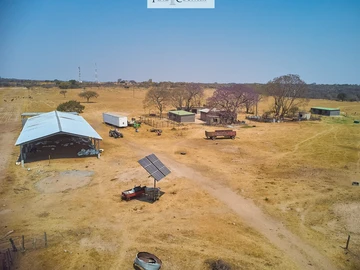
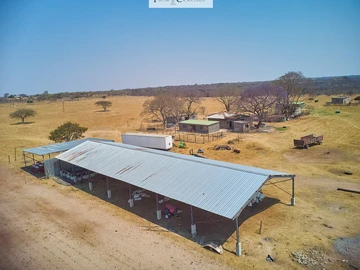
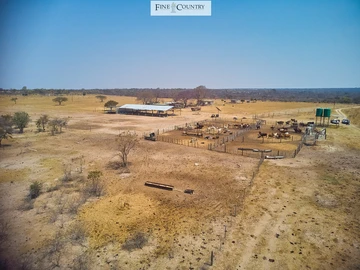
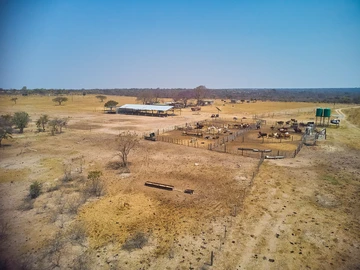
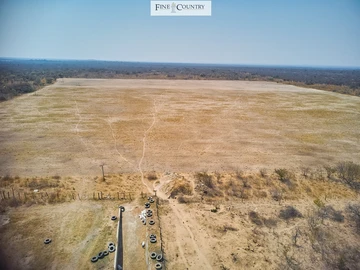
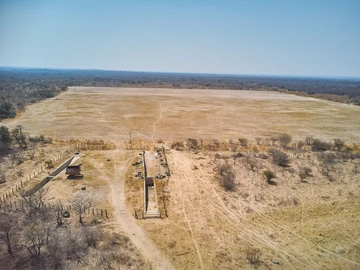
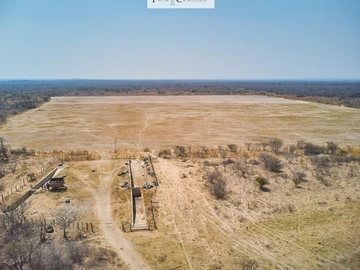
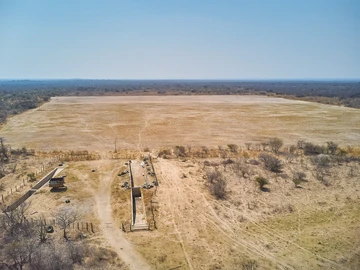
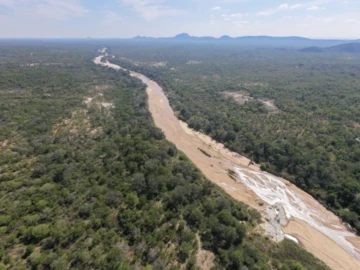
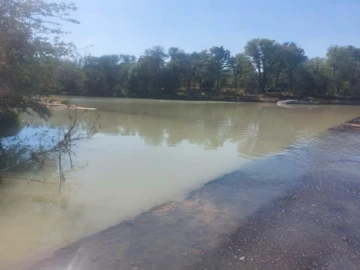
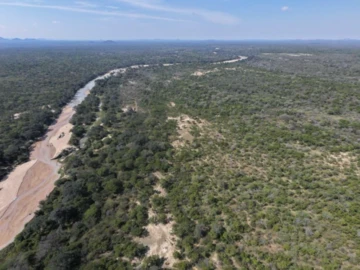
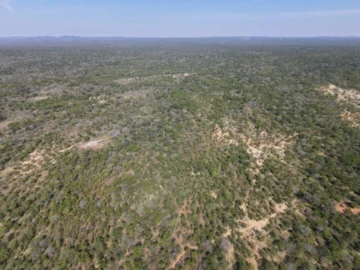
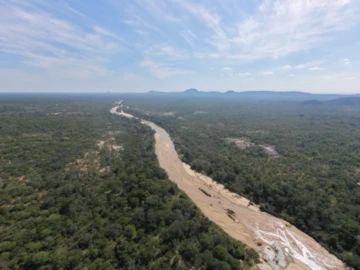
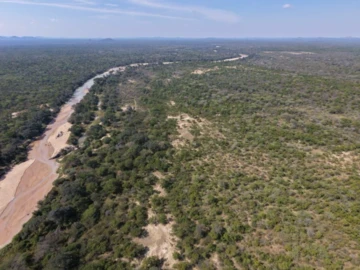
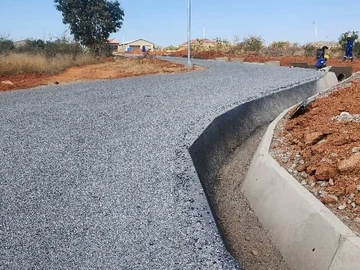
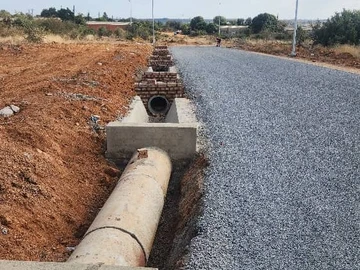
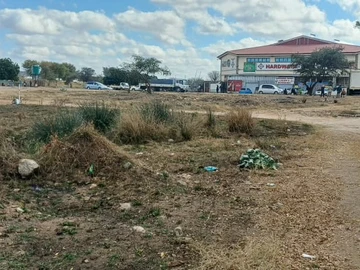
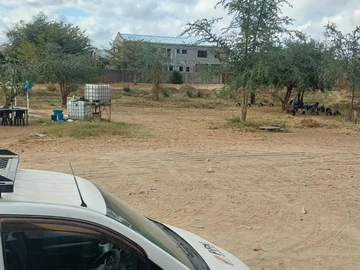
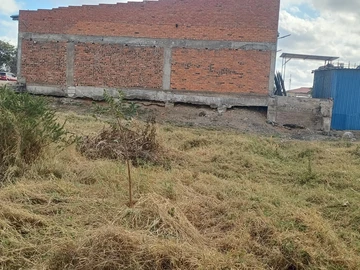
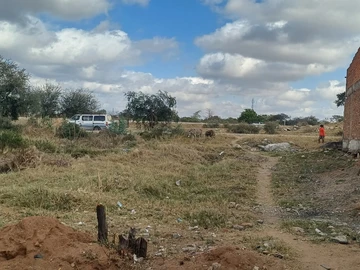
Land for sale in Matabeleland South offers spacious rural properties with a median land area of about 10,000 ㎡. The average price of the properties currently listed is $231,500, placing these lands in the higher price range. Parcel sizes vary widely, from very small plots to extremely large tracts of land, making it suitable for different types of buyers interested in agricultural or investment opportunities.
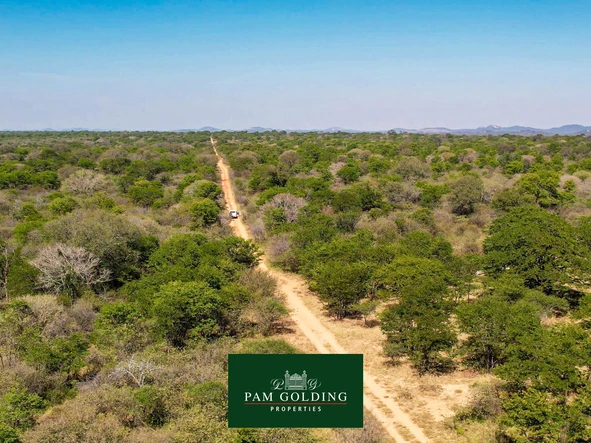
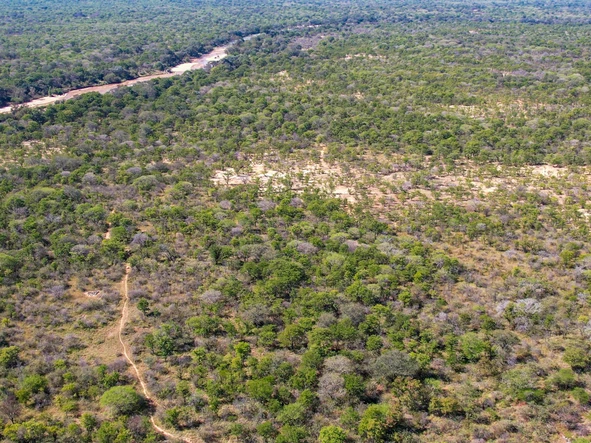
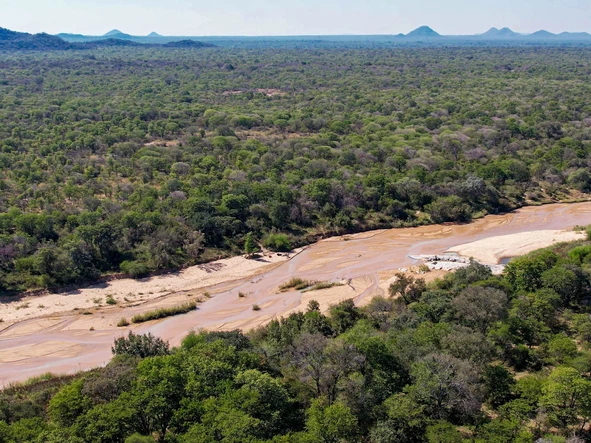
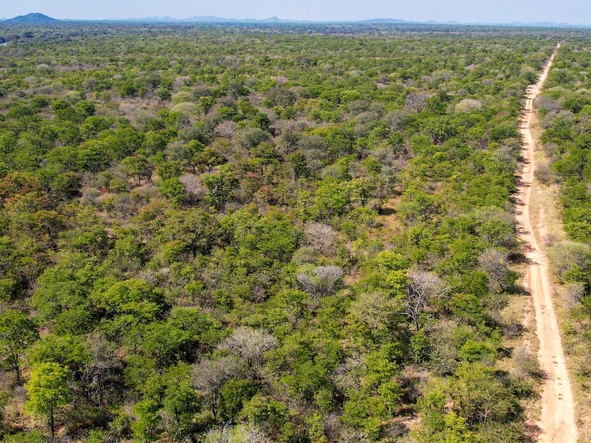
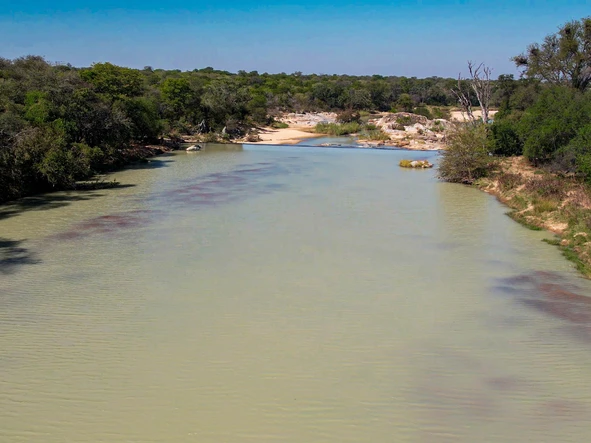
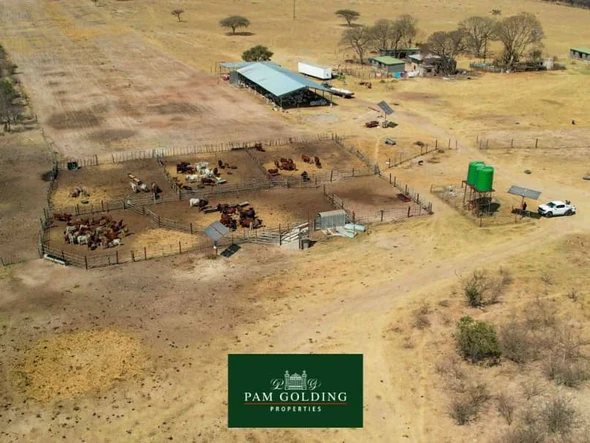
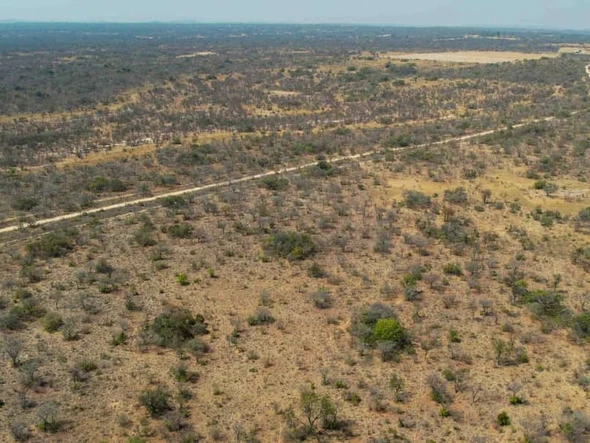
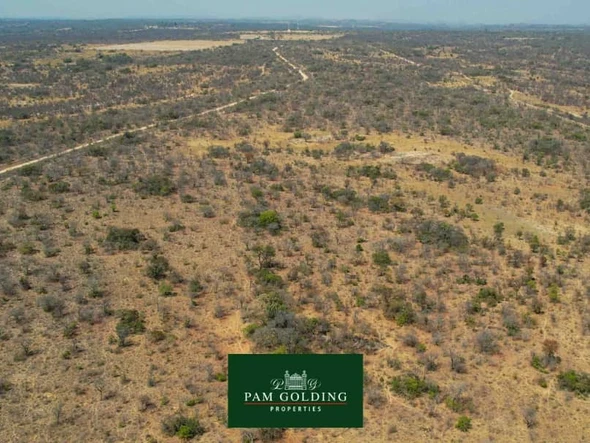
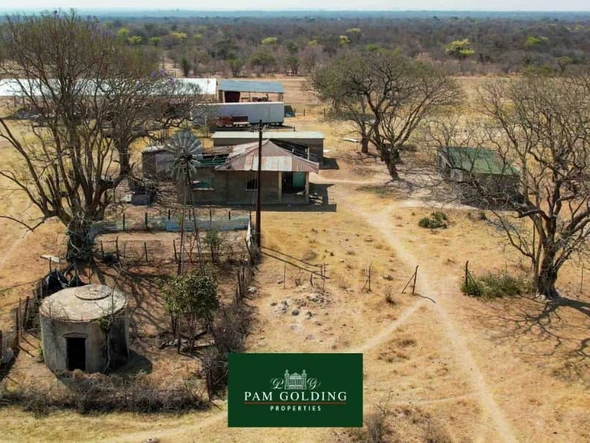
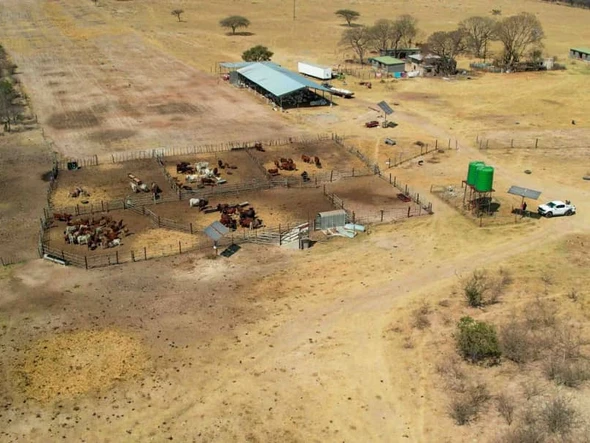
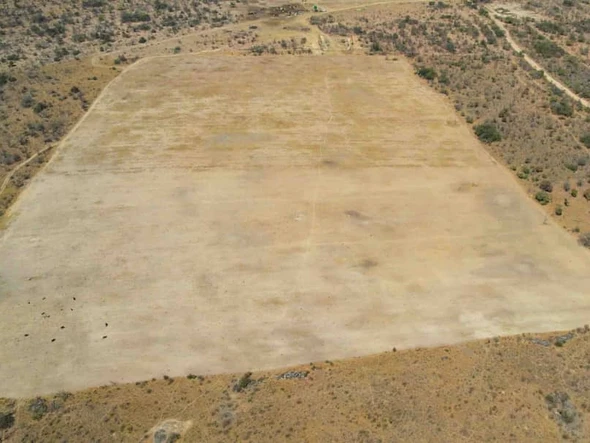
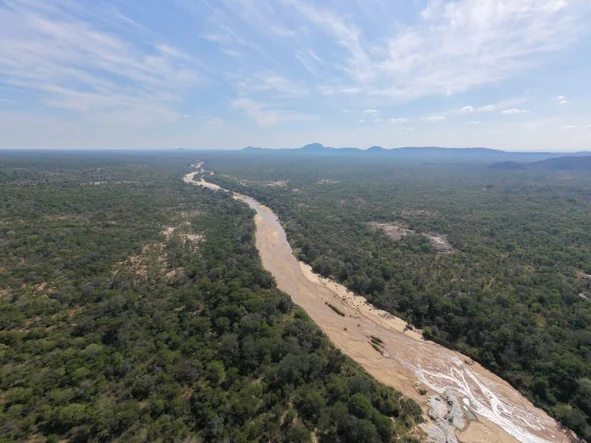
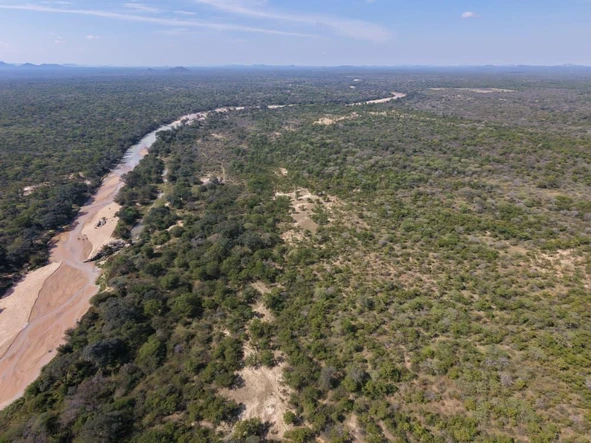
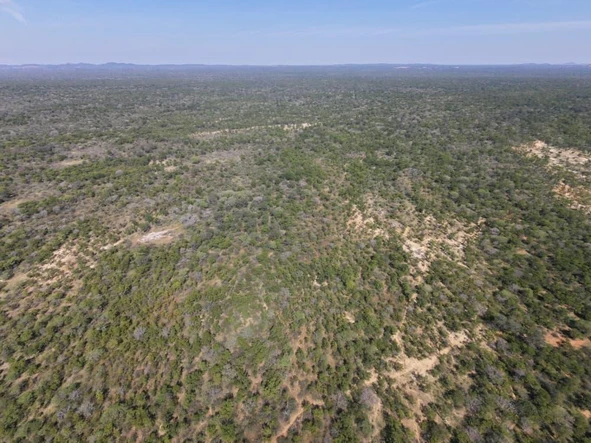
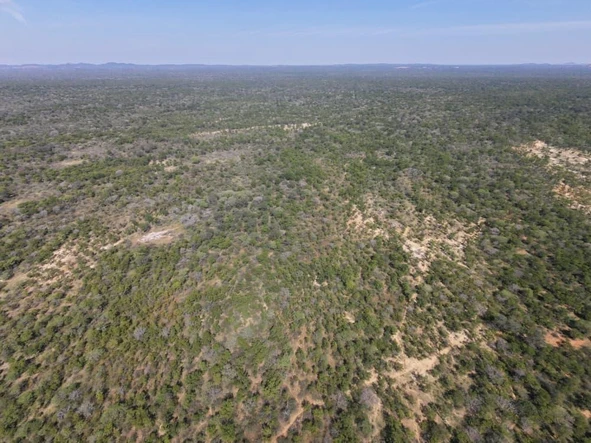
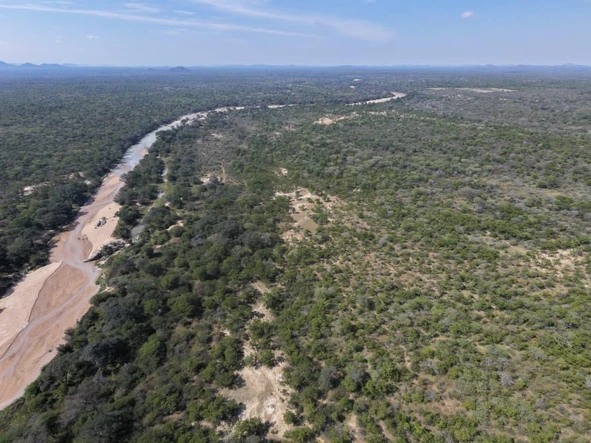
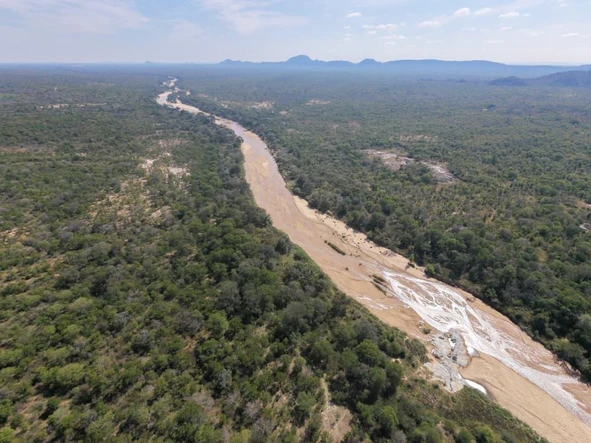
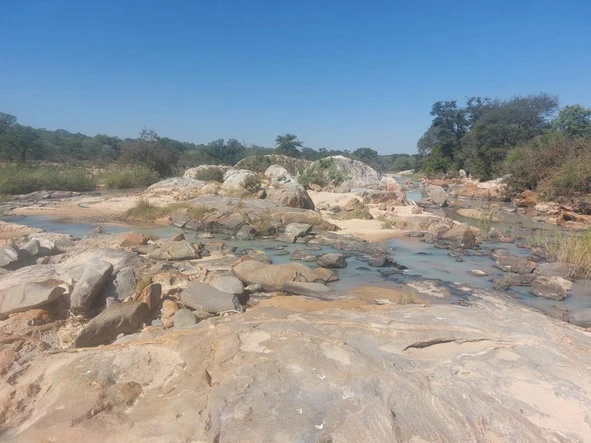
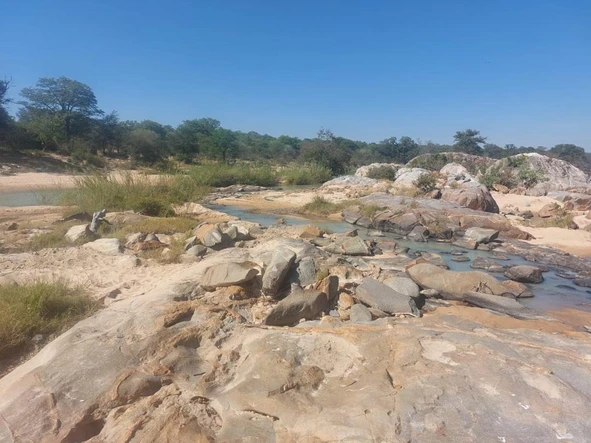
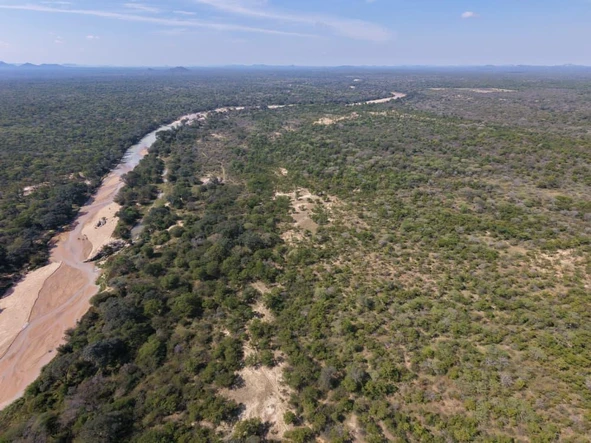
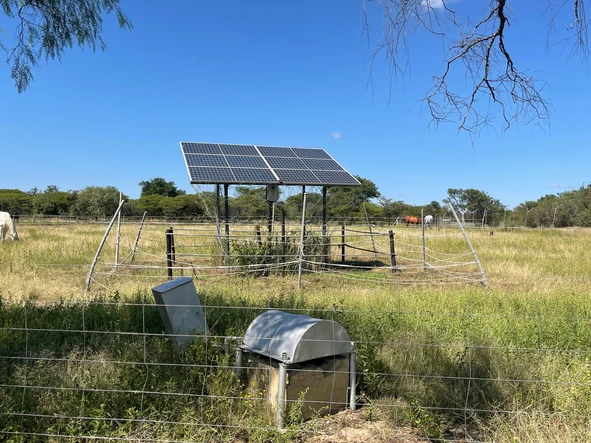
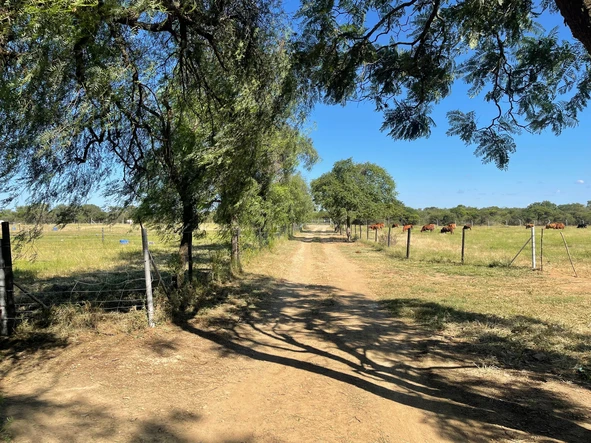
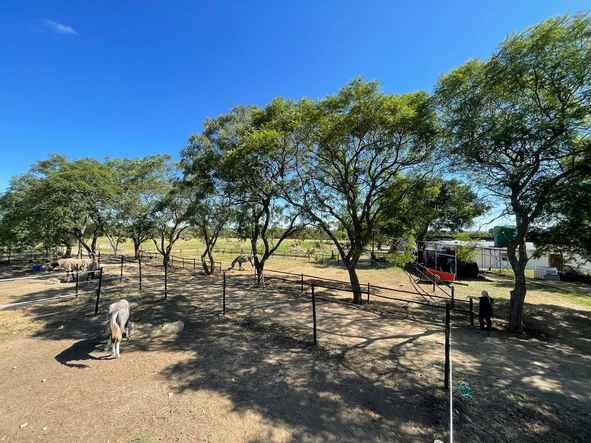
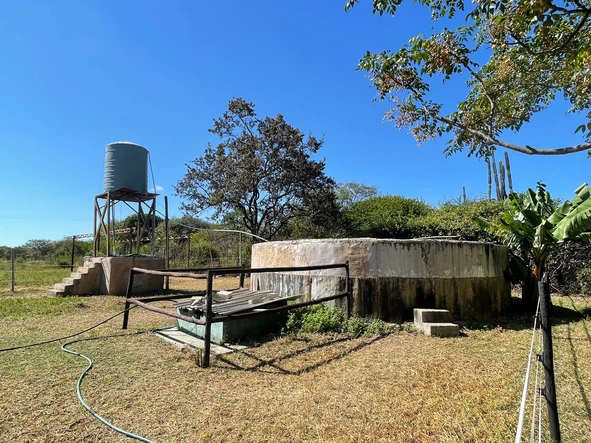
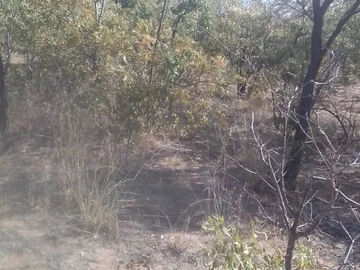
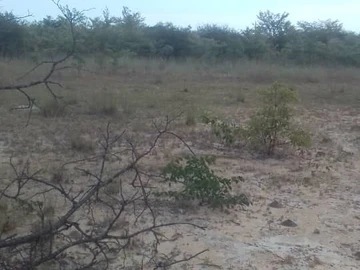
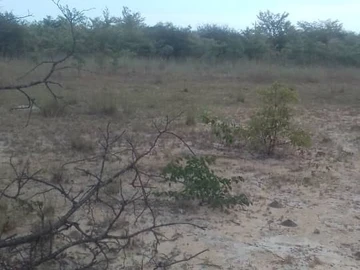
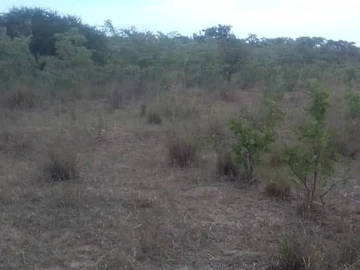
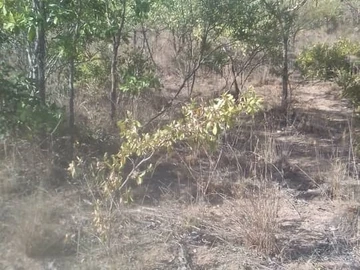
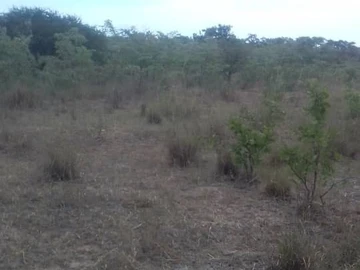
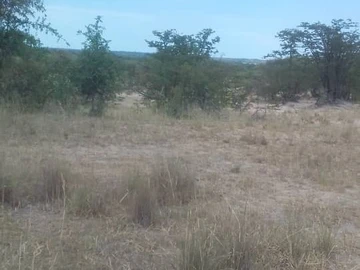
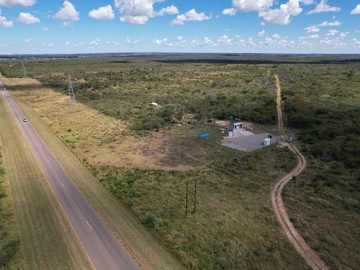
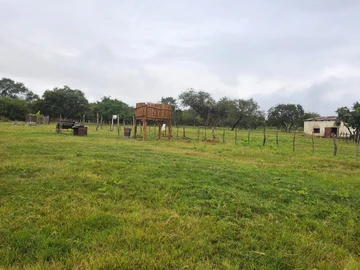
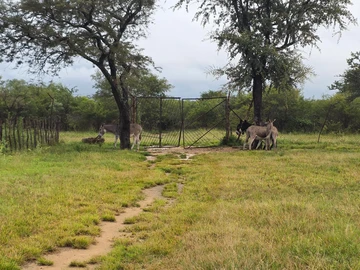
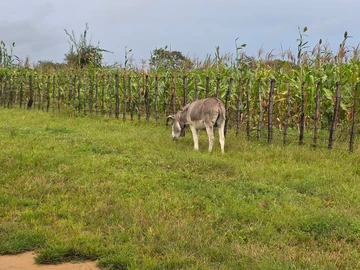
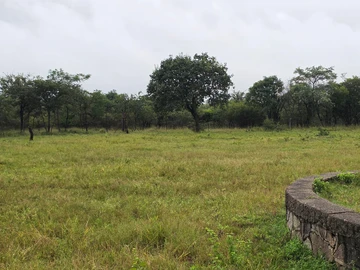
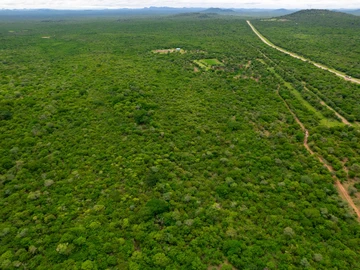
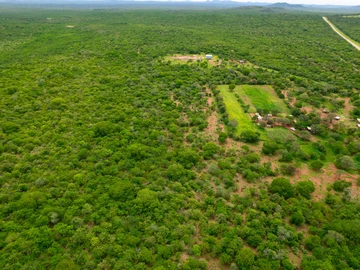
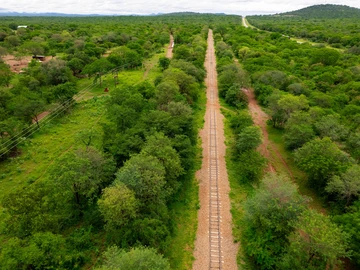
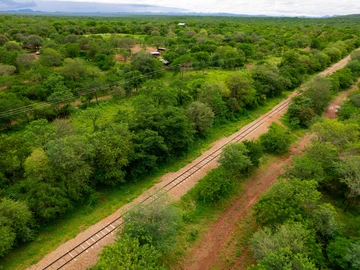
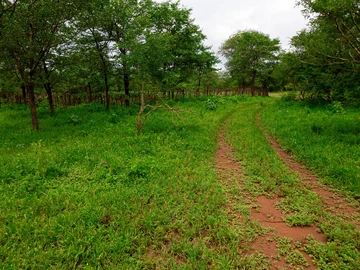
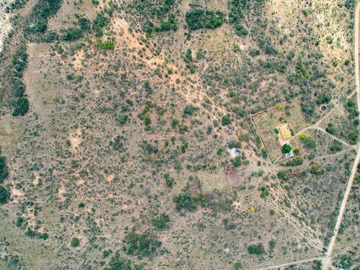
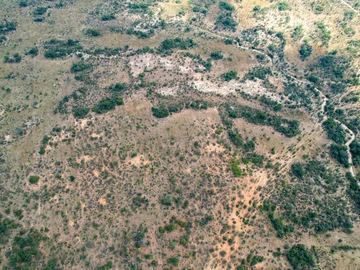
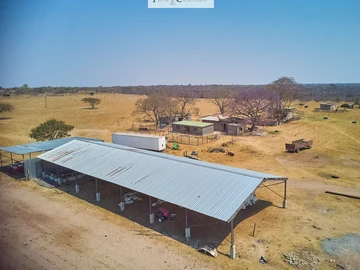
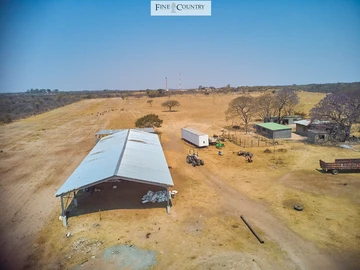
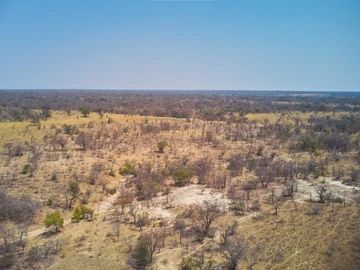
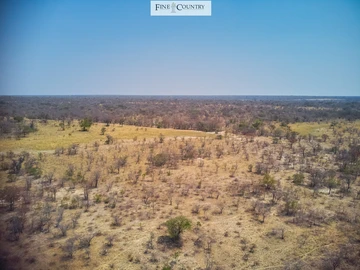
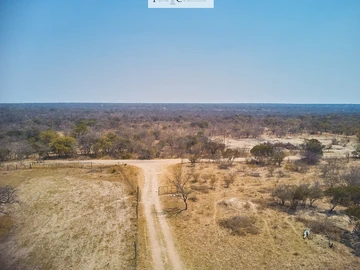
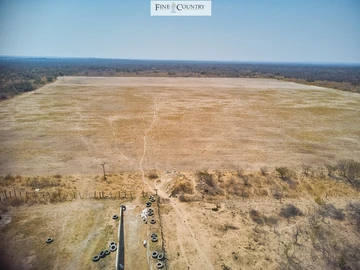
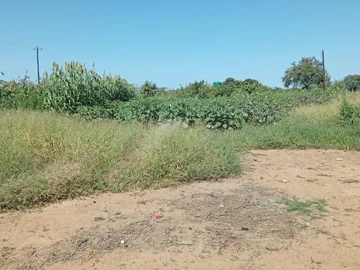
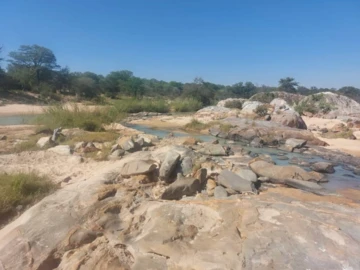
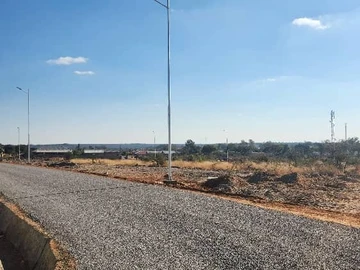
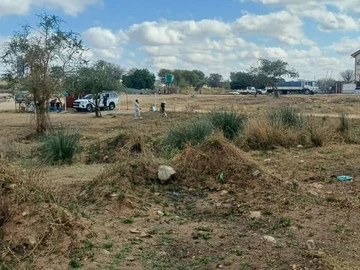
These lands typically provide open landscapes and savannah environments, ideal for farming, cattle ranching, or eco-tourism projects. Buyers can expect peaceful surroundings and a quiet lifestyle away from urban centers. The properties are mostly undeveloped, offering flexibility for various uses including agricultural ventures or conservation efforts.
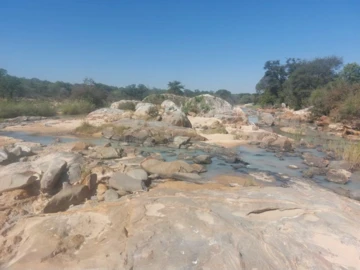
Matabeleland South is known for its natural attractions such as Matobo National Park and the Khami Ruins, which add cultural and recreational value to the area. The provincial capital, Gwanda, provides essential services including schools, healthcare at Gwanda Provincial Hospital, and local shopping options. Transport is mainly by road, connecting the province to Bulawayo and other regions, though private vehicles are often needed for convenience. This area suits buyers looking for a relaxed rural lifestyle with access to natural beauty and community living.
2,000 m²
6,500,000 m²
6,320,000 m²
51,390,000 m²

Be the first to see new properties for sale in Matabeleland South










| Type | Avg. price |
|---|---|
| Average price | $231,500 |
Pricing your property in Zimbabwe? Discover why overpricing leads to stagnant listings, lower final offers, and costly holding expenses in the 2026 market.
Navigating property valuations in Zimbabwe? Learn valuation methods, valuation fees, and key tips for buyers, sellers, and investors in the 2026 market.
Planning to downsize? Learn if you can dissolve a family trust holding your home, the legal steps required, and tax impacts before selling the property.
Understand Zimbabwe’s 2026 rental tax rules, including the 15% commercial regime, residential tax treatment, monthly deadlines and disclosure window
Planning to drill or buy a property with a borehole in Zimbabwe? Check the authority, permit, siting, records and water quality before you commit.