Log in to contact the seller
 Continue with Facebook
 Continue with Email
Continue with Facebook
Continue with Email
Sign up with Facebook
Continue with Email
Continue with Facebook
Continue with Email
Sign up with Facebook
 Change filters
 Requests

 3
3
 2
169 m²
2
169 m²


 3
3
3
3
 173 m²
4
2
6,714 m²
4
2
3,718 m²
3
3
0 m²
173 m²
4
2
6,714 m²
4
2
3,718 m²
3
3
0 m²
 4
2
3,708 m²
4
380 m²
4
3
200 m²
4
2
1,501 m²
3
3
526 m²
4
2
3,708 m²
4
380 m²
4
3
200 m²
4
2
1,501 m²
3
3
526 m²
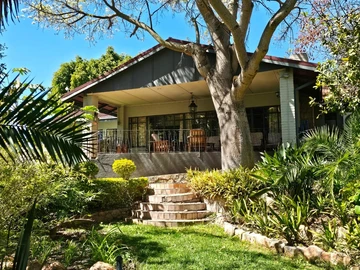
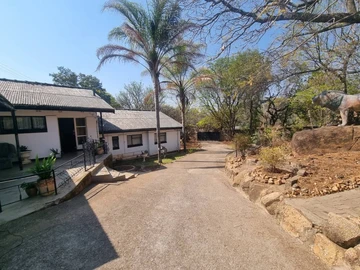
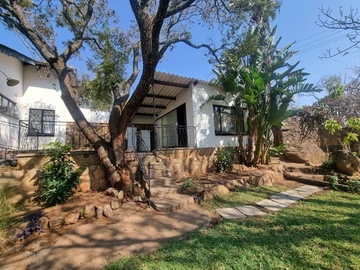
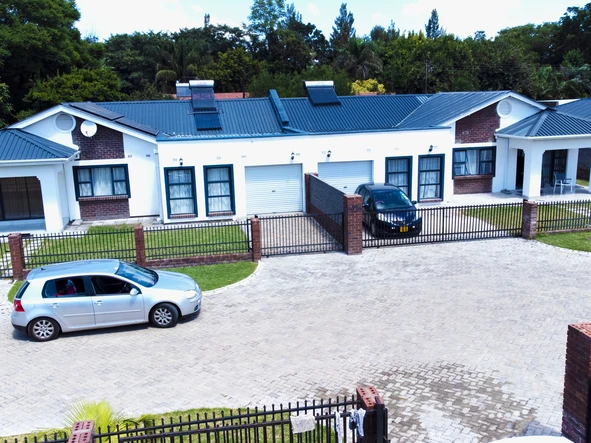
Properties for sale in Hillside, Bulawayo South, are mostly high-end, with the average price around $220,000 and starting prices from USD 90,000. The median land area of these properties is about 3,895 ㎡, with some larger plots reaching up to 10,966 ㎡. Building sizes vary, with the largest property size listed at 2,000 ㎡, although many listings do not specify building size.
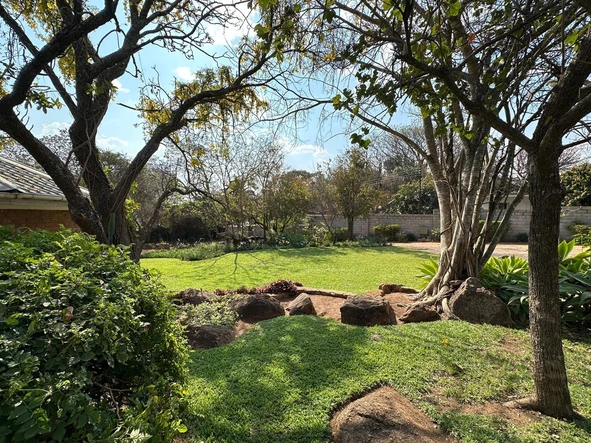
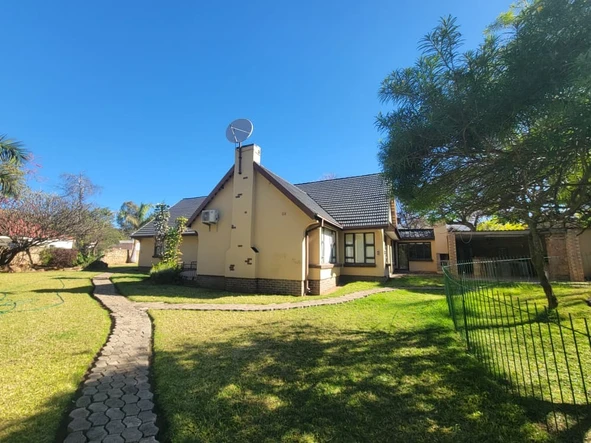
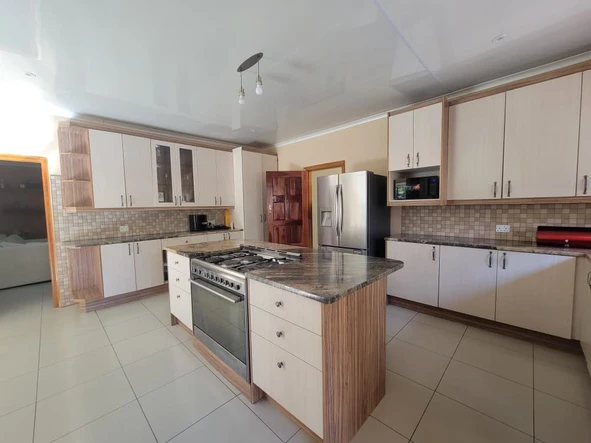
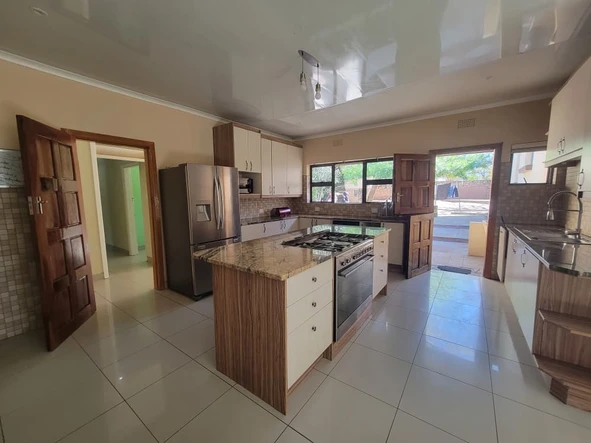
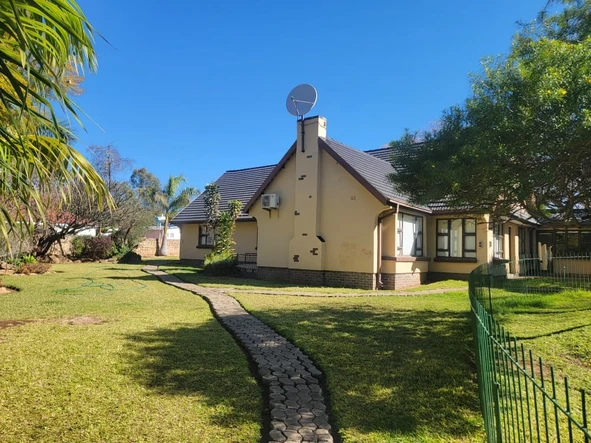
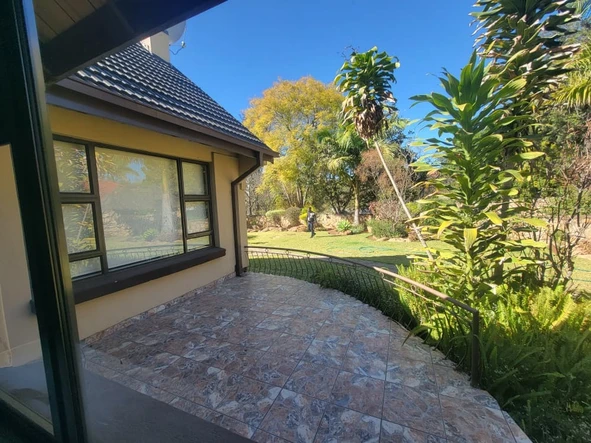
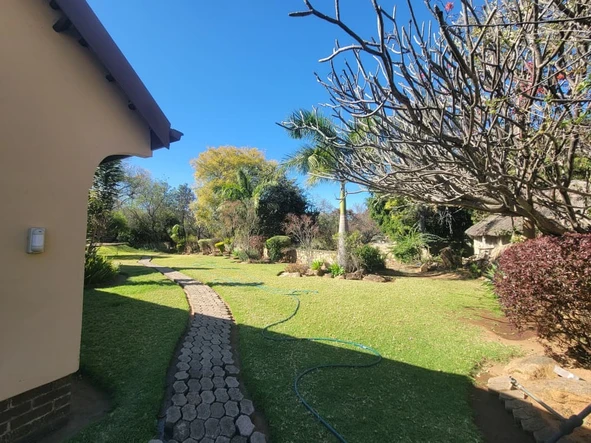
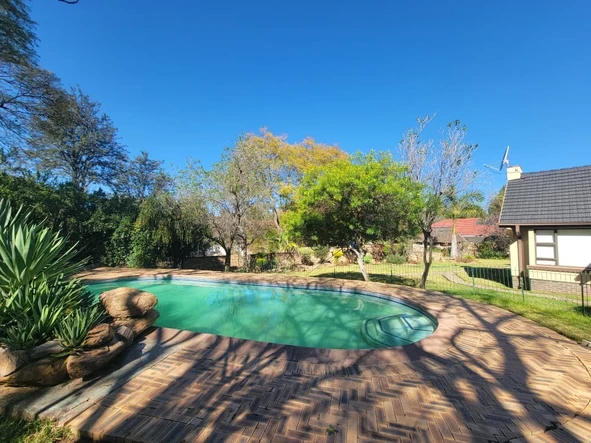
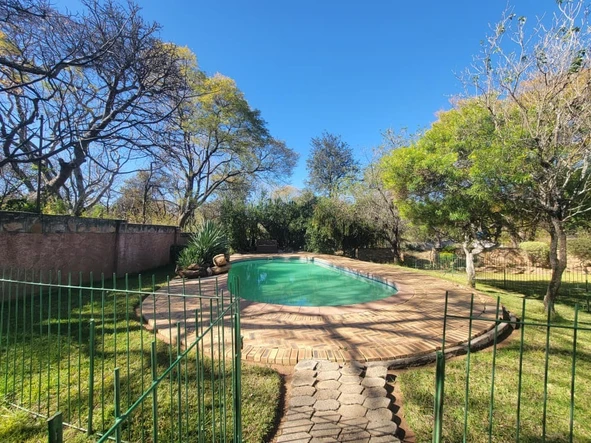
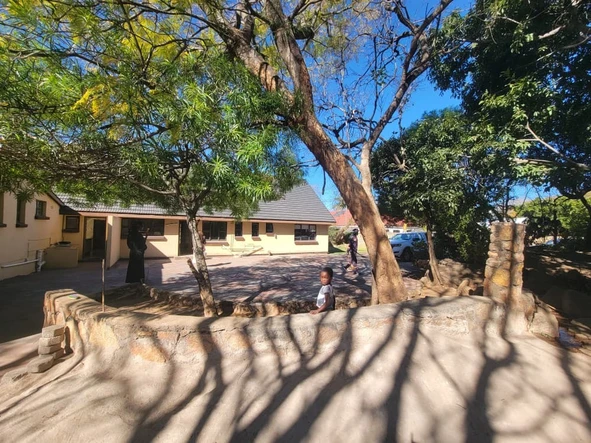
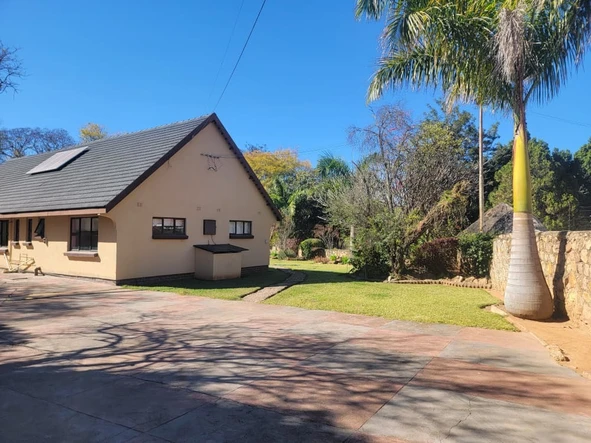
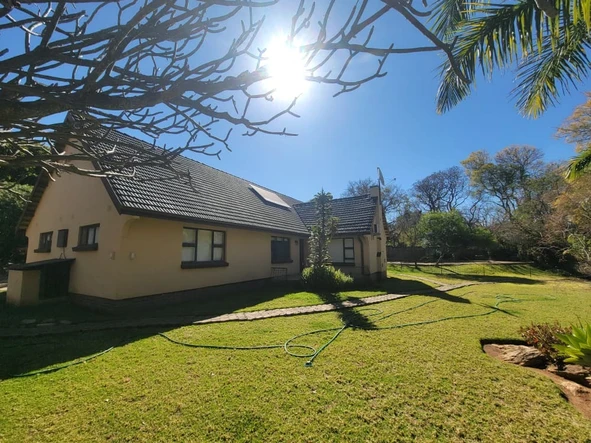
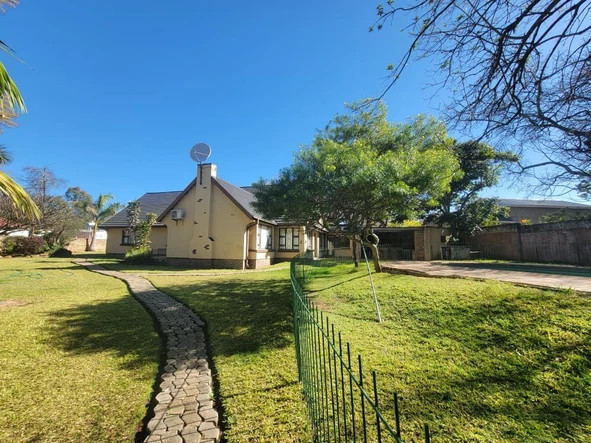
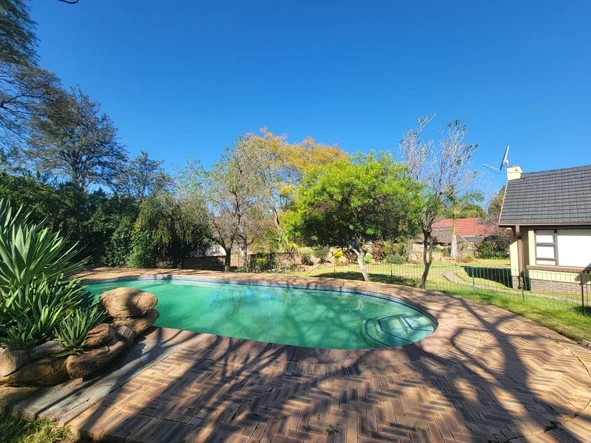
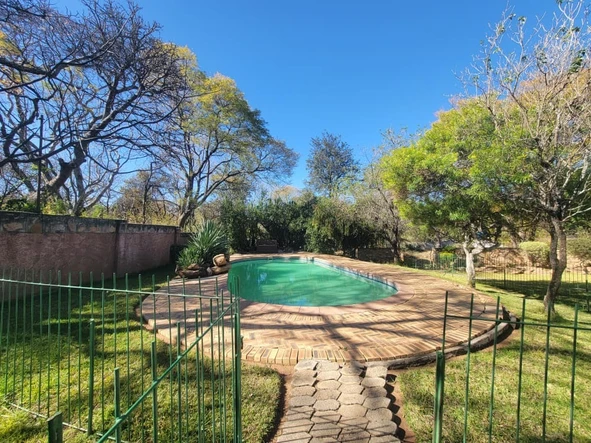
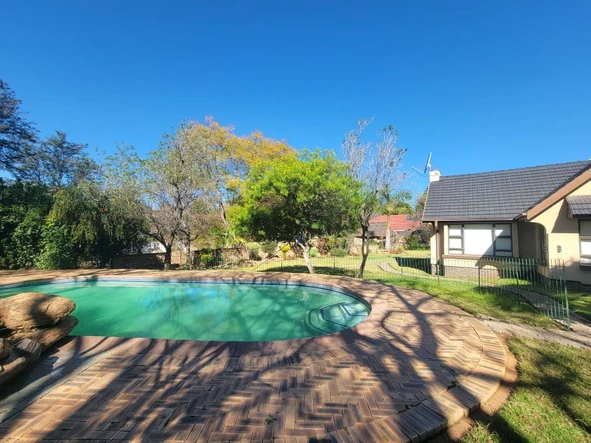
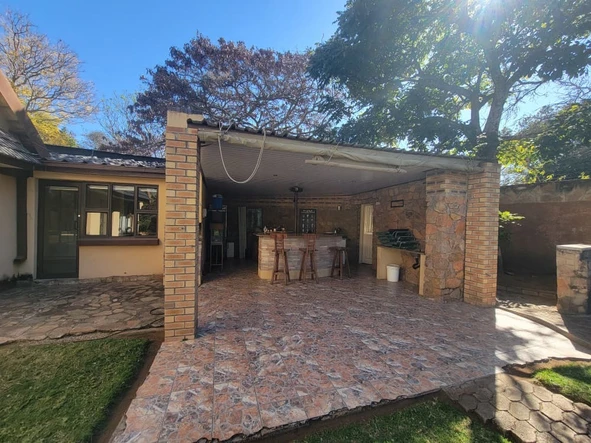
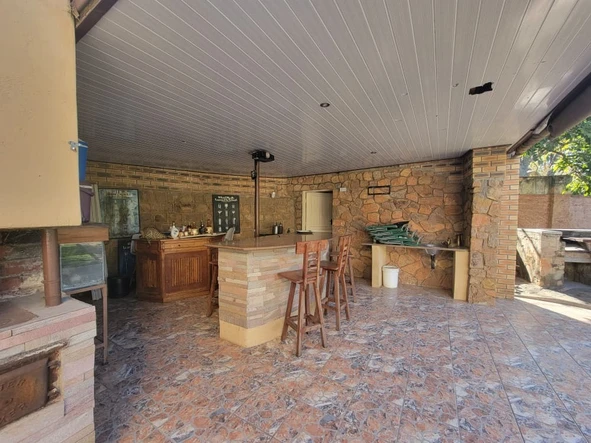
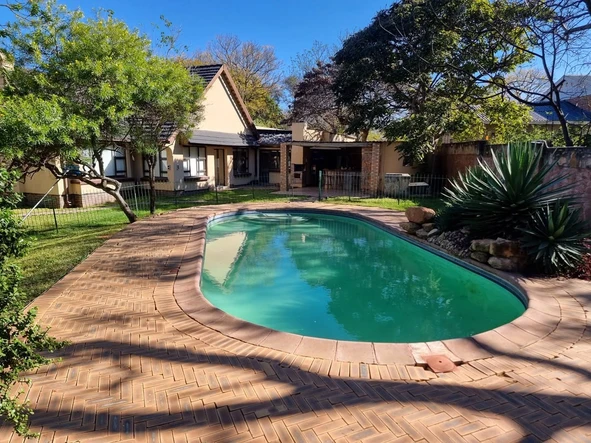
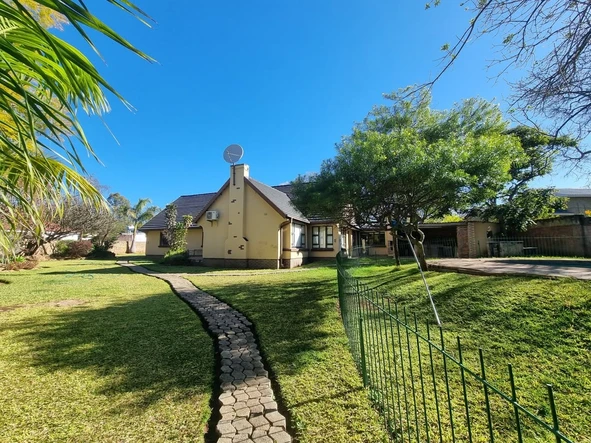
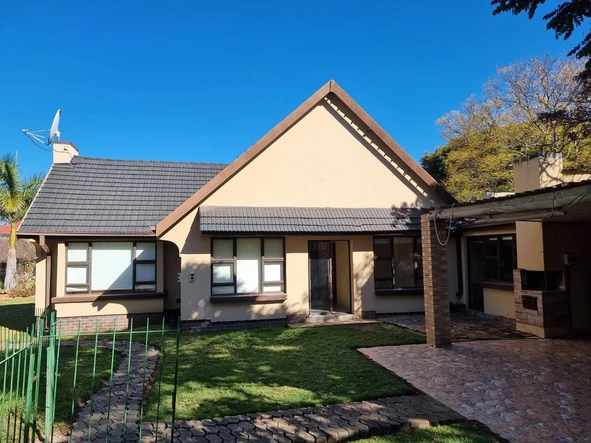
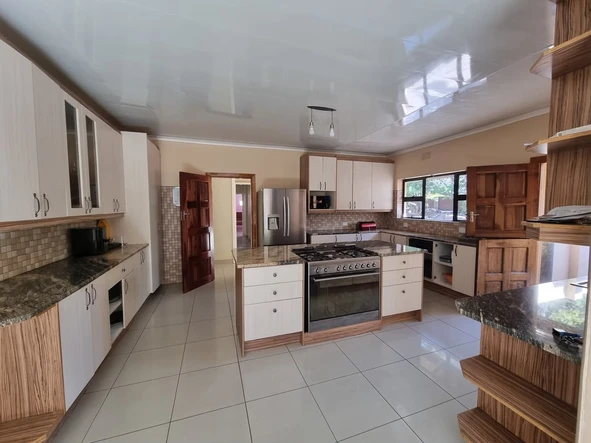
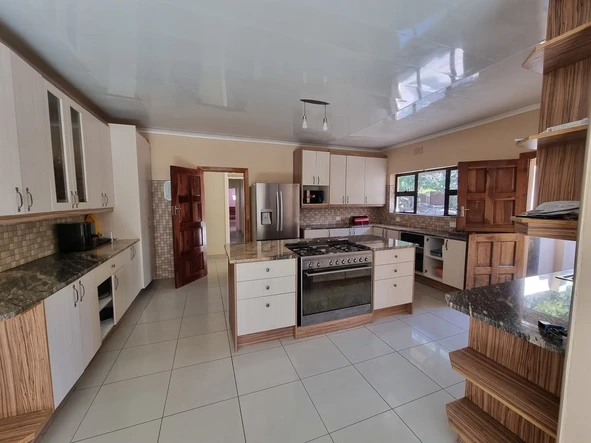
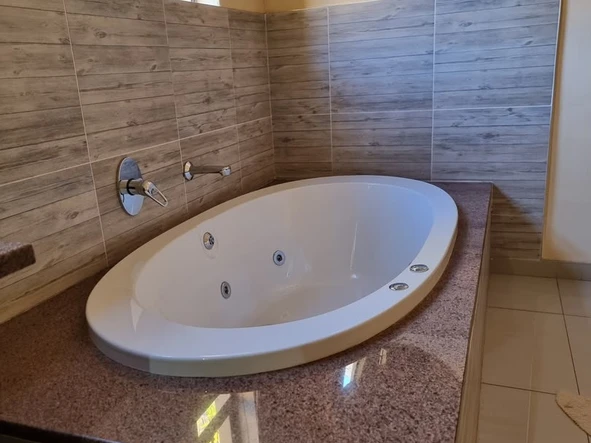
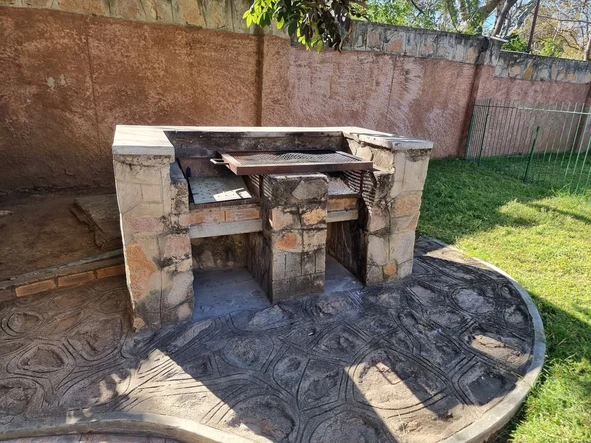
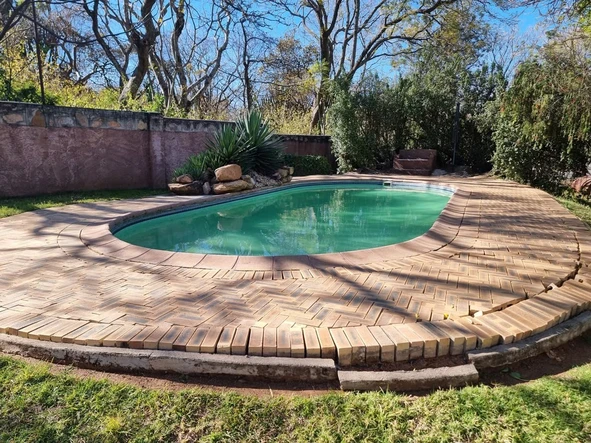
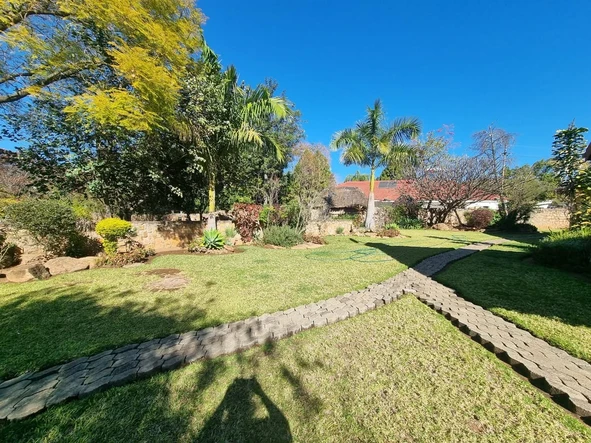
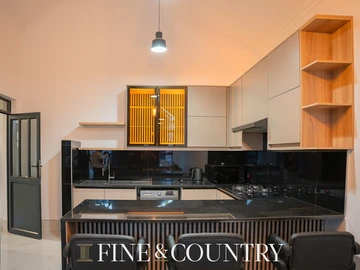
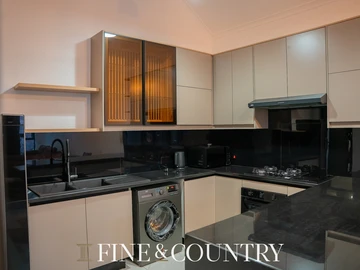
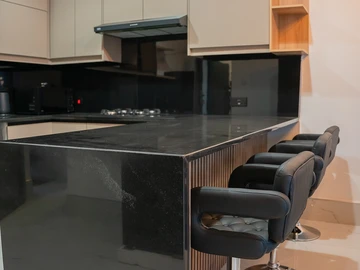
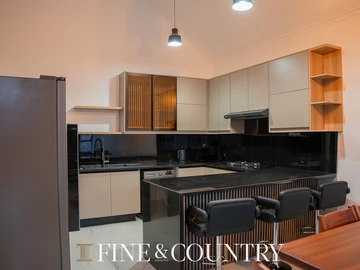
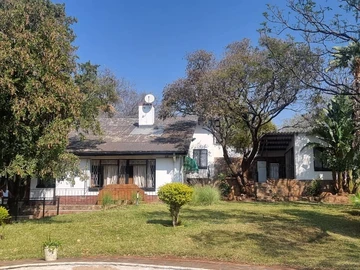
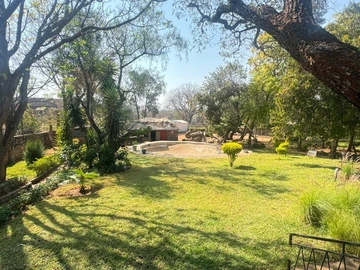
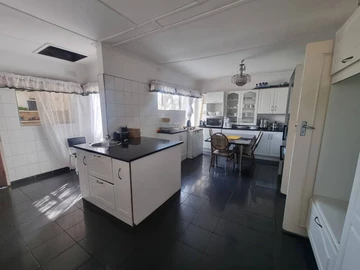
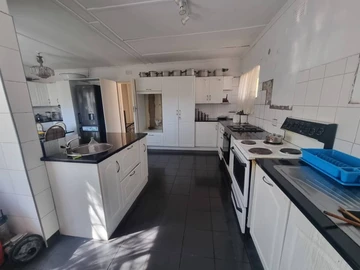
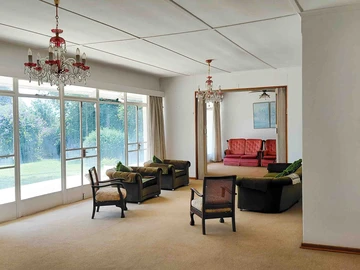
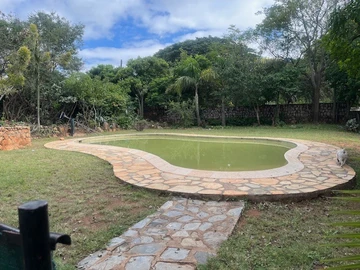
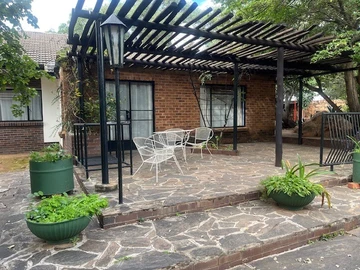
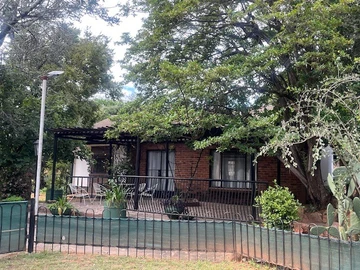
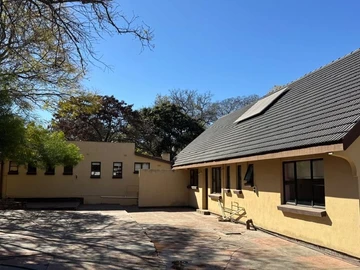
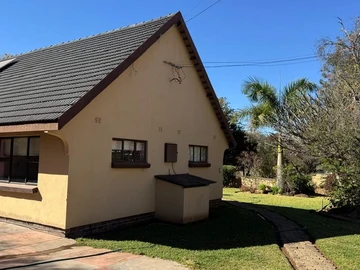
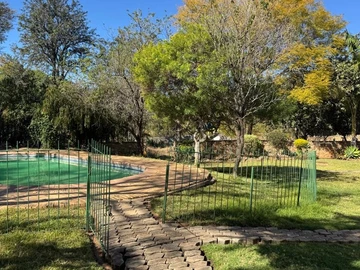
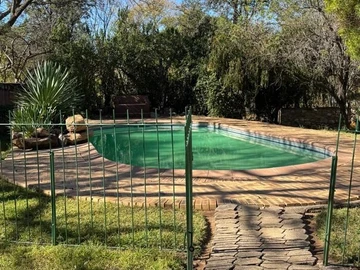
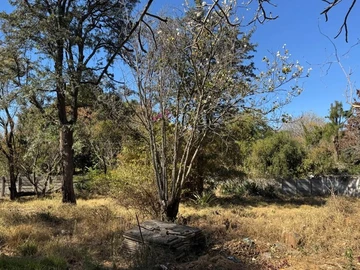
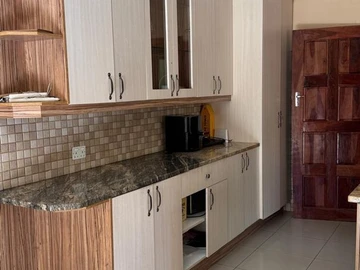
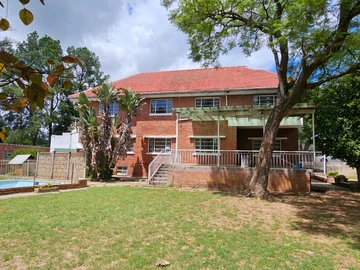
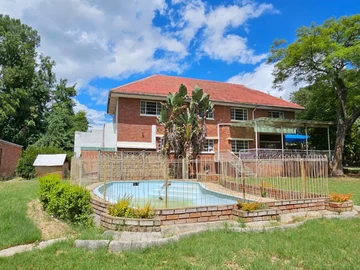
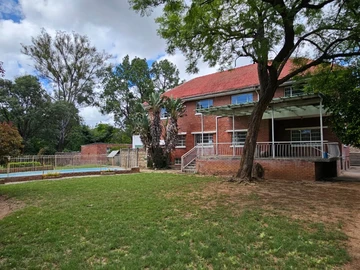
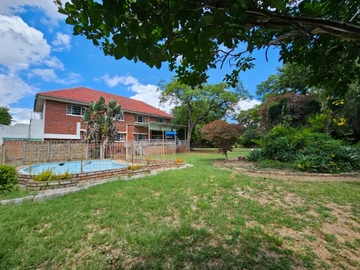
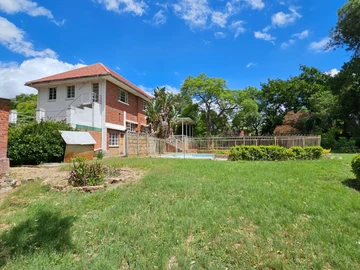
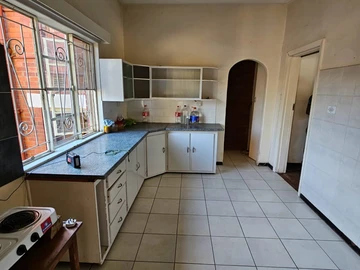
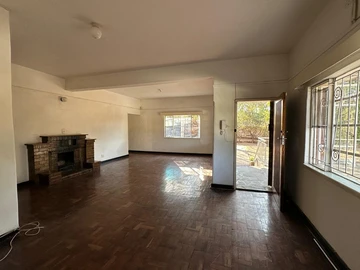
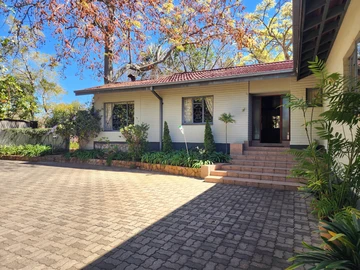
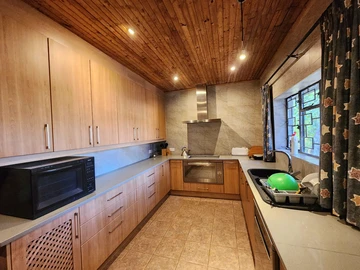
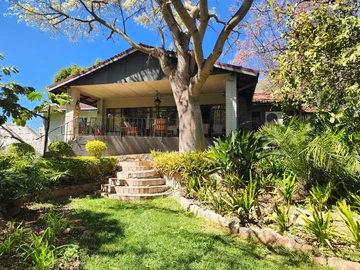
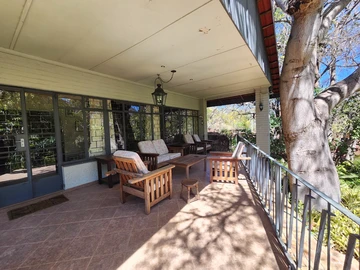
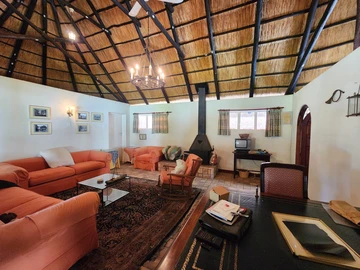
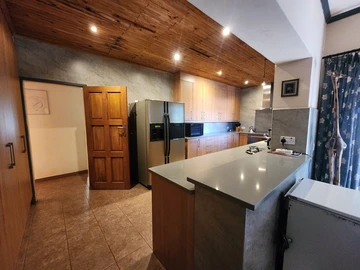
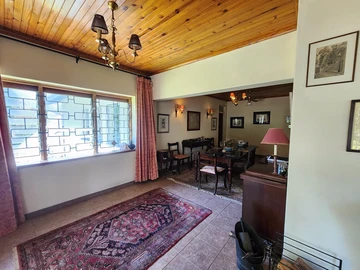
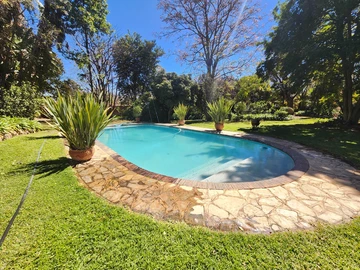
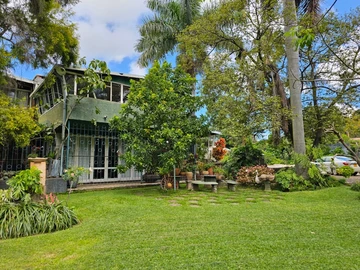
Many homes in Hillside feature amenities such as swimming pools, verandahs, and staff quarters. Most properties are walled and have fitted kitchens, boreholes, and well-maintained gardens. Additional common features include main en suite bathrooms, good ZESA electricity supply, paved areas, water tanks, municipal water, and tiled floors, offering comfortable and secure living environments.
Hillside is a quiet, family-friendly suburb known for its mature trees and green spaces. It is close to the Natural History Museum of Zimbabwe and the recreational Hillside Dams. The area has reputable schools like Hillside Primary School and is within reach of Mpilo Central Hospital. Shopping needs are met by Hillside Shopping Centre and larger retail areas in Bulawayo City Centre. Good road links and public transport options make commuting easy, making Hillside ideal for families and professionals seeking a peaceful yet convenient location.
4
4
3,665 m²
3
2
3,965 m²
3
1
4,047 m²
4
2
3,718 m²
3
173 m²
4
3
850 m²

Be the first to see new properties for sale in Hillside, Bulawayo South









| Type | Avg. price |
|---|---|
| Overall | $220,000 |
| Houses (View 54 properties) | $220,000 |
| Commercial Property (View 11 properties) | $825,000 |
| Flats & Apartments (View 1 properties) | $220,000 |
Buying a residential stand in Zimbabwe? Learn how to verify ownership, subdivision, planning approvals, servicing, title and the developer before paying.
Learn how servitudes affect property ownership, rights of way, and utility access in Zimbabwe. Protect your land title and avoid boundary disputes.
Get your home viewing ready in Zimbabwe. Follow our 2026 seller checklist covering curb appeal, solar & water setups, staging, and documentation.
Avoid costly disputes and legal delays. Learn the biggest mistakes families make when registering and distributing deceased estates under Zimbabwean law.
Who gets the house after divorce in Zimbabwe? Learn how courts divide matrimonial property, handle sole vs joint titles, and apply Section 7 of the Act.