Log in to contact the seller
 Continue with Facebook
 Continue with Email
Continue with Facebook
Continue with Email
Sign up with Facebook
Continue with Email
Continue with Facebook
Continue with Email
Sign up with Facebook
 Change filters
 Requests


 3
0 m²
3
0 m²


Be the first to see new properties for sale in Hillside, Bulawayo South










| Type | Avg. price |
|---|---|
| Overall | $220,000 |
| Houses (View 67 properties) | $220,000 |
| Commercial Property (View 12 properties) | $825,000 |
| Flats & Apartments (View 1 properties) | $220,000 |
Planning to convert or buy commercial property? Understand Zimbabwe’s change of use rules, 2026 Harare fees, timelines and approval risks.
Buying a home in Harare? Learn how to verify water access, ZESA grid connections, refuse services, and borehole rights before finalizing your purchase.
Pricing your property in Zimbabwe? Discover why overpricing leads to stagnant listings, lower final offers, and costly holding expenses in the 2026 market.
Navigating property valuations in Zimbabwe? Learn valuation methods, valuation fees, and key tips for buyers, sellers, and investors in the 2026 market.
Planning to downsize? Learn if you can dissolve a family trust holding your home, the legal steps required, and tax impacts before selling the property.




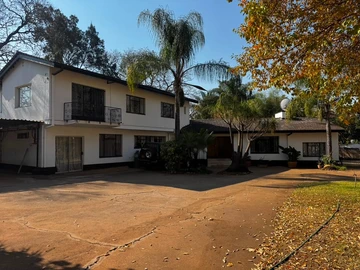
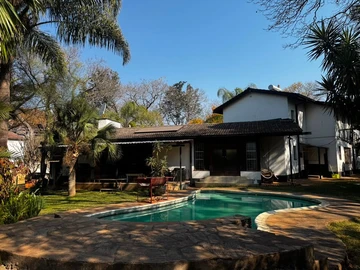
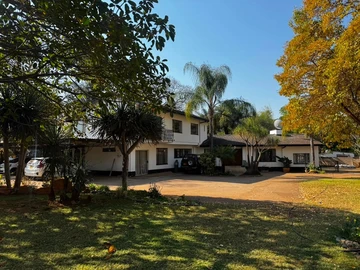
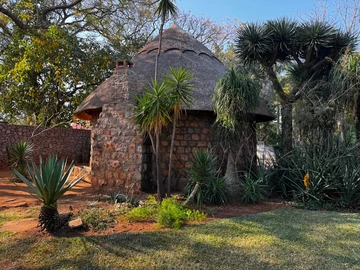
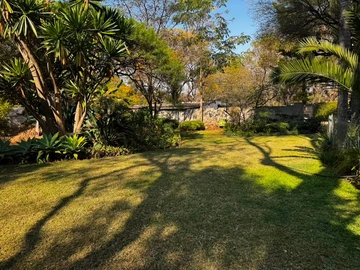
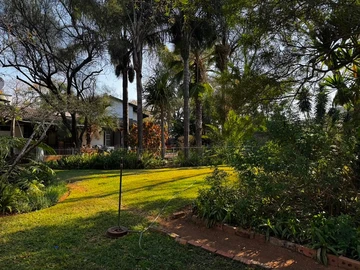
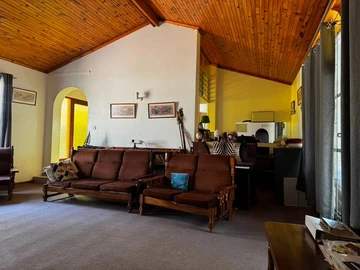
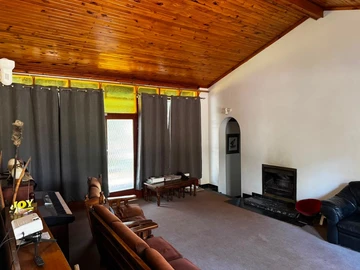
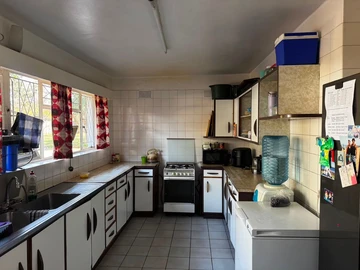
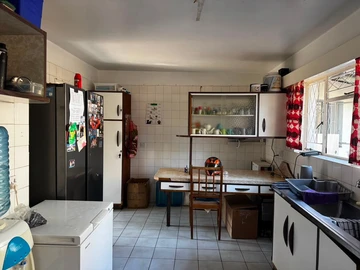
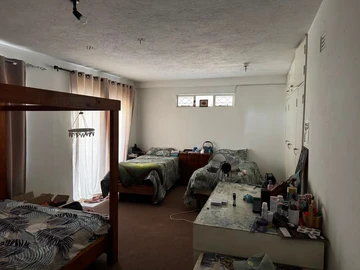
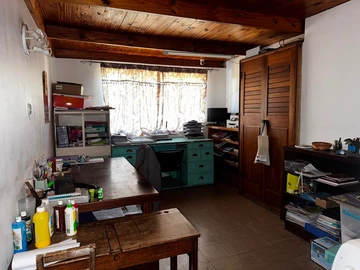
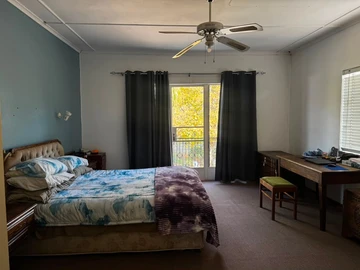
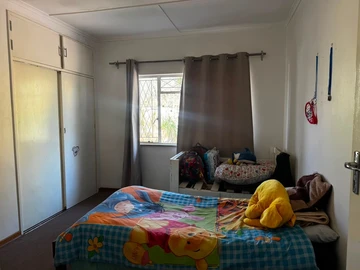
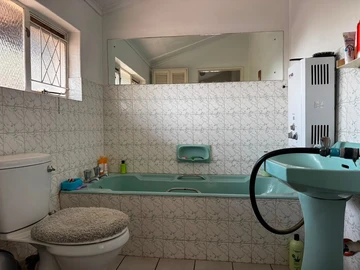
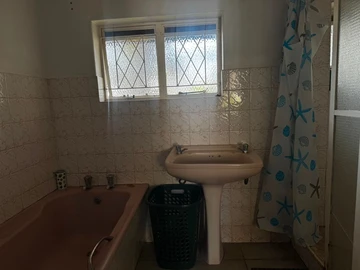
 4
4
 3,349 m²