Continue with Facebook
 Continue with Email

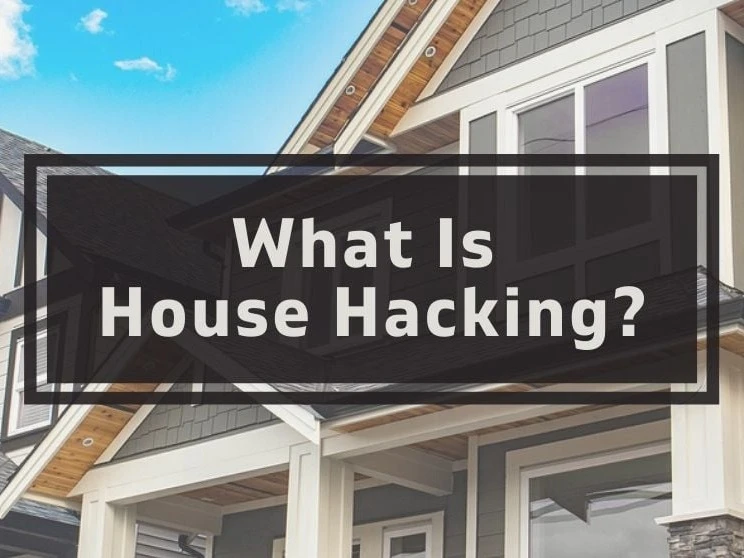
House hacking is increasingly becoming one of the most practical strategies for reducing living expenses while entering the realm of real estate investment in Zimbabwe. Instead of waiting years to afford a home, many first-time buyers in Harare, Bulawayo, and Victoria Falls are now using this approach to make property ownership more affordable.
The concept is simple: live in part of your property and rent out another section to offset mortgage or loan payments. In Zimbabwe, where property prices and rentals in urban centres continue to rise, house hacking allows residents to lower monthly costs while building long-term equity.
This guide explains how house hacking works, the different property types, Zimbabwe mortgage considerations, benefits, legal regulations, risks, and practical examples.
Introduction to House Hacking
House hacking is a modern twist on a traditional idea: turn your home into an income-generating asset. Rather than viewing your property purely as a cost, you use it to help finance itself.
In Zimbabwe, this strategy is particularly effective with:
- Multi-bedroom homes in suburbs like Borrowdale, Avondale, and Hillside
- Townhouses and duplexes in gated communities
- Standalone houses with separate annexes or flats
Rising property values, strong rental demand, and flexible mortgage options have made house hacking appealing for first-time buyers, small investors, and families looking to manage costs.
How House Hacking Works
House hacking involves converting part of your property into a rentable space while remaining the primary occupant. Rental income can:
- Offset mortgage payments or bond instalments
- Build equity faster
- Improve cash flow
- Reduce overall living costs
- Provide hands-on property management experience
Common House Hacking Options in Zimbabwe:
- Spare bedrooms in a family home – rent out 1–2 rooms to tenants.
- Independent annexe or flat – a self-contained unit within your property, ideal for professionals or small families.
- Garage or basement conversion – where permitted, convert spaces into rentable units.
- Accessory Dwelling Units (ADUs) – small flats or cottages on your property, often in suburbs with zoning allowances.
Benefits of House Hacking in Zimbabwe
- Reduced housing costs: Rental income can significantly lower monthly bond repayments or rent costs. In Harare, renting a spare room can cover $150–$300 per month, depending on location.
- Easier access to homeownership: By offsetting part of the mortgage with rental income, first-time buyers can qualify for property loans with lower financial strain.
- Faster equity growth: Tenants help pay off your home loan, increasing equity faster than paying alone.
- Potential passive income: Fully self-contained annexes or flats can generate extra income once your bond is covered.
- Practical property management experience: Skills gained include tenant screening, rent collection, maintenance planning, and dispute resolution.
- Zimbabwe mortgage compatibility: Banks such as CBZ, Steward Bank, and ZB Bank allow rental income to be considered for mortgage approval when owner-occupying a property.
- Tax advantages: Rental income in Zimbabwe is taxable, but expenses like bond interest, repairs, and maintenance can often be deducted when calculating taxable income for landlords.
Challenges & Considerations
|
Challenge |
What it Means in Zimbabwe |
|
Privacy & Shared Spaces |
Renting rooms may involve shared kitchens or bathrooms. |
|
Rental Agreements |
Written contracts are essential; consider using templates from the Zimbabwe Residential Tenancy Act. |
|
Subletting Permissions |
Check mortgage conditions; some banks may require approval to rent out parts of the property. |
|
Vacancy Risks |
Empty rooms mean covering the full mortgage temporarily. |
|
Maintenance & Wear |
More occupants increase utility bills, wear, and repair costs. |
|
Legal Compliance |
Ensure compliance with local zoning, property regulations, and municipal rules in Harare, Bulawayo, or other cities. |
How to Get Started
- Define your goals – affordability, income, or long-term investment?
- Choose the right property type – stand-alone houses, townhouses, duplexes, or flats with annexes work best.
- Explore mortgage options – compare rates from major Zimbabwean banks and lenders.
- Run the numbers – calculate rent potential, bond repayment, utility costs, and maintenance.
- Screen tenants carefully – verify ID, references, and employment.
- Follow legal requirements – create formal rental agreements in line with the Residential Tenancy Act.
- Document everything – contracts, payments, and house rules.
Tips for Success
- Live in the property during initial periods required by mortgage terms.
- Set clear expectations with tenants from the start.
- Maintain an emergency fund for repairs.
- Reinvest rental income to grow your property portfolio.
- Keep organised records of rent, expenses, and tenancy agreements.
Key Takeaways
House hacking is an effective way to make homeownership in Zimbabwe more affordable while building long-term wealth. By renting part of your home, you can:
- Reduce monthly housing costs
- Build equity faster
- Gain valuable property management experience
Popular setups include spare bedrooms, self-contained flats, annexes, or converted spaces. The key is to follow legal regulations, plan finances, and choose a property layout that accommodates shared living.