Log in to contact the seller
 Continue with Facebook
 Continue with Email
Continue with Facebook
Continue with Email
Sign up with Facebook
Continue with Email
Continue with Facebook
Continue with Email
Sign up with Facebook
 Change filters
 Requests



 4
4
 2
450 m²
2
450 m²


 5
4
500 m²
5
4
500 m²

Be the first to see new properties for sale in Colne Valley, Harare North










| Type | Avg. price |
|---|---|
| Overall | $360,000 |
| Houses (View 784 properties) | $475,000 |
| Land (View 476 properties) | $170,000 |
| Flats & Apartments (View 134 properties) | $225,000 |
| Commercial Property (View 40 properties) | $997,500 |
Prices as of October 2026
Buying a housing stand in Zimbabwe? Inspect title deeds, subdivision permits, compliance certificates, and seller IDs before making any payment.
Can someone claim your land in Zimbabwe? Learn how 30 year acquisitive prescription works, the legal risks involved, and how to protect your property title.
Explore October 2026 Property Pulse insights on the Zimbabwean real estate market, where high buyer demand outpaces limited housing supply across major areas.
Built a house on land registered in your partner's name? Learn your legal rights in Zimbabwe, tacit universal partnerships, and unjust enrichment claims.
Planning to convert or buy commercial property? Understand Zimbabwe’s change of use rules, 2026 Harare fees, timelines and approval risks.













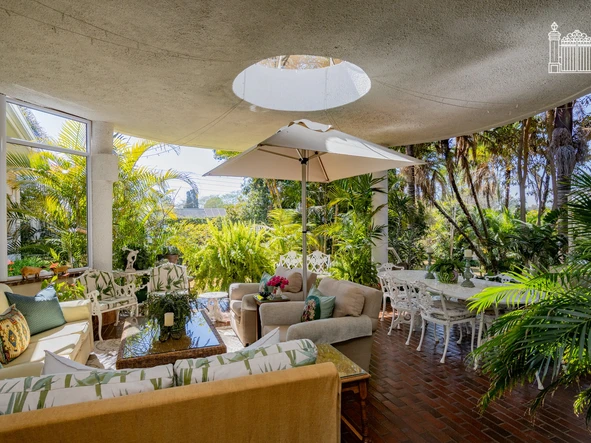
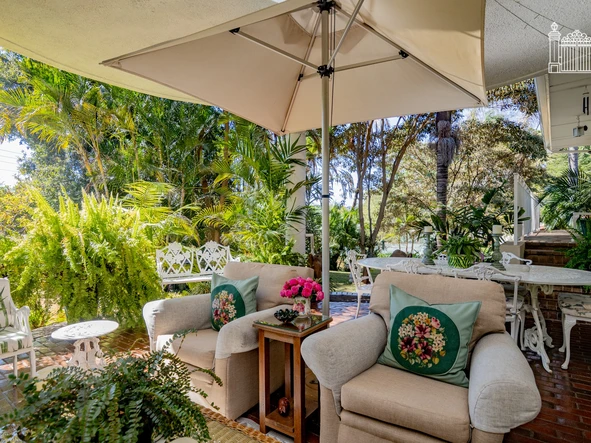
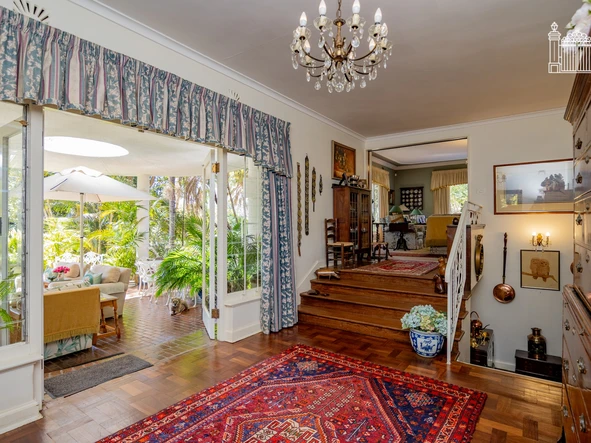
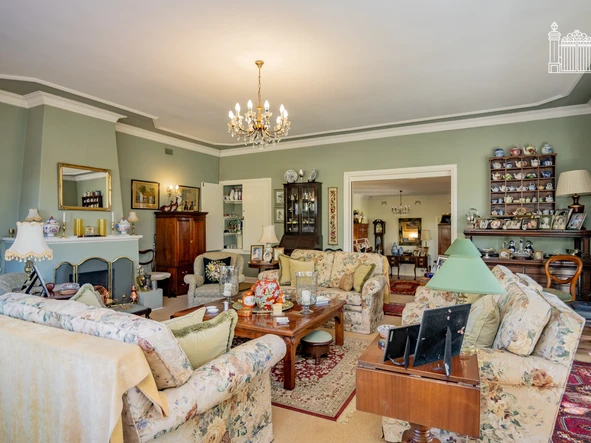
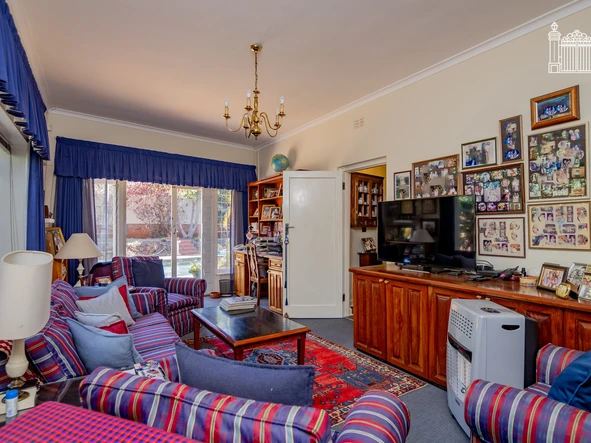
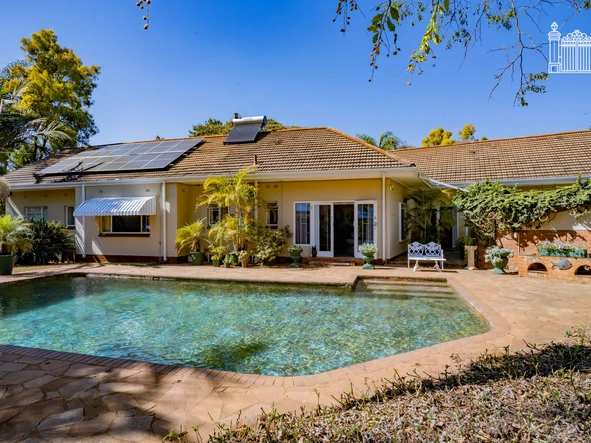
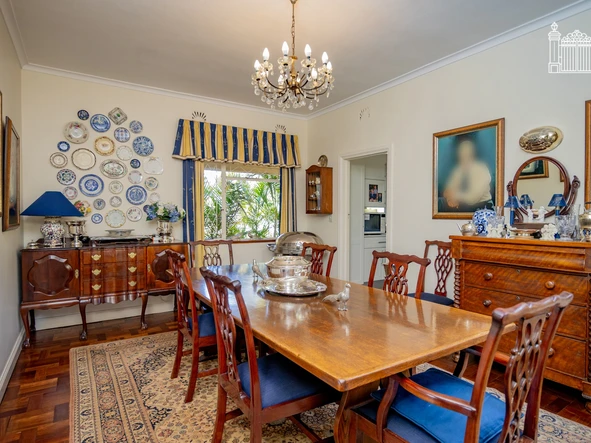
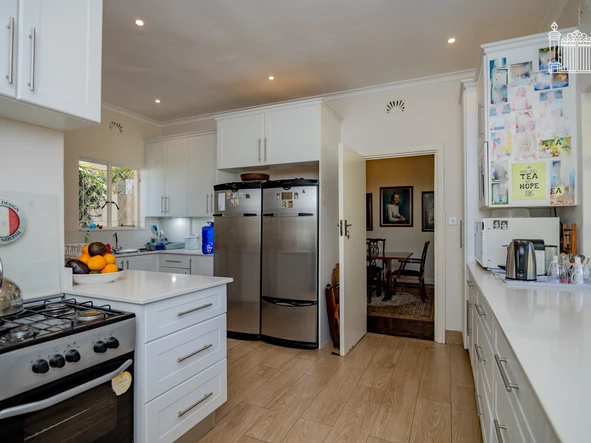
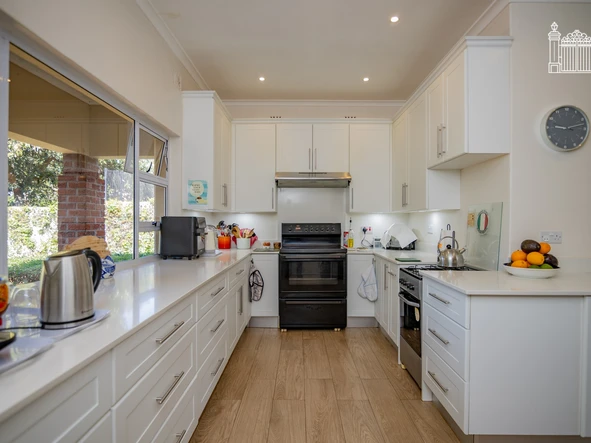
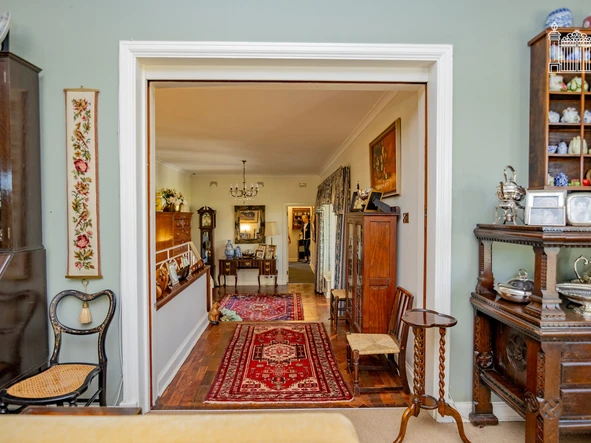
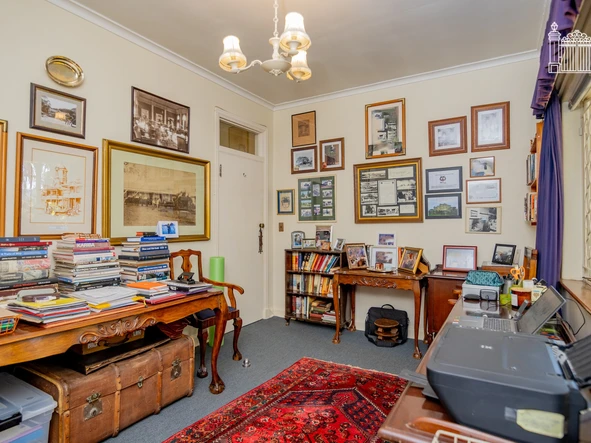
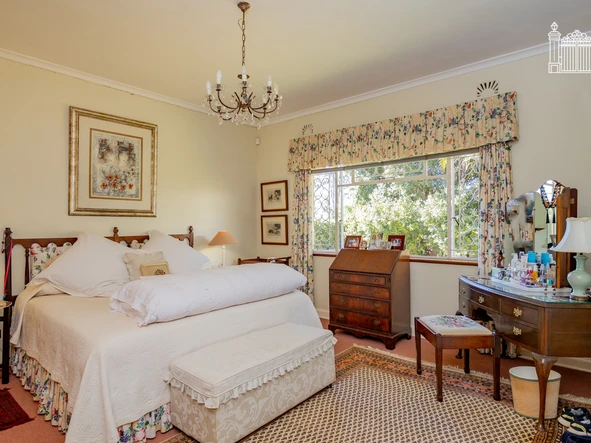
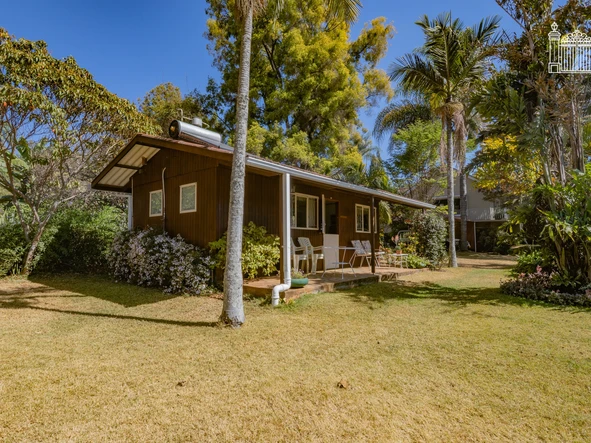
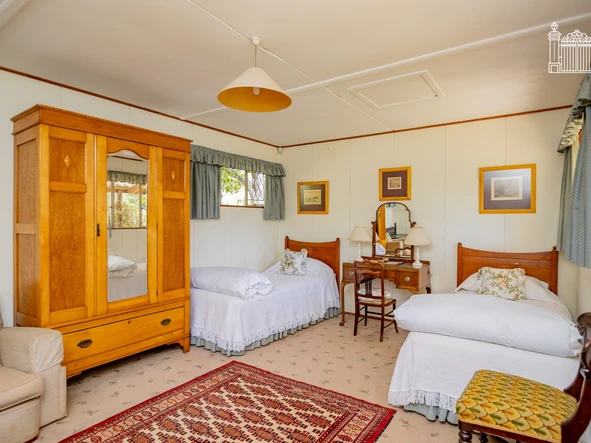
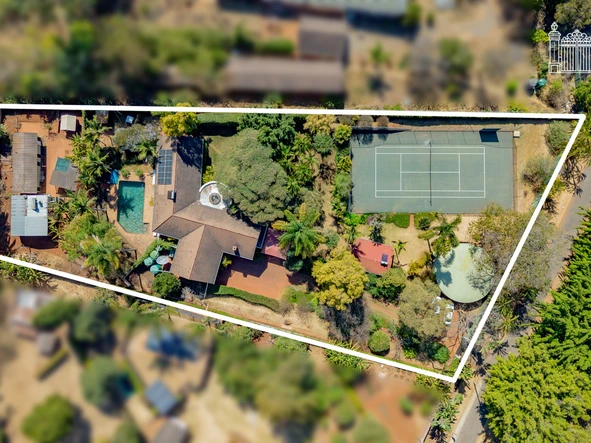
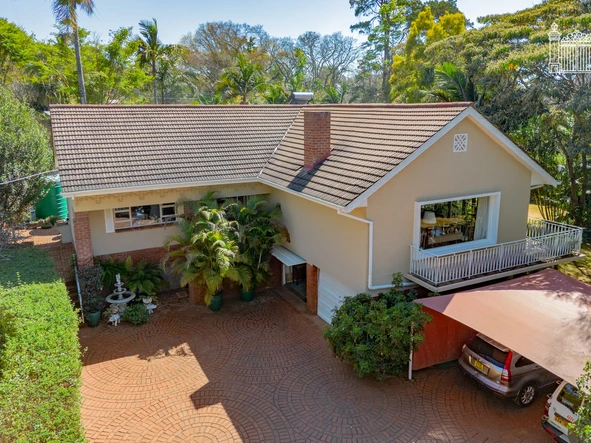
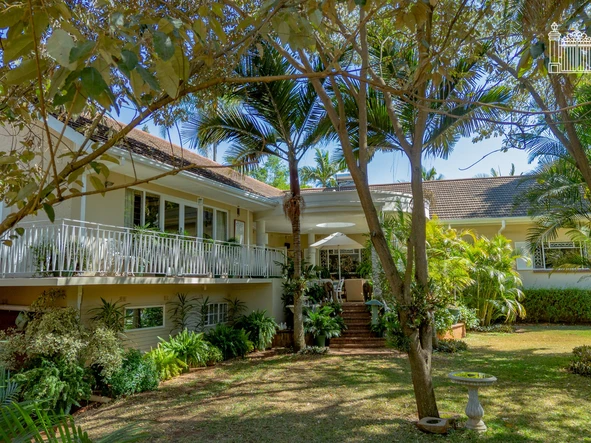
 4,758 m²