Log in to contact the seller
 Continue with Facebook
 Continue with Email
Continue with Facebook
Continue with Email
Sign up with Facebook
Continue with Email
Continue with Facebook
Continue with Email
Sign up with Facebook
 Change filters
 Requests



 5
5
 3
800 m²
3
800 m²


 4
3
500 m²
3
2
250 m²
4
4
361 m²
4
3
500 m²
3
2
250 m²
4
4
361 m²
 5
3
4,667 m²
5
3
4,667 m²

Be the first to see new properties for sale in Vainona, Harare North










| Type | Avg. price |
|---|---|
| Overall | $350,000 |
| Houses (View 749 properties) | $475,000 |
| Land (View 487 properties) | $175,500 |
| Flats & Apartments (View 150 properties) | $220,000 |
| Commercial Property (View 32 properties) | $950,000 |
Buying property in Zimbabwe? Discover hidden costs like stamp duty, conveyancing fees, and taxes that can add 8%–12% or more to your purchase price.
Tenants not paying rent in Zimbabwe? Learn your legal rights as a landlord, the step by step eviction process, and illegal self-help actions to avoid.
Discover how blockchain, crypto, and tokenized real-world assets (RWAs) are transforming real estate ownership, liquidity, and financing over the next 5 years.
Buying a residential stand in Zimbabwe? Learn how to verify ownership, subdivision, planning approvals, servicing, title and the developer before paying.
Learn how servitudes affect property ownership, rights of way, and utility access in Zimbabwe. Protect your land title and avoid boundary disputes.





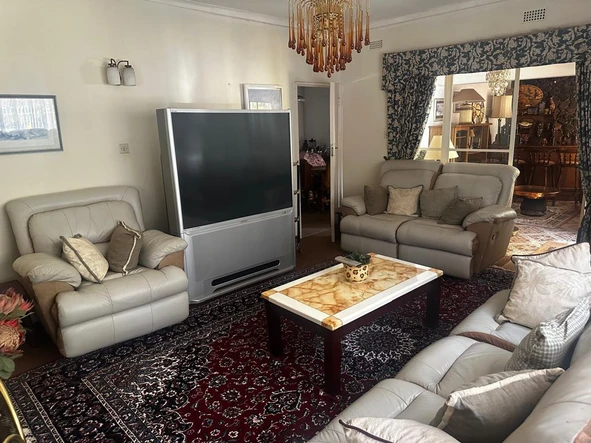
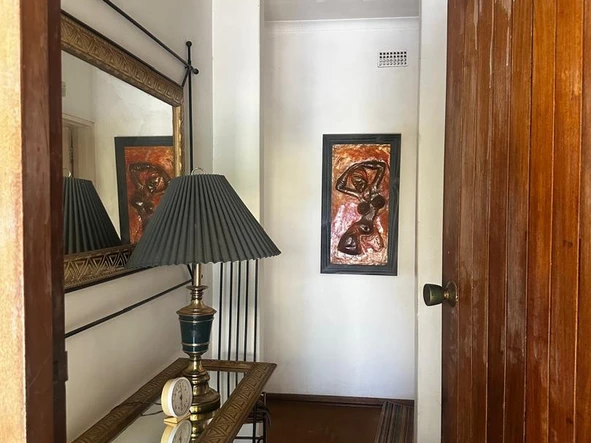
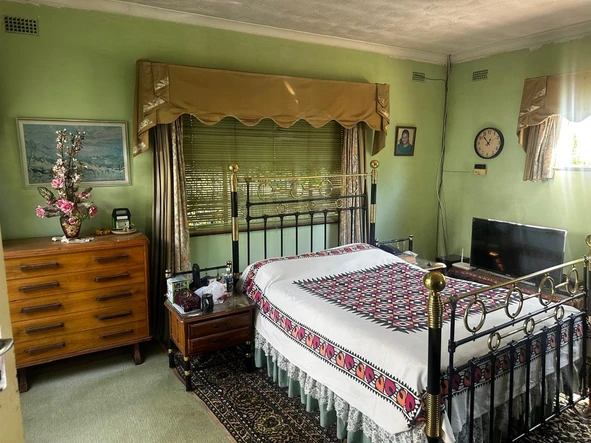
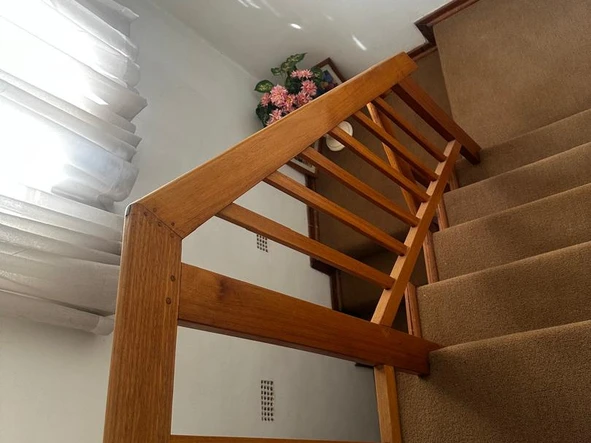
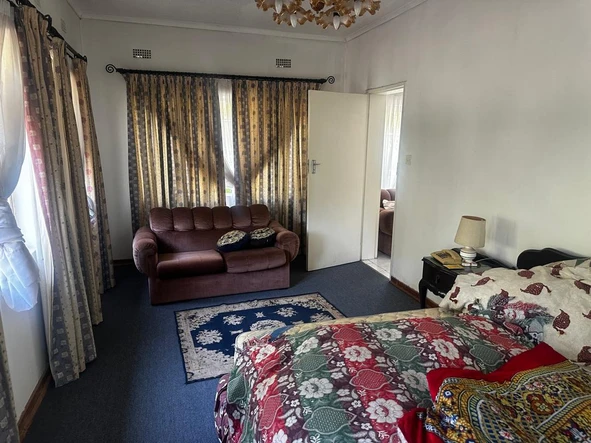
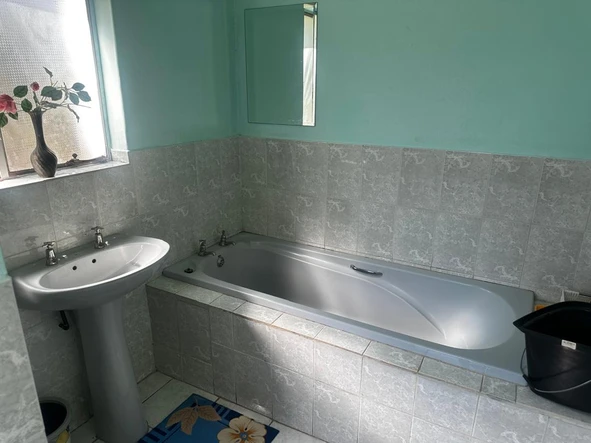
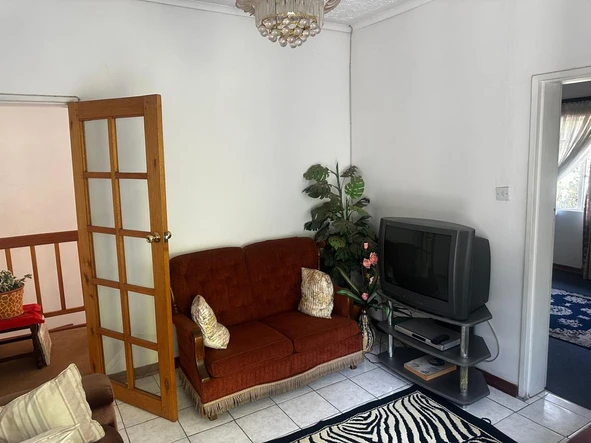
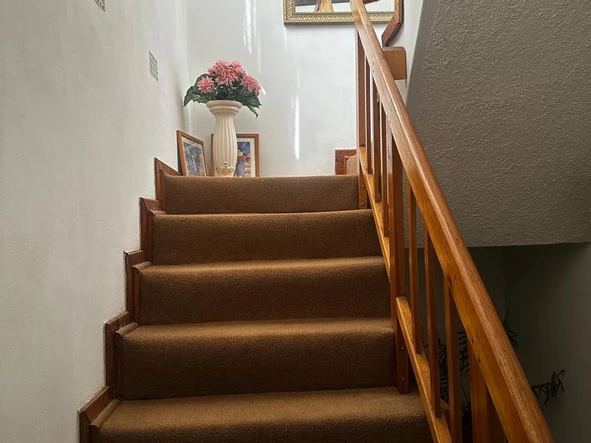
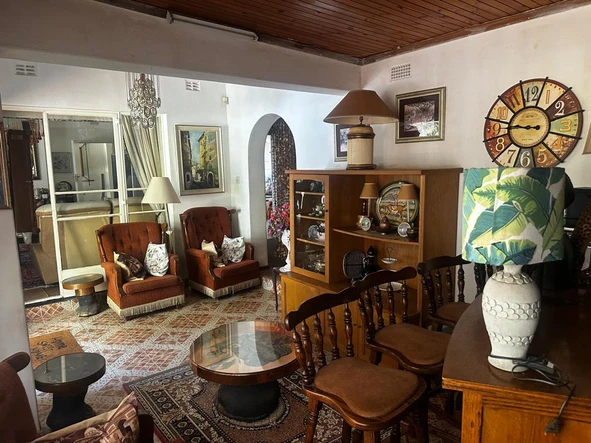
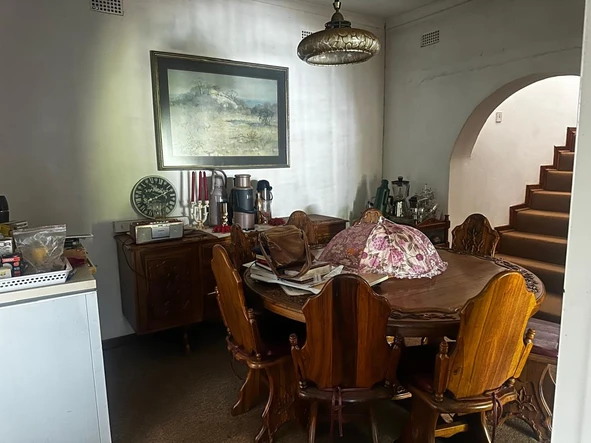
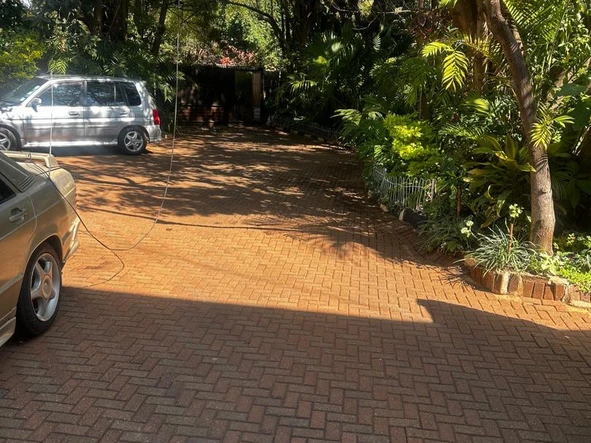
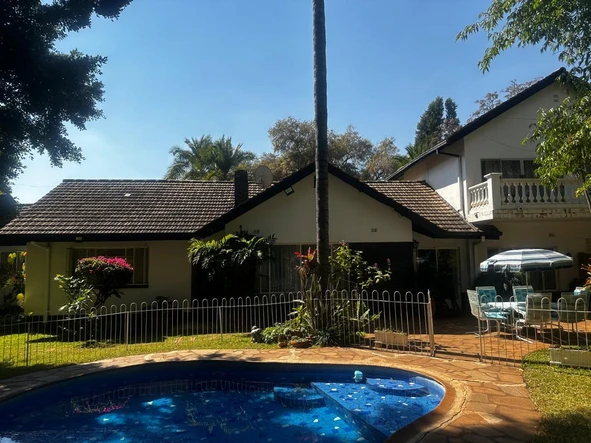
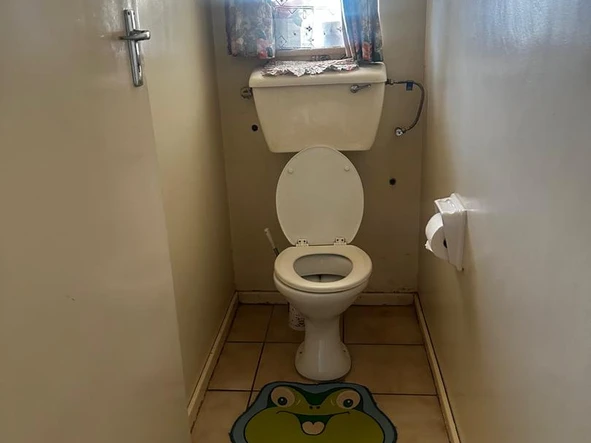
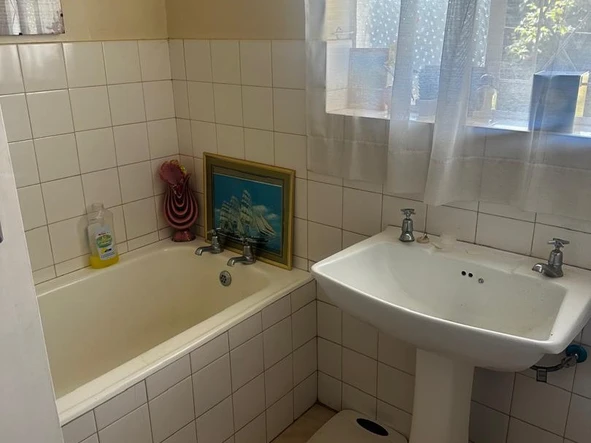
 4,666 m²