Log in to contact the seller
 Continue with Facebook
 Continue with Email
Continue with Facebook
Continue with Email
Sign up with Facebook
Continue with Email
Continue with Facebook
Continue with Email
Sign up with Facebook
 Change filters
 Requests

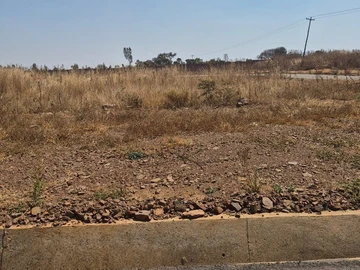
Properties for sale in Spitzkop, Harare West, are affordable with an average price of $141,000. The land sizes vary widely, from smaller plots around 200 ㎡ to large parcels up to 315,000 ㎡, while building sizes tend to be smaller or undeveloped, with the largest property size listed at 2,000 ㎡. The median land area is about 400 ㎡, reflecting typical residential plot sizes in this quiet suburb.
Most properties in Spitzkop are residential plots suited for building family homes or small developments. The area is known for its peaceful, tree-lined streets and a secure, community-oriented atmosphere. Buyers can expect a mix of middle-income homes with potential for customization or new construction, making it a practical choice for families and professionals looking for affordable land in Harare West.
Spitzkop benefits from good transport connections to Harare’s city center and surrounding suburbs, with public transport options like minibuses and taxis readily available. Residents enjoy proximity to the Harare Botanical Gardens and local parks, offering green spaces for recreation. The suburb also has reputable schools and access to healthcare facilities nearby. Shopping needs are met by the vibrant Mbare Musika Market and other retail centers in Harare West, while local eateries provide casual dining options, making Spitzkop a convenient and balanced place to live.


Be the first to see new properties for sale in Spitzkop, Harare West










| Type | Avg. price |
|---|---|
| Overall | $141,000 |
| Houses (View 451 properties) | $170,000 |
| Land (View 317 properties) | $60,000 |
| Flats & Apartments (View 142 properties) | $140,000 |
| Commercial Property (View 59 properties) | $650,000 |
Buying a residential stand in Zimbabwe? Learn how to verify ownership, subdivision, planning approvals, servicing, title and the developer before paying.
Learn how servitudes affect property ownership, rights of way, and utility access in Zimbabwe. Protect your land title and avoid boundary disputes.
Get your home viewing ready in Zimbabwe. Follow our 2026 seller checklist covering curb appeal, solar & water setups, staging, and documentation.
Avoid costly disputes and legal delays. Learn the biggest mistakes families make when registering and distributing deceased estates under Zimbabwean law.
Who gets the house after divorce in Zimbabwe? Learn how courts divide matrimonial property, handle sole vs joint titles, and apply Section 7 of the Act.




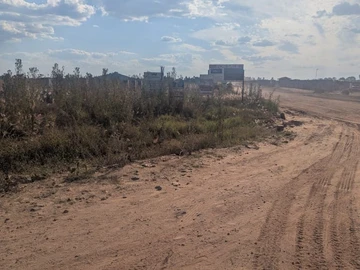
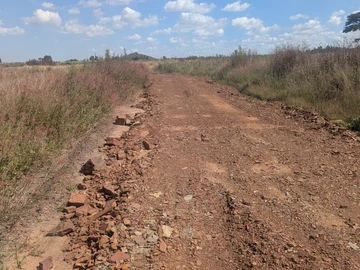
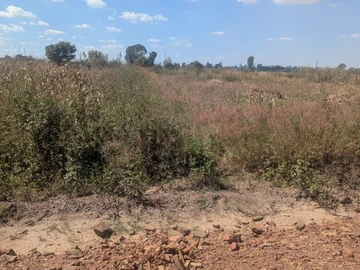
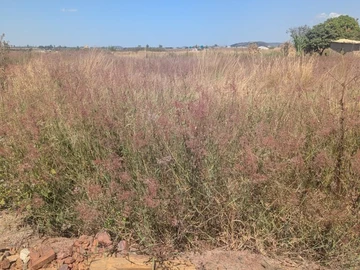
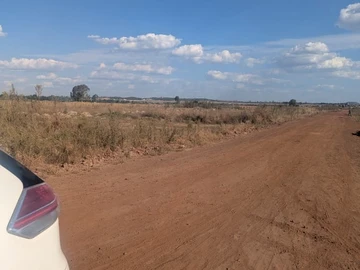
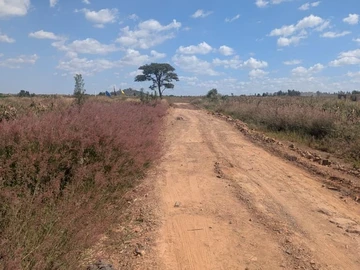
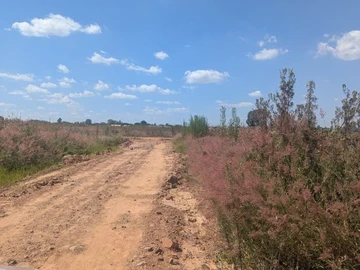
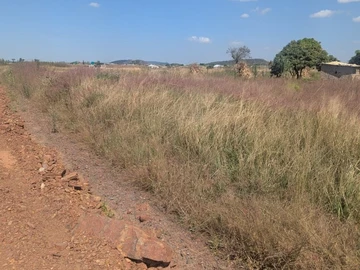
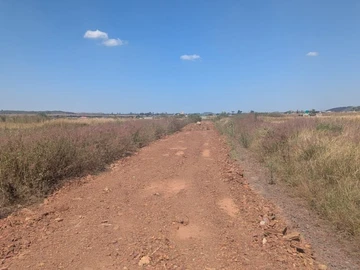
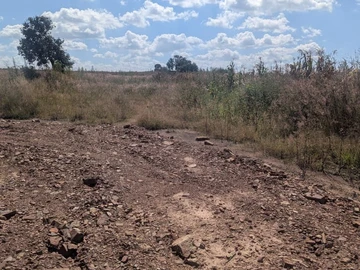


 400 m²