Log in to contact the seller
 Continue with Facebook
 Continue with Email
Continue with Facebook
Continue with Email
Sign up with Facebook
Continue with Email
Continue with Facebook
Continue with Email
Sign up with Facebook
 Change filters
 Requests

 375 m²


 4
4
 2
200 m²
2
200 m²
 3
2,200 m²
3
2,200 m²
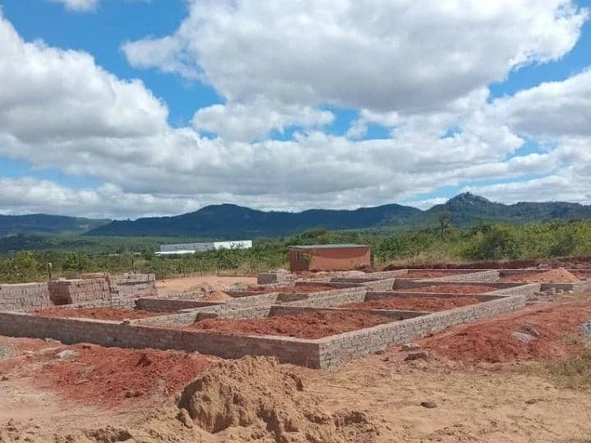
Properties for sale in Masvingo Province offer a mix of urban and rural living with an average price of $150,000. The median land area of these properties is about 3,156 ㎡, with some larger land parcels reaching up to 1,260,000 ㎡. While many listings focus on land, property sizes vary widely, with the largest buildings around 4,600 ㎡.
These properties are ideal for buyers interested in spacious land for farming, development, or residential use. The listings typically include agricultural land and plots suitable for building, reflecting the province’s blend of small towns and rural areas. The affordability of properties makes Masvingo attractive for families, retirees, and investors looking for quieter lifestyles outside major cities.
Masvingo Province is known for its cultural and natural attractions such as the Great Zimbabwe National Monument and Lake Mutirikwi, offering outdoor leisure and historical exploration. The area includes educational facilities like Great Zimbabwe University and healthcare services at Masvingo Provincial Hospital. Shopping needs are met by Masvingo Central Business District and Mucheke Shopping Centre, with good transport links including road connections to Harare and access to Masvingo Airport. This combination of amenities and lifestyle factors makes Masvingo a practical and peaceful place to buy property.
2,020 m²
2
1
200 m²
2
1
120 m²

Be the first to see new properties for sale in Masvingo Province





| Type | Avg. price |
|---|---|
| Overall | $150,000 |
| Land (View 18 properties) | $90,000 |
| Commercial Property (View 17 properties) | $420,000 |
| Houses (View 16 properties) | $55,000 |
| Flats & Apartments | $550,000 |
Understand Zimbabwe’s 2026 rental tax rules, including the 15% commercial regime, residential tax treatment, monthly deadlines and disclosure window
Planning to drill or buy a property with a borehole in Zimbabwe? Check the authority, permit, siting, records and water quality before you commit.
Protect your rental property in Zimbabwe. Learn the 10 essential tenant screening checks landlords should make before signing a lease agreement.
Upgrade your home with the top bathroom trends of 2026 in Zimbabwe. Explore 8 stylish ideas covering luxury vanity finishes, lighting, and eco features.
Buying property in Zimbabwe? Discover hidden costs like stamp duty, conveyancing fees, and taxes that can add 8%–12% or more to your purchase price.